Brown Hair With Light Brown Highlights
How to Get the Perfect Brown Hair With Light Brown Highlights: A Stylist's Secret
If you have brown hair and are looking for a change that whispers luxury rather than screams drastic, you've landed on the right page. Achieving the perfect dimension with brown hair with light brown highlights is an art form. It's the subtle shift in tone that mimics sun exposure, adding depth, movement, and a stunning natural glow.
Forget harsh, striping highlights of the past. Today's trend focuses on seamless blending. This combination is universally flattering, working wonders on nearly every skin tone and base shade of brown.
Ready to unlock the secrets to this timeless look? Let's dive deep into the techniques, maintenance, and expert tips you need to know.
Why Brown Hair With Light Brown Highlights is a Timeless Trend
The beauty of pairing brown hair with a lighter brown highlight lies in its low contrast. Instead of jumping three or four levels lighter (which often requires strong bleaching and toner), light brown highlights gently lift the natural base.
This approach results in hair that looks expensive, voluminous, and effortlessly natural. It's the ideal choice if you want to illuminate your face without committing to blonde.
The Aesthetic Advantage: Dimension and Movement
Monochromatic brown hair can sometimes look flat, especially in photographs. Highlights solve this by creating visual texture.
When light hits the strands, the variation in color catches the eye, making the hair appear thicker and more dynamic. This is particularly effective for those with fine or limp hair, as the visual depth adds perceived volume.
Furthermore, because the lift is minimal, grow-out is much softer and requires less frequent touch-ups compared to brighter colors.
Choosing Your Highlight Technique: Balayage vs. Foiling
The result of your light brown highlights depends heavily on the technique used. Discussing these options with your stylist is crucial for achieving your desired outcome. Remember, the goal is natural blending.
Balayage: The Effortless, Sun-Kissed Look
Balayage (a French word meaning "to sweep") is a freehand technique. The color is painted directly onto the hair surface, focusing primarily on the mid-lengths and ends.
- The Result: Very soft, gradient lift with no harsh lines. This is perfect if you want that subtle, sun-kissed effect that begins further down the hair shaft.
- Maintenance: Extremely low maintenance. You can often go 4-6 months between major appointments.
Traditional Foiling: Precision and Root Lift
Foiling involves isolating specific sections of hair using aluminum foil, which traps heat and allows the lightener to lift more uniformly and closer to the root.
- The Result: More controlled placement, ensuring highlights are distributed evenly from the root to tip. This is preferred if you want dimension throughout the entire head, rather than just the ends.
- Maintenance: Moderate. Requires touch-ups every 8–12 weeks to manage the regrowth line.
Babylights: Maximum Natural Softness
Babylights use the foiling technique but take incredibly tiny sections of hair. The term comes from the natural, fine highlights children often have.
For brown hair with light brown highlights, babylights are arguably the most natural choice, creating an undetectable blend that simply enhances your existing color. This approach is highly effective for disguising initial signs of grey hair too!
Finding the Perfect Shade Match for Your Base
To ensure your light brown highlights complement your deep brown base and skin tone, you must consider the undertone—warm, cool, or neutral.
For example, if you have a cooler, ashier brown base, choosing warm, caramel highlights might look jarring. Conversely, if your base is rich and warm, ash highlights will appear grey or green.
Expert colorists often refer to a history and science of hair coloring to determine how tones interact before applying any product. Getting the right depth is key.
The table below provides a quick guide to common shades that pair well:
| Base Hair Color | Ideal Light Brown Highlight Shade | Desired Undertone Result |
|---|---|---|
| Deep Espresso Brown (Cool) | Ash Brown, Mushroom Brown | Smoky, sophisticated dimension. |
| Medium Chestnut Brown (Warm) | Honey Brown, Golden Caramel | Radiant, sun-kissed warmth. |
| Natural Light Brown (Neutral) | Beige Brown, Toffee | Seamless, blended, and highly reflective. |
Expert Tip: Always ask your stylist to use a toner or gloss after the lightening process. This step is non-negotiable! The toner neutralizes unwanted brassy tones and locks in that beautiful, polished light brown shade.
Maintaining Your Gorgeous Brown Hair With Light Brown Highlights
While light brown highlights require less upkeep than blonde, they still need special attention to prevent fading or brassiness. Proper care ensures the light brown tone remains vibrant and cool (or warm, depending on your goal).
1. Invest in Color-Safe Products
This sounds obvious, but many people overlook the necessity of sulfates and paraben-free products. Sulfates strip the hair of natural oils and, critically, fade color much faster. Look for shampoos specifically labeled "for color-treated hair."
2. The Role of Glazes and Glosses
Because the highlights are subtle, they can lose their luster between salon visits. Scheduling a quick gloss or toner appointment every 6–8 weeks is a fantastic way to refresh the color and add incredible shine without needing a full highlight application.
If you're using at-home color products, be sure to understand the FDA guidance on hair dye safety before application.
3. Heat Protection is Essential
Highlighted hair, even when lifted only a few levels, is more porous and susceptible to heat damage. Always apply a quality heat protectant spray before using flat irons, curling wands, or blow dryers.
[Baca Juga: Caring for Color-Treated Hair]
4. Purple/Blue Shampoos? Maybe Not.
While purple shampoo is a lifeline for platinum blonde hair, it might not be the best solution for light brown highlights. The aggressive pigments in purple shampoo could deposit an unintended cool tone onto your light brown pieces, sometimes giving them a slightly dull or ashy appearance.
Instead, look for a color-depositing mask or shampoo designed for brown hair, which usually contains red or brown pigments to maintain richness.
Conclusion: The Ultimate Dimension for Brown Hair
Choosing brown hair with light brown highlights is a sophisticated and highly versatile choice. By understanding the critical factors—base color undertone, placement technique (balayage, foiling, or babylights), and consistent maintenance—you ensure a result that is both stunningly dimensional and incredibly low-fuss.
This style proves that you don't need a radical change to make a major impact. Sometimes, the most beautiful transformations are those that simply enhance the natural beauty you already possess.
Frequently Asked Questions (FAQ)
- How many levels lighter should my highlights be?
For a truly natural, light brown highlight effect on a brown base, aim for highlights that are only 1-2 levels lighter than your natural color. Anything more than three levels might begin to look like blonde, reducing the subtle dimension we are aiming for.
- Do light brown highlights damage the hair?
Any chemical lightening causes some degree of damage. However, because light brown highlights require minimal lift compared to full blonde highlights, the structural integrity of your hair is much better maintained. Always use bond-building treatments (like Olaplex or K18) during and after the coloring process.
- Can I achieve light brown highlights at home?
While box dyes exist, achieving seamless, professional-looking light brown highlights, especially using techniques like balayage or babylights, requires expert placement and precise timing. We highly recommend consulting a professional colorist to prevent patchiness or unwanted brassy tones.
- What is the difference between light brown highlights and caramel highlights?
Caramel typically refers to a shade that is significantly warmer (more gold/red undertones). Light brown is a broader term and can encompass neutral or ashier tones (like beige or mushroom brown), making it more versatile for cool-toned base colors.
Brown Hair With Light Brown Highlights
Brown Hair With Light Brown Highlights Wallpapers
Collection of brown hair with light brown highlights wallpapers for your desktop and mobile devices.
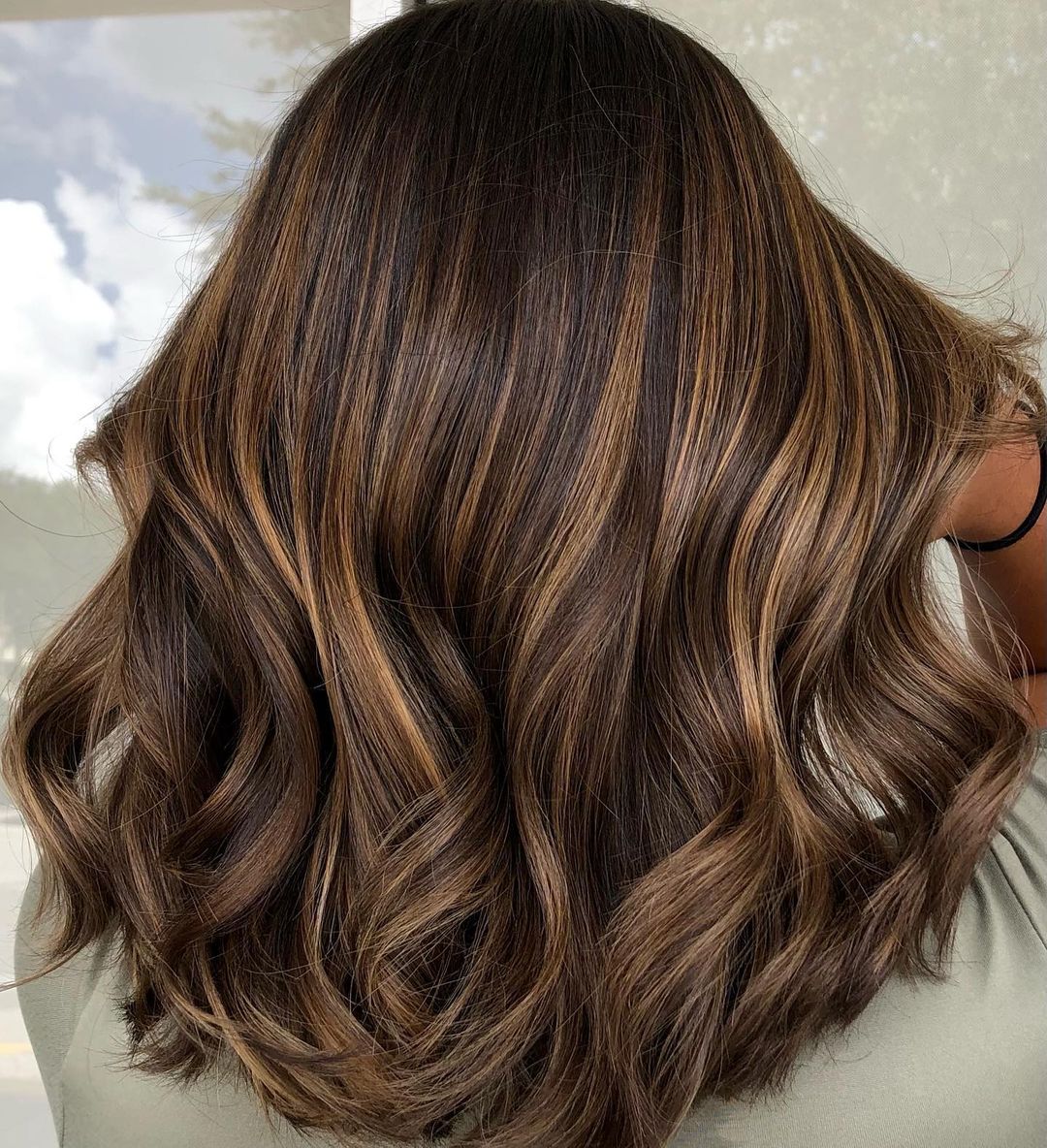
Detailed Brown Hair With Light Brown Highlights Capture Illustration
Discover an amazing brown hair with light brown highlights background image, ideal for personalizing your devices with vibrant colors and intricate designs.
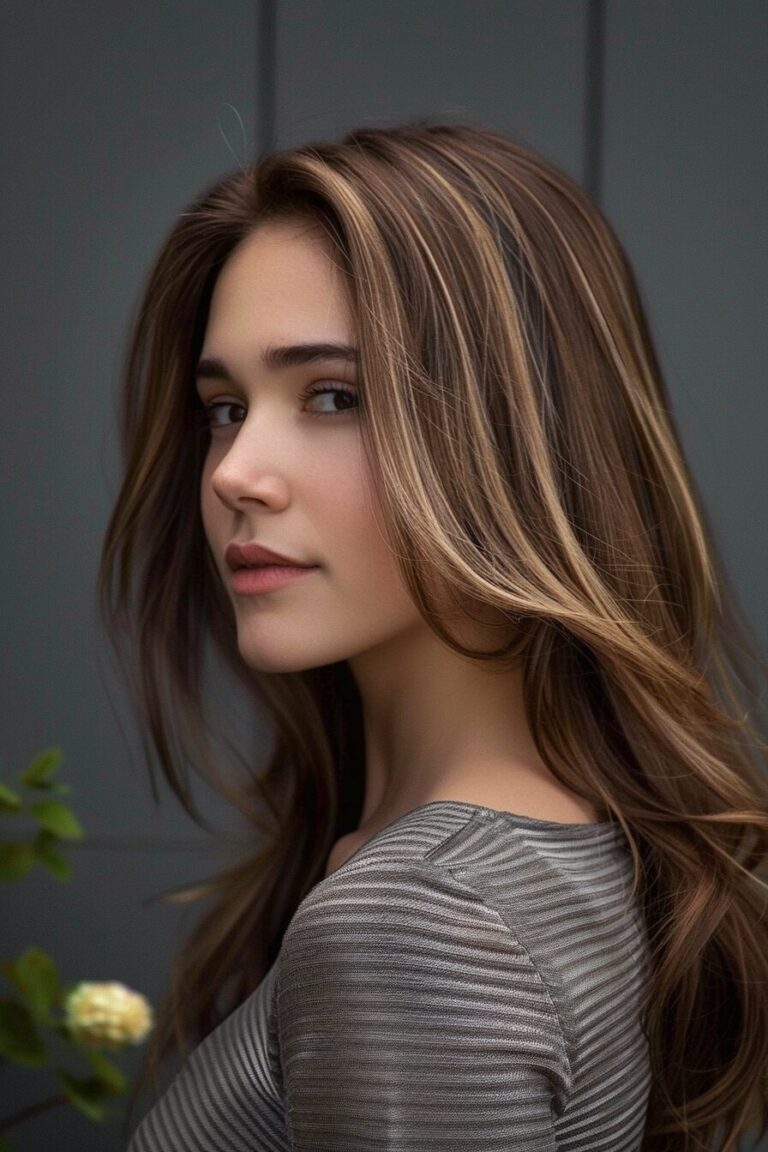
Beautiful Brown Hair With Light Brown Highlights Wallpaper in 4K
Experience the crisp clarity of this stunning brown hair with light brown highlights image, available in high resolution for all your screens.
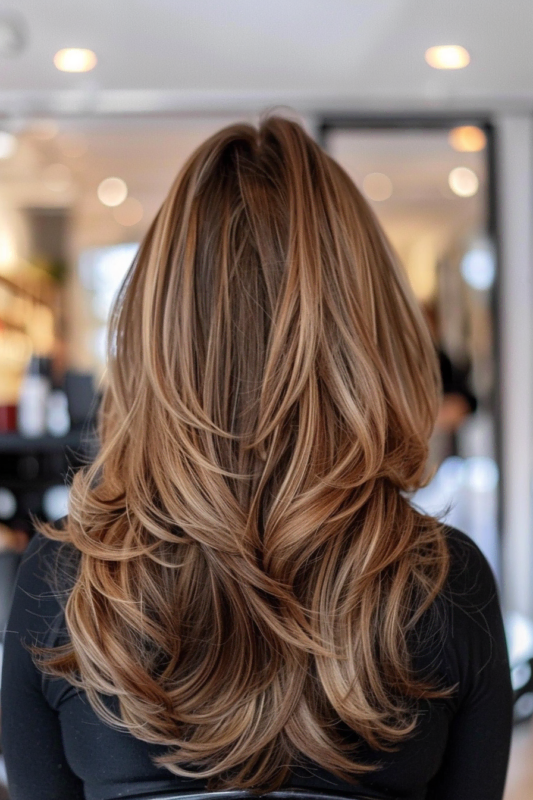
Gorgeous Brown Hair With Light Brown Highlights Artwork Digital Art
Immerse yourself in the stunning details of this beautiful brown hair with light brown highlights wallpaper, designed for a captivating visual experience.

Detailed Brown Hair With Light Brown Highlights Design Concept
Transform your screen with this vivid brown hair with light brown highlights artwork, a true masterpiece of digital design.

Gorgeous Brown Hair With Light Brown Highlights Image in HD
Immerse yourself in the stunning details of this beautiful brown hair with light brown highlights wallpaper, designed for a captivating visual experience.
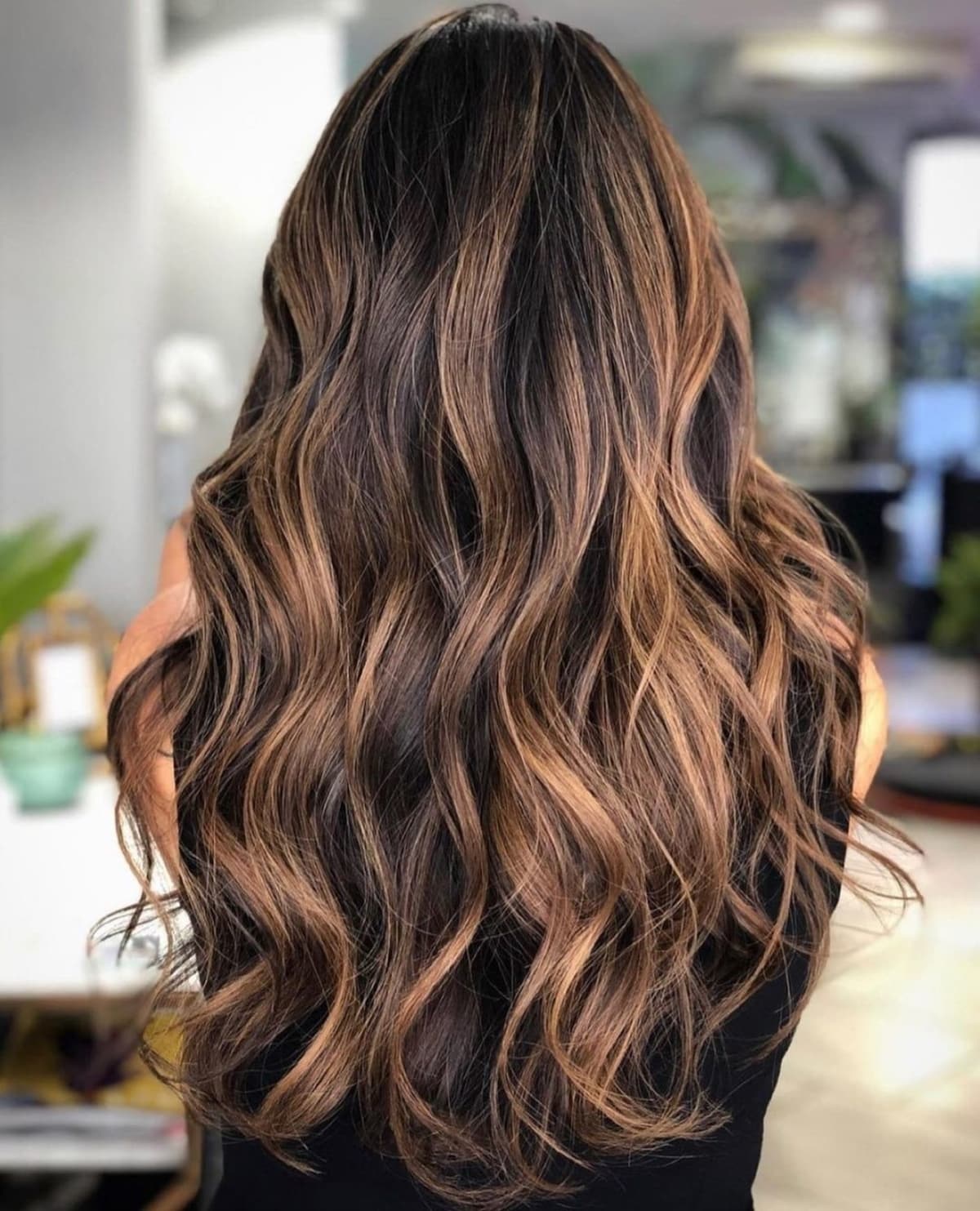
Breathtaking Brown Hair With Light Brown Highlights Abstract Concept
Discover an amazing brown hair with light brown highlights background image, ideal for personalizing your devices with vibrant colors and intricate designs.
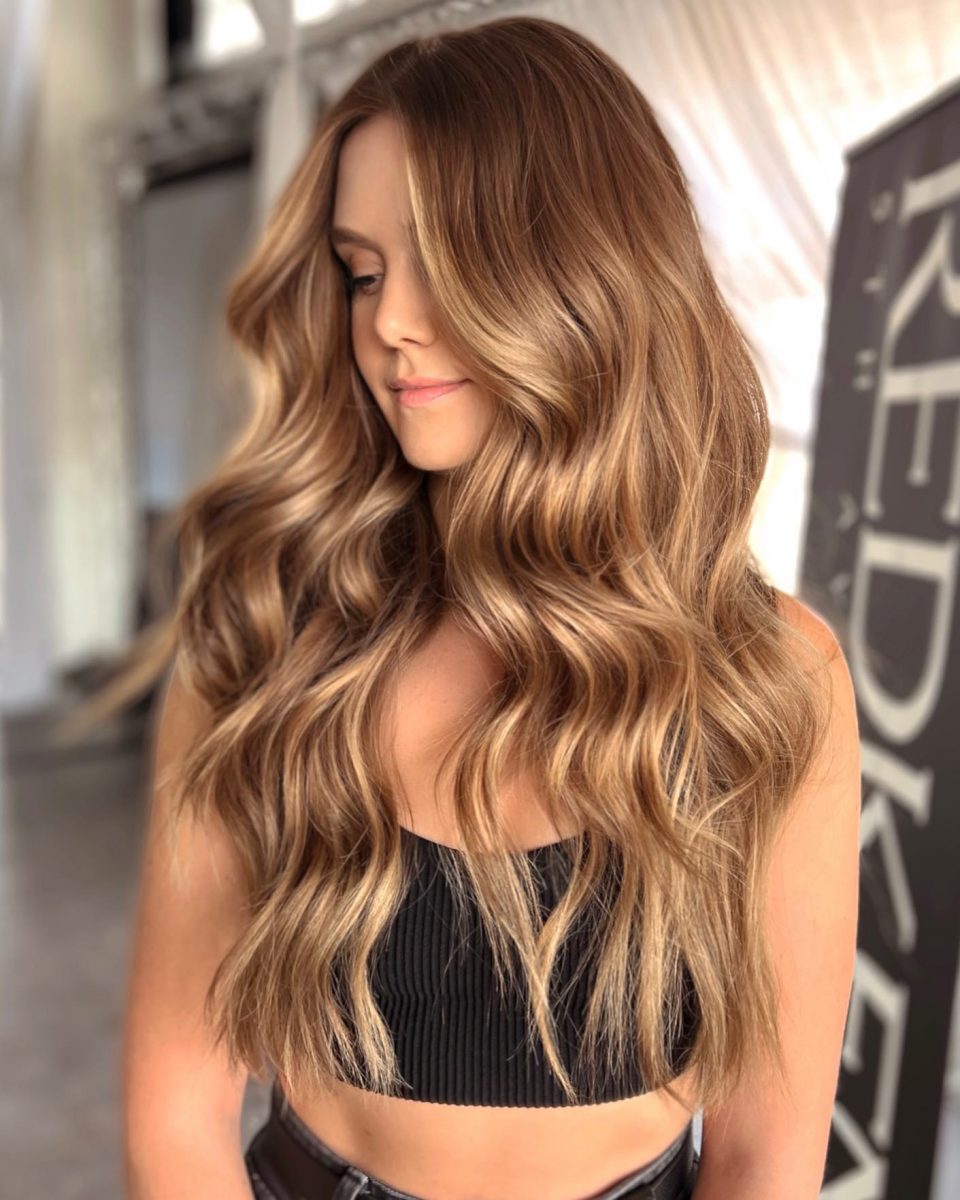
Detailed Brown Hair With Light Brown Highlights View Illustration
Discover an amazing brown hair with light brown highlights background image, ideal for personalizing your devices with vibrant colors and intricate designs.

Beautiful Brown Hair With Light Brown Highlights Background Illustration
Explore this high-quality brown hair with light brown highlights image, perfect for enhancing your desktop or mobile wallpaper.
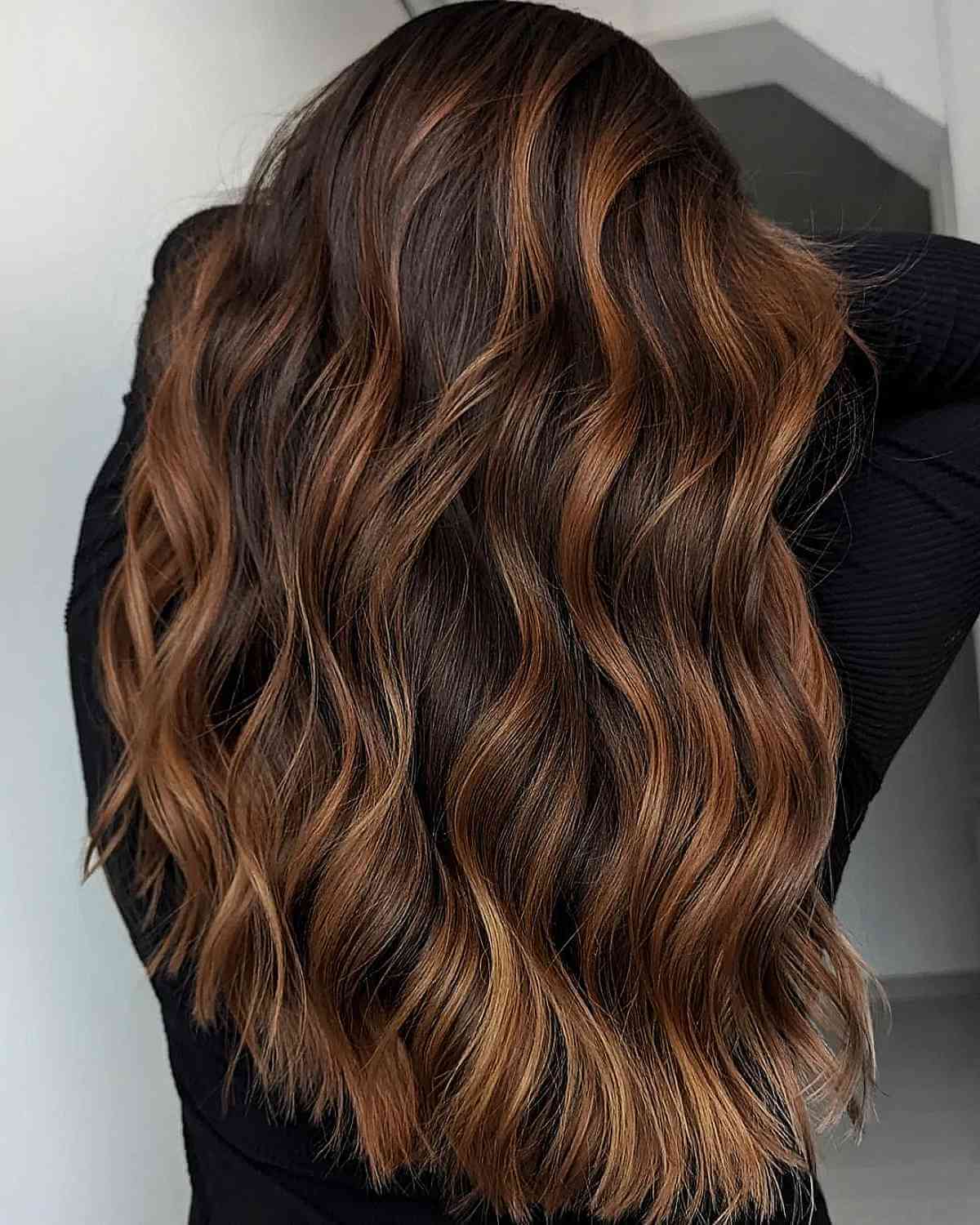
Breathtaking Brown Hair With Light Brown Highlights View for Your Screen
Explore this high-quality brown hair with light brown highlights image, perfect for enhancing your desktop or mobile wallpaper.

Detailed Brown Hair With Light Brown Highlights Image Collection
Experience the crisp clarity of this stunning brown hair with light brown highlights image, available in high resolution for all your screens.

Captivating Brown Hair With Light Brown Highlights Photo Concept
Find inspiration with this unique brown hair with light brown highlights illustration, crafted to provide a fresh look for your background.
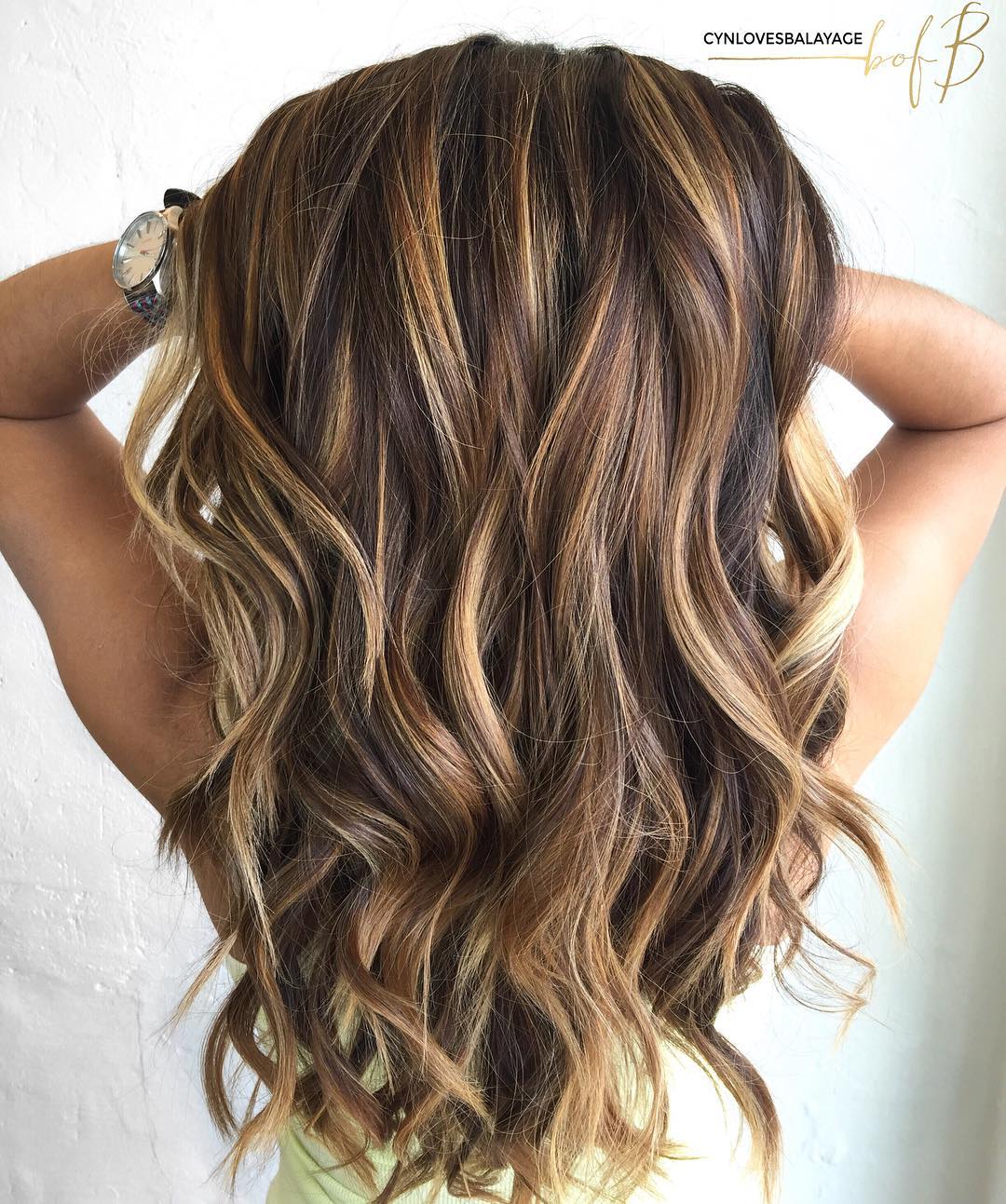
Captivating Brown Hair With Light Brown Highlights Capture Concept
Immerse yourself in the stunning details of this beautiful brown hair with light brown highlights wallpaper, designed for a captivating visual experience.

Beautiful Brown Hair With Light Brown Highlights Landscape Photography
Explore this high-quality brown hair with light brown highlights image, perfect for enhancing your desktop or mobile wallpaper.

High-Quality Brown Hair With Light Brown Highlights Artwork Concept
Experience the crisp clarity of this stunning brown hair with light brown highlights image, available in high resolution for all your screens.

Gorgeous Brown Hair With Light Brown Highlights Moment Art
This gorgeous brown hair with light brown highlights photo offers a breathtaking view, making it a perfect choice for your next wallpaper.

Spectacular Brown Hair With Light Brown Highlights Design in 4K
Immerse yourself in the stunning details of this beautiful brown hair with light brown highlights wallpaper, designed for a captivating visual experience.

Captivating Brown Hair With Light Brown Highlights Picture Digital Art
Immerse yourself in the stunning details of this beautiful brown hair with light brown highlights wallpaper, designed for a captivating visual experience.
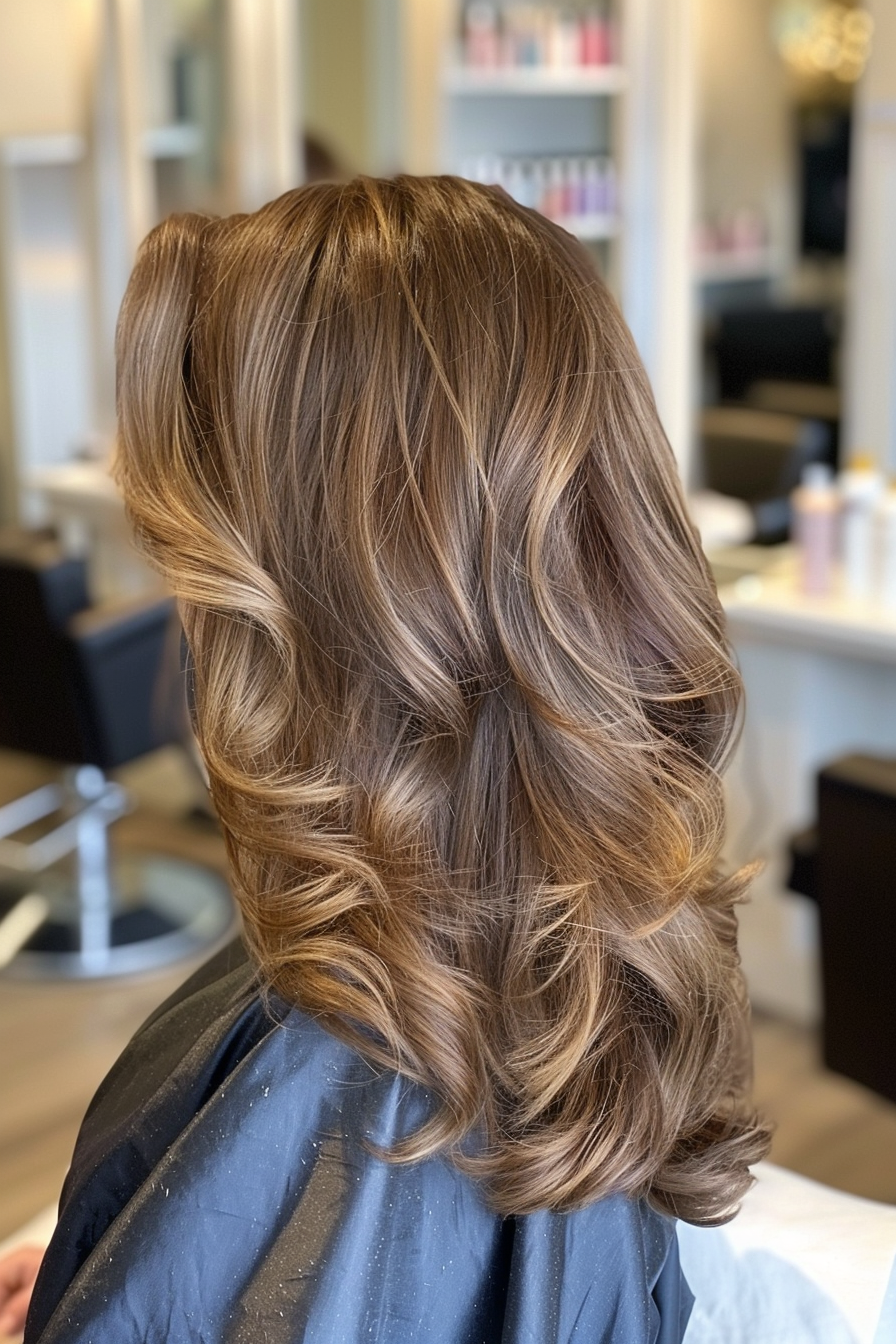
Beautiful Brown Hair With Light Brown Highlights Wallpaper for Mobile
Transform your screen with this vivid brown hair with light brown highlights artwork, a true masterpiece of digital design.

Stunning Brown Hair With Light Brown Highlights Abstract for Your Screen
This gorgeous brown hair with light brown highlights photo offers a breathtaking view, making it a perfect choice for your next wallpaper.

Dynamic Brown Hair With Light Brown Highlights Artwork in HD
A captivating brown hair with light brown highlights scene that brings tranquility and beauty to any device.
Download these brown hair with light brown highlights wallpapers for free and use them on your desktop or mobile devices.
0 Response to "Brown Hair With Light Brown Highlights"
Post a Comment