Full Lace Synthetic Wig
Full Lace Synthetic Wig: The Affordable Secret to Ultra-Realistic Hairlines
Let's be honest: achieving a flawless, undetectable wig look used to cost a fortune, often requiring high-end human hair. But times have changed. Thanks to incredible advancements in fiber technology, the synthetic wig market has exploded, offering unprecedented realism without breaking the bank.
If you are searching for the holy grail of affordability, versatility, and natural appearance, you've likely stumbled upon the Full Lace Synthetic Wig. This isn't your grandma's shiny costume hairpiece; this is high-definition hair artistry.
In this comprehensive guide, we'll dive deep into what makes the full lace synthetic option superior, how to rock it like a professional, and the essential maintenance tips that will keep your hairline looking pristine for months.
Understanding Full Lace Synthetic Wigs: The Construction Revolution
When shopping for wigs, the term "full lace" is perhaps the most crucial factor determining the price and realism. Unlike standard wefted caps or even basic lace fronts, the full lace construction offers maximum flexibility and style freedom.
Defining "Full Lace": More Than Just a Front
A typical lace front wig only has lace spanning the forehead area (usually 13x4 or 13x6 inches). The rest of the cap is standard elastic material or machine wefts. The full lace, however, means the entire cap—from front hairline to the nape—is made of high-quality French or Swiss lace material.
Why does this matter? Full lace allows you to part the hair anywhere—the side, the middle, even a high ponytail—without exposing an artificial weft underneath. This freedom is indispensable for truly natural styling, a feature previously reserved only for much more expensive human hair units.
Synthetic vs. Human Hair: The Modern Gap
Deciding between synthetic and human hair used to be a tough choice, often sacrificing realism for price. Today, modern synthetic fibers, particularly heat-friendly Kanekalon or Futura fibers, have closed that gap significantly.
The primary advantage of the Full Lace Synthetic Wig is the price-to-realism ratio. While human hair offers longevity, a synthetic unit delivers the same high-definition hairline and style potential for a fraction of the cost. The key tradeoff, which we'll cover in maintenance, is heat tolerance and overall lifespan.
Expert tip: Always look for "HD Lace" (High Definition Lace) if possible. HD lace is thinner, softer, and virtually invisible against most skin tones, further enhancing the realism of the full lace cap.
[Baca Juga: Guide to Choosing HD Lace Wigs]Installation and Achieving the Flawless Look (E-E-A-T Focus)
The difference between a great wig day and a "store-bought" wig look often comes down to installation technique. Since the lace spans the entire perimeter, meticulous application is key for this type of unit.
Prepping Your Natural Hair
The foundation is everything. Your natural hair must be as flat as possible. For most people, braiding your hair into cornrows directed straight back is the best method. Once braided, cover your natural hair with a wig cap that matches your scalp color (not your skin color, but your scalp tone) to create a blank canvas.
Ensure the edges around your hairline are securely laid down with gel or a protective spray. This prevents friction and reduces the visibility of the lace material.
The Importance of Bleached Knots and Plucked Hairlines
A crucial factor distinguishing a beginner's wig from an expert's is the customization. The hair strands on the lace are secured by tiny knots. On synthetic wigs, these knots often appear dark, giving a "dot matrix" look.
If your wig doesn't come pre-customized, you must use a light concealer, foundation, or even carefully bleach the knots to minimize visibility. Simultaneously, the hairline should be lightly plucked to mimic the natural, imperfect growth pattern of real hair. This detail makes the Full Lace Synthetic Wig truly shine.
Installation methods vary, but for the most secure hold, especially with a full lace unit that needs to withstand high ponytails, high-quality lace glue or tape is recommended. Always perform a patch test first, as adhesives can be strong. You can learn more about safe adhesive practices from health authorities like the FDA.
Longevity and Daily Maintenance Tips
The lifespan of a high-quality full lace synthetic wig typically ranges from three to six months with proper care. Unlike human hair, synthetic fibers cannot regenerate, so preventative maintenance is mandatory.
Washing and Conditioning Protocols
Over-washing is the enemy. Wash your unit only every 10–15 wears, or when you notice significant product buildup. Always use cold water and wig-specific shampoos and conditioners.
- Step 1 (Detangle): Gently brush the hair from the ends up before wetting.
- Step 2 (Soak): Submerge the wig in a basin of cold water mixed with shampoo. Swish gently; do NOT scrub or massage, as this causes tangling and damages the delicate knots on the lace.
- Step 3 (Condition): Apply conditioner, focusing heavily on the ends. Avoid applying conditioner directly to the lace base, as this can loosen the knots.
- Step 4 (Dry): Lay the wig flat or hang it on a wig stand to air dry. Never use a blow dryer, which can melt or irreparably damage the synthetic fibers.
Styling Limitations and Heat Safety
While many modern synthetic wigs are labeled "heat-friendly," this usually means they can withstand temperatures up to 300–350°F (150–175°C). Always check the manufacturer's specifications. Do not treat these units like human hair.
When styling, use the lowest heat setting possible and rely primarily on steam or cool rollers. Excessive heat exposure is the fastest way to ruin the silky texture and cause irreversible frizzing, especially around the nape and ends. Remember, heat damage on a synthetic fiber cannot be repaired.
[Baca Juga: Understanding Heat-Friendly Wig Fiber Chemistry]Making the Smart Purchase: Full Lace Synthetic vs. Lace Front
Choosing the right construction is critical based on your budget and styling needs. Use this table to decide if the increased cost of a full lace synthetic wig is worth the added styling flexibility.
| Feature | Full Lace Synthetic Wig | Standard Lace Front (Synthetic) |
|---|---|---|
| Lace Area Coverage | Entire cap perimeter (360 degrees) | Front hairline only (e.g., 13x4) |
| Styling Versatility | High ponytails, updos, unlimited parting space. | Limited to low ponytails; parting restricted to lace area. |
| Breathability | Excellent (entire cap is lace). | Good (front section is lace, rest is usually wefted). |
| Average Price Point (Synthetic) | Mid-to-High Tier | Low-to-Mid Tier |
Final Verdict: The Power of Full Lace
The Full Lace Synthetic Wig has revolutionized how we view non-human hair units. It provides the styling freedom and natural appearance of a full lace unit while maintaining the affordability, convenience, and low maintenance of modern synthetic fibers.
If your priority is being able to switch your style—from a sleek side part to a tight bun—without fear of exposing the cap, the full lace construction is absolutely worth the investment, even in synthetic form. Treat it right, follow the proper maintenance steps, and you'll enjoy a versatile, undetectable hairline that keeps everyone guessing.
The key takeaway? Customization and care are paramount. A well-maintained synthetic unit with a customized full lace hairline can rival the look of a much more expensive human hair wig every single time.
Frequently Asked Questions (FAQ)
How long can I wear a Full Lace Synthetic Wig continuously?
We generally recommend wearing it for a maximum of two weeks before removing it completely for a thorough cleaning of your scalp and the unit. Continuous wear for longer periods can cause scalp irritation and product buildup that is difficult to remove from the lace material.
Can I sleep in my Full Lace Synthetic Wig?
While you technically *can* sleep in it, it is strongly advised against. Sleeping causes friction, which rapidly damages synthetic fibers, leading to tangling and frizz (especially at the nape). If you must sleep in it, braid the hair and cover it with a silk or satin bonnet to minimize damage.
Why is my synthetic wig getting frizzy at the ends?
Frizz and tangling, known as 'frizzing,' is common with synthetic fibers. It is often caused by friction (rubbing against clothing, pillows) or heat exposure. To combat this, use a de-frizzing spray specifically for synthetic hair and gently brush or comb the ends several times a day.
Are Full Lace Synthetic Wigs hard to install for beginners?
They require more effort than a simple headband wig or half wig due to the 360-degree perimeter of lace. Installation involves precise cutting of the lace and use of adhesive around the entire head. We recommend watching several professional tutorials or consulting an experienced stylist for your first installation.
Full Lace Synthetic Wig
Full Lace Synthetic Wig Wallpapers
Collection of full lace synthetic wig wallpapers for your desktop and mobile devices.
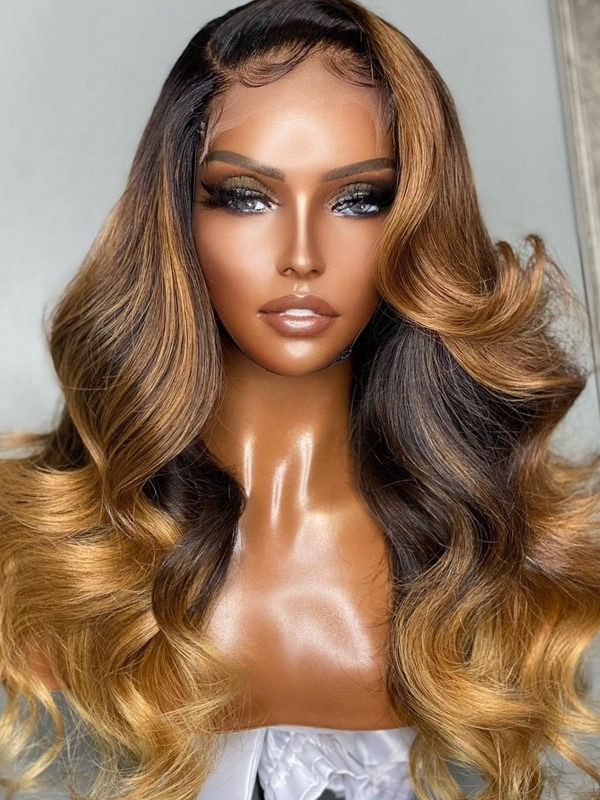
Crisp Full Lace Synthetic Wig Image in 4K
A captivating full lace synthetic wig scene that brings tranquility and beauty to any device.
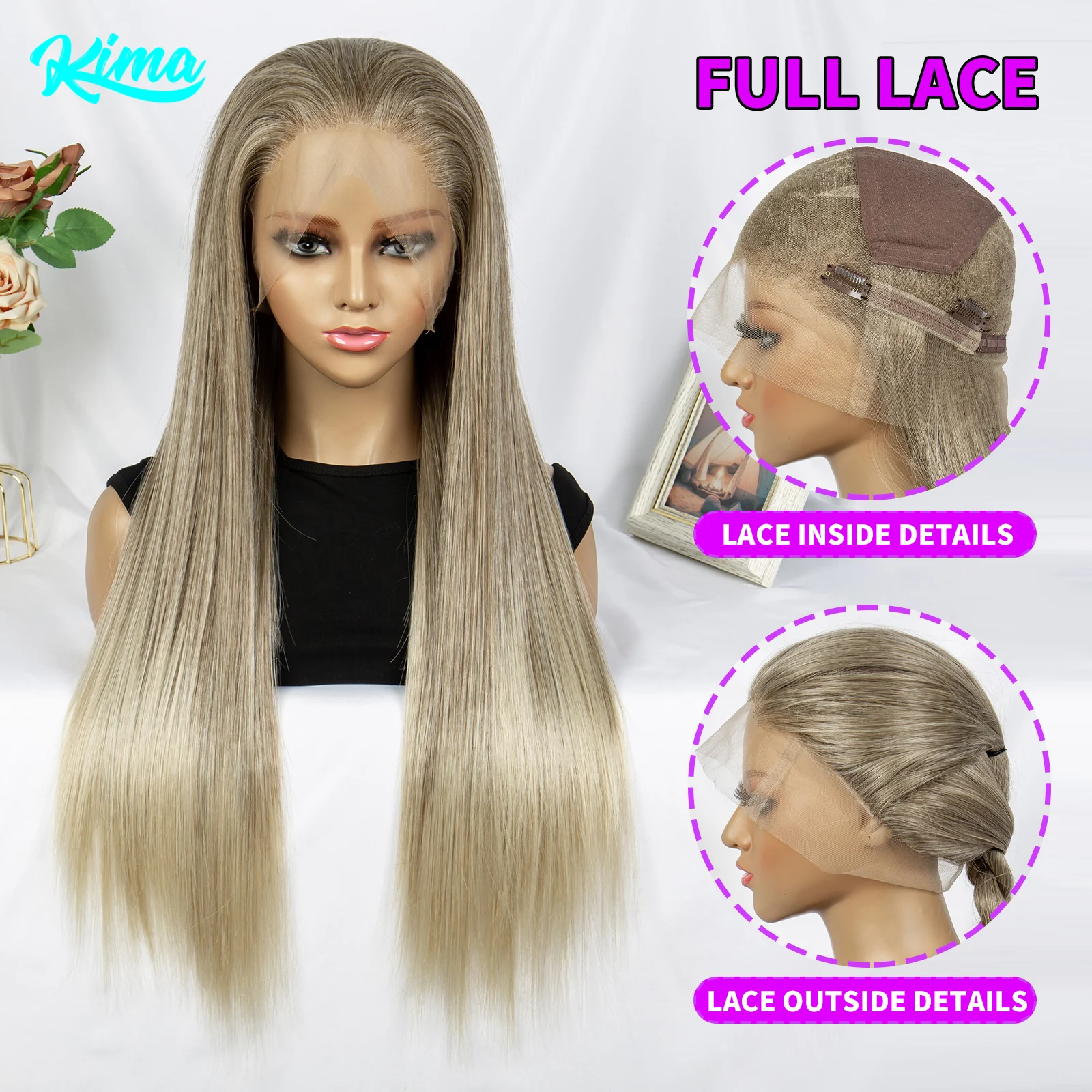
Exquisite Full Lace Synthetic Wig Capture in HD
This gorgeous full lace synthetic wig photo offers a breathtaking view, making it a perfect choice for your next wallpaper.
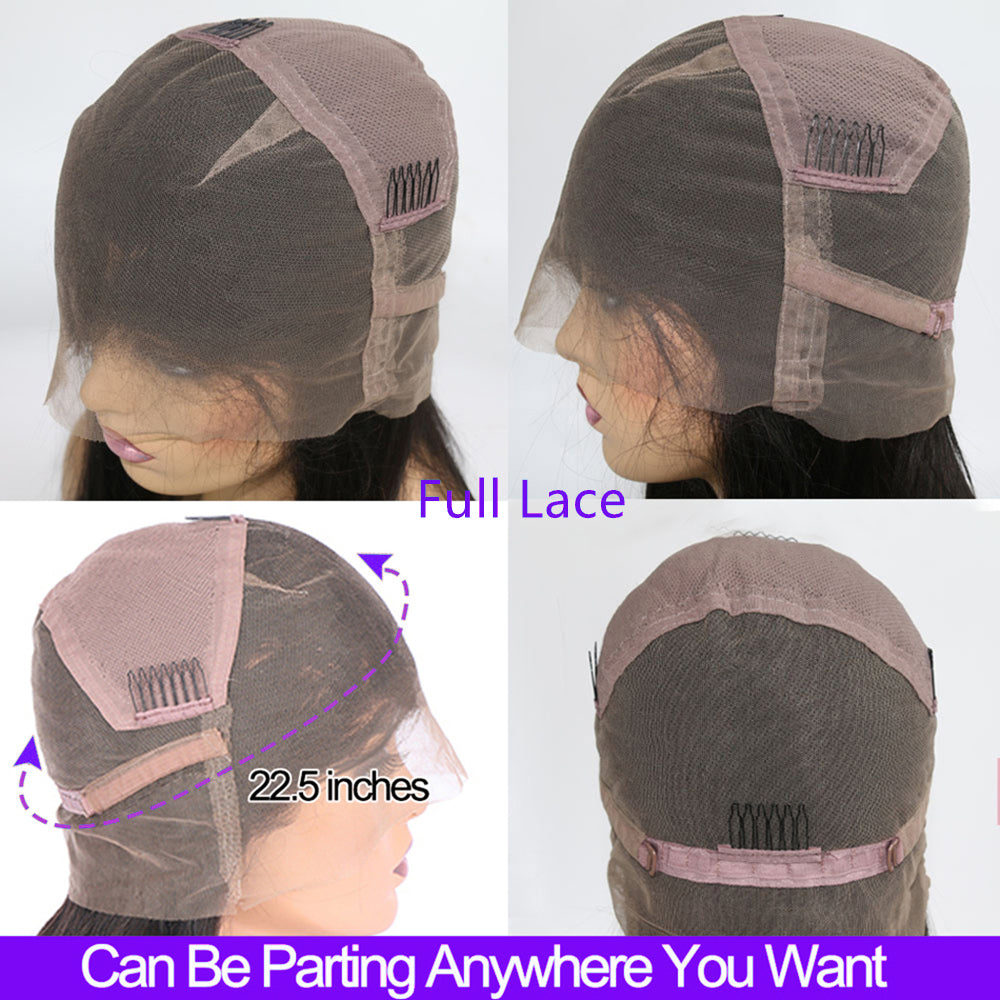
Serene Full Lace Synthetic Wig Design for Your Screen
Experience the crisp clarity of this stunning full lace synthetic wig image, available in high resolution for all your screens.

Exquisite Full Lace Synthetic Wig Background Photography
A captivating full lace synthetic wig scene that brings tranquility and beauty to any device.

Vibrant Full Lace Synthetic Wig View Art
Experience the crisp clarity of this stunning full lace synthetic wig image, available in high resolution for all your screens.
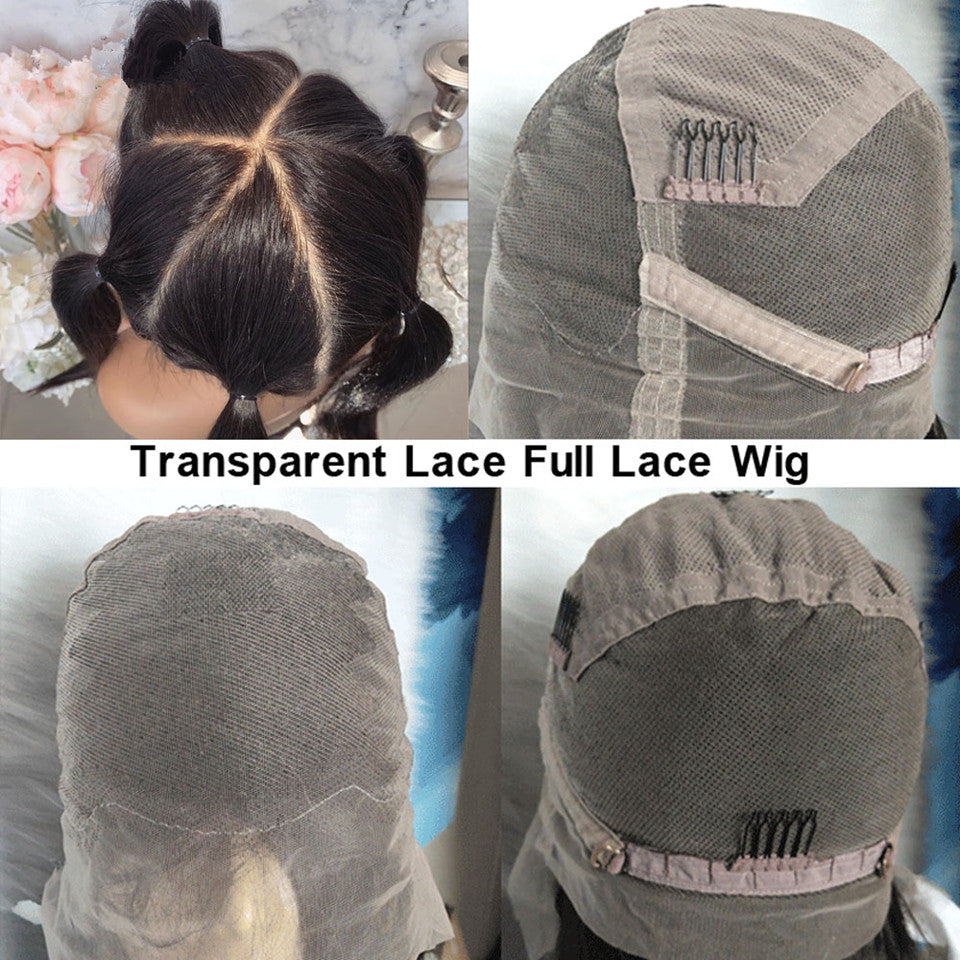
Artistic Full Lace Synthetic Wig View Illustration
A captivating full lace synthetic wig scene that brings tranquility and beauty to any device.

Vivid Full Lace Synthetic Wig Landscape Collection
Transform your screen with this vivid full lace synthetic wig artwork, a true masterpiece of digital design.

Lush Full Lace Synthetic Wig Moment Digital Art
A captivating full lace synthetic wig scene that brings tranquility and beauty to any device.
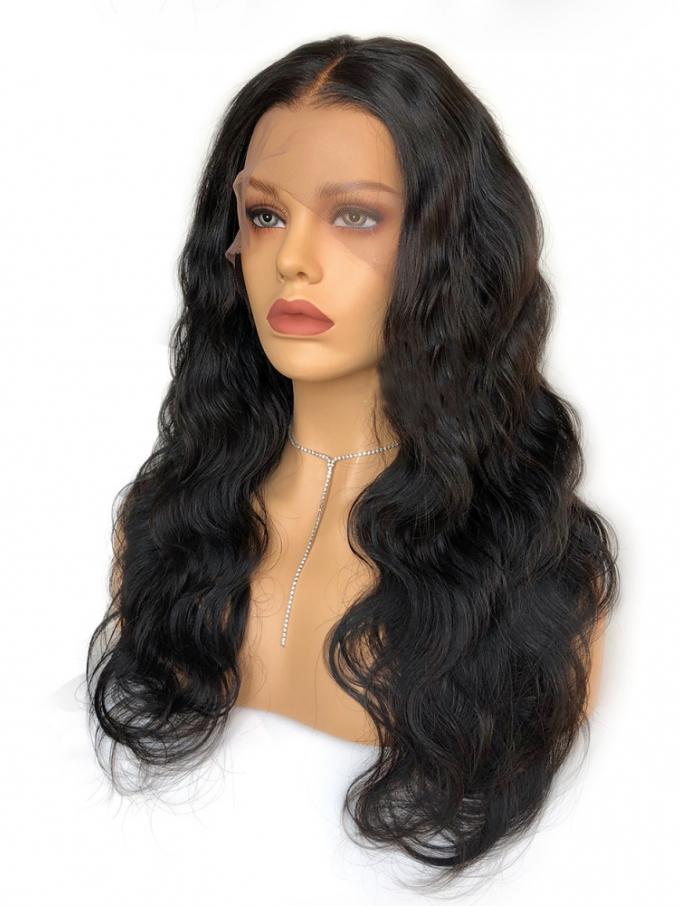
Captivating Full Lace Synthetic Wig Picture in HD
This gorgeous full lace synthetic wig photo offers a breathtaking view, making it a perfect choice for your next wallpaper.
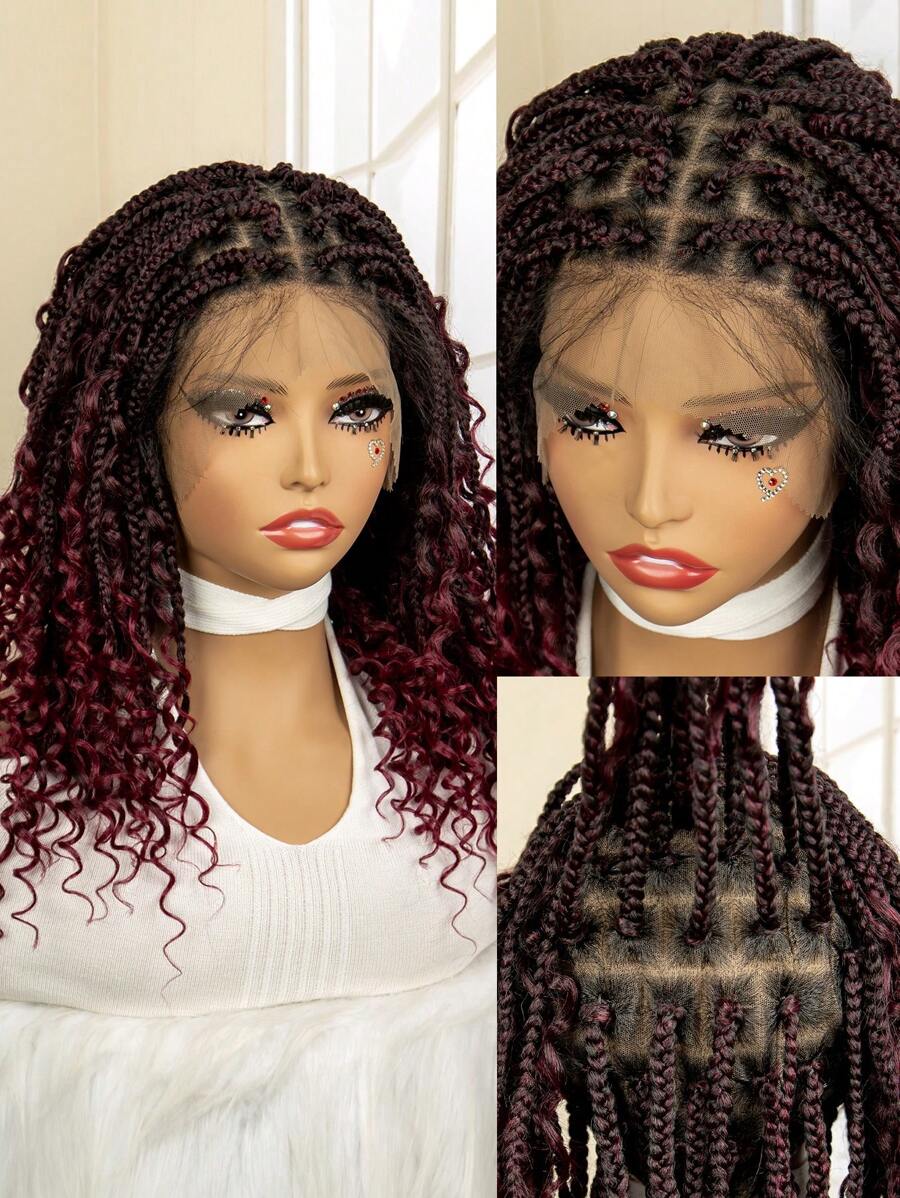
Vibrant Full Lace Synthetic Wig Scene Concept
Explore this high-quality full lace synthetic wig image, perfect for enhancing your desktop or mobile wallpaper.
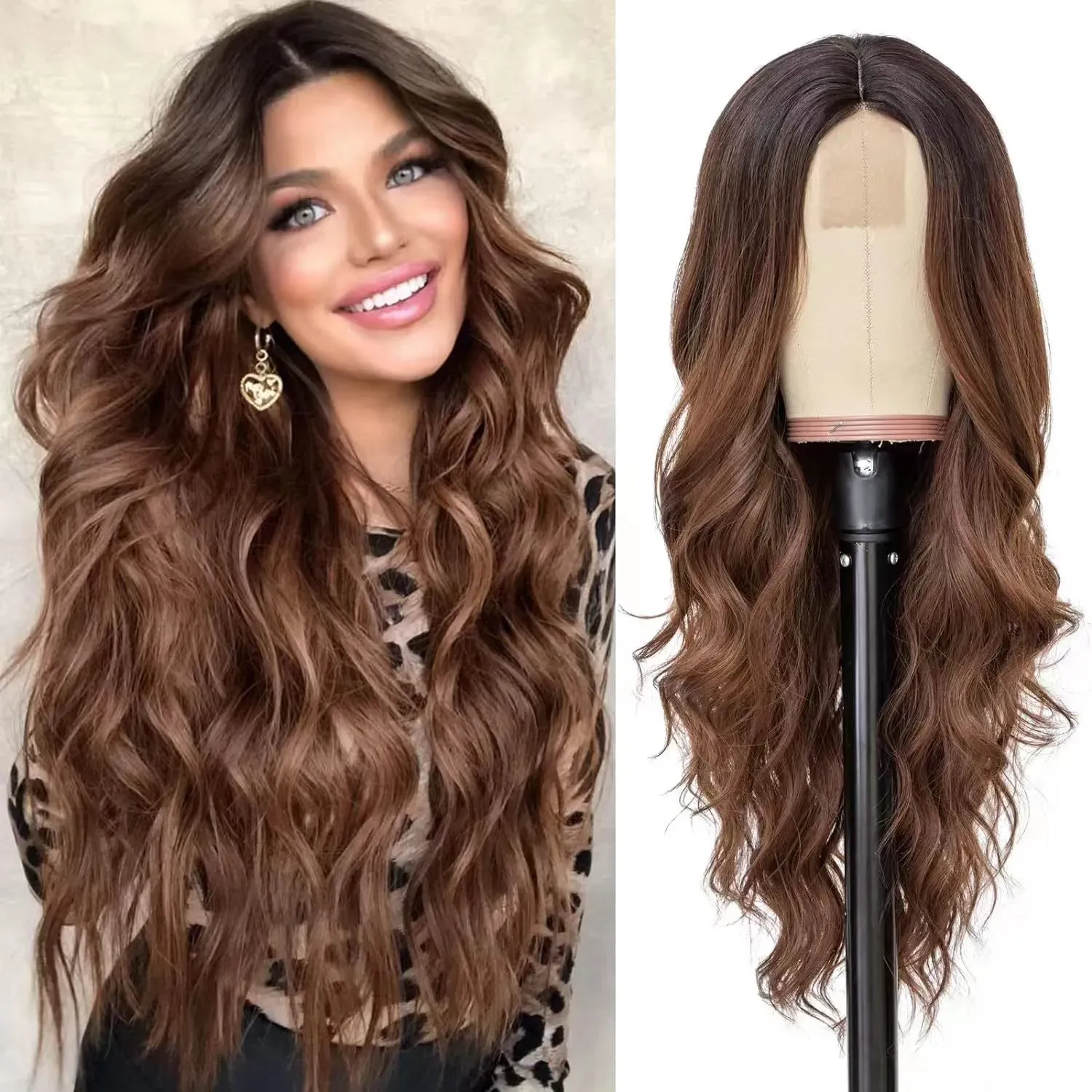
Gorgeous Full Lace Synthetic Wig Landscape Collection
Immerse yourself in the stunning details of this beautiful full lace synthetic wig wallpaper, designed for a captivating visual experience.
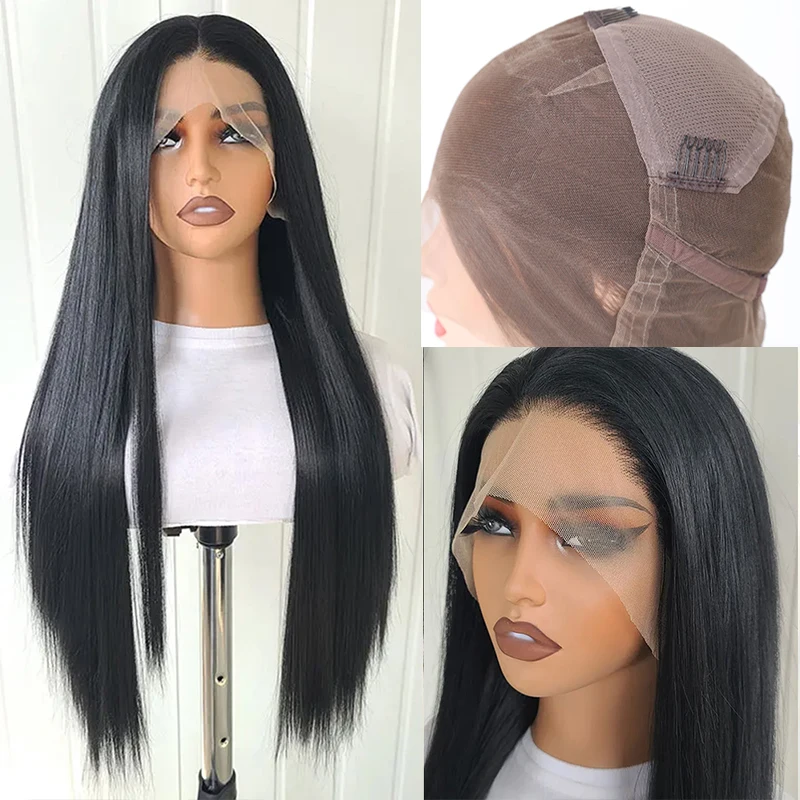
Vivid Full Lace Synthetic Wig Picture Nature
Discover an amazing full lace synthetic wig background image, ideal for personalizing your devices with vibrant colors and intricate designs.
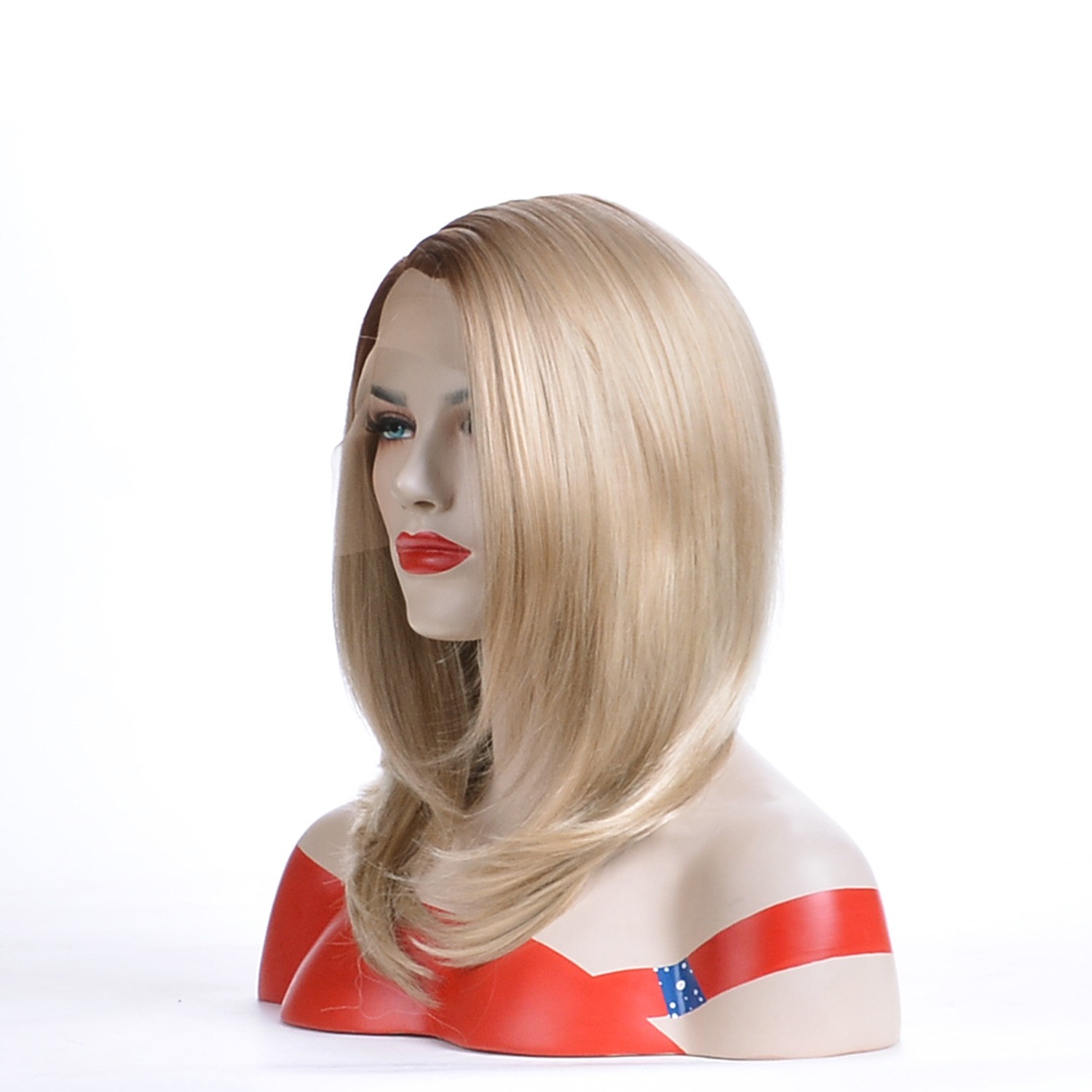
Gorgeous Full Lace Synthetic Wig Picture in 4K
A captivating full lace synthetic wig scene that brings tranquility and beauty to any device.

Serene Full Lace Synthetic Wig Design Concept
Discover an amazing full lace synthetic wig background image, ideal for personalizing your devices with vibrant colors and intricate designs.

Exquisite Full Lace Synthetic Wig Abstract Illustration
Immerse yourself in the stunning details of this beautiful full lace synthetic wig wallpaper, designed for a captivating visual experience.
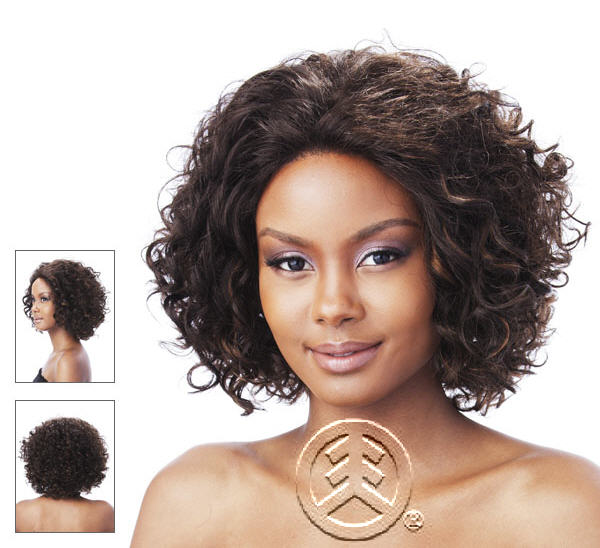
Amazing Full Lace Synthetic Wig Design Art
Explore this high-quality full lace synthetic wig image, perfect for enhancing your desktop or mobile wallpaper.

Dynamic Full Lace Synthetic Wig View Illustration
Immerse yourself in the stunning details of this beautiful full lace synthetic wig wallpaper, designed for a captivating visual experience.

Stunning Full Lace Synthetic Wig Scene Digital Art
A captivating full lace synthetic wig scene that brings tranquility and beauty to any device.

Gorgeous Full Lace Synthetic Wig Artwork for Your Screen
This gorgeous full lace synthetic wig photo offers a breathtaking view, making it a perfect choice for your next wallpaper.

Stunning Full Lace Synthetic Wig Picture Art
A captivating full lace synthetic wig scene that brings tranquility and beauty to any device.
Download these full lace synthetic wig wallpapers for free and use them on your desktop or mobile devices.
0 Response to "Full Lace Synthetic Wig"
Post a Comment