Henna Brown
Tired of Fading Dye? Unlock Permanent, Rich Color with Henna Brown
Let's be honest: finding the perfect hair color is a journey, and often, that journey leads us right back to the salon chair every few weeks. If you're searching for a rich, vibrant, and permanent brown hue without subjecting your hair to harsh chemicals, you've likely stumbled upon the game-changer known as Henna Brown.
This isn't your grandmother's muddy henna. Modern Henna Brown formulas offer stunning depth, exceptional conditioning, and the kind of lasting power that chemical dyes envy. But before you dive in, there are a few expert secrets you need to know about mixing, application, and safety. Ready to transform your hair naturally? Let's get started.
What Exactly is Henna Brown? The E-E-A-T Breakdown
The term "henna" often causes confusion. Traditional, pure henna comes from the *Lawsonia inermis* plant and only produces a red-orange dye (lawsone). So, how do we get a gorgeous brown shade?
True Henna Brown is a meticulously blended mixture of pure henna and other botanical powders, primarily Indigo (*Indigofera tinctoria*) and sometimes Cassia (*Cassia Obovata* or "neutral henna"). It's the ratio of these ingredients that dictates the final brown tone.
The Science of Color: How Henna Works
Unlike chemical dyes that lift the hair cuticle and penetrate the cortex, henna works by binding to the keratin protein on the outside of the hair shaft. It essentially deposits a protective, pigmented coating, which is why henna is so famous for adding volume and shine.
This coating doesn't fade easily, contributing to its permanent status. The lawsone molecule in henna bonds tightly, while the indigo pigments fill in the gaps to create the depth of brown. Understanding this process is key to successful coloring.
For more detail on the chemical structure of lawsone, you can check reliable botanical sources: Read about the chemistry of Lawsonia inermis on Wikipedia.
Is "Brown Henna" Truly Natural? Addressing the Black Henna Myth
When seeking Henna Brown, vigilance is required. The danger lies in products marketed as "Black Henna" or "Dark Henna" that are actually boosted with Paraphenylenediamine (PPD), a powerful synthetic dye used to speed up the coloring process and achieve jet black.
PPD can cause severe allergic reactions and chemical burns. Always check the ingredients list. If the product promises jet black color in less than two hours, or if PPD is listed, avoid it completely. Genuine Henna Brown relies solely on plants.
Choosing Your Perfect Henna Brown Shade
The beauty of using henna blends is the control you have over the final shade. Since henna is a semi-translucent dye, your starting hair color is the canvas, and the henna is the glaze. The result is always a unique, multi-dimensional brown.
Deep Chocolate vs. Light Chestnut: Shade Matching Guide
Light Brown Henna: Contains a high ratio of Cassia and less Indigo. This is ideal for adding warmth and shine to light brown or darker blonde hair without overwhelming it.
Medium Brown Henna: A balanced mix of Henna and Indigo. This is the most popular blend, resulting in a neutral, earthy brown.
Dark Brown Henna: High concentration of Indigo, often applied after a full red henna treatment (the two-step method) to ensure maximum depth and coverage, effectively neutralizing the red tones.
If you are struggling to cover stubborn gray hairs, a two-step process—first pure red henna, then the brown blend—is often required for a seamless result. [Baca Juga: Panduan Lengkap Henna Two-Step Process]
Achieving Depth: Layering and Oxidation
Henna does not reach its true color immediately. The color will intensify and deepen over 48 to 72 hours as the pigment oxidizes (reacts with the air). This is the 'settling' period.
If your first application is too light, don't panic. Henna is buildable. You can apply a second coat immediately or a week later to increase the richness and depth of your Henna Brown, ultimately achieving a deeper, more profound color.
Step-by-Step Application: Getting the Best Results
Successful henna application requires patience and messiness tolerance. Follow these steps for the deepest, most even Henna Brown results.
Preparation: The Crucial Patch Test
Before applying anything to your entire head, perform a patch test behind your ear and a strand test on discarded hair. This confirms your exact color result and, most importantly, verifies that you are not allergic to the plant components.
Remember that even natural ingredients can cause reactions. If you suspect your product contains questionable additives, refer to warnings from health authorities: FDA Warning on Henna Tattoos and Hair Dyes.
Mixing & Timing: Secrets for Vibrant Pigment
For brown tones (which include Indigo), use warm (not boiling) distilled water, or strong brewed coffee/tea instead of plain water to deepen the brown hue. Skip acidic liquids (like lemon juice), which help pure henna release dye but inhibit Indigo.
Unlike pure henna, brown blends should be mixed and applied immediately—do not let the paste sit overnight, as this can 'kill' the indigo pigment, leaving you with only the red tones.
Post-Care Tips for Longevity
For the first 72 hours post-application, avoid washing your hair. This allows the pigment to fully oxidize and set. When you do wash, use sulfate-free shampoo and rinse with cool water. Henna loves cool water!
To keep the shine maximized and the color locked in, try doing an herbal hair rinse with diluted apple cider vinegar once a week.
Henna vs. Chemical Dyes: A Comparative Look
Choosing between Henna Brown and traditional chemical dyes often comes down to priorities: health vs. convenience. Here is a clear comparison to help you decide which is right for your hair goals:
| Feature | Henna Brown (100% Botanical) | Chemical Box Dye |
|---|---|---|
| Mechanism | Coats the hair shaft (conditioning) | Penetrates the hair cortex (damage risk) |
| Permanence | Very permanent; color must grow out | Permanent (fades over time) or Demi-Permanent |
| Lightening Hair | Cannot lighten hair | Can lighten hair significantly |
| Application Time | Requires 2–4 hours (plus 72h oxidation) | Requires 30–60 minutes |
| Chemical Risk | Minimal (risk only if adulterated) | High (PPD, Ammonia, Peroxide) |
While the process for Henna Brown is undeniably longer, the resulting hair health and the rich, chemical-free color payoff are often worth the commitment for those prioritizing natural beauty.
A note of caution: Henna can be tricky to remove if you decide to switch back to chemical colors, as it may interfere with lightening processes. Always consult a color specialist knowledgeable about henna removal.
Conclusion: Embrace the Richness of Henna Brown
Choosing Henna Brown is more than just selecting a color; it's choosing a healthier, more holistic approach to hair care. By understanding the role of Indigo and the importance of timing, you can achieve a sophisticated, chemical-free brown that is truly permanent and deeply conditioning.
Forget the fear of brassiness and fading. With proper application and post-care, your Henna Brown will continue to deepen and shine, leaving you with rich, luxurious color that only Mother Nature—and a little patience—can provide.
Common Questions About Henna Brown (FAQ)
Can I use Henna Brown over chemically dyed hair?
Yes, in most cases, but proceed with caution. Ensure the henna product is 100% pure plant matter (no metallic salts). If your chemical dye contains metallic salts, henna can react badly (turning hair green or melting it). Wait at least 6-8 weeks after a chemical process.
Will Henna Brown cover my gray hair?
Absolutely. Henna excels at covering gray hair. However, gray hairs lack pigment, so the initial result might be lighter or slightly redder than the rest of your hair. For a deep brown on grays, the two-step process (Red Henna, then Brown Henna/Indigo mix) is often the most effective method.
How often should I reapply Henna Brown?
Since the color itself is permanent, you only need to reapply to the roots (a root touch-up) as your hair grows. Most users touch up every 4 to 6 weeks. Over-applying to the lengths can eventually make the ends too dark.
Does Henna Brown contain metallic salts?
High-quality, reputable Henna Brown powder should not contain metallic salts. Always look for products clearly labeled 100% botanical/herbal, containing only *Lawsonia inermis*, *Indigofera tinctoria*, and potentially *Cassia Obovata*.
Henna Brown
Henna Brown Wallpapers
Collection of henna brown wallpapers for your desktop and mobile devices.

Captivating Henna Brown Capture Art
This gorgeous henna brown photo offers a breathtaking view, making it a perfect choice for your next wallpaper.

Stunning Henna Brown Abstract Illustration
This gorgeous henna brown photo offers a breathtaking view, making it a perfect choice for your next wallpaper.

Artistic Henna Brown Moment Illustration
Immerse yourself in the stunning details of this beautiful henna brown wallpaper, designed for a captivating visual experience.

Beautiful Henna Brown Picture Art
Experience the crisp clarity of this stunning henna brown image, available in high resolution for all your screens.

Beautiful Henna Brown View Concept
Transform your screen with this vivid henna brown artwork, a true masterpiece of digital design.

Artistic Henna Brown Photo Collection
Find inspiration with this unique henna brown illustration, crafted to provide a fresh look for your background.
Breathtaking Henna Brown Artwork for Your Screen
Experience the crisp clarity of this stunning henna brown image, available in high resolution for all your screens.

Breathtaking Henna Brown Picture Digital Art
Explore this high-quality henna brown image, perfect for enhancing your desktop or mobile wallpaper.
Artistic Henna Brown Capture for Your Screen
Find inspiration with this unique henna brown illustration, crafted to provide a fresh look for your background.

Breathtaking Henna Brown View Illustration
Transform your screen with this vivid henna brown artwork, a true masterpiece of digital design.

Amazing Henna Brown View in HD
Transform your screen with this vivid henna brown artwork, a true masterpiece of digital design.

Captivating Henna Brown Picture for Mobile
A captivating henna brown scene that brings tranquility and beauty to any device.
Serene Henna Brown Capture Concept
Transform your screen with this vivid henna brown artwork, a true masterpiece of digital design.

Spectacular Henna Brown Background for Your Screen
Find inspiration with this unique henna brown illustration, crafted to provide a fresh look for your background.
Lush Henna Brown Abstract Collection
A captivating henna brown scene that brings tranquility and beauty to any device.
High-Quality Henna Brown View for Mobile
Explore this high-quality henna brown image, perfect for enhancing your desktop or mobile wallpaper.
Serene Henna Brown Scene Nature
Explore this high-quality henna brown image, perfect for enhancing your desktop or mobile wallpaper.
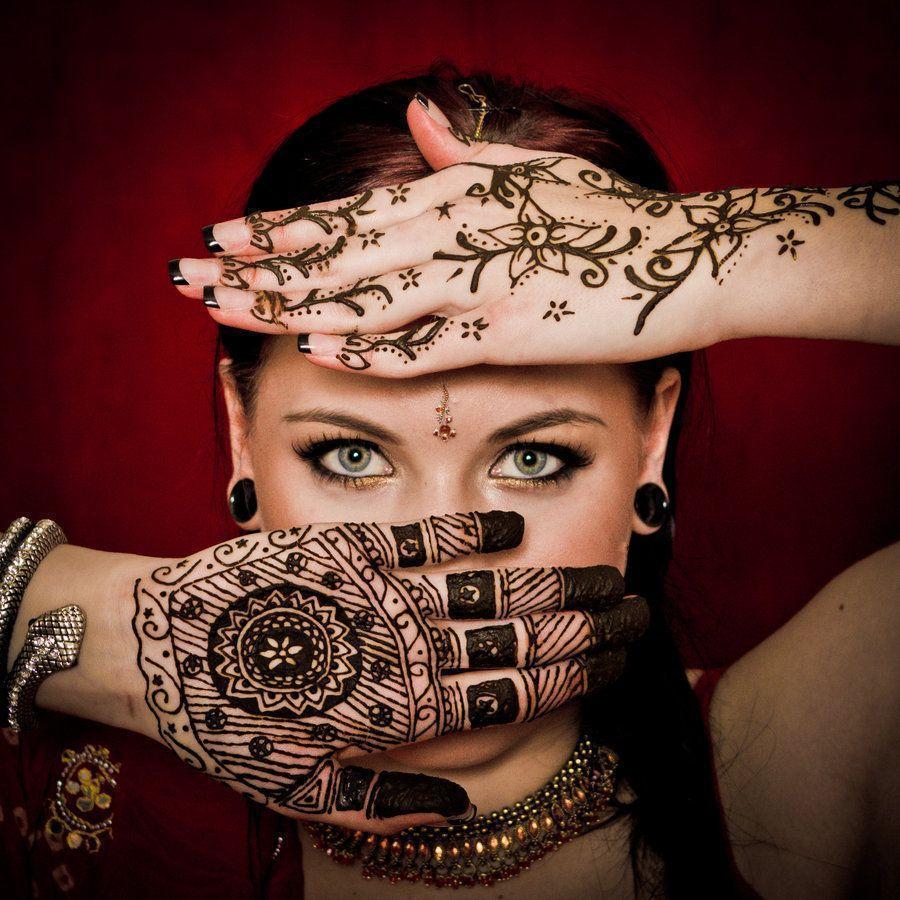
Crisp Henna Brown Picture for Mobile
This gorgeous henna brown photo offers a breathtaking view, making it a perfect choice for your next wallpaper.
Gorgeous Henna Brown Background Photography
A captivating henna brown scene that brings tranquility and beauty to any device.

High-Quality Henna Brown Capture Photography
Transform your screen with this vivid henna brown artwork, a true masterpiece of digital design.
Download these henna brown wallpapers for free and use them on your desktop or mobile devices.
0 Response to "Henna Brown"
Post a Comment