Henna Indigo
Tired of Chemical Dyes? Discover How to Master the 2-Step Henna Indigo Process for Stunning, Natural Black Hair
If you're on the journey toward truly natural hair coloring, you've likely stumbled upon the powerful duo: Henna Indigo. This combination is the gold standard for achieving rich browns, deep chestnuts, and absolute jet-black hair without resorting to harsh chemicals like PPD or ammonia.
However, using henna and indigo isn't like mixing a box dye. It requires specific knowledge—a dance between two different plants—to avoid surprising green or orange results. This comprehensive guide will walk you through the science, the crucial two-step process, and the exact ratios you need to guarantee a perfect, professional finish every time.
Understanding the Henna Indigo Relationship: The Science Behind the Shade
To use Henna and Indigo effectively, you must treat them as two distinct players. They are not designed to be mixed together and applied immediately—a common mistake that leads to unpredictable color results.
What is Henna (Lawsone)?
Henna comes from the dried, powdered leaves of the Lawsonia inermis plant. Its dye molecule, Lawsone, is a robust and permanent red-orange pigment. Crucially, Lawsone binds strongly to the keratin in your hair shaft.
This binding ability is key. Henna acts as the permanent base coat, ensuring the longevity of the final color. Without a Henna base, the Indigo molecule cannot successfully attach itself to the hair and will wash out quickly. For more scientific context on the plant, you can check out the Wikipedia entry on Henna.
What is Indigo (Indigotera)?
Indigo is derived from the leaves of the Indigofera tinctoria plant. Its primary dye molecule provides the blue pigment. Unlike Henna, the Indigo molecule is less stable, less acidic, and prefers a basic (higher pH) environment for activation.
Indigo's job is to stack the blue pigment *on top* of the Henna's red pigment. When red and blue pigments overlap, the resulting color to the human eye is deep brown or black. If applied directly to white or gray hair without the Henna base, Indigo can result in an unexpected teal or muddy gray hue.
The Crucial Two-Step Method: Why You Can't Skip Phase One
The secret to using Henna Indigo successfully, especially on gray hair, lies entirely in the two-step process. Skipping this step often results in the color fading rapidly or turning a strange shade of swamp green.
Step 1: The Henna Base Layer (The Red Safety Net)
This phase is essential for covering stubborn gray hairs and preparing the canvas. The goal is to fully coat all light hair with a pure, permanent red layer.
- Preparation: Mix pure Henna powder with warm, slightly acidic liquid (lemon juice or strong brewed black tea).
- Dye Release: Allow the Henna mixture to sit for 4–12 hours until the dye has released (a darker layer forms on the surface).
- Application: Apply the Henna paste thoroughly to clean, dry hair. Focus especially on the roots and gray areas.
- Timing & Rinse: Leave on for 1–3 hours. Rinse *thoroughly* with water only (no shampoo) until the water runs clear. Do not condition.
Your hair will look orange-red after this step. Don't panic! This is the necessary foundation for the darkness to adhere.
[Baca Juga: Preparing Henna for Optimal Dye Release]
Step 2: The Indigo Application (The Darkening Agent)
This phase introduces the blue pigment to neutralize the red base coat, resulting in brown or black.
- Preparation: Mix pure Indigo powder with warm water (not too hot) and a pinch of salt (this helps dye uptake). Do not let Indigo sit for hours; use it immediately after mixing.
- Consistency: The mixture should be the consistency of yogurt—thick enough not to drip but spreadable.
- Application: Apply the fresh Indigo paste immediately over the newly Henna-treated hair. The entire process from mixing to applying should ideally be completed within 30 minutes.
- Timing & Rinse: Timing dictates the final shade (see table below). For black, leave it for 1.5 to 2 hours. Rinse thoroughly with water only. Avoid shampooing for 48 hours to allow the color to fully oxidize.
Perfecting Your Henna Indigo Ratio: Achieving Brown vs. Black
While the two-step method is used for deep black results, you can achieve a wide variety of brown shades by altering the ratio of Henna to Indigo if you opt for the "One-Step Method" (mixing them together). However, for maximum gray coverage and permanence, stick to the two-step.
The following table outlines the required ratios for the Indigo mixture in Step 2, based on the desired final color:
| Desired Shade | Henna (Initial Base Coat) | Indigo (Step 2) Ratio | Step 2 Duration |
|---|---|---|---|
| Rich Chocolate Brown | 1 Hour | 1 Part Henna : 3 Parts Indigo | 30 - 45 Minutes |
| Deep Espresso Brown | 1.5 Hours | 1 Part Henna : 4 Parts Indigo | 45 - 60 Minutes |
| Jet Black (Highly Recommended) | 2+ Hours | Pure Indigo Only (100% Indigo) | 1.5 - 2 Hours |
Note: For true black, the initial Henna base coat must be saturated and intense. Never skimp on the timing in Step 1.
Safety First: Patch Tests and Quality Checks
While pure Henna and pure Indigo are generally safe and derived from plants, quality matters immensely. The main danger associated with "natural" hair dyes comes from adulteration—especially with compounds like PPD (Paraphenylenediamine), often found in cheap 'Black Henna'.
PPD is a highly effective dye, but it is also a severe sensitizer and allergen, capable of causing blistering, permanent scarring, and serious allergic reactions. Always ensure you purchase Body Art Quality (BAQ) Henna and 100% pure Indigo. The ingredient list should only say Lawsonia inermis or Indigofera tinctoria.
Always perform a patch test 48 hours before full application, even if you've used the brand before.
How to Perform a Quality Patch Test
- Mix a pea-sized amount of both Henna and Indigo separately, following the mixing instructions.
- Apply a small dab of each mixture behind your ear or on your inner elbow.
- Leave uncovered for 30 minutes, then rinse.
- Observe the area for 48 hours for redness, itching, swelling, or burning. If any reaction occurs, do not use the product.
For official guidance on plant allergens, refer to dermatological resources. Here is an external link to a journal article on contact dermatitis caused by natural hair dyes.
[Baca Juga: Identifying Adulterated Henna]
Conclusion: The Reward of Patience
The Henna Indigo method requires patience and precision, but the payoff is hair that is not only beautifully colored but also strengthened and conditioned by the Henna itself. By strictly following the two-step application process and respecting the distinct roles of the Henna base and the Indigo topcoat, you can permanently say goodbye to chemical dyes and hello to vibrant, natural black or brown hair.
Remember: preparation is everything. Test your powders, respect the timing, and enjoy the transformative power of these ancient, natural dyes.
Frequently Asked Questions (FAQ) About Henna Indigo
- Can I mix Henna and Indigo together and apply them in one step?
Yes, but it is generally recommended only for achieving brown tones on hair that has little to no gray. For 100% gray coverage or true black, the two-step method is mandatory. Mixing them into a single paste reduces the longevity and intensity of the Indigo pigment.
- How long does the Henna Indigo color last?
The Henna component is permanent. The Indigo component, while strong, can slightly fade or oxidize over time, particularly with excessive sun exposure or harsh shampoos. Root touch-ups are typically needed every 4-6 weeks, similar to chemical dyes.
- What happens if I apply Indigo straight to gray hair?
If applied directly to white or gray hair without the foundational Henna layer, the Indigo will likely result in an undesirable blue, greenish, or gray-blue tint. This color often washes out quickly because the Indigo pigment lacks the Henna base to bind to.
- Can I chemically dye my hair after using Henna and Indigo?
Be cautious. Pure Henna and Indigo are safe with chemical dyes, but only if they are 100% pure. If your Henna product contained metallic salts (often found in 'compound Henna' products), applying chemical dye afterward can lead to a severe chemical reaction, potentially damaging the hair strand. Always wait several weeks and perform a strand test first.
- Why does my Henna Indigo color look slightly green right after rinsing?
Indigo color takes time to fully oxidize. Immediately after rinsing, the dye can appear slightly muddy or green, especially if the hair remains damp. Do not panic; the color will darken and settle into its true brown or black shade within 24–48 hours of exposure to air.
Henna Indigo
Henna Indigo Wallpapers
Collection of henna indigo wallpapers for your desktop and mobile devices.

Amazing Henna Indigo Image Collection
Transform your screen with this vivid henna indigo artwork, a true masterpiece of digital design.

Dynamic Henna Indigo View for Desktop
Find inspiration with this unique henna indigo illustration, crafted to provide a fresh look for your background.

Stunning Henna Indigo Moment Nature
This gorgeous henna indigo photo offers a breathtaking view, making it a perfect choice for your next wallpaper.
Detailed Henna Indigo Design Digital Art
Transform your screen with this vivid henna indigo artwork, a true masterpiece of digital design.
Detailed Henna Indigo Wallpaper Art
Explore this high-quality henna indigo image, perfect for enhancing your desktop or mobile wallpaper.
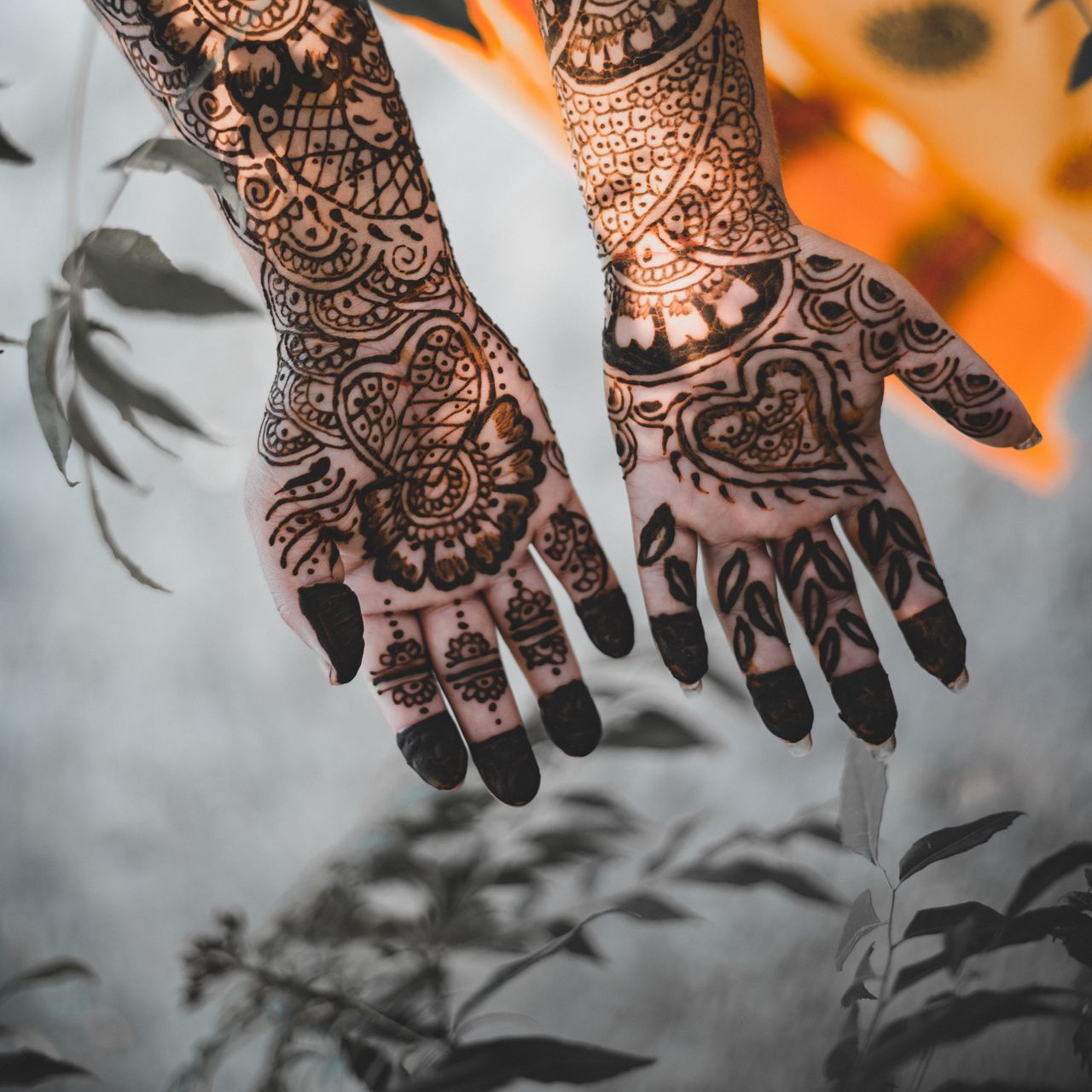
Captivating Henna Indigo View Photography
This gorgeous henna indigo photo offers a breathtaking view, making it a perfect choice for your next wallpaper.
Spectacular Henna Indigo Abstract Collection
Find inspiration with this unique henna indigo illustration, crafted to provide a fresh look for your background.

Gorgeous Henna Indigo Landscape Collection
A captivating henna indigo scene that brings tranquility and beauty to any device.

Artistic Henna Indigo View Photography
Immerse yourself in the stunning details of this beautiful henna indigo wallpaper, designed for a captivating visual experience.
Dynamic Henna Indigo Capture Illustration
Immerse yourself in the stunning details of this beautiful henna indigo wallpaper, designed for a captivating visual experience.
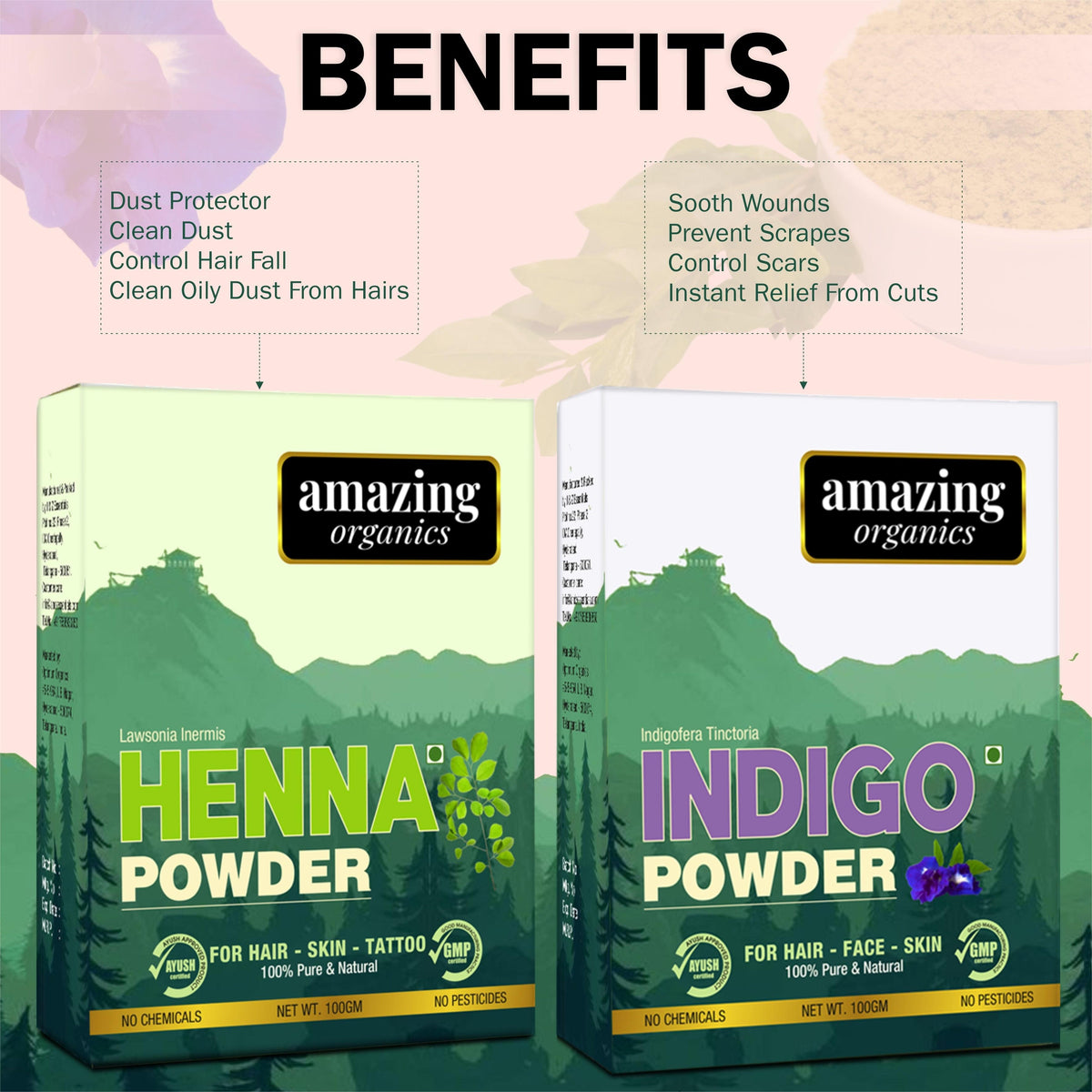
Amazing Henna Indigo Moment for Your Screen
Experience the crisp clarity of this stunning henna indigo image, available in high resolution for all your screens.

High-Quality Henna Indigo Capture Photography
Transform your screen with this vivid henna indigo artwork, a true masterpiece of digital design.

Vivid Henna Indigo Picture Collection
Discover an amazing henna indigo background image, ideal for personalizing your devices with vibrant colors and intricate designs.

Gorgeous Henna Indigo Photo Digital Art
Find inspiration with this unique henna indigo illustration, crafted to provide a fresh look for your background.
Artistic Henna Indigo Landscape for Your Screen
Immerse yourself in the stunning details of this beautiful henna indigo wallpaper, designed for a captivating visual experience.

Spectacular Henna Indigo Design in 4K
This gorgeous henna indigo photo offers a breathtaking view, making it a perfect choice for your next wallpaper.
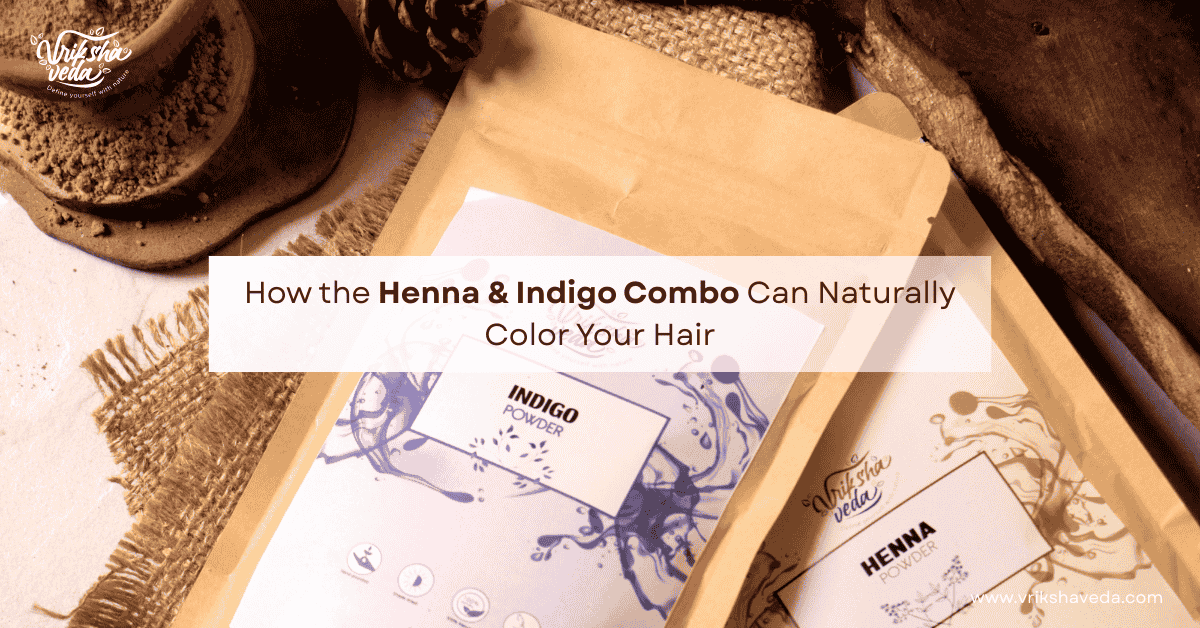
Crisp Henna Indigo Design Illustration
This gorgeous henna indigo photo offers a breathtaking view, making it a perfect choice for your next wallpaper.
Serene Henna Indigo Scene Nature
Explore this high-quality henna indigo image, perfect for enhancing your desktop or mobile wallpaper.
High-Quality Henna Indigo Moment for Your Screen
Explore this high-quality henna indigo image, perfect for enhancing your desktop or mobile wallpaper.
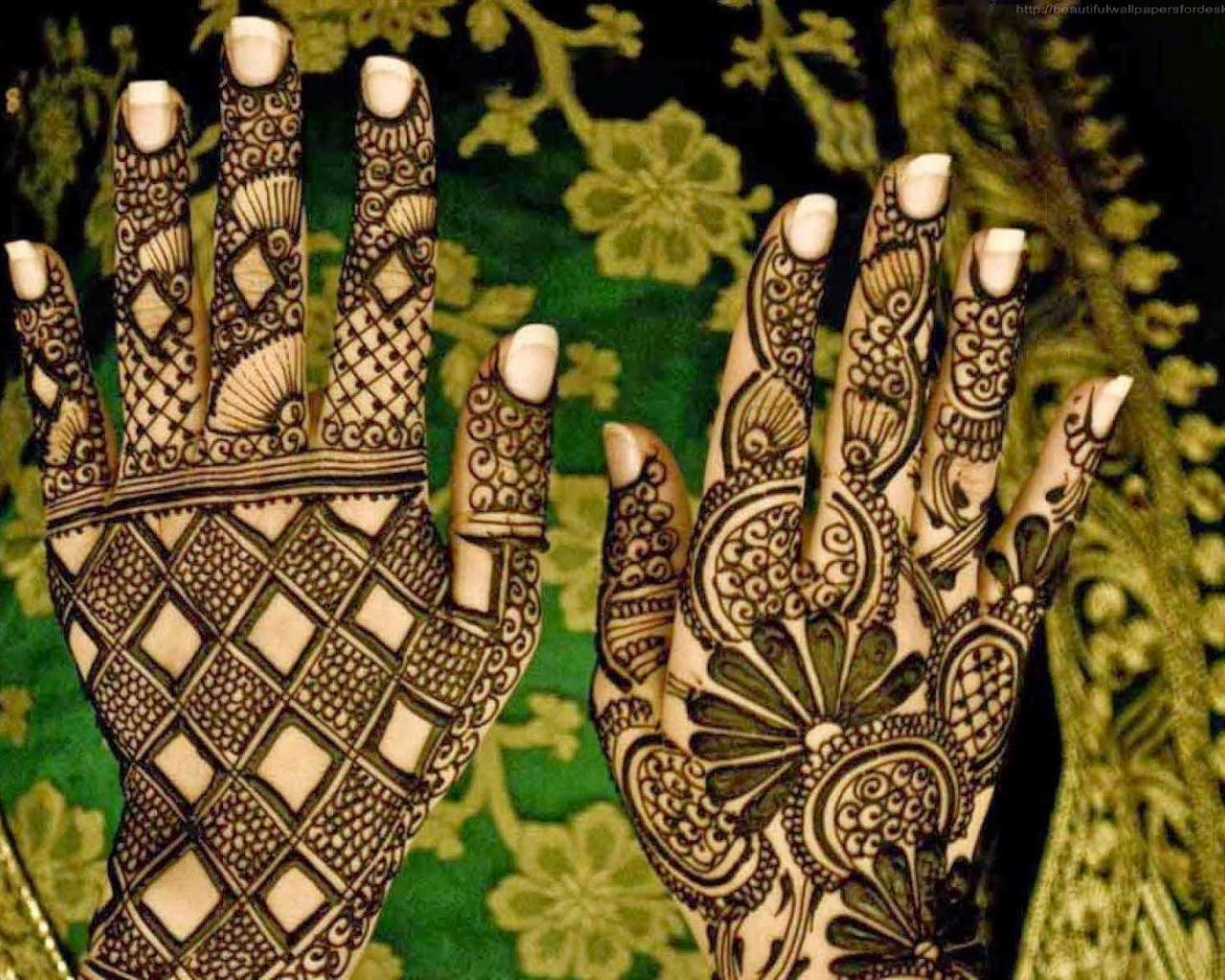
Beautiful Henna Indigo Image for Your Screen
Discover an amazing henna indigo background image, ideal for personalizing your devices with vibrant colors and intricate designs.
Download these henna indigo wallpapers for free and use them on your desktop or mobile devices.
0 Response to "Henna Indigo"
Post a Comment