Human Hair Color
The Ultimate Guide to Human Hair Color: Science, Spectrum, and Style
Few things are as instantly noticeable and culturally significant as human hair color. From jet black to fiery red and platinum blonde, the variations across the globe are astounding. But have you ever stopped to wonder why your hair is the exact shade it is, or what happens on a molecular level when you decide to change it?
This deep dive isn't just about fashion; it's about biology, genetics, and personal expression. We're going to peel back the layers and explore the science that determines every strand's hue, ensuring you have the knowledge (the E-E-A-T) to confidently choose your next look or simply appreciate the beauty of your natural shade.
The Science Behind Natural Human Hair Color
The color of your hair isn't determined by magic or mood, but by tiny pigment granules called melanin. These pigments are produced by specialized cells known as melanocytes, which are located at the base of the hair follicle. Think of melanin as the biological inkwell that colors your hair, skin, and eyes.
Melanin: The Master Pigment
There are two primary types of melanin that combine in varying ratios to produce every possible hair shade:
- Eumelanin: This is the dominant pigment responsible for brown and black colors. High concentrations result in black hair, while lower concentrations result in brown hair.
- Pheomelanin: This pigment is responsible for red and yellow tones. It's found in trace amounts in almost everyone, but high levels mixed with low Eumelanin are what result in natural red hair.
Blonde hair occurs when there is a very low concentration of Eumelanin, often just enough to give a yellowish hue from the underlying Pheomelanin. When the melanocytes stop producing pigment altogether—usually due to age—the result is white or gray hair.
To understand the depth of this biological process, the interaction between these pigments is complex and crucial. For detailed scientific analysis, you can consult studies on melanogenesis. (Source: NIH Research on Melanogenesis)
The Role of Genetics in Your Shade
Your specific ratio of Eumelanin to Pheomelanin is inherited. Hair color is often considered a polygenic trait, meaning it is controlled by multiple genes, not just one. The MC1R gene is perhaps the most famous, as specific variants of this gene are strongly associated with red hair.
If you have two copies of the recessive variant of MC1R, you are likely to have red hair. However, predicting the exact shade of brown or blonde is much more complex, involving the subtle interplay of dozens of other genes.
Did you know? Hair color often darkens as we age. Many children who are naturally blonde eventually develop light brown hair in their teenage years. This is due to melanocyte activity increasing over time.
| Melanin Type | Color Range | Concentration Effect |
|---|---|---|
| Eumelanin | Brown to Black | High = Black hair; Low = Light Brown/Blonde |
| Pheomelanin | Red and Yellow | High + Low Eumelanin = Red hair; Low + Low Eumelanin = Golden/Strawberry Blonde |
The Global Spectrum of Human Hair Color
While the four major categories—black, brown, blonde, and red—cover the majority of the population, the actual shades are incredibly diverse. Geography, evolution, and climate have played a major role in how different colors established dominance in specific regions.
For instance, black hair is the most common human hair color globally, dominating populations in Asia, Africa, and Native Americas. Brown hair is highly prevalent across Europe, the Middle East, and parts of the Americas.
Rarities and Unique Shades
Some natural hair colors are much rarer and often associated with specific geographic isolations or genetic mutations:
- Natural Red Hair: Only 1–2% of the global population has natural red hair. It is most common in Scotland and Ireland.
- Ash Blonde: Often characterized by very low levels of warm (pheomelanin) tones, giving it a gray or 'ashy' appearance.
- Poliosis (Patches of White Hair): This condition, sometimes referred to as a "Mallory streak," is characterized by a patch of hair lacking melanin in an otherwise pigmented head of hair.
The variation in natural hair color is one of the most visible forms of human diversity. (Source: Wikipedia on Human Hair Color Prevalence)
The Art of Changing Human Hair Color
If nature didn't give you the shade you wanted, modern chemistry provides powerful tools to change it. Dyeing your hair is one of the oldest forms of cosmetic alteration, dating back thousands of years to natural dyes like henna and indigo.
Today's dyes primarily rely on ammonia and hydrogen peroxide to open the hair cuticle (the protective outer layer) and either deposit new pigment or remove the existing melanin.
Permanent vs. Semi-Permanent Dyes
Understanding the difference between dye types is crucial for long-term hair health and color results:
- Permanent Dyes: These use strong chemicals (ammonia and peroxide) to penetrate the hair shaft deeply and permanently alter the cortex structure. These colors must grow out and are the only way to significantly lighten dark hair.
- Semi-Permanent Dyes: These dyes deposit color onto the surface of the hair shaft (the cuticle) without penetrating deeply. They fade gradually over several washes and contain less harsh chemicals, making them a great option for subtle changes or testing a new shade.
If you are looking to lift your hair shade significantly—say, from dark brown to platinum blonde—you must use a chemical process involving bleaching. This process destroys the natural Eumelanin pigments, revealing the underlying yellow/red Pheomelanin, which is then neutralized with toners.
Choosing the Right Color for Your Skin Tone
The success of artificial hair color often hinges on complementing your natural skin undertone (warm, cool, or neutral). A dye that clashes with your skin tone can make you look washed out or dull.
As a general rule: Cool skin tones look best with cool hair colors (ash, platinum, deep violet), while warm skin tones pair well with warm shades (golden, copper, chestnut). [Baca Juga: Finding Your Perfect Skin Undertone for Hair Dye]
Always perform a patch test 48 hours before applying dye to avoid potential allergic reactions. Safety first!
The Future of Human Hair Color
The hair industry is continually evolving. While chemical dyes remain the standard, researchers are exploring biological coloring methods. One exciting area is "bio-color," where microbes or engineered enzymes are used to produce pigments that naturally coat the hair, offering a gentler, more sustainable coloring solution without harsh chemicals like ammonia.
These bio-engineered processes could revolutionize how we interact with human hair color, potentially offering vibrant, long-lasting shades that are also entirely biodegradable and safe for sensitive scalps. (Source: Science Journal Research)
Conclusion
Whether you were born with the darkest black or the lightest blonde, your hair color is a fascinating interplay of biology and chance, dictated by the powerful pigment known as melanin and shaped by genetics. Understanding the science behind the shade allows us to appreciate the diversity of natural hair and navigate the complex world of coloring with confidence and expertise. Always remember that the best hair color is the one that makes you feel most like yourself.
Frequently Asked Questions (FAQ) about Human Hair Color
- Why does human hair color change as we age (go gray)?
Hair turns gray or white when the melanocytes (pigment-producing cells) in the hair follicle stop producing melanin altogether. This process is primarily genetically determined, although stress and health can play minor roles.
- Can diet affect natural hair color?
While diet is crucial for hair health and preventing premature graying (especially ensuring adequate B12 and copper), major dietary changes typically cannot alter your underlying natural color, which is determined by genetics.
- Is red human hair color fading out?
While red hair is recessive and found in fewer people globally (around 1-2%), there is no scientific evidence that the gene is disappearing. It remains a stable, though rare, part of the human genetic pool.
- How long does it take for human hair color to develop in the fetus?
Melanocytes become active and begin producing pigment around the 10th to 12th week of gestation. However, the final color may not be truly apparent until months after birth.
Human Hair Color
Human Hair Color Wallpapers
Collection of human hair color wallpapers for your desktop and mobile devices.
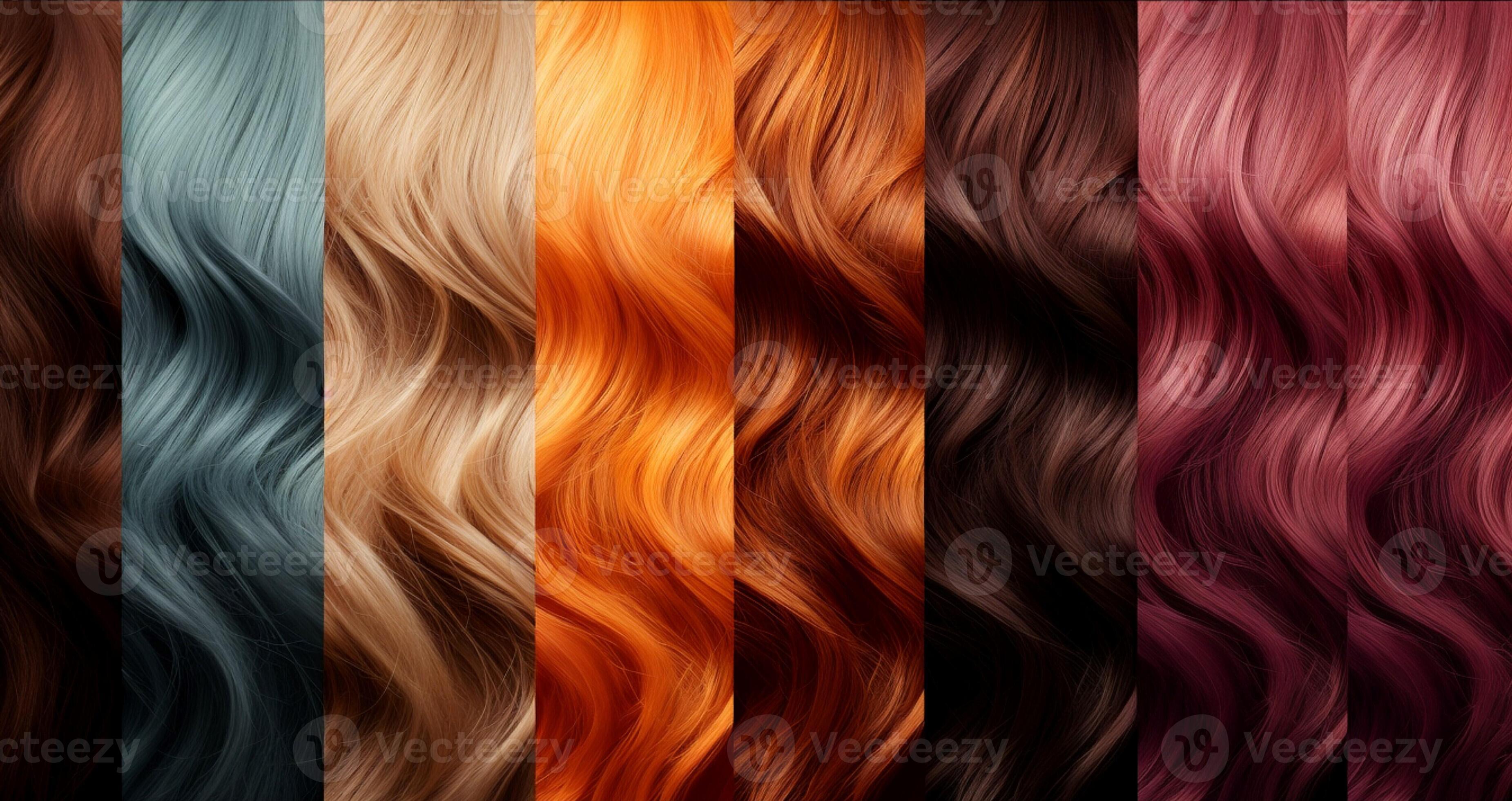
Dynamic Human Hair Color Artwork Concept
A captivating human hair color scene that brings tranquility and beauty to any device.
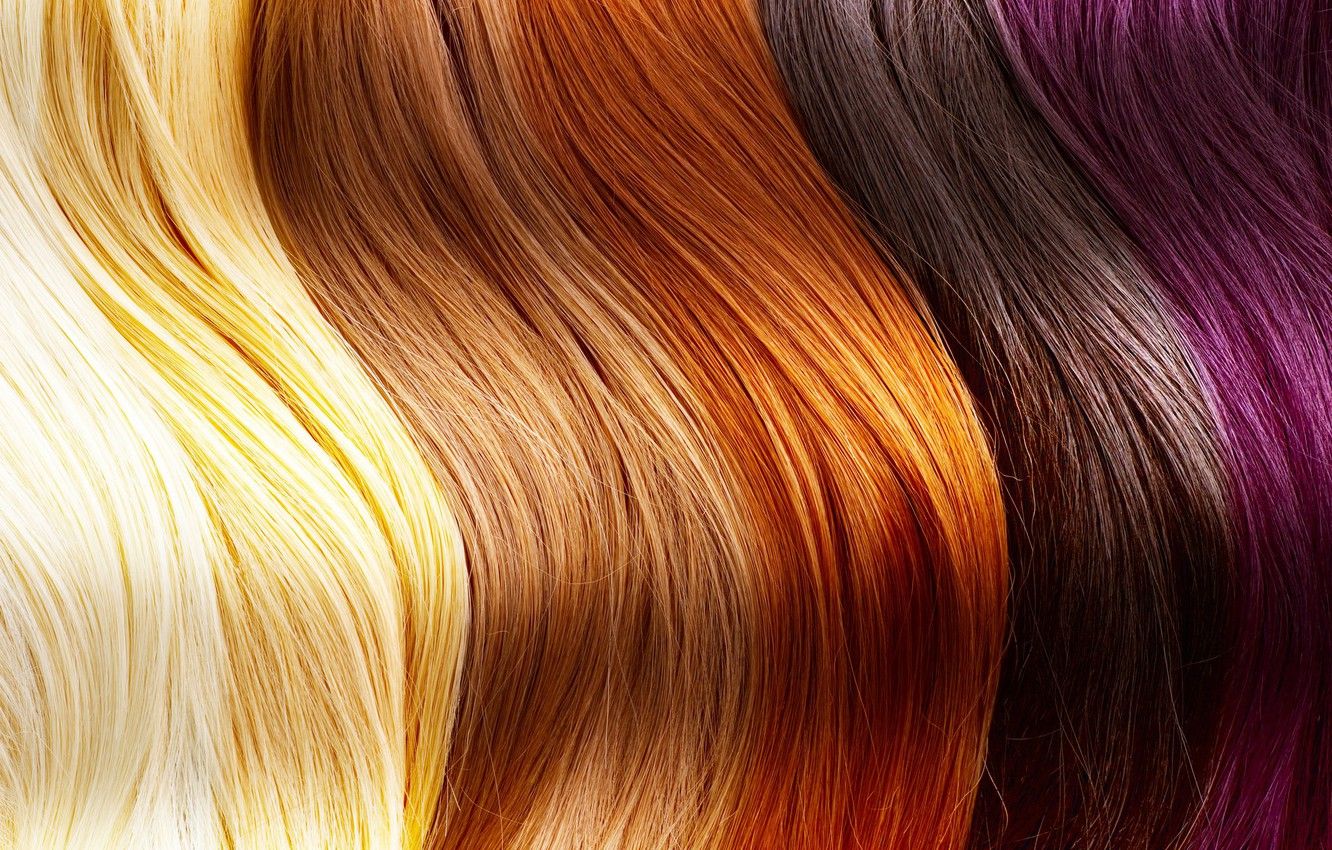
Serene Human Hair Color Abstract for Your Screen
Experience the crisp clarity of this stunning human hair color image, available in high resolution for all your screens.
Detailed Human Hair Color Wallpaper Art
Transform your screen with this vivid human hair color artwork, a true masterpiece of digital design.
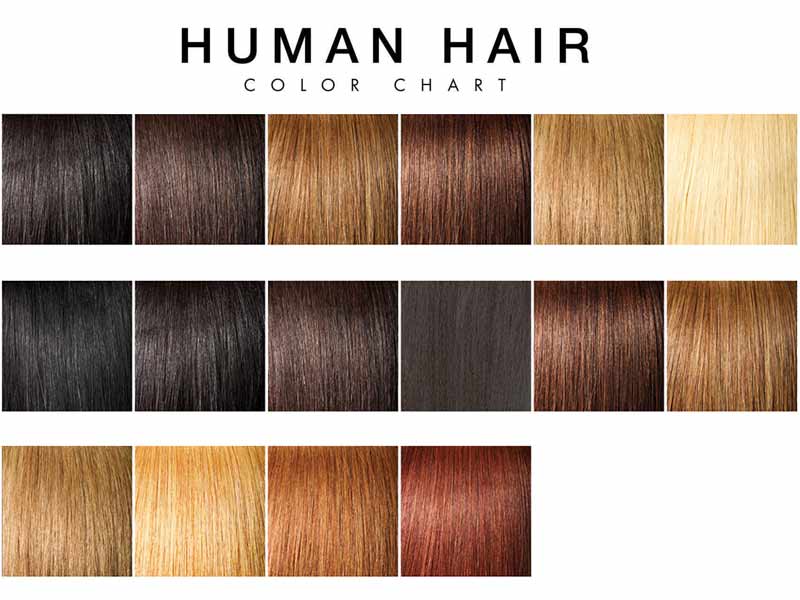
Amazing Human Hair Color Design Art
Transform your screen with this vivid human hair color artwork, a true masterpiece of digital design.

Exquisite Human Hair Color Scene for Your Screen
A captivating human hair color scene that brings tranquility and beauty to any device.

Artistic Human Hair Color Capture in 4K
This gorgeous human hair color photo offers a breathtaking view, making it a perfect choice for your next wallpaper.
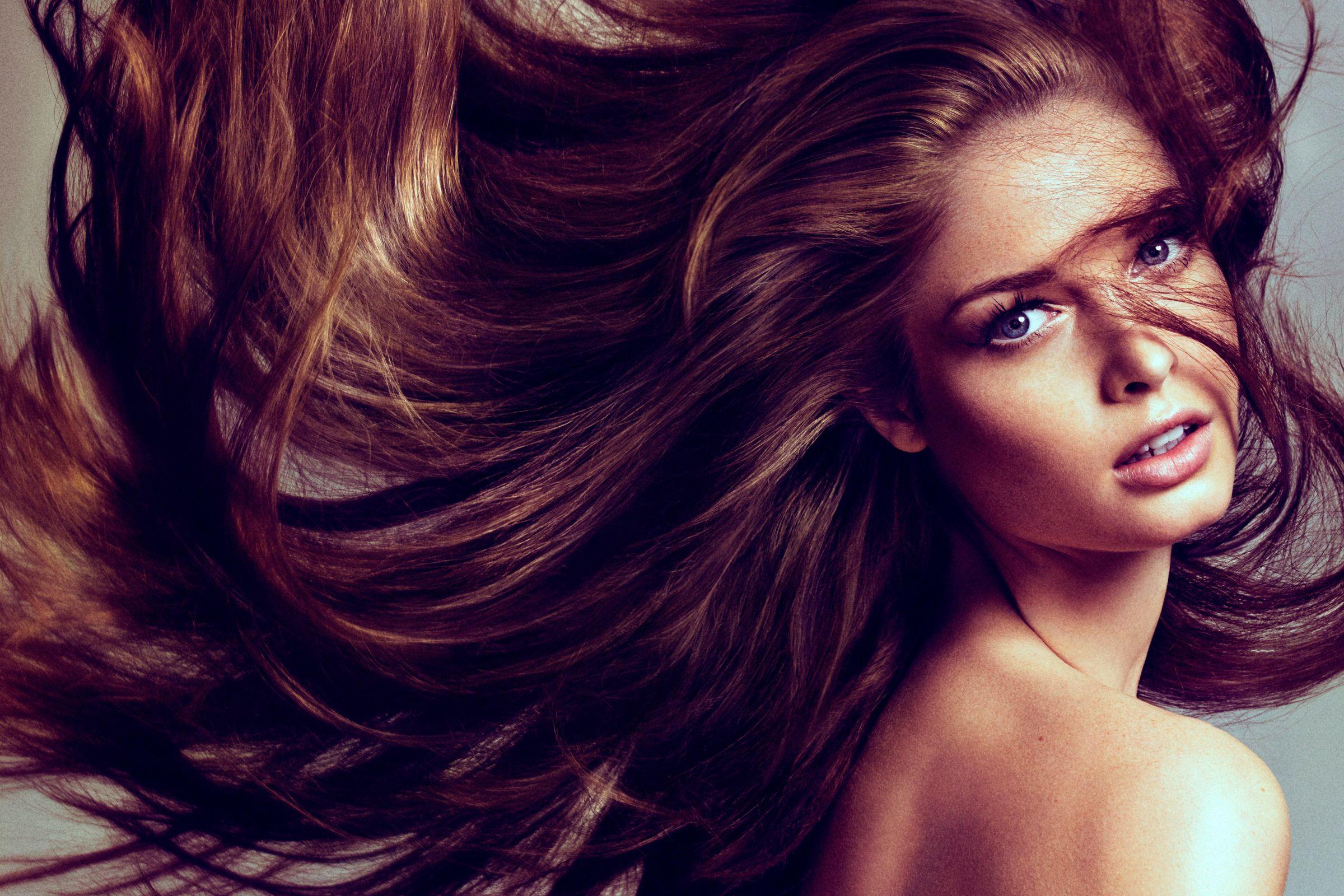
Amazing Human Hair Color Image Concept
Explore this high-quality human hair color image, perfect for enhancing your desktop or mobile wallpaper.
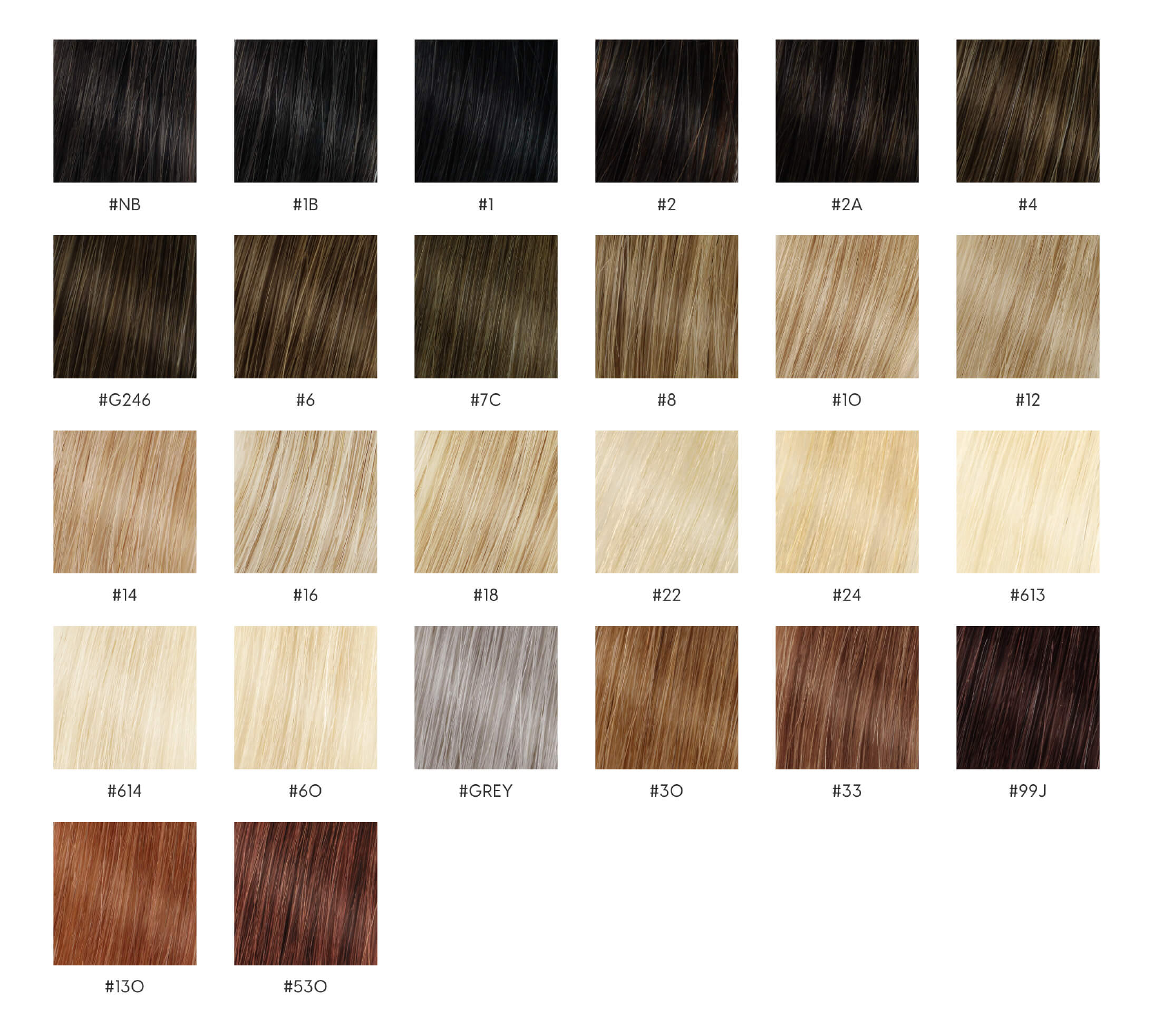
Captivating Human Hair Color Design Nature
A captivating human hair color scene that brings tranquility and beauty to any device.

Detailed Human Hair Color Artwork for Mobile
Experience the crisp clarity of this stunning human hair color image, available in high resolution for all your screens.
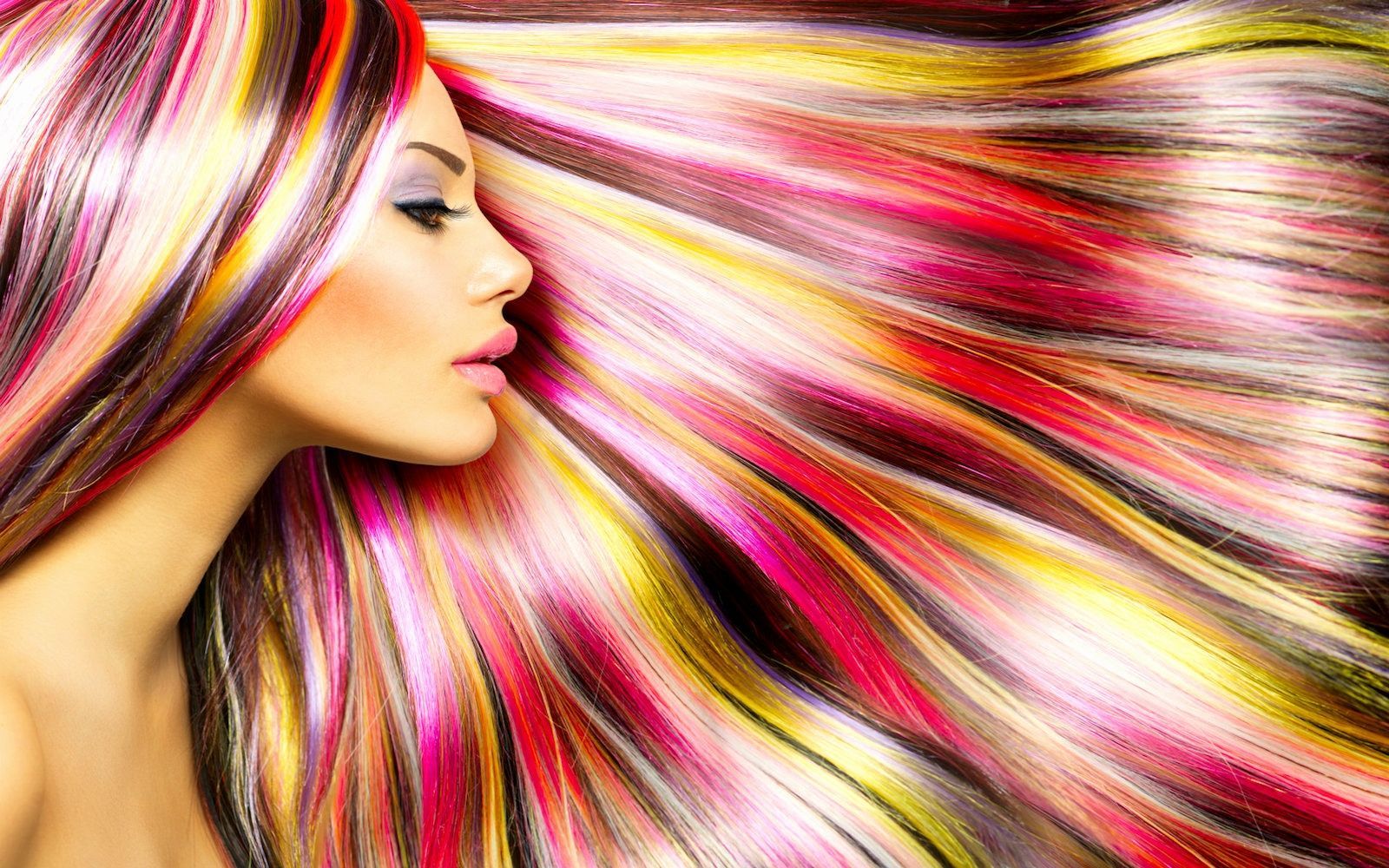
Vivid Human Hair Color Photo in 4K
Discover an amazing human hair color background image, ideal for personalizing your devices with vibrant colors and intricate designs.
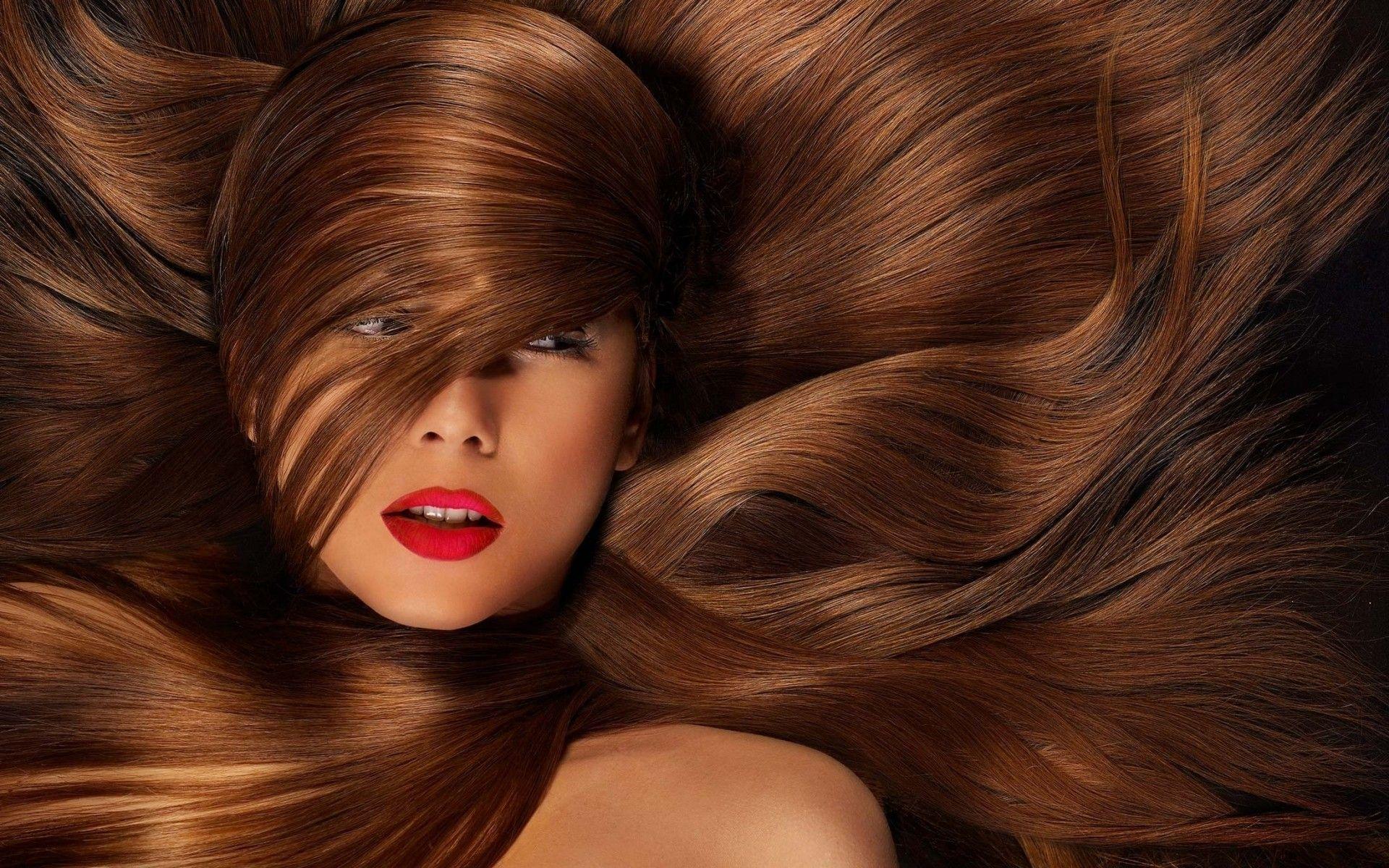
Detailed Human Hair Color Image in HD
Explore this high-quality human hair color image, perfect for enhancing your desktop or mobile wallpaper.
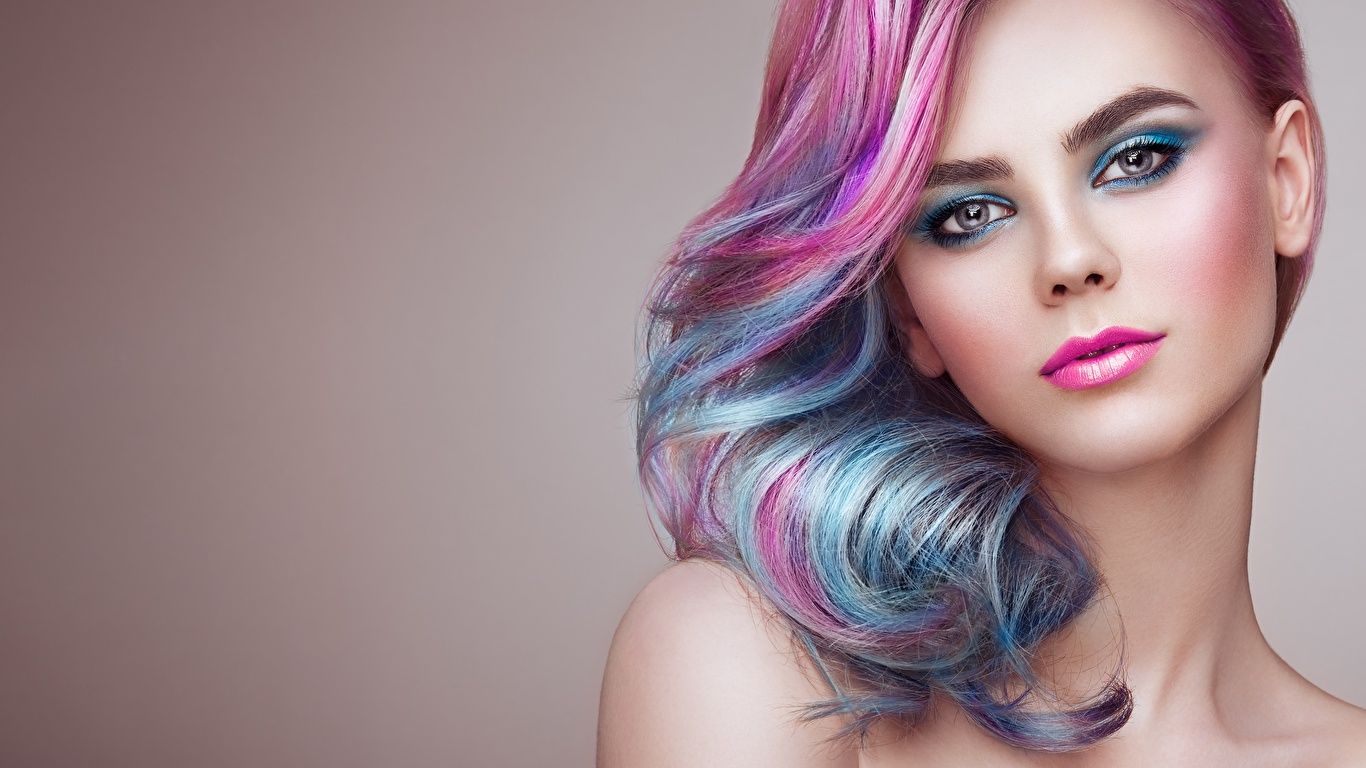
Captivating Human Hair Color Background Digital Art
Immerse yourself in the stunning details of this beautiful human hair color wallpaper, designed for a captivating visual experience.
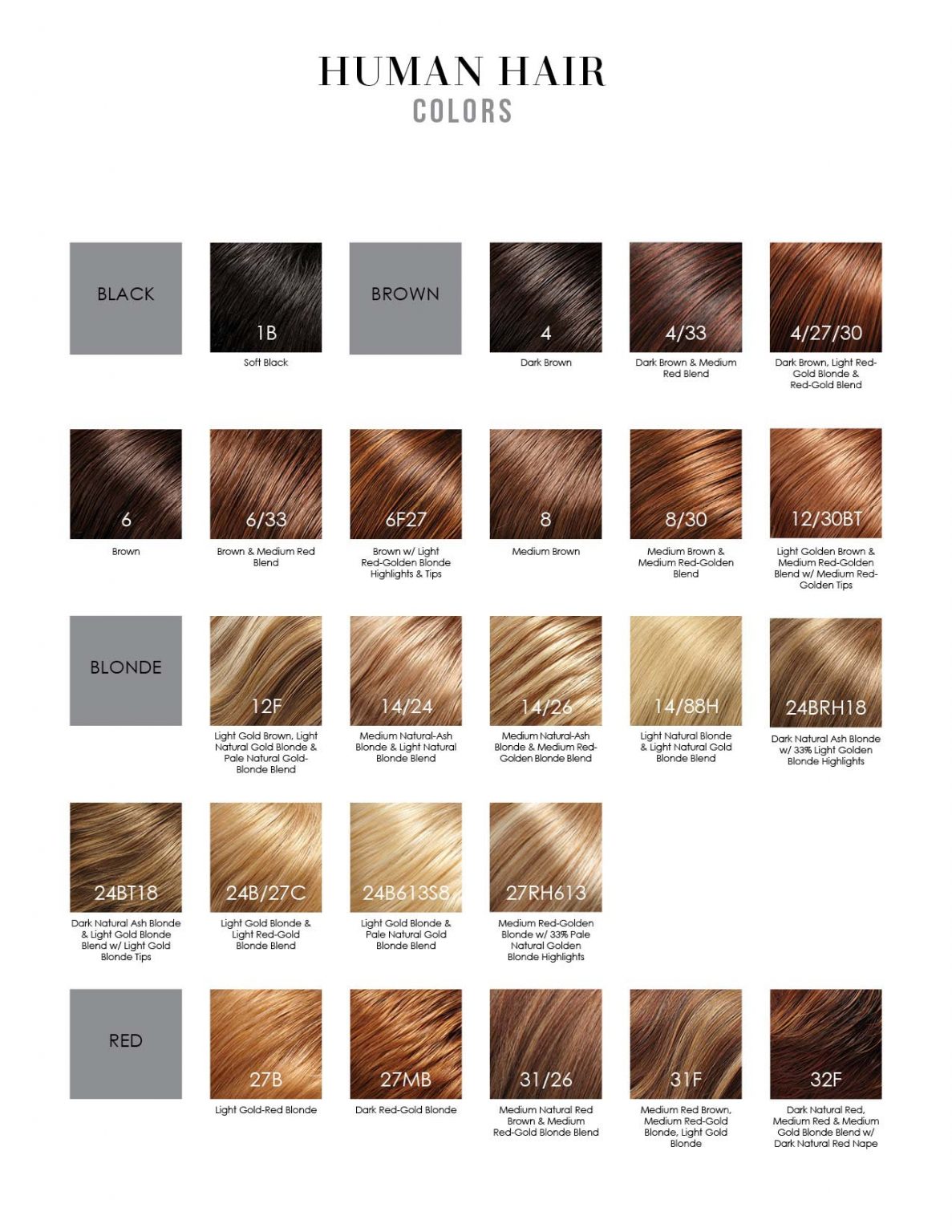
Exquisite Human Hair Color Image for Your Screen
Immerse yourself in the stunning details of this beautiful human hair color wallpaper, designed for a captivating visual experience.
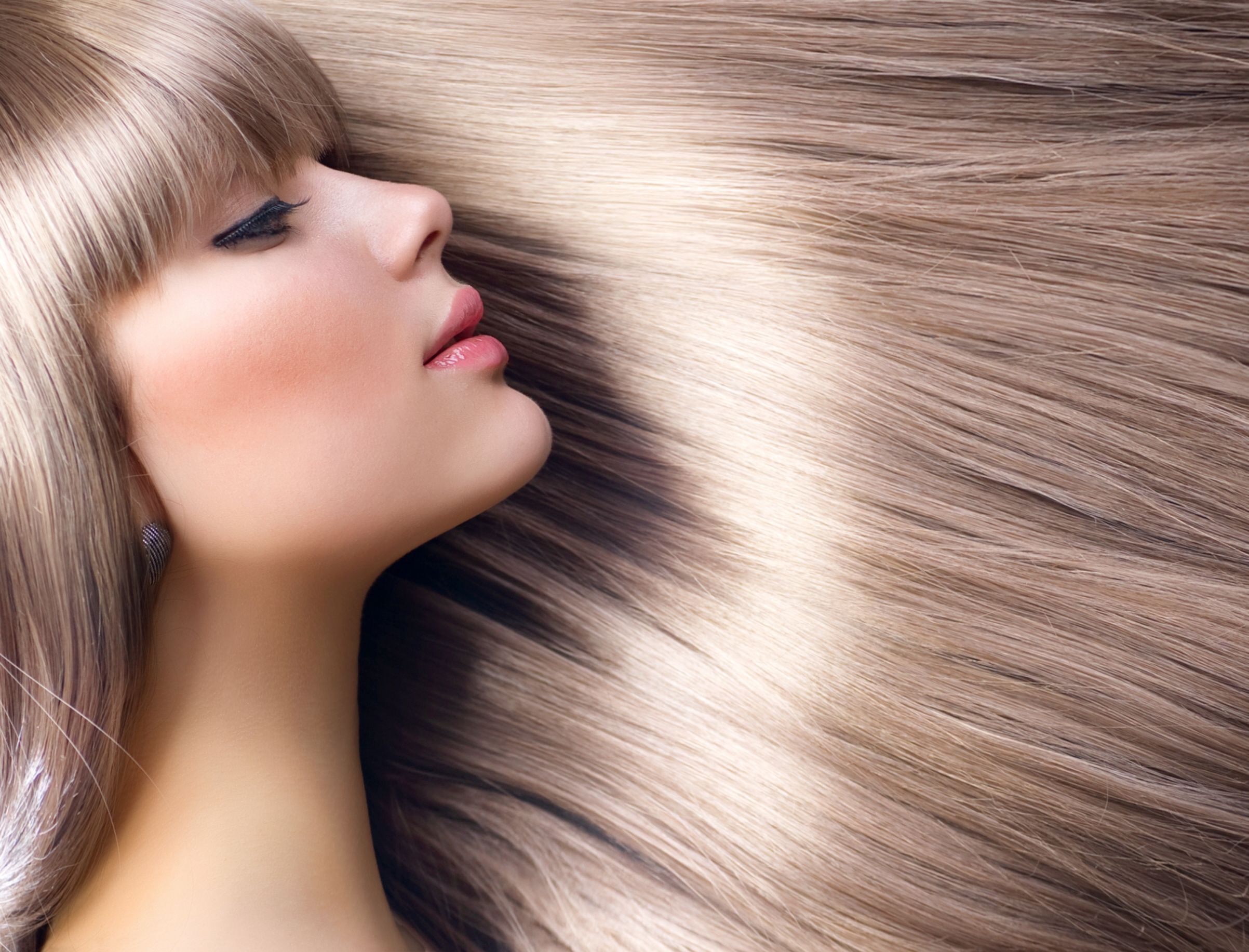
Mesmerizing Human Hair Color Photo for Desktop
Experience the crisp clarity of this stunning human hair color image, available in high resolution for all your screens.
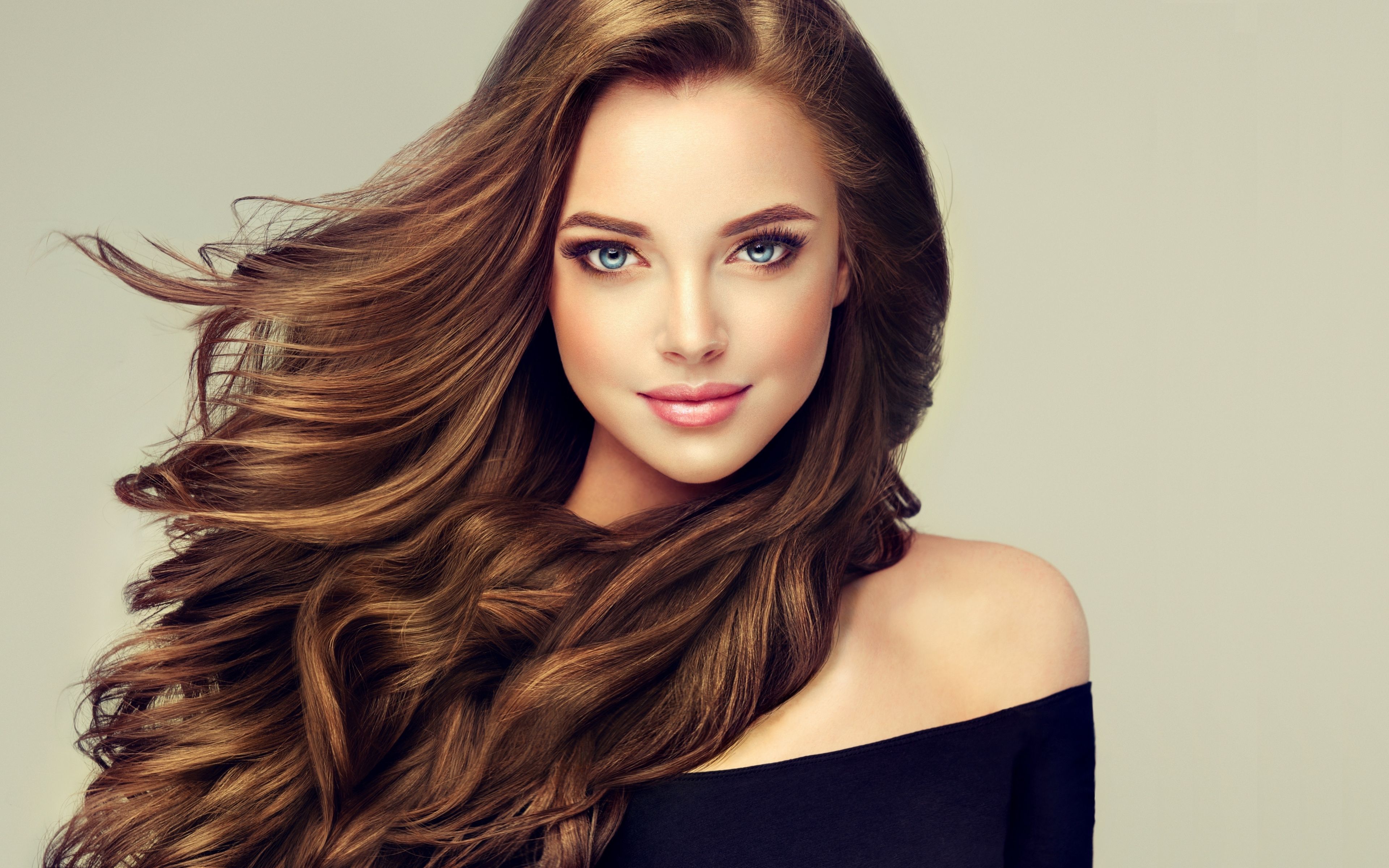
Serene Human Hair Color Abstract Photography
Experience the crisp clarity of this stunning human hair color image, available in high resolution for all your screens.
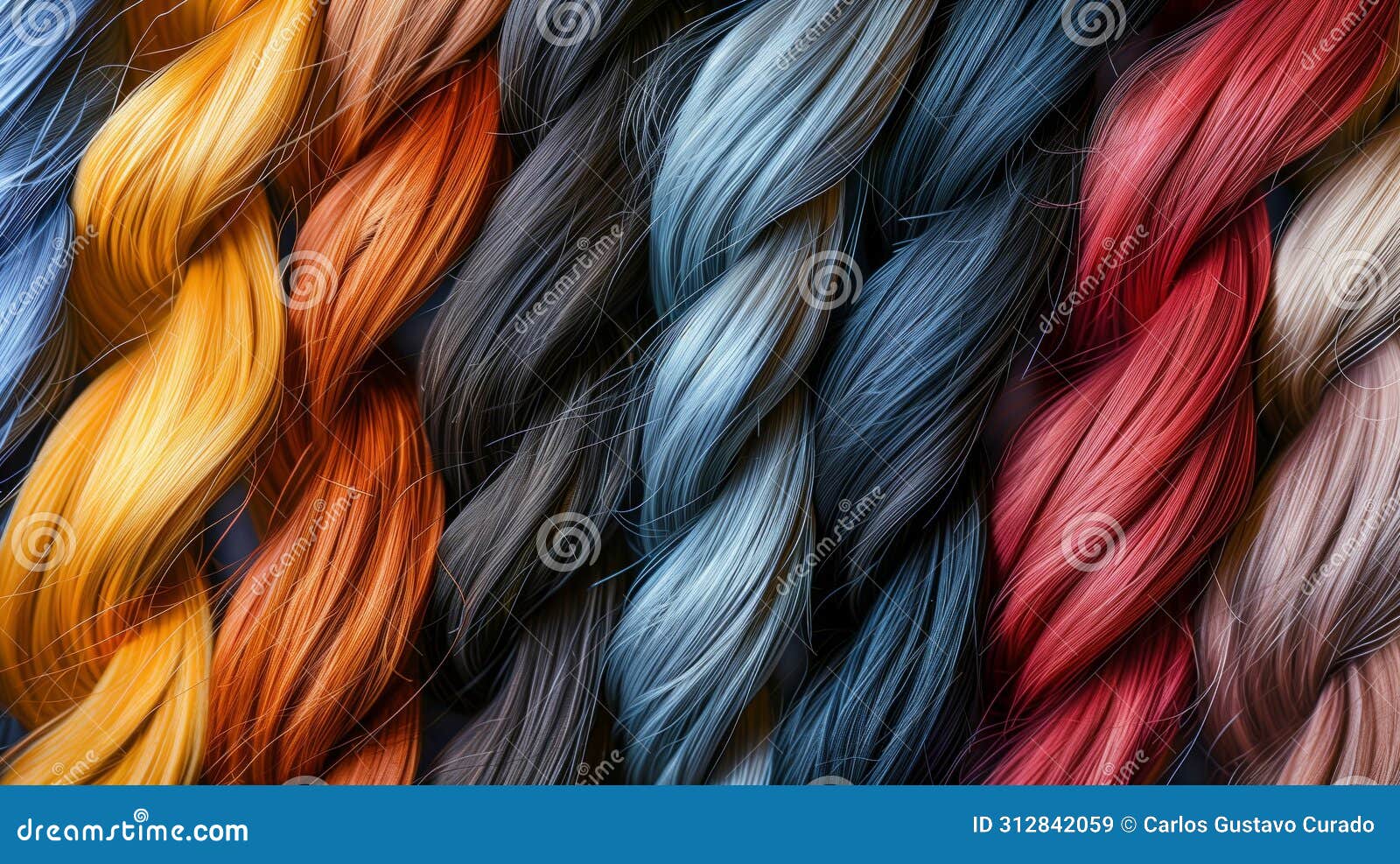
Captivating Human Hair Color Artwork Collection
A captivating human hair color scene that brings tranquility and beauty to any device.

Lush Human Hair Color Design Concept
Immerse yourself in the stunning details of this beautiful human hair color wallpaper, designed for a captivating visual experience.
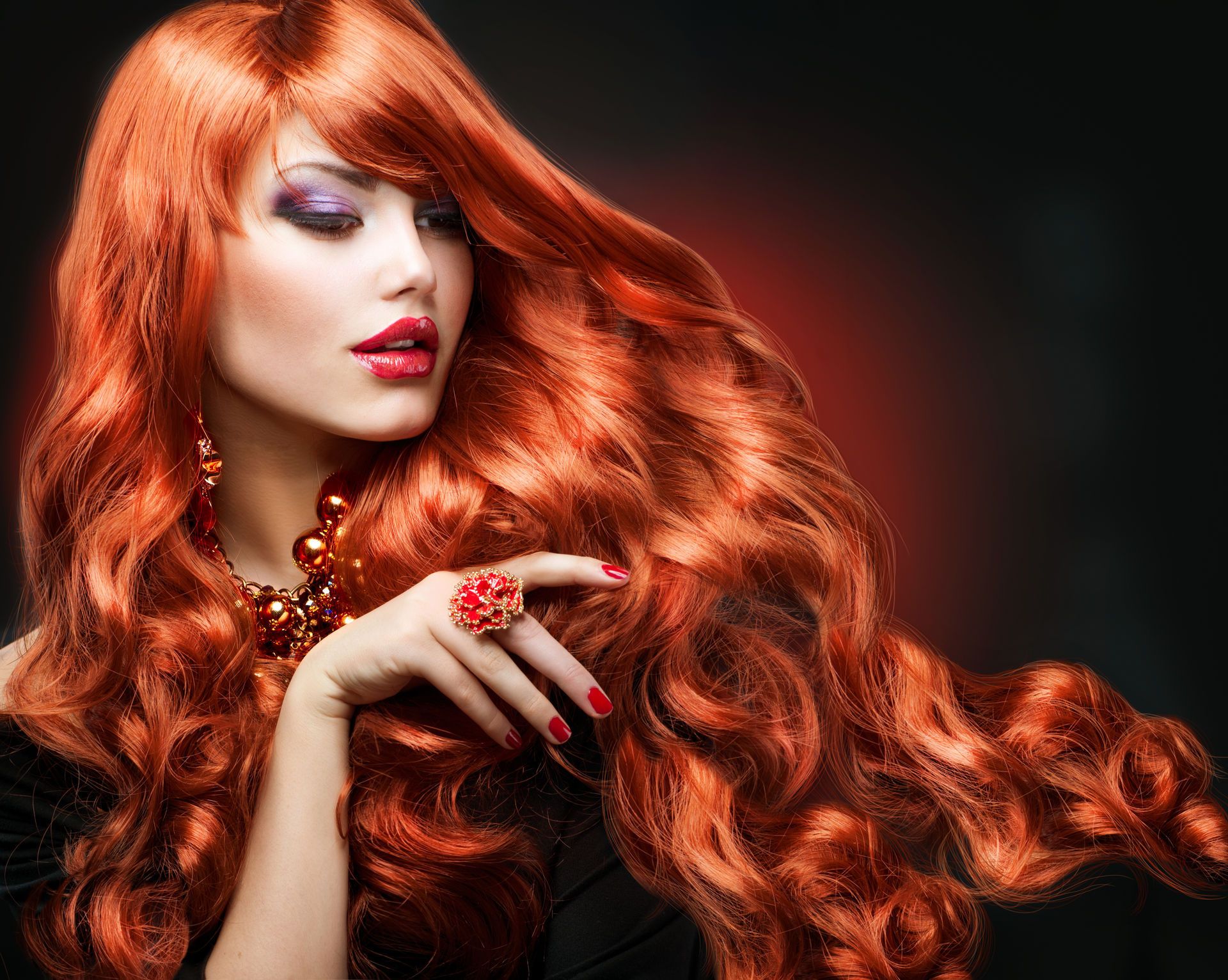
Gorgeous Human Hair Color Design Concept
Find inspiration with this unique human hair color illustration, crafted to provide a fresh look for your background.

Crisp Human Hair Color Abstract for Desktop
Find inspiration with this unique human hair color illustration, crafted to provide a fresh look for your background.
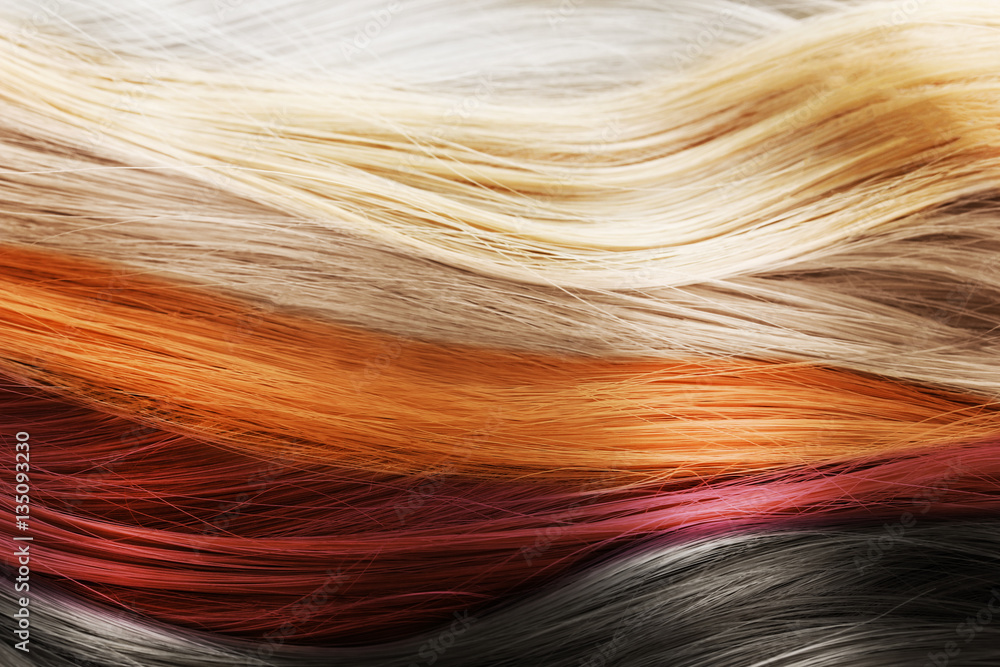
Lush Human Hair Color Photo for Desktop
This gorgeous human hair color photo offers a breathtaking view, making it a perfect choice for your next wallpaper.
Download these human hair color wallpapers for free and use them on your desktop or mobile devices.
0 Response to "Human Hair Color"
Post a Comment