Medieval Hairstyles
Medieval Hairstyles: Unveiling the Looks of Yesteryear
Ever wondered what people wore on their heads during the age of knights, castles, and epic tales? Medieval hairstyles were far more than just practical; they were a fascinating reflection of social status, marital status, and even religious beliefs. If you're looking to dive into the past for historical accuracy, costume inspiration, or just curious about how our ancestors styled their locks, you've come to the right place. Get ready to explore the captivating world of Medieval Hairstyles!
The Social Significance of Medieval Hairstyles
During the medieval period, your hair could say a lot about you without you uttering a single word. Hair wasn't just for aesthetics; it was a powerful social indicator. For women, especially, it signified modesty and availability, while for men, it often conveyed status and profession. Understanding these unspoken rules helps us appreciate the intricate details of medieval life.
Women, particularly married ones, were often expected to cover their hair in public as a sign of modesty and piety. Unmarried women might have more freedom, but even their styles were constrained by societal norms. Men's hairstyles also varied, reflecting different periods within the Middle Ages and their personal standing.
For the Ladies: Popular Medieval Hairstyles
When we think of women's Medieval Hairstyles, images of long, flowing hair are common, but often, this hair was carefully managed and covered. Practicality and modesty were key, especially for noblewomen and married women. However, there was still a surprising variety in how women styled their hair.
Braids and Plaits: The Timeless Look
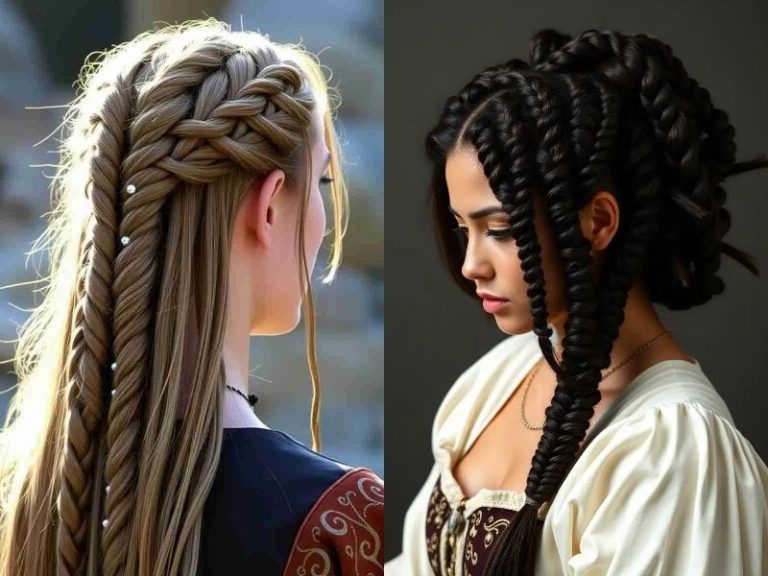
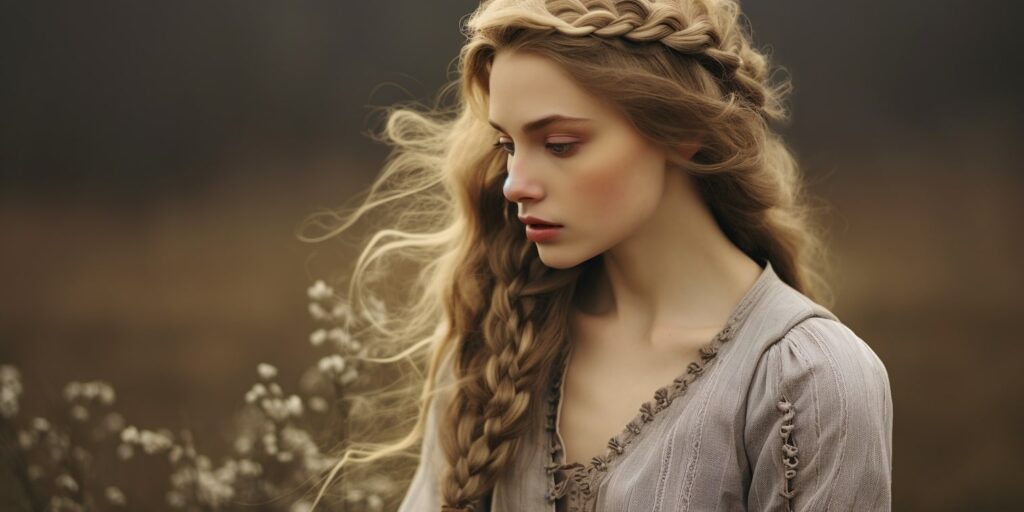
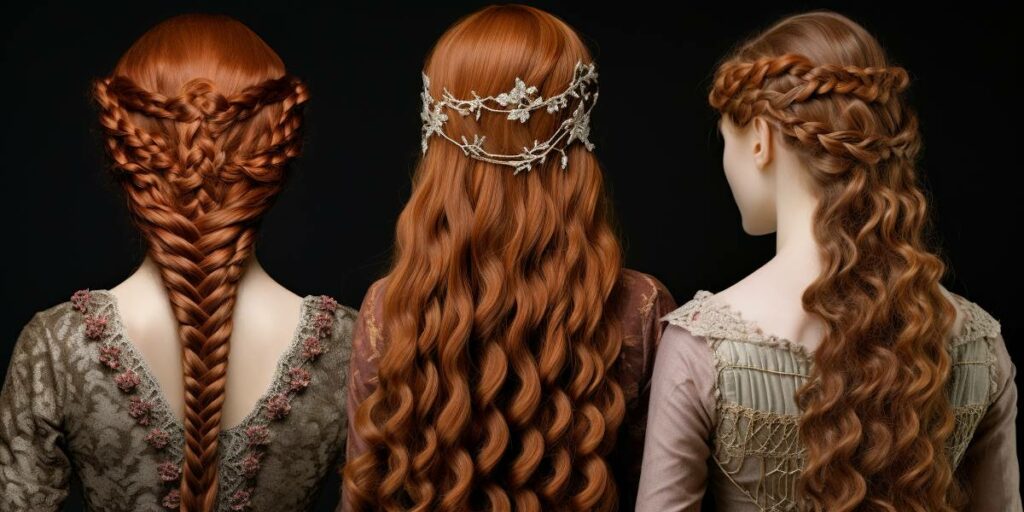
Braids were incredibly popular and practical for women of all social classes. They kept long hair tidy and out of the way, which was essential for daily chores and work. Often, hair was divided into two long braids, sometimes wrapped around the head or tucked away under head coverings.
- Simple Plaits: Two long braids, often starting high on the head.
- Temple Braids: Braids near the temples, sometimes incorporated into a larger style.
- Braids with Ribbons: Adding ribbons or decorative bands was a way to add flair, especially for special occasions.
Veils and Wimples: Modesty and Elegance
For married women and noblewomen, head coverings were almost obligatory in public. The wimple, a piece of cloth worn around the neck and chin, covering the sides of the face, was a common sight. Veils, draped over the head, often accompanied the wimple, adding layers of modesty and elegance.
These coverings were not just about modesty; they also offered protection from the elements and could be quite stylish. Elaborate headdresses and circlets were worn by the wealthy, often adorned with jewels, over their carefully arranged Medieval Hairstyles.
For the Gentlemen: Men's Medieval Hairstyles
Men's Medieval Hairstyles saw quite a bit of change throughout the era, influenced by fashion, religious beliefs, and social roles. From short, practical cuts to longer, more elaborate styles, men had options too. Beards also played a significant role, fluctuating in popularity and meaning.
Short and Practical: The Knight's Cut
Especially during earlier medieval periods and for men involved in warfare, shorter hairstyles were common. Think of the practicalities for a knight wearing a helmet – long hair would be cumbersome and impractical. These cuts were often chin-length or shorter, sometimes with a fringe, keeping hair out of the eyes.
This "knight's cut" or bowl cut was straightforward and functional. It allowed for ease of movement and hygiene, fitting the active lives of many medieval men.
Longer Locks and Beards: A Sign of Status
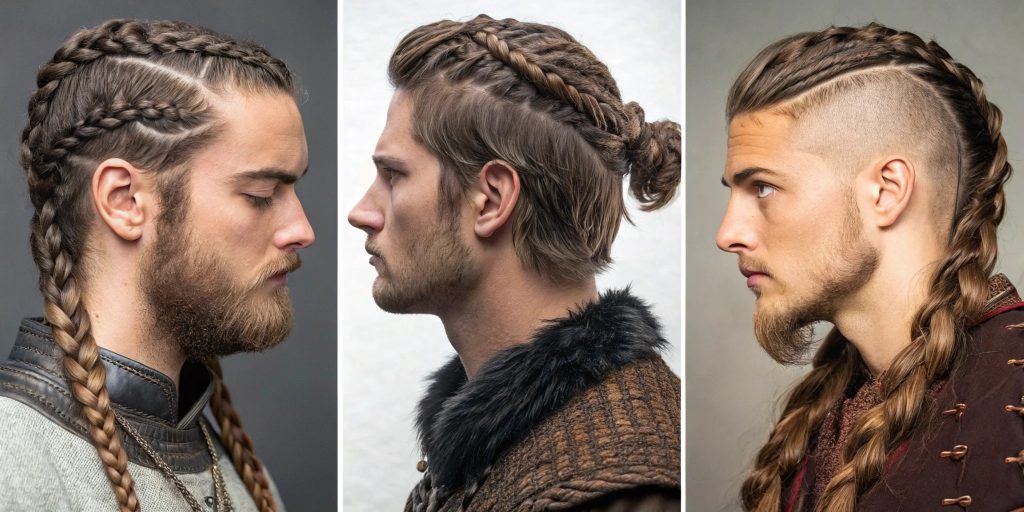
As the medieval period progressed, and especially among the nobility, longer hair became more fashionable. Often worn in a bob or shoulder-length, it conveyed a sense of refinement and leisure. Beards also went in and out of fashion, sometimes signifying wisdom, strength, or even religious devotion.
At various times, a well-groomed beard was seen as a sign of a respectable gentleman. However, clergy members often shaved their faces, providing another example of how Medieval Hairstyles and facial hair could indicate one's role in society.
Crafting Your Own Medieval Look Today
Inspired to try some Medieval Hairstyles yourself? Whether for a Renaissance fair, a themed party, or just for fun, many of these looks are surprisingly achievable. For women, focus on long, well-maintained hair styled into simple braids, often pulled back or covered. For men, a shoulder-length bob or a short, practical cut with a well-kept beard can create an authentic vibe.
Remember to consider accessories like ribbons, circlets, or simple head coverings to complete your look. You'll be surprised how a few simple changes can transport you back in time!
Conclusion
Medieval Hairstyles offer a fascinating glimpse into the lives, values, and social structures of a bygone era. From the modest veils of women to the practical cuts of knights and the fashionable long locks of nobles, hair was a powerful form of non-verbal communication. We hope this journey through history has given you a newfound appreciation for the art of styling hair in the Middle Ages. So, next time you're styling your hair, consider a touch of medieval flair!
Frequently Asked Questions About Medieval Hairstyles
- Q: Were all Medieval Hairstyles elaborate?
- A: Not at all! While some noble styles could be intricate, many common people wore very simple, practical hairstyles, often braided or tied back to keep them out of the way during work.
- Q: Did men also wear long hair in medieval times?
- A: Yes, the popularity of men's long hair varied across different periods within the Middle Ages. While early medieval knights often had shorter hair for practicality, longer, shoulder-length styles became fashionable among nobility later on.
- Q: What was a wimple?
- A: A wimple was a piece of cloth worn by women in the Middle Ages, typically covering the neck, chin, and sides of the face, often combined with a veil over the head. It was primarily a symbol of modesty for married and religious women.
- Q: How can I recreate a medieval hairstyle today?
- A: For women, focus on simple, neat braids (like two long French or Dutch braids) or a low bun, often paired with a headscarf or circlet. For men, a simple bob or a neatly trimmed short cut, possibly with a well-groomed beard, can achieve an authentic medieval look.
Medieval Hairstyles
Medieval Hairstyles Wallpapers
Collection of medieval hairstyles wallpapers for your desktop and mobile devices.
Breathtaking Medieval Hairstyles View for Desktop
Discover an amazing medieval hairstyles background image, ideal for personalizing your devices with vibrant colors and intricate designs.

Vivid Medieval Hairstyles Background Nature
Explore this high-quality medieval hairstyles image, perfect for enhancing your desktop or mobile wallpaper.

Crisp Medieval Hairstyles Moment Art
A captivating medieval hairstyles scene that brings tranquility and beauty to any device.

Gorgeous Medieval Hairstyles Abstract Digital Art
Immerse yourself in the stunning details of this beautiful medieval hairstyles wallpaper, designed for a captivating visual experience.
Amazing Medieval Hairstyles Landscape Art
Discover an amazing medieval hairstyles background image, ideal for personalizing your devices with vibrant colors and intricate designs.

Artistic Medieval Hairstyles Artwork for Your Screen
A captivating medieval hairstyles scene that brings tranquility and beauty to any device.

Exquisite Medieval Hairstyles Design Digital Art
This gorgeous medieval hairstyles photo offers a breathtaking view, making it a perfect choice for your next wallpaper.

Detailed Medieval Hairstyles Moment in 4K
Transform your screen with this vivid medieval hairstyles artwork, a true masterpiece of digital design.

Exquisite Medieval Hairstyles Scene Illustration
A captivating medieval hairstyles scene that brings tranquility and beauty to any device.
Lush Medieval Hairstyles Abstract Concept
This gorgeous medieval hairstyles photo offers a breathtaking view, making it a perfect choice for your next wallpaper.

Exquisite Medieval Hairstyles Landscape Digital Art
Immerse yourself in the stunning details of this beautiful medieval hairstyles wallpaper, designed for a captivating visual experience.
Exquisite Medieval Hairstyles Background Nature
Immerse yourself in the stunning details of this beautiful medieval hairstyles wallpaper, designed for a captivating visual experience.
Amazing Medieval Hairstyles Wallpaper for Mobile
Experience the crisp clarity of this stunning medieval hairstyles image, available in high resolution for all your screens.

Vivid Medieval Hairstyles Design Digital Art
Transform your screen with this vivid medieval hairstyles artwork, a true masterpiece of digital design.

Detailed Medieval Hairstyles Scene Art
Discover an amazing medieval hairstyles background image, ideal for personalizing your devices with vibrant colors and intricate designs.

Beautiful Medieval Hairstyles Background for Desktop
Explore this high-quality medieval hairstyles image, perfect for enhancing your desktop or mobile wallpaper.

Mesmerizing Medieval Hairstyles Background Illustration
Explore this high-quality medieval hairstyles image, perfect for enhancing your desktop or mobile wallpaper.

Artistic Medieval Hairstyles Scene Digital Art
Immerse yourself in the stunning details of this beautiful medieval hairstyles wallpaper, designed for a captivating visual experience.

Vivid Medieval Hairstyles Picture Illustration
Experience the crisp clarity of this stunning medieval hairstyles image, available in high resolution for all your screens.

Artistic Medieval Hairstyles Capture Illustration
Find inspiration with this unique medieval hairstyles illustration, crafted to provide a fresh look for your background.
Download these medieval hairstyles wallpapers for free and use them on your desktop or mobile devices.
0 Response to "Medieval Hairstyles"
Post a Comment