Thin Wigs
The Ultimate Secret to Undetectable Hair: Why Thin Wigs Are Revolutionizing Realism
For decades, wearing a wig meant accepting a compromise: volume and style at the cost of noticeable bulkiness or an unnatural hairline. However, the world of hair enhancement has undergone a radical transformation. Today, the conversation is shifting from just "wigs" to specifically "thin wigs."
If your goal is absolute realism—hair that moves, breathes, and looks like it's growing directly from your scalp—then this guide is for you. We're diving deep into the science and style of low-density hair systems, ensuring you understand exactly why 'thin' is the new standard for luxury and comfort.
What Exactly Are Thin Wigs, and Why Do They Matter?
When we talk about a thin wig, we are usually not referring to a sparse amount of hair. Instead, the term primarily relates to two critical factors: the density of the hair fibers and the thinness of the cap construction.
A classic, older wig might use thick wefts or heavily knotted hair, resulting in a product that sits high on the head, looking excessively voluminous or "helmet-like." Modern thin wigs counter this by focusing on lightweight materials and lower-to-moderate hair density, which mimics natural human hair density.
The Realism Factor: Mimicking Natural Growth
Average natural hair density ranges between 100% and 120%. Many traditional wigs start at 150% or even 180% density, which, while luxurious, instantly signals the hair is not natural. Thin wigs aim for densities between 110% and 130%. This subtle difference is the key to achieving unparalleled realism, especially in challenging areas like the hairline and part.
Furthermore, the knotting technique is crucial. Thin wigs often use single-strand ventilation or bleached knots to ensure the hair looks like it's emerging from the scalp, rather than sitting on top of it.
Density vs. Thinness: Debunking Wig Myths
Understanding hair density percentages is foundational when shopping for high-quality hair systems. Many consumers equate "more hair" with "better quality," but for realism, the opposite is often true. Thin wigs prioritize movement and natural drape over sheer bulk.
Consider the difference in weight and heat retention. A wig with 180% density will feel significantly heavier and warmer than a 110% density thin wig, impacting comfort, especially in warmer climates.
| Density Percentage | Appearance Profile | Best Use Case |
|---|---|---|
| 100% - 110% | Light, very natural, simulates fine/thinning hair. | Most realistic for Caucasians, older wearers, or those seeking maximum heat relief. |
| 120% - 130% | Medium-natural, ideal fullness, the standard for realism. | The most popular choice; suits most hair types and styles (bobs, mid-length waves). |
| 150% + | High volume, thick, and dramatic. | Glamour, long lengths, or specialized styles (e.g., voluminous curls). |
For further scientific context on the structure of human hair density, you can read more here: Wikipedia: Hair Density.
The Key Benefits: Comfort, Breathability, and Natural Movement
Choosing a thin wig isn't just an aesthetic decision; it's a quality of life improvement. The reduced weight and superior cap construction offer tangible benefits for daily wearers.
1. Superior Comfort and Less Stress
Because the hair count is lower and the cap material (like HD lace or thin poly skin) is featherlight, the overall weight pressing down on your scalp is minimized. This significantly reduces the chances of headaches or scalp irritation often associated with heavy, dense wigs. Many wearers forget they are even wearing a hair system.
2. Enhanced Scalp Health and Breathability
A thin, ventilated cap allows air to circulate much more freely. This is crucial for maintaining scalp health and preventing excessive sweating or moisture buildup beneath the wig. Better airflow reduces the risk of fungal or bacterial growth, making long-term wear safer and more comfortable.
If you're interested in maximizing scalp care while wearing hair systems, consider reading: [Baca Juga: Proper Scalp Care While Wearing Wigs].
3. Seamless Styling Versatility
The low bulk of a thin wig allows the hair to be parted, slicked back, or pulled into a ponytail with minimal detection. There is no puffy ridge where the wig cap meets the hair—just a smooth transition. This is paramount for styles that expose the hairline or scalp.
Choosing the Right Base Material for the Thinnest Look
The cap material is the secret ingredient behind a truly thin and undetectable wig. The material determines how well the wig blends, how breathable it is, and how durable it proves to be.
HD (High Definition) Lace
HD lace is currently the gold standard for thin wigs. It is ultra-fine, transparent, and melts seamlessly into various skin tones with minimal effort. Because it's so thin, it disappears when applied correctly, creating the illusion that the hair is growing directly from the scalp, even under close inspection.
Thin Skin (Polyurethane) Bases
For those seeking permanent, semi-permanent bonding, a thin skin base is an excellent option. These are typically made of super-thin, clear polyurethane that adheres like a second skin. They are less breathable than lace but offer the most realistic scalp visibility, making them perfect for toupees or thin toppers.
Monofilament Caps
Monofilament caps are breathable and durable, offering the ability to part the hair in any direction. While thicker than HD lace, a good monofilament cap combined with low hair density (110%-120%) still achieves a very natural, thin profile, focusing more on internal comfort and durability.
Maintenance and Styling Tips for Maximizing Thin Wig Lifespan
Thin wigs—especially those featuring delicate HD lace or single-strand ventilation—require gentle care to maintain their integrity and thin appearance. Neglect can quickly lead to tears or premature shedding.
Here are a few essential care practices:
- Washing Gently: Always use sulfate-free shampoo and conditioner. Wash the hair in a downward motion, avoiding harsh scrubbing of the cap base. Aggressive washing can loosen the fine knots.
- Minimizing Friction: When sleeping, wrap your hair in a silk or satin scarf, or use a silk pillowcase. Friction is the number one enemy of thin wig longevity, causing frizz and tangles.
- Cool Drying: Whenever possible, allow the wig to air dry on a wig stand. If you must use heat, keep the heat setting low to avoid damaging the delicate cap fibers.
Taking meticulous care of your thin wig ensures that the investment lasts and retains its natural, realistic look. For clinical guidance on hair care in general, consult reputable dermatological resources such as: American Academy of Dermatology (AAD).
The shift to lower density, thin wigs is driven by a demand for realism, comfort, and the ability to live seamlessly while wearing hair enhancement. By choosing the right cap type and density, you unlock the ultimate secret to undetectable beauty.
Conclusion: The Future of Undetectable Hair
Thin wigs are not a trend; they are an evolution in hair technology, prioritizing natural movement and comfortable wear over excessive volume. If you are aiming for a hair system that truly looks and feels like your own, focusing on models with lower density (110%-130%) and ultra-fine cap materials (like HD lace or thin skin) is the definitive path forward. Invest in quality and gentle care, and you'll achieve the seamless, undetectable look you desire.
Frequently Asked Questions About Thin Wigs
- Q: Does "thin wig" mean the wig will look sparse or balding?
A: Absolutely not. In the context of modern hair systems, "thin" refers to the cap and knotting technique being lightweight and low-bulk, and the hair density being moderate (110%-130%), which is the density found in most natural human hair.
- Q: Are thin wigs less durable than standard, thick wigs?
A: Yes, generally. Materials like HD lace are incredibly delicate because they are so thin. While durable for everyday wear, they require gentler handling and application compared to sturdier, traditional wefted caps.
- Q: Can I customize the density of a thin wig?
A: Many custom wig makers allow you to specify the exact density percentage (e.g., 100% or 120%). This customization is often recommended to perfectly match the natural density of your bio hair or desired look.
- Q: Which base material is thinnest for a hairline?
A: HD (High Definition) Lace is widely considered the thinnest and most undetectable material for frontal hairlines, offering maximum melt and realism against the skin.
Thin Wigs
Thin Wigs Wallpapers
Collection of thin wigs wallpapers for your desktop and mobile devices.

Vivid Thin Wigs Design Nature
Transform your screen with this vivid thin wigs artwork, a true masterpiece of digital design.
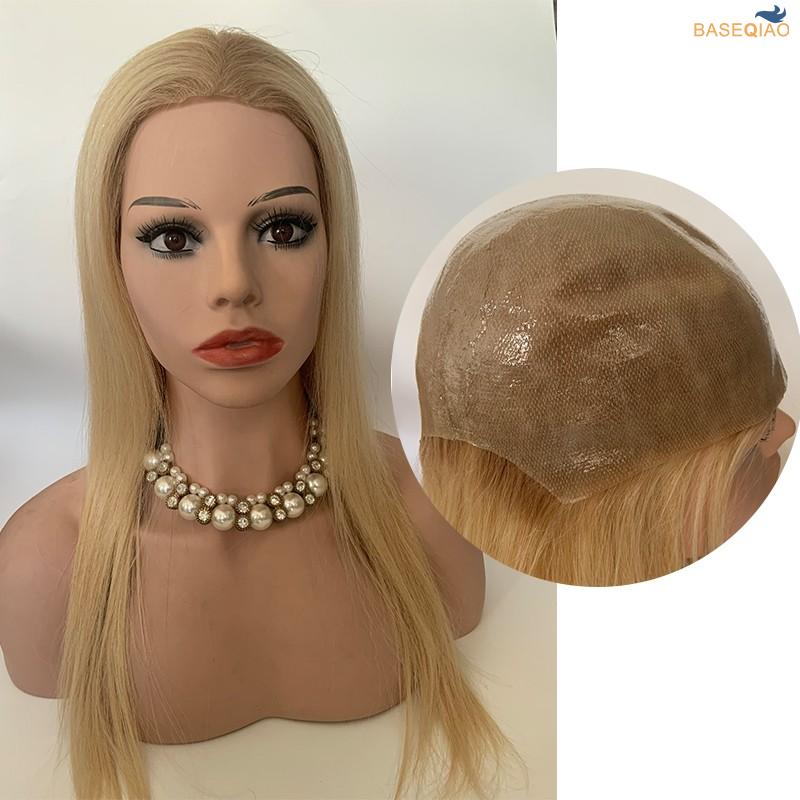
Gorgeous Thin Wigs Background for Your Screen
This gorgeous thin wigs photo offers a breathtaking view, making it a perfect choice for your next wallpaper.

Vivid Thin Wigs Image Collection
Discover an amazing thin wigs background image, ideal for personalizing your devices with vibrant colors and intricate designs.

Exquisite Thin Wigs View for Mobile
Find inspiration with this unique thin wigs illustration, crafted to provide a fresh look for your background.
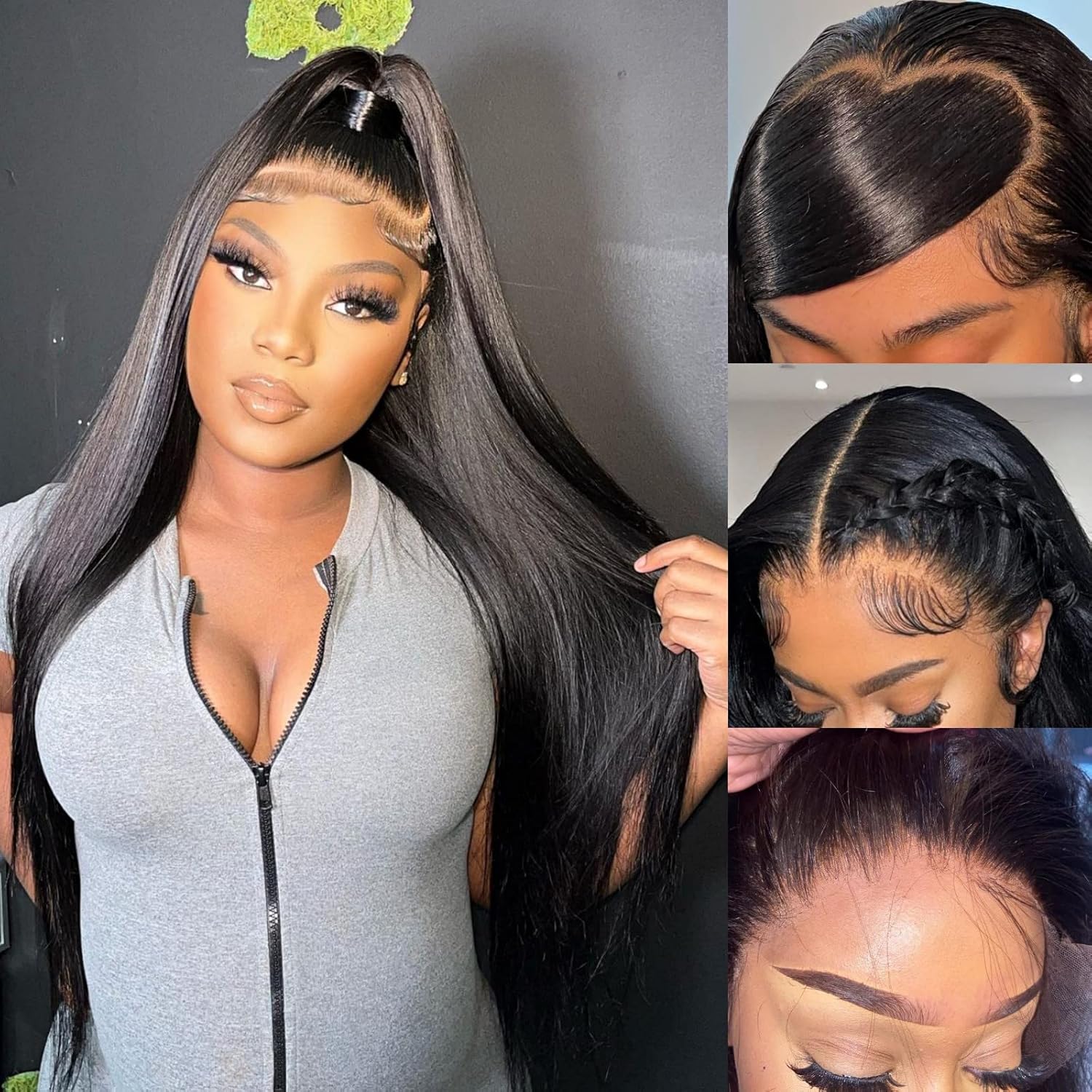
High-Quality Thin Wigs Picture Photography
Explore this high-quality thin wigs image, perfect for enhancing your desktop or mobile wallpaper.
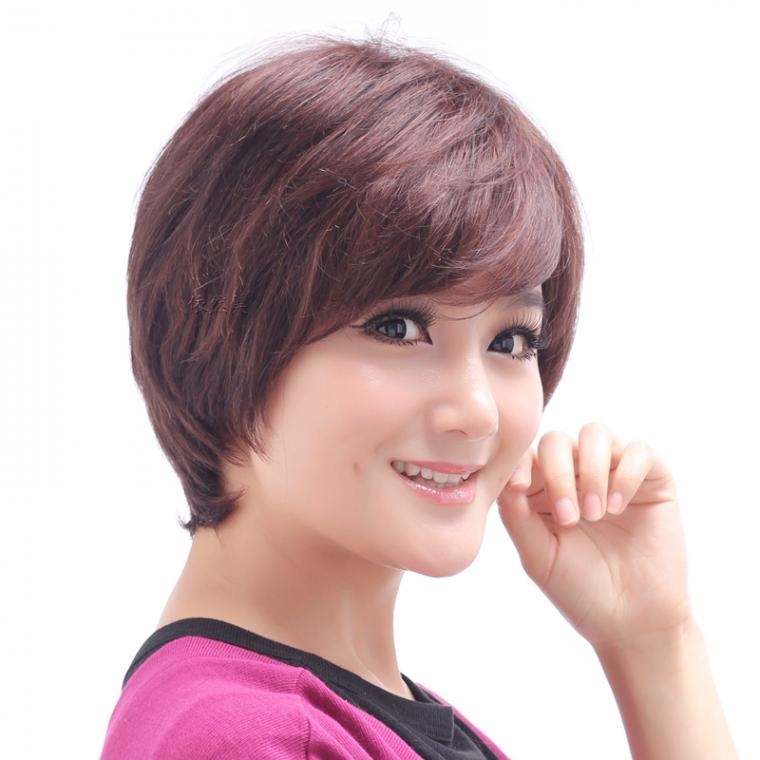
Breathtaking Thin Wigs View in HD
Discover an amazing thin wigs background image, ideal for personalizing your devices with vibrant colors and intricate designs.
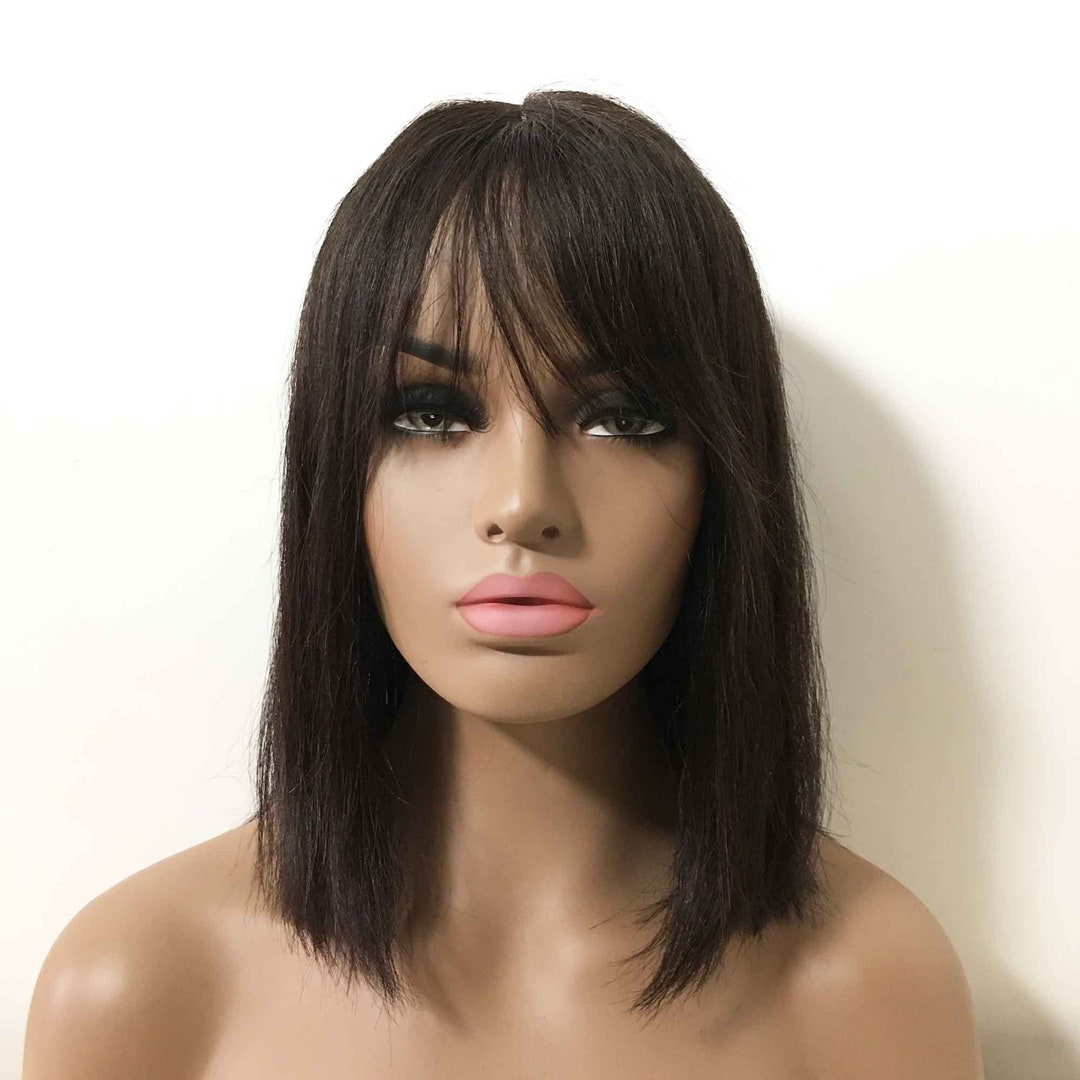
Stunning Thin Wigs Artwork Concept
Find inspiration with this unique thin wigs illustration, crafted to provide a fresh look for your background.

Amazing Thin Wigs Design Nature
Explore this high-quality thin wigs image, perfect for enhancing your desktop or mobile wallpaper.
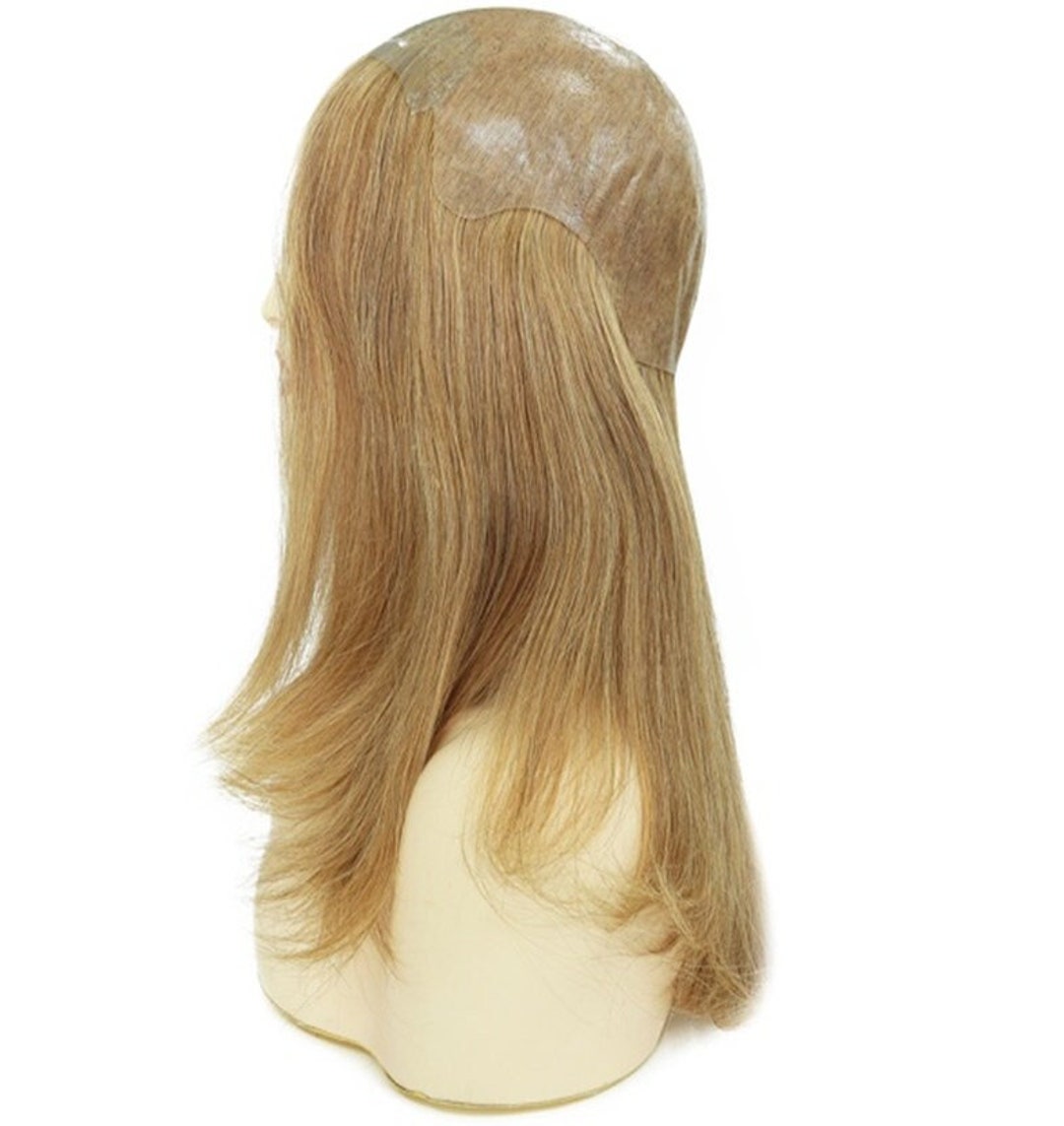
Lush Thin Wigs View for Desktop
Find inspiration with this unique thin wigs illustration, crafted to provide a fresh look for your background.

Spectacular Thin Wigs Wallpaper Concept
This gorgeous thin wigs photo offers a breathtaking view, making it a perfect choice for your next wallpaper.

Lush Thin Wigs View Concept
This gorgeous thin wigs photo offers a breathtaking view, making it a perfect choice for your next wallpaper.
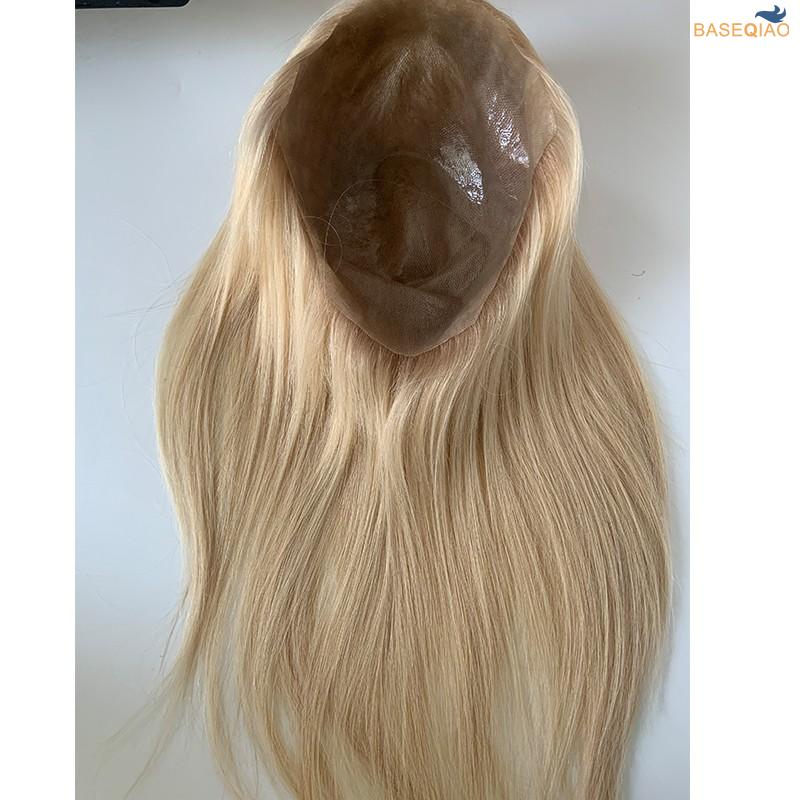
Serene Thin Wigs Abstract for Your Screen
Experience the crisp clarity of this stunning thin wigs image, available in high resolution for all your screens.
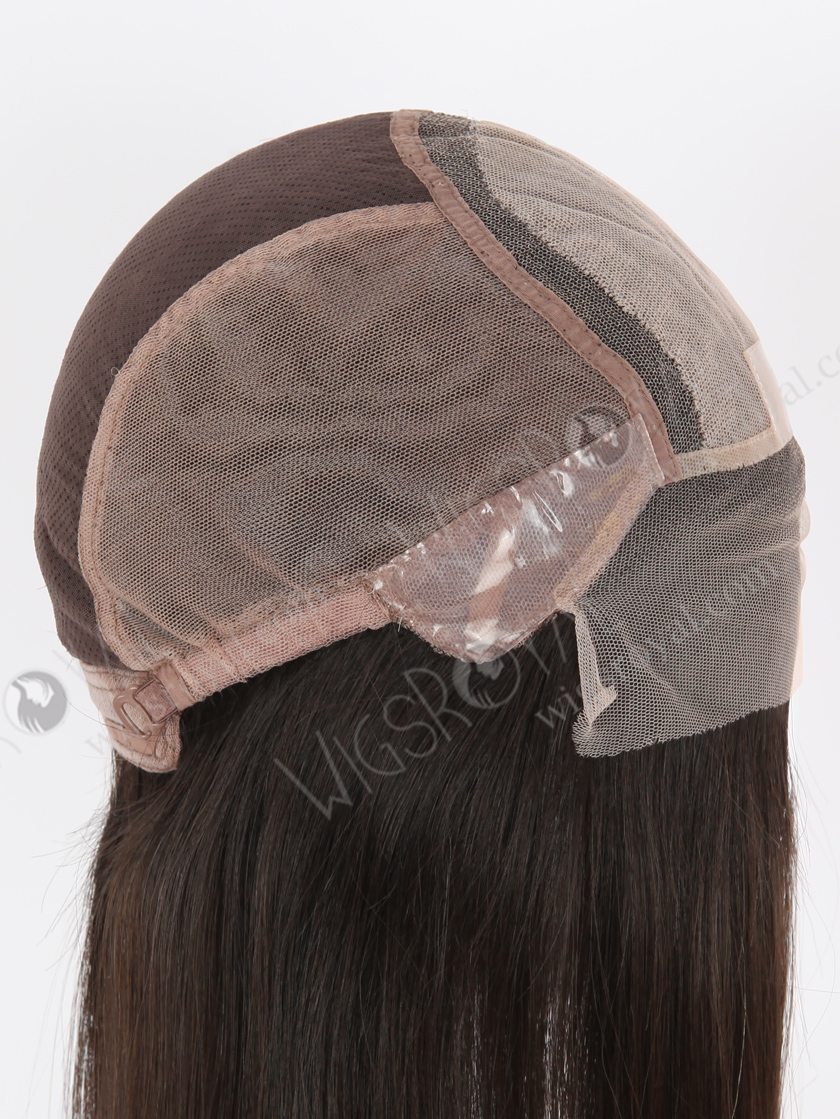
Lush Thin Wigs Design Concept
This gorgeous thin wigs photo offers a breathtaking view, making it a perfect choice for your next wallpaper.

Gorgeous Thin Wigs Abstract Concept
This gorgeous thin wigs photo offers a breathtaking view, making it a perfect choice for your next wallpaper.
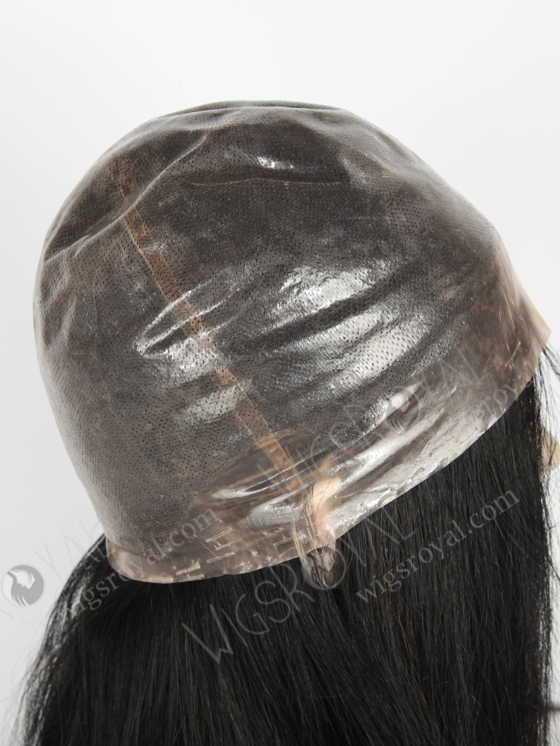
Mesmerizing Thin Wigs Design for Mobile
Explore this high-quality thin wigs image, perfect for enhancing your desktop or mobile wallpaper.

Breathtaking Thin Wigs Scene Nature
Explore this high-quality thin wigs image, perfect for enhancing your desktop or mobile wallpaper.
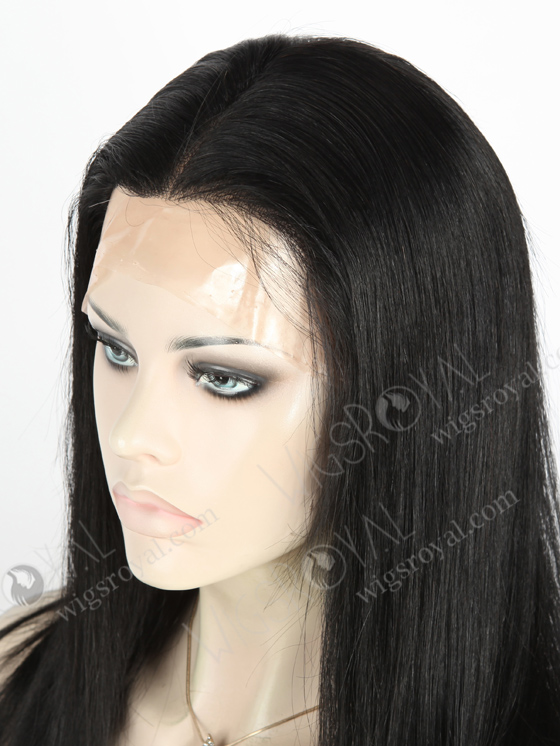
Beautiful Thin Wigs Landscape Concept
Experience the crisp clarity of this stunning thin wigs image, available in high resolution for all your screens.

Captivating Thin Wigs Artwork Art
Find inspiration with this unique thin wigs illustration, crafted to provide a fresh look for your background.
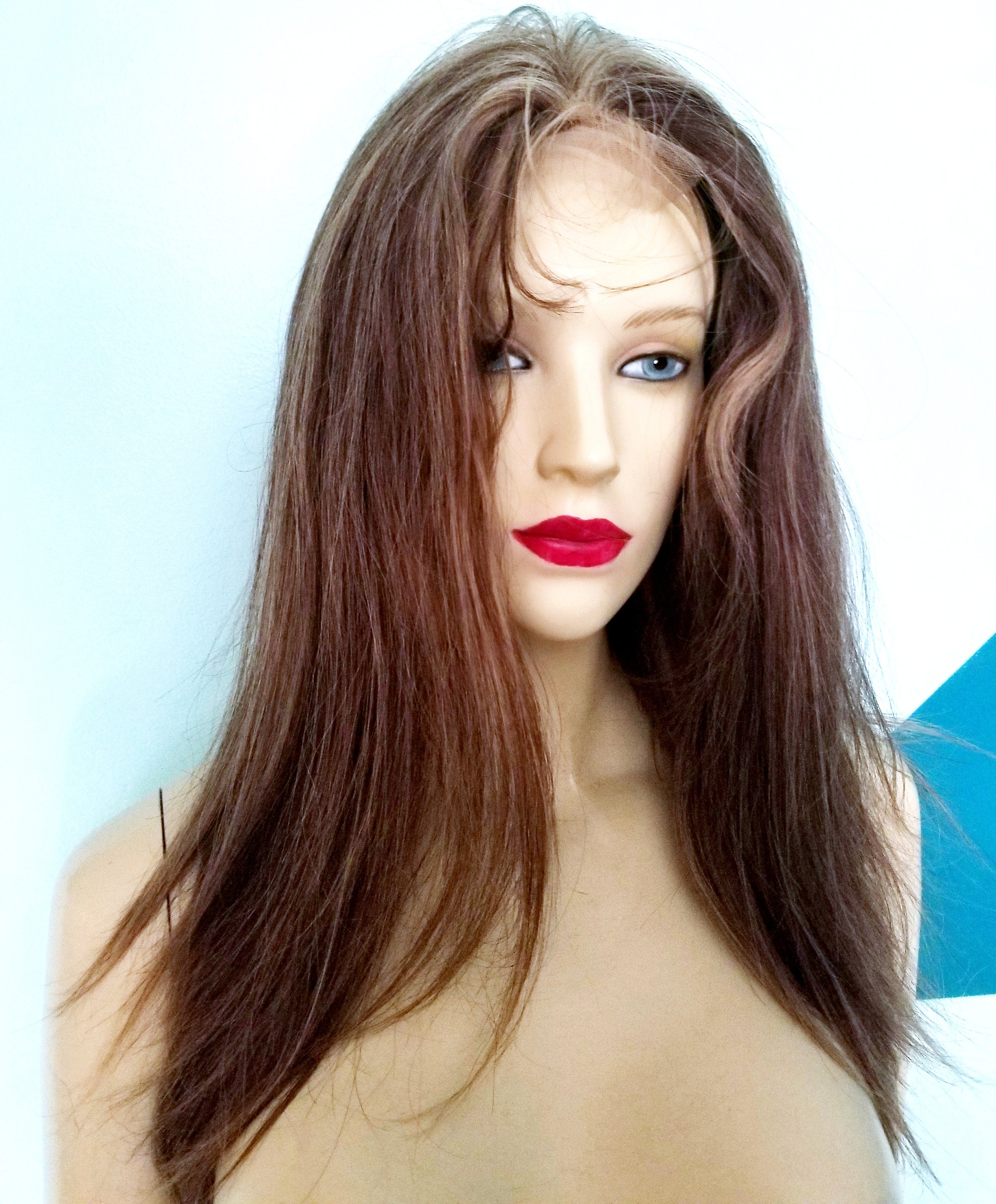
Captivating Thin Wigs Abstract Art
This gorgeous thin wigs photo offers a breathtaking view, making it a perfect choice for your next wallpaper.

Lush Thin Wigs Background in 4K
Immerse yourself in the stunning details of this beautiful thin wigs wallpaper, designed for a captivating visual experience.
Download these thin wigs wallpapers for free and use them on your desktop or mobile devices.
0 Response to "Thin Wigs"
Post a Comment