Different Hair Colors
Decoding the Spectrum: Choosing the Right Different Hair Colors for Your Look
Choosing a new hair color is one of the quickest and most impactful ways to transform your entire aesthetic. But the spectrum is vast—far beyond the simple choices of black, brown, blonde, or red.
Whether you're looking for a subtle, sun-kissed change or a dramatic, head-turning overhaul, understanding the underlying science and the vast categories of different hair colors is crucial for a successful outcome.
In this comprehensive guide, we'll dive deep into the genetics, the trends, and the essential maintenance required to keep your chosen shade vibrant, proving that a fresh color is much more than just a surface treatment.
The Science Behind Different Hair Colors
Before we explore shades, let's appreciate the biology. Your natural hair color is determined by pigments called melanin, produced by cells called melanocytes found in the hair follicle. The combination and concentration of just two types of melanin dictate whether your hair is deep black or platinum blonde.
Eumelanin vs. Pheomelanin: The Core Science
The entire spectrum of natural different hair colors boils down to these two pigments:
- Eumelanin: This pigment is responsible for brown and black tones. The more eumelanin you have, the darker your hair. If you have a moderate amount, you get various shades of brown.
- Pheomelanin: This pigment is responsible for red and yellow tones. It is chemically more stable and harder to bleach out. Everyone has some pheomelanin, which is why when you lighten dark hair, it often passes through warm, brassy (yellow/orange) stages.
For example, true red hair contains a high concentration of pheomelanin with a minimal amount of eumelanin. Blonde hair contains very low levels of both pigments. For deeper insights into the genetics of hair pigmentation, you can explore the biological mechanisms further. (Source: Wikipedia - Human Hair Color)
Exploring the Major Natural Hair Color Categories
Natural hair colors are often categorized by "level" (1 being black, 10 being platinum blonde) and "tone" (warm, cool, or neutral). Understanding this distinction helps you communicate effectively with your stylist.
Black & Brown Hair: Depth and Dimension
Black (Level 1) is the darkest color, reflecting the highest concentration of eumelanin. Brown hair spans Levels 2 through 5, and it's arguably the most versatile category. Different hair colors within the brown family include:
- Cool Tones: Ash Brown, Chocolate Brown, Mushroom Brown (no red or gold undertones).
- Warm Tones: Chestnut, Mahogany, Auburn (visible red or copper undertones).
When dyeing, selecting the right brown tone prevents the color from looking flat. Cool tones look sophisticated, while warm tones add a soft, dimensional glow.
Blonde Hair: The Spectrum of Light
Blonde hair (Levels 6 through 10) requires the lowest level of melanin. Achieving bright blonde is often the most chemically intensive process, involving lifting the hair's natural pigment.
Key Blonde Types:
- Ash Blonde: A very cool tone with hints of blue or purple to neutralize yellow. Ideal for people with cool skin undertones.
- Golden Blonde: A warm, sunny color that reflects light beautifully.
- Platinum: The lightest level (10), often requiring extensive bleaching and toning.
Red Hair: The Rarest Shade
Naturally red hair is extremely rare, accounting for only about 1-2% of the global population. This rarity is due to genetic inheritance, specifically mutations in the MC1R gene, which cause the body to produce high levels of pheomelanin.
From a coloring perspective, achieving vibrant red requires significant dedication. Reds fade quickly because the molecules are large and easily wash out of the hair cuticle. (Source: NCBI - Red Hair Genetics)
Beyond Natural: Vibrant and Fantasy Different Hair Colors
The rise of unconventional shades—pinks, blues, purples, and greens—has revolutionized the hair industry. These fantasy colors typically require the hair to be pre-lightened to Level 9 or 10 (very light blonde) before the semi-permanent dye is applied.
Pastels and Neons: Maintenance Challenges
Pastel colors (like lavender or baby pink) are extremely high maintenance. They are highly diluted and therefore wash out quickly, often lasting only 4–10 washes depending on your hair porosity and washing habits.
To preserve fantasy colors, stylists recommend:
- Washing hair with cool water.
- Using sulfate-free, color-safe shampoos.
- Applying color-depositing conditioners every few washes.
[Baca Juga: Best Sulfate-Free Shampoos for Color-Treated Hair]
Practical Guide: Choosing Your Best Shade
The number one secret to choosing a successful hair color is understanding your skin's undertone. Your undertone—cool, warm, or neutral—will determine which shades harmonize with your complexion and which will clash.
Identifying Your Undertone:
- Cool: Veins appear blue/purple. Silver jewelry looks better on you. Your skin burns easily.
- Warm: Veins appear green/olive. Gold jewelry looks better on you. You tan easily.
- Neutral: A mix of both, or veins are hard to define. You suit both gold and silver.
Here is a quick reference table to match your skin tone with the best different hair colors:
| Skin Undertone | Recommended Color Tones (Cool) | Recommended Color Tones (Warm) |
|---|---|---|
| Cool | Ash Blonde, Platinum, Jet Black, Cool Espresso Brown. | Avoid golden/copper colors as they can make the skin look flushed. |
| Warm | Warm Browns (Mahogany, Caramel), Golden Blonde, Copper Red, True Red. | Avoid extreme ash/blue-based tones as they can wash you out. |
| Neutral | Can successfully wear a wide range of colors; often looks best with Neutral or Beige tones. | |
Essential Hair Color Maintenance Tips
The lifespan of any hair color—especially the more vibrant ones—depends entirely on your care routine. Color treatment strips hair of moisture, making proper nourishment non-negotiable.
Here are crucial steps to maintaining beautiful, long-lasting color:
- Deep Conditioning: Use a high-quality hair mask at least once a week. This restores moisture and seals the cuticle, helping to lock the color molecules inside the hair shaft.
- Heat Protection: Always apply a thermal protectant spray before using hot tools (straighteners, curling irons). High heat is one of the fastest ways to cause color fade and damage.
- Minimize Washing: Try to wash your hair only 2-3 times a week. Use dry shampoo in between washes to absorb oil and refresh your look.
- UV Protection: Sun exposure breaks down both natural and artificial color pigment. If you spend prolonged time outdoors, use UV protection sprays designed for hair.
[Baca Juga: Specific Care Routines for Achieving Brassy-Free Blonde]
Conclusion
The world of different hair colors offers limitless possibilities, from the earth tones dictated by eumelanin to the vivid hues achieved through modern chemistry. Whether you opt for a subtle brown, a fiery red, or a trendy purple, success lies in two key areas: understanding the science behind the pigment and committing to a meticulous, color-safe maintenance routine.
Remember, your hair color should complement your unique features, especially your skin's undertone. Don't be afraid to consult a professional stylist—they are the true experts in navigating the color level and tone systems to find your perfect match.
Frequently Asked Questions About Different Hair Colors
Here are some common questions prospective hair color users often ask:
- What is the difference between cool and warm hair colors?
Cool colors (like ash blonde, blue-black) have blue, green, or violet undertones to minimize brassiness. Warm colors (like golden blonde, mahogany) have red, orange, or yellow undertones that create a richer, sunnier look.
- Why does my blonde hair turn brassy?
Brassiness (unwanted yellow/orange tones) occurs because bleaching lifts eumelanin but leaves behind residual, stubborn pheomelanin (the yellow/red pigment). Using purple (for yellow brass) or blue (for orange brass) toning shampoos neutralizes these unwanted warm tones.
- How often should I wash color-treated hair?
The less you wash, the longer the color lasts. Ideally, wash no more than 2-3 times per week. Use cold or lukewarm water, as hot water opens the hair cuticle and causes color molecules to escape rapidly.
- Can I switch from dark to light hair in one appointment?
It depends on your current color and condition. Going from black to a light brown is often achievable in one session. However, going from dark to platinum blonde usually requires multiple sessions (a process called "lifting") to preserve hair integrity and prevent severe damage.
Different Hair Colors
Different Hair Colors Wallpapers
Collection of different hair colors wallpapers for your desktop and mobile devices.

Mesmerizing Different Hair Colors Moment in 4K
Discover an amazing different hair colors background image, ideal for personalizing your devices with vibrant colors and intricate designs.

High-Quality Different Hair Colors Abstract Art
Transform your screen with this vivid different hair colors artwork, a true masterpiece of digital design.

Lush Different Hair Colors Artwork Nature
Immerse yourself in the stunning details of this beautiful different hair colors wallpaper, designed for a captivating visual experience.

Dynamic Different Hair Colors Artwork Nature
A captivating different hair colors scene that brings tranquility and beauty to any device.
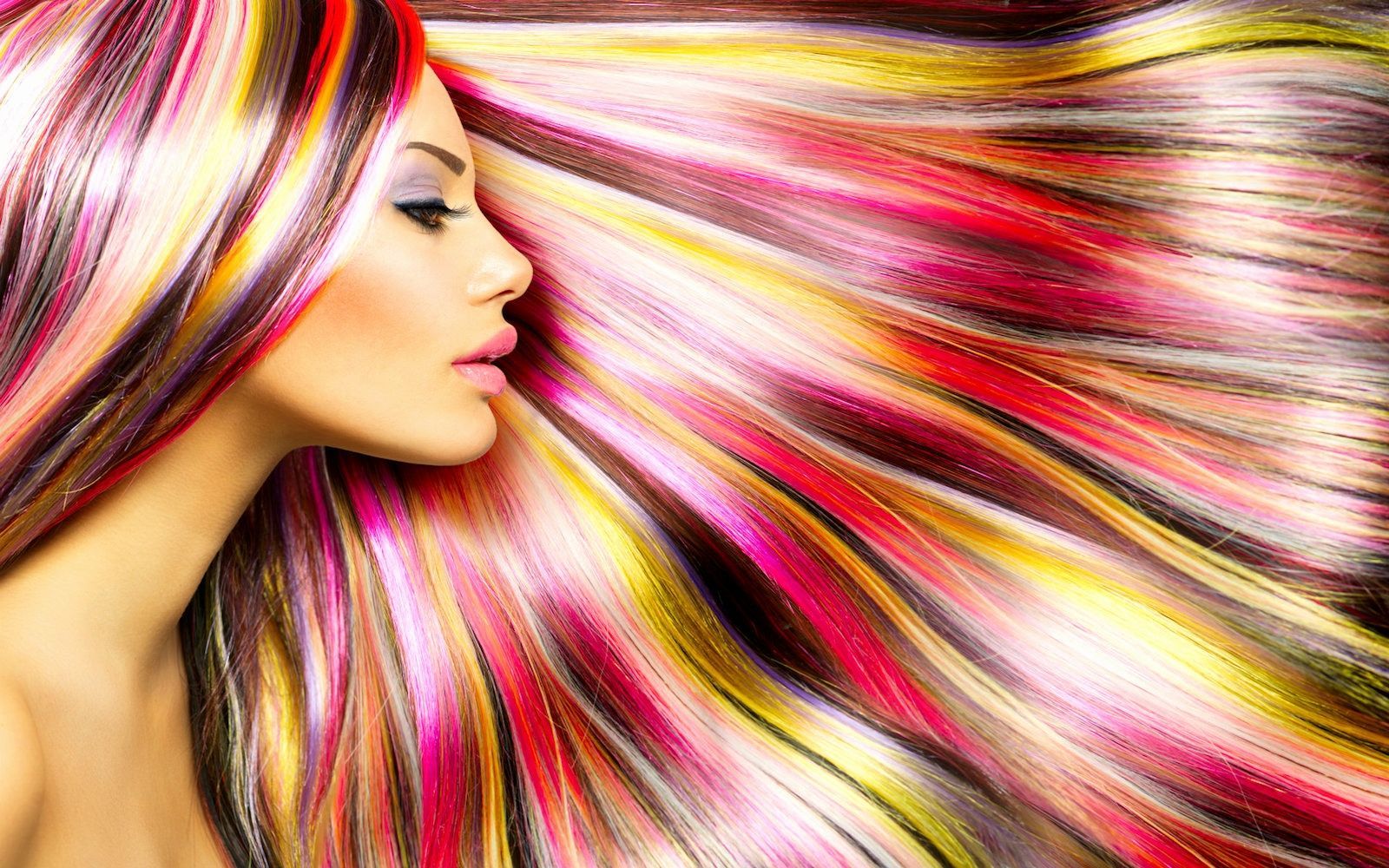
Vivid Different Hair Colors Photo in 4K
Discover an amazing different hair colors background image, ideal for personalizing your devices with vibrant colors and intricate designs.

Spectacular Different Hair Colors View Nature
Find inspiration with this unique different hair colors illustration, crafted to provide a fresh look for your background.

Breathtaking Different Hair Colors Artwork for Mobile
Explore this high-quality different hair colors image, perfect for enhancing your desktop or mobile wallpaper.

Detailed Different Hair Colors Scene for Mobile
Experience the crisp clarity of this stunning different hair colors image, available in high resolution for all your screens.

Artistic Different Hair Colors Capture in 4K
This gorgeous different hair colors photo offers a breathtaking view, making it a perfect choice for your next wallpaper.

Dynamic Different Hair Colors Moment Nature
A captivating different hair colors scene that brings tranquility and beauty to any device.

Stunning Different Hair Colors Image in HD
Immerse yourself in the stunning details of this beautiful different hair colors wallpaper, designed for a captivating visual experience.

Stunning Different Hair Colors Abstract for Mobile
This gorgeous different hair colors photo offers a breathtaking view, making it a perfect choice for your next wallpaper.
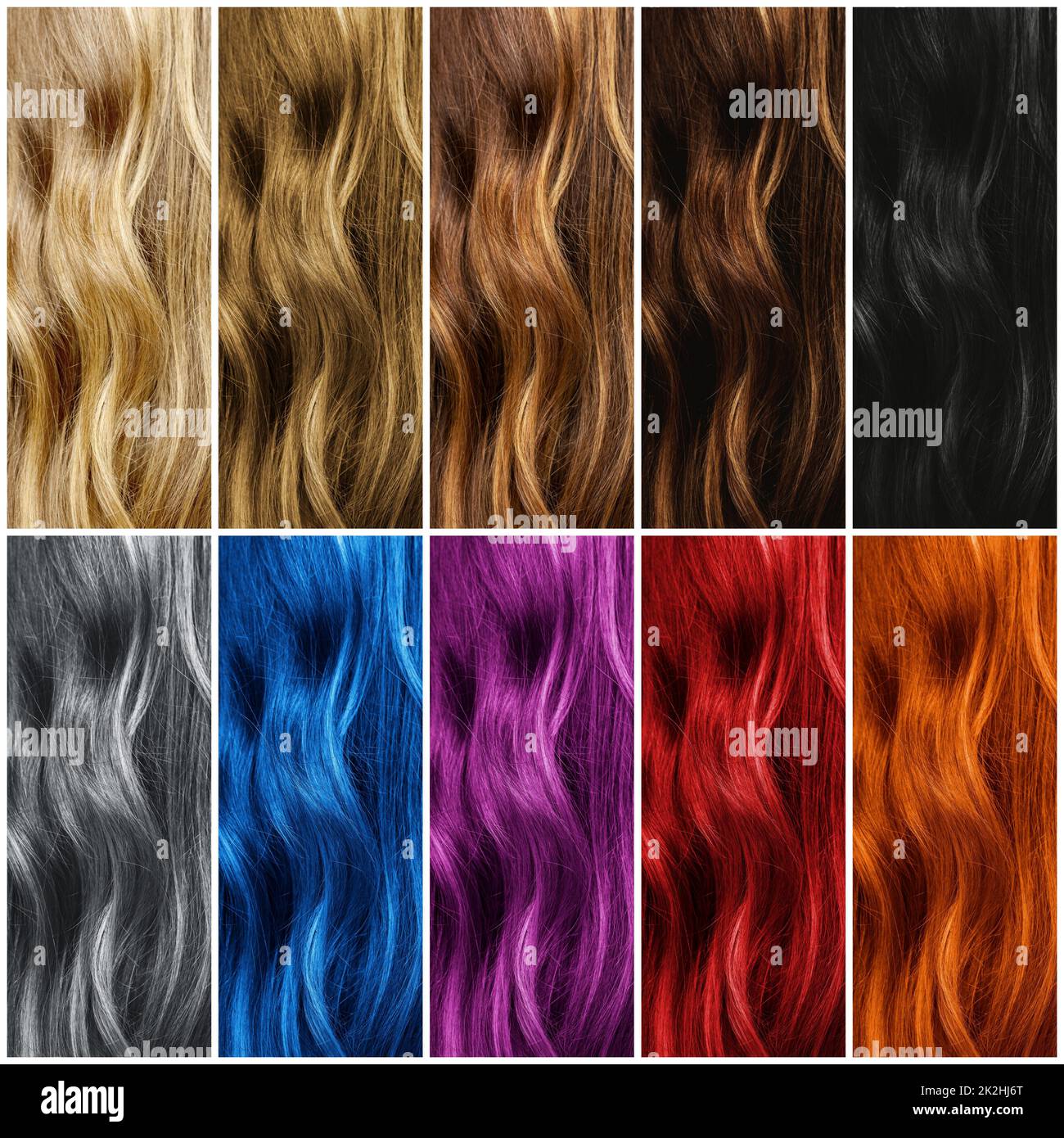
Serene Different Hair Colors Moment Digital Art
Explore this high-quality different hair colors image, perfect for enhancing your desktop or mobile wallpaper.
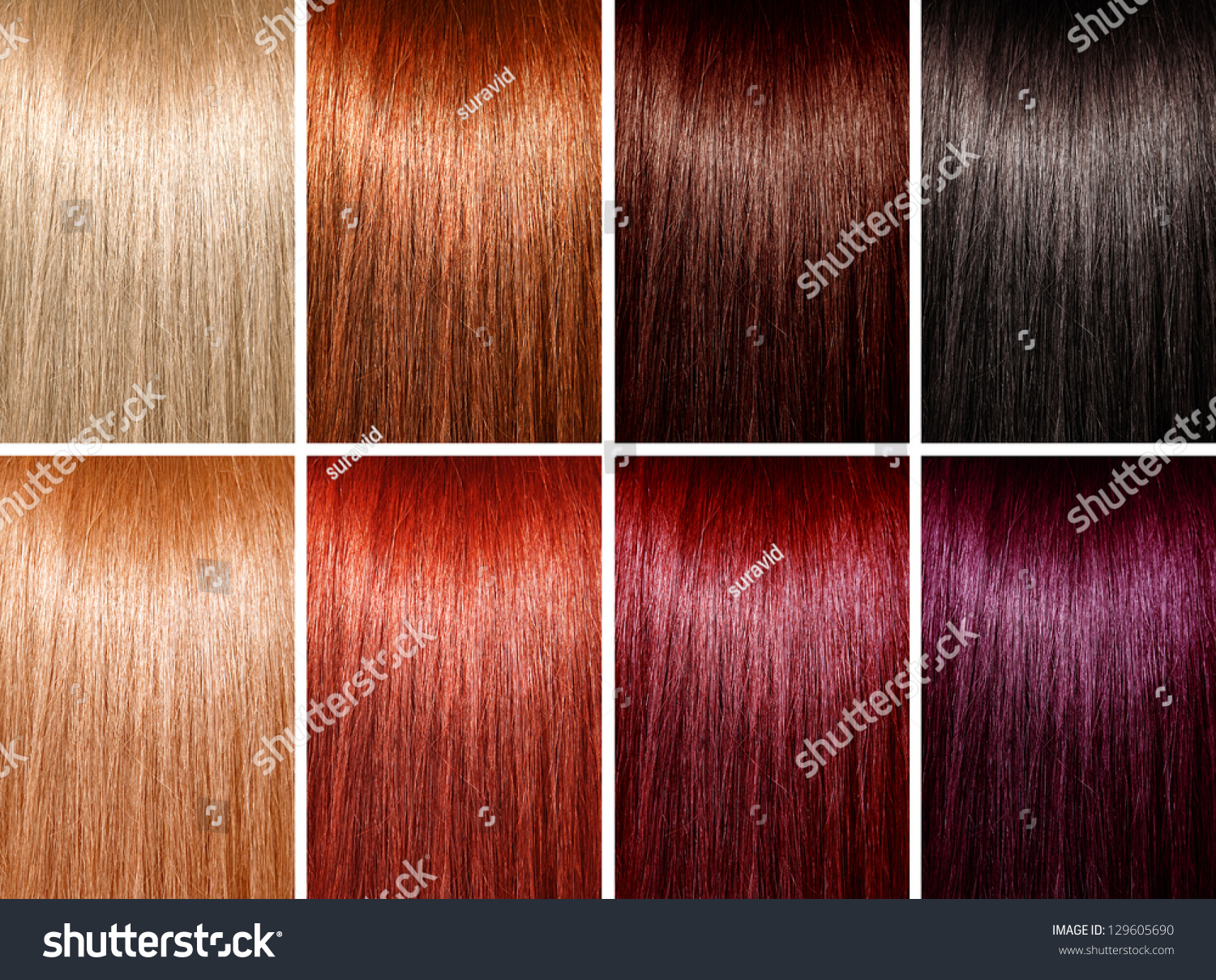
High-Quality Different Hair Colors Wallpaper in 4K
Experience the crisp clarity of this stunning different hair colors image, available in high resolution for all your screens.

Amazing Different Hair Colors Wallpaper Art
Transform your screen with this vivid different hair colors artwork, a true masterpiece of digital design.

Detailed Different Hair Colors Abstract Illustration
Discover an amazing different hair colors background image, ideal for personalizing your devices with vibrant colors and intricate designs.

Captivating Different Hair Colors Picture Concept
Find inspiration with this unique different hair colors illustration, crafted to provide a fresh look for your background.

Stunning Different Hair Colors Image Digital Art
A captivating different hair colors scene that brings tranquility and beauty to any device.
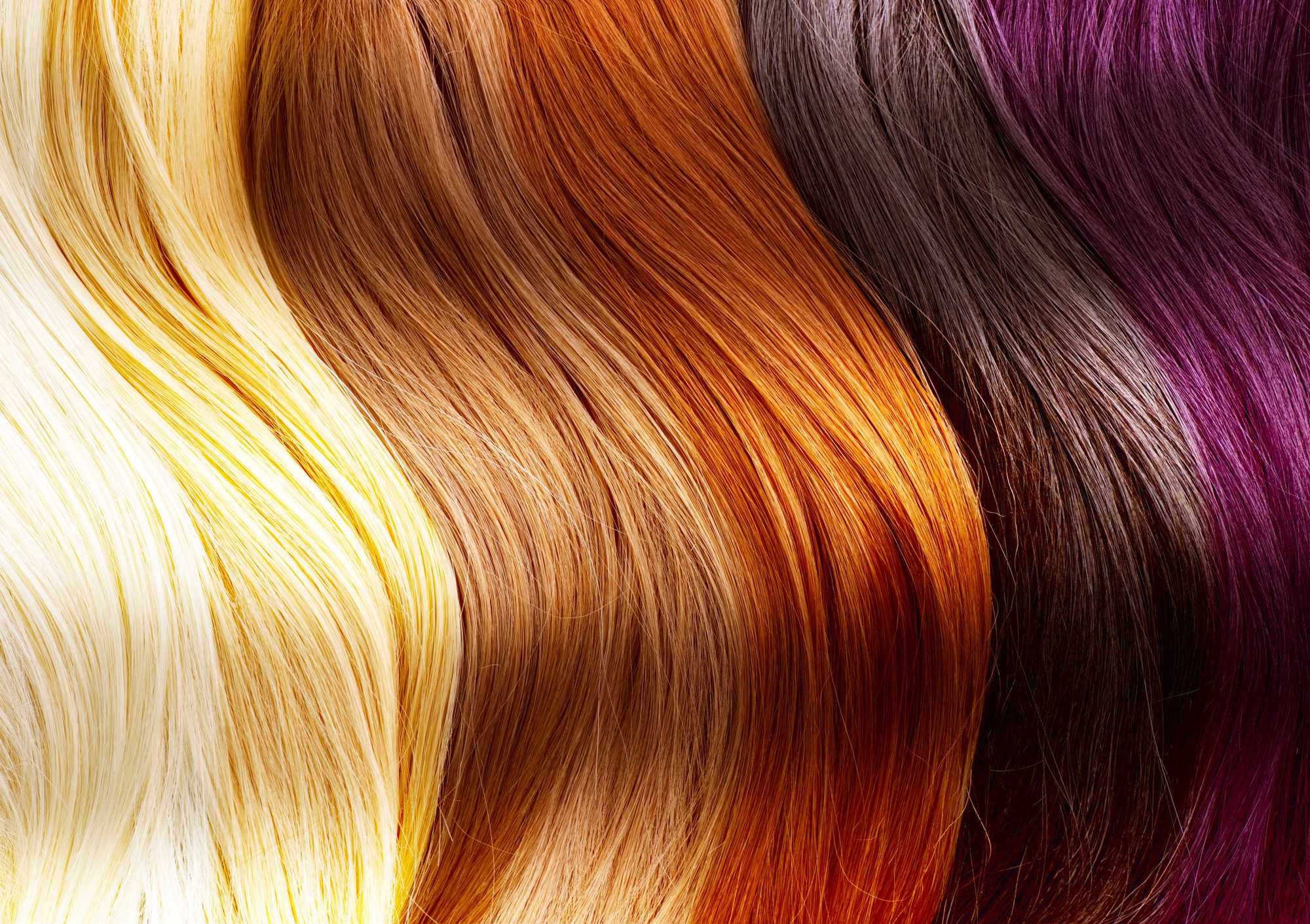
Gorgeous Different Hair Colors Moment Nature
A captivating different hair colors scene that brings tranquility and beauty to any device.

Amazing Different Hair Colors Photo in HD
Transform your scr
0 Response to "Different Hair Colors"
Post a Comment