Dye Colors
Tired of Fading Fabrics? Mastering Dye Colors for Permanent Vibrancy
The world is defined by color—and nothing locks that color into textiles, papers, or even food quite like a dye. But if you've ever tried to dye a shirt only to watch the hue wash out after the first cycle, you know that managing dye colors is more than just mixing pigments.
It's an art, yes, but fundamentally, it's a science. As a Senior SEO Content Writer dedicated to unlocking complex topics, we're diving deep. We're going past the surface-level instructions to understand the chemistry, the history, and the future of coloring our world sustainably and permanently.
This guide will equip you with the knowledge needed to choose the perfect dye, ensure maximum color fastness, and appreciate the incredible technology that goes into achieving that perfect shade.
The Fundamental Science Behind Dye Colors
A dye isn't just paint. Paint sits on the surface; a dye chemically bonds with the substrate (the fabric, paper, or hair). Understanding this bonding mechanism is the key to achieving vibrancy and longevity.
Chromophores and Auxochromes: The Color Makers
All colors we see come down to how a substance absorbs and reflects light. In the context of dyes, two structural elements are critical:
- Chromophore: This is the part of the molecule responsible for the color. It contains specific molecular structures (like double bonds) that absorb certain wavelengths of visible light, leaving the perceived color to be reflected back.
- Auxochrome: While not producing color themselves, auxochromes are chemical groups (like hydroxyl or amino groups) that intensify the color produced by the chromophore and, crucially, help the dye bond permanently to the fiber.
Without the proper auxochromes, the dye simply sits on the fiber loosely and will wash away. This chemical synergy is why true color fastness is so difficult to achieve across different fiber types.
For a detailed breakdown of how these molecular structures interact with light, you can explore specialized resources on the chemistry of color.
Natural vs. Synthetic: The Great Dye Colors Divide
The history of humanity is a history of color. For millennia, we relied exclusively on natural sources. Everything changed in 1856 with the accidental synthesis of the first aniline dye, Mauveine, by William Henry Perkin.
The Golden Age of Natural Dyes
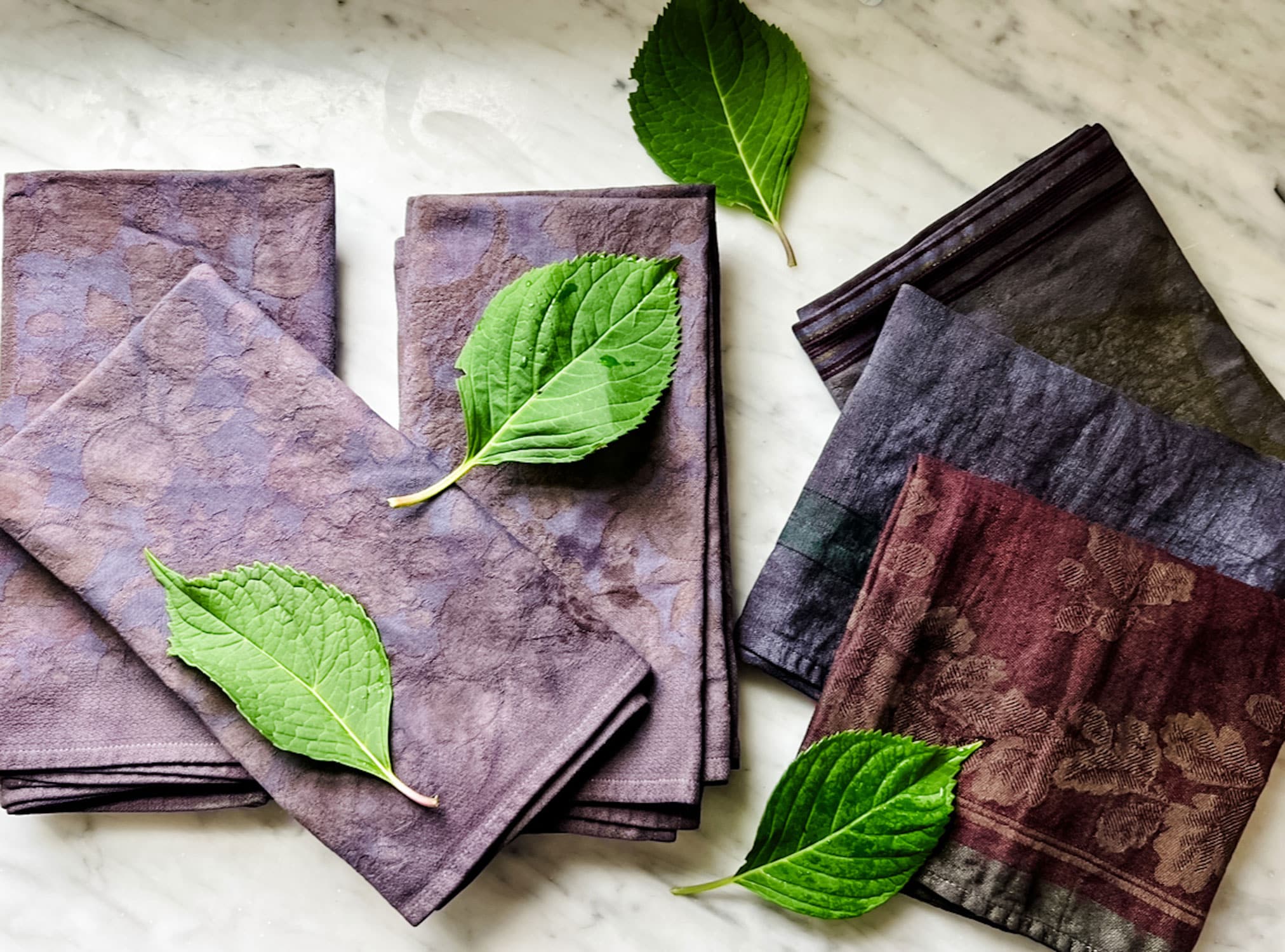
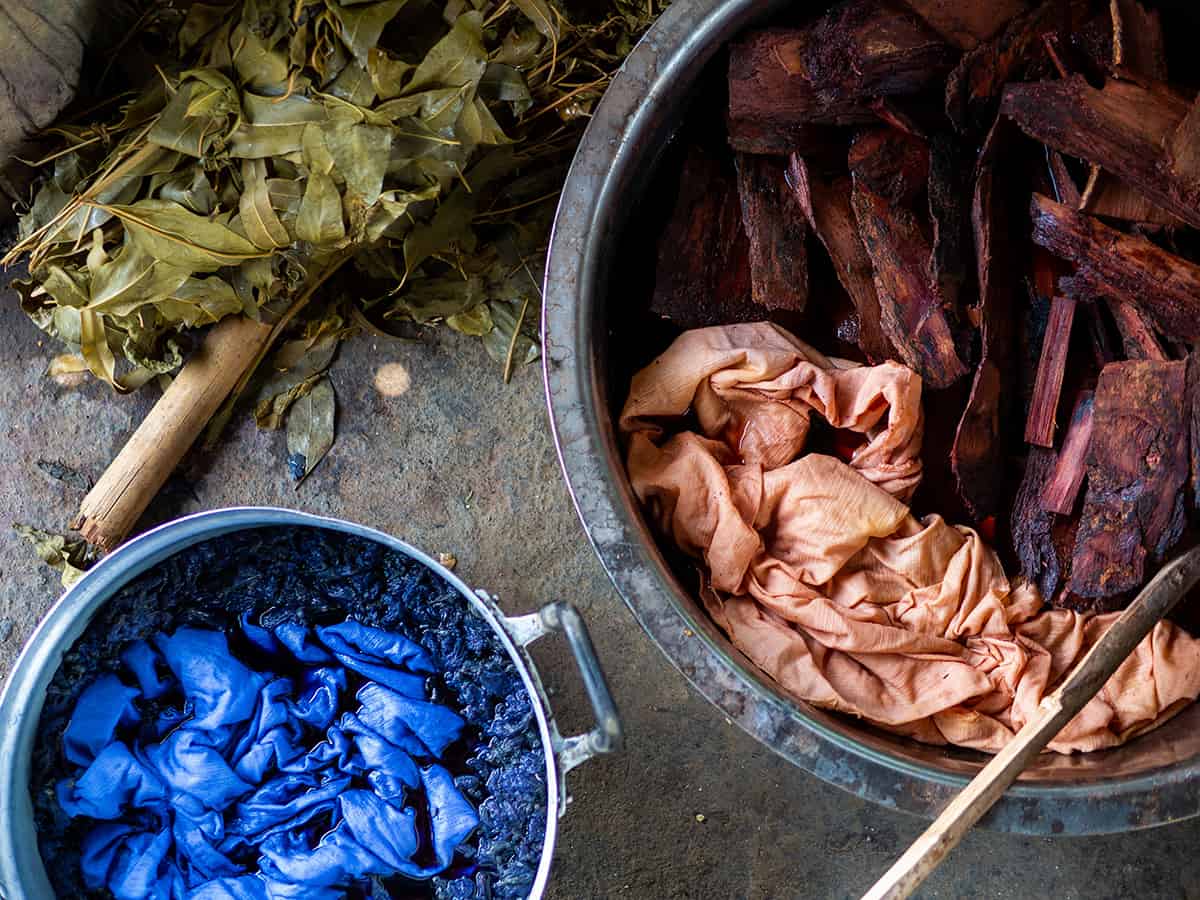
Natural dyes, sourced from plants (indigo, madder), insects (cochineal), or minerals, possess a subtle, rich depth often appreciated by artisans. They are generally safer to work with, but they come with significant drawbacks.
Achieving consistency is challenging, and they often require mordants—metallic salts used to fix the dye to the fibers—which can add complexity and sometimes environmental risk. To learn more about historical pigments, check out [Baca Juga: Cochineal Dye History].
The Dominance of Synthetic Dyes
Synthetic dyes now account for the vast majority of commercial coloring agents. Why? Because they offer:
- Unmatched consistency and reproducibility.
- A far broader color palette (including extremely bright or fluorescent shades).
- Superior color fastness and affinity for synthetic fibers (like polyester and nylon).
However, the rapid rise of synthetic production introduced new environmental challenges, which we will discuss shortly.
| Feature | Natural Dyes | Synthetic Dyes |
|---|---|---|
| Color Range | Limited, earthy tones | Vast, vibrant, and precise |
| Consistency | Low (Batch variations common) | High (Industrial standard) |
| Fiber Compatibility | Mostly natural fibers (cotton, wool, silk) | Excellent for both natural and synthetic |
| Cost & Scale | High cost, difficult to scale | Low cost, highly scalable |
Choosing the Right Type of Dye for Your Project
The single most important factor determining which dye to use is the material you are dyeing. Using a dye meant for nylon on cotton will yield poor or non-existent results. Here are the most common commercial dye classes and their ideal substrates:
Reactive Dyes
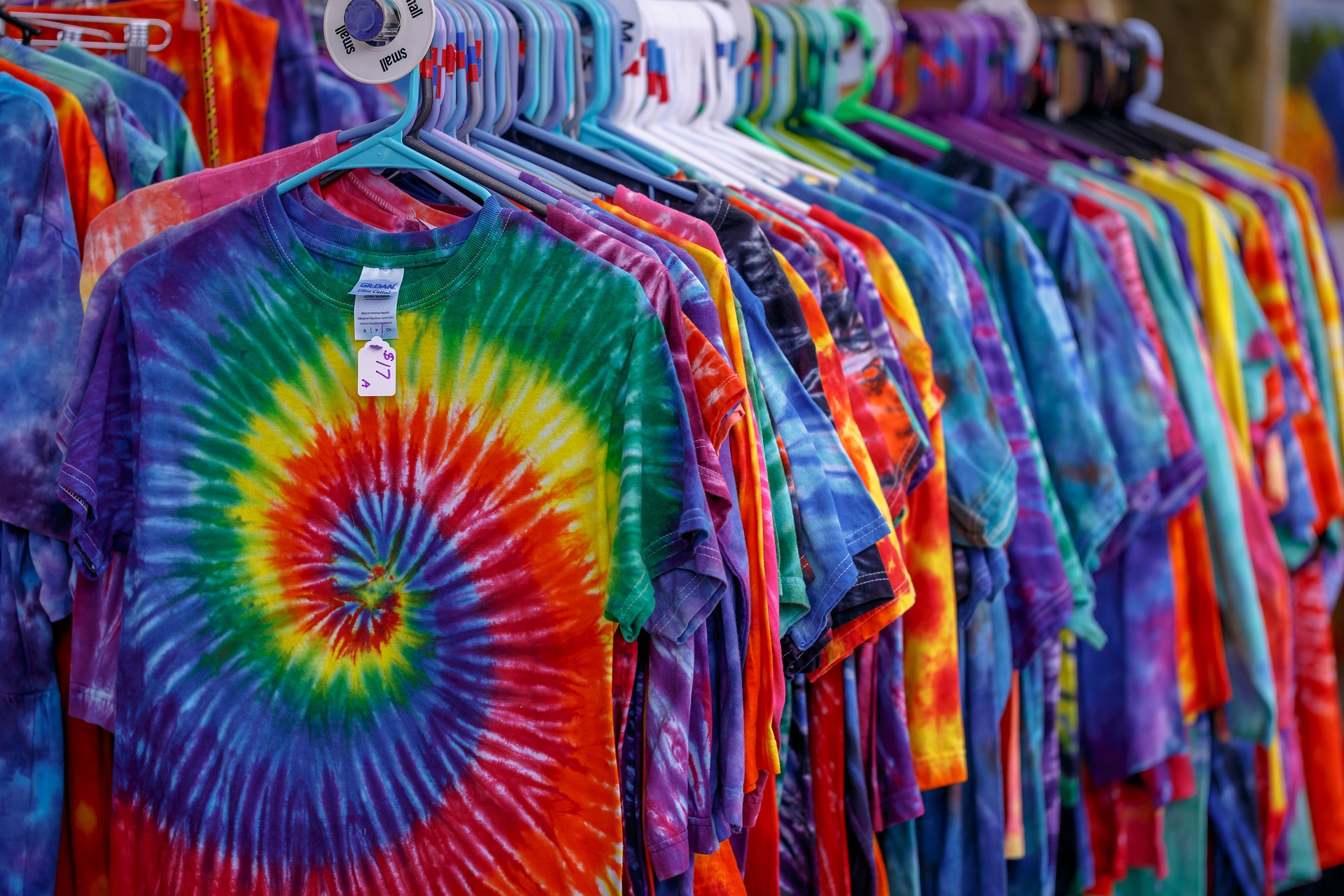
These are the champions for cellulose fibers (cotton, linen, rayon). Reactive dyes form a true covalent bond with the fiber molecules. This means the color is literally part of the fabric, ensuring excellent wash and light fastness. If you are tie-dyeing or immersion dyeing cotton, reactive dyes are your best bet.
Acid Dyes
Don't let the name scare you—they are safe to use. Acid dyes are perfect for protein fibers (wool, silk, mohair) and certain synthetic fibers like nylon. They bond via ionic attraction (a simple salt linkage) to the fiber's chemical structure. They require a mild acid (like vinegar) to facilitate this bonding.
Disperse Dyes
These are the go-to solution for hydrophobic (water-repelling) synthetic fibers, primarily polyester and acetate. Disperse dyes are not water-soluble; they are applied as a suspension and require high temperatures or carriers to penetrate the tightly packed polymer structure of the fiber.
If you're dealing with blended fabrics, choosing the right dye is even more complex, often requiring a blend of dye types applied in separate baths. [Baca Juga: Advanced Fiber Types]
Dye Colors and Sustainability: What You Need to Know
In the age of fast fashion, the environmental impact of coloring millions of yards of fabric is substantial. The dyeing and finishing industry is notoriously water-intensive and historically has been a major source of water pollution.
The primary concern stems from the wastewater—effluent containing unused dye, mordants, salt, and processing chemicals. When released untreated, this colored water blocks sunlight, disrupting aquatic ecosystems and potentially introducing toxic compounds.
Moving Towards Eco-Friendly Solutions
Today, responsible manufacturers are adopting sophisticated water treatment and recycling protocols. Furthermore, innovative chemistry is delivering cleaner alternatives:
- Low-Salt or Salt-Free Dyes: Reducing the massive salt usage that contributes to water hardness.
- Non-Azo Dyes: Avoiding certain chemical classes (Azo compounds) that can degrade into potentially carcinogenic amines.
- Natural Fiber Pre-treatment: Preparing cellulose fibers to have a better affinity for reactive dyes, requiring less dye and less washing.
Consumers can support this shift by looking for certifications like OEKO-TEX or Bluesign when purchasing textiles. You can read more about industry shifts toward sustainable practices in sustainable textile manufacturing reports.
The Future of Color: Innovations in Dye Technology
The quest for perfect, sustainable color is far from over. Technology is rapidly changing how we apply and formulate dye colors.
Digital Printing and Pigment Pastes
The growth of high-speed digital textile printing is reducing dye waste significantly. Unlike traditional screen printing or immersion dyeing, which requires bulk quantities of liquid dye, digital methods use minute droplets of pigment paste applied only where needed. This dramatically reduces water and chemical usage.
Dyeing with CO2 (Supercritical Fluid Dyeing)
Perhaps the most exciting development is the use of supercritical carbon dioxide (CO2) instead of water. When heated and pressurized, CO2 acts as a solvent, allowing disperse dyes to deeply penetrate polyester fibers without a single drop of water. The CO2 is then recycled, creating a virtually water-free and waste-free process for synthetic textiles.
While still costly, these innovations promise a future where rich, permanent dye colors are achieved without the environmental cost traditionally associated with the dyeing process.
Conclusion: The Art and Science of Lasting Color
From the subtle browns of ancient plant extracts to the hyper-vibrant neons of modern synthetics, dye colors represent a continuous blend of chemistry and creativity. Mastering color fastness requires respecting the underlying science—matching the dye class to the fiber structure and understanding the role of chromophores and auxochromes.
By making informed choices about the type of dye you use and supporting sustainable innovations, we can ensure that the vibrancy we crave in our textiles doesn't come at the cost of the environment.
Frequently Asked Questions (FAQ) About Dye Colors
- Why do some fabrics accept dye better than others?
It depends entirely on the fiber's chemical structure. Natural protein and cellulose fibers (wool, cotton) have chemical sites ready for reactive or acid dyes. Synthetic fibers like polyester are tightly packed and non-reactive, requiring special disperse dyes applied under high heat to force penetration.
- What is 'color fastness' and how is it measured?
Color fastness refers to a dye color's resistance to fading, bleeding, or transference when exposed to various elements (washing, light, rubbing, sweat). It is measured using standardized industry tests, often rated on a 1 (poor) to 5 (excellent) scale.
- Is it possible to dye 100% Polyester at home?
It is very difficult. Polyester requires disperse dyes and high, sustained temperatures (boiling water isn't enough; typically 250°F or higher) to open up its structure for dye penetration. Household dyes designed for natural fibers will simply sit on the surface and wash out.
- What is a 'mordant' and why is it used?
A mordant (from the French mordre, "to bite") is a substance, usually a metallic salt, used in natural dyeing. It creates a chemical bridge between the dye molecule and the fiber molecule, fixing the color permanently and often enhancing the shade.
Dye Colors
Dye Colors Wallpapers
Collection of dye colors wallpapers for your desktop and mobile devices.
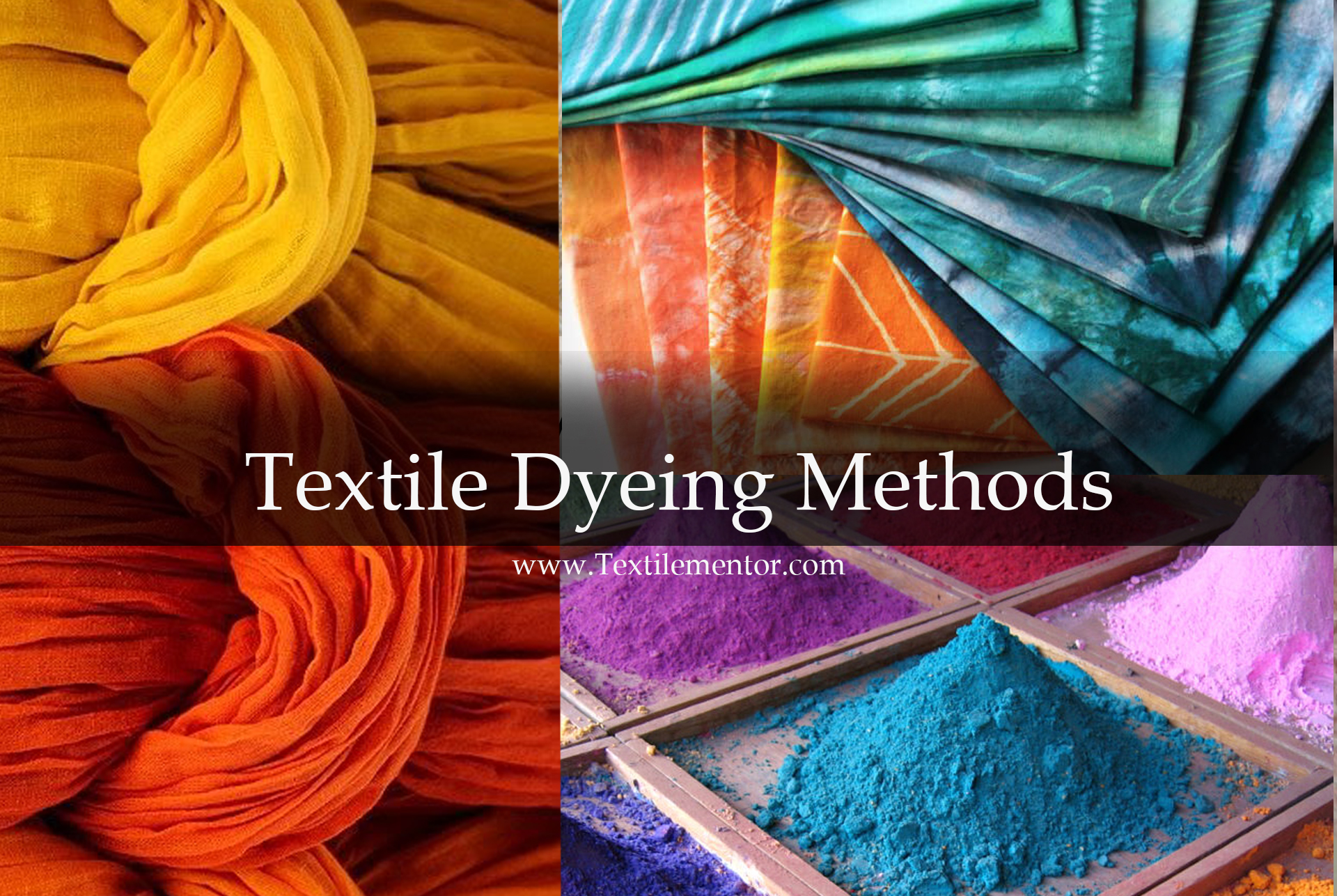
Exquisite Dye Colors Moment for Your Screen
A captivating dye colors scene that brings tranquility and beauty to any device.
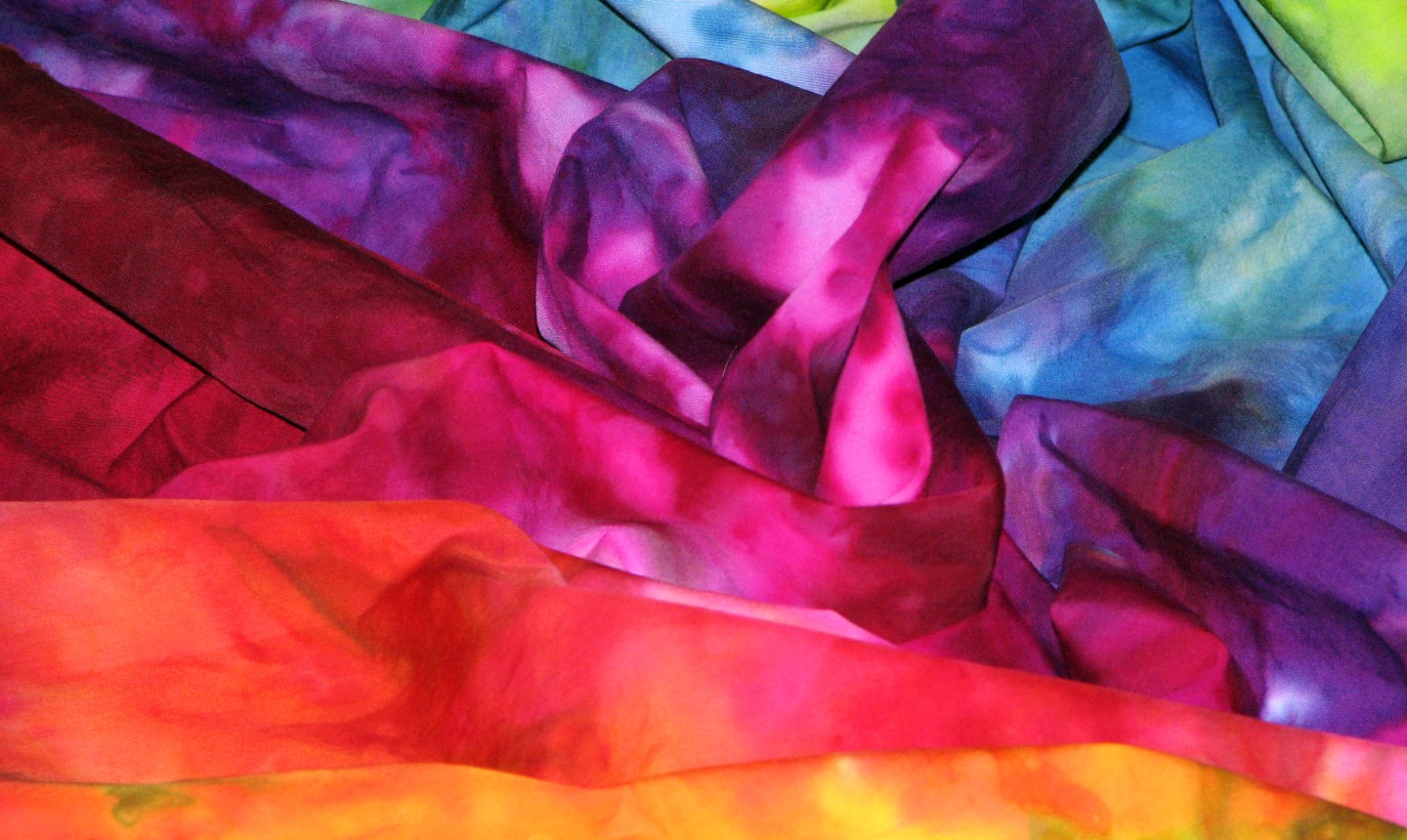
Mesmerizing Dye Colors Landscape for Mobile
Explore this high-quality dye colors image, perfect for enhancing your desktop or mobile wallpaper.

Lush Dye Colors Abstract Art
Find inspiration with this unique dye colors illustration, crafted to provide a fresh look for your background.

Dynamic Dye Colors Artwork Digital Art
A captivating dye colors scene that brings tranquility and beauty to any device.
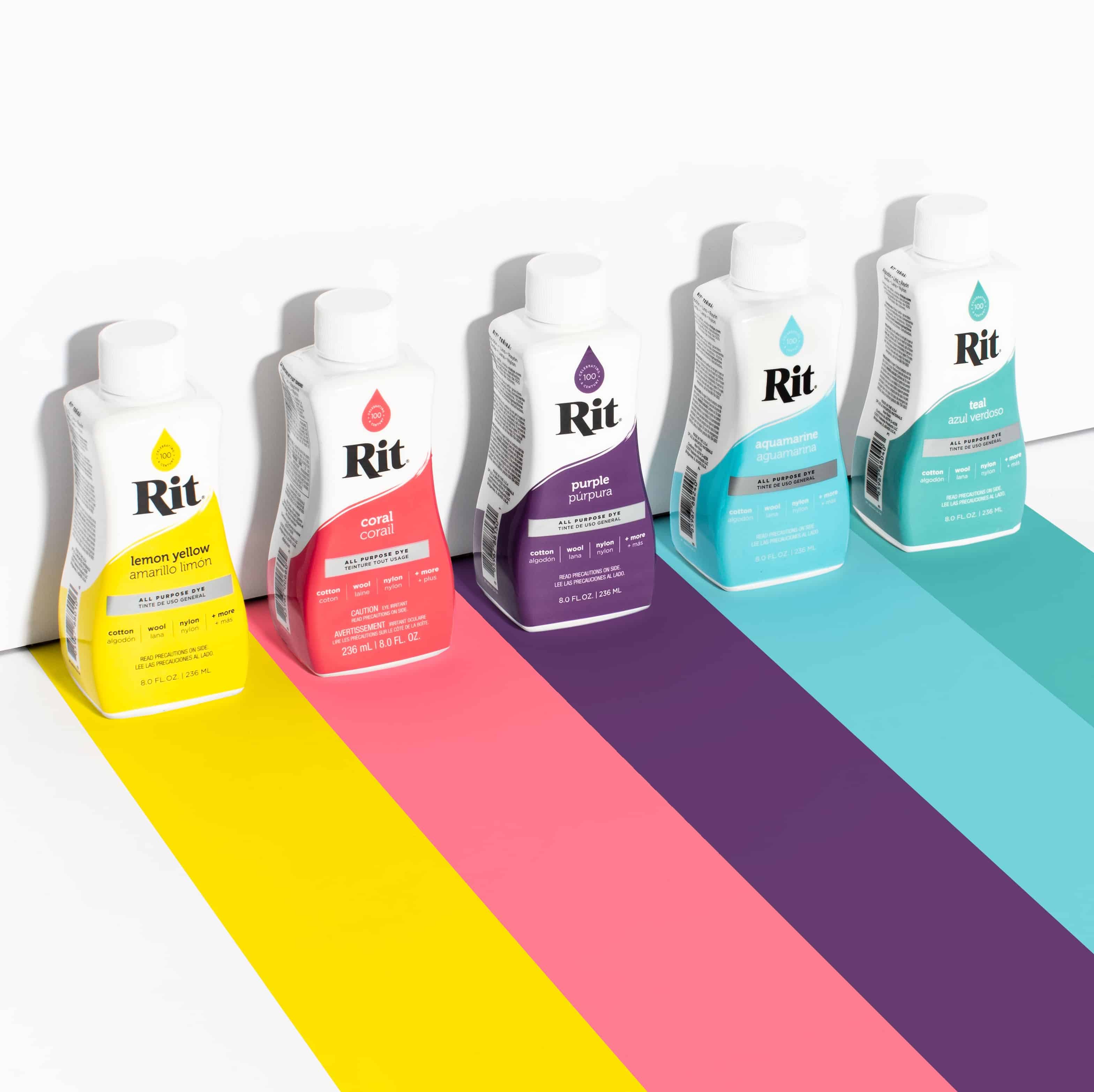
Artistic Dye Colors View in 4K
Find inspiration with this unique dye colors illustration, crafted to provide a fresh look for your background.

Captivating Dye Colors Artwork for Mobile
This gorgeous dye colors photo offers a breathtaking view, making it a perfect choice for your next wallpaper.

High-Quality Dye Colors Image Digital Art
Experience the crisp clarity of this stunning dye colors image, available in high resolution for all your screens.

Vivid Dye Colors Background Collection
Explore this high-quality dye colors image, perfect for enhancing your desktop or mobile wallpaper.
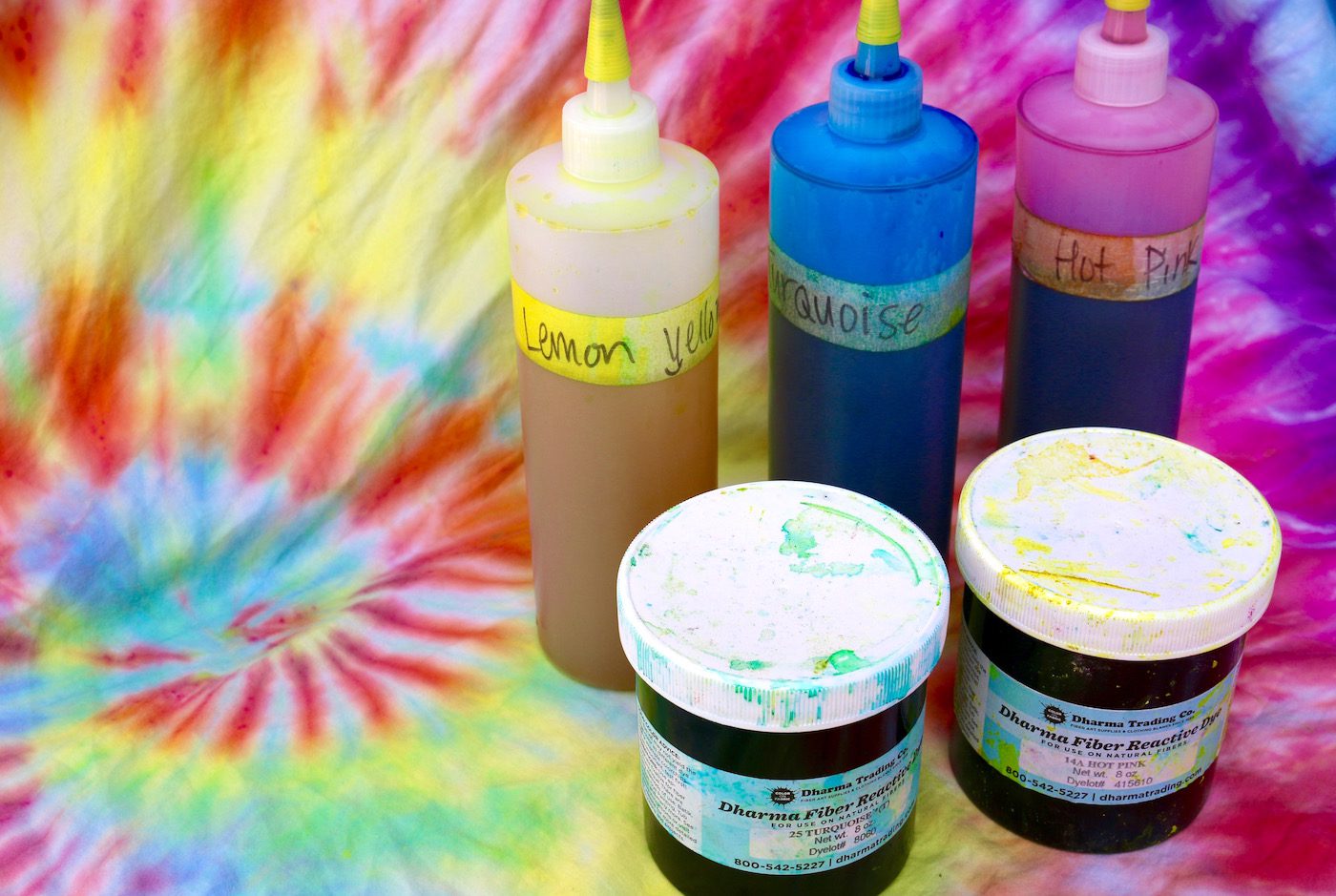
Beautiful Dye Colors Photo Concept
Transform your screen with this vivid dye colors artwork, a true masterpiece of digital design.

Serene Dye Colors Design Nature
Explore this high-quality dye colors image, perfect for enhancing your desktop or mobile wallpaper.
Spectacular Dye Colors Abstract Concept
A captivating dye colors scene that brings tranquility and beauty to any device.
Artistic Dye Colors Moment for Desktop
A captivating dye colors scene that brings tranquility and beauty to any device.

Captivating Dye Colors Photo in HD
Immerse yourself in the stunning details of this beautiful dye colors wallpaper, designed for a captivating visual experience.
:strip_icc()/How-to-make-natural-fabric-dyes-96e4f66361d74f93b92593da72f8d96f.jpg "Vibrant Dye Colors Design for Mobile")
Vibrant Dye Colors Design for Mobile
Transform your screen with this vivid dye colors artwork, a true masterpiece of digital design.
Breathtaking Dye Colors Scene for Mobile
Explore this high-quality dye colors image, perfect for enhancing your desktop or mobile wallpaper.

Breathtaking Dye Colors Moment for Your Screen
Explore this high-quality dye colors image, perfect for enhancing your desktop or mobile wallpaper.
Captivating Dye Colors Abstract for Desktop
Find inspiration with this unique dye colors illustration, crafted to provide a fresh look for your background.
Amazing Dye Colors Design in 4K
Explore this high-quality dye colors image, perfect for enhancing your desktop or mobile wallpaper.

Beautiful Dye Colors Scene in HD
Explore this high-quality dye colors image, perfect for enhancing your desktop or mobile wallpaper.
High-Quality Dye Colors Image Photography
Discover an amazing dye colors background image, ideal for personalizing your devices with vibrant colors and intricate designs.
Download these dye colors wallpapers for free and use them on your desktop or mobile devices.
0 Response to "Dye Colors"
Post a Comment