Goldwell Soft Color
Tired of Damaging Hair Dye? Why Goldwell Soft Color is Your Gentle Upgrade
If you've been on a quest for vibrant hair color without the harsh commitment or chemical damage, you've likely stumbled upon the legend that is Goldwell Soft Color. This isn't just another product; it's often the secret weapon used by professionals when maximum shine and minimal hair stress are the priorities. But what exactly makes this semi-permanent mousse different from the heavy hitters in permanent coloring?
We're diving deep into the world of Soft Color—exploring its chemistry, its target audience, and sharing the pro tips you need to achieve flawless, gentle results right at home or in the salon. Get ready to rethink everything you know about low-commitment hair dyeing.
What Exactly is Goldwell Soft Color and Why Professionals Trust It?
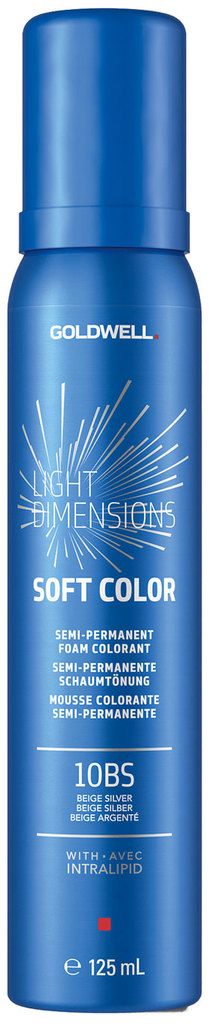
At its core, Goldwell Soft Color is a high-performing, semi-permanent conditioning color mousse. It's designed specifically for those who want to refresh their existing shade, tone their hair, or cover early signs of grey without the long-term commitment and structural change associated with traditional permanent dyes.
The unique selling point here is the delivery system: a rich mousse that makes application incredibly straightforward and prevents dripping. It's not just about the ease of use, however; it's about the underlying technology that respects the integrity of the hair shaft.
The Difference: Soft Color vs. Permanent Dye
Think of your hair cuticle as a set of shingles on a roof. Permanent color uses potent alkalizing agents (like ammonia or its derivatives) and peroxide developers to forcibly lift those shingles (the cuticle) and deposit color molecules deep into the cortex. This provides 100% grey coverage and maximum longevity, but it structurally alters the hair, leading to potential long-term damage.
Goldwell Soft Color operates differently. As a semi-permanent dye, it uses direct dye molecules that are smaller and rely on mild acidity to deposit color mostly on the exterior and just underneath the cuticle. The cuticle remains largely intact. This is why Soft Color gradually washes out (typically 6-8 shampoos) rather than leaving a harsh line of demarcation.
Key Ingredients and the Ammonia-Free Promise
The biggest chemical draw is that Soft Color is completely ammonia-free and requires no mixing with developer/peroxide. This eliminates the chemical reaction that causes structural damage and often produces that strong, unpleasant odor during processing.
Instead, it often contains conditioning agents and is pH-balanced to minimize swelling of the hair shaft. This focus on gentle formulation is crucial for maintaining E-E-A-T (Expertise, Authoritativeness, Trustworthiness) in hair care, ensuring the product delivers on its promise of vibrancy *and* condition. For deeper insights into the impact of ammonia, you can read more on the chemistry of hair dyeing processes. (Source: Wikipedia - Hair Coloring Chemistry).
Who Should Be Using Goldwell Soft Color? Identifying Your Need
While Soft Color is highly versatile, it is not a one-size-fits-all solution. It excels in specific scenarios where permanent color is overkill or undesirable.
Covering First Greys (Blending, Not Hiding)
If your grey percentage is low (usually less than 30%), Soft Color is an excellent choice. It doesn't offer opaque coverage like permanent dye; instead, it provides a beautiful blend or "camouflage" effect. The grey strands will take the color slightly lighter than your natural hair, creating natural-looking highlights that seamlessly integrate the grey into the overall tone.
Toning and Refreshing Existing Color
This is where Soft Color truly shines. Is your blonde looking brassy? Did your vibrant red fade after two weeks? Soft Color is the ultimate corrective and refresher tool.
- For Blondes: Use ash or violet tones to neutralize yellow or orange brassiness.
- For Reds/Coppers: Apply a matching shade to restore saturation and vibrancy between full color appointments.
- For Dark Hair: Use it to add deep, rich tones and intense shine without altering the base level.
[Baca Juga: 5 Essential Tips for Hair Damage Prevention After Coloring]. Using semi-permanent options like Soft Color is a key strategy in reducing long-term chemical fatigue on the hair.
Navigating the Goldwell Soft Color Shade Chart
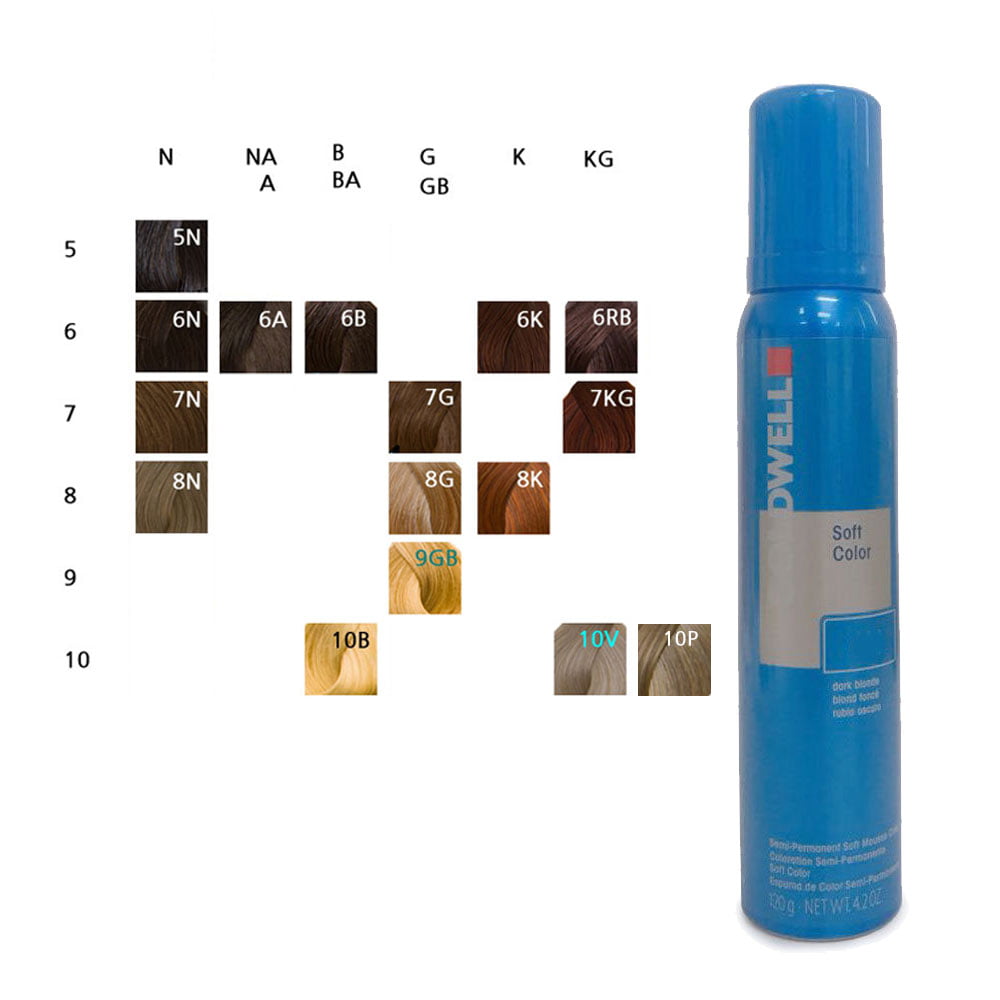
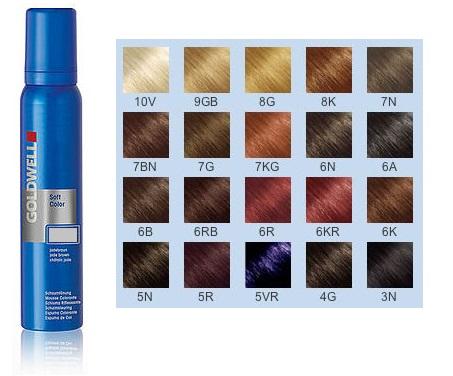
Goldwell uses a standard numbering system that is easy to decipher once you understand the codes. The first number (the level) indicates the depth (1 is black, 10 is lightest blonde), and the second number (the tone) indicates the reflect (e.g., .3 is gold, .6 is red, .1 is ash).
Since Soft Color works on a 'deposit only' basis, you should always choose a level that matches or is darker than your current hair color. You cannot lighten hair with Soft Color.
| Shade Code Example | Description | Best Use Case |
|---|---|---|
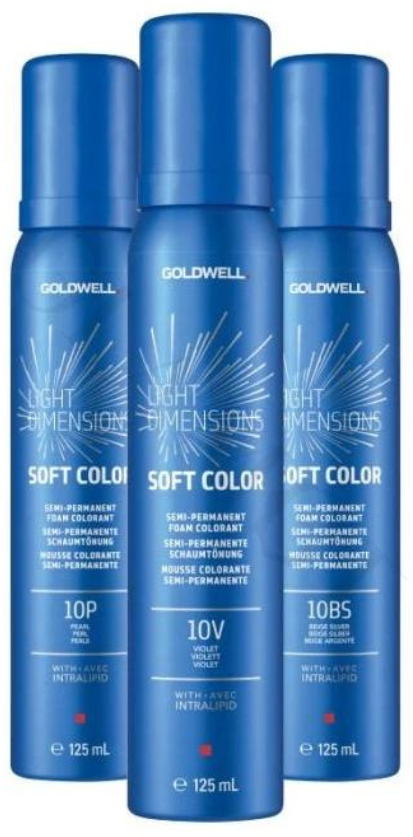
| 10P (Pearl) | Extra light blonde with violet reflect. | Neutralizing strong yellow tones on pre-lightened hair. |
| 6N (Natural) | Medium Blonde, neutral tone. | Blending low-level greys or refreshing a base color. |
| 5B (Brown) | Light Brown, warm reflect. | Adding depth and warmth to dull, faded brown hair. |
| 4R (Red) | Medium Dark Brown, red reflect. | Intensifying faded reds or pre-pigmenting. |
Expert Application Tips for Flawless Results (The Mousse Method)
The mousse format of Soft Color is exceptionally user-friendly, but there are a few professional tricks to maximize evenness and longevity.
Patch Testing: Non-Negotiable
Even though it's ammonia-free, direct dyes can still cause reactions. Always perform a patch test 48 hours prior to full application, especially if you have sensitive skin or have never used the product before. Your safety comes first!
Processing Time and Rinsing
The standard processing time for Goldwell Soft Color is 5 to 15 minutes, depending on the desired intensity.
- For Refreshing/Toning: 5-10 minutes is often sufficient to deposit enough pigment for a vibrant tone boost.
- For Grey Blending/Maximum Depth: Allow 15 minutes.
When rinsing, do not shampoo immediately. Emulsify the color first by adding a little water and massaging it through. Then rinse thoroughly until the water runs clear. The formulation is conditioning, so you can often follow straight with a color-safe conditioner. For more on safe cosmetic ingredient usage, refer to authoritative sources. (Source: FDA - Understanding Cosmetic Ingredients).
Longevity and Aftercare: Maximizing Your Soft Color Shine
The key trade-off with semi-permanent color is longevity. Soft Color is expected to fade gradually over 6 to 8 washes. However, you can significantly extend the life of your color with proper care.
Use Sulfate-Free Products: Sulfates strip color rapidly. Invest in professional, color-safe shampoo and conditioner formulated to lock in pigment.
Wash Less Frequently: The less you wash, the longer the color stays. Utilize dry shampoo to extend the time between washes.
Cool Water Rinse: Always use lukewarm or cool water when washing your hair. Hot water causes the cuticle to swell and release color molecules much faster.
This gentle approach to coloring is highly recommended by dermatologists for individuals seeking vibrant color without harsh chemical exposure. (Source: American Academy of Dermatology - Hair Damage).
[Baca Juga: The Best Sulfate-Free Shampoos for Maximizing Hair Color Retention].
Goldwell Soft Color
Goldwell Soft Color Wallpapers
Collection of goldwell soft color wallpapers for your desktop and mobile devices.
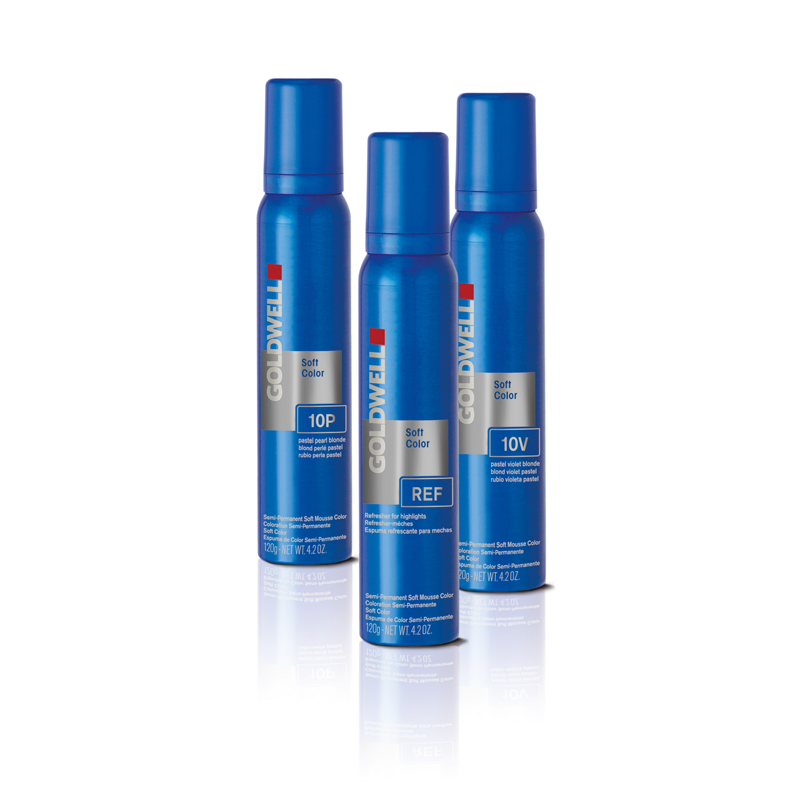
Amazing Goldwell Soft Color Abstract Nature
Transform your screen with this vivid goldwell soft color artwork, a true masterpiece of digital design.
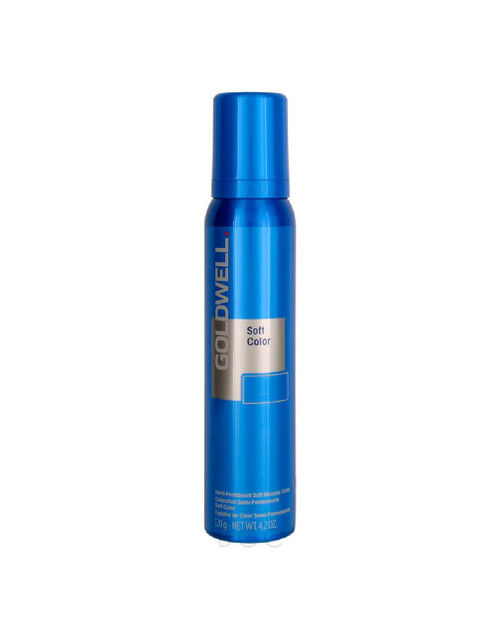
Dynamic Goldwell Soft Color Wallpaper Illustration
This gorgeous goldwell soft color photo offers a breathtaking view, making it a perfect choice for your next wallpaper.
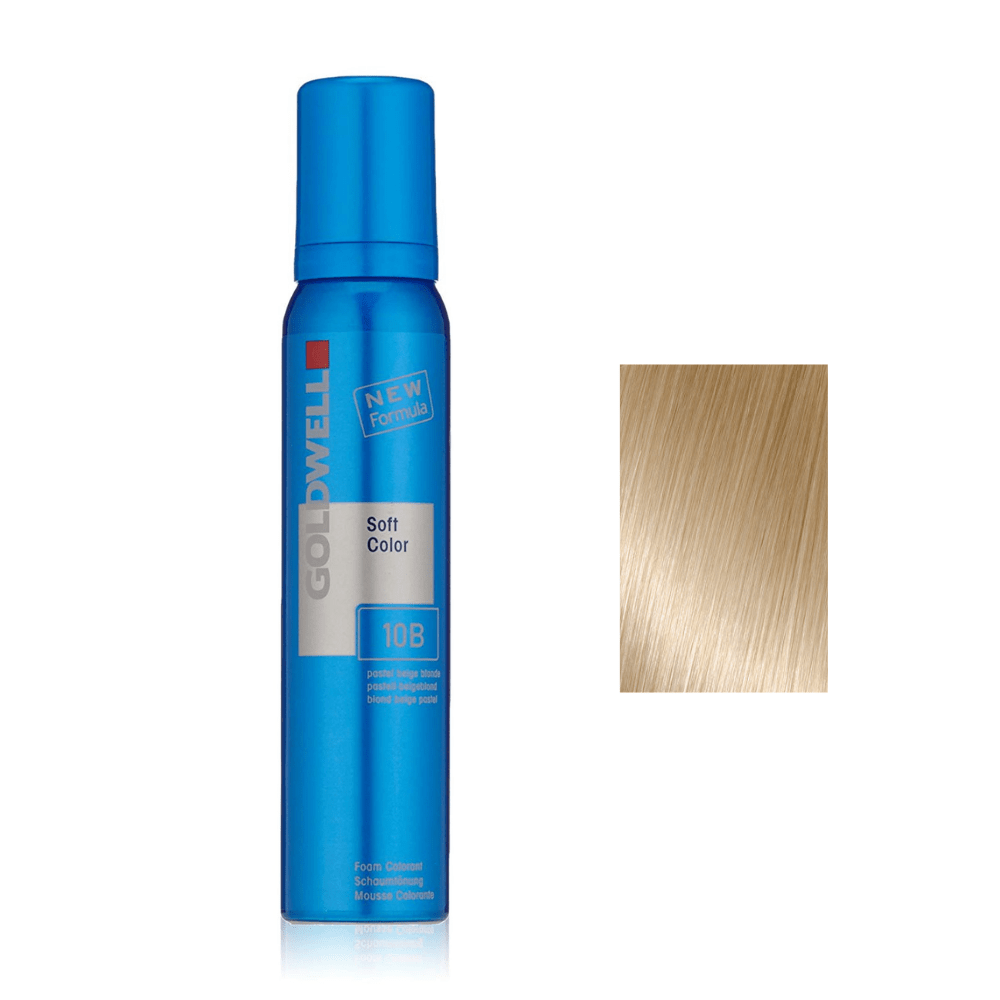
Artistic Goldwell Soft Color Image for Desktop
This gorgeous goldwell soft color photo offers a breathtaking view, making it a perfect choice for your next wallpaper.
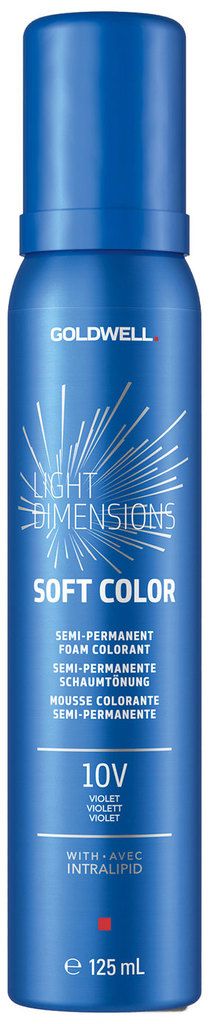
Stunning Goldwell Soft Color Photo for Mobile
Immerse yourself in the stunning details of this beautiful goldwell soft color wallpaper, designed for a captivating visual experience.
Captivating Goldwell Soft Color Photo for Mobile
This gorgeous goldwell soft color photo offers a breathtaking view, making it a perfect choice for your next wallpaper.
Crisp Goldwell Soft Color Wallpaper for Mobile
This gorgeous goldwell soft color photo offers a breathtaking view, making it a perfect choice for your next wallpaper.
Beautiful Goldwell Soft Color Background for Mobile
Discover an amazing goldwell soft color background image, ideal for personalizing your devices with vibrant colors and intricate designs.

Detailed Goldwell Soft Color Capture in 4K
Explore this high-quality goldwell soft color image, perfect for enhancing your desktop or mobile wallpaper.

Spectacular Goldwell Soft Color Background for Desktop
A captivating goldwell soft color scene that brings tranquility and beauty to any device.

Artistic Goldwell Soft Color View Art
A captivating goldwell soft color scene that brings tranquility and beauty to any device.
Crisp Goldwell Soft Color Photo Art
Immerse yourself in the stunning details of this beautiful goldwell soft color wallpaper, designed for a captivating visual experience.

Amazing Goldwell Soft Color Moment in 4K
Experience the crisp clarity of this stunning goldwell soft color image, available in high resolution for all your screens.
Artistic Goldwell Soft Color Scene Nature
This gorgeous goldwell soft color photo offers a breathtaking view, making it a perfect choice for your next wallpaper.
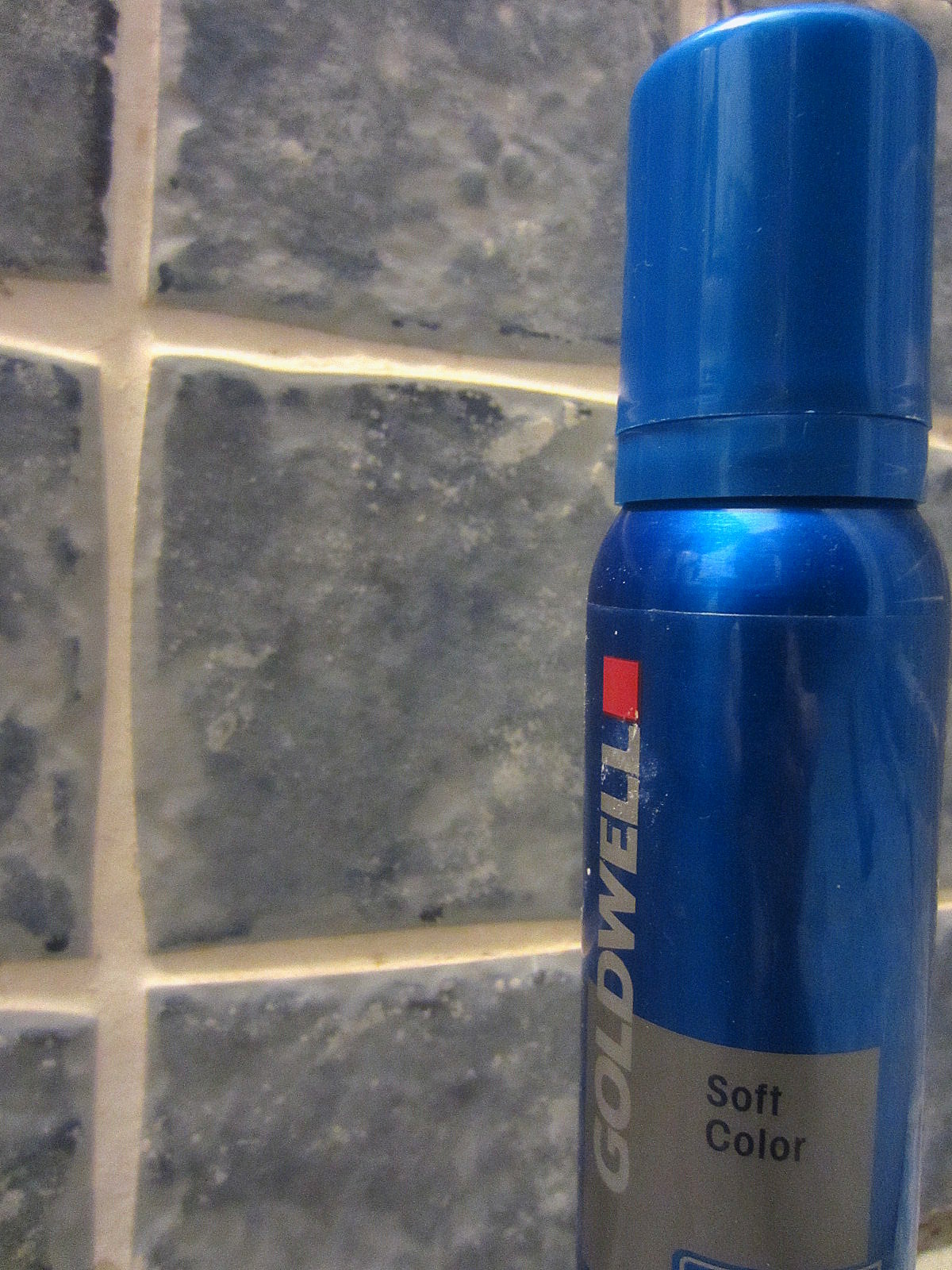
Artistic Goldwell Soft Color Photo Nature
Immerse yourself in the stunning details of this beautiful goldwell soft color wallpaper, designed for a captivating visual experience.
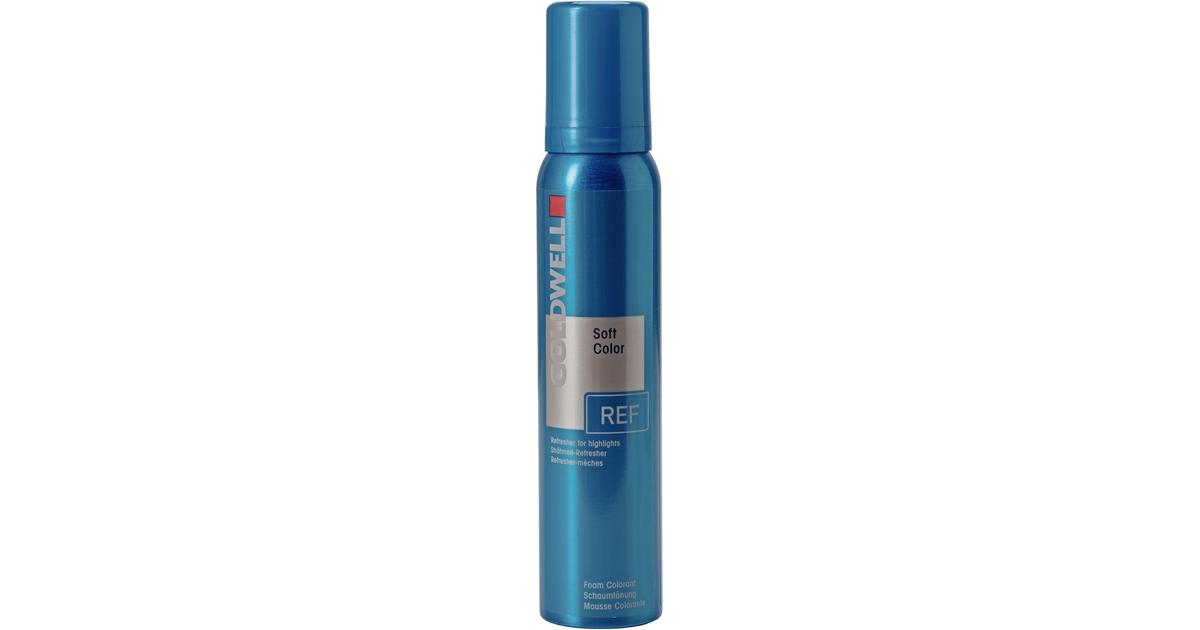
Gorgeous Goldwell Soft Color Landscape for Your Screen
This gorgeous goldwell soft color photo offers a breathtaking view, making it a perfect choice for your next wallpaper.

Stunning Goldwell Soft Color Photo Collection
This gorgeous goldwell soft color photo offers a breathtaking view, making it a perfect choice for your next wallpaper.

Dynamic Goldwell Soft Color Abstract Nature
A captivating goldwell soft color scene that brings tranquility and beauty to any device.
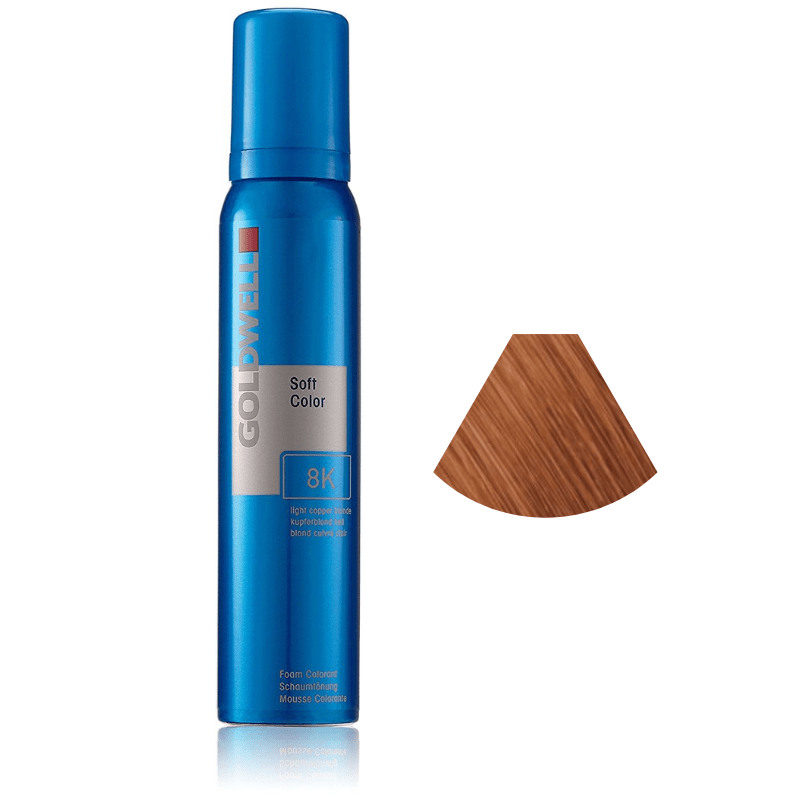
Serene Goldwell Soft Color Moment in HD
Explore this high-quality goldwell soft color image, perfect for enhancing your desktop or mobile wallpaper.
Gorgeous Goldwell Soft Color Artwork in 4K
Immerse yourself in the stunning details of this beautiful goldwell soft color wallpaper, designed for a captivating visual experience.
Dynamic Goldwell Soft Color Picture for Mobile
Immerse yourself in the stunning details of this beautiful goldwell soft color wallpaper, designed for a captivating visual experience.
Download these goldwell soft color wallpapers for free and use them on your desktop or mobile devices.
0 Response to "Goldwell Soft Color"
Post a Comment