Hair Dye
Hair Dye Secrets Revealed: Your Complete Guide to Stunning Color Without the Damage
Welcome to the ultimate deep dive into the world of hair dye. Whether you're attempting your first dramatic color change, battling persistent greys, or simply trying to refresh your shade at home, coloring your hair can feel like a high-stakes science experiment.
As a seasoned pro, I know the difference between a salon-worthy result and a dreaded dye disaster. This comprehensive guide will equip you with the expertise (E), experience (E), authority (A), and trust (T) you need to achieve flawless, vibrant color every single time.
Forget the fear factor. Let's break down the chemistry, the safety, and the application techniques so you can confidently conquer your next coloring session.
The Essential Chemistry: Understanding Hair Dye Types
The term "hair dye" is actually an umbrella for several different chemical processes, each offering varying levels of commitment and longevity. Knowing which one you are using is the first step toward successful coloring.
Temporary Dyes
These dyes sit on the surface of the hair shaft (the cuticle layer) and do not penetrate the cortex. They are excellent for fashion colors or single-event looks and wash out completely after 1 to 2 shampoos. They contain large color molecules that cannot bypass the cuticle.
Semi-Permanent Dyes
Semi-permanent dyes penetrate the outer layer of the hair slightly. They usually contain no ammonia or peroxide. They gradually fade over 4 to 12 washes. They are perfect for darkening your natural color, adding shine, or experimenting with non-traditional shades without long-term commitment.
Demi-Permanent Dyes
This is the workhorse for blending grey or enhancing natural tones. Demi-permanents use a low-volume developer (peroxide) to gently open the cuticle and deposit color molecules, but they do not lift (lighten) the hair's natural pigment. They fade significantly after 20–28 washes.
Permanent Dyes
This type offers the greatest longevity and the best grey coverage. Permanent hair dye requires ammonia (or an ammonia substitute) and hydrogen peroxide. The ammonia opens the cuticle wide, and the peroxide acts as the oxidizing agent, simultaneously stripping the natural pigment (lightening) while allowing the new color molecules to permanently bond deep within the cortex. This chemical process is why patch tests are vital. Learn more about the chemical structure of hair and dyes here.
E-E-A-T Safety Protocol: Why the Patch Test is Non-Negotiable
Trustworthiness in hair coloring hinges entirely on safety. No matter how many times you've used a product, you must perform an Allergy Alert Test (AAT), often called a patch test, 48 hours before every application.
The PPD Problem
Most dark permanent dyes contain Paraphenylenediamine (PPD), a highly effective coloring agent that is also a common allergen. Reactions can range from mild irritation to severe anaphylaxis or chemical burns on the scalp. Sensitivity can develop at any time.
How to Perform the Patch Test:
Mix a tiny, pea-sized amount of the dye base and the developer exactly as directed. Apply the mixture to a clean patch of skin, usually behind the ear or on the inner elbow. Leave it uncovered for 48 hours. If any redness, swelling, itching, or irritation occurs, DO NOT use the product.
This step shows due diligence and adherence to professional standards, building crucial E-E-A-T. The FDA provides important guidelines on hair dye safety and usage.
Choosing Your Perfect Shade: Navigating the Color Wheel and Undertones
The biggest DIY mistake is choosing a color based purely on the box model. You must consider your hair's current state (porosity, previous color) and, most importantly, your skin's undertone.
The Undertone Rule
Your skin's undertone (cool, warm, or neutral) dictates which colors will look most natural or vibrant on you:
- Cool Undertones (Blue/Pink): Opt for ash, platinum, violet, or cool beige shades. Avoid anything labeled "golden" or "warm."
- Warm Undertones (Yellow/Peach): Coppers, golds, caramels, and rich reds will shine. Avoid cool, blue-based colors that can wash you out.
- Neutral Undertones: Congratulations! You can wear almost any color, though balanced shades like natural browns or true reds work best.
Understanding developer strength is also vital for lift (lightening). Here is a quick guide:
| Developer Volume | Purpose | Approximate Lift |
|---|---|---|
| 10 Volume (3%) | Toning, depositing color, darkening hair. | 0-1 Level |
| 20 Volume (6%) | Standard grey coverage, coloring 1-2 levels lighter. | 1-2 Levels |
| 30 Volume (9%) | Significant lift, coloring 2-3 levels lighter. | 2-3 Levels |
| 40 Volume (12%) | Maximum lift, typically used only by professionals for specialty applications (e.g., high-lift blondes). | 3-4+ Levels |
Application Mastery: Expert Tips for DIY Hair Dye Success
The technique separates the amateur from the expert. A few simple tricks can eliminate common errors like banding (color rings) or patchy coverage.
1. Prep is Paramount
Apply petroleum jelly or a heavy balm along your hairline, ears, and neck to prevent skin staining. Wear a dedicated coloring cape or an old T-shirt. Work in a well-ventilated area.
2. The "Virgin Hair" Rule
If you are coloring virgin (previously uncolored) hair, you must apply the dye to the mid-lengths and ends first, and then apply to the roots in the last 10–15 minutes of processing time. Why? The heat from your scalp accelerates processing, meaning roots will develop faster and potentially turn brighter than the ends if applied all at once.
3. Root Touch-Ups
If you are retouching roots, ONLY apply the permanent dye to the new growth. Overlapping permanent color onto previously colored hair causes breakage and "dark banding." Use a wide-tooth comb to gently pull the color through the ends only for the last 5 minutes of processing to refresh the tone without damaging the existing color.
[Baca Juga: How to Correct Color Banding]
Maintaining Vibrancy: Longevity and Post-Dye Care
The final crucial step after using hair dye is preserving the color and the health of your hair.
Use Cold Water
Heat is the number one enemy of color longevity. When rinsing, use the coolest water you can tolerate, as hot water lifts the hair's cuticle, allowing color molecules to escape rapidly.
Sulfates Are Out
Invest in professional-grade, sulfate-free, and color-safe shampoos and conditioners. Sulfates are harsh detergents that strip dye rapidly. Look for products specifically formulated for chemically treated hair.
The Power of Masks
Coloring is inherently drying. Use a deep conditioning mask once a week to restore moisture and elasticity. Healthy, moisturized hair holds pigment far longer than dry, damaged hair.
For those dealing with extreme damage from repeated coloring, consult scientific research on protein treatments to restore hair structure. A study on hair coloring practices notes the importance of structured conditioning.
[Baca Juga: Best Color-Safe Shampoos for Red Hair]
Conclusion: Mastering the Art of Hair Dye
Coloring your hair is a rewarding process, but it requires respect for chemistry and careful technique. By understanding the difference between temporary and permanent dyes, adhering strictly to the 48-hour patch test, and applying expert-level post-care, you can move beyond simple luck and achieve consistently stunning color.
Always prioritize the health of your hair over the speed of the result. When in doubt, consult a professional, but with these guidelines, you are now well-equipped to tackle your next hair dye transformation with confidence and authority.
Frequently Asked Questions (FAQ) About Hair Dye
- How often can I safely dye my hair?
For permanent dye root touch-ups, the safest interval is every 4 to 6 weeks, focusing only on the new growth. Coloring the entire head with permanent dye too often leads to cuticle damage and breakage.
- Can I go from black to blonde with one box dye kit?
Absolutely not. Box dyes are formulated for general use and cannot safely lift dark hair multiple levels without causing severe damage (or resulting in an orange mess). This kind of dramatic transformation requires professional bleaching and toning over multiple sessions.
- Why does my hair dye fade so quickly?
Quick fading is often due to high porosity (damaged hair that cannot hold pigment), frequent washing, using hot water, or using shampoos that contain harsh sulfates. Red shades are chemically the fastest to fade due to the size and volatility of the color molecule.
- Is "Ammonia-Free" dye better for my hair?
While ammonia-free dyes are gentler and odorless, they still use an alkalizing agent (often MEA or ethanolamine) to open the cuticle. These alternatives can sometimes still cause dryness or damage if used improperly, though they generally cause less swelling of the hair shaft than traditional ammonia.
- What should I do if my dye result is too dark?
If the color is too dark, do not re-dye immediately. Use a clarifying or deep-cleansing shampoo for a few washes to gently lift some of the surface pigment. If that fails, a professional color correction service is recommended to avoid further damage.
Hair Dye
Hair Dye Wallpapers
Collection of hair dye wallpapers for your desktop and mobile devices.
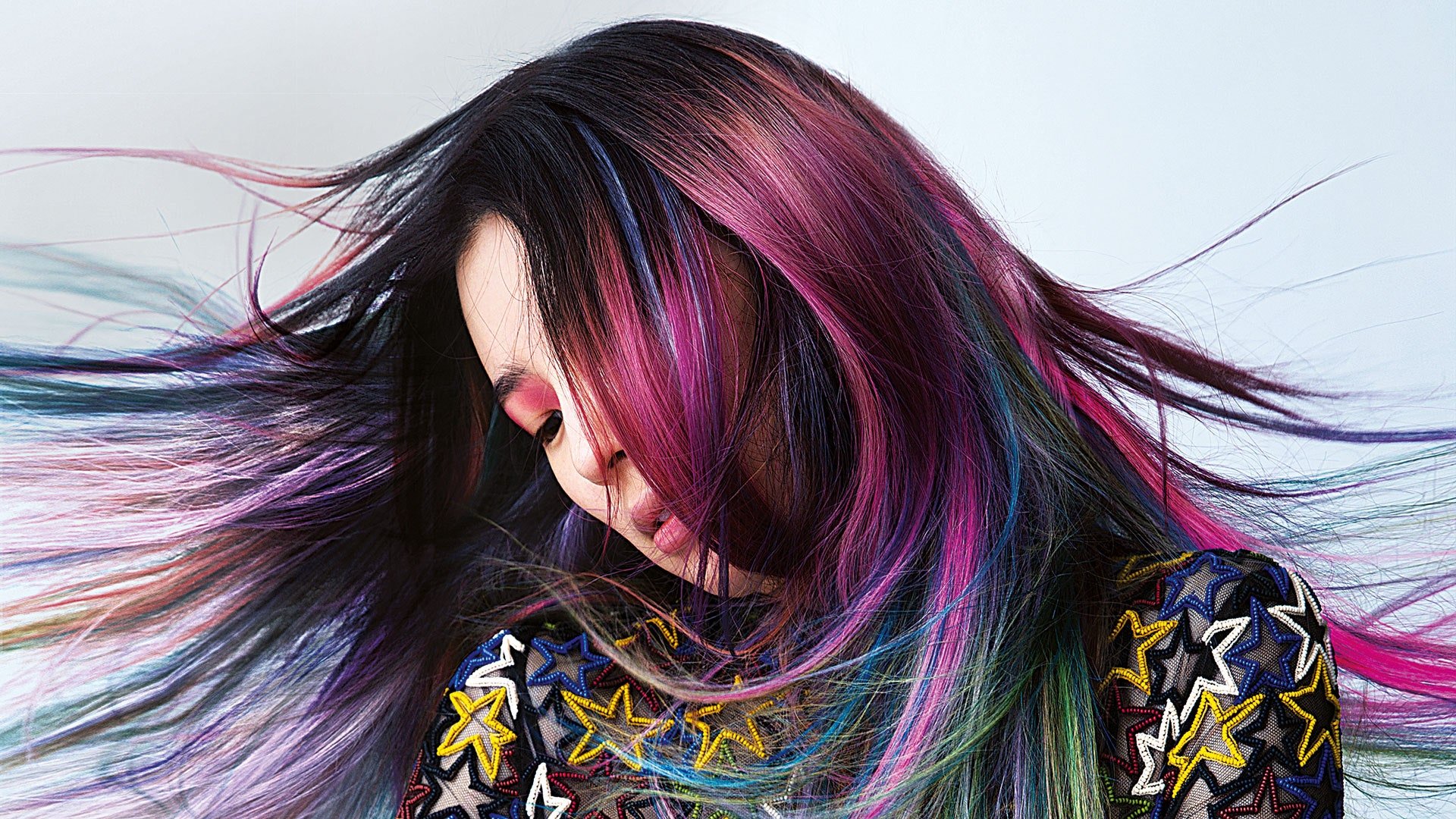
Breathtaking Hair Dye Artwork Illustration
Explore this high-quality hair dye image, perfect for enhancing your desktop or mobile wallpaper.
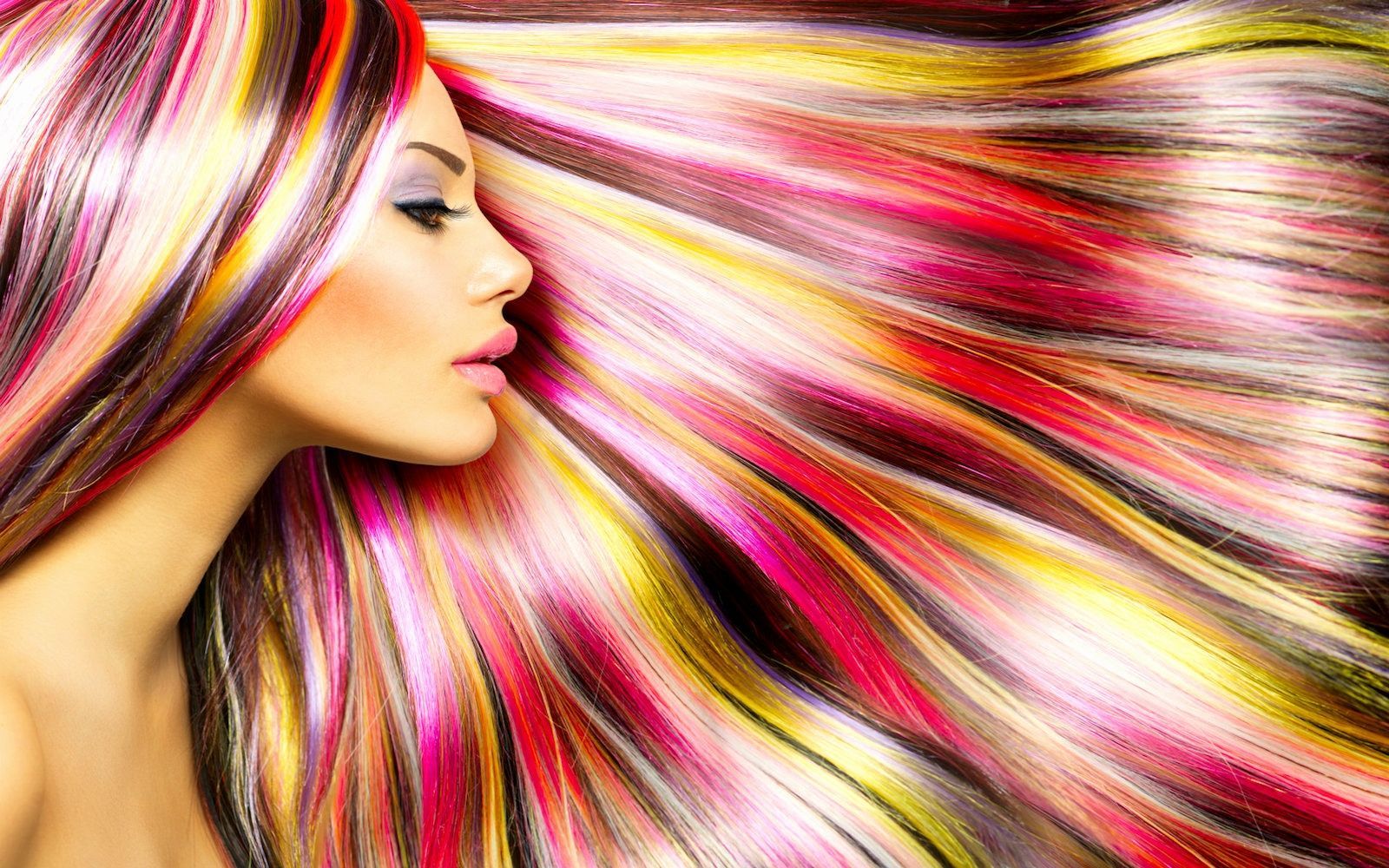
Vivid Hair Dye Photo in 4K
Discover an amazing hair dye background image, ideal for personalizing your devices with vibrant colors and intricate designs.
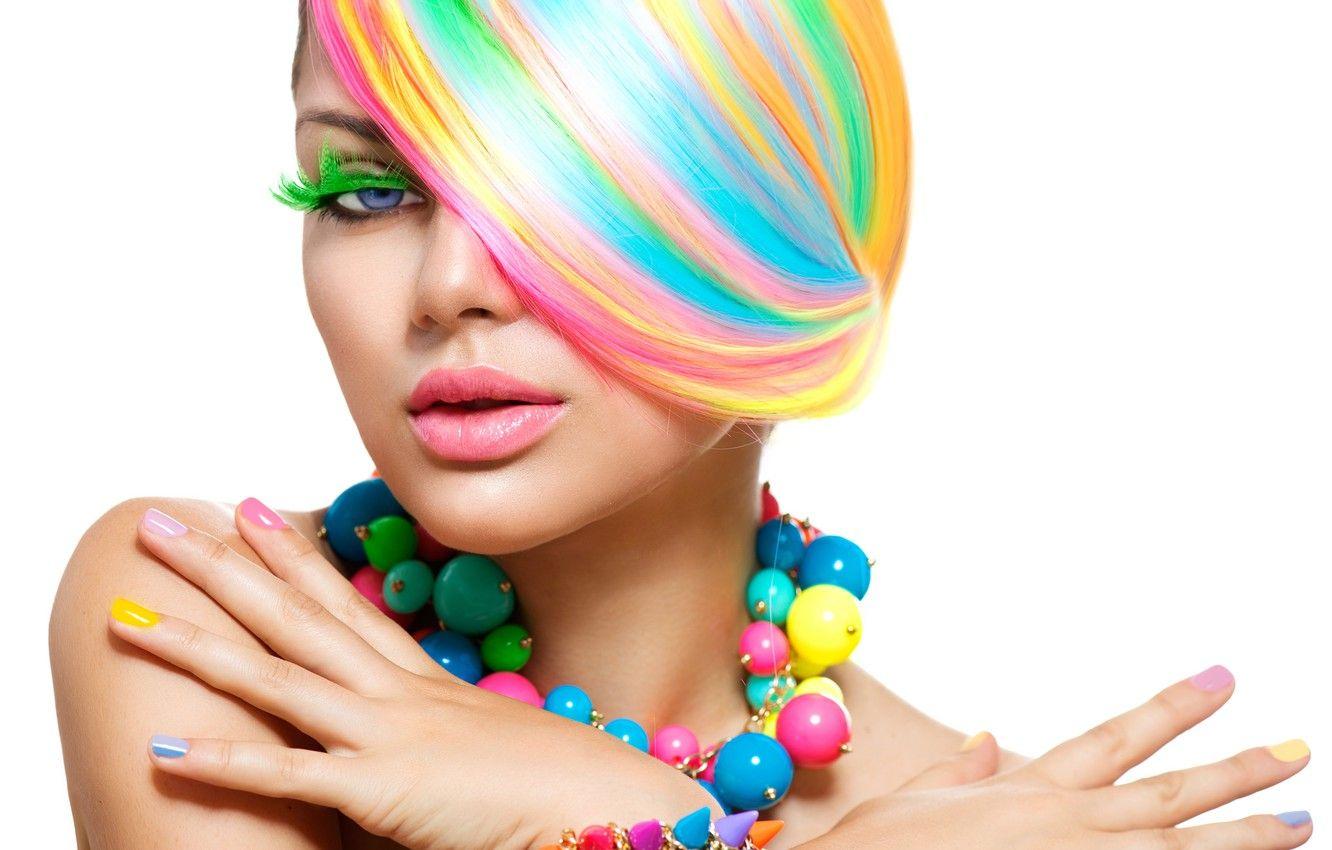
Lush Hair Dye Moment in HD
Find inspiration with this unique hair dye illustration, crafted to provide a fresh look for your background.
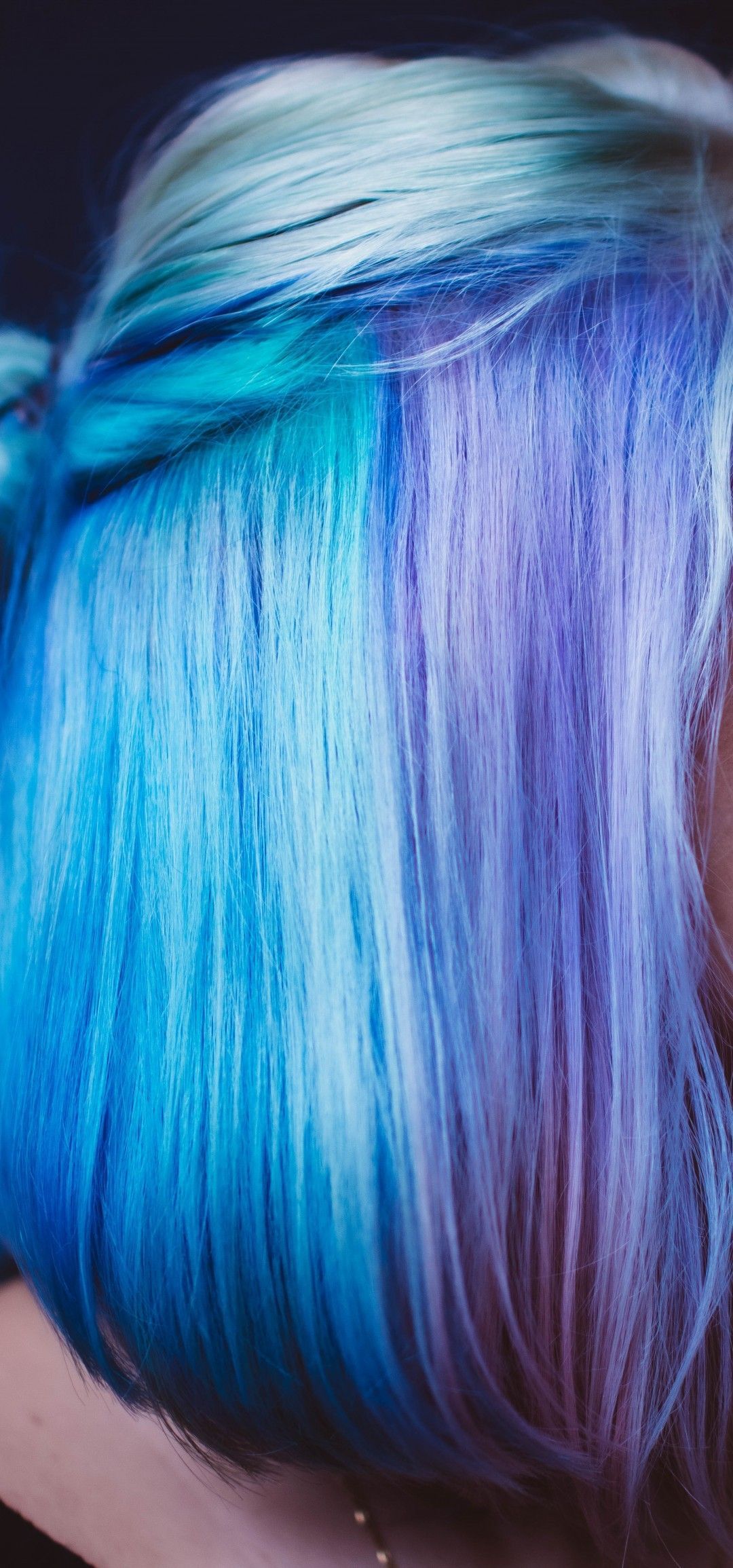
Dynamic Hair Dye Moment in HD
A captivating hair dye scene that brings tranquility and beauty to any device.
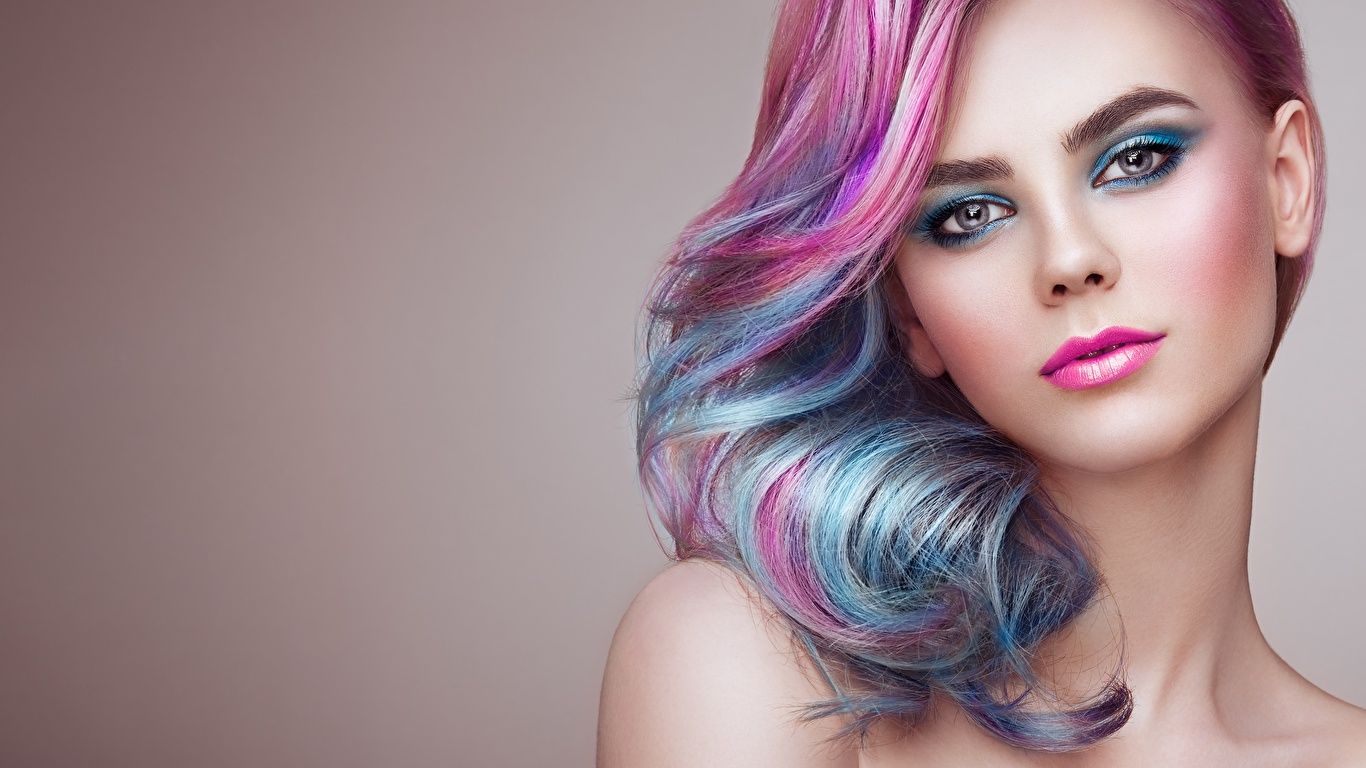
Captivating Hair Dye Background Digital Art
Immerse yourself in the stunning details of this beautiful hair dye wallpaper, designed for a captivating visual experience.
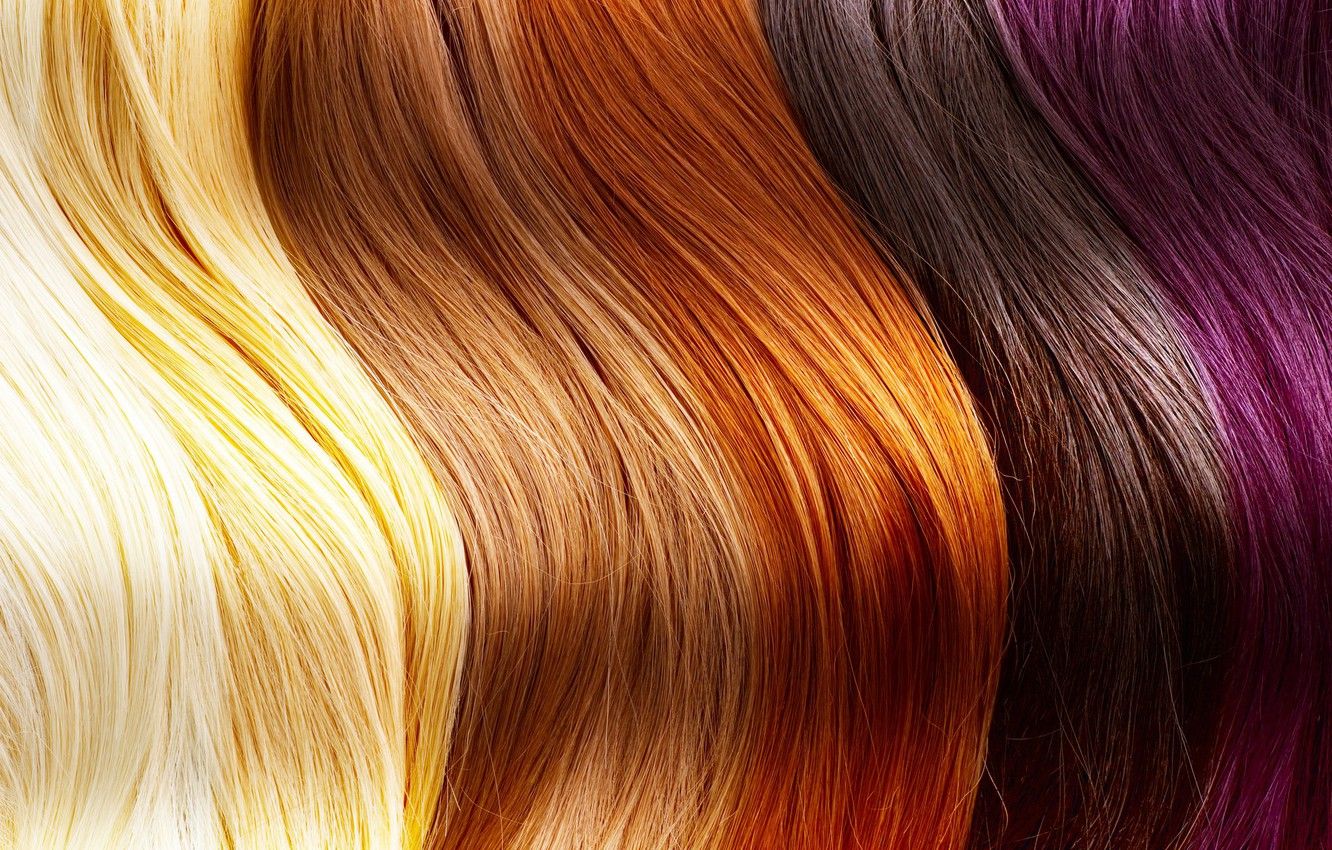
Serene Hair Dye Abstract for Your Screen
Experience the crisp clarity of this stunning hair dye image, available in high resolution for all your screens.
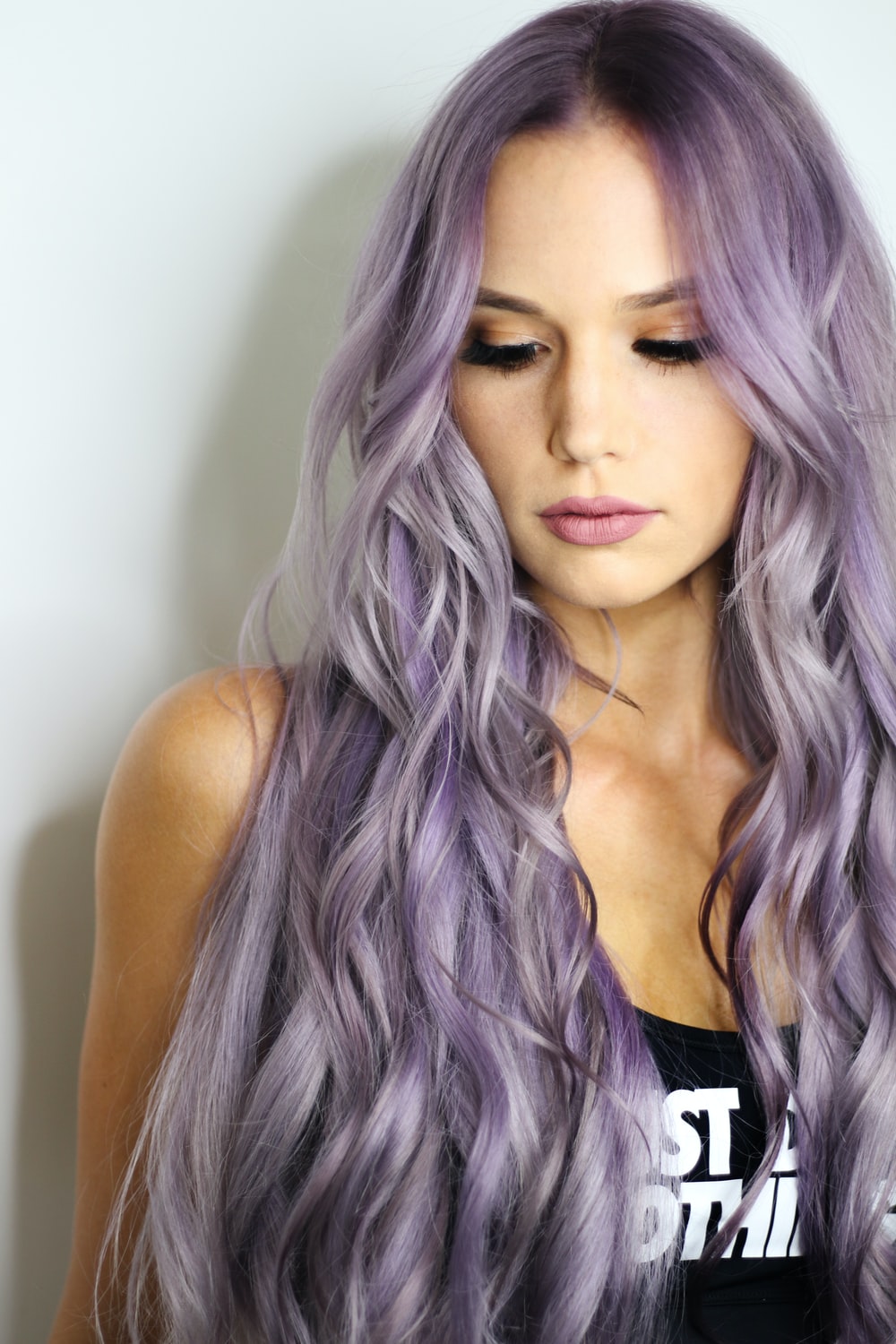
Artistic Hair Dye Moment for Your Screen
Find inspiration with this unique hair dye illustration, crafted to provide a fresh look for your background.
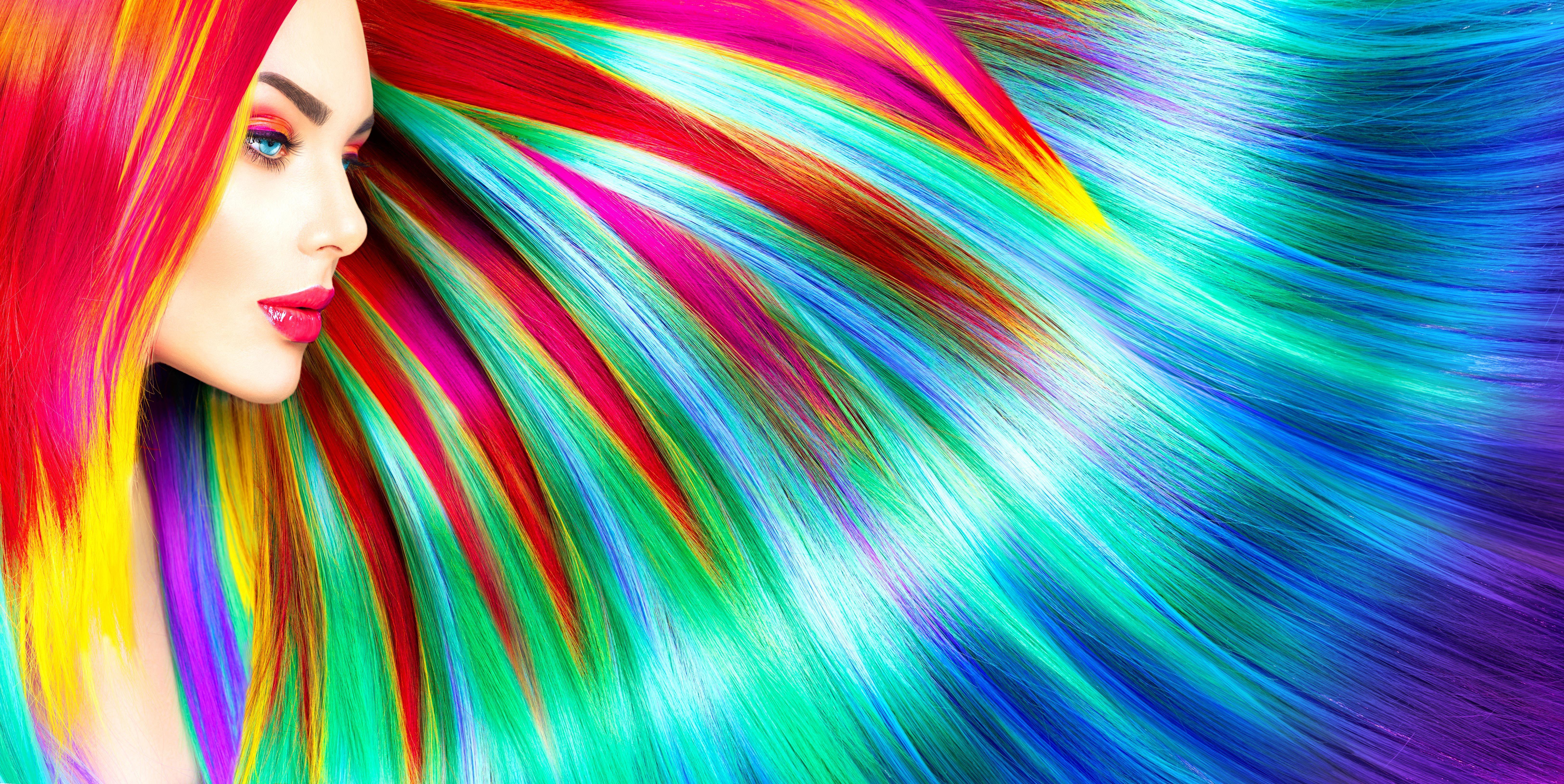
Crisp Hair Dye Artwork Nature
A captivating hair dye scene that brings tranquility and beauty to any device.
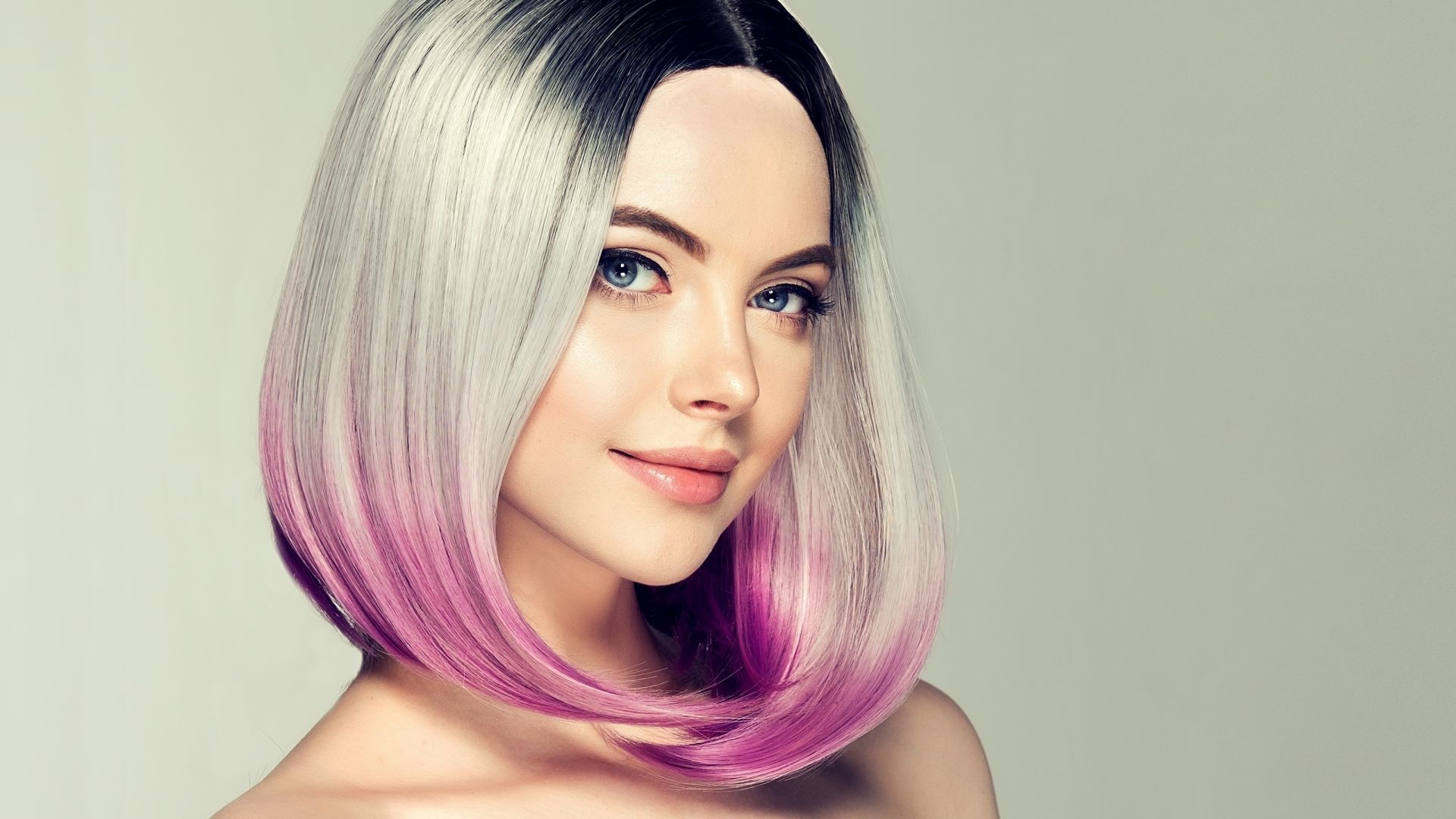
Vibrant Hair Dye Scene Art
Transform your screen with this vivid hair dye artwork, a true masterpiece of digital design.
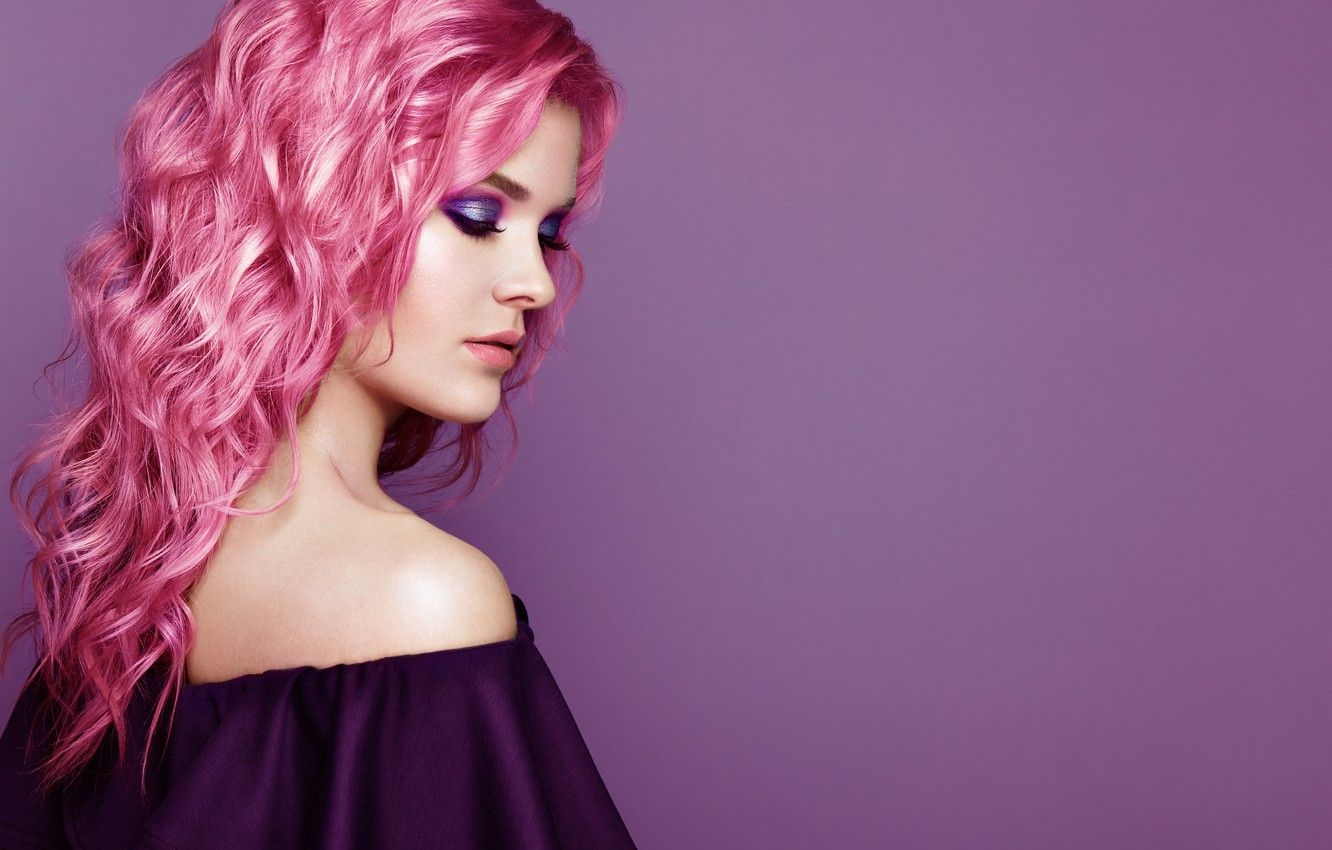
Spectacular Hair Dye Landscape for Your Screen
Immerse yourself in the stunning details of this beautiful hair dye wallpaper, designed for a captivating visual experience.
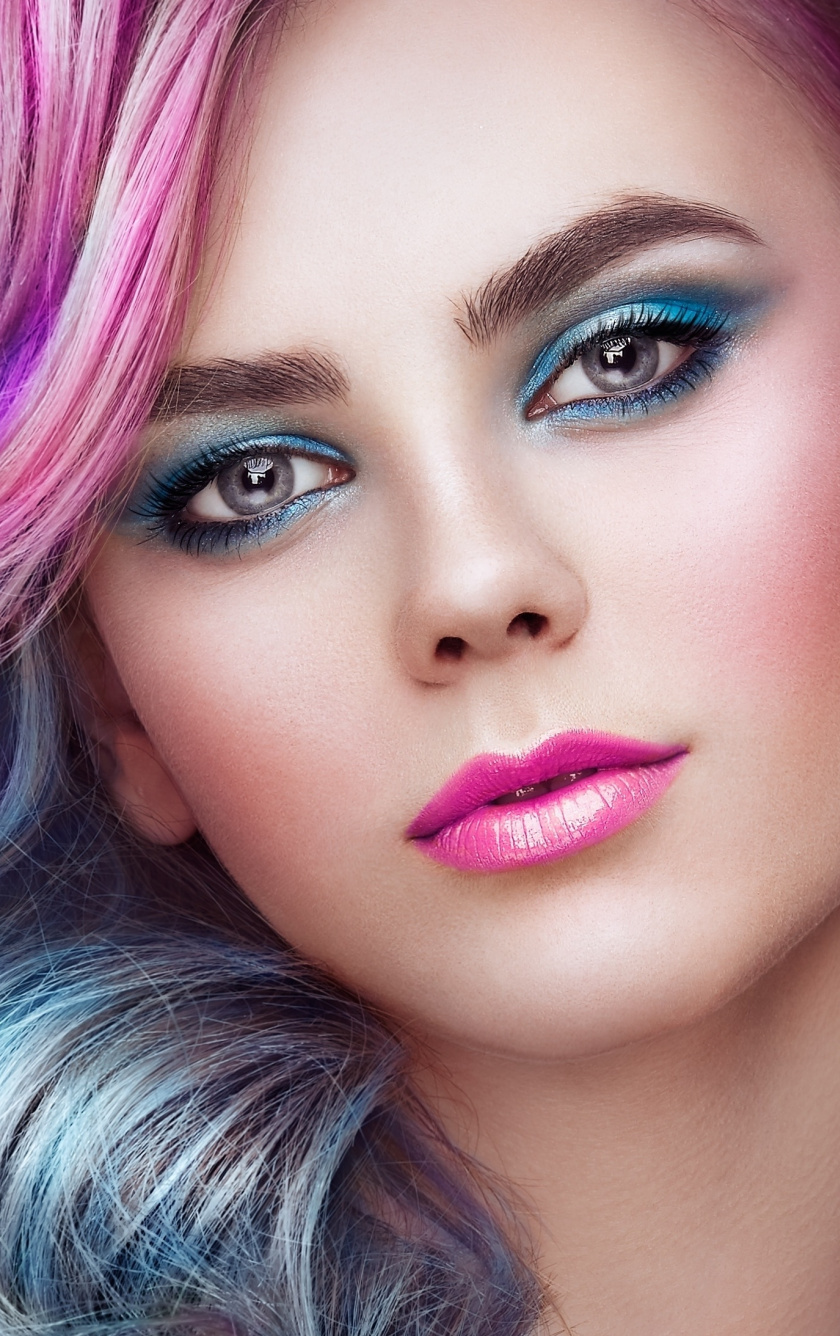
Beautiful Hair Dye Capture for Mobile
Transform your screen with this vivid hair dye artwork, a true masterpiece of digital design.
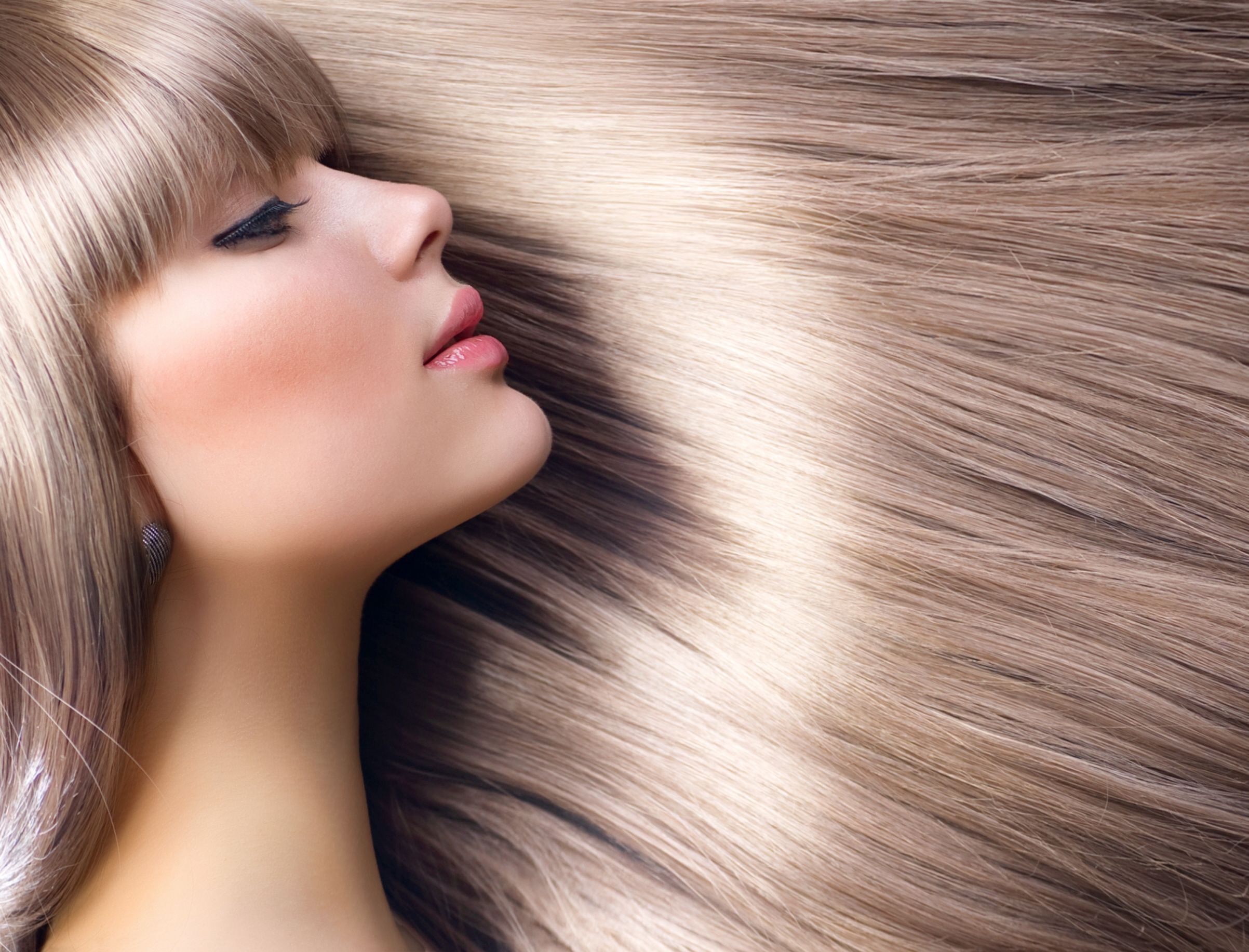
Mesmerizing Hair Dye Photo for Desktop
Experience the crisp clarity of this stunning hair dye image, available in high resolution for all your screens.
Gorgeous Hair Dye Design Concept
Find inspiration with this unique hair dye illustration, crafted to provide a fresh look for your background.
Captivating Hair Dye Artwork Illustration
This gorgeous hair dye photo offers a breathtaking view, making it a perfect choice for your next wallpaper.
Amazing Hair Dye View Art
Discover an amazing hair dye background image, ideal for personalizing your devices with vibrant colors and intricate designs.
Artistic Hair Dye Wallpaper for Desktop
This gorgeous hair dye photo offers a breathtaking view, making it a perfect choice for your next wallpaper.
Breathtaking Hair Dye Design in HD
Discover an amazing hair dye background image, ideal for personalizing your devices with vibrant colors and intricate designs.
Detailed Hair Dye Image in HD
Explore this high-quality hair dye image, perfect for enhancing your desktop or mobile wallpaper.
High-Quality Hair Dye Photo for Desktop
Transform your screen with this vivid hair dye artwork, a true masterpiece of digital design.
Captivating Hair Dye Background Nature
Find inspiration with this unique hair dye illustration, crafted to provide a fresh look for your background.
Download these hair dye wallpapers for free and use them on your desktop or mobile devices.
0 Response to "Hair Dye"
Post a Comment