Lace Weave
Unraveling the Mystery: Why the Lace Weave Technique is a Timeless Textile Marvel
If you have ever held a piece of fabric that manages to be both structurally sound and incredibly delicate, chances are you were touching a textile created using the **Lace Weave** technique. This weaving style is often overlooked in favor of flashier, more complex structures, but its subtlety and enduring appeal make it a fundamental pillar of textile artistry.
The Lace Weave isn't just about creating holes; it's about deliberately manipulating warp and weft threads to create controlled open spaces, resulting in a fabric that maximizes transparency, texture, and breathability. Whether you are a designer, a history enthusiast, or a curious consumer, understanding this weave unlocks a deeper appreciation for the clothes and household items we use every day.
What Exactly is a Lace Weave? Defining the Open Structure
In the simplest terms, a Lace Weave is any textile structure defined by its deliberate openness. Unlike dense plain weaves or satin weaves where threads are packed tightly together, the Lace Weave uses specific techniques to space the threads, creating voids, patterns, or net-like structures.
This technique contrasts sharply with true needlepoint lace or bobbin lace, which are constructed entirely by looping, braiding, or knotting separate threads. The key differentiator for a woven lace is that it is created on a loom, where the warp threads (vertical) and weft threads (horizontal) interlace to form the open fabric simultaneously.
The most common and technically important type of woven lace is the Leno Weave (or gauze weave), where warp threads are twisted around the weft threads, locking them into place and preventing slippage despite the wide spacing. This locking mechanism is essential for maintaining the integrity and shape of the finished textile.
Key Characteristics of Lace Weave Fabrics
Fabrics created using a Lace Weave exhibit several distinct characteristics that dictate their use:
- High Breathability: The open structure allows maximum air circulation, making it ideal for summer wear or specialized industrial filters.
- Lightweight: Less fiber content means the resulting fabric is exceptionally light and often sheer.
- Dimensional Stability: When properly executed (especially using the Leno technique), the twists ensure the threads do not shift or distort, maintaining the intended geometric pattern.
- Aesthetic Appeal: The resulting textures often possess a delicate, almost ephemeral quality that is highly valued in fashion and home décor.
The Core Difference: Open Weaves vs. Standard Textiles
When studying textile engineering, we typically categorize weaves into basic families: plain, twill, and satin. Lace Weaves, while often incorporating elements of the plain weave, function in a separate, specialized category because their goal is *transparency* rather than *opacity*.
In a standard plain weave, the warps and wefts interlace 1:1, creating maximum thread intersection per unit area. This makes the fabric strong and dense. The threads lie parallel and perpendicular to each other.
In the Lace Weave, however, the structure fundamentally changes. For instance, in a Leno weave, two warp threads work together. They cross over and twist around the weft thread, securing it. This prevents the threads from collapsing into the open spaces. This crucial mechanical difference is what allows sheer fabrics like fine curtains or specialized netting to maintain their structure even when subjected to tension.
For a deeper dive into the technicalities of textile classification, you can consult authoritative resources on fiber arts. Encyclopedia Britannica offers an excellent overview of basic textile structures.
A Journey Through Time: History and Evolution of Lace Weave
While the highly decorative, hand-created lace we associate with 16th-century European royalty is usually knotting or looping, the underlying concept of creating open, net-like fabrics on a loom is ancient.
Early forms of open weaving, crucial for fishing nets, sieves, and lightweight burial shrouds, appeared independently in multiple cultures. The key development that defines the modern Lace Weave technique—the secure twisting of threads—is highly efficient and has been adapted for centuries.
The industrialization of weaving in the 18th and 19th centuries allowed machines to replicate the complex motions required for the Lace Weave structure, particularly the Leno type, significantly reducing the cost and making sheer fabrics accessible to a broader population. This led to a boom in uses, from mosquito netting in colonial territories to elaborate window coverings.
This history demonstrates the resilience of the technique. It is a structure designed not just for beauty, but for practical necessity, adapting from hand-looms to modern high-speed industrial machinery.
[Baca Juga: Sejarah Teknik Tenun Tradisional]
Technical Execution: How Lace Weave is Achieved
Creating a stable Lace Weave fabric on a loom requires specialized equipment that goes beyond the four harnesses typically used for plain or twill weaves. The twisting motion needed for Leno Weave necessitates the use of a "doubler" or "doup" harness, which controls specific warp threads.
Here is the basic mechanical process for a standard Leno weave:
- Warp Setup: Warp threads are divided into pairs. One thread remains stationary (the standard warp), while the other (the doup end) is controlled by a special eyelet that allows lateral movement.
- Shedding Phase 1 (Twist): The doup end moves laterally, twisting around the stationary warp thread. This movement creates the shed (the opening for the shuttle).
- Picking: The shuttle carrying the weft thread passes through the twisted shed.
- Shedding Phase 2 (Untwist & Beat): The doup end returns to its original position, locking the weft thread in place between the twisted warps. The reed beats the weft firmly into the fabric fell.
This constant twisting and untwisting is complex but is the secret to the Lace Weave's ability to create perfectly stable sheer fabrics. If you look closely at sheer commercial curtains, you can almost always detect the tell-tale twist marks.
Understanding the precision required for this technique is key to appreciating the engineering behind it. For those interested in the precise loom technology, documentation on the operation of the doup mechanism is available through textile technology archives. A technical breakdown of the Leno mechanism provides deep insight.
[Baca Juga: Panduan Menyetel Alat Tenun Jacquard]
Table: Comparison of Common Open Weave Types
While Leno is the most prominent, several techniques fall under the Lace Weave umbrella:
| Weave Type | Mechanism | Typical Use | Stability |
|---|---|---|---|
| Leno (Gauze) Weave | Warp threads cross and twist around weft. | Curtains, mosquito netting, surgical gauze. | Excellent (Threads are locked). |
| Mock Leno (Imitation) | Uses standard float patterns to simulate openness. | Baskets, coarser decorative fabrics. | Fair (Prone to slippage). |
| Dobby Dot (Spot) Weave | Extra warp/weft threads form isolated, localized net structures. | Decorative sheeting, madras fabrics. | Good (Structure is localized). |
Applications Beyond Apparel: Modern Uses of Lace Weave
While we often associate the word "lace" with delicate wedding dresses or intricate doilies, the robust properties of the engineered Lace Weave have made it indispensable in high-tech and industrial fields.
Due to its high porosity and non-shifting stability, the Lace Weave is crucial in:
- Geotextiles: Used in civil engineering for soil reinforcement, filtration, and drainage layers. The open structure is perfect for allowing water passage while containing soil or aggregate.
- Surgical and Medical: Sterilized gauze and bandages rely on the open, breathable structure to absorb fluids and promote healing without restricting air flow.
- Composite Materials: Lightweight netting made with Lace Weave techniques is often used as reinforcement material in fiberglass or carbon fiber composites, offering high tensile strength with minimal weight.
- Agriculture: Protective netting for crops, shading structures, and specialized screening for ventilation systems all leverage the strength-to-openness ratio of this weave.
The next time you encounter a piece of woven lace, remember that its structural integrity—the very characteristic that prevents its threads from fraying or sliding apart—is a testament to hundreds of years of textile ingenuity.
Conclusion: The Enduring Legacy of Lace Weave
The Lace Weave is far more than a decorative technique; it is a foundational engineering solution for creating stable, open textiles. Its use spans from ancient fishing nets to modern composite materials and high-fashion apparel. By prioritizing structure over density, the technique has ensured its relevance across technological eras.
As textile innovation continues, the principles of the Lace Weave—maximum breathability, minimum weight, and crucial dimensional stability—will ensure it remains a critical part of our material world.
Frequently Asked Questions (FAQ) about Lace Weave
- Is all sheer fabric considered a Lace Weave?
No. While all Lace Weaves are sheer, not all sheer fabrics are Lace Weaves. Fabrics like chiffon or organza achieve sheerness through very thin, fine yarns and loose density (low thread count) in a plain weave structure, which is prone to shifting. A true Lace Weave (like Leno) achieves sheerness through thread manipulation and twisting, making it far more stable.
- What is the primary difference between machine-made lace and woven lace?
Machine-made lace (like Nottingham lace) is created by twisting, looping, or knotting multiple separate threads together, similar to knitting or embroidery, but faster. Woven lace (Lace Weave) is constructed directly on a loom using warp and weft threads, creating the open holes simultaneously with the fabric formation.
- Why is the Leno Weave so important for stability?
The Leno Weave involves the intentional twisting of two warp threads around the stationary weft thread. This twist acts as a lock, ensuring that the threads, despite being widely spaced, cannot slip out of place or bunch up. This stability is vital for durability in applications like screens and industrial filters.
Lace Weave
Lace Weave Wallpapers
Collection of lace weave wallpapers for your desktop and mobile devices.
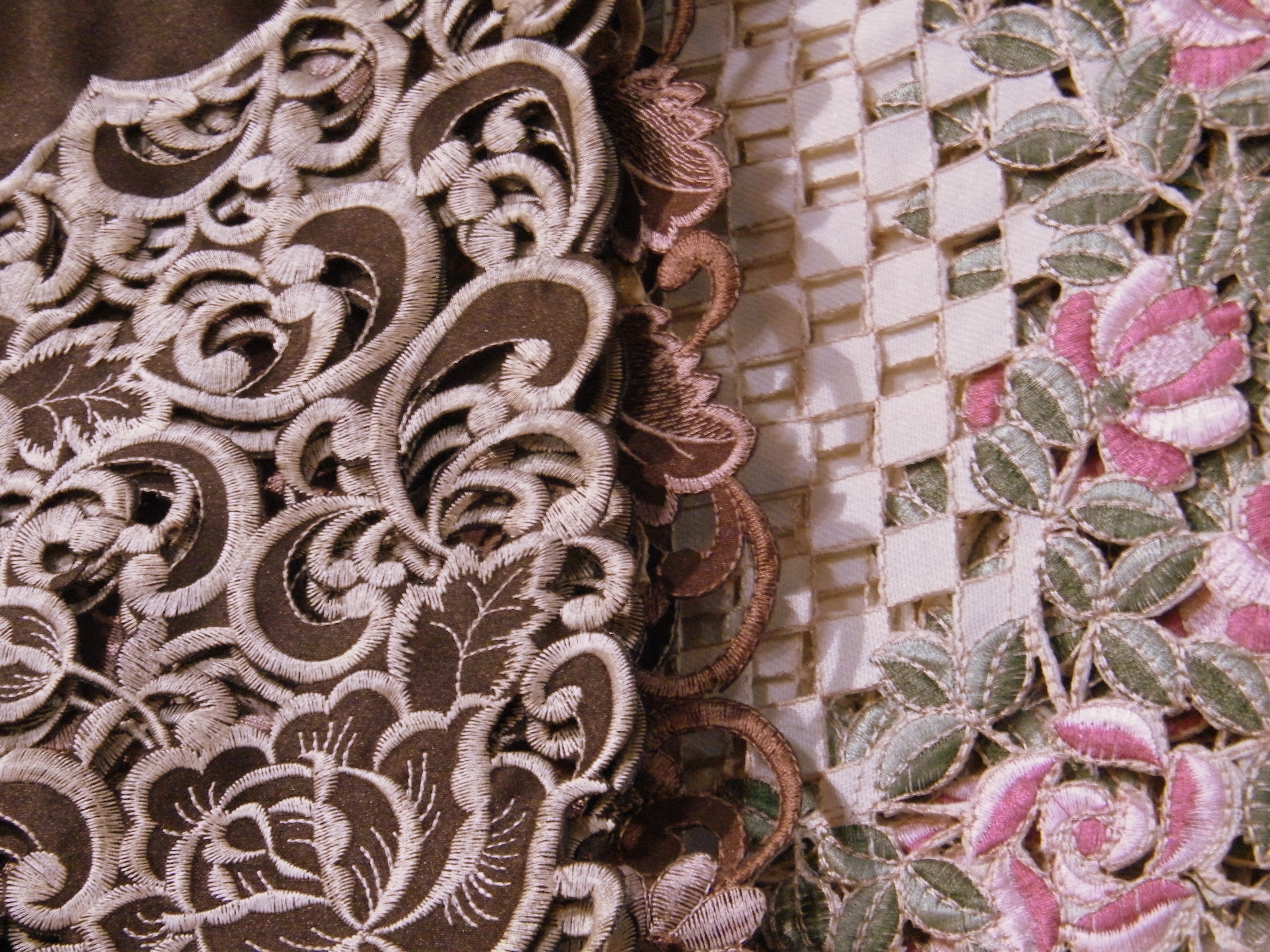
Stunning Lace Weave Abstract for Desktop
Find inspiration with this unique lace weave illustration, crafted to provide a fresh look for your background.

Lush Lace Weave Wallpaper in HD
This gorgeous lace weave photo offers a breathtaking view, making it a perfect choice for your next wallpaper.

Dynamic Lace Weave Moment for Mobile
This gorgeous lace weave photo offers a breathtaking view, making it a perfect choice for your next wallpaper.

Beautiful Lace Weave Capture Photography
Discover an amazing lace weave background image, ideal for personalizing your devices with vibrant colors and intricate designs.
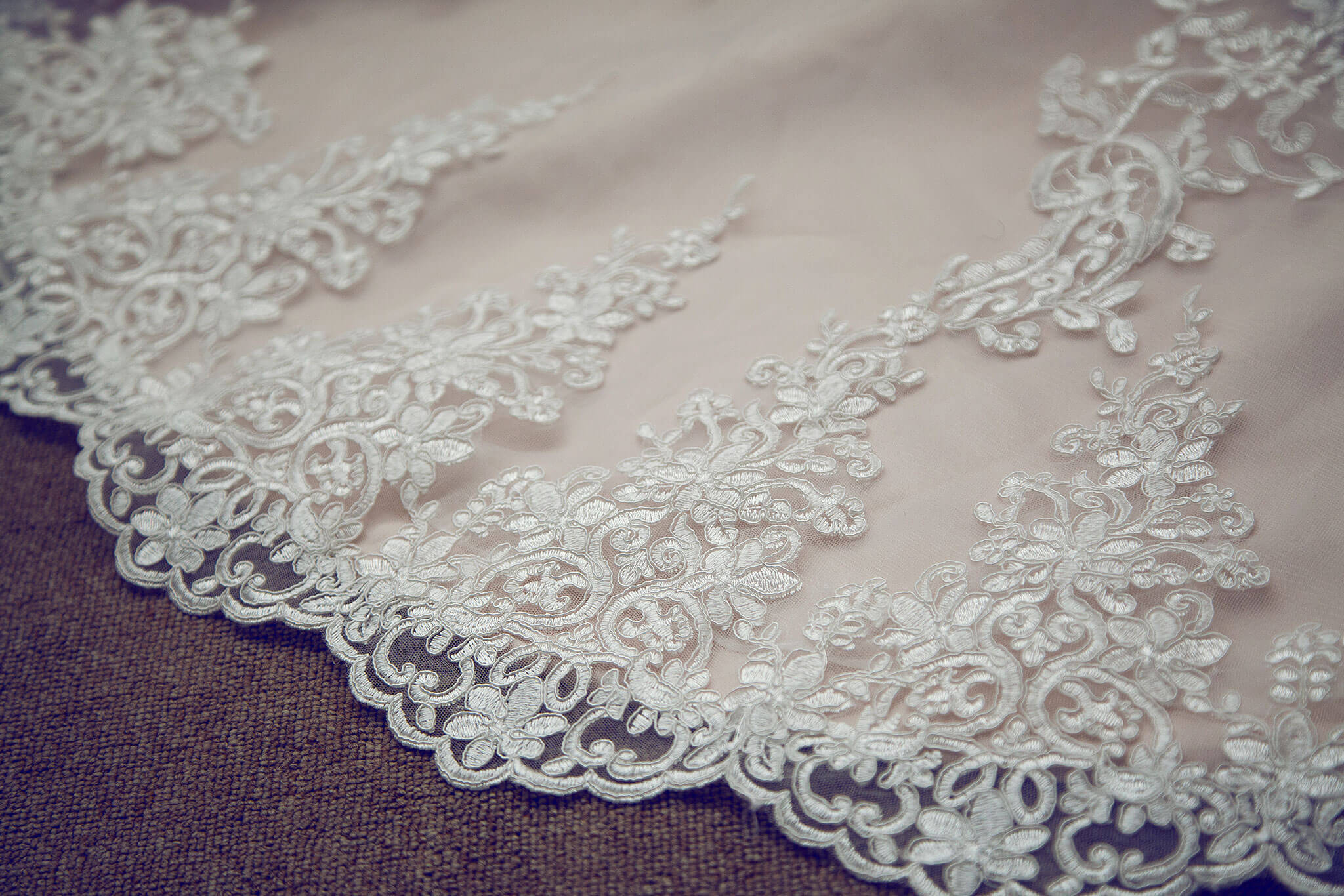
Spectacular Lace Weave View Illustration
A captivating lace weave scene that brings tranquility and beauty to any device.

Lush Lace Weave Landscape for Desktop
Find inspiration with this unique lace weave illustration, crafted to provide a fresh look for your background.

Mesmerizing Lace Weave Capture Collection
Discover an amazing lace weave background image, ideal for personalizing your devices with vibrant colors and intricate designs.
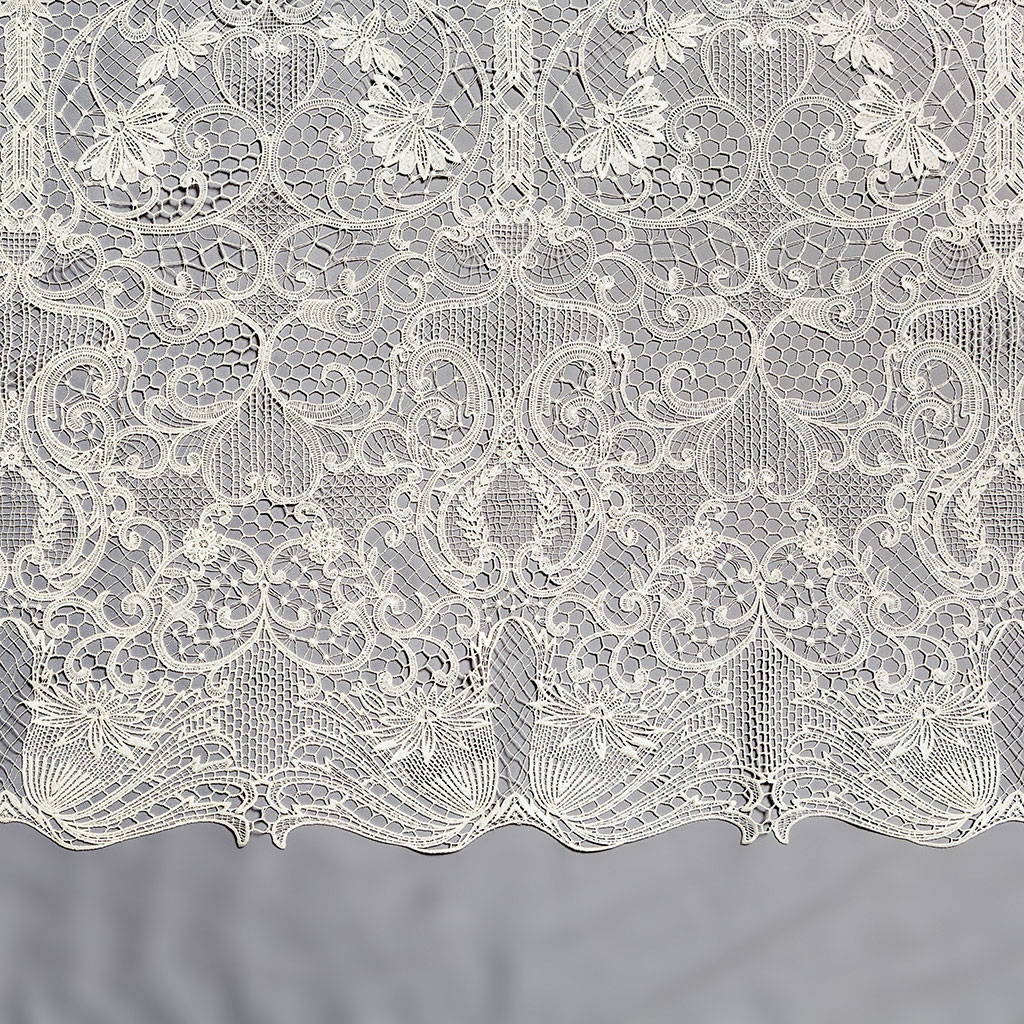
Beautiful Lace Weave Moment for Desktop
Transform your screen with this vivid lace weave artwork, a true masterpiece of digital design.
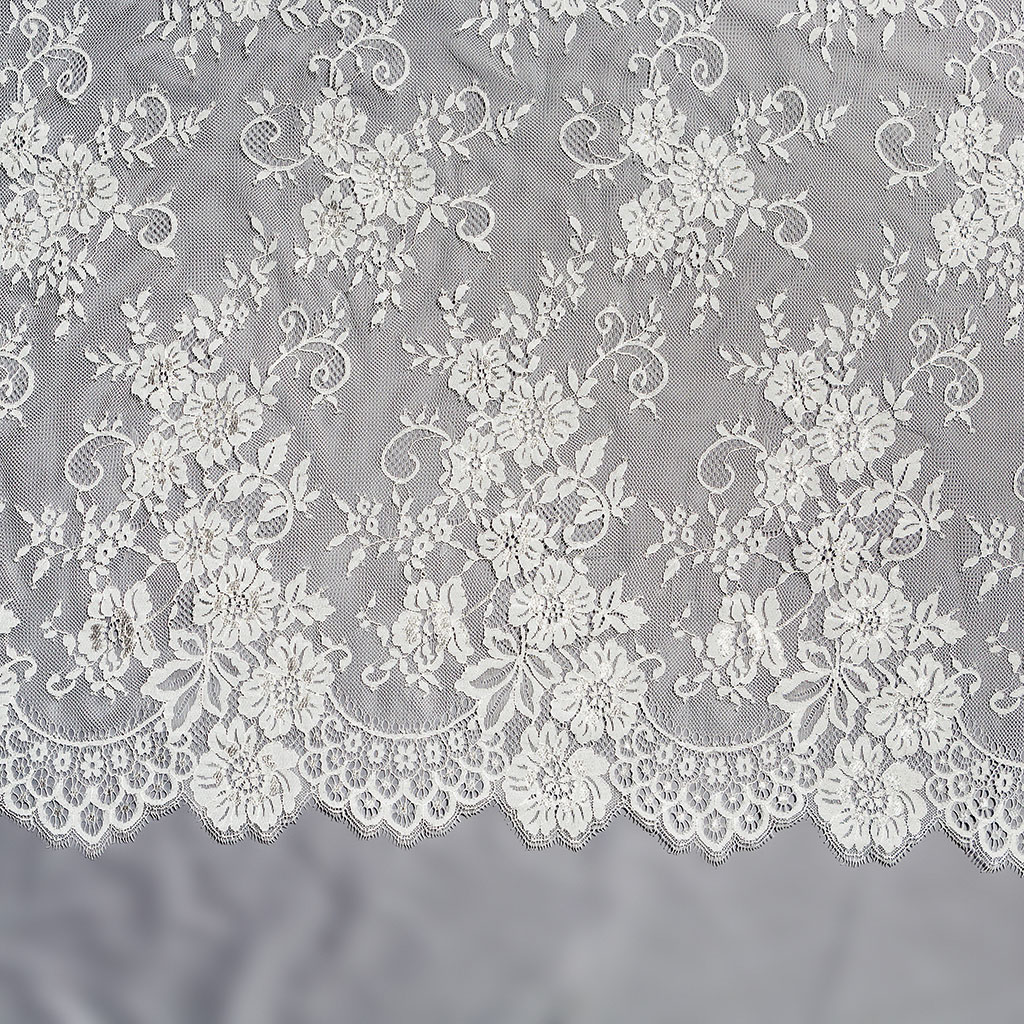
Serene Lace Weave Landscape for Desktop
Explore this high-quality lace weave image, perfect for enhancing your desktop or mobile wallpaper.
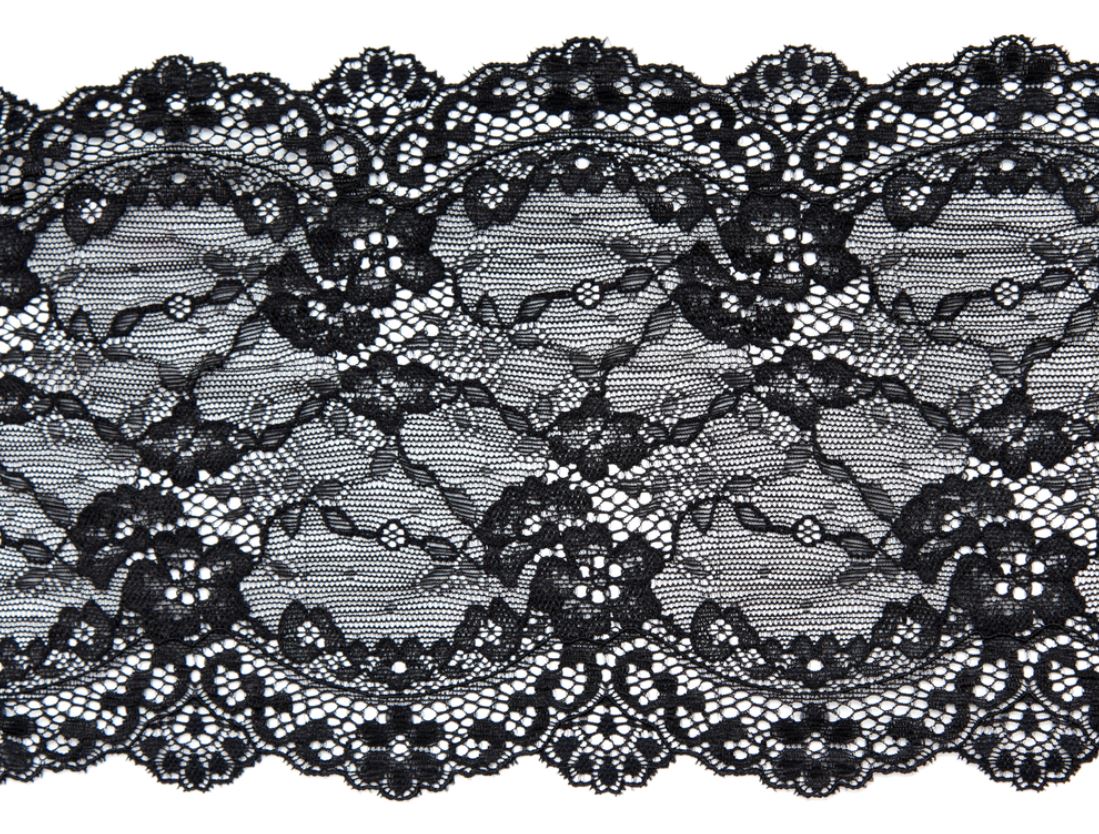
Captivating Lace Weave Image Concept
Immerse yourself in the stunning details of this beautiful lace weave wallpaper, designed for a captivating visual experience.
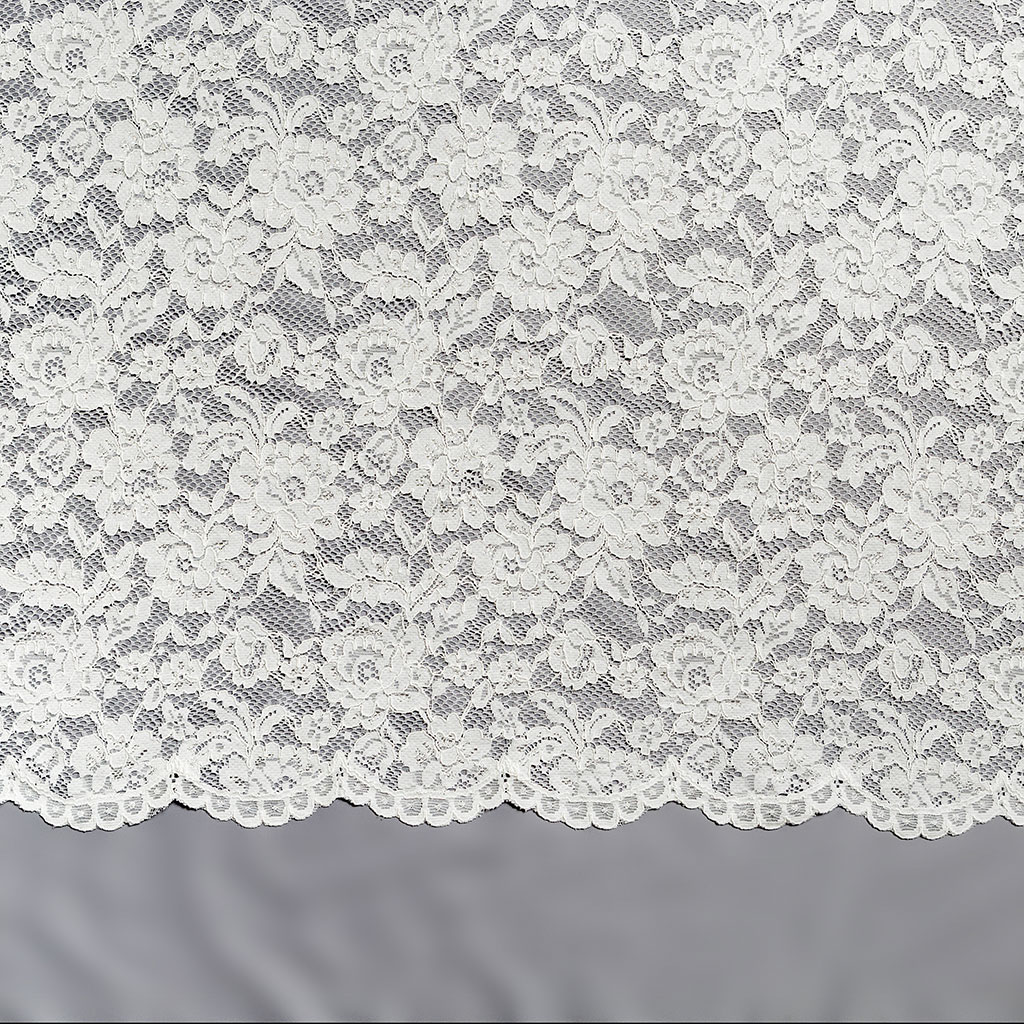
Exquisite Lace Weave Landscape for Desktop
This gorgeous lace weave photo offers a breathtaking view, making it a perfect choice for your next wallpaper.
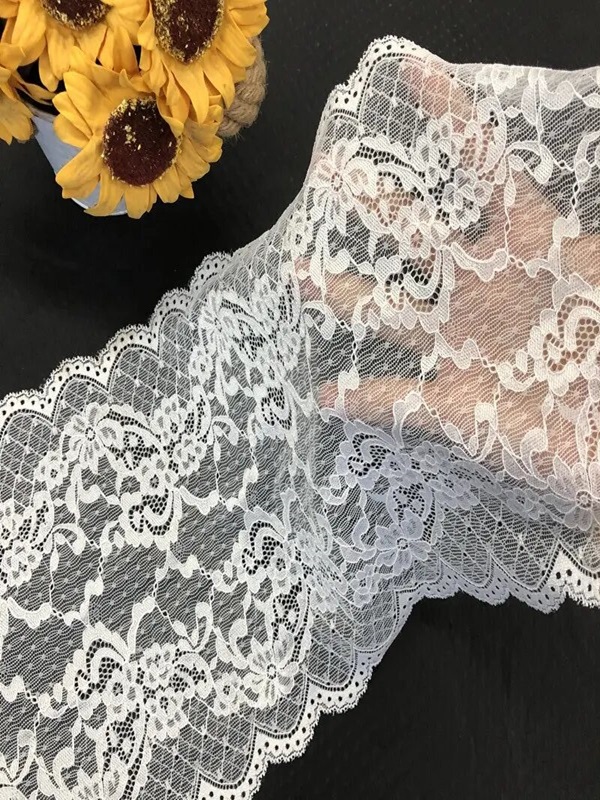
Stunning Lace Weave Scene Collection
A captivating lace weave scene that brings tranquility and beauty to any device.

Exquisite Lace Weave Background for Mobile
Find inspiration with this unique lace weave illustration, crafted to provide a fresh look for your background.

Mesmerizing Lace Weave Landscape Illustration
Transform your screen with this vivid lace weave artwork, a true masterpiece of digital design.

Vibrant Lace Weave Abstract for Mobile
Discover an amazing lace weave background image, ideal for personalizing your devices with vibrant colors and intricate designs.

Gorgeous Lace Weave Scene in 4K
Find inspiration with this unique lace weave illustration, crafted to provide a fresh look for your background.

Crisp Lace Weave Landscape in HD
A captivating lace weave scene that brings tranquility and beauty to any device.

Crisp Lace Weave View Art
Find inspiration with this unique lace weave illustration, crafted to provide a fresh look for your background.
Amazing Lace Weave Artwork Nature
Transform your screen with this vivid lace weave artwork, a true masterpiece of digital design.
Breathtaking Lace Weave Picture Illustration
Explore this high-quality lace weave image, perfect for enhancing your desktop or mobile wallpaper.
Download these lace weave wallpapers for free and use them on your desktop or mobile devices.
0 Response to "Lace Weave"
Post a Comment