Natural Beard Oil
Struggling with a Dry, Itchy Beard? The Power of Natural Beard Oil Explained.
If you're reading this, you probably know the struggle: The beard feels brittle, the skin underneath is flaky, and that persistent itch drives you crazy. For too long, men have treated their facial hair like the hair on their head, relying on harsh soaps and synthetic conditioners. Stop right there.
The secret to achieving a magnificent, manageable beard lies not in complexity, but in purity. We're talking about **Natural Beard Oil**. This isn't just a trend; it's the foundational cornerstone of elite beard care. But what exactly makes the "natural" version so much better, and how do you choose one that actually works for your skin type? Let's dive deep.
What Makes Natural Beard Oil Superior?
When you put something on your beard, it doesn't just sit on the hair; it gets absorbed by the skin (follicles and pores) underneath. This is where the crucial difference between a synthetic product and a truly natural product becomes apparent.
Ditching the Fillers: Synthetic vs. Natural
Many cheaper, non-natural beard oils are loaded with petroleum derivatives, mineral oils, or artificial fragrances. While these ingredients might make the oil feel smooth initially, they often offer zero nutritional value and can even block pores (comedogenic), leading to the dreaded "beard acne."
A true **Natural Beard Oil** uses ingredients derived directly from plants—cold-pressed carrier oils and steam-distilled essential oils. These plant-based lipids mimic the sebum naturally produced by your skin, ensuring maximum absorption and minimal irritation.
Skin Health First: Avoiding Irritation
The number one complaint from new beard growers is itchiness. This is often caused by dryness and irritation at the skin level. Synthetic fragrances (parfums) are a major culprit, containing dozens of undisclosed chemicals that trigger allergic reactions and sensitivity.
By opting for oils scented only by pure essential oils, you drastically reduce the risk of irritation. Furthermore, natural ingredients like Jojoba and Argan oil are known for their anti-inflammatory properties, directly addressing redness and flaking.
The Essential Ingredients Checklist: Carrier Oils (The Foundation)
Carrier oils make up 90-99% of any quality beard oil. They are the backbone, delivering moisture and nutrients deep into the hair shaft and skin. Understanding the primary carrier oils is key to finding the best blend for you.
The best carriers are those that are light, non-greasy, and rich in vitamins (A, E) and essential fatty acids (Omega-3, 6, 9). Here is a quick breakdown of the top contenders:
| Carrier Oil | Key Benefits | Texture/Absorption |
|---|---|---|
| Jojoba Oil | Closest resemblance to natural human sebum; excellent moisturizing and balancing. | Fast-absorbing, lightweight. (Ideal for most skin types) |
| Argan Oil (Liquid Gold) | Rich in Vitamin E; repairs damaged hair, adds shine without greasiness. | Medium absorption, very conditioning. |
| Sweet Almond Oil | High in Oleic acid; great for sensitive skin; reduces inflammation. | Slightly heavier, good for thick or very dry beards. |
| Grapeseed Oil | Very light, non-comedogenic; a superb choice for oily or acne-prone skin. | Very fast absorption, nearly invisible. |
Scent and Soul: Understanding Essential Oils in Beard Care
Essential oils (EOs) are the highly concentrated aromatic compounds extracted from plants. In **Natural Beard Oil**, their role goes beyond just providing a pleasant smell; they contribute functional therapeutic benefits.
Crucially, EOs must be used sparingly (typically 1-2% maximum dilution). Overuse can cause severe skin burns or sensitization. Always look for oils that list the exact EOs used, rather than just "fragrance" or "parfum." For detailed information on essential oil safety, you can refer to authoritative sources like the National Center for Biotechnology Information (NCBI) regarding dermal safety.
Benefits Beyond Aroma: Functional Essential Oils
- **Cedarwood & Sandalwood:** Known for their grounding, woodsy scents, these are excellent natural astringents that can help reduce skin oiliness and fight mild fungal issues (like dandruff).
- **Peppermint & Tea Tree:** These provide a cooling, tingling sensation and possess strong antimicrobial properties, making them ideal for combating beard itch and inflammation.
- **Bergamot & Citrus:** While offering bright, fresh scents, be cautious. Many citrus EOs are photosensitive and can cause burns if exposed to direct sunlight shortly after application. Ensure your beard oil uses 'steam-distilled' or 'bergaptene-free' citrus oils.
Remember, the best blend of **Natural Beard Oil** balances fast-absorbing carriers with potent, safe essential oils tailored to your climate and skin needs.
E-E-A-T Guide: How to Properly Apply Beard Oil for Maximum Results
Expertise, experience, and authority in beard care dictate that timing and technique matter just as much as the ingredients themselves. Application is simple, but often done incorrectly.
1. **Timing is Key (The Damp Stage):** Always apply beard oil immediately after showering when your face and beard are slightly damp (towel-dried, not soaking wet). The water helps the oil spread evenly and locks the moisture into the hair shaft. For more advanced care routines, check out [Baca Juga: Panduan Rutinitas Perawatan Janggut Tingkat Lanjut].
2. **The Right Dose:** Start small. For short beards (1-3 inches), 3-4 drops are enough. For larger, full beards, use 6-8 drops. Pumping too much will lead to a greasy, heavy feeling.
3. **The Base First:** Rub the oil between your palms and fingers, then aggressively massage it directly onto the skin beneath your beard. This is the most crucial step—the skin must be nourished to support healthy growth.
4. **The Finish:** Only after treating the skin, run your oily hands down the length of the beard hair. Use a quality boar bristle brush or a wooden comb to distribute the oil evenly and style as desired.
Common Mistakes Beardmen Make (And How to Fix Them)
Even with the best natural product, small errors in routine can negate the benefits. Avoid these common pitfalls:
- **Washing Too Frequently with Harsh Soap:** Standard bar soaps or hair shampoos strip the natural oils (sebum) that protect your beard and skin. Use a specialized beard wash (often called beard shampoo) that is pH-balanced, only 1-2 times per week.
- **Skipping the Application:** Consistency is vital. You cannot expect overnight results. Apply your **Natural Beard Oil** at least once daily, preferably in the morning.
- **Using Too Much Heat:** Excessive heat from blow dryers can fry the hair and dry out the oil. If you must use a dryer, use the lowest heat setting and move quickly. Learn more about the biology of hair follicle health on Wikipedia: Hair Follicle.
By correcting these habits and integrating a high-quality, truly natural beard oil, you transition your beard from a source of frustration to a source of pride.
Conclusion: Invest in Quality, Reap the Rewards
Choosing a **Natural Beard Oil** is an investment in your facial aesthetic and underlying skin health. By prioritizing blends rich in carrier oils like Jojoba and Argan, and avoiding cheap synthetic fillers and harsh chemicals, you ensure maximum nourishment, reduced itchiness, and a smoother, healthier beard. Remember: consistency and proper application are the final ingredients for success.
Ready to level up your grooming game? Start reading those labels and prioritize purity.
Frequently Asked Questions (FAQ) About Natural Beard Oil
Is natural beard oil better for sensitive skin?
Absolutely. Natural beard oils typically avoid synthetic fragrances, silicones, and petroleum products, which are the main culprits behind skin irritation, redness, and breakouts, making them superior for sensitive skin types.
Does beard oil help with beard growth?
Beard oil does not contain magical growth stimulants, but it creates the optimal environment for growth. By keeping the skin healthy, reducing breakage, and moisturizing the follicle, natural oils minimize obstacles to healthy, full growth.
How long until I see results?
You should feel immediate results (less itch, softer texture) within the first few uses. Visible improvements in shine and manageability typically appear within 2–4 weeks of consistent daily application.
Can I use natural beard oil and beard balm together?
Yes, and it's recommended for full, long beards. Apply the oil first to nourish the skin and condition the hair. Once absorbed (3–5 minutes), apply beard balm (which contains heavier butters and waxes) for styling and hold.
Natural Beard Oil
Natural Beard Oil Wallpapers
Collection of natural beard oil wallpapers for your desktop and mobile devices.

Crisp Natural Beard Oil Landscape Photography
This gorgeous natural beard oil photo offers a breathtaking view, making it a perfect choice for your next wallpaper.

Captivating Natural Beard Oil Capture Concept
This gorgeous natural beard oil photo offers a breathtaking view, making it a perfect choice for your next wallpaper.

Spectacular Natural Beard Oil Image Concept
This gorgeous natural beard oil photo offers a breathtaking view, making it a perfect choice for your next wallpaper.

Crisp Natural Beard Oil Background Photography
This gorgeous natural beard oil photo offers a breathtaking view, making it a perfect choice for your next wallpaper.

Lush Natural Beard Oil Image Collection
Immerse yourself in the stunning details of this beautiful natural beard oil wallpaper, designed for a captivating visual experience.
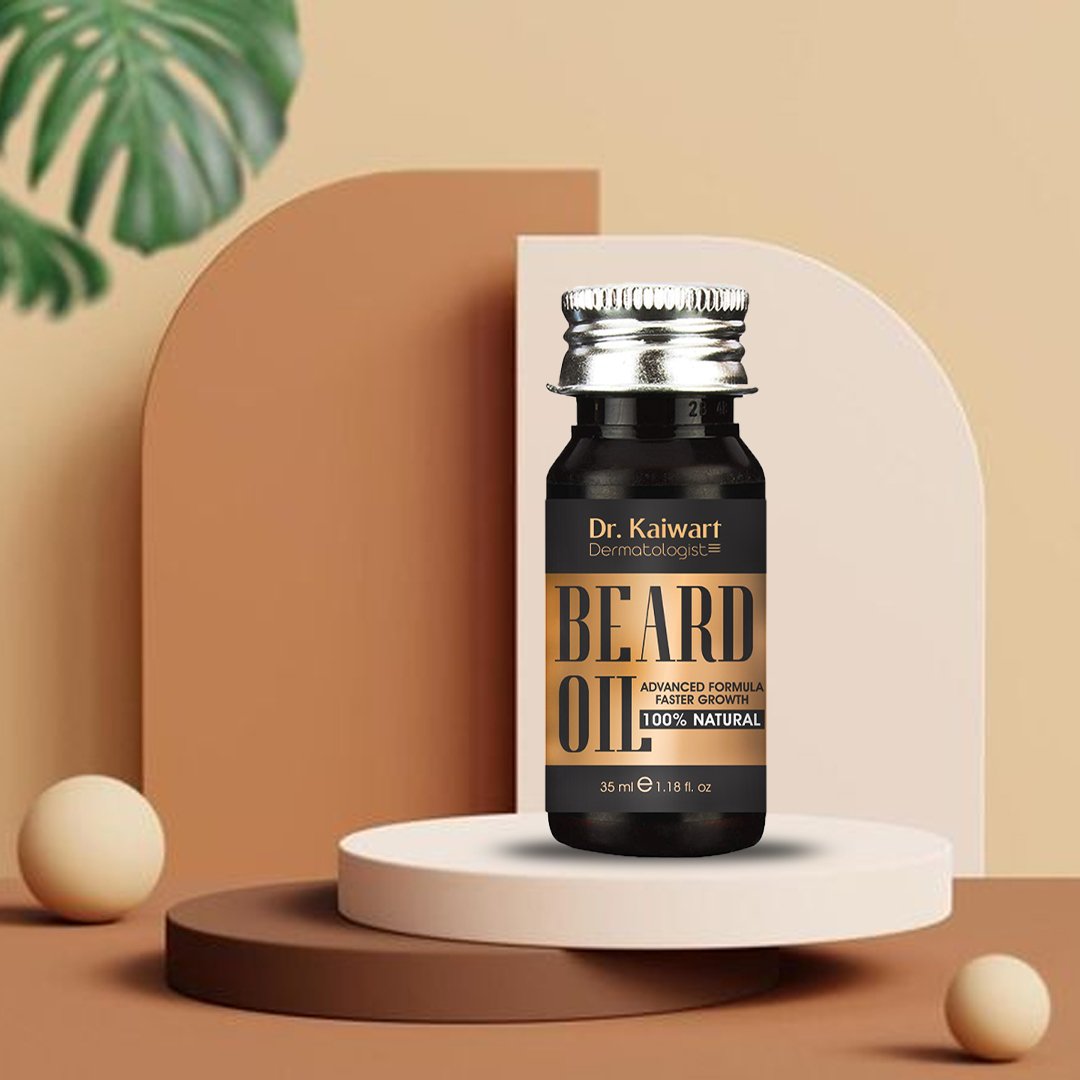
Dynamic Natural Beard Oil Image Photography
Find inspiration with this unique natural beard oil illustration, crafted to provide a fresh look for your background.

Mesmerizing Natural Beard Oil Capture for Your Screen
Experience the crisp clarity of this stunning natural beard oil image, available in high resolution for all your screens.

Vivid Natural Beard Oil View Photography
Transform your screen with this vivid natural beard oil artwork, a true masterpiece of digital design.

Crisp Natural Beard Oil Photo in 4K
A captivating natural beard oil scene that brings tranquility and beauty to any device.
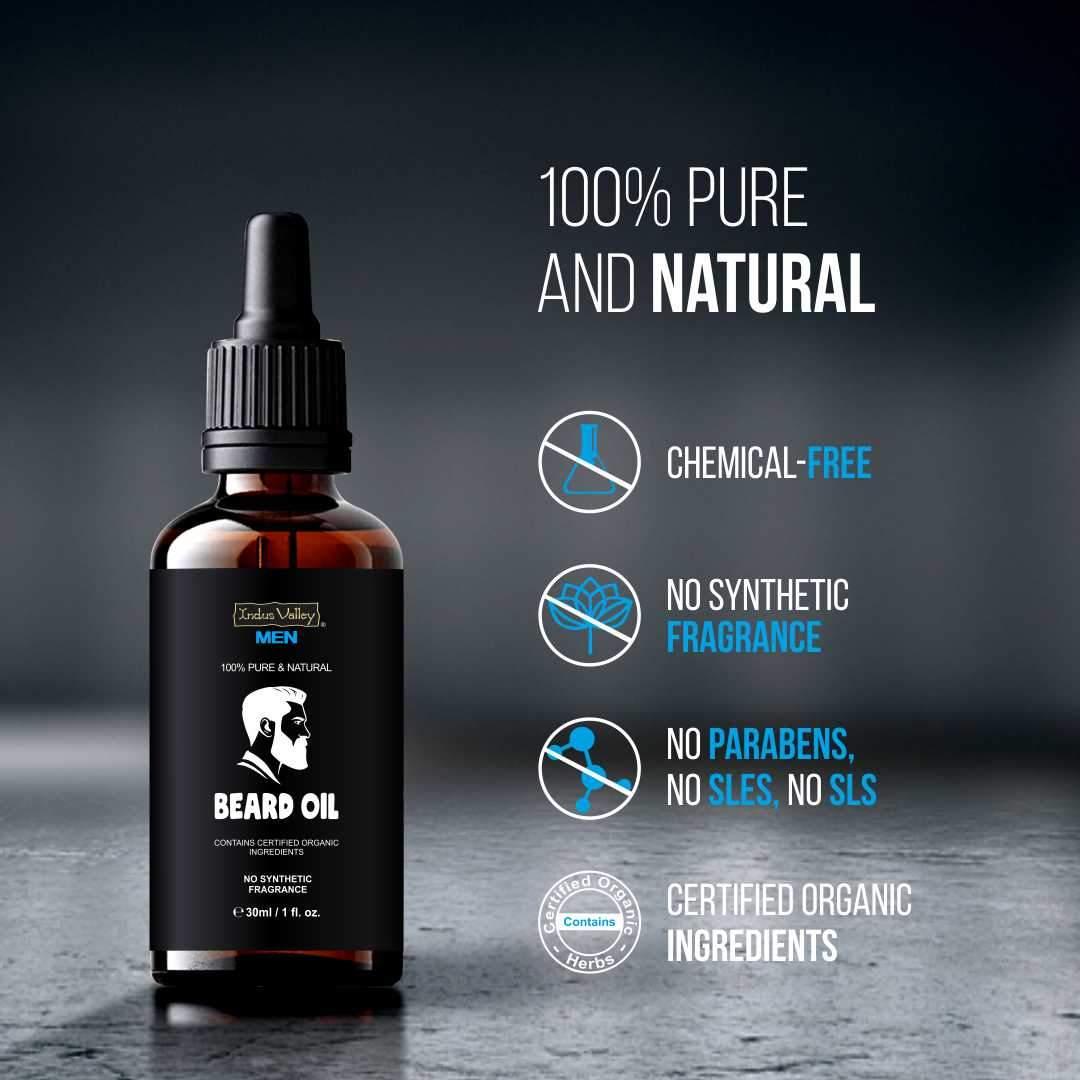
Amazing Natural Beard Oil Scene Digital Art
Experience the crisp clarity of this stunning natural beard oil image, available in high resolution for all your screens.

Breathtaking Natural Beard Oil View Collection
Transform your screen with this vivid natural beard oil artwork, a true masterpiece of digital design.
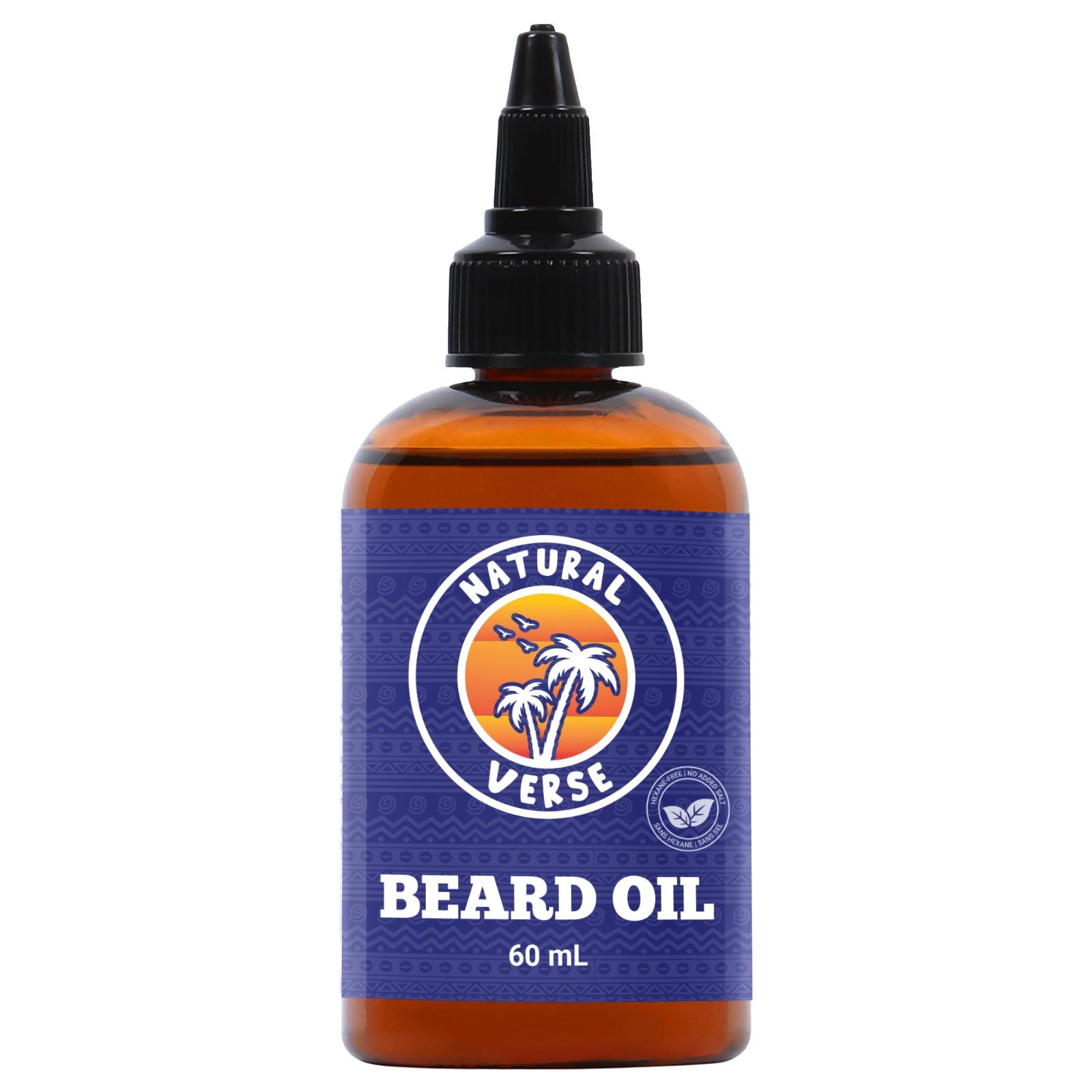
Stunning Natural Beard Oil Capture for Desktop
Immerse yourself in the stunning details of this beautiful natural beard oil wallpaper, designed for a captivating visual experience.
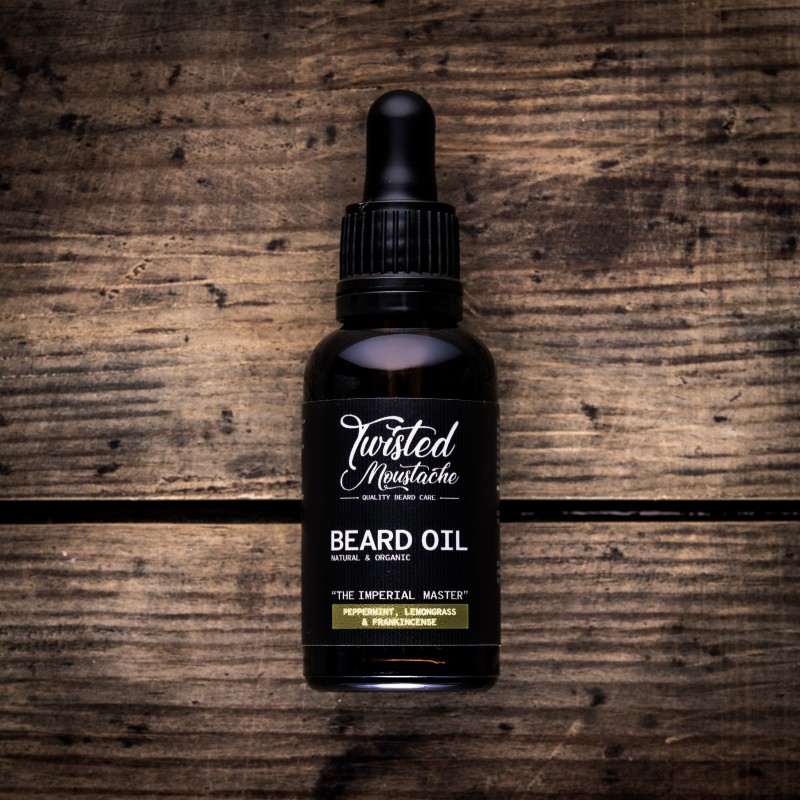
Captivating Natural Beard Oil Capture Digital Art
Immerse yourself in the stunning details of this beautiful natural beard oil wallpaper, designed for a captivating visual experience.
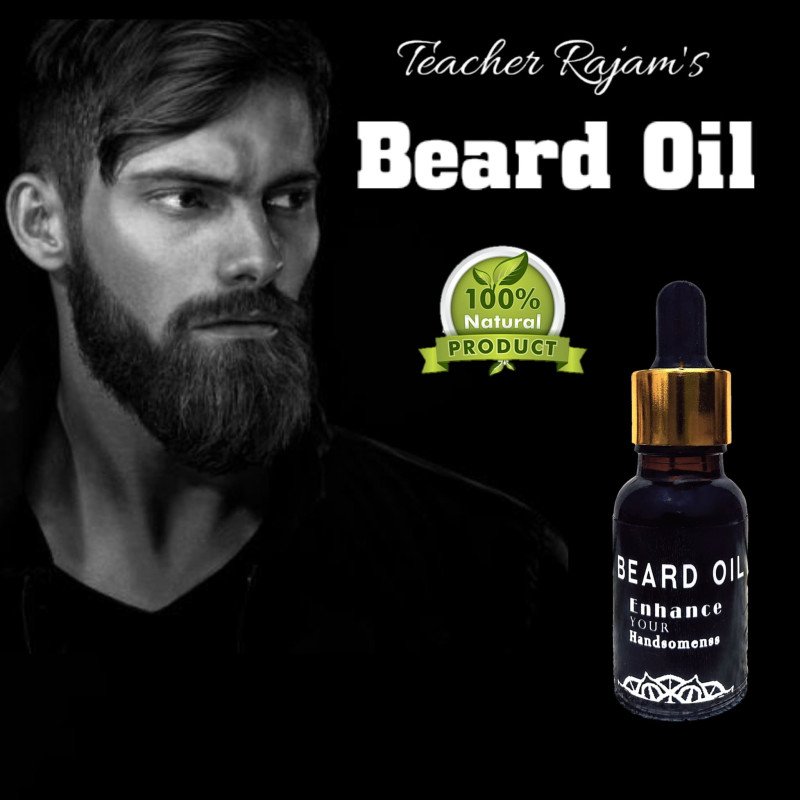
Vibrant Natural Beard Oil Photo Art
Experience the crisp clarity of this stunning natural beard oil image, available in high resolution for all your screens.
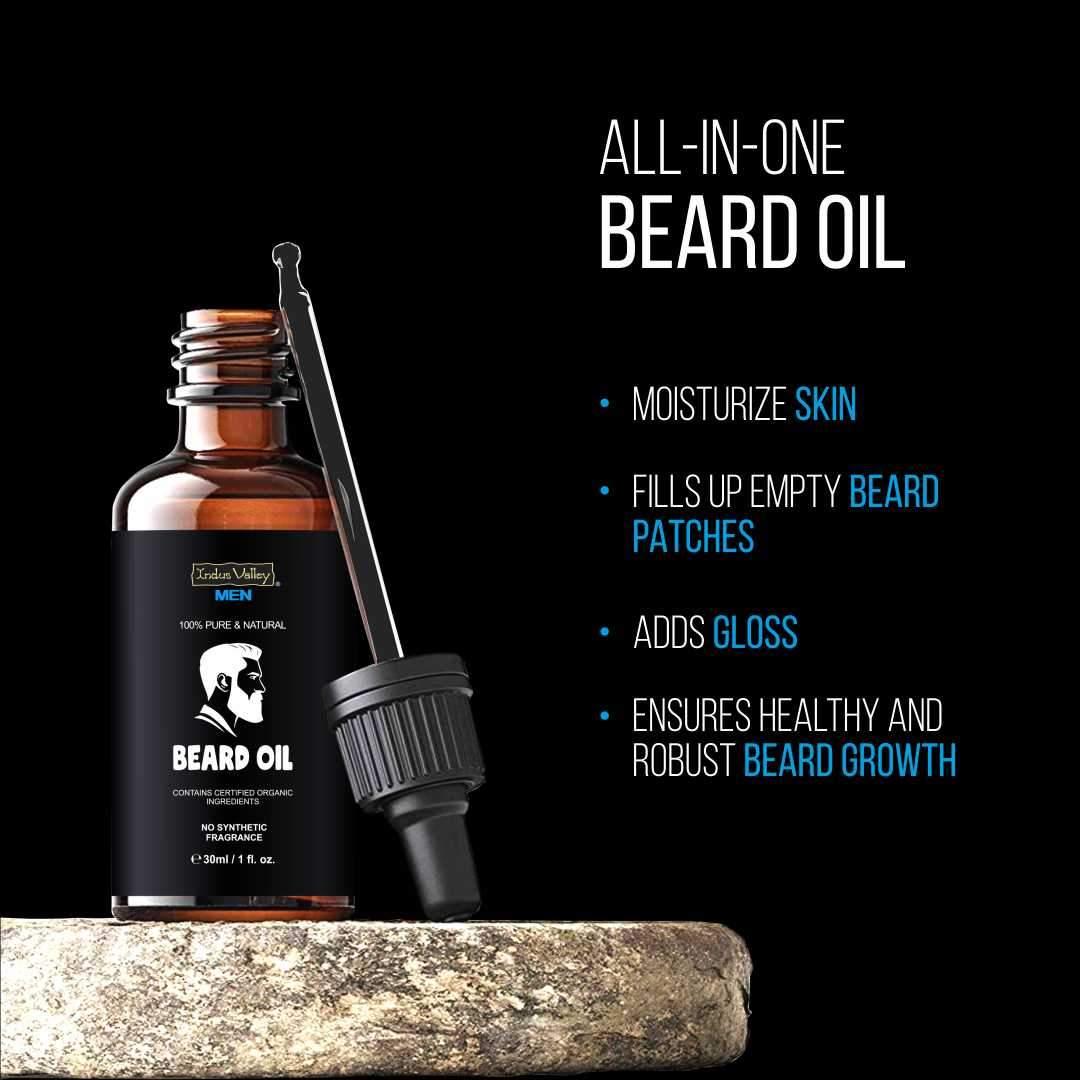
High-Quality Natural Beard Oil Capture for Mobile
Discover an amazing natural beard oil background image, ideal for personalizing your devices with vibrant colors and intricate designs.

Serene Natural Beard Oil View for Mobile
Experience the crisp clarity of this stunning natural beard oil image, available in high resolution for all your screens.

Vivid Natural Beard Oil Design Digital Art
Explore this high-quality natural beard oil image, perfect for enhancing your desktop or mobile wallpaper.

Exquisite Natural Beard Oil Capture for Mobile
Find inspiration with this unique natural beard oil illustration, crafted to provide a fresh look for your background.
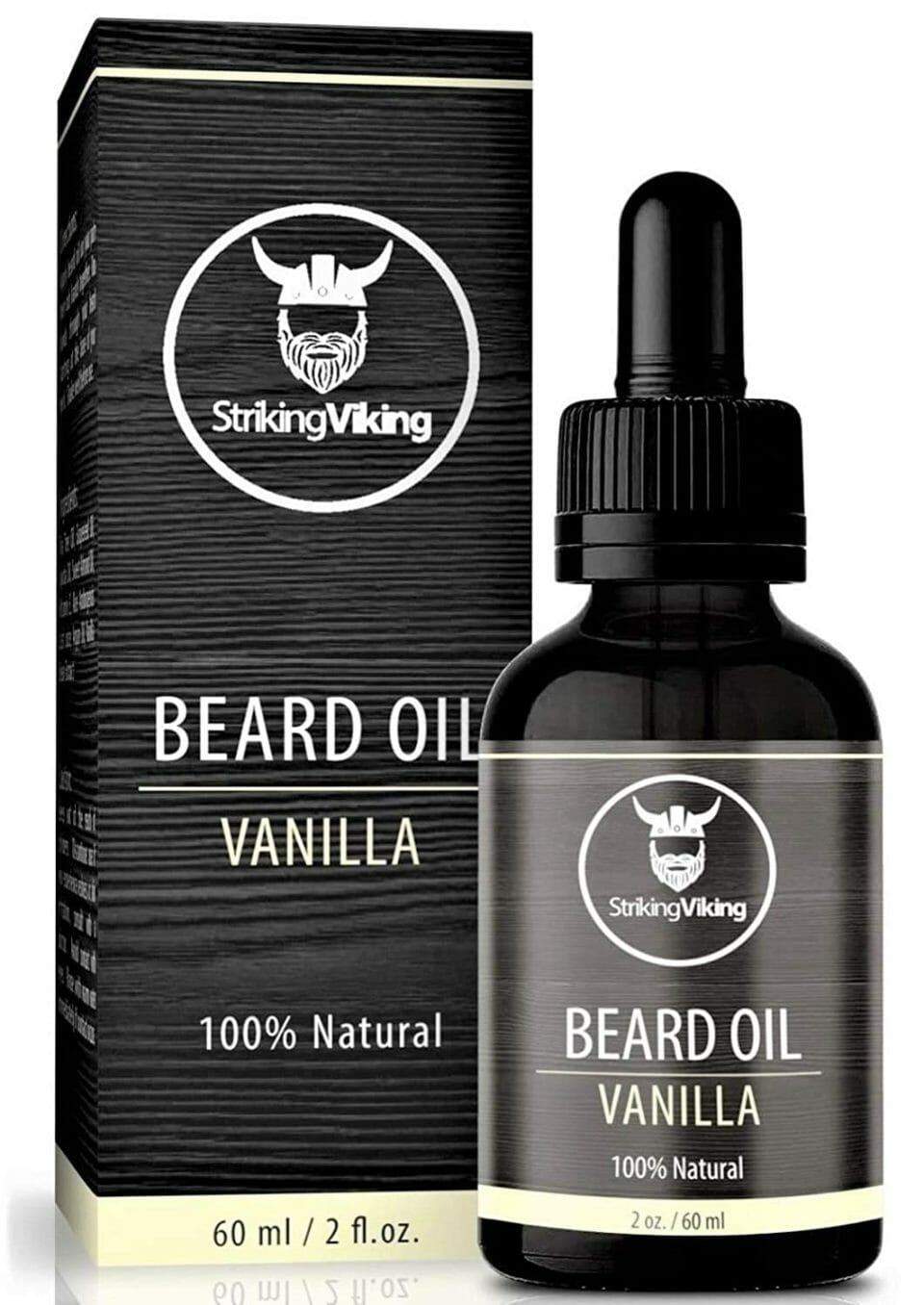
Crisp Natural Beard Oil View Nature
A captivating natural beard oil scene that brings tranquility and beauty to any device.

Serene Natural Beard Oil View Illustration
Experience the crisp clarity of this stunning natural beard oil image, available in high resolution for all your screens.
Download these natural beard oil wallpapers for free and use them on your desktop or mobile devices.
0 Response to "Natural Beard Oil"
Post a Comment