Organic Hair Dye
Tired of Harsh Chemicals? Unlock the Truth About Safe Organic Hair Dye
If you have ever felt that uncomfortable scalp tingling or noticed the strong, chemical scent of conventional hair dye, you are definitely not alone. Many of us love changing our look, but we worry about the long-term effects of ammonia, PPD, and resorcinol.
This is where the term Organic Hair Dye steps in—promising a cleaner, gentler path to vibrant color. But what does "organic" really mean in the context of hair color? Is it truly 100% chemical-free, or is it just smart marketing?
In this comprehensive guide, we'll dive deep into the world of natural coloring, explore the best ingredients, and give you the honest truth about making the switch successfully. Let's get started!
The Chemistry Check: What Exactly is "Organic" Hair Dye?
When a product claims to be an organic hair dye, it typically means it relies heavily on botanical ingredients sourced from organically grown plants. However, the term "organic" in the beauty industry is often unregulated, leading to confusion.
A true permanent hair dye requires a chemical reaction to lift the cuticle and deposit color deep inside the hair shaft. These reactions usually involve an oxidizer (like hydrogen peroxide) and an alkalizing agent (like ammonia or its gentler alternatives, such as MEA).
A formula that is fully organic and permanent is nearly impossible because permanent dyeing requires synthetic chemistry. What you are generally getting with reputable organic brands is a product that is:
- PPD-Free (Para-Phenylenediamine)
- Ammonia-Free
- Resorcinol-Free
- High in certified organic plant extracts (aloe vera, chamomile, green tea) that protect the scalp and minimize damage.
Think of it as "low-tox" coloring rather than "no-tox" coloring. These dyes significantly reduce exposure to the harshest sensitizers found in traditional dyes. If you want truly 100% chemical-free color, you must look strictly at pure plant powders like Henna. (See: Learn more about the components of hair dyes from the EPA.)
Debunking the Myths: Natural vs. 100% Organic Hair Dye
The biggest myth surrounding organic hair dye is the promise of permanent, professional-grade results without any synthetic assistance. This simply isn't true for vibrant or drastic color changes.
Here's the essential difference you need to know:
Pure Plant Dyes (100% Organic)
These are products like pure Henna, Indigo, or Cassia. They consist only of crushed, dried plant leaves mixed with water or acidic liquid (like lemon juice). They stain the outside of the hair cuticle rather than chemically altering the hair shaft. They are often messy, require long processing times, and offer a limited color palette (mostly reds, browns, and blacks).
Organic-Based Dyes (Hybrid)
These are the commercial box dyes often marketed as "organic hair dye." They contain a blend of natural extracts and necessary synthetic components (like mild developers or color pigments) to achieve stable colors, cover gray, and simplify application. This is the common compromise for those wanting better gray coverage and easier use while avoiding the big three harmful chemicals.
[Baca Juga: The Complete Guide to Henna Hair Dye]
Top Natural Ingredients Used for Hair Coloring
If you are looking for truly natural coloring methods, understanding the core botanical dyes is crucial. These are the coloring heroes of the organic movement.
Henna (The Gold Standard)
Derived from the Lawsonia inermis plant, Henna is the oldest known cosmetic dye. It binds strongly to the keratin in your hair, providing a permanent, rich red-orange stain. Pure Henna is safe, conditioning, and boosts shine. Be warned: never buy "black henna," as it usually contains high levels of PPD, which can cause severe allergic reactions. Henna has been used for over 5,000 years.
Indigo and Cassia
Indigo (a dark blue dye) is often mixed with Henna to create brown and black shades. Cassia, often called "neutral henna," does not color dark hair but provides conditioning benefits and a slight golden tint to very light or gray hair.
Amla and Walnut Hulls
Amla (Indian gooseberry) is a common additive used to deepen brown shades and prevent the red tones in Henna from becoming too brassy. Walnut hulls provide a rich, deep brown hue, although their coloring ability is generally less permanent than Henna.
The Trade-Offs: Pros and Cons of Going Organic
Switching to organic hair dye is a fantastic step toward healthier beauty, but it comes with limitations. It's important to set realistic expectations.
| Pros of Organic/Natural Dyes | Cons (Realistic Expectations) |
|---|---|
| Significantly reduced risk of allergic reactions and scalp irritation. | Limited lift ability—cannot lighten hair drastically (requires bleaching). |
| Conditioning properties due to plant oils and extracts (e.g., Henna strengthens hair). | Color palette may be narrower (more earth tones). |
| Better for the environment (biodegradable ingredients). | Processing time can be longer, especially for pure plant dyes. |
| Less damaging to previously processed or fragile hair. | Some natural shades fade faster than synthetic permanent dyes. |
If your goal is to go from dark brown to platinum blonde, organic dye is not your solution. If you want rich, healthy tones, excellent gray blending, and better scalp health, then organic-based products are a superb choice.
Application Guide: Making Your Organic Dye Last Longer
Using organic hair dye often requires a slightly different approach than traditional dyeing. Follow these senior writer tips to maximize your results:
- **The Patch Test is Mandatory:** Even natural ingredients like Henna can cause sensitivities. Always test a small area of skin (behind the ear or inner elbow) 48 hours before full application.
- **Clean Hair is Key:** Apply color to clean, dry hair. Residue from silicones, heavy oils, or conventional conditioners can create a barrier, preventing the natural pigments from binding effectively.
- **Heat Activation:** Natural dyes, especially Henna and Indigo, benefit greatly from heat. Covering your hair with a shower cap and wrapping it in a towel or applying gentle heat can help the color release and penetrate deeper.
- **Patience Pays Off:** Pure plant dyes often require 2–4 hours of processing time. Hybrid organic dyes follow manufacturer instructions, but generally, the longer you leave the color, the richer the saturation.
- **Minimize Washing:** To preserve the color, use color-safe, sulfate-free shampoos. Hot water opens the cuticle, allowing color to leach out; use lukewarm water when washing.
[Baca Juga: Best Sulfate-Free Shampoos for Colored Hair]
Conclusion
The journey toward finding the perfect hair color often leads us to question what we are putting on our bodies. While the promise of a 100% permanent, vibrant, and entirely chemical-free organic hair dye is often an exaggeration of marketing, the "organic" category offers excellent low-tox alternatives.
By choosing high-quality, organic-based dyes or pure plant powders, you are significantly reducing your exposure to harsh irritants, promoting healthier hair growth, and still achieving beautiful, rich color. Do your research, test the product, and embrace the gentle side of coloring.
Frequently Asked Questions (FAQ)
- Q: Can organic hair dye fully cover gray hair?
A: Yes, many high-quality hybrid organic hair dyes are formulated specifically to cover gray hair effectively. Pure Henna also covers gray very well, creating fiery red highlights. However, 100% natural dyes sometimes require a two-step process (applying Henna first, then Indigo) to achieve dark, full coverage.
- Q: Are PPD-free dyes safe for everyone?
A: PPD-free dyes eliminate one of the most common allergens, making them safer for many. However, they usually substitute PPD with other ingredients like Toluene-2,5-Diamine (TD) or PTD. While these are gentler, allergies are still possible. Always perform a patch test.
- Q: Do I need to stop using commercial shampoo before using Henna?
A: Yes, it is highly recommended. Many commercial shampoos and conditioners contain silicones that coat the hair shaft. This coating can repel the natural pigments in Henna, leading to uneven or poor color uptake. Use a clarifying shampoo a few days before application.
- Q: How long does 100% natural organic hair dye last?
A: Pure Henna offers a permanent color that only fades slightly over time and must be grown out or cut off. Indigo/Black shades may fade faster, requiring root touch-ups every 4–6 weeks, similar to synthetic permanent dyes.
Organic Hair Dye
Organic Hair Dye Wallpapers
Collection of organic hair dye wallpapers for your desktop and mobile devices.

Serene Organic Hair Dye Capture for Your Screen
Experience the crisp clarity of this stunning organic hair dye image, available in high resolution for all your screens.

Beautiful Organic Hair Dye Wallpaper in 4K
Discover an amazing organic hair dye background image, ideal for personalizing your devices with vibrant colors and intricate designs.
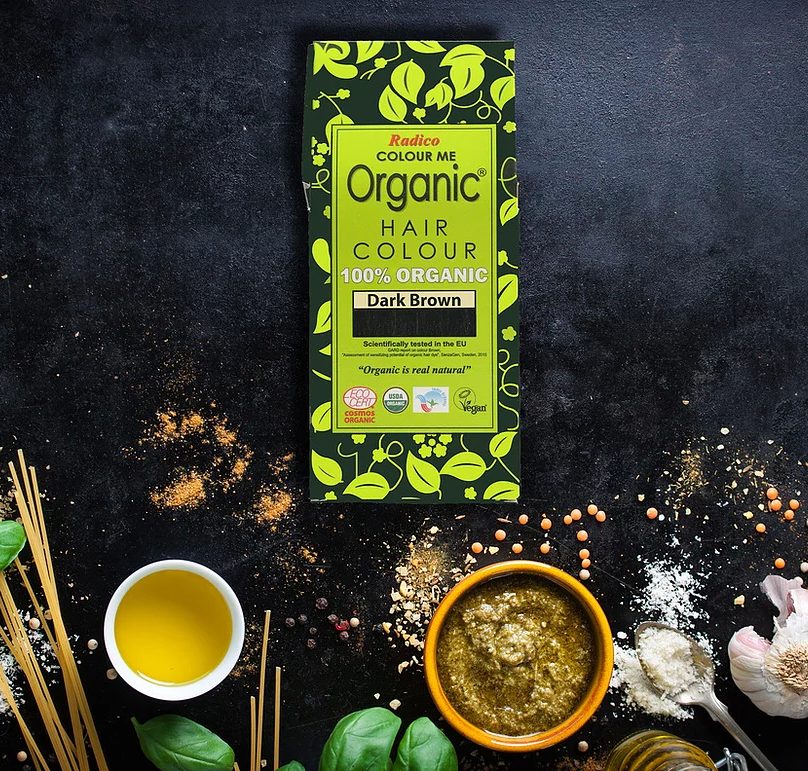
Serene Organic Hair Dye Design in HD
Explore this high-quality organic hair dye image, perfect for enhancing your desktop or mobile wallpaper.

Mesmerizing Organic Hair Dye Landscape for Your Screen
Experience the crisp clarity of this stunning organic hair dye image, available in high resolution for all your screens.

Dynamic Organic Hair Dye Artwork Nature
A captivating organic hair dye scene that brings tranquility and beauty to any device.
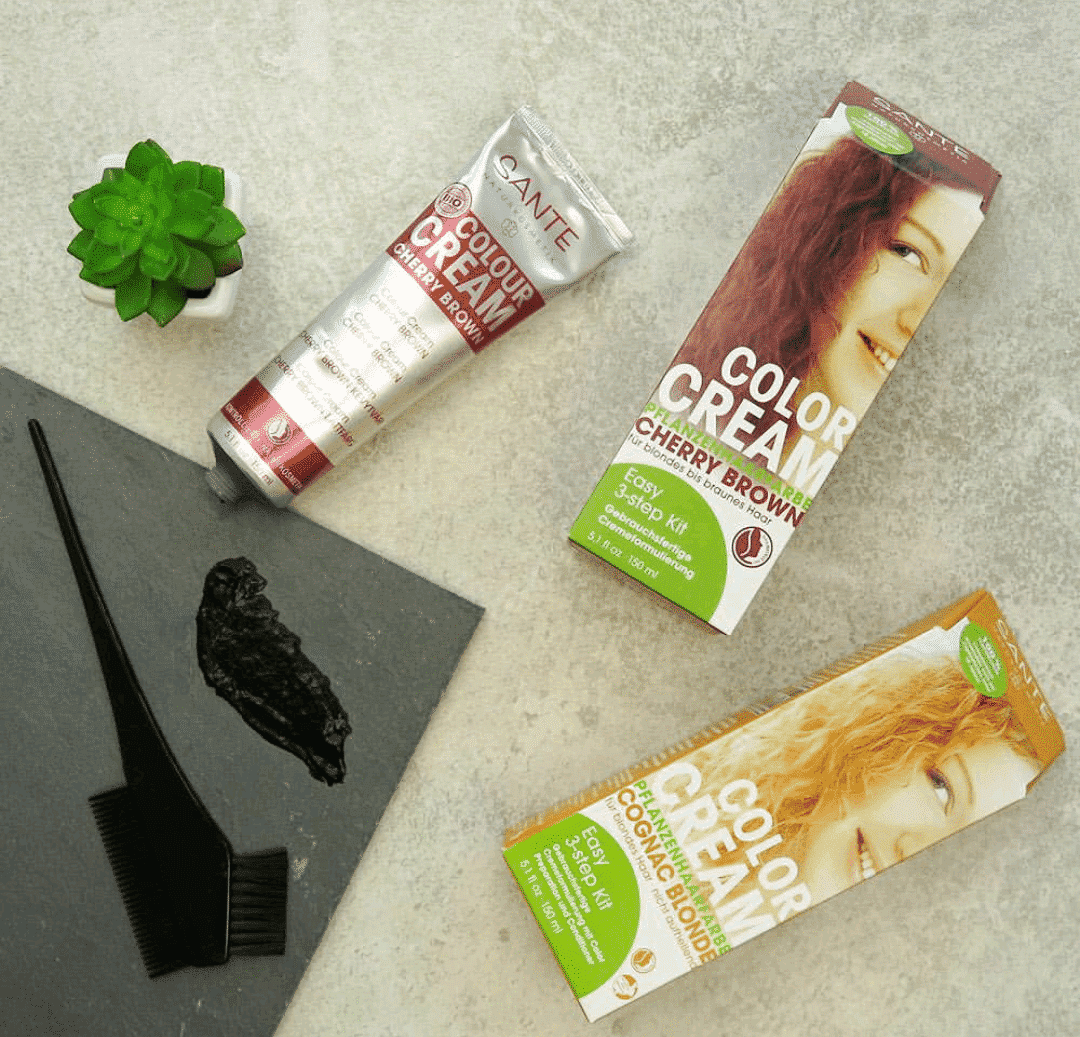
Beautiful Organic Hair Dye Abstract Digital Art
Experience the crisp clarity of this stunning organic hair dye image, available in high resolution for all your screens.
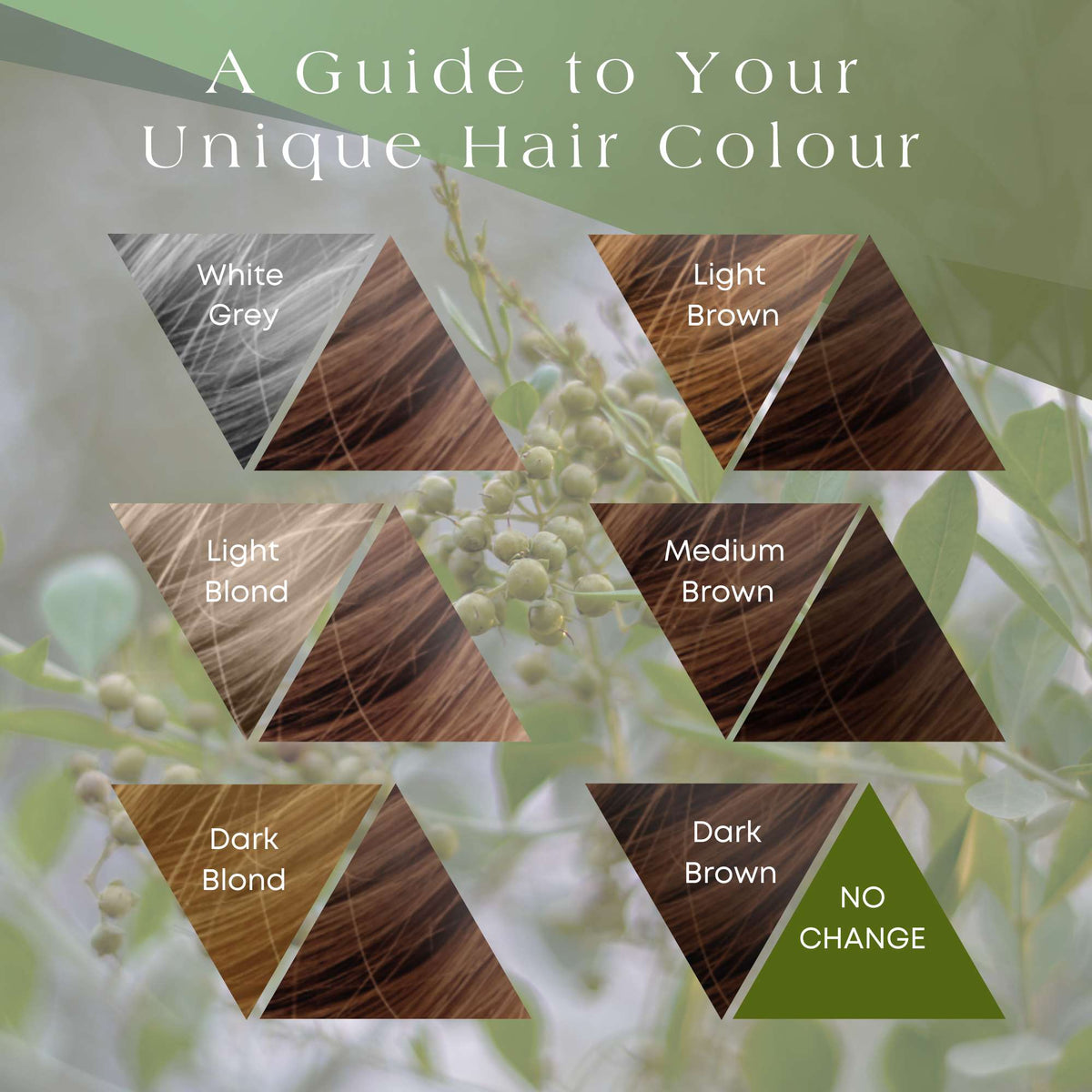
Vivid Organic Hair Dye Wallpaper in 4K
Discover an amazing organic hair dye background image, ideal for personalizing your devices with vibrant colors and intricate designs.
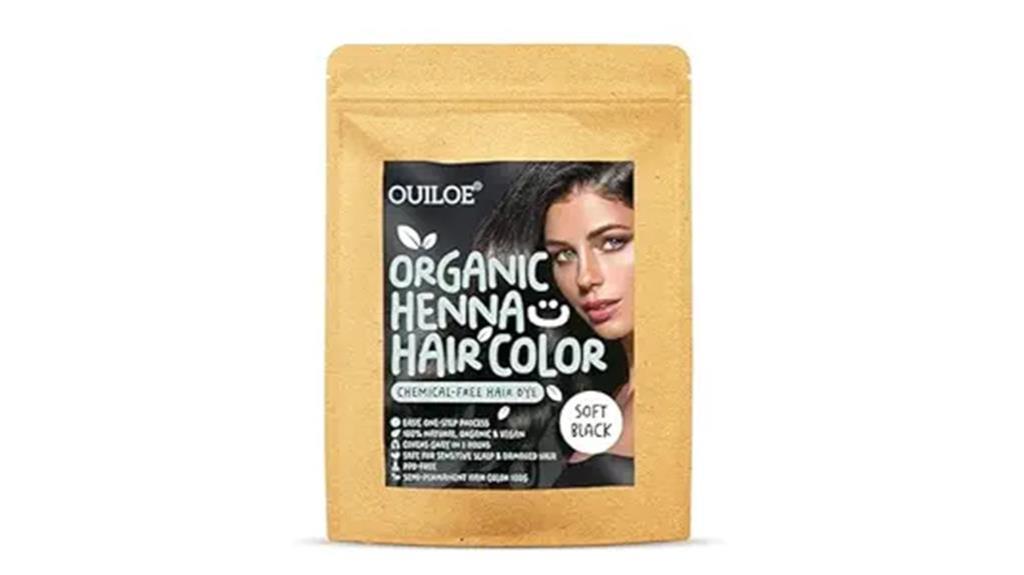
High-Quality Organic Hair Dye Design Art
Transform your screen with this vivid organic hair dye artwork, a true masterpiece of digital design.

Serene Organic Hair Dye Photo Nature
Explore this high-quality organic hair dye image, perfect for enhancing your desktop or mobile wallpaper.

Amazing Organic Hair Dye Photo for Your Screen
Experience the crisp clarity of this stunning organic hair dye image, available in high resolution for all your screens.

Artistic Organic Hair Dye View for Your Screen
Find inspiration with this unique organic hair dye illustration, crafted to provide a fresh look for your background.
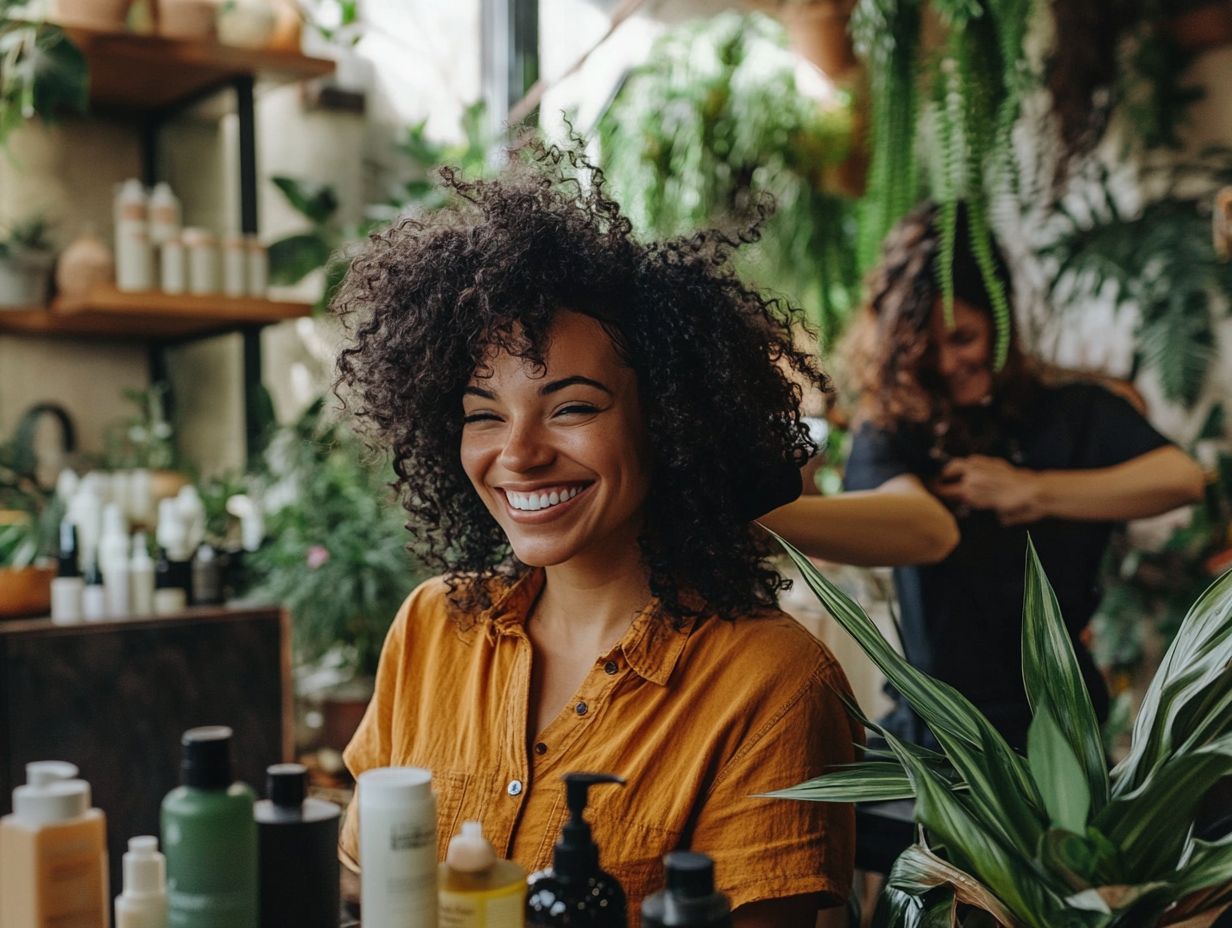
Amazing Organic Hair Dye Capture Art
Transform your screen with this vivid organic hair dye artwork, a true masterpiece of digital design.

Mesmerizing Organic Hair Dye Picture Digital Art
Discover an amazing organic hair dye background image, ideal for personalizing your devices with vibrant colors and intricate designs.

Gorgeous Organic Hair Dye Artwork in 4K
Immerse yourself in the stunning details of this beautiful organic hair dye wallpaper, designed for a captivating visual experience.
Mesmerizing Organic Hair Dye Photo for Desktop
Experience the crisp clarity of this stunning organic hair dye image, available in high resolution for all your screens.

Beautiful Organic Hair Dye Artwork in HD
Experience the crisp clarity of this stunning organic hair dye image, available in high resolution for all your screens.

Dynamic Organic Hair Dye Picture Digital Art
A captivating organic hair dye scene that brings tranquility and beauty to any device.
Vivid Organic Hair Dye Photo in 4K
Discover an amazing organic hair dye background image, ideal for personalizing your devices with vibrant colors and intricate designs.

Lush Organic Hair Dye Artwork Art
Find inspiration with this unique organic hair dye illustration, crafted to provide a fresh look for your background.
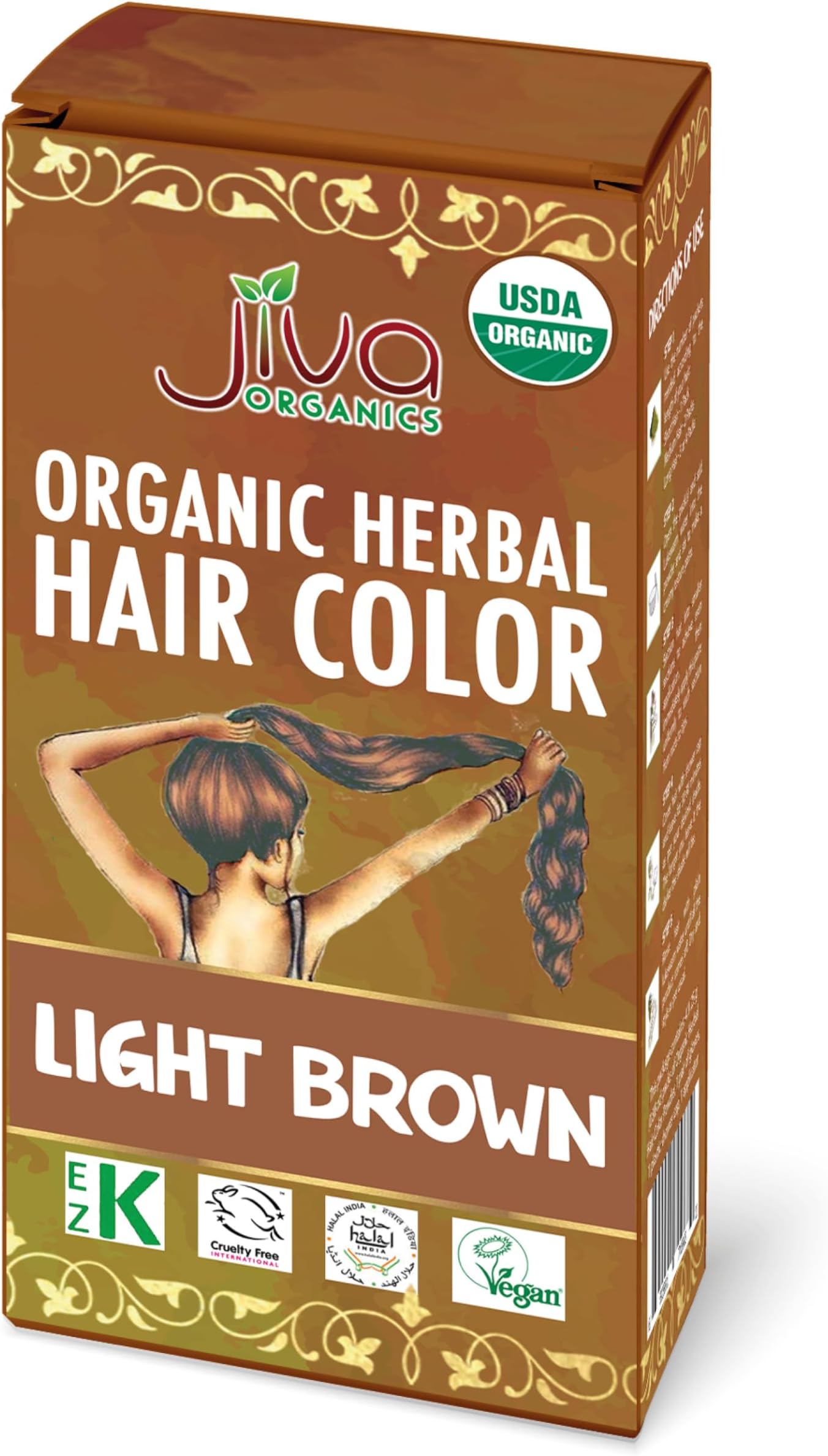
Serene Organic Hair Dye Capture Illustration
Experience the crisp clarity of this stunning organic hair dye image, available in high resolution for all your screens.
Download these organic hair dye wallpapers for free and use them on your desktop or mobile devices.
0 Response to "Organic Hair Dye"
Post a Comment