Washing Wigs
Stop Ruining Your Investment: The Expert's Guide to Washing Wigs Correctly
Let's be real: Wigs are an investment. Whether you wear them for fashion, medical reasons, or just for fun, keeping them clean is crucial for longevity and appearance. But here's the harsh truth—many people accidentally destroy their expensive hairpieces because they treat them exactly like the hair growing out of their scalp.
The secret to keeping your hairpiece looking fresh, soft, and vibrant is understanding the fundamental differences between human hair and synthetic fibers, especially when it comes to the crucial task of Washing Wigs.
This ultimate guide is designed to take the guesswork out of maintenance. We'll walk you through everything from the pre-wash prep to the perfect drying technique, ensuring your wig stays fabulous for years to come.
Before You Start: Essential Prep for Washing Wigs
Before any water touches the fibers, preparation is key. Skipped steps here are the fastest route to tangles and irreversible damage.
Gathering Your Supplies
You cannot use standard drugstore shampoo on most wigs—especially not on synthetic ones. Traditional shampoos often contain harsh sulfates and alcohol that strip the shine and dry out the fibers.
- Wig Shampoo & Conditioner: Specifically formulated for wig types (or sulfate-free, alcohol-free products for human hair).
- Wide-Tooth Comb or Wig Brush: Essential for detangling without pulling the knots tighter.
- Towel: A soft, absorbent towel (preferably microfiber).
- Wig Stand: A folding or canvas head for drying and styling.
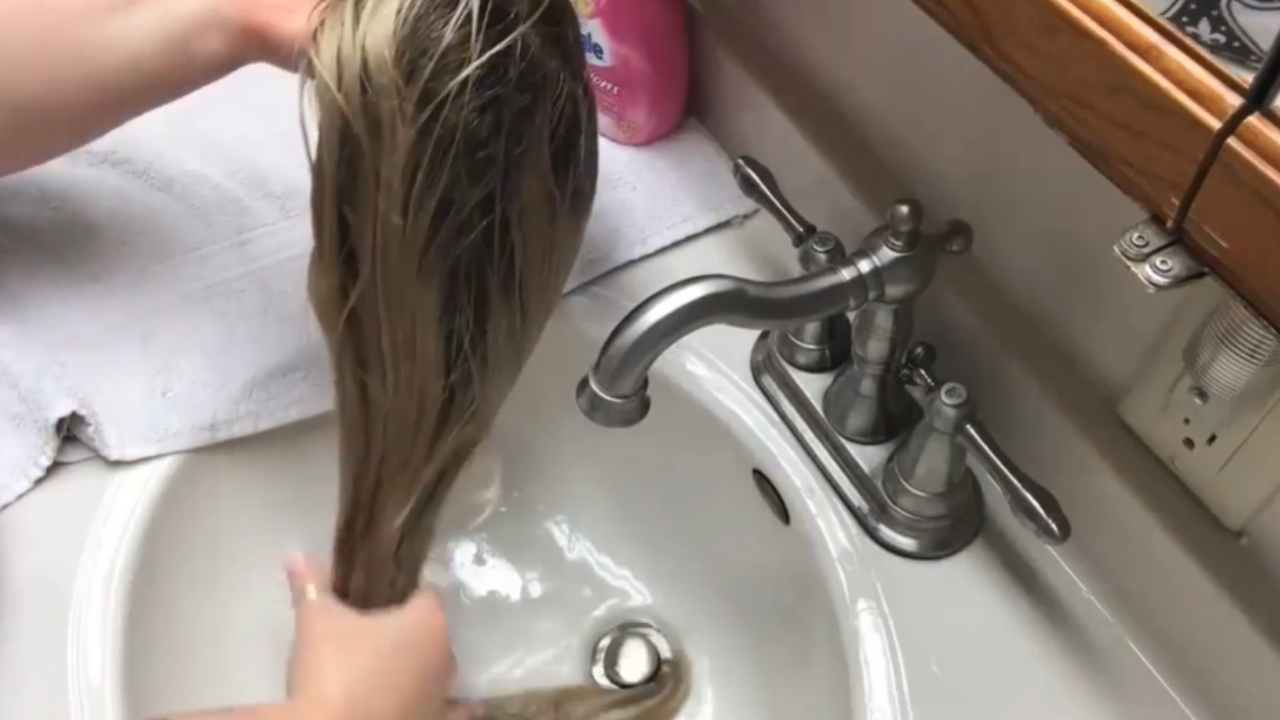
- Basin or Clean Sink: Never wash wigs under a running faucet, as this messes up the cuticle direction.
Expert Tip: Always check the manufacturer's care tag first. If it's a high-end designer piece, their specific product line will yield the best results.
The Crucial Detangling Step
If your wig is tangled before the wash, washing it will only solidify those knots. Take your time here. Place the wig on a stand or hold it steady.
Start combing from the very bottom tips, working your way up in small sections toward the base (the cap). Use short, gentle strokes. If you encounter a tough knot, spray a little wig-safe conditioning spray on it to loosen the fibers. Patience prevents permanent frizz!
The Step-by-Step Guide to Washing Human Hair Wigs
Human hair wigs are treated like delicate virgin hair. They need moisture and gentle handling to maintain their texture and movement. Frequency depends on wear, but generally, wash every 10–15 wears.
The Gentle Soak Method
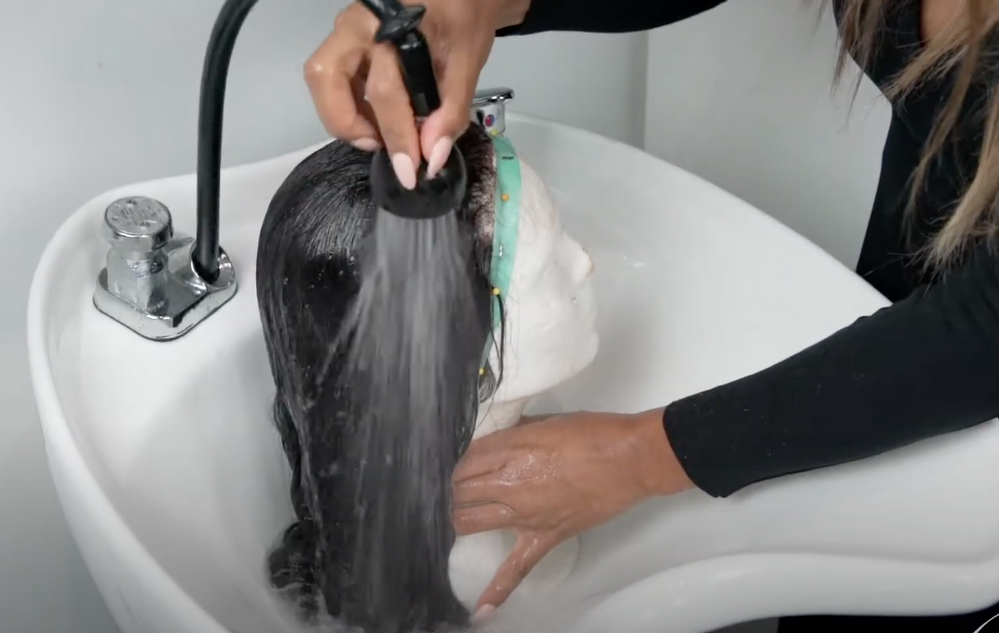
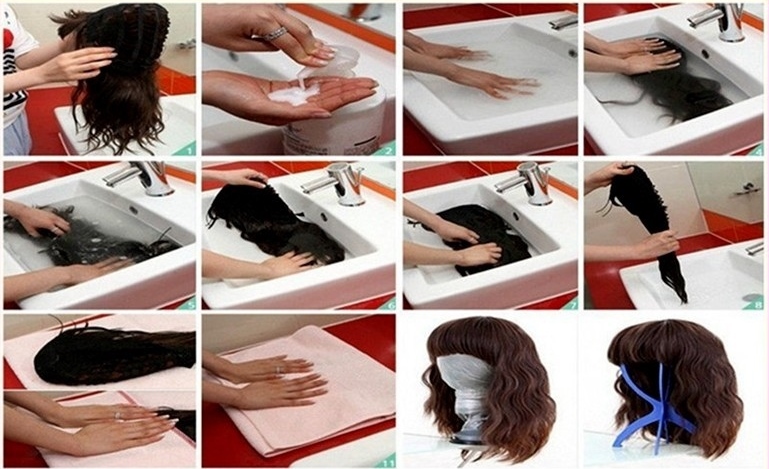
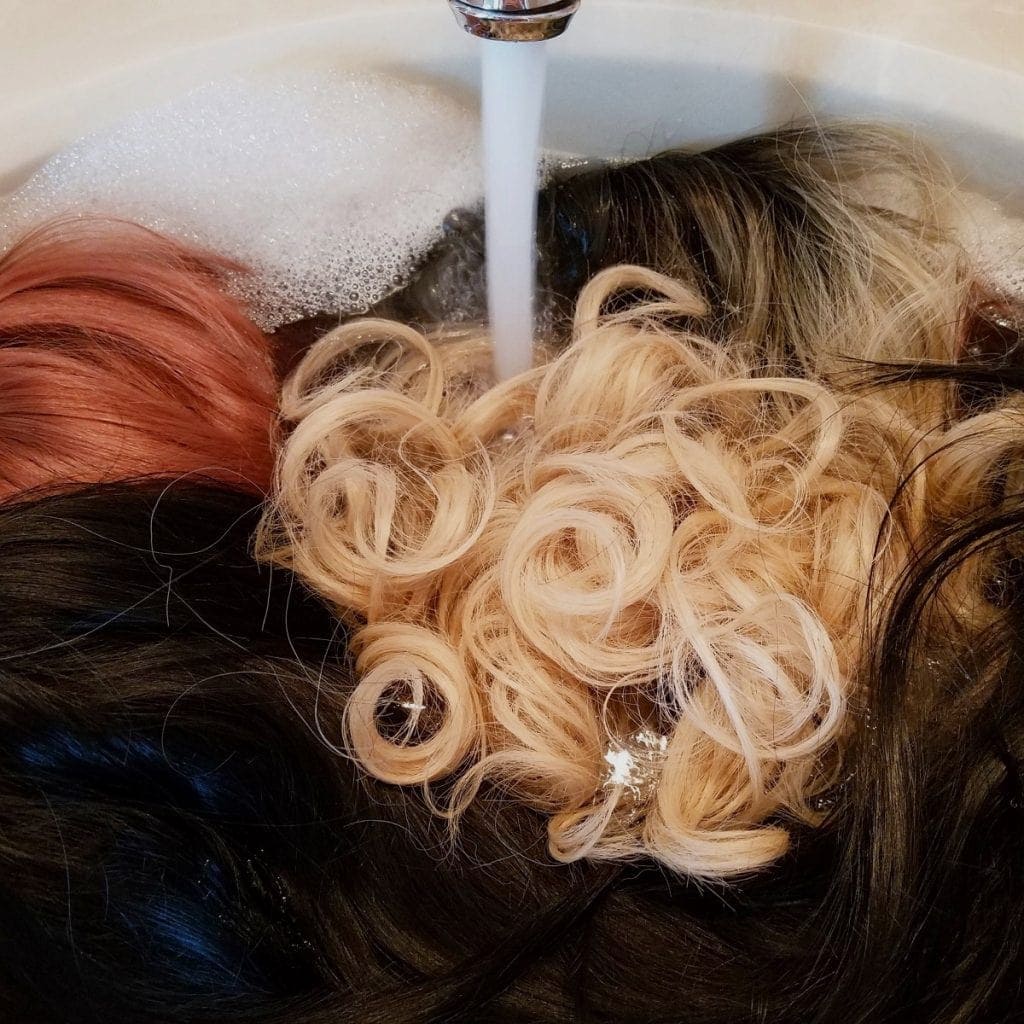
- Prepare the Bath: Fill your basin or sink with cool to lukewarm water (never hot). Mix in a tablespoon of human hair wig shampoo until it gently dissolves.
- Submerge: Gently place the wig into the water, ensuring the water covers the fibers. Do not scrub, swirl, or agitate the hair aggressively.
- The Cleanse: Let the wig soak for 5–10 minutes. Gently swish the wig side-to-side to loosen dirt and product build-up. Focus a light squeeze on the cap area to clean the base where oils accumulate.
For deep cleaning, especially for lace front wigs where makeup residue builds up, you might need to use a soft toothbrush and a dab of specialized cleanser on the lace itself. The integrity of the lace cap is crucial for a natural look, according to recent dermatological studies.
Rinsing and Conditioning
Drain the soapy water. Refill the basin with clean, cool water. Dip the wig in and out until all traces of shampoo are gone. Residual soap can lead to stiffness and buildup.
Apply a small amount of deep conditioner (sulfate-free) to the hair fibers, avoiding the base or cap. If conditioner sits on the knots in the cap, it can loosen them and cause shedding. Leave the conditioner on for 3–5 minutes.
Rinse thoroughly with cool water until the hair feels clean and smooth, but not slippery.
How to Wash Synthetic Wigs Safely (The Key Differences)
Synthetic wigs require less frequent washing (perhaps every 15–20 wears) because the fibers do not absorb natural oils (sebum) from the scalp. However, they are far more sensitive to heat and friction.
The goal when Washing Wigs made of synthetic materials is maintaining the fiber shape and preventing frizz.
Temperature Matters (A Big Difference)
Always use cold water for synthetic wigs. Warm or hot water can irrevocably damage the fibers, causing them to relax and lose their pre-set style (curls or waves).
- The Prep: Fill a basin with cold water and dissolve a small amount of wig-specific shampoo.
- The Wash: Submerge the wig for 5 minutes. Swish gently.
- Rinse: Rinse under a gentle stream of cold water until soap is gone.
- Conditioner (Optional): Many synthetic wigs do not require conditioning. If you choose to use one, ensure it is specifically labeled for synthetic hair and use a small amount only on the lower half of the wig.
The Blot and Air Dry Technique
Never brush a wet synthetic wig, and never rub it with a towel. The friction causes irreversible frizz and fiber damage.
Instead, lay the wig flat on a clean, soft towel. Fold the towel over and gently blot and press to squeeze out excess moisture. Do this until the wig is no longer dripping wet. [Baca Juga: How to Store Wigs Properly]
The Drying Process: Airflow is Your Best Friend
Drying is perhaps the most critical stage for preserving the structure and health of your hairpiece. Avoid placing the wig near direct heat (like radiators, fireplaces, or strong sunlight), as this can damage the cap structure and the hair fibers.
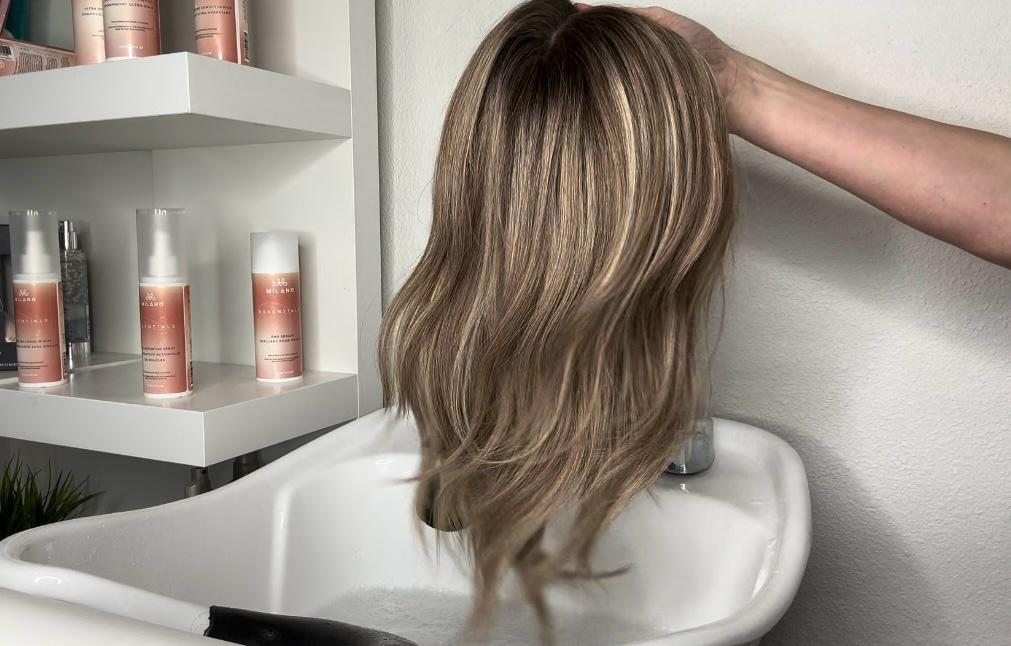
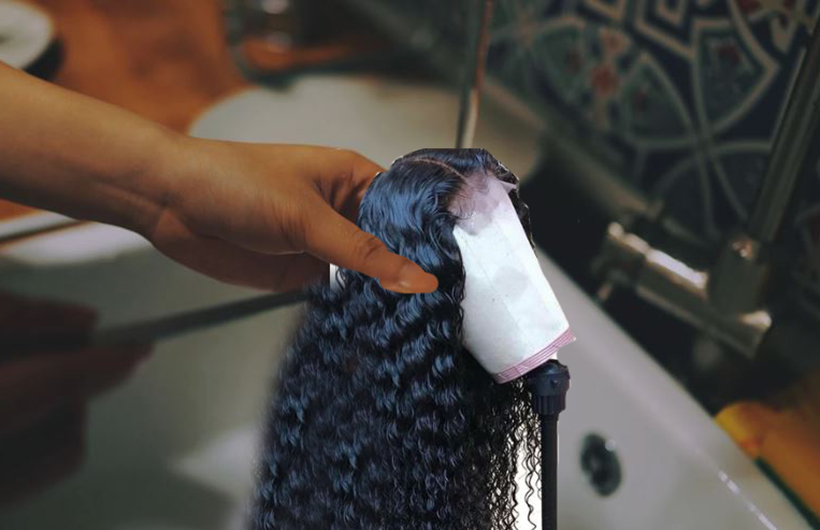
The best method is always air drying on a proper wig stand. A canvas block or folding stand allows air to circulate underneath the cap, ensuring the base dries completely. If the cap stays damp, it can lead to mildew or degradation of the materials. Proper hair care, whether human or synthetic, always prioritizes gentle drying methods.
Styling After the Wash
- Human Hair: Once 80% dry, you may gently blow-dry on a low-heat setting or style as desired.
- Synthetic Hair: Let it air dry completely. Synthetic fibers often "snap back" to their original style once dry. Only use heat tools if your wig is explicitly labeled as "heat-friendly" or "heat-safe."
Remember, a professional wig cleaner or specialist can also provide maintenance if you are unsure about the fabric or complexity of your piece. [Baca Juga: Styling Lace Front Wigs]
Washing Wigs: Human Hair vs. Synthetic Care Comparison
To summarize the key differences in the Washing Wigs process, refer to the table below:
| Feature | Human Hair Wigs | Synthetic Wigs |
|---|---|---|
| Washing Frequency | Every 10–15 wears | Every 15–20 wears |
| Water Temperature | Cool to Lukewarm | Cold Water Only |
| Shampoo Type | Sulfate/Paraben-Free or Wig-Specific | Synthetic-Specific Shampoo |
| Conditioning | Required (avoiding the cap base) | Optional/Only on ends with dedicated product |
| Drying Method | Air dry, low-heat blow dry acceptable | Strictly Air Dry (never heat) |
Conclusion: Simple Maintenance, Stunning Results
Caring for your wig doesn't have to be a complicated, stressful chore. By respecting the fiber type—treating human hair for moisture retention and synthetic hair for shape preservation—you can dramatically extend its lifespan and keep that "fresh out of the box" look.
Remember the golden rule of Washing Wigs: Be gentle, be patient, and always prioritize air drying. A well-maintained wig is a joy to wear!
Frequently Asked Questions (FAQ)
How often should I wash my wig?
It depends on how frequently you wear it and your environment. For regular daily use, human hair wigs usually need washing every 10-15 wears, while synthetic wigs can go 15-20 wears. If you sweat heavily or use a lot of styling product, wash sooner.
Can I use fabric softener to wash my synthetic wig?
While this is a common "hack," we strongly advise against it. Fabric softeners are designed for clothing fibers, not hair fibers. They can leave a heavy, sticky residue that attracts dust and makes the wig look dull faster. Stick to professional wig sprays and shampoos.
Why should I avoid getting conditioner on the wig cap?
Conditioner softens the knots where the hair is tied to the cap (especially in hand-tied or lace wigs). Over time, repeated conditioning on the cap can cause the knots to loosen, leading to excessive shedding and bald spots on the wig. Only apply conditioner mid-shaft to ends.
My wig smells bad even after washing. What am I doing wrong?
The smell is usually caused by mildew or bacterial growth in the cap. This happens when the cap does not dry completely. Ensure the wig is placed on an open stand (not a solid mannequin head) in a well-ventilated area until 100% dry before storing or wearing it. The American Academy of Dermatology recommends proper air circulation for all hairpieces.
Washing Wigs
Washing Wigs Wallpapers
Collection of washing wigs wallpapers for your desktop and mobile devices.

Stunning Washing Wigs Design in 4K
This gorgeous washing wigs photo offers a breathtaking view, making it a perfect choice for your next wallpaper.

High-Quality Washing Wigs Abstract for Your Screen
Explore this high-quality washing wigs image, perfect for enhancing your desktop or mobile wallpaper.

Vibrant Washing Wigs Image Illustration
Explore this high-quality washing wigs image, perfect for enhancing your desktop or mobile wallpaper.

Detailed Washing Wigs Landscape Illustration
Discover an amazing washing wigs background image, ideal for personalizing your devices with vibrant colors and intricate designs.
Stunning Washing Wigs Artwork for Your Screen
Find inspiration with this unique washing wigs illustration, crafted to provide a fresh look for your background.

Mesmerizing Washing Wigs Artwork for Your Screen
Transform your screen with this vivid washing wigs artwork, a true masterpiece of digital design.
High-Quality Washing Wigs Image in 4K
Discover an amazing washing wigs background image, ideal for personalizing your devices with vibrant colors and intricate designs.

Gorgeous Washing Wigs Scene for Desktop
Immerse yourself in the stunning details of this beautiful washing wigs wallpaper, designed for a captivating visual experience.
Amazing Washing Wigs Scene in HD
Explore this high-quality washing wigs image, perfect for enhancing your desktop or mobile wallpaper.
Lush Washing Wigs Landscape Digital Art
Find inspiration with this unique washing wigs illustration, crafted to provide a fresh look for your background.
Lush Washing Wigs Moment Concept
Immerse yourself in the stunning details of this beautiful washing wigs wallpaper, designed for a captivating visual experience.

Artistic Washing Wigs Picture in 4K
Immerse yourself in the stunning details of this beautiful washing wigs wallpaper, designed for a captivating visual experience.

Breathtaking Washing Wigs Moment Nature
Discover an amazing washing wigs background image, ideal for personalizing your devices with vibrant colors and intricate designs.
Crisp Washing Wigs Background in HD
A captivating washing wigs scene that brings tranquility and beauty to any device.

Amazing Washing Wigs Picture in 4K
Explore this high-quality washing wigs image, perfect for enhancing your desktop or mobile wallpaper.

Breathtaking Washing Wigs Abstract Art
Discover an amazing washing wigs background image, ideal for personalizing your devices with vibrant colors and intricate designs.

Gorgeous Washing Wigs Capture Illustration
This gorgeous washing wigs photo offers a breathtaking view, making it a perfect choice for your next wallpaper.

Lush Washing Wigs Capture for Mobile
This gorgeous washing wigs photo offers a breathtaking view, making it a perfect choice for your next wallpaper.

Vibrant Washing Wigs Wallpaper for Desktop
Transform your screen with this vivid washing wigs artwork, a true masterpiece of digital design.

Vivid Washing Wigs Picture Nature
Transform your screen with this vivid washing wigs artwork, a true masterpiece of digital design.
Download these washing wigs wallpapers for free and use them on your desktop or mobile devices.
0 Response to "Washing Wigs"
Post a Comment