Wella T14
Battling Brassy Hair? The Definitive Guide to Using Wella T14 for Flawless Ash Blonde Results
Welcome, fellow color enthusiasts! If you've ever lifted your hair only to find it glowing with the warmth of a pumpkin patch, you know the frustration of brassiness. This is where the magic of toning comes in, and specifically, where the legendary Wella T14 toner steps up to save the day.
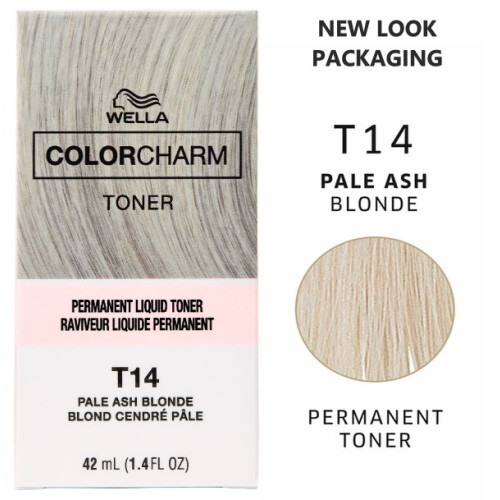
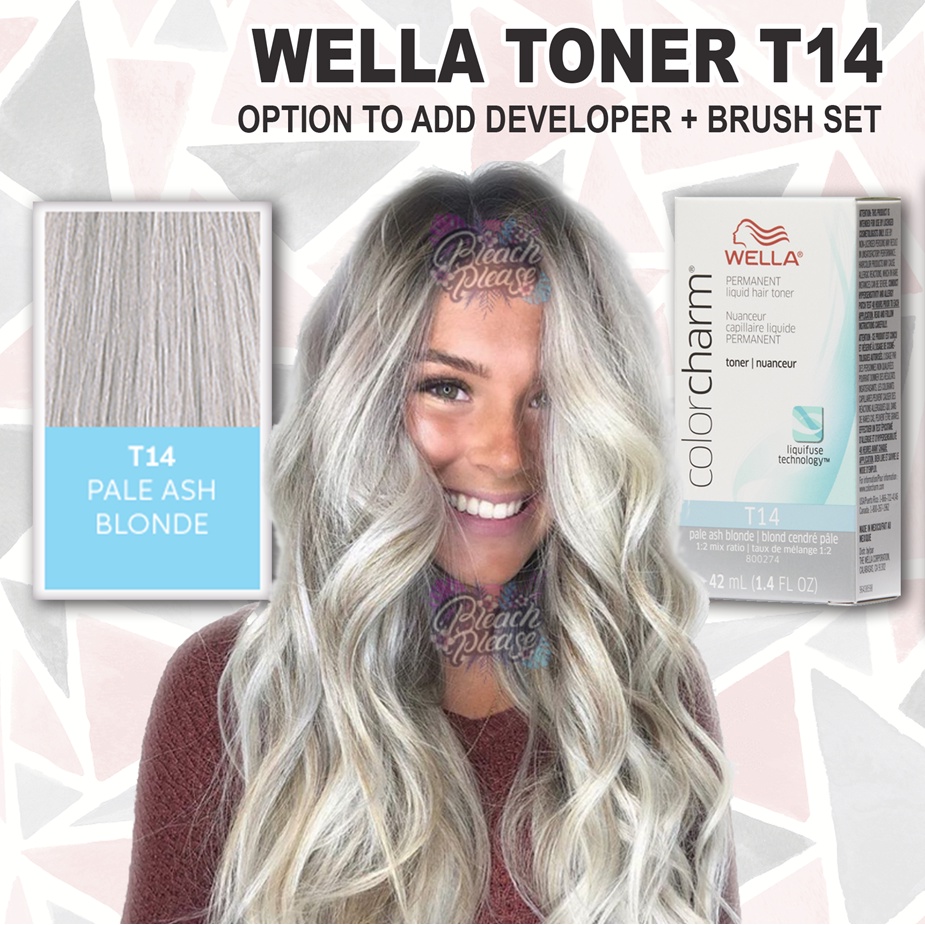
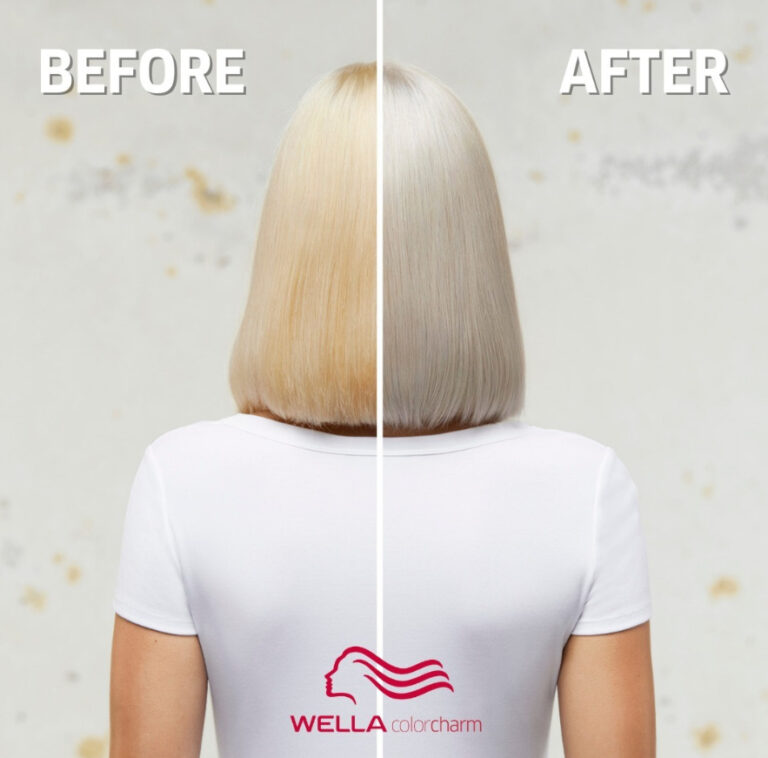
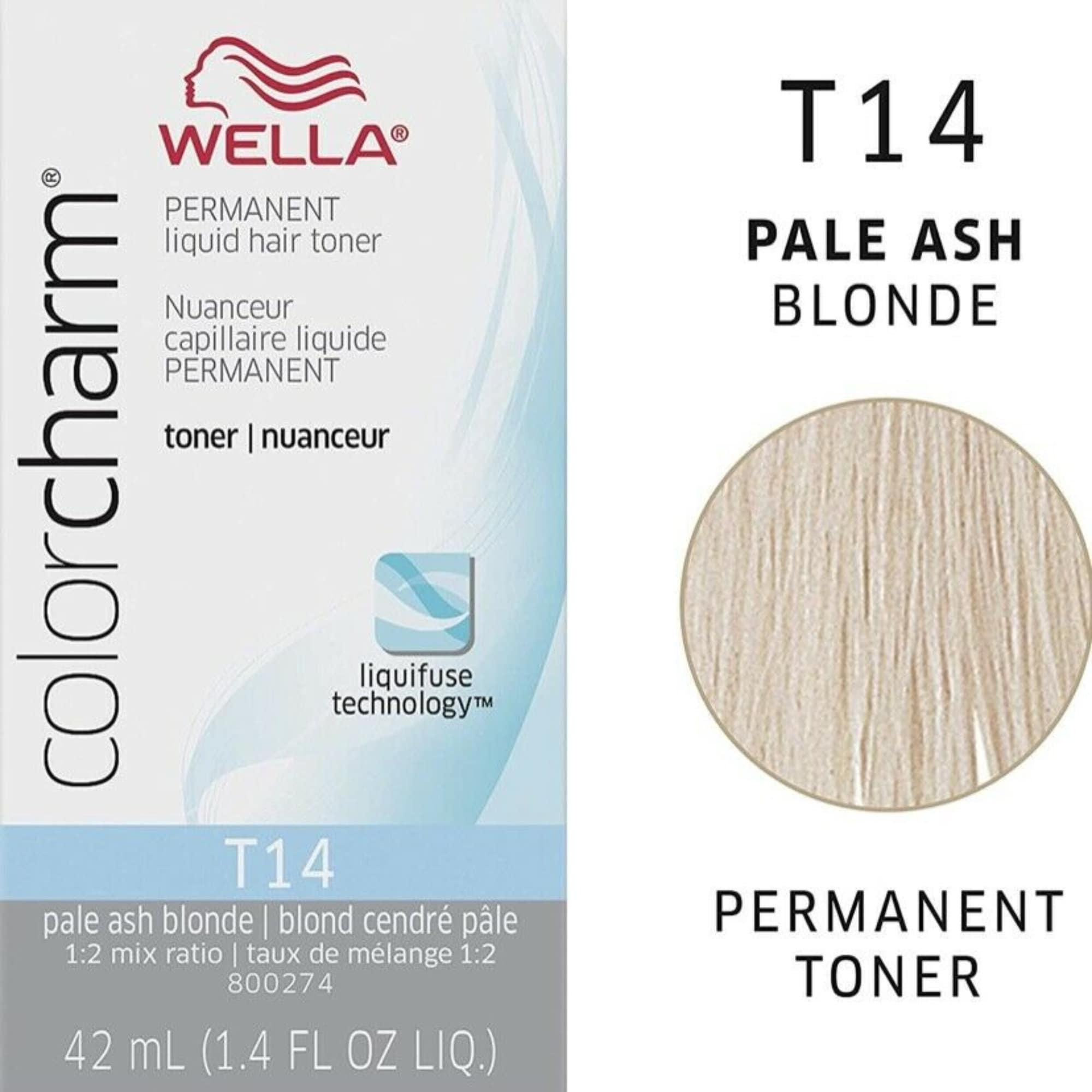
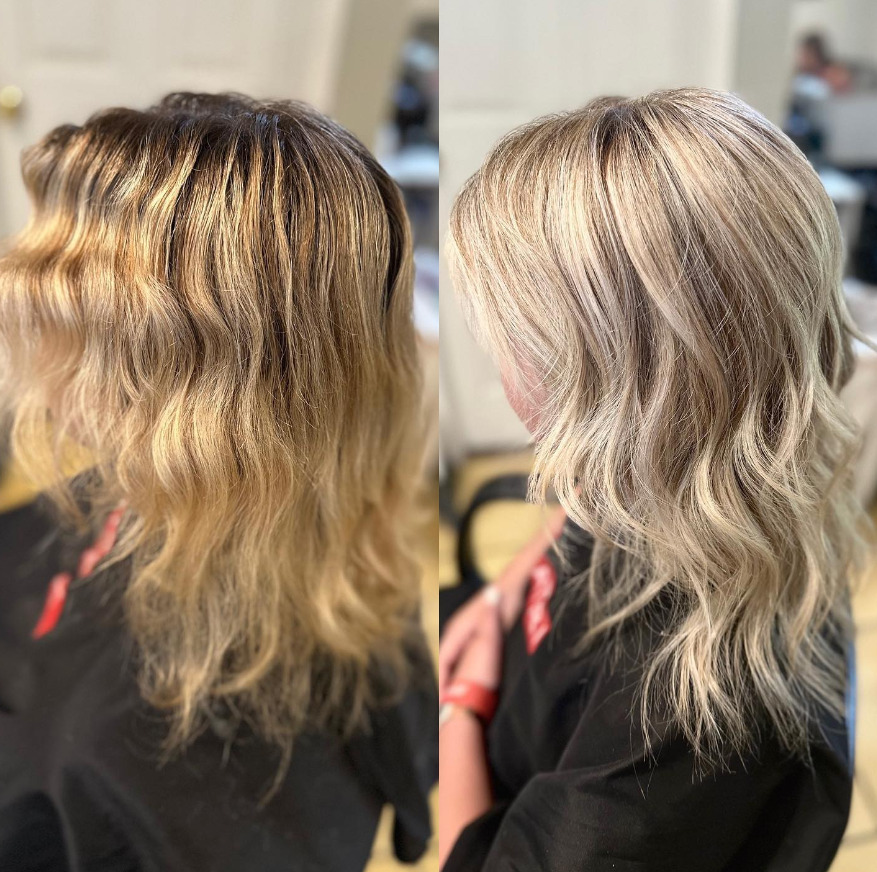
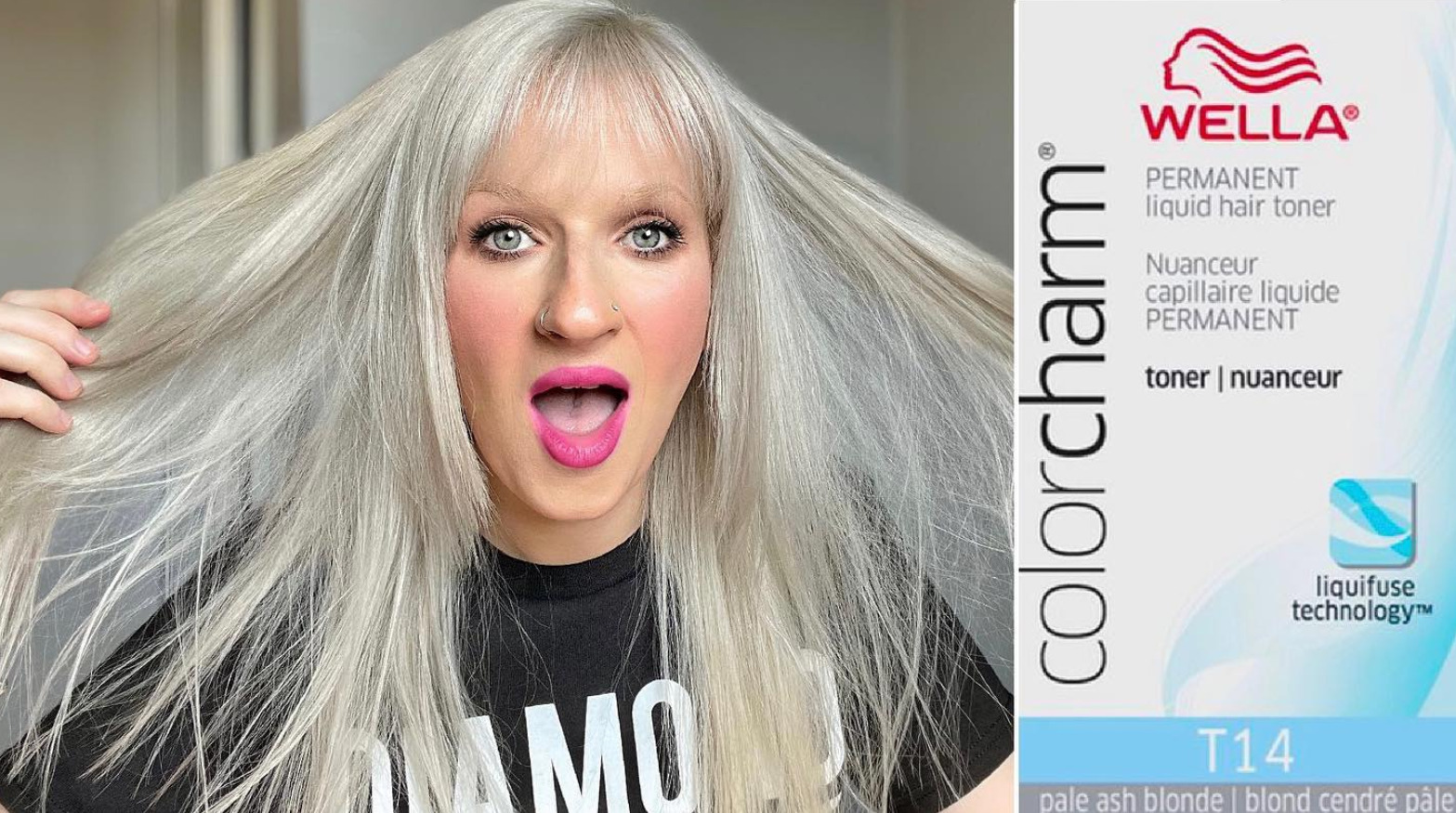
Wella T14, often nicknamed 'Pale Ash Blonde,' is not just a hair dye—it's a carefully formulated solution designed to neutralize unwanted yellow and gold tones, delivering that clean, crisp, cool-toned blonde we all dream of. But achieving this perfect result requires precision. In this deep dive, we'll cover everything from the underlying color science to the exact steps you need to take for a successful tone.
Ready to finally banish the brass and embrace sophisticated ash? Let's get started.
Understanding Wella T14: The Science of Ash Tones
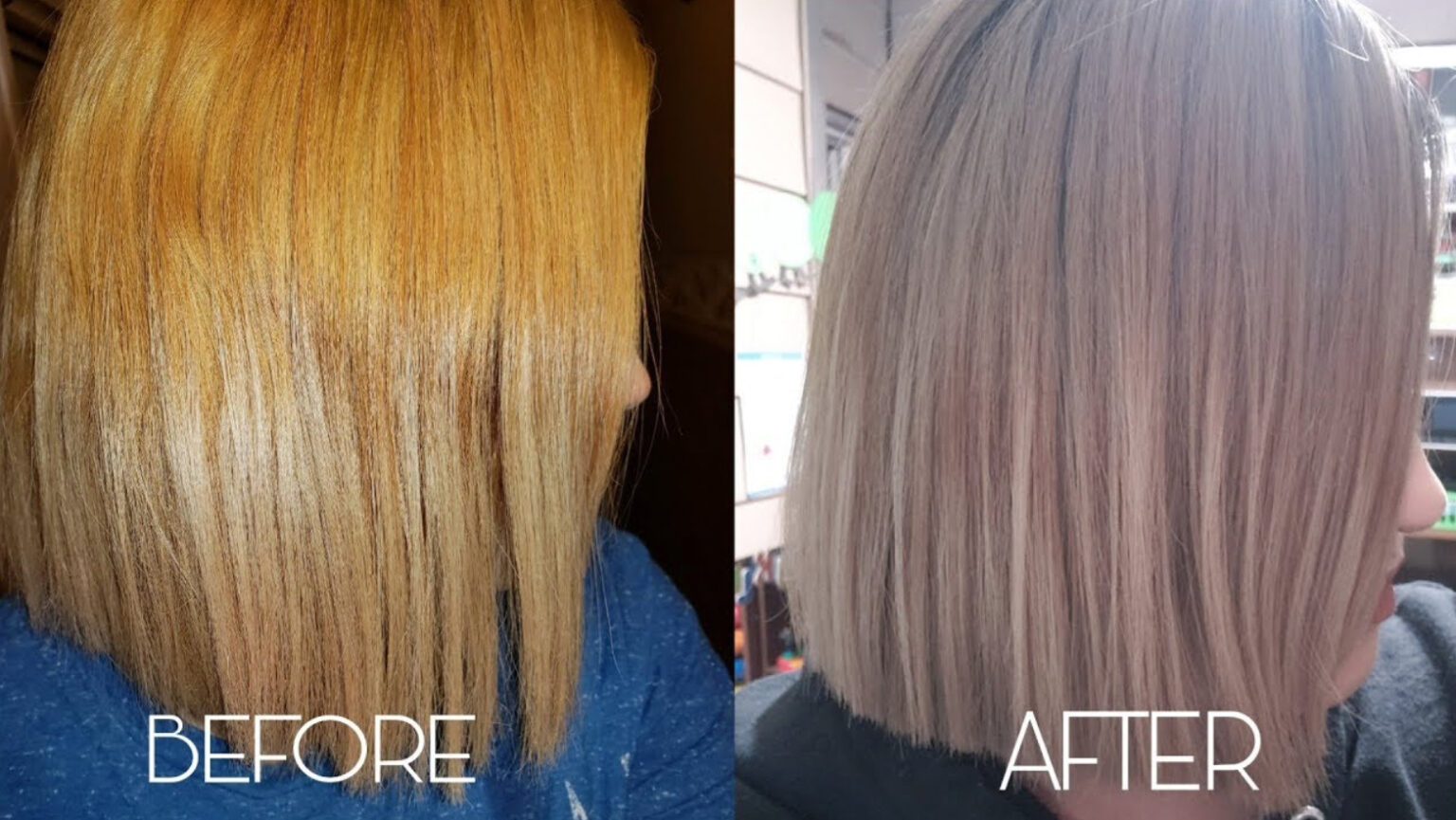
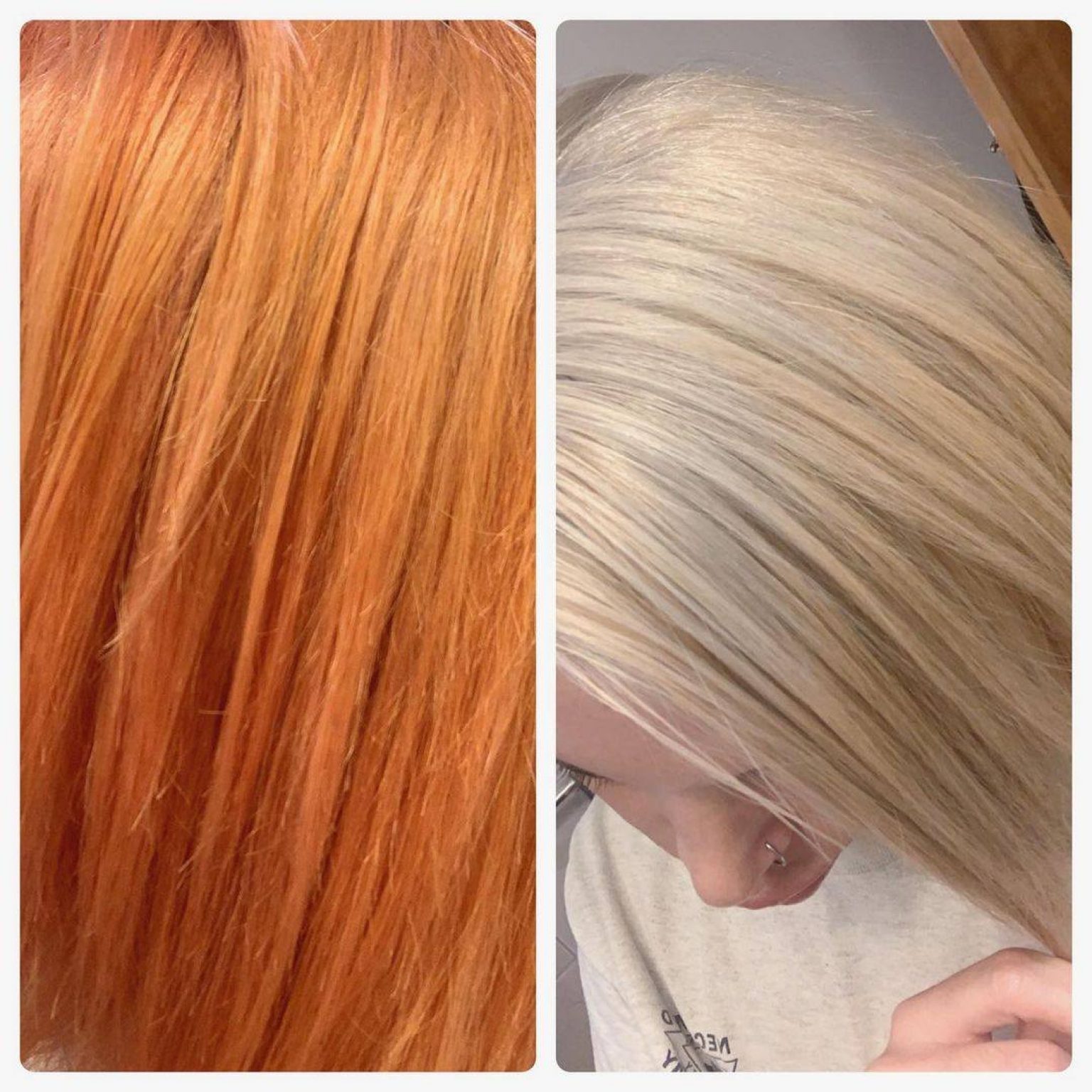
To use Wella T14 effectively, you need to understand *why* it works. Wella T14 is built on color theory. It has a dominant violet-blue base. Remember the color wheel? Violet (purple) cancels out yellow, and blue helps counteract light orange/gold. Since brassy hair typically sits in the yellow-to-pale-gold range, the T14 toner floods the hair cuticle with cool pigments, neutralizing the warmth without significantly lifting the base color.
Who Should Use Wella T14? (And When NOT To)
Wella T14 is highly specialized. It is intended for hair that has already been lifted to a Level 9 or Level 10 (very pale yellow, like the inside of a banana peel). If your hair is darker (Level 7 or 8, more golden/orange), T14 may not have enough pigment strength to fully neutralize the warmth, potentially resulting in a muddy or slightly greenish tone. Always ensure your hair is light enough before applying.
A note on pre-lightening: If your hair is unevenly lifted (some parts yellow, some parts orange), you must address the orange areas first with a specific blue-based toner or a second round of light bleaching before applying T14 universally.
Mixing Ratios Explained: Developer is Key
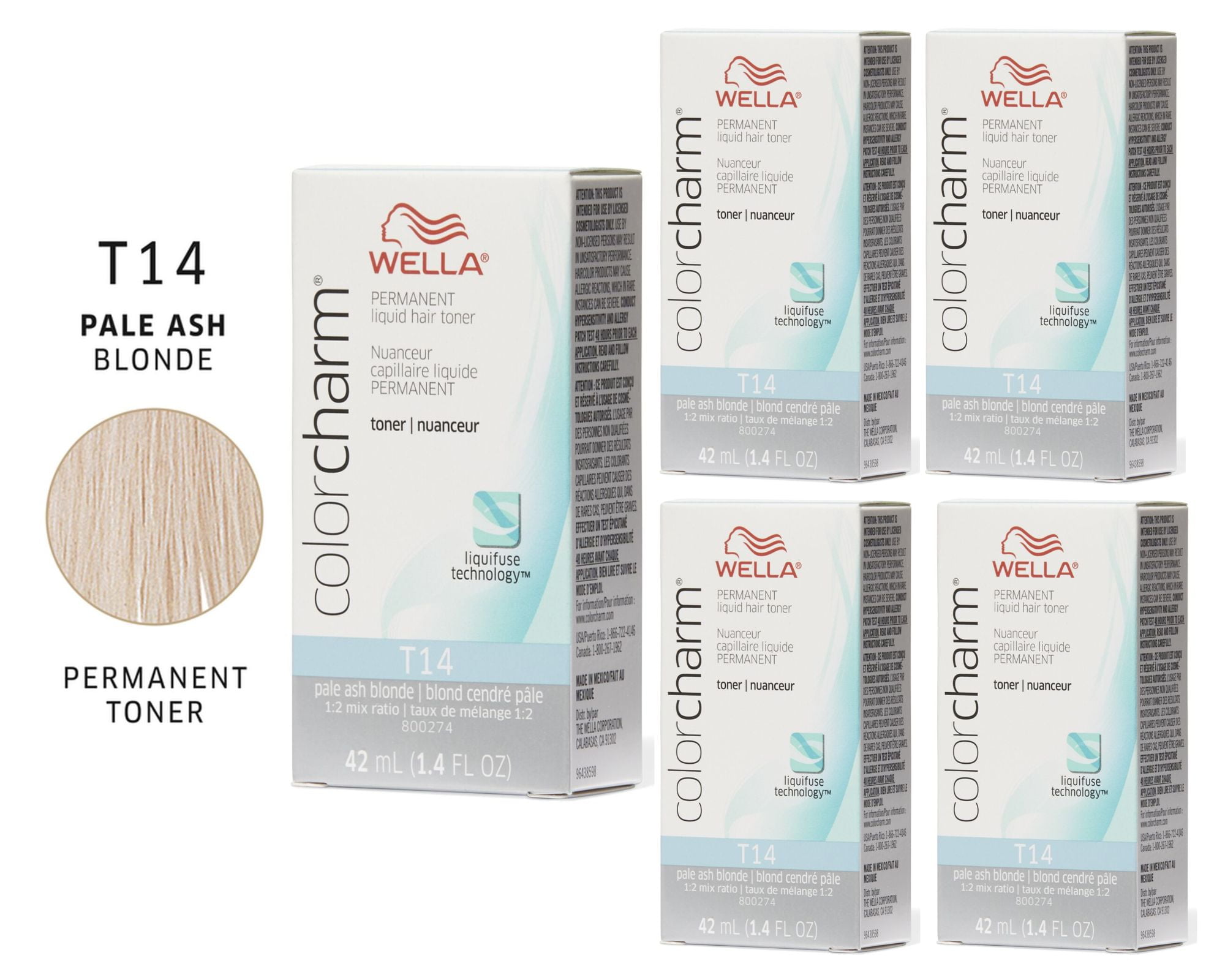
Wella Color Charm Toners, including the T14, require a developer to activate the coloring process. You must use a 1:2 ratio (1 part toner to 2 parts developer). For almost all toning applications, the recommended developer is a low-volume solution, specifically a 20 Volume Developer. While some professionals might use 10 Volume for very porous hair, 20 Volume is the standard as it provides the necessary lift to open the cuticle and deposit the pigment efficiently.
For example, if you use 1 ounce of T14 toner, you must mix it with 2 ounces of 20 Volume Developer. Precision matters here—do not eyeball this step!
Preparation Checklist: Getting Ready to Tone Safely
Toning should always be done on clean, slightly damp hair. Avoid washing your hair immediately before bleaching, but if you are toning straight after bleaching, a quick rinse and towel-dry is ideal. Crucially, toning works best if your hair is free of heavy oils or styling products. A crucial safety step is the patch test, especially if you have sensitive skin.
Required Materials Table (Your Toning Toolkit)
Having all your materials ready ensures a smooth and fast application, which is vital for even toning.
| Material | Purpose | Tip |
|---|---|---|
| Wella Color Charm T14 | The neutralizing pigment. | Buy two bottles if your hair is past shoulder length. |
| 20 Volume Developer | Activates the toner (1:2 ratio). | Ensure it is fresh for best results. |
| Non-Metallic Mixing Bowl | To mix the toner and developer. | Metal reacts with developer, so avoid it. |
| Applicator Brush & Gloves | For precise and clean application. | Wear gloves the entire time—T14 can stain hands purple! |
Step-by-Step Application Guide for Optimal Results
The application process needs to be quick and thorough. Because toners work fast, especially on porous hair, speed ensures even coverage and prevents patchy results. This is where expertise and experience (the E and E in E-E-A-T) come into play.
Step 1: Section Your Hair. Divide your damp, towel-dried hair into four manageable sections (two front, two back). Secure them with clips.
Step 2: Prepare the Mixture. In your non-metallic bowl, measure out the 1:2 ratio of Wella T14 and 20 Volume Developer. Mix until smooth. The mixture might start off looking white/cream, but it will slowly begin to oxidize, often taking on a pale lavender tint—don't worry, that's normal!
Step 3: Apply Strategically. Begin application at the roots and mid-lengths where the brassiness is typically most concentrated. Work quickly from section to section, ensuring saturation. Once roots and mid-lengths are covered, immediately work the mixture through the ends. The ends of the hair are often more porous and grab color faster, so apply there last.
Step 4: Monitor Constantly. This is the most critical step. Do not leave the bathroom! As the toner processes, watch the brassy yellow areas turn progressively cooler. You may see the hair take on a silvery-purple tint—this is the toner doing its job. You are aiming for a pale, cool, light shade.
Timing is Everything: How Long to Leave it On
The total processing time for Wella T14 is up to 30 minutes, but you almost never need the full time. For highly porous hair, the process might be complete in 10-15 minutes. For healthy, virgin blonde hair, you may go closer to 20-25 minutes.
Always trust your eyes over the clock. When the yellow tones are neutralized and you see the desired pale, silvery blonde coming through, rinse immediately. Over-toning is the primary cause of gray or purple hair.
For more detailed information on oxidative coloring processes, you can reference academic resources on hair chemistry: Read about Chemical Hair Coloring on Wikipedia.
Troubleshooting and Aftercare: Maintaining Your Ash Tone
Even with the best preparation, issues can arise. Knowing how to fix them quickly separates a professional job from a DIY disaster.
What to Do If the Toner Turns Purple/Gray
If you see your hair turning dark gray or purple, it means you have over-toned. This is common if you left the product on too long or if your ends were highly porous. Don't panic!
Immediate action: Rinse the hair thoroughly. Use a clarifying shampoo or a strong dandruff shampoo (like Head & Shoulders). Wash the hair aggressively several times. These shampoos are slightly abrasive and can gently lift some of the excess pigment without damaging the hair. This often fades the gray/purple to the desired pale ash color within a day or two.
If the purple/gray is stubborn, you might need a color remover, but try the clarifying shampoo method first.
Ash Blonde Maintenance
Toner is semi-permanent and will fade, especially with frequent washing. To prolong the life of your Wella T14 results:
- Use Sulfate-Free Shampoo: Sulfates strip color quickly. Invest in high-quality color-safe products.
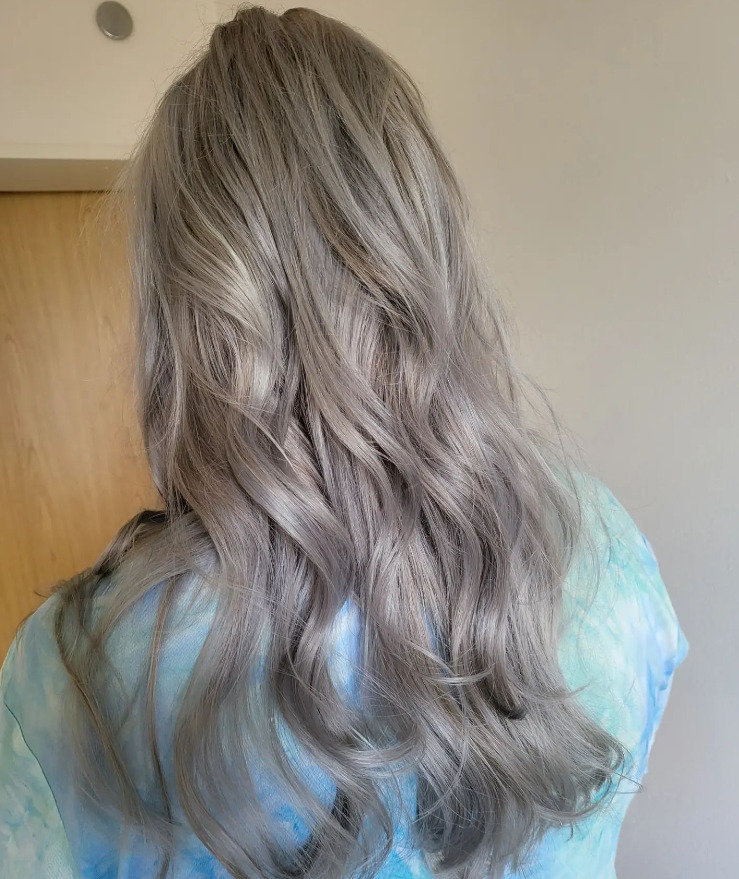
- Incorporate a Purple Shampoo: Once or twice a week, use a high-quality violet-pigmented shampoo (like the Wella T18's cousin products) to deposit tiny amounts of corrective pigment and keep the yellow away.
- Minimize Heat Styling: High heat can cause pigments to oxidize and shift back to warmer tones.
For advice on general hair damage prevention, look into professional product lines and their ingredients. Learn more about the science of hair bleaching and structure.
Are you struggling with red or orange undertones instead of just yellow? [Baca Juga: Wella T18 vs Wella T14 Comparison Guide]
Conclusion: Master the T14 and Achieve Hair Nirvana
The Wella T14 toner is a powerful weapon against brassiness, but like any strong chemical tool, it demands respect and accuracy. By ensuring your hair is lifted to the correct level, adhering strictly to the 1:2 mixing ratio, and, most importantly, monitoring the processing time constantly, you can leverage the violet-blue base of T14 to achieve salon-quality, flawless ash blonde hair at home. Happy toning!
We highly recommend sourcing your products from reputable retailers to ensure authenticity and efficacy. Check the Official Wella Website for product verification.
Frequently Asked Questions (FAQ) about Wella T14
These are the questions we hear most often from first-time users of the Wella T14 toner:
- Can I use Wella T14 on brown hair?
No. T14 is a toner designed to work on pre-lightened, very pale hair (Level 9-10). It does not have enough lifting power to make a noticeable difference on brown hair. It would likely just add a subtle cool sheen or appear patchy.
- Is T14 stronger than T18?
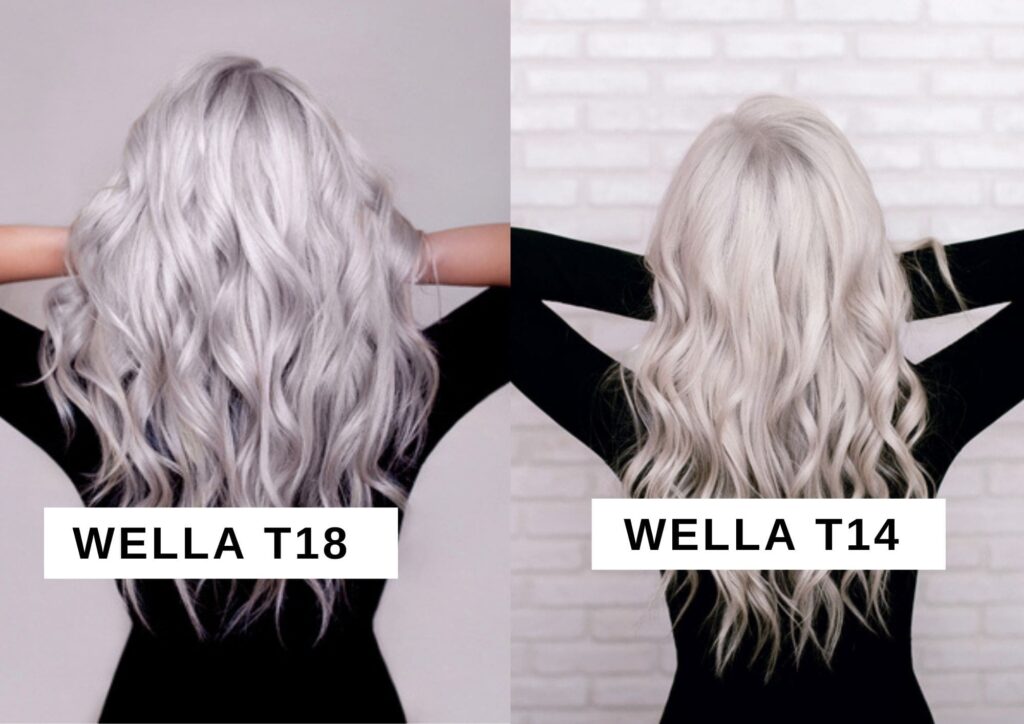
T14 has a stronger violet-blue pigment base, making it highly effective at tackling strong yellow tones. T18 ('Lightest Ash Blonde') has a stronger violet base and is better for dealing with extremely pale yellow or nearly white hair. If your hair is visibly yellow, T14 is often the better choice.
- How often can I use Wella T14?
You should only use T14 when you notice significant brassiness returning, which usually takes 4-8 weeks depending on your washing frequency. Using it too often, especially on compromised hair, can lead to over-pigmentation (a grayish cast) or dryness. Opt for purple shampoos in between toning sessions.
- Do I need to bleach my hair before using Wella T14?
Yes. Toning is the second step after lightening. T14 cannot lighten dark hair; it can only adjust the undertones of hair that has already been bleached to the Level 9 or 10 required for ash results.
[Baca Juga: Top 5 Sulfate-Free Shampoos for Ash Blonde Maintenance]
Wella T14
Wella T14 Wallpapers
Collection of wella t14 wallpapers for your desktop and mobile devices.
Vivid Wella T14 Abstract Digital Art
Transform your screen with this vivid wella t14 artwork, a true masterpiece of digital design.
Vibrant Wella T14 Photo Photography
Discover an amazing wella t14 background image, ideal for personalizing your devices with vibrant colors and intricate designs.
Vivid Wella T14 Image Collection
Transform your screen with this vivid wella t14 artwork, a true masterpiece of digital design.
Captivating Wella T14 Photo Concept
Find inspiration with this unique wella t14 illustration, crafted to provide a fresh look for your background.

Beautiful Wella T14 Design Art
Experience the crisp clarity of this stunning wella t14 image, available in high resolution for all your screens.
Artistic Wella T14 Artwork Digital Art
Find inspiration with this unique wella t14 illustration, crafted to provide a fresh look for your background.
Breathtaking Wella T14 Scene Nature
Explore this high-quality wella t14 image, perfect for enhancing your desktop or mobile wallpaper.
Captivating Wella T14 Moment Nature
Find inspiration with this unique wella t14 illustration, crafted to provide a fresh look for your background.

Breathtaking Wella T14 Image in 4K
Transform your screen with this vivid wella t14 artwork, a true masterpiece of digital design.
Vivid Wella T14 Capture for Desktop
Experience the crisp clarity of this stunning wella t14 image, available in high resolution for all your screens.
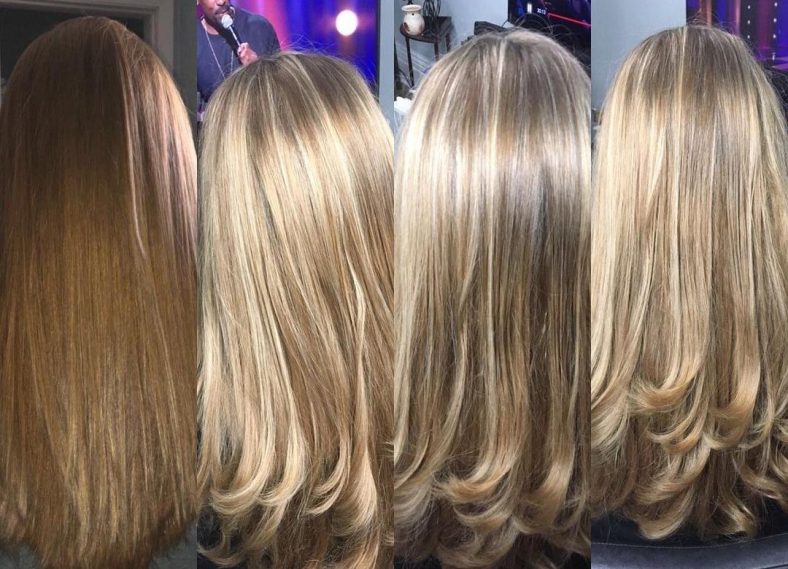
Artistic Wella T14 Artwork for Your Screen
A captivating wella t14 scene that brings tranquility and beauty to any device.
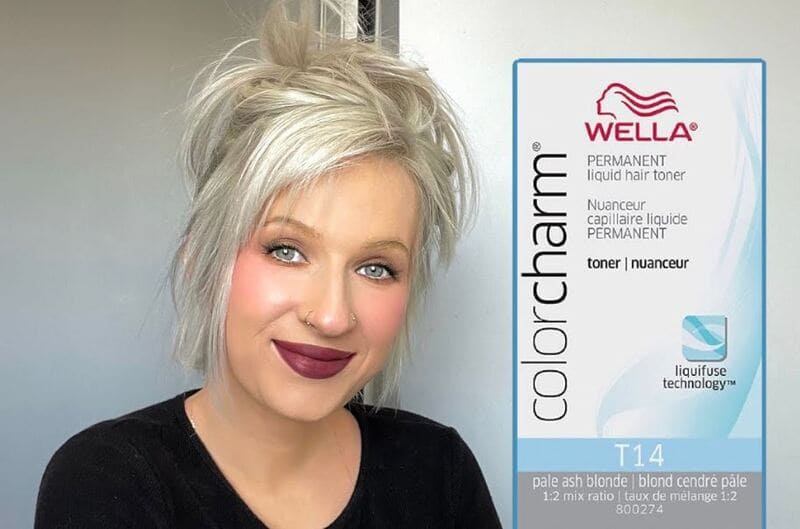
Captivating Wella T14 Image Nature
Find inspiration with this unique wella t14 illustration, crafted to provide a fresh look for your background.
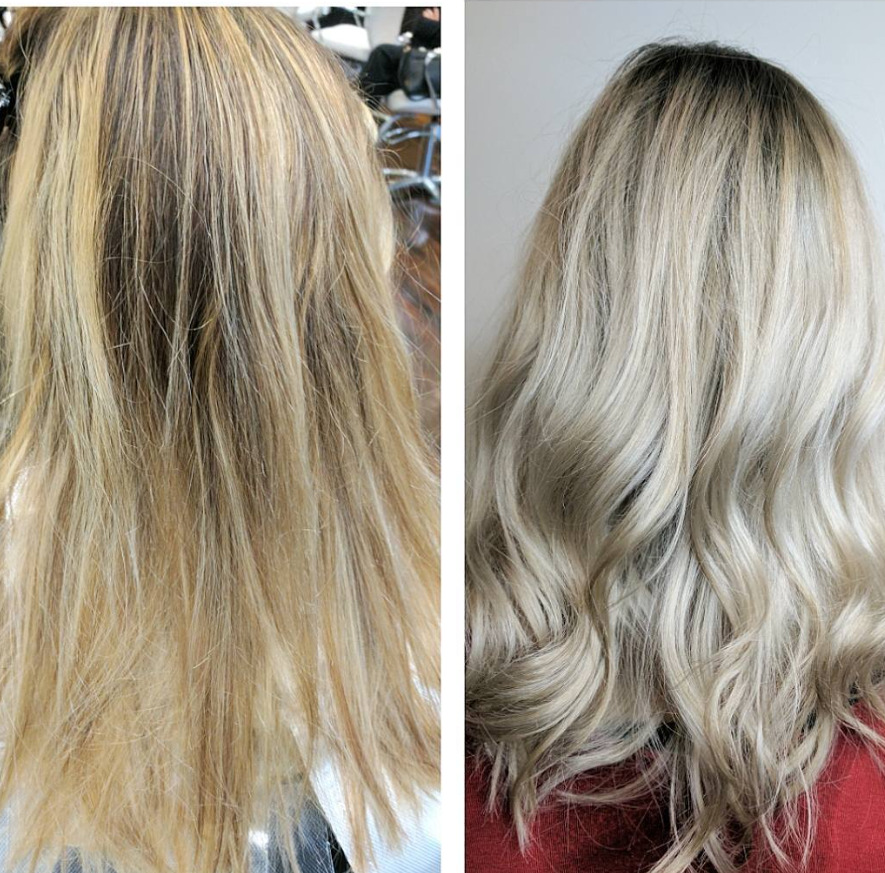
Vibrant Wella T14 Capture for Desktop
Transform your screen with this vivid wella t14 artwork, a true masterpiece of digital design.

Mesmerizing Wella T14 Picture Illustration
Transform your screen with this vivid wella t14 artwork, a true masterpiece of digital design.
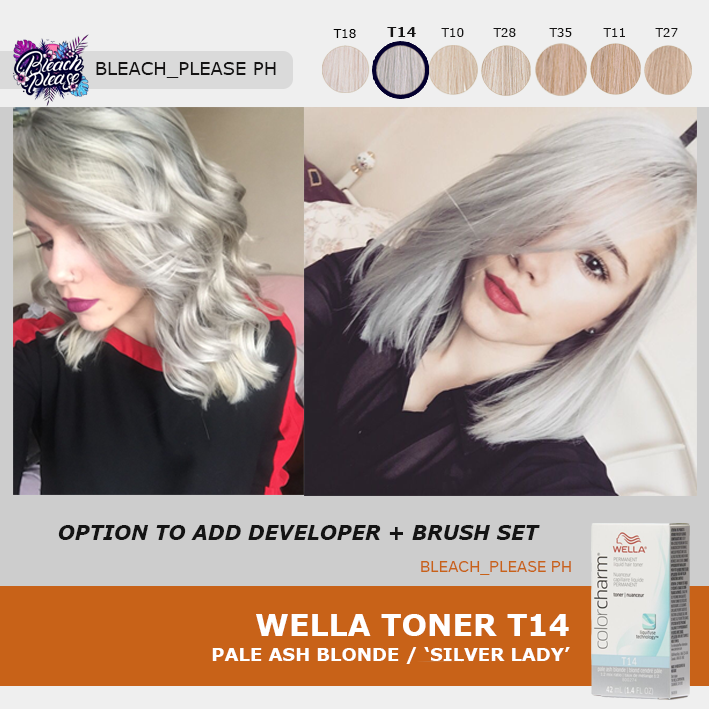
Vivid Wella T14 Wallpaper Illustration
Explore this high-quality wella t14 image, perfect for enhancing your desktop or mobile wallpaper.
Artistic Wella T14 Artwork Collection
Find inspiration with this unique wella t14 illustration, crafted to provide a fresh look for your background.

Spectacular Wella T14 Image in HD
This gorgeous wella t14 photo offers a breathtaking view, making it a perfect choice for your next wallpaper.
Beautiful Wella T14 Wallpaper for Your Screen
Discover an amazing wella t14 background image, ideal for personalizing your devices with vibrant colors and intricate designs.

Dynamic Wella T14 Landscape Digital Art
A captivating wella t14 scene that brings tranquility and beauty to any device.
Gorgeous Wella T14 Design for Desktop
This gorgeous wella t14 photo offers a breathtaking view, making it a perfect choice for your next wallpaper.
Download these wella t14 wallpapers for free and use them on your desktop or mobile devices.
0 Response to "Wella T14"
Post a Comment