Pink And Orange Hair
How to Master Pink and Orange Hair: Achieving the Perfect Sunset Look Without Disaster
The pink and orange hair trend is more than just a fleeting fad; it is a vibrant, custom expression of creativity. Often referred to as the "sunset" or "creamsicle" hair trend, this stunning color combination requires careful planning, deep understanding of color theory, and diligent maintenance.
If you are ready to swap boring browns and predictable blondes for a fiery, unforgettable look, you've come to the right place. We will walk you through everything, from the essential preparation steps to the expert techniques needed to nail that seamless blend of pink and orange hair, ensuring your result is salon-quality, not DIY disaster.
Let's dive into creating your perfect gradient masterpiece.
Preparation is Key: Bleaching and Color Selection
Before any fun color application, the canvas must be prepared. Achieving vivid, true-to-tone pink and orange hair requires lifting your existing color to a very pale yellow (Level 9 or 10 blonde). Skipping this step is the fastest route to muddy or patchy results.
If your hair is currently dark or has old dye on it, consultation with a professional stylist is highly recommended to assess the structural integrity of your hair before bleaching (Read more on the chemistry of hair bleaching).
Assessing Your Base Level
Orange and hot pink are forgiving colors compared to pastels, but they still need a clean base. If your base color is too yellow, the orange will look brassy, and the pink might pull slightly peachy. The cleaner the blonde, the brighter and truer the resulting shade will be.
Choosing the Right Pigment Power
Not all dyes are created equal. Since orange pigment tends to fade faster than pink, choosing highly saturated, semi-permanent professional dyes is essential for longevity. Consider how the two shades will interact where they meet:
- A true orange and a warm, magenta pink will blend into a beautiful fiery red-orange where they overlap.
- A neon orange and a cool-toned bubblegum pink might clash or create a muddy transition zone if the blending isn't perfect.
Always perform a strand test first. This single step saves countless hours of correction.
Mastering the Blend: Techniques for Seamless Pink and Orange Hair
The beauty of this trend lies in the way the colors transition. You have two primary technical approaches when applying pink and orange hair dye:
Split Dye vs. Ombré/Balayage
Split Dye: This is the most straightforward technique. You divide the hair precisely down the middle (or horizontally, like a dip-dye). One half is pink, the other half is orange. This creates a bold, graphic contrast.
Ombré/Balayage Fusion: This is much more complex, but yields the coveted "sunset" effect. You typically start with the darker, warmer orange at the roots or base, graduating seamlessly into the lighter pink toward the mid-lengths and ends (or vice versa).
To achieve a perfect ombré fusion, apply the first color (e.g., orange) generously. Then, apply the second color (pink). Where the two colors meet, use a clean tint brush or gloved hands to gently rub the pigments together in small vertical strokes. This gentle friction helps diffuse the line and create a third, transitional color.
The Saturation Rule
Never skimp on the dye. Semi-permanent dyes need to be fully saturated into the hair shaft for maximum intensity. Use a thick application, massaging the product in thoroughly, especially in the transition zone.
[Baca Juga: 7 Tips Menguasai Teknik Pewarnaan Rambut Vibrant]
Inspiration Gallery: Top Pink and Orange Hair Styles
The beauty of the pink and orange combination is its versatility. It works on every hair length and texture. Here are a few style ideas to inspire your next transformation:
Neon Dream High Contrast
This look uses electric, highly pigmented neon shades. It works best with a distinct split-dye application or a strong color blocking technique on blunt cuts. The goal is maximum visual impact and immediate attention. Think deep, fiery orange meeting vibrant hot pink.
Soft Pastel Fusion
For a more delicate approach, opt for pastel versions of the shades—a soft peach and a gentle blush pink. These subtle shades melt beautifully into each other, creating a soft, ethereal vibe reminiscent of a morning sunrise. This is easier to achieve on Level 10+ bleached hair.
Hidden Pop of Color
If you want the trend without the full commitment, apply the pink and orange hair colors only to the under layers of your hair. When your hair is down, the color is subtly hidden, but when styled in a half-updo or braid, the vibrant combination bursts through.
Maintenance Secrets: Keeping Your Sunset Look Vivid
Vibrant colors are notorious for fading, and the speed at which orange fades compared to pink can lead to an unbalanced look over time. Diligent aftercare is non-negotiable if you want your pink and orange hair to stay vibrant for more than a few weeks.
Washing Guidelines (The Cool Water Rule)
The heat is the enemy of vivid hair dye. Always wash your hair with the coolest water you can tolerate. Hot water aggressively opens the hair cuticle, allowing pigment molecules to escape rapidly. Limit washing to 1-2 times per week if possible, utilizing dry shampoo in between.
Sulfate-Free Products Only
Sulfate detergents strip color quickly. Invest in high-quality, color-safe, sulfate-free shampoos and conditioners. Ideally, you should also be using color-depositing conditioners formulated in pink and orange tones to top up the pigment every third wash.
We cannot stress this enough: The fading process of vivid dyes is inevitable (Source: Research on hair color fading kinetics). Your routine must focus on slowing down that process.
Essential Maintenance Schedule
This table outlines a sample proactive maintenance plan to keep your pink and orange hair looking fresh:
| Action | Frequency | Why? |
|---|---|---|
| Wash with cool water | Every wash | Minimizes cuticle opening and pigment loss. |
| Apply color-depositing conditioner | Every 1-2 weeks | Refreshes pigments, especially the faster-fading orange. |
| Deep Conditioning Treatment | Once a week | Rehydrates hair damaged by bleaching; sealed cuticles hold color better. |
| Avoid heat styling/UV exposure | Daily | Heat and sun degrade artificial pigments rapidly. |
[Baca Juga: The Ultimate Guide to Maintaining Vivid Hair Color Longevity]
Conclusion
Pink and orange hair is a show-stopping look that demands attention—and a commitment to excellent hair health. By ensuring a clean canvas through proper bleaching, utilizing strategic blending techniques, and adhering to a strict color maintenance routine, you can confidently sport this iconic sunset style.
It's a powerful combination that reflects confidence and creativity. Go bold, have fun, and enjoy the vibrancy (Check FDA guidelines on hair dye safety)!
Frequently Asked Questions (FAQ)
- How long does pink and orange hair typically last?
Vivid semi-permanent colors generally last between 4 to 8 weeks, depending heavily on the porosity of your hair and your washing frequency. Orange pigment usually fades faster than pink, so expect to touch up the orange side sooner.
- Can I achieve this look without bleaching my hair?
Only if your hair is already a very light blonde (Level 9 or 10). If you have natural brown or dark hair, the dye pigments will not show up as intended; they may simply leave a muted reddish or muddy tint. Bleaching is almost always necessary for this level of vibrancy.
- What happens when the colors fade?
As the colors fade, they will become lighter and pastelized. Pink often fades to a pale blush, while orange fades to a light peach or soft apricot. If the initial base wasn't perfectly white-blonde, the fade might reveal some underlying yellow tones.
- Is it better to apply the dye to wet or dry hair?
For maximum saturation and color longevity with semi-permanent dyes, it is strongly recommended to apply the dye to dry, clean hair. Dry hair absorbs the pigment more efficiently than hair that is already saturated with water.
Pink And Orange Hair
Pink And Orange Hair Wallpapers
Collection of pink and orange hair wallpapers for your desktop and mobile devices.

Serene Pink And Orange Hair Scene Collection
Explore this high-quality pink and orange hair image, perfect for enhancing your desktop or mobile wallpaper.

Lush Pink And Orange Hair Background for Desktop
Find inspiration with this unique pink and orange hair illustration, crafted to provide a fresh look for your background.
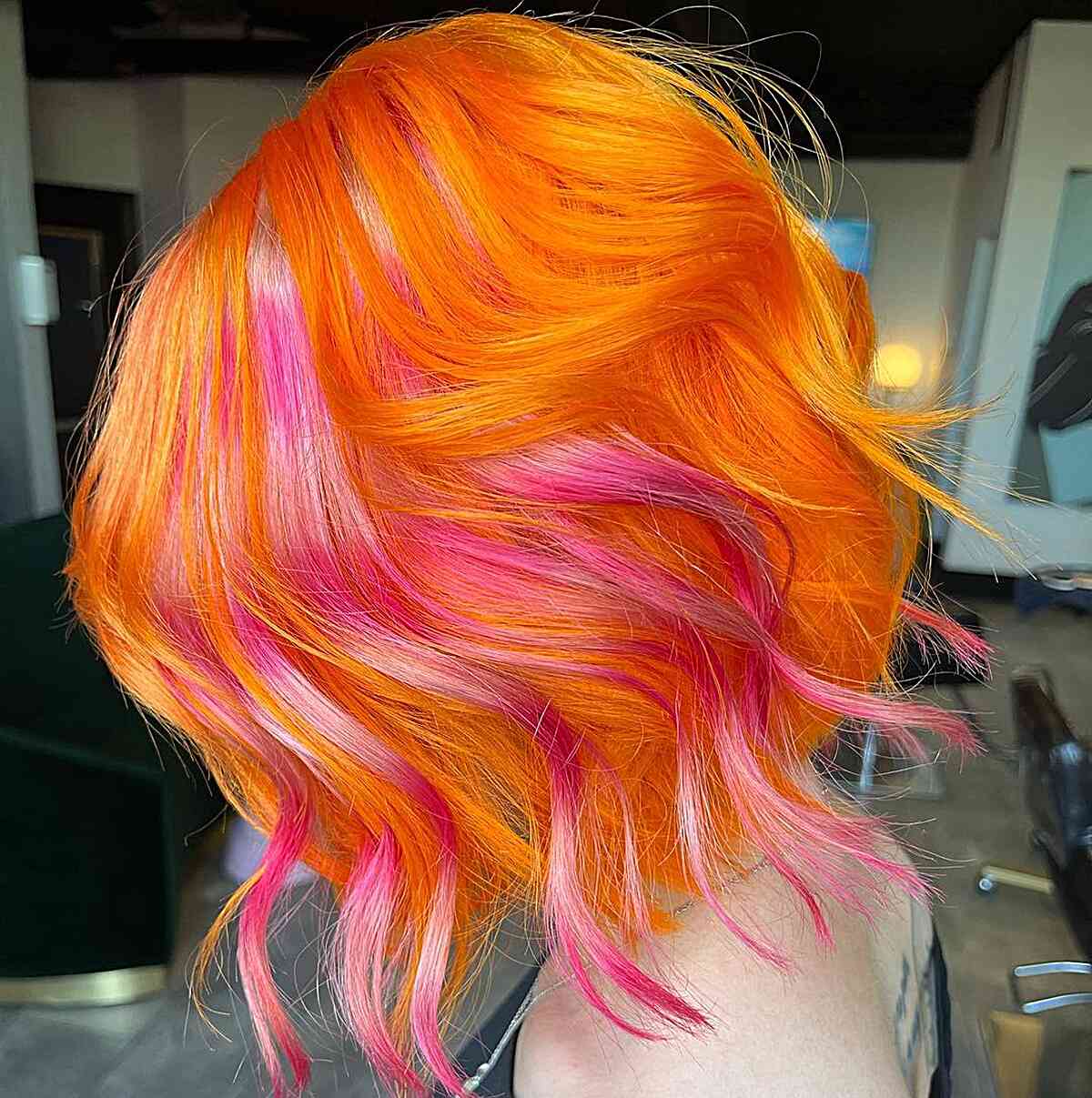
Exquisite Pink And Orange Hair Design for Your Screen
A captivating pink and orange hair scene that brings tranquility and beauty to any device.
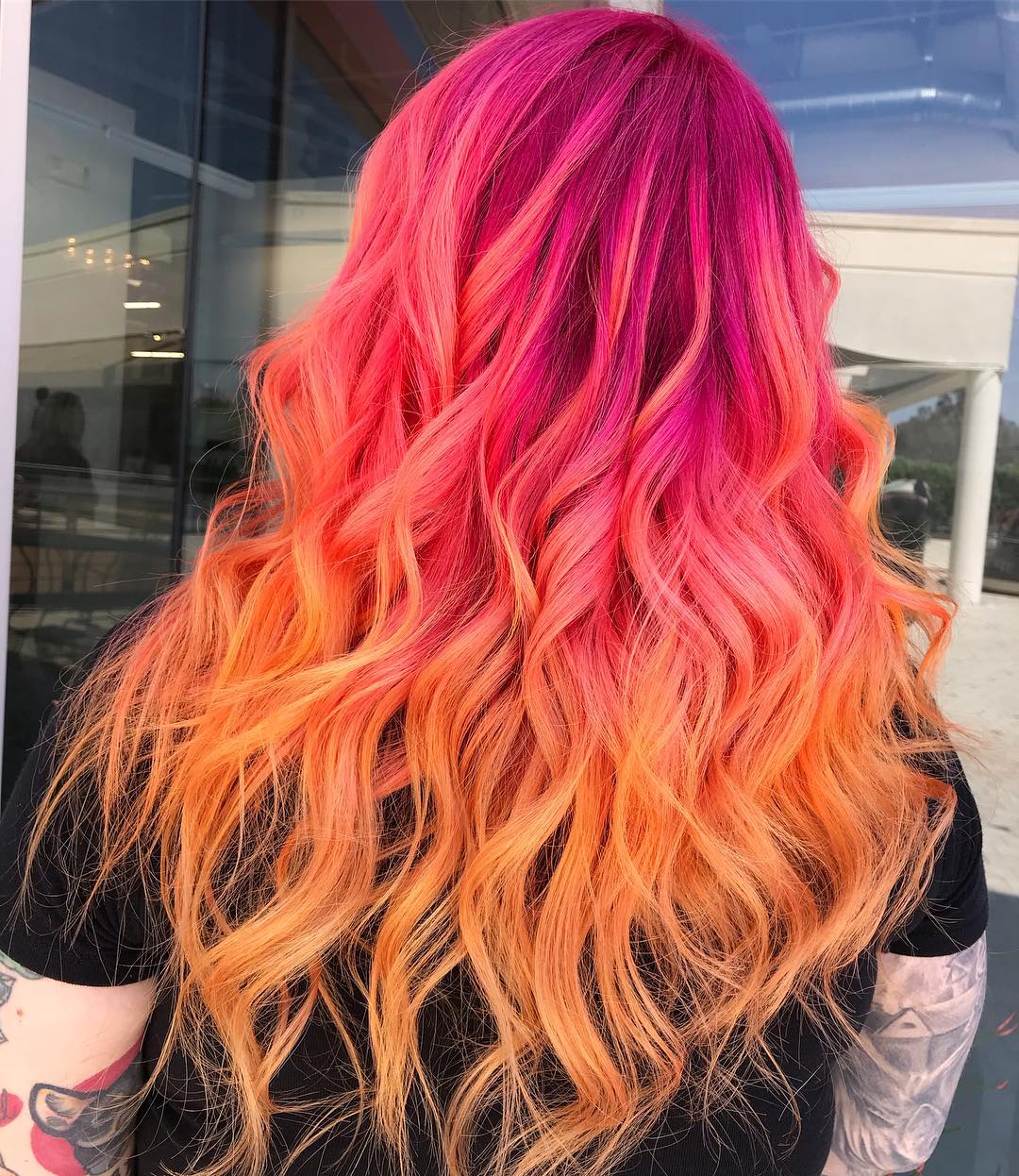
Artistic Pink And Orange Hair Design in 4K
This gorgeous pink and orange hair photo offers a breathtaking view, making it a perfect choice for your next wallpaper.

Artistic Pink And Orange Hair Image Illustration
A captivating pink and orange hair scene that brings tranquility and beauty to any device.

Mesmerizing Pink And Orange Hair Wallpaper Photography
Explore this high-quality pink and orange hair image, perfect for enhancing your desktop or mobile wallpaper.
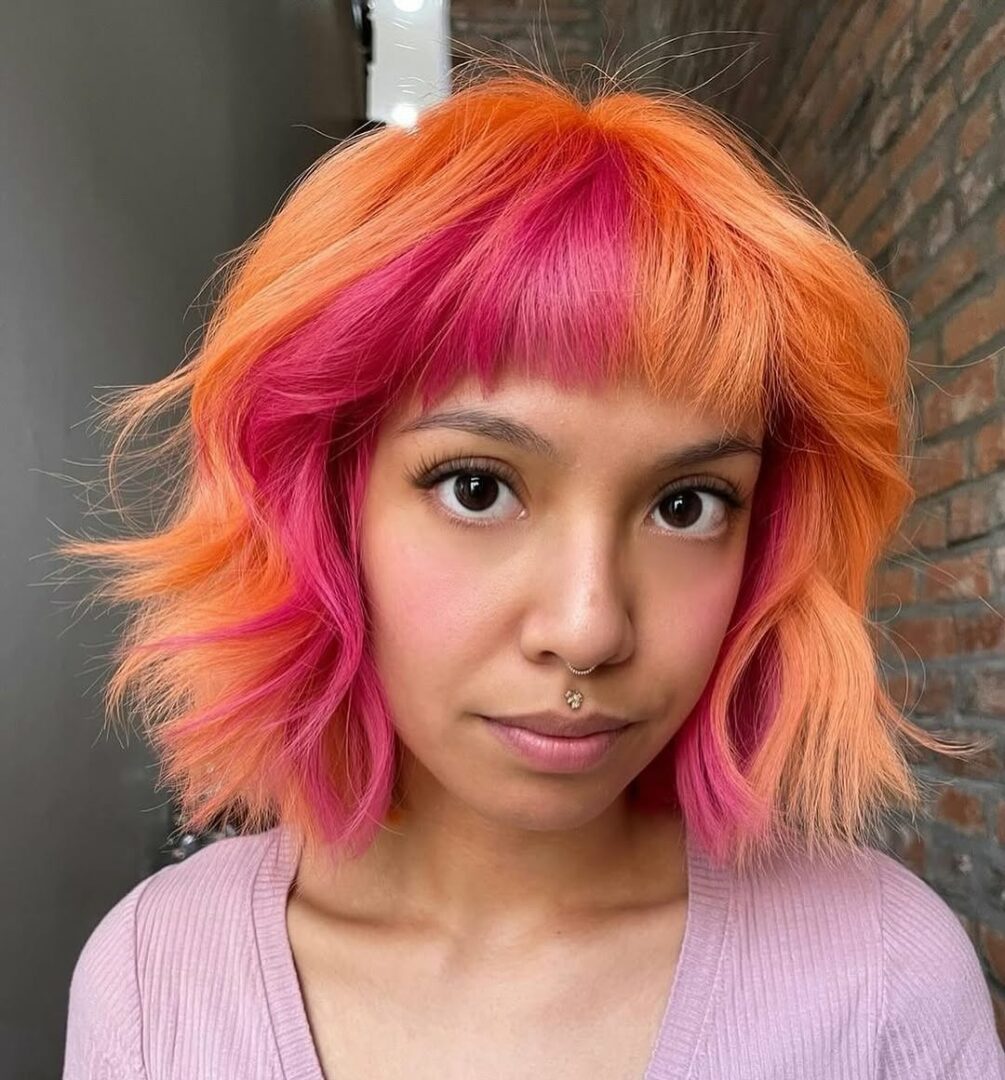
Beautiful Pink And Orange Hair Capture Nature
Discover an amazing pink and orange hair background image, ideal for personalizing your devices with vibrant colors and intricate designs.

Vivid Pink And Orange Hair Image in 4K
Discover an amazing pink and orange hair background image, ideal for personalizing your devices with vibrant colors and intricate designs.

Gorgeous Pink And Orange Hair Background in 4K
A captivating pink and orange hair scene that brings tranquility and beauty to any device.

Vivid Pink And Orange Hair Capture Concept
Discover an amazing pink and orange hair background image, ideal for personalizing your devices with vibrant colors and intricate designs.

Captivating Pink And Orange Hair View Concept
Find inspiration with this unique pink and orange hair illustration, crafted to provide a fresh look for your background.

Detailed Pink And Orange Hair Scene Art
Discover an amazing pink and orange hair background image, ideal for personalizing your devices with vibrant colors and intricate designs.

Vibrant Pink And Orange Hair View for Desktop
Explore this high-quality pink and orange hair image, perfect for enhancing your desktop or mobile wallpaper.

Crisp Pink And Orange Hair Abstract for Mobile
Find inspiration with this unique pink and orange hair illustration, crafted to provide a fresh look for your background.

Mesmerizing Pink And Orange Hair Image for Mobile
Transform your screen with this vivid pink and orange hair artwork, a true masterpiece of digital design.
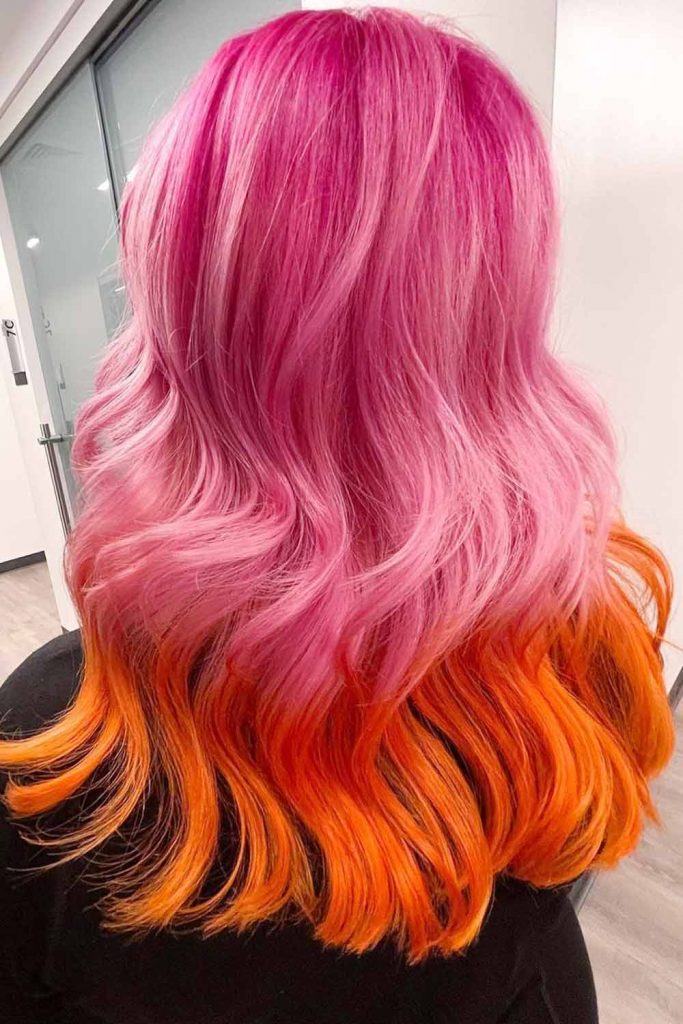
Serene Pink And Orange Hair Design Collection
Experience the crisp clarity of this stunning pink and orange hair image, available in high resolution for all your screens.

Vivid Pink And Orange Hair Artwork for Mobile
Experience the crisp clarity of this stunning pink and orange hair image, available in high resolution for all your screens.

Spectacular Pink And Orange Hair Capture Photography
Find inspiration with this unique pink and orange hair illustration, crafted to provide a fresh look for your background.

Detailed Pink And Orange Hair Capture for Your Screen
Experience the crisp clarity of this stunning pink and orange hair image, available in high resolution for all your screens.

Crisp Pink And Orange Hair Picture in 4K
A captivating pink and orange hair scene that brings tranquility and beauty to any device.
Download these pink and orange hair wallpapers for free and use them on your desktop or mobile devices.
0 Response to "Pink And Orange Hair"
Post a Comment