Russia Plans to Block Telegram in April, Sources Say
Russia Plans to Block Telegram in April, Sources Say
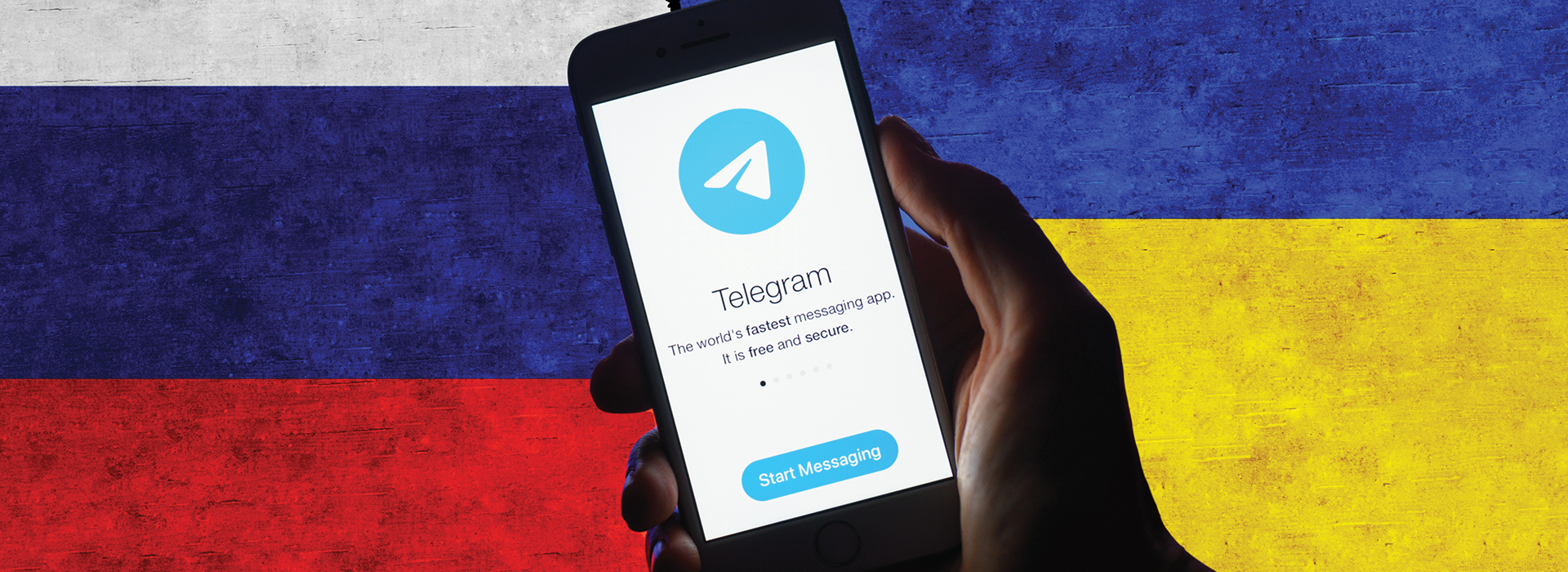
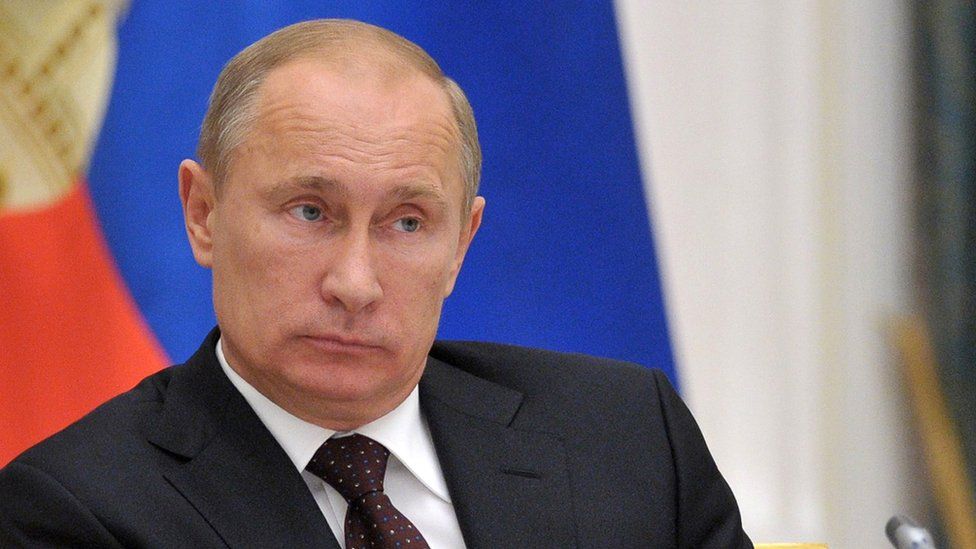
The digital landscape in Russia is bracing for a seismic shift. Reports from multiple unnamed sources within the Russian government and telecommunications sectors suggest that authorities are planning to impose a nationwide block on the popular messaging app Telegram as early as April. This move, if it materializes, would mark a significant escalation in the Kremlin's ongoing efforts to exert greater control over online information and communications, potentially cutting off millions of users from a vital platform for news, discourse, and everyday interaction.
Imagine, for a moment, waking up to find one of your primary communication channels suddenly inaccessible. For many in Russia, Telegram isn't just another messaging app; it's an indispensable tool. It serves as a bustling hub for independent news, political discussions, encrypted personal conversations, and even critical public service announcements. Its popularity has soared precisely because of its perceived resistance to state pressure and its strong encryption features. This proposed block isn't merely about restricting an app; it's about altering the very fabric of digital life for an entire nation. The implications stretch far beyond individual chats, touching on issues of press freedom, digital sovereignty, and the future of information flow in Russia.
The Escalating Conflict: Telegram's Standoff with Russian Authorities
This isn't Russia's first attempt to rein in Telegram. The messaging app, founded by Russian-born entrepreneur Pavel Durov, has long been a thorn in the side of Moscow's digital regulators. The primary point of contention has consistently been Telegram's steadfast refusal to provide encryption keys to the Federal Security Service (FSB), citing user privacy and data security principles. This stance directly clashes with Russian laws requiring communication services to hand over user data and decryption tools to state agencies.
The latest reports, corroborated by several independent media outlets and tech insiders, indicate that the decision to move forward with a block in April stems from renewed frustrations over Telegram's perceived non-compliance. Authorities, primarily Roskomnadzor, Russia's internet censorship agency, have reportedly intensified their monitoring and pressure tactics. The block is framed by the government as a necessary measure for national security, arguing that Telegram's end-to-end encryption makes it a haven for extremist groups, terrorists, and other illicit activities.
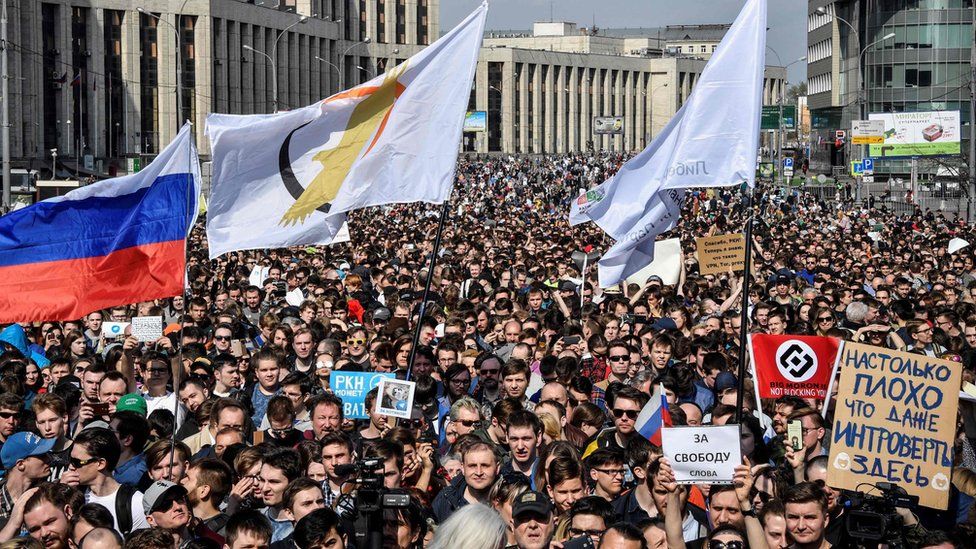
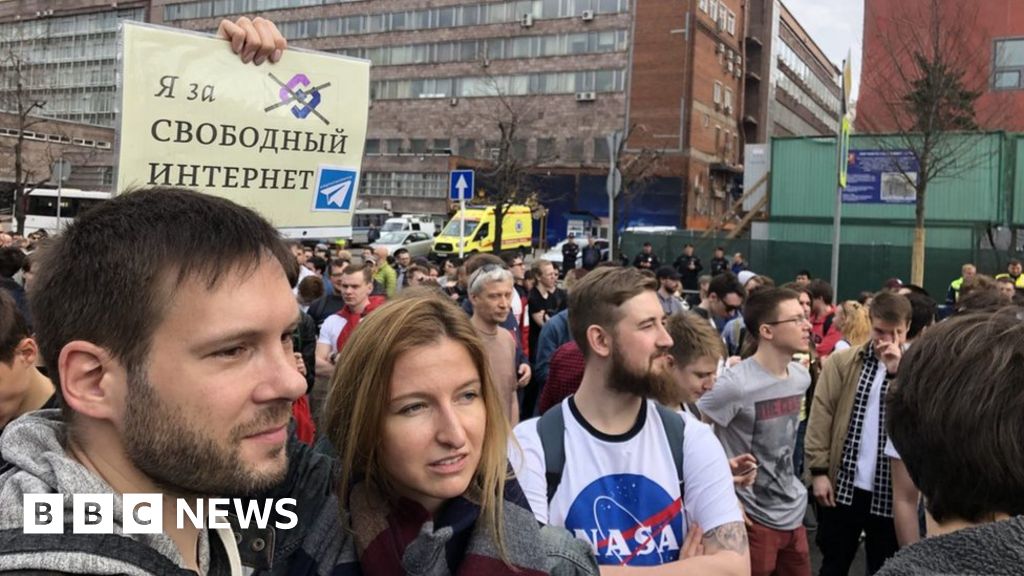
However, critics argue that the motivation runs deeper. They suggest it's part of a broader strategy to stifle dissent and control the narrative, particularly during sensitive political periods. Telegram has been instrumental in organizing protests and disseminating information independent of state-controlled media. Its anonymous channels and group chats offer a platform where diverse viewpoints, often critical of the government, can flourish.
Key reasons cited for the renewed push to block Telegram include:
- Repeated refusal to provide encryption keys and user data to Russian security services.
- Allegations of facilitating the spread of "extremist" content and misinformation.
- Concerns over the app's role in coordinating unsanctioned political gatherings.
- A broader government initiative to assert "digital sovereignty" over foreign internet services.
Past attempts to block Telegram, notably in 2018, proved largely ineffective, causing widespread disruption to unrelated internet services as Roskomnadzor struggled to pinpoint and block Telegram's dynamic IP addresses. Many users circumvented the ban using VPNs and proxy services, leading to a de facto ban that was eventually lifted. This time, however, sources suggest the authorities might be more prepared, leveraging new technologies and a more refined strategy under Russia's "Sovereign Internet" law, which provides tools for greater control over internet traffic within the country.
Technical Hurdles and User Impact: A Looming Digital Divide
Implementing a full and effective block on Telegram presents significant technical challenges. The app's architecture is designed for resilience, utilizing a distributed network and sophisticated anti-censorship measures. While Roskomnadzor has gained more experience and new technical capabilities since the 2018 attempt, entirely cutting off a platform used by millions is an arduous task that could lead to widespread collateral damage to other internet services.
For Russian internet users, the impact could be substantial. Telegram is not just a personal messenger; it's a vital tool for various sectors:
- **Journalists and Activists:** A key channel for independent reporting, whistleblowing, and organizing.
- **Small Businesses:** Many operate channels for customer communication, marketing, and sales.
- **Educators and Students:** Used for remote learning and group projects.
- **Everyday Citizens:** A source of diverse news, entertainment, and essential daily communications.
Should the block proceed, a significant portion of the population will likely turn to Virtual Private Networks (VPNs) and other circumvention tools. The demand for VPN services, already high in Russia, is expected to surge dramatically, potentially overwhelming existing infrastructure and leading to a cat-and-mouse game between users and state censors. This cat-and-mouse scenario has played out in other countries facing similar restrictions, demonstrating the tenacity of users seeking to maintain access to information.
However, not all users are tech-savvy enough to consistently use VPNs, and even those who are might experience slower speeds and intermittent access. This creates a digital divide, where only those with the means and knowledge can bypass restrictions, potentially isolating others from critical information and community interaction. The broader implications include a more fragmented internet experience, a reduction in information diversity, and increased reliance on state-approved platforms.
Broader Implications: Digital Sovereignty and Free Speech
The potential blocking of Telegram is more than just an isolated incident; it's a critical moment in Russia's ongoing quest for "digital sovereignty." The "Sovereign Internet Law," enacted in 2019, theoretically allows Russia to isolate its internet infrastructure from the global network. This framework provides the legal and technical basis for deep packet inspection and traffic filtering, capabilities that could be deployed to make a Telegram block more effective than previous attempts.
This move aligns with a global trend among authoritarian regimes to control information flow within their borders. Countries like China have built a "Great Firewall," and others regularly restrict access to platforms like Facebook, Twitter, and YouTube. Russia appears to be moving further down this path, aiming to create a more tightly controlled information space where the state dictates what content is accessible to its citizens.
The underlying tension is a fundamental clash between government control and individual freedom of expression. Proponents of the block argue it's necessary to protect national security and prevent the spread of harmful content. Opponents, including human rights organizations and digital freedom advocates, counter that such measures stifle dissent, limit access to diverse perspectives, and infringe upon fundamental human rights. They argue that a complete block on a widely used communication app disproportionately affects ordinary citizens and restricts their ability to communicate freely and access independent news.
This development serves as a stark reminder of the ongoing struggle for internet freedom worldwide. As governments increasingly seek to control digital spaces, the resilience of platforms like Telegram and the ingenuity of users in bypassing restrictions will continue to define the battleground for information and communication in the 21st century. The international community will be closely watching Russia's actions in April, as they could set a precedent for future digital policy and potentially influence the global conversation around internet governance, censorship, and human rights in the digital age.
Russia Plans to Block Telegram in April, Sources Say
Russia Plans to Block Telegram in April, Sources Say Wallpapers
Collection of russia plans to block telegram in april, sources say wallpapers for your desktop and mobile devices.
Serene Russia Plans To Block Telegram In April, Sources Say Moment in HD
Explore this high-quality russia plans to block telegram in april, sources say image, perfect for enhancing your desktop or mobile wallpaper.

Gorgeous Russia Plans To Block Telegram In April, Sources Say Abstract for Desktop
This gorgeous russia plans to block telegram in april, sources say photo offers a breathtaking view, making it a perfect choice for your next wallpaper.

Stunning Russia Plans To Block Telegram In April, Sources Say Abstract Illustration
Find inspiration with this unique russia plans to block telegram in april, sources say illustration, crafted to provide a fresh look for your background.

Spectacular Russia Plans To Block Telegram In April, Sources Say Picture Art
This gorgeous russia plans to block telegram in april, sources say photo offers a breathtaking view, making it a perfect choice for your next wallpaper.

Serene Russia Plans To Block Telegram In April, Sources Say Picture for Your Screen
Experience the crisp clarity of this stunning russia plans to block telegram in april, sources say image, available in high resolution for all your screens.

Vivid Russia Plans To Block Telegram In April, Sources Say Capture for Mobile
Explore this high-quality russia plans to block telegram in april, sources say image, perfect for enhancing your desktop or mobile wallpaper.

Spectacular Russia Plans To Block Telegram In April, Sources Say Photo Photography
Find inspiration with this unique russia plans to block telegram in april, sources say illustration, crafted to provide a fresh look for your background.
Vibrant Russia Plans To Block Telegram In April, Sources Say Design Illustration
Discover an amazing russia plans to block telegram in april, sources say background image, ideal for personalizing your devices with vibrant colors and intricate designs.

Vibrant Russia Plans To Block Telegram In April, Sources Say Artwork for Mobile
Discover an amazing russia plans to block telegram in april, sources say background image, ideal for personalizing your devices with vibrant colors and intricate designs.

Mesmerizing Russia Plans To Block Telegram In April, Sources Say Picture for Mobile
Explore this high-quality russia plans to block telegram in april, sources say image, perfect for enhancing your desktop or mobile wallpaper.
Detailed Russia Plans To Block Telegram In April, Sources Say Landscape Digital Art
Explore this high-quality russia plans to block telegram in april, sources say image, perfect for enhancing your desktop or mobile wallpaper.
Gorgeous Russia Plans To Block Telegram In April, Sources Say Artwork for Desktop
Find inspiration with this unique russia plans to block telegram in april, sources say illustration, crafted to provide a fresh look for your background.
Vivid Russia Plans To Block Telegram In April, Sources Say Photo Digital Art
Discover an amazing russia plans to block telegram in april, sources say background image, ideal for personalizing your devices with vibrant colors and intricate designs.

Crisp Russia Plans To Block Telegram In April, Sources Say Wallpaper Concept
Immerse yourself in the stunning details of this beautiful russia plans to block telegram in april, sources say wallpaper, designed for a captivating visual experience.
Lush Russia Plans To Block Telegram In April, Sources Say Background Collection
Immerse yourself in the stunning details of this beautiful russia plans to block telegram in april, sources say wallpaper, designed for a captivating visual experience.
Vivid Russia Plans To Block Telegram In April, Sources Say Abstract for Mobile
Explore this high-quality russia plans to block telegram in april, sources say image, perfect for enhancing your desktop or mobile wallpaper.
Dynamic Russia Plans To Block Telegram In April, Sources Say Moment for Your Screen
Immerse yourself in the stunning details of this beautiful russia plans to block telegram in april, sources say wallpaper, designed for a captivating visual experience.
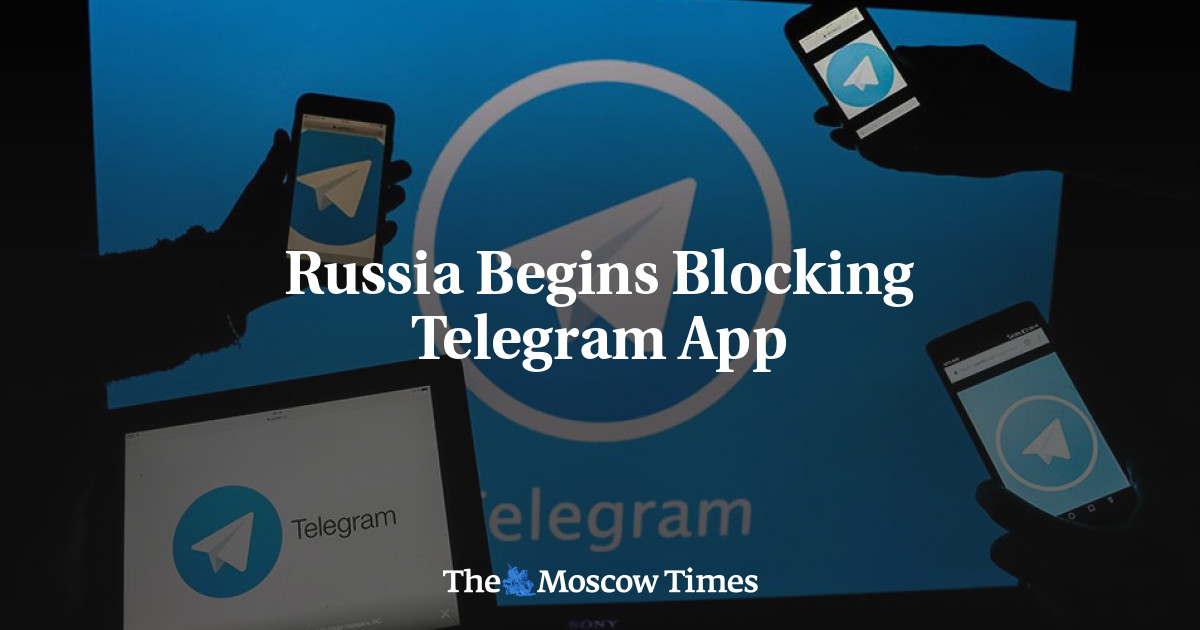
Dynamic Russia Plans To Block Telegram In April, Sources Say Landscape Concept
A captivating russia plans to block telegram in april, sources say scene that brings tranquility and beauty to any device.
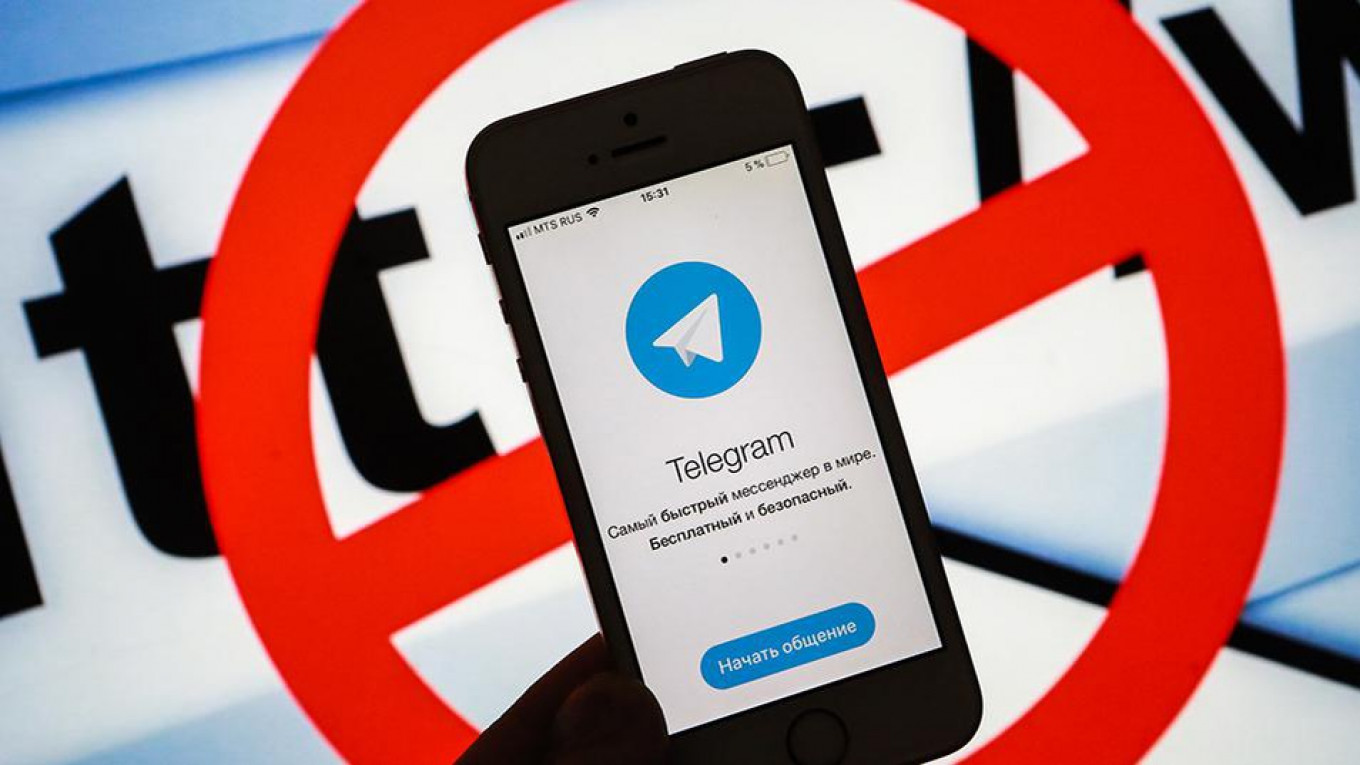
High-Quality Russia Plans To Block Telegram In April, Sources Say Wallpaper for Your Screen
Explore this high-quality russia plans to block telegram in april, sources say image, perfect for enhancing your desktop or mobile wallpaper.
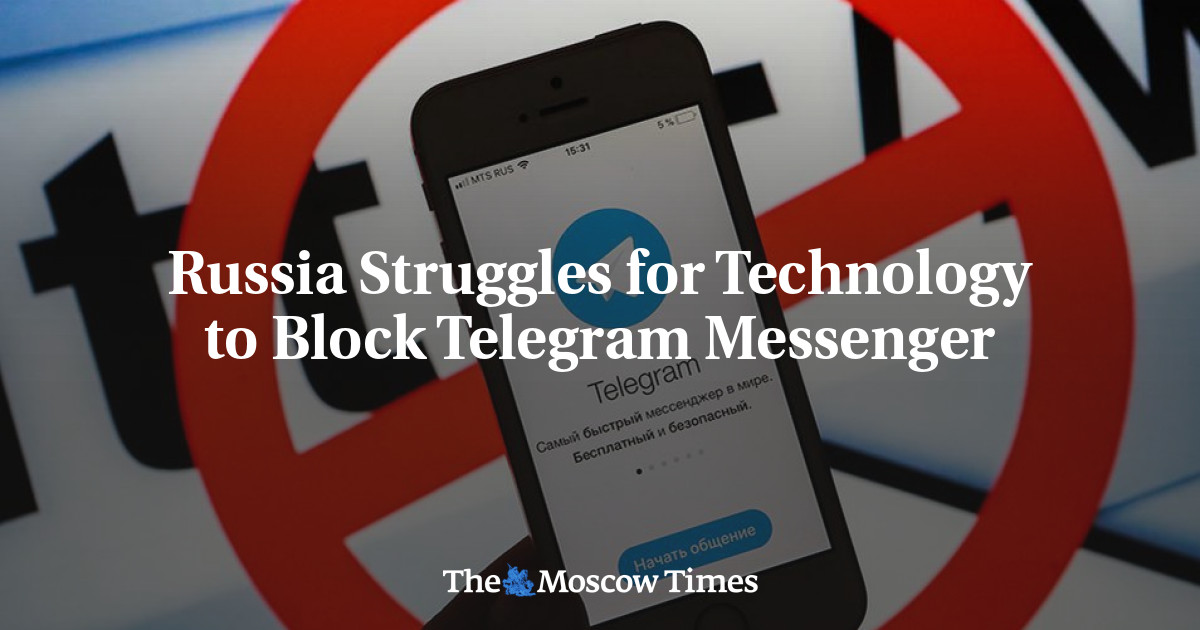
Breathtaking Russia Plans To Block Telegram In April, Sources Say Moment for Desktop
Experience the crisp clarity of this stunning russia plans to block telegram in april, sources say image, available in high resolution for all your screens.
Download these russia plans to block telegram in april, sources say wallpapers for free and use them on your desktop or mobile devices.
0 Response to "Russia Plans to Block Telegram in April, Sources Say"
Post a Comment