Wages going backwards - even $100,000 in Aus isn’t what it used to be
Wages Going Backwards – Even $100,000 in Aus Isn't What It Used to Be
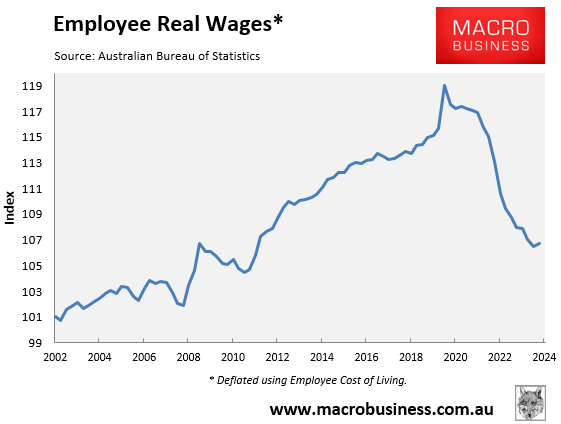
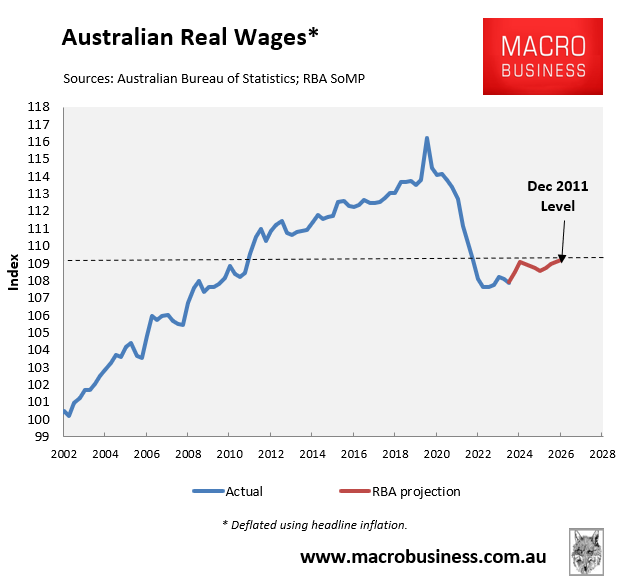
Remember when earning a six-figure salary felt like reaching the pinnacle of financial success? A $100,000 annual income in Australia was once synonymous with comfort, the ability to save for a home, enjoy a good lifestyle, and plan for a secure future. Fast forward to today, and for many Australians, that very same six-figure salary feels increasingly like wading through treacle. The dream of financial stability is eroding as rapidly as the weekly grocery bill grows. This isn't just a feeling; it's a harsh economic reality many are confronting, where nominal pay rises are consistently outstripped by relentless inflation and soaring cost of living pressures.
I recently spoke with Sarah, a marketing manager based in Sydney, who earns $105,000 a year. "Five years ago, I felt like I was doing really well," she confided. "I could afford my rent, go out with friends, save a bit, and still pay my HECS debt comfortably. Now? Despite earning more, I feel poorer. My rent has jumped significantly, groceries are shocking, and don't even get me started on petrol. I'm living paycheck to paycheck, and the idea of buying a house feels like a cruel joke. It's disheartening to work so hard and feel like your wages are constantly going backwards." Sarah's experience is not isolated; it's a widespread sentiment reflecting a concerning trend across the nation. The truth is, the purchasing power of $100,000 has drastically diminished, leaving many middle-income earners in a precarious financial position.
The Shrinking Power of Six Figures: Why $100,000 Isn't What It Used to Be
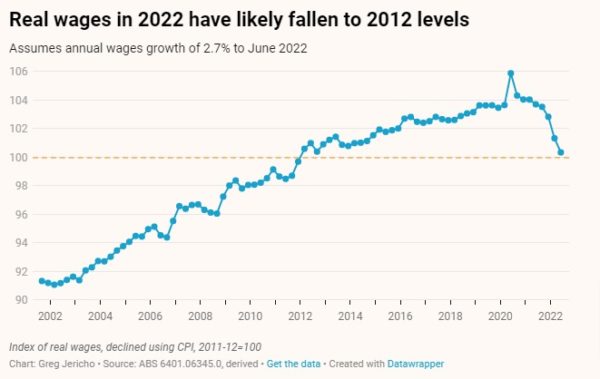
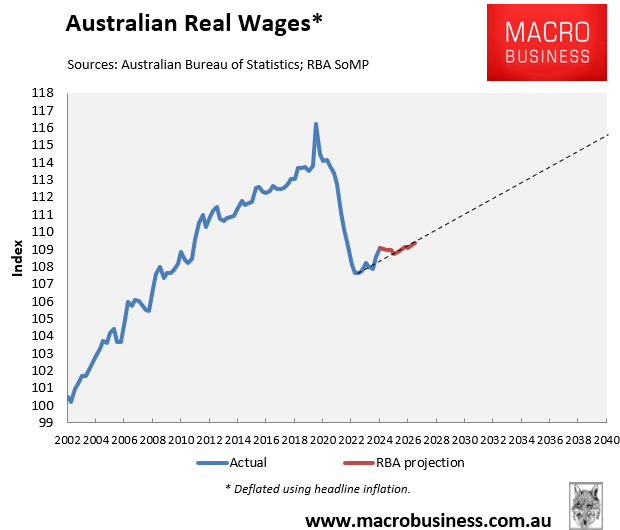
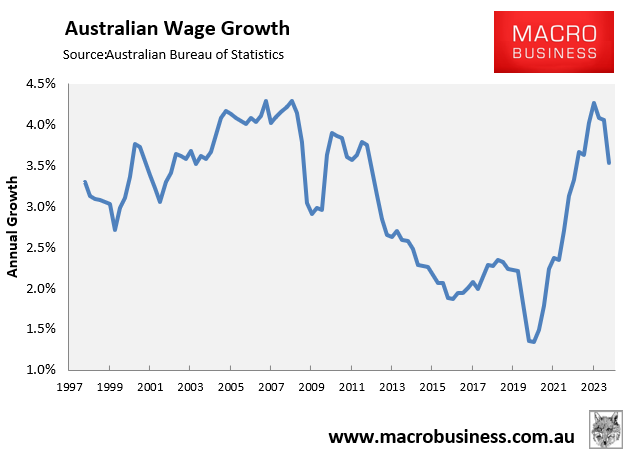
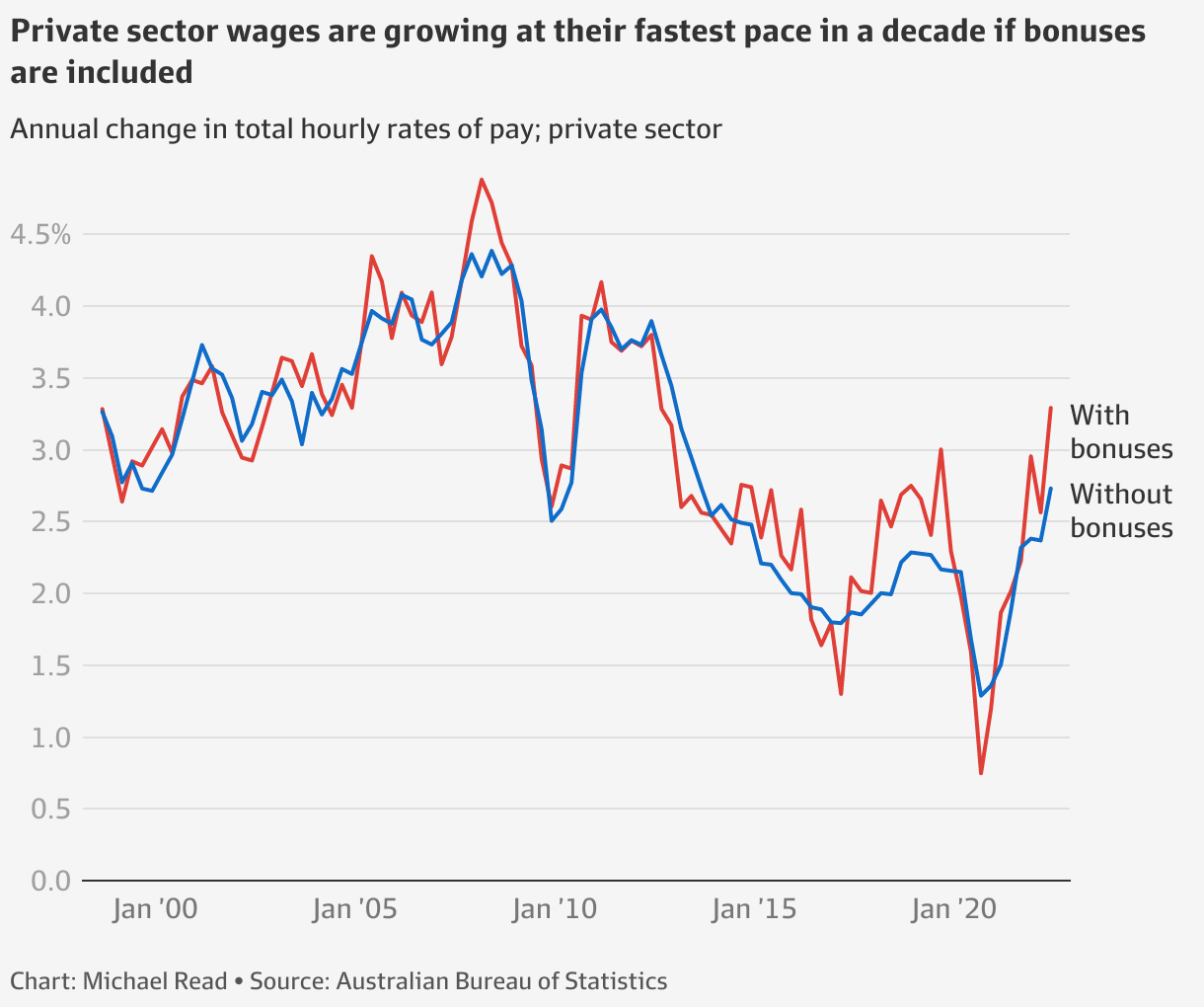
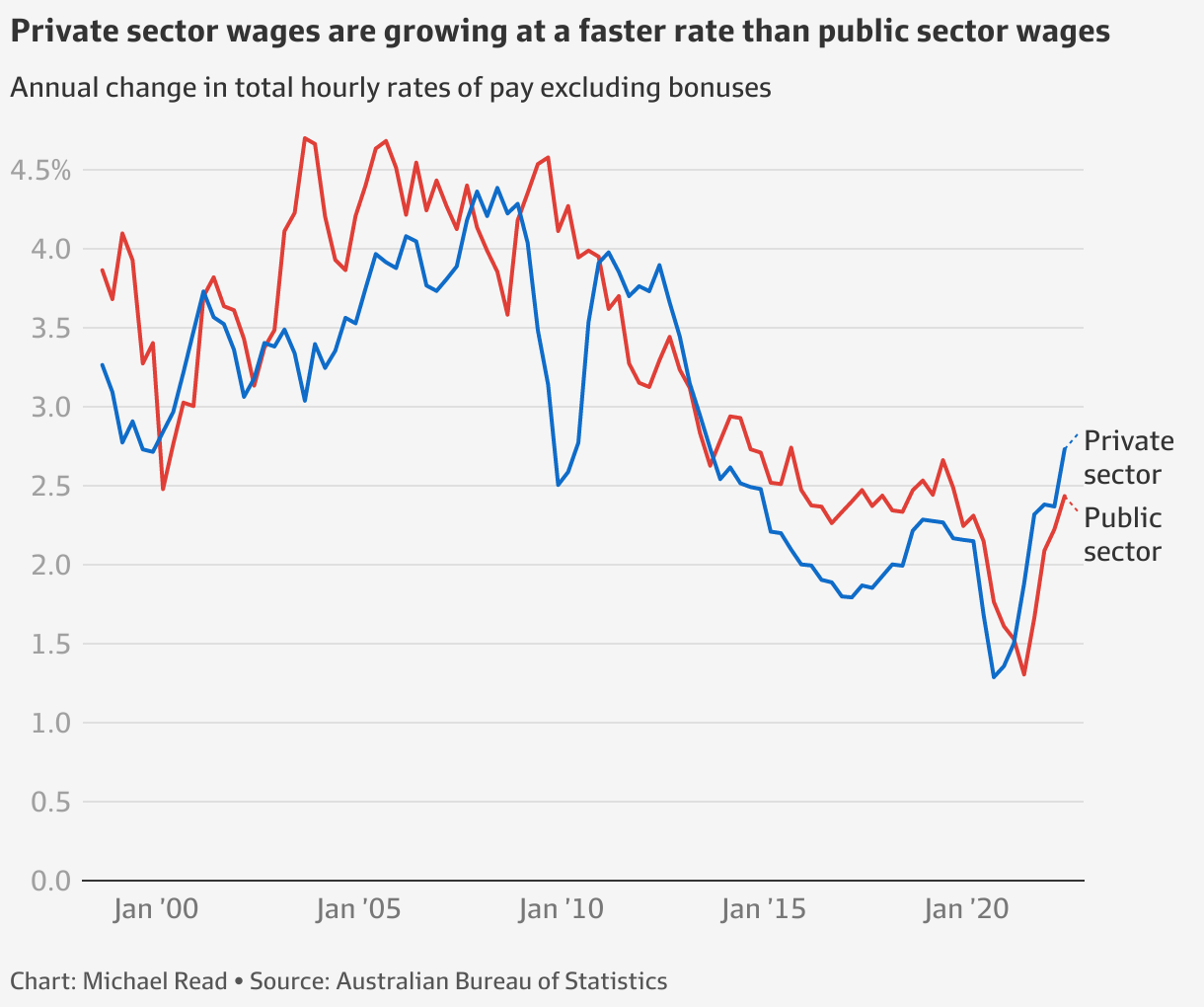
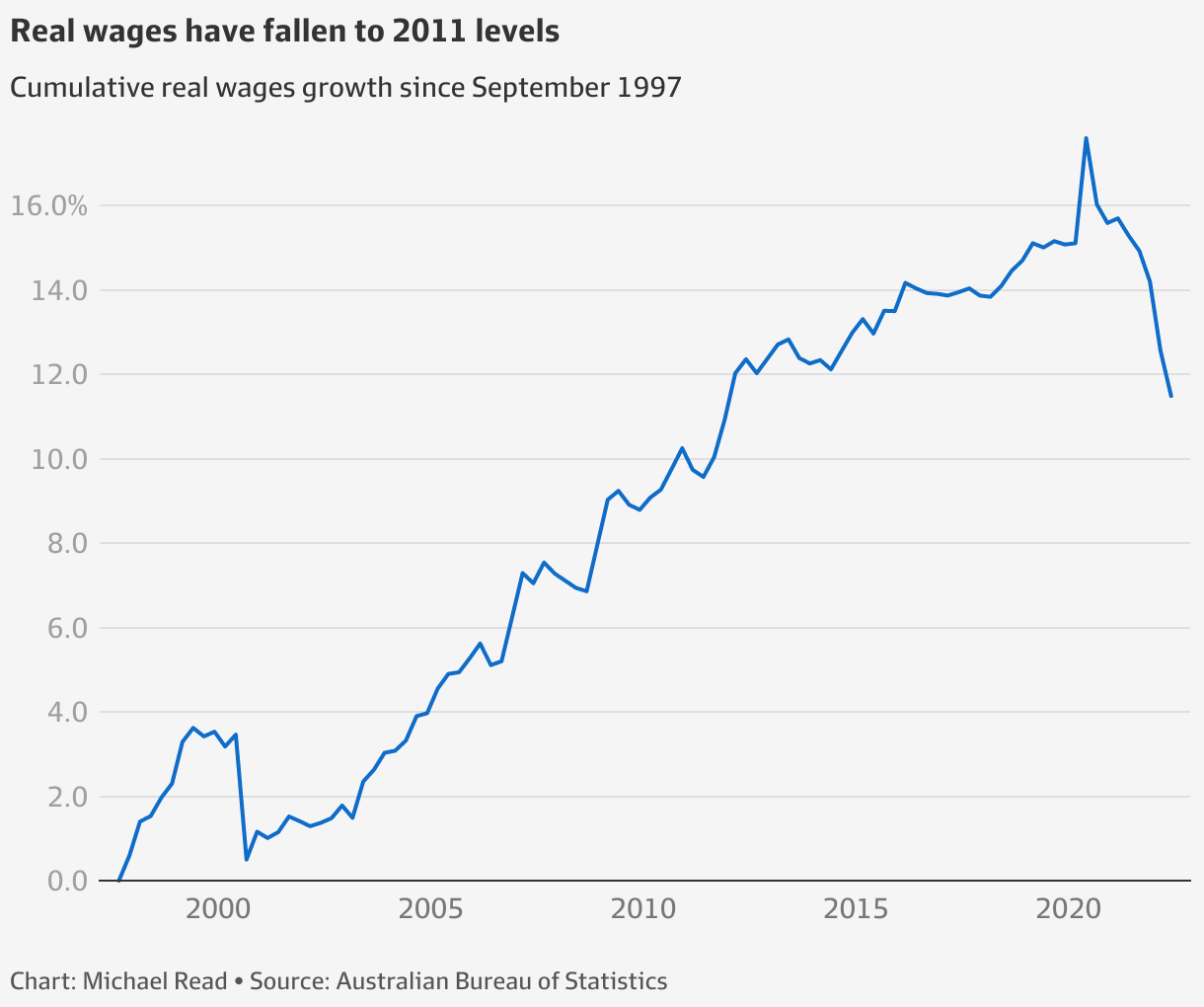
The core issue is a significant divergence between nominal wage growth and the real cost of living. While many Australians have seen their salaries tick up over the past few years, these increases have been largely swallowed whole by inflationary pressures. The Consumer Price Index (CPI), a key measure of inflation, has surged, impacting everything from daily essentials to major expenditures. A $100,000 salary today simply doesn't buy what it used to a decade ago, or even five years ago.
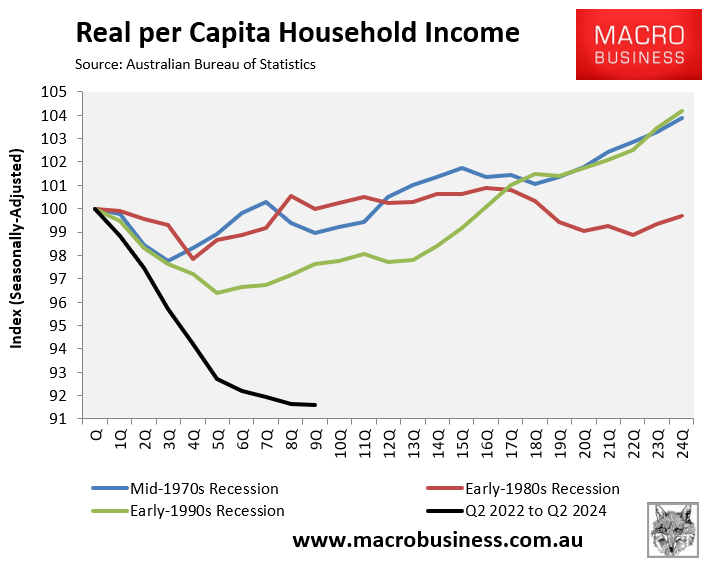
Consider the simple act of grocery shopping. Families report seeing significant hikes in basic items like bread, milk, and fresh produce. Fuel prices regularly hit record highs, making the commute to work an increasingly expensive endeavor. Utility bills – electricity, gas, and water – also show no signs of abating, adding another substantial burden to household expenses. This continuous upward trajectory in everyday costs means that even with a healthy gross income, the net effect on disposable income is severely negative.
The "cost of living crisis" isn't just a headline; it's a daily reality shaping financial decisions for millions. What once felt like a comfortable salary now feels like merely keeping pace, or even falling behind. People are cutting back on discretionary spending, delaying major purchases, and foregoing holidays as they struggle to cover the fundamentals. The psychological impact of working hard only to feel financially squeezed is profound, leading to increased stress and anxiety about financial security. The once-aspirational $100,000 has become a baseline for survival rather than a benchmark for prosperity.
Key Factors Driving the Decline in Real Wages
Several interconnected factors are contributing to this erosion of purchasing power, particularly in Australia's major urban centres. Understanding these drivers is crucial to grasping why a seemingly good salary no longer provides the same quality of life.
Housing Affordability Crisis
Perhaps the most significant drain on Australian household budgets is the exorbitant cost of housing. Both property prices and rental costs have soared to unprecedented levels in cities like Sydney, Melbourne, and Brisbane. A decade ago, a $100,000 salary might have put homeownership within reach, albeit with careful saving. Today, even with a six-figure income, securing a mortgage for an entry-level home in a desirable area can be an insurmountable challenge due to deposit requirements and servicing increasingly high interest rates. For renters, the situation is equally dire, with significant portions of income (often 30-50% or more) going towards rent, leaving little room for savings or other expenditures. This housing strain acts as a massive anchor, pulling down the real value of wages.
Persistent Inflation and Supply Chain Issues
While inflation has shown some signs of moderating, it remained stubbornly high for an extended period, particularly post-pandemic. Global supply chain disruptions, increased energy costs, and geopolitical events have all contributed to higher prices for goods and services. This means that the money spent on imported goods, manufacturing inputs, and transportation directly translates to higher consumer prices. Wage growth, while present, has generally lagged behind these inflationary spikes, resulting in a net decrease in real wages. Businesses facing higher operational costs often pass these onto consumers, creating a cycle that makes it difficult for average household budgets to keep up.
Interest Rate Hikes and Debt Servicing
The Reserve Bank of Australia (RBA) implemented a series of aggressive interest rate hikes to combat inflation. While necessary from a macroeconomic perspective, these increases have profoundly impacted mortgage holders. Many Australians who purchased homes during periods of historically low interest rates are now facing significantly higher monthly repayments. This surge in debt servicing costs means that a larger portion of a $100,000 salary is now allocated to housing loans, further squeezing disposable income. Even for those without mortgages, higher interest rates translate to increased costs for other forms of credit, such as personal loans and credit cards, adding to overall financial strain.
Stagnant Productivity and Wage Bargaining Power
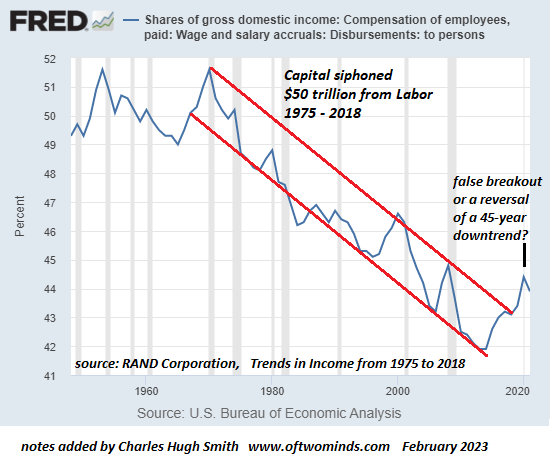
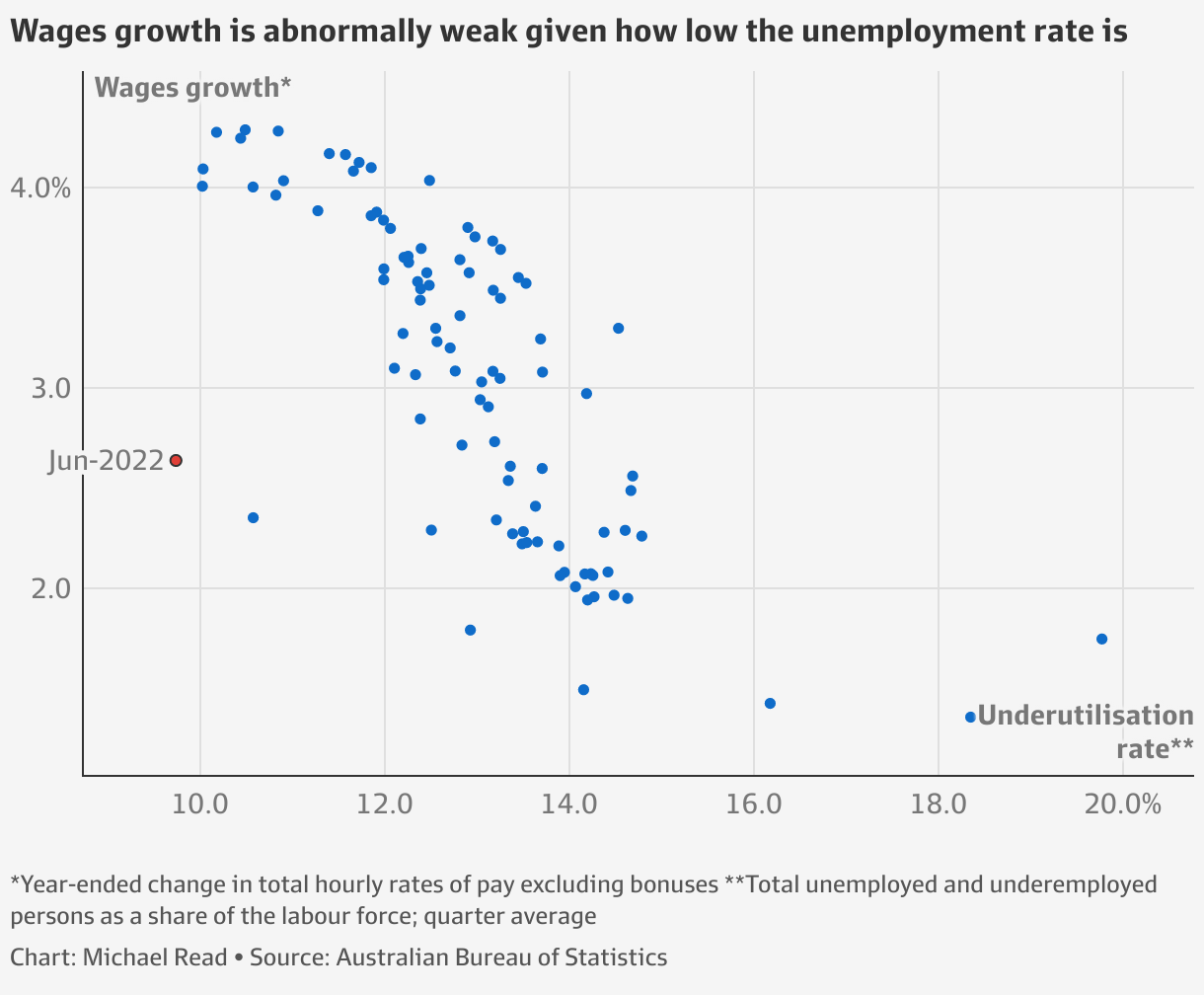
Despite a tight labour market in some sectors, real wage growth has also been hampered by relatively stagnant productivity growth over a longer period. Furthermore, the decline in unionisation and shifts in industrial relations have, for some, reduced workers' collective bargaining power. This can make it harder for individual employees to negotiate significant pay rises that truly outpace inflation, leaving them more vulnerable to the erosion of their wages' real value. The balance of power often favours employers, particularly in a climate where job security can feel tenuous.
Navigating the New Economic Reality: Strategies for Australian Workers
The current economic climate demands a proactive approach from Australian workers. While broad policy changes are needed to address systemic issues, individuals can employ strategies to mitigate the impact of wages going backwards and improve their financial resilience.
- Rigorous Budgeting and Expense Tracking: Understanding exactly where your money goes is the first step. Utilise budgeting apps or spreadsheets to track income and expenses meticulously. Identify areas where cuts can be made, such as subscriptions, discretionary spending on dining out, or impulse purchases. A clear financial picture empowers better decision-making.
- Aggressive Debt Reduction: With higher interest rates, carrying high-interest debt (like credit card debt) can be incredibly costly. Prioritise paying down these debts as quickly as possible to free up more disposable income. Consider consolidating debts or speaking with a financial advisor for a tailored plan.
- Upskilling and Career Development: Investing in your skills and professional development can enhance your earning potential and improve your negotiating power. Look for courses, certifications, or workshops that are in demand in your industry. A stronger skillset makes you a more valuable asset, increasing your chances of securing promotions or higher-paying roles.
- Negotiate Salaries and Benefits: Don't shy away from salary negotiations, especially during performance reviews or when changing roles. Research industry benchmarks for your position and experience level. Beyond base salary, consider negotiating for better benefits, such as superannuation contributions, flexible work arrangements that save on commute costs, or professional development allowances.
- Explore Side Hustles or Additional Income Streams: If your primary income isn't enough to meet your financial goals, consider exploring legitimate side hustles. This could range from freelancing in your field, driving for ride-sharing services, selling crafts online, or tutoring. Any additional income can significantly bolster your financial position and help offset rising costs.
- Seek Financial Advice: For complex financial situations or long-term planning, consulting a qualified financial advisor can be invaluable. They can help you develop a comprehensive financial plan, optimise investments, and navigate challenging economic conditions.
The phenomenon of wages going backwards, where even a $100,000 salary no longer guarantees the comfortable lifestyle it once did in Australia, is a significant challenge facing many. It reflects a complex interplay of high inflation, soaring housing costs, rising interest rates, and other economic pressures. While the broader economic landscape requires systemic solutions, individual Australians can take concrete steps to navigate these challenging times. By being financially savvy, investing in personal and professional growth, and actively seeking opportunities, it's possible to regain some control and work towards greater financial resilience in this evolving economic reality.
Wages going backwards - even $100,000 in Aus isn't what it used to be
Wages going backwards - even $100,000 in Aus isn't what it used to be Wallpapers
Collection of wages going backwards - even $100,000 in aus isn't what it used to be wallpapers for your desktop and mobile devices.

High-Quality Wages Going Backwards - Even $100,000 In Aus Isn't What It Used To Be Scene Nature
Discover an amazing wages going backwards - even $100,000 in aus isn't what it used to be background image, ideal for personalizing your devices with vibrant colors and intricate designs.
Stunning Wages Going Backwards - Even $100,000 In Aus Isn't What It Used To Be Image for Mobile
Immerse yourself in the stunning details of this beautiful wages going backwards - even $100,000 in aus isn't what it used to be wallpaper, designed for a captivating visual experience.
Serene Wages Going Backwards - Even $100,000 In Aus Isn't What It Used To Be Design Nature
Experience the crisp clarity of this stunning wages going backwards - even $100,000 in aus isn't what it used to be image, available in high resolution for all your screens.
Mesmerizing Wages Going Backwards - Even $100,000 In Aus Isn't What It Used To Be Moment Collection
Discover an amazing wages going backwards - even $100,000 in aus isn't what it used to be background image, ideal for personalizing your devices with vibrant colors and intricate designs.

Artistic Wages Going Backwards - Even $100,000 In Aus Isn't What It Used To Be Background Collection
This gorgeous wages going backwards - even $100,000 in aus isn't what it used to be photo offers a breathtaking view, making it a perfect choice for your next wallpaper.
Exquisite Wages Going Backwards - Even $100,000 In Aus Isn't What It Used To Be Picture Nature
Immerse yourself in the stunning details of this beautiful wages going backwards - even $100,000 in aus isn't what it used to be wallpaper, designed for a captivating visual experience.
Stunning Wages Going Backwards - Even $100,000 In Aus Isn't What It Used To Be Photo Collection
This gorgeous wages going backwards - even $100,000 in aus isn't what it used to be photo offers a breathtaking view, making it a perfect choice for your next wallpaper.
Serene Wages Going Backwards - Even $100,000 In Aus Isn't What It Used To Be Artwork Concept
Transform your screen with this vivid wages going backwards - even $100,000 in aus isn't what it used to be artwork, a true masterpiece of digital design.
Gorgeous Wages Going Backwards - Even $100,000 In Aus Isn't What It Used To Be Capture Photography
This gorgeous wages going backwards - even $100,000 in aus isn't what it used to be photo offers a breathtaking view, making it a perfect choice for your next wallpaper.
Breathtaking Wages Going Backwards - Even $100,000 In Aus Isn't What It Used To Be Capture Concept
Discover an amazing wages going backwards - even $100,000 in aus isn't what it used to be background image, ideal for personalizing your devices with vibrant colors and intricate designs.
Exquisite Wages Going Backwards - Even $100,000 In Aus Isn't What It Used To Be Moment in 4K
This gorgeous wages going backwards - even $100,000 in aus isn't what it used to be photo offers a breathtaking view, making it a perfect choice for your next wallpaper.
High-Quality Wages Going Backwards - Even $100,000 In Aus Isn't What It Used To Be Abstract for Your Screen
Explore this high-quality wages going backwards - even $100,000 in aus isn't what it used to be image, perfect for enhancing your desktop or mobile wallpaper.
Vibrant Wages Going Backwards - Even $100,000 In Aus Isn't What It Used To Be Scene in 4K
Experience the crisp clarity of this stunning wages going backwards - even $100,000 in aus isn't what it used to be image, available in high resolution for all your screens.
Artistic Wages Going Backwards - Even $100,000 In Aus Isn't What It Used To Be Scene in HD
A captivating wages going backwards - even $100,000 in aus isn't what it used to be scene that brings tranquility and beauty to any device.
Exquisite Wages Going Backwards - Even $100,000 In Aus Isn't What It Used To Be Background Concept
This gorgeous wages going backwards - even $100,000 in aus isn't what it used to be photo offers a breathtaking view, making it a perfect choice for your next wallpaper.

Amazing Wages Going Backwards - Even $100,000 In Aus Isn't What It Used To Be Scene Digital Art
Experience the crisp clarity of this stunning wages going backwards - even $100,000 in aus isn't what it used to be image, available in high resolution for all your screens.
Artistic Wages Going Backwards - Even $100,000 In Aus Isn't What It Used To Be View for Your Screen
A captivating wages going backwards - even $100,000 in aus isn't what it used to be scene that brings tranquility and beauty to any device.
Mesmerizing Wages Going Backwards - Even $100,000 In Aus Isn't What It Used To Be Moment in 4K
Explore this high-quality wages going backwards - even $100,000 in aus isn't what it used to be image, perfect for enhancing your desktop or mobile wallpaper.
Crisp Wages Going Backwards - Even $100,000 In Aus Isn't What It Used To Be Capture Photography
Immerse yourself in the stunning details of this beautiful wages going backwards - even $100,000 in aus isn't what it used to be wallpaper, designed for a captivating visual experience.

Stunning Wages Going Backwards - Even $100,000 In Aus Isn't What It Used To Be Landscape Concept
Immerse yourself in the stunning details of this beautiful wages going backwards - even $100,000 in aus isn't what it used to be wallpaper, designed for a captivating visual experience.
Download these wages going backwards - even $100,000 in aus isn't what it used to be wallpapers for free and use them on your desktop or mobile devices.
0 Response to "Wages going backwards - even $100,000 in Aus isn’t what it used to be"
Post a Comment