Winter Olympics 2026: What is the difference between bobsleigh, skeleton and luge?
Winter Olympics 2026: What is the Difference Between Bobsleigh, Skeleton, and Luge?
As the countdown begins to the Milan Cortina 2026 Winter Olympics, millions of viewers worldwide prepare for the incredible spectacle of the sliding sports. These events—bobsleigh, skeleton, and luge—are arguably the most exhilarating and terrifying showcases of speed, precision, and sheer nerve.
But let's be honest. For the casual viewer, watching an athlete hurtle down an icy chute at 90+ mph, the distinctions blur. Are they all just variations of sliding on ice? Absolutely not. While they share the same gravity-defying track, the differences in positioning, steering, and G-force endurance make them three completely separate disciplines.
My first time covering these events, I confused a luge athlete for a skeleton rider on a practice run—a mistake I quickly learned not to repeat. The athletes themselves take great pride in their specific craft. Understanding the fundamental differences is key to appreciating the complex strategies unfolding on the ice. Let's break down how these Olympic thrillers contrast and what you should look for in 2026.
Positioning and Sled Design: The Defining Factor
The easiest way to differentiate these three high-speed sports is by observing the athlete's position on the sled and how the sled itself is designed. This positioning dictates everything, from the initial start to the terminal velocity achieved.
Luge: The Ultimate Aerodynamic Race (Feet First)
Luge is the sport of pure precision and aerodynamics. The name "luge" is French for "small sled."
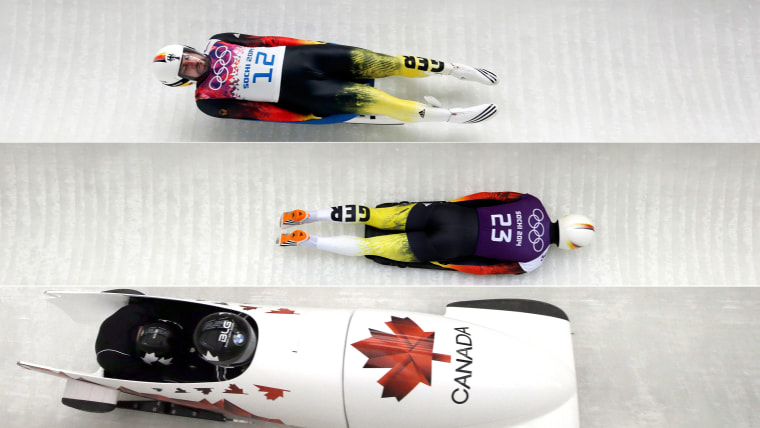
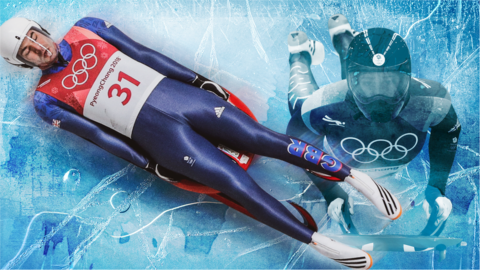
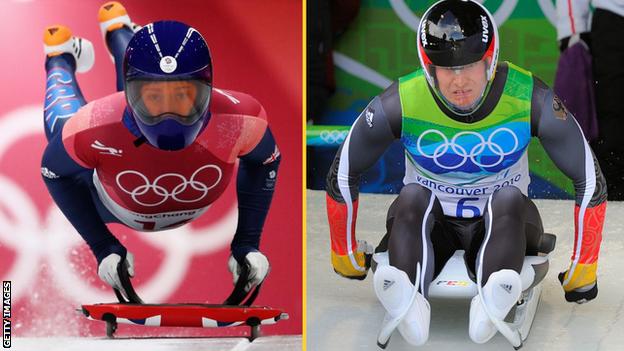
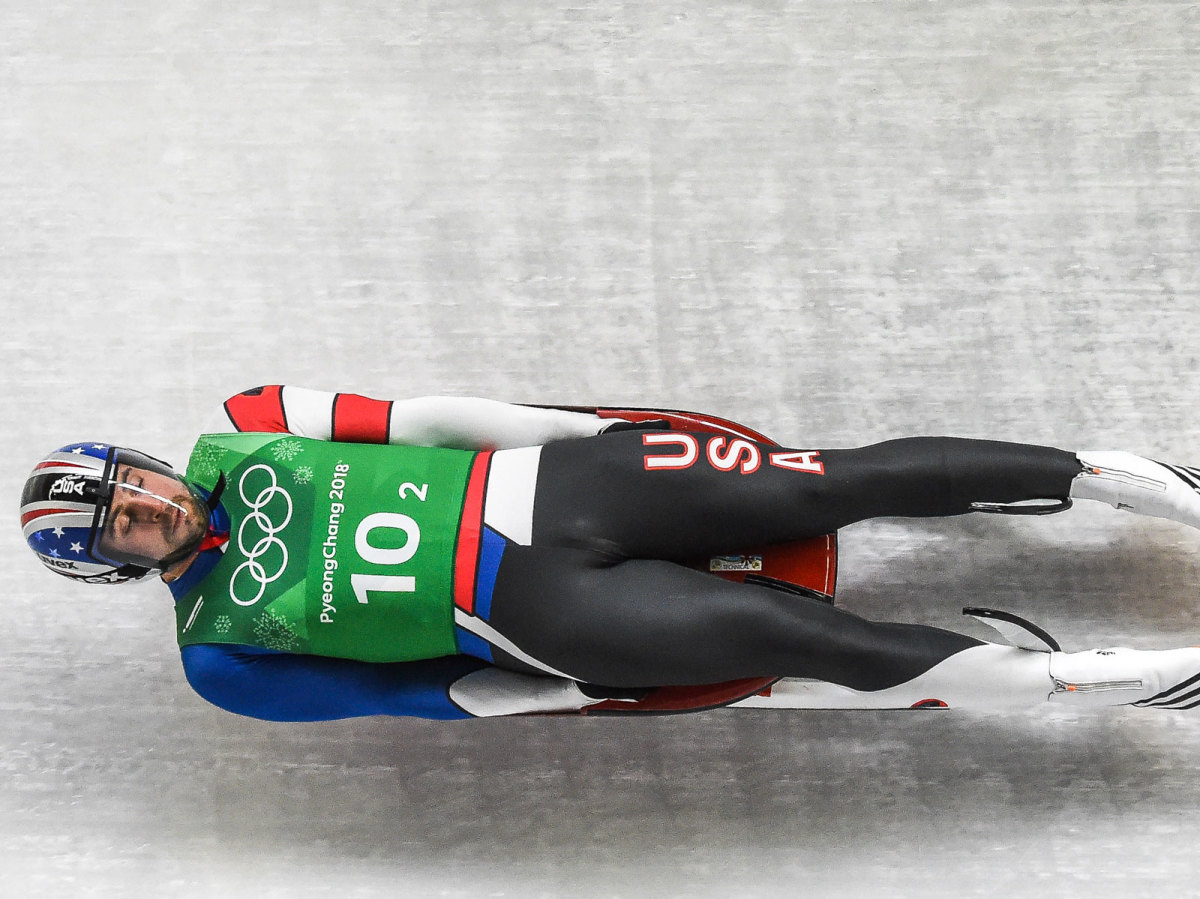
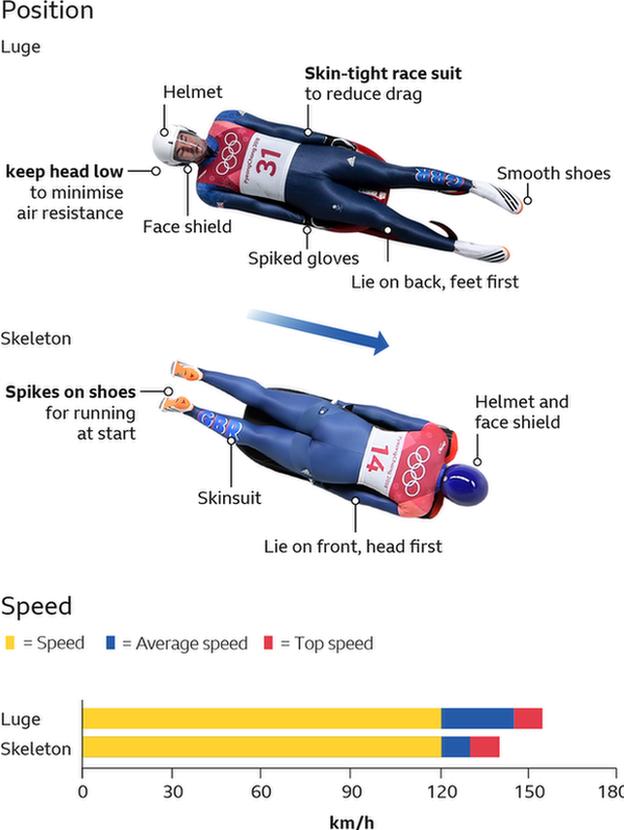
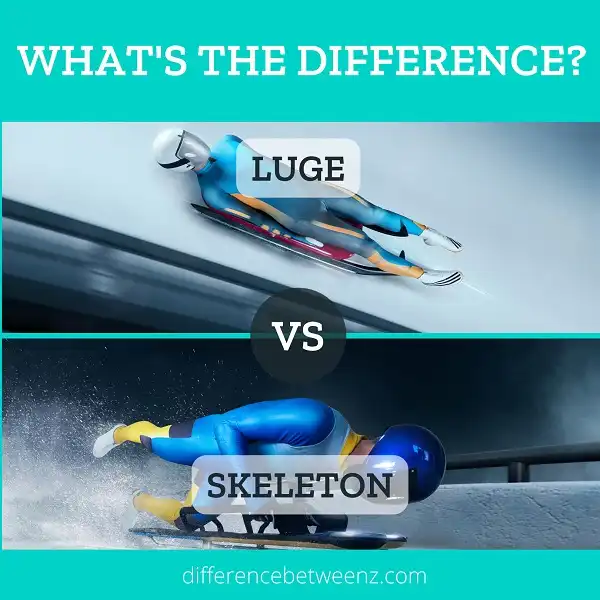
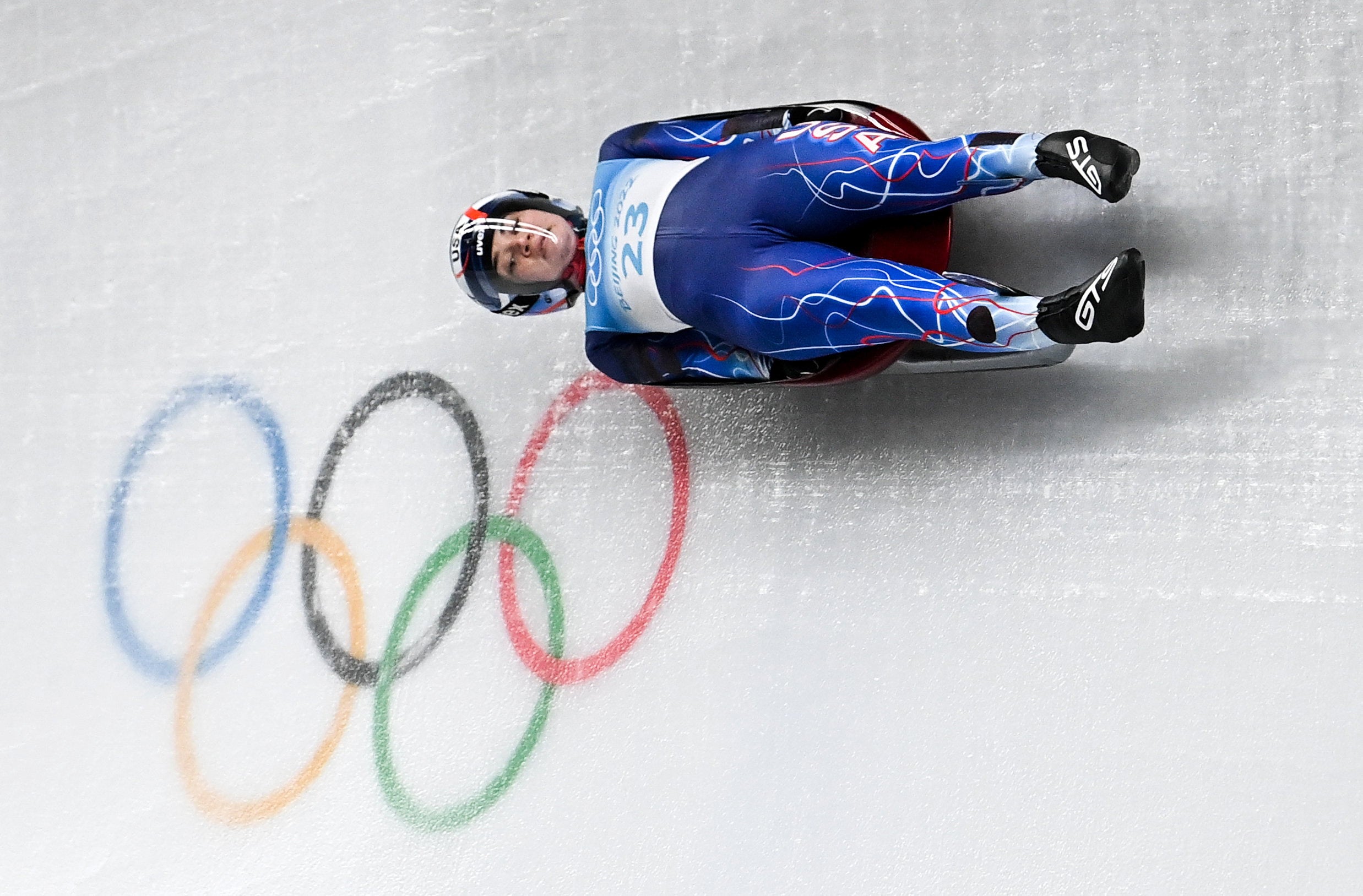
- Position: Athletes lie flat on their backs (supine position) with their feet facing down the track. This is often described as the most vulnerable position, as the athlete cannot see where they are going until they pass the curve.
- Steering: Steering is minimal and extremely subtle, achieved primarily by shifting weight, using shoulder muscles, and pressing into the runners with the calves. Any large movement creates drag and slows the run.
- Sled Characteristics: Luge sleds are very low-profile, equipped with two lightweight runners. They lack a mechanical steering system or brakes. The sled relies entirely on gravity and precise body control.
- Speed: Luge athletes achieve some of the highest terminal speeds among the sliding sports, often exceeding 95 mph (150+ km/h) due to their streamlined profile and feet-first position.
- Events: Singles (Men's and Women's), Doubles, and the Team Relay.
Skeleton: Head-First Daredevils (The Sprint Start)
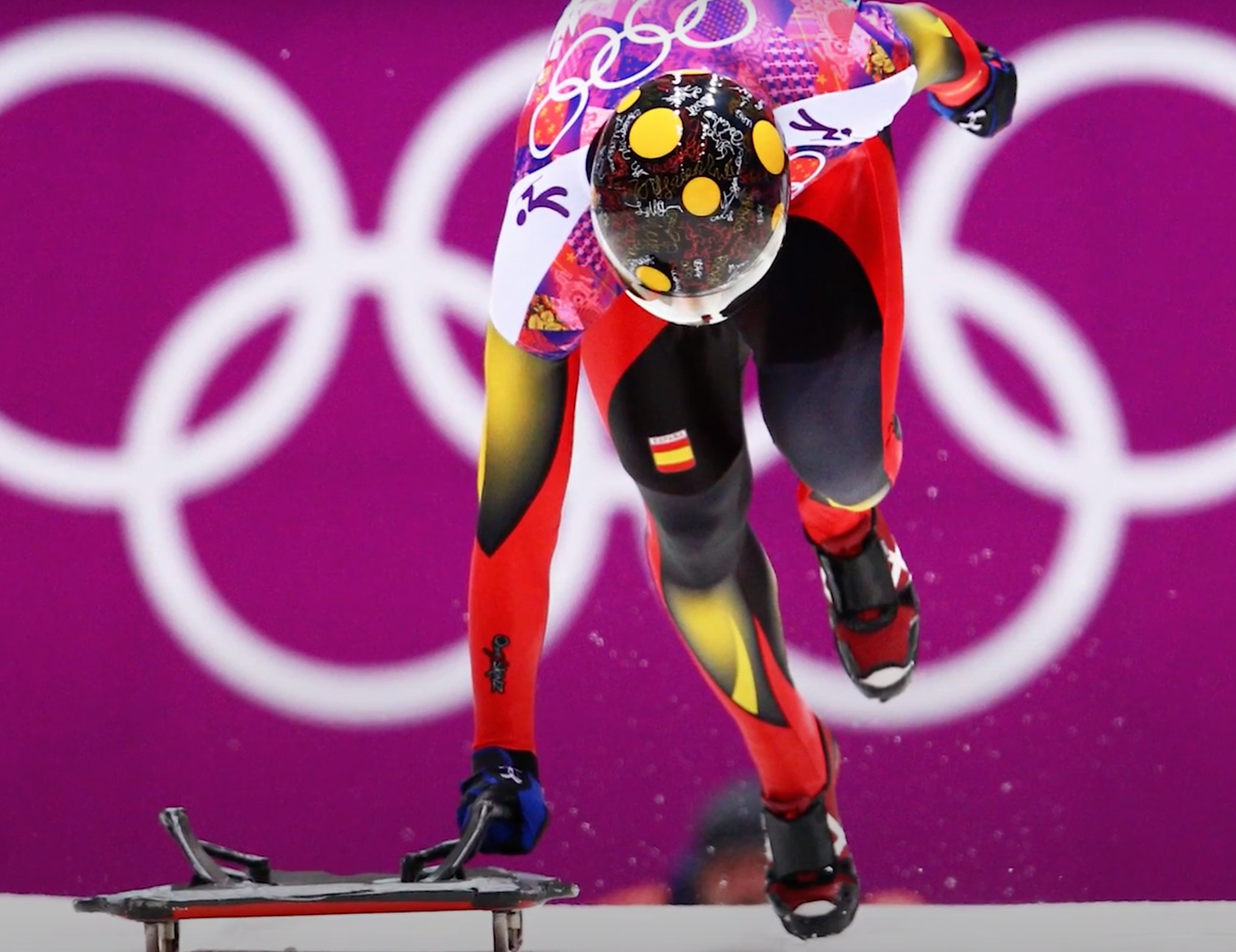
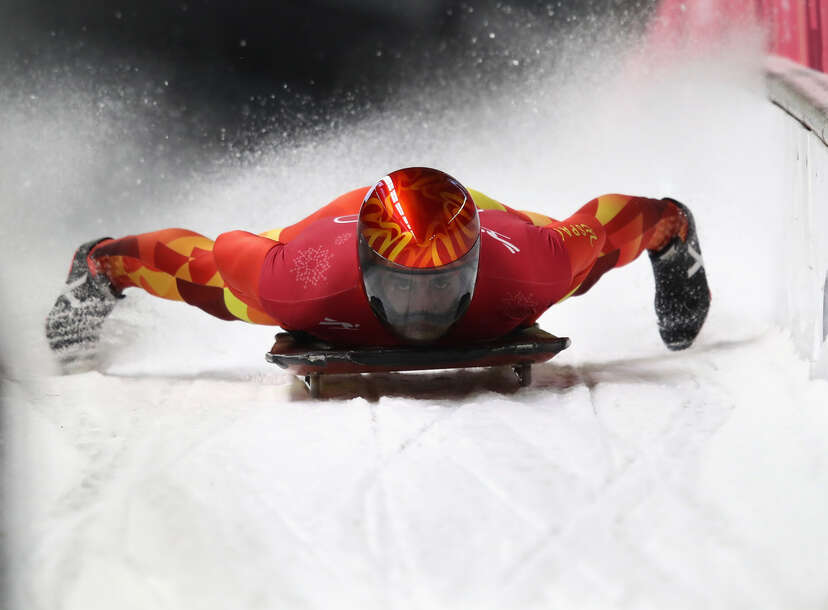
Skeleton is often considered the most intimidating sport due to the athlete's head-first position, inches above the ice. Unlike luge, skeleton requires a massive burst of physical power at the start.
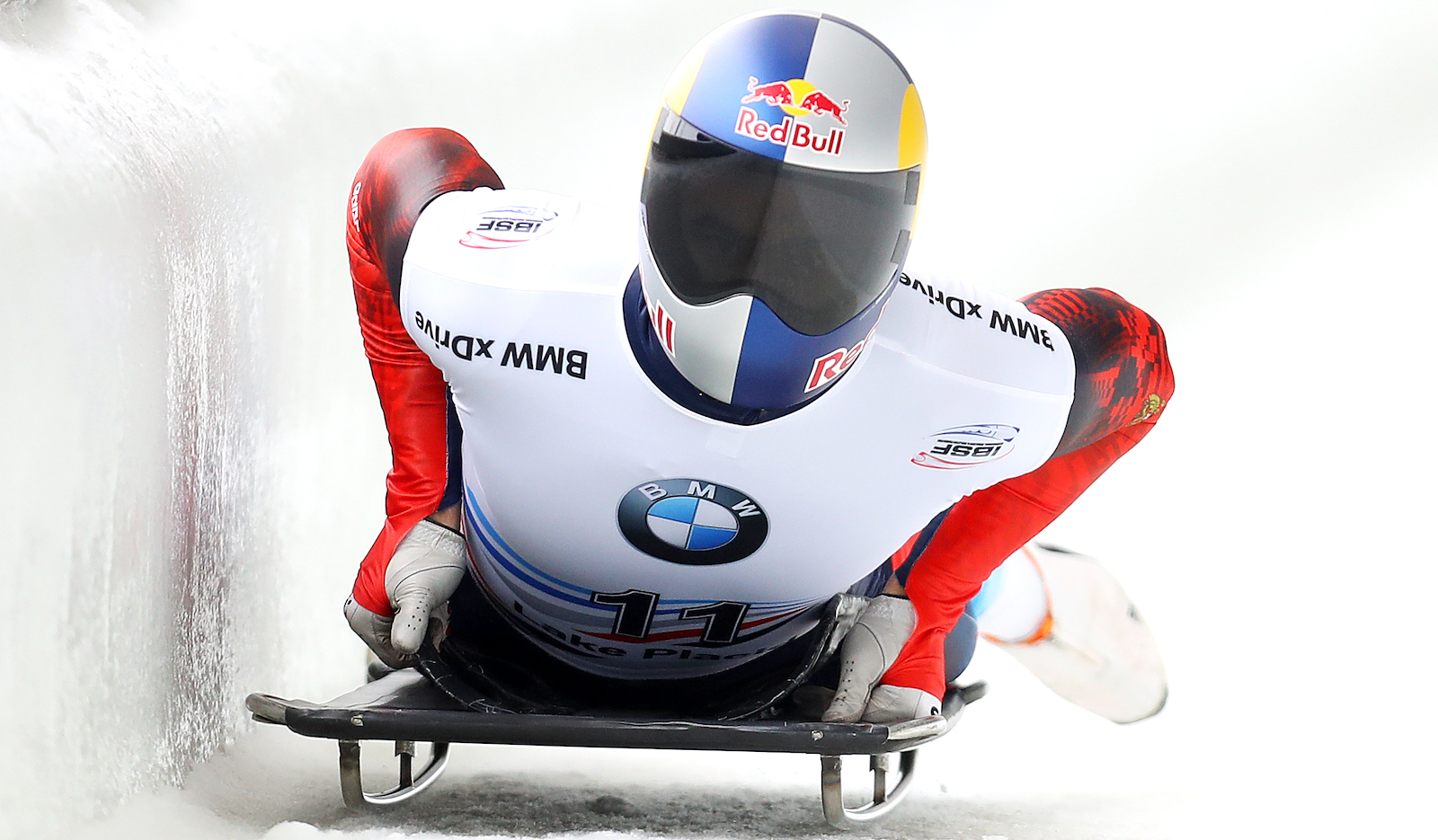
- Position: Athletes lie prone (face down) on their stomach, facing head-first down the track. This position allows them to see the track ahead, but also puts their chin mere inches from the ice, exaggerating the sense of speed.
- Steering: Control is executed through extremely minor shifts in body weight—subtle shoulder, knee, and toe movements. The sled itself has handles, but these are primarily used for stabilization.
- Sled Characteristics: The skeleton sled is heavier and features weight constraints based on the athlete's body weight. Crucially, the sled has no mechanical steering; it's a rigid frame with runners.
- The Start: The defining feature is the high-energy sprint. Athletes run alongside the sled for 25 to 40 meters, building up momentum, before diving onto the sled. A strong start is critical for overall success.
- History Note: Skeleton sleds originated in St. Moritz in the 1800s, where they were built using only metal—hence the name "skeleton."
Bobsleigh: Teamwork, Power, and Precision (The Fastest Ride)

Bobsleigh (or bobsled) is the team sport of the sliding disciplines. It combines the raw power of a push start with the precision driving of a pilot.
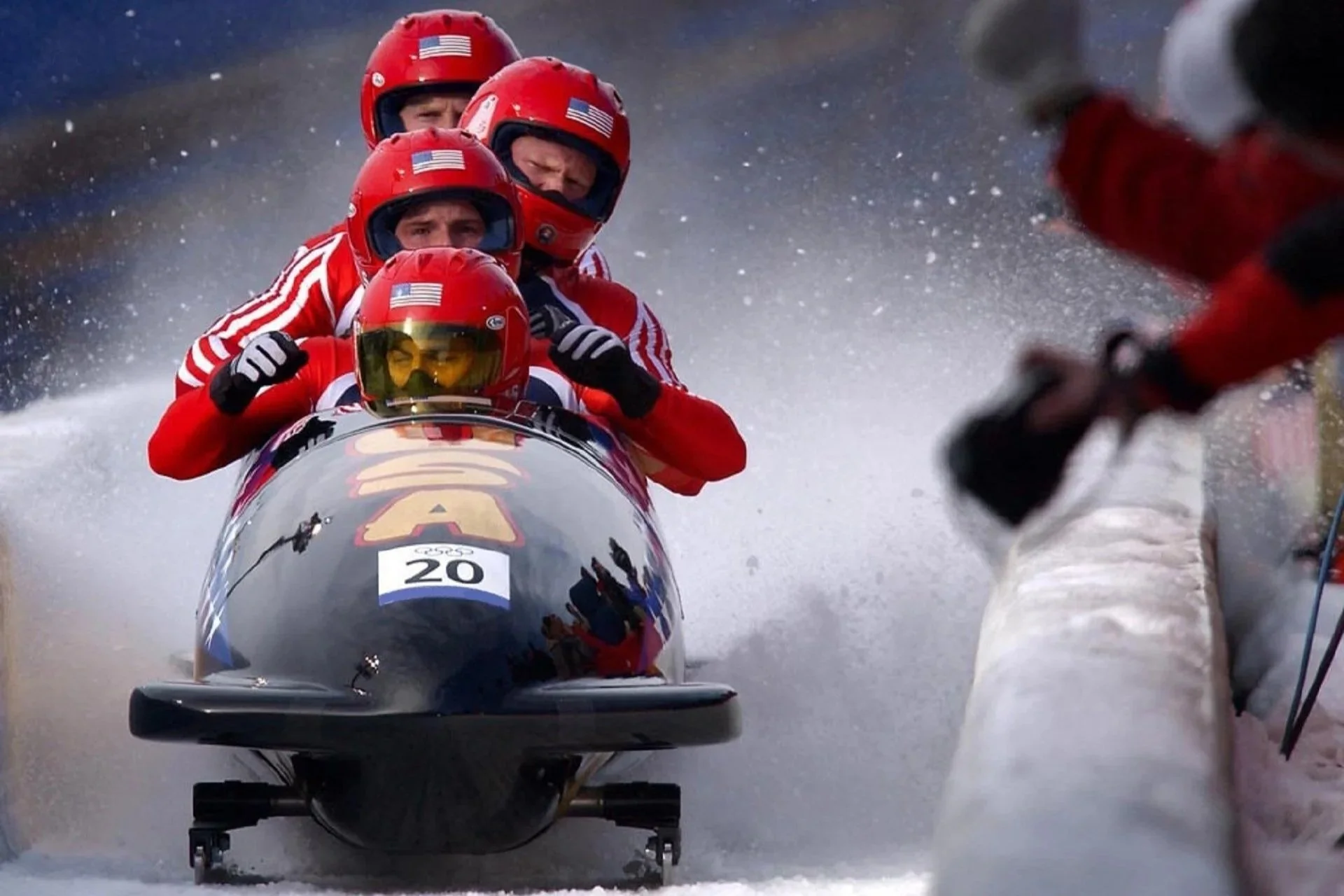
- Position: Athletes sit upright, or semi-reclined, within an enclosed shell. The pilot is in the front, followed by the crew, and the brakeman sits at the back.
- Steering: Bobsleighs are the only sliding sport utilizing a mechanical steering system—ropes or rings attached to front runners that the pilot uses to navigate the high-banked turns.
- Sled Characteristics: Sleds are heavy, aerodynamic fiberglass and metal shells, significantly heavier than luge or skeleton sleds. The weight, combined with the multiple athletes pushing, generates immense momentum.
- The Role of the Brakeman: Despite the name, the brakeman's primary job is to push the sled at the start and then load in quickly. The brake (a rake-like device) is only deployed after crossing the finish line, never during the timed run.
- Events: Two-man, Two-woman, and Four-man events. (A Monobob, a single-person event, was recently added to the women's roster).
The Thrill Factor: G-Forces, Weight, and Physical Demands
While all three sports rely on the same fundamental principle—harnessing gravity down an artificially refrigerated track—the physical experience for the athlete and the strategic complexity vary wildly.
The Intensity of G-Force
When athletes hit the banked curves of the Olympic track (often referred to as the "Eiskanal" or Ice Channel), they experience intense gravitational forces (G-forces).
- Bobsleigh: Experiences the highest sustained G-forces, often reaching 4 to 5 Gs in tight corners. This force makes the athletes feel four or five times their body weight, demanding extreme neck and core strength to maintain consciousness and control.
- Skeleton: G-forces are high (3 to 4 Gs), but the constant vibration and the head-first position create a unique physical challenge, rattling the athlete's body relentlessly.
- Luge: While fast, the G-forces tend to be slightly lower than bobsleigh (around 3 to 4 Gs), but the physical challenge comes from maintaining stillness under intense pressure.
Training and Athlete Profile
The ideal athlete profile for each sport is vastly different, reflecting the unique demands of their respective disciplines:
Bobsleigh Athletes: Require explosive power and speed (often recruited from track and field, especially sprinters) for the push start, combined with the strategic finesse and nerve of the pilot.
Skeleton Athletes: Must possess exceptional starting speed and acceleration, coupled with extreme spatial awareness and the willingness to endure intense physical discomfort while maintaining delicate control.
Luge Athletes: Require a fast reaction time, exceptional core stability, and the ability to relax their bodies while controlling the sled through incredibly small movements. They are typically smaller and lighter than their bobsleigh counterparts, focusing purely on minimizing drag.
Track Dynamics and The Shared Venue
It is important to note that bobsleigh, skeleton, and luge are typically contested on the same ice track (like the one being prepared for Milan Cortina 2026), but they do not use the full length in the same way.
For safety and speed control, skeleton and luge often start further down the track than the four-man bobsleigh event, which requires maximum length to accelerate its heavy load.
The track surface itself is meticulously maintained. Track temperature and ice consistency are constantly measured because a variation of just one degree Celsius can dramatically alter the speed and safety of the run, changing the trajectory of the razor-sharp runners.
Ultimately, whether you are watching a four-person bobsleigh crew thunder past the finish line, a skeleton athlete flying head-first down the course, or a luge rider using minute calf movements to shave off a millisecond, these sliding sports represent the pinnacle of Olympic competition. They are high-speed chess played out on a sheet of ice, and come 2026, knowing the subtle differences will make your viewing experience exponentially richer.
Winter Olympics 2026: What is the difference between bobsleigh, skeleton and luge?
Winter Olympics 2026: What is the difference between bobsleigh, skeleton and luge? Wallpapers
Collection of winter olympics 2026: what is the difference between bobsleigh, skeleton and luge? wallpapers for your desktop and mobile devices.
Captivating Winter Olympics 2026: What Is The Difference Between Bobsleigh, Skeleton And Luge? Image Art
This gorgeous winter olympics 2026: what is the difference between bobsleigh, skeleton and luge? photo offers a breathtaking view, making it a perfect choice for your next wallpaper.
Dynamic Winter Olympics 2026: What Is The Difference Between Bobsleigh, Skeleton And Luge? Photo Digital Art
This gorgeous winter olympics 2026: what is the difference between bobsleigh, skeleton and luge? photo offers a breathtaking view, making it a perfect choice for your next wallpaper.

Vivid Winter Olympics 2026: What Is The Difference Between Bobsleigh, Skeleton And Luge? Photo Photography
Explore this high-quality winter olympics 2026: what is the difference between bobsleigh, skeleton and luge? image, perfect for enhancing your desktop or mobile wallpaper.

High-Quality Winter Olympics 2026: What Is The Difference Between Bobsleigh, Skeleton And Luge? View in 4K
Experience the crisp clarity of this stunning winter olympics 2026: what is the difference between bobsleigh, skeleton and luge? image, available in high resolution for all your screens.
Detailed Winter Olympics 2026: What Is The Difference Between Bobsleigh, Skeleton And Luge? Picture for Mobile
Discover an amazing winter olympics 2026: what is the difference between bobsleigh, skeleton and luge? background image, ideal for personalizing your devices with vibrant colors and intricate designs.
High-Quality Winter Olympics 2026: What Is The Difference Between Bobsleigh, Skeleton And Luge? View in HD
Experience the crisp clarity of this stunning winter olympics 2026: what is the difference between bobsleigh, skeleton and luge? image, available in high resolution for all your screens.
Vibrant Winter Olympics 2026: What Is The Difference Between Bobsleigh, Skeleton And Luge? Landscape Art
Transform your screen with this vivid winter olympics 2026: what is the difference between bobsleigh, skeleton and luge? artwork, a true masterpiece of digital design.

Lush Winter Olympics 2026: What Is The Difference Between Bobsleigh, Skeleton And Luge? Capture Art
Immerse yourself in the stunning details of this beautiful winter olympics 2026: what is the difference between bobsleigh, skeleton and luge? wallpaper, designed for a captivating visual experience.
Amazing Winter Olympics 2026: What Is The Difference Between Bobsleigh, Skeleton And Luge? Landscape in HD
Discover an amazing winter olympics 2026: what is the difference between bobsleigh, skeleton and luge? background image, ideal for personalizing your devices with vibrant colors and intricate designs.
Beautiful Winter Olympics 2026: What Is The Difference Between Bobsleigh, Skeleton And Luge? Artwork Concept
Transform your screen with this vivid winter olympics 2026: what is the difference between bobsleigh, skeleton and luge? artwork, a true masterpiece of digital design.
Spectacular Winter Olympics 2026: What Is The Difference Between Bobsleigh, Skeleton And Luge? Scene Photography
Find inspiration with this unique winter olympics 2026: what is the difference between bobsleigh, skeleton and luge? illustration, crafted to provide a fresh look for your background.
Vivid Winter Olympics 2026: What Is The Difference Between Bobsleigh, Skeleton And Luge? Moment Photography
Explore this high-quality winter olympics 2026: what is the difference between bobsleigh, skeleton and luge? image, perfect for enhancing your desktop or mobile wallpaper.

Stunning Winter Olympics 2026: What Is The Difference Between Bobsleigh, Skeleton And Luge? Image Photography
Immerse yourself in the stunning details of this beautiful winter olympics 2026: what is the difference between bobsleigh, skeleton and luge? wallpaper, designed for a captivating visual experience.
Dynamic Winter Olympics 2026: What Is The Difference Between Bobsleigh, Skeleton And Luge? Capture Digital Art
This gorgeous winter olympics 2026: what is the difference between bobsleigh, skeleton and luge? photo offers a breathtaking view, making it a perfect choice for your next wallpaper.
/origin-imgresizer.tntsports.io/2022/02/11/3312464-67729548-2560-1440.jpg "High-Quality Winter Olympics 2026: What Is The Difference Between Bobsleigh, Skeleton And Luge? Moment in 4K")
High-Quality Winter Olympics 2026: What Is The Difference Between Bobsleigh, Skeleton And Luge? Moment in 4K
Discover an amazing winter olympics 2026: what is the difference between bobsleigh, skeleton and luge? background image, ideal for personalizing your devices with vibrant colors and intricate designs.
Beautiful Winter Olympics 2026: What Is The Difference Between Bobsleigh, Skeleton And Luge? Picture Art
Experience the crisp clarity of this stunning winter olympics 2026: what is the difference between bobsleigh, skeleton and luge? image, available in high resolution for all your screens.

Vibrant Winter Olympics 2026: What Is The Difference Between Bobsleigh, Skeleton And Luge? View Illustration
Discover an amazing winter olympics 2026: what is the difference between bobsleigh, skeleton and luge? background image, ideal for personalizing your devices with vibrant colors and intricate designs.
/origin-imgresizer.tntsports.io/2022/02/05/3304257-67565408-2560-1440.jpg "Serene Winter Olympics 2026: What Is The Difference Between Bobsleigh, Skeleton And Luge? Capture Collection")
Serene Winter Olympics 2026: What Is The Difference Between Bobsleigh, Skeleton And Luge? Capture Collection
Experience the crisp clarity of this stunning winter olympics 2026: what is the difference between bobsleigh, skeleton and luge? image, available in high resolution for all your screens.

Lush Winter Olympics 2026: What Is The Difference Between Bobsleigh, Skeleton And Luge? Abstract in HD
Find inspiration with this unique winter olympics 2026: what is the difference between bobsleigh, skeleton and luge? illustration, crafted to provide a fresh look for your background.
Serene Winter Olympics 2026: What Is The Difference Between Bobsleigh, Skeleton And Luge? Background Nature
Experience the crisp clarity of this stunning winter olympics 2026: what is the difference between bobsleigh, skeleton and luge? image, available in high resolution for all your screens.
Download these winter olympics 2026: what is the difference between bobsleigh, skeleton and luge? wallpapers for free and use them on your desktop or mobile devices.
0 Response to "Winter Olympics 2026: What is the difference between bobsleigh, skeleton and luge?"
Post a Comment