Colonial Wigs
Why Did Colonists Wear Those Giant Wigs? A Deep Dive into Perukes & Modern Buying
Ah, the colonial era. A time of revolution, powdered faces, and arguably the most distinctive fashion accessory in Western history: the magnificent, often imposing, wig. Whether you call them perukes, periwigs, or simply colonial wigs, these accessories defined 18th-century high society, status, and sanitation.
But why were they so ubiquitous, and how do you choose the right one if you're planning a historical reenactment or a standout costume party? This comprehensive guide strips back the powder and explores the fascinating history, essential styles, and modern purchasing tips for these iconic fashion pieces.
The Curious History of Colonial Wigs: From Pest Control to Prestige
The rise of the wig, or peruke, is less about style and more about survival. Wigs soared in popularity during the mid-17th century, largely as a solution to hygiene problems. Lice, fleas, and syphilis were rampant, leading many men (and some women) to shave their heads entirely.
The peruke served as a perfect, fashionable cover. King Louis XIV of France is often credited with solidifying the trend, having started wearing large wigs in 1670 to conceal his receding hairline. Once royalty embraced it, the trend became mandatory for any respectable gentleman in Europe and the American colonies.
From Necessity to Status Symbol
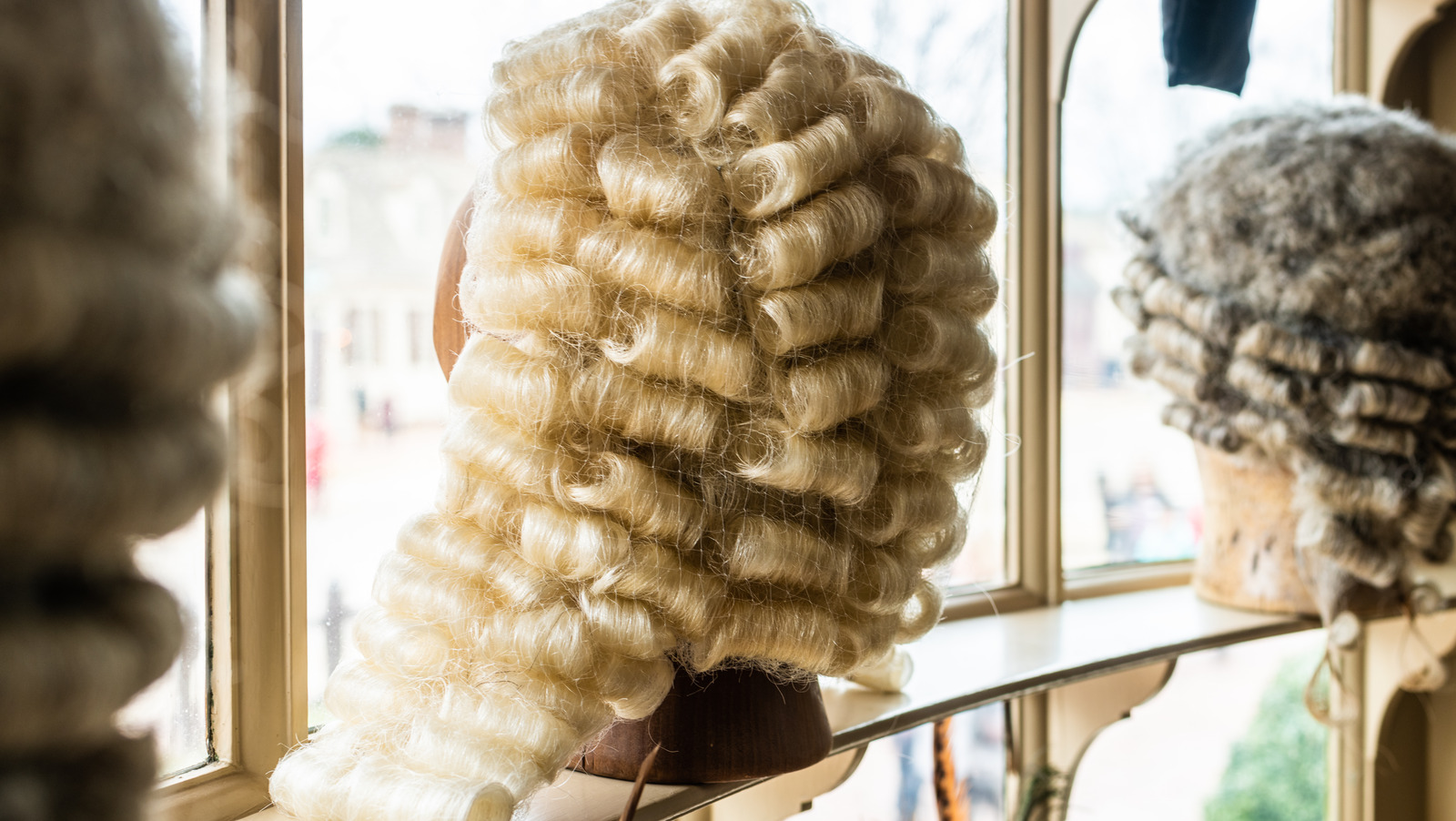
By the time the American Revolution rolled around, the wig was far more than a practical cover; it was a potent social indicator. The size, quality (whether made of human, horse, or goat hair), and style of your peruke broadcasted your wealth and professional standing.
Judges, barristers, military officers, and wealthy merchants were rarely seen without their intricate hairpieces. A gentleman's wig was expensive—sometimes costing more than a year's wages for a laborer—making it the ultimate status flex. For deeper historical context on the fashion evolution, see this detailed resource: Wikipedia: History of Wigs.
The Powdering Process: Why White?
While often called "white wigs," the original colonial wigs were typically a dull, natural color. The white or grey appearance came from liberal applications of scented starch or flour, known as "powdering."
This powder (usually white, but occasionally pink or blue) served multiple purposes: it masked body odor, repelled insects, and gave the wearer that distinguished, pale look favored by the elite. The practice was messy and expensive, requiring servants and dedicated powdering rooms—further confirming the wearer's high status.
In fact, the reliance on powder was so great that during wartime, when flour reserves were low, many countries debated taxing or even banning its use for fashion! For more on 18th-century fashion trends, check out: [Baca Juga: 18th Century Fashion Trends].
The Anatomy of a Colonial Peruke: Understanding the Styles
Not all wigs were created equal. During the colonial period, the style worn depended heavily on the occasion, the wearer's profession, and the current political climate. Here are the defining elements and styles:
Key Components: Bag Wigs, Queues, and the Toupee
- Toupee (or Foretop): This refers to the hair piled up high at the front, creating a distinctive vertical line.
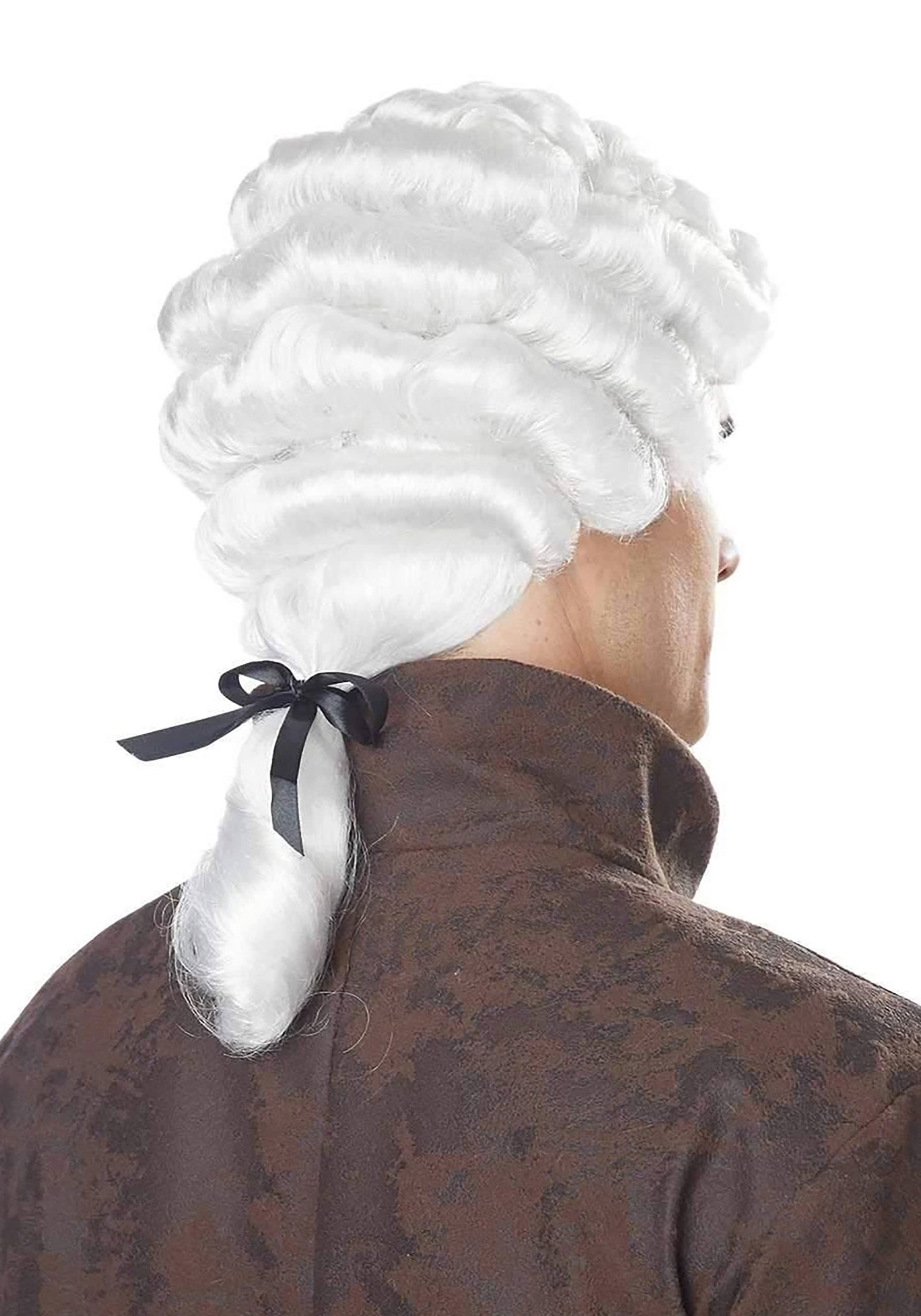
- Bag Wig (Bourse Wig): A style popular with officers and the gentry. The long hair at the back was gathered into a black silk bag to keep the powder from staining the coat.
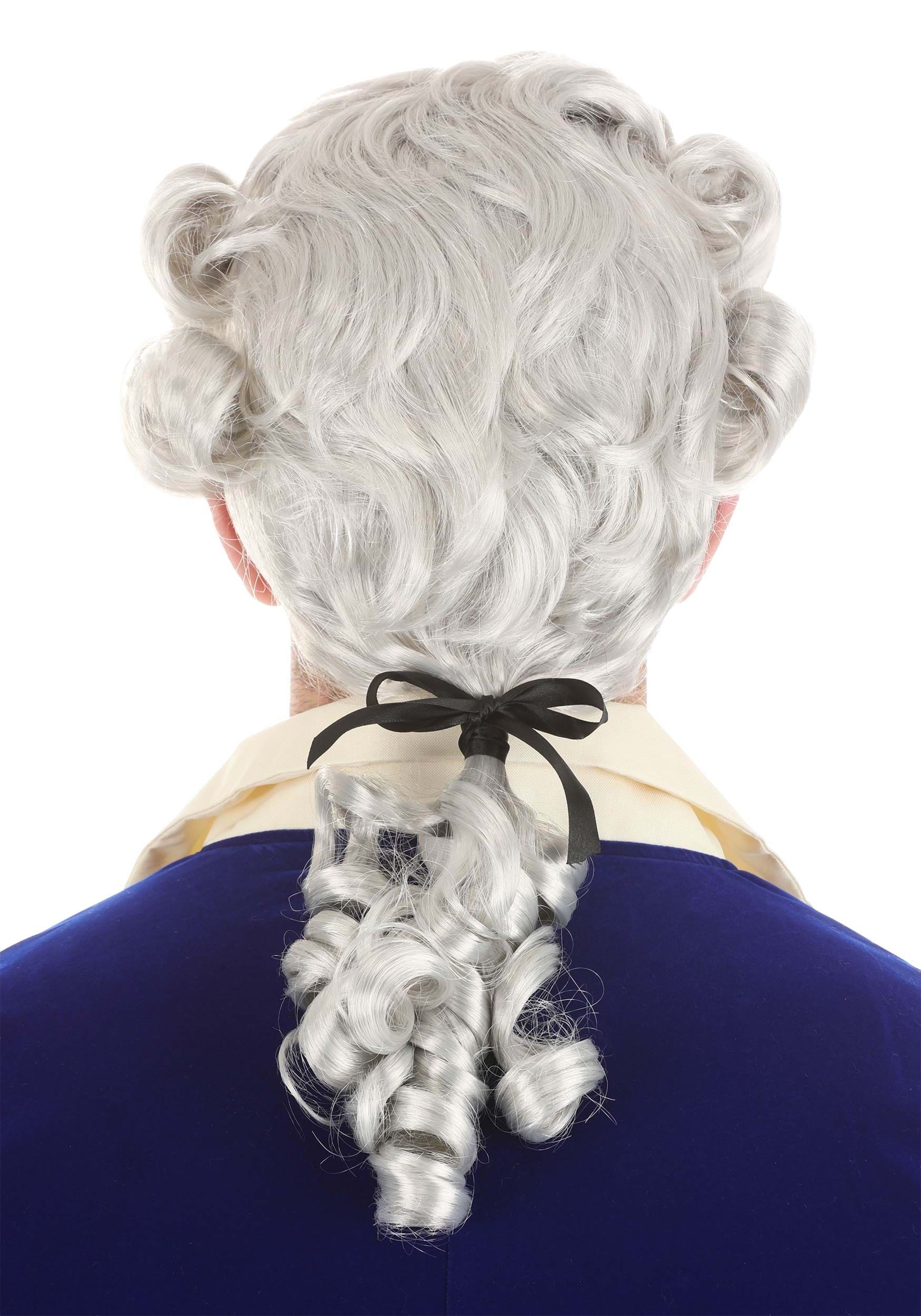
- The Queue: A simple braid or pigtail worn down the back, often tied with a ribbon. Military men and sailors favored this style for practicality.
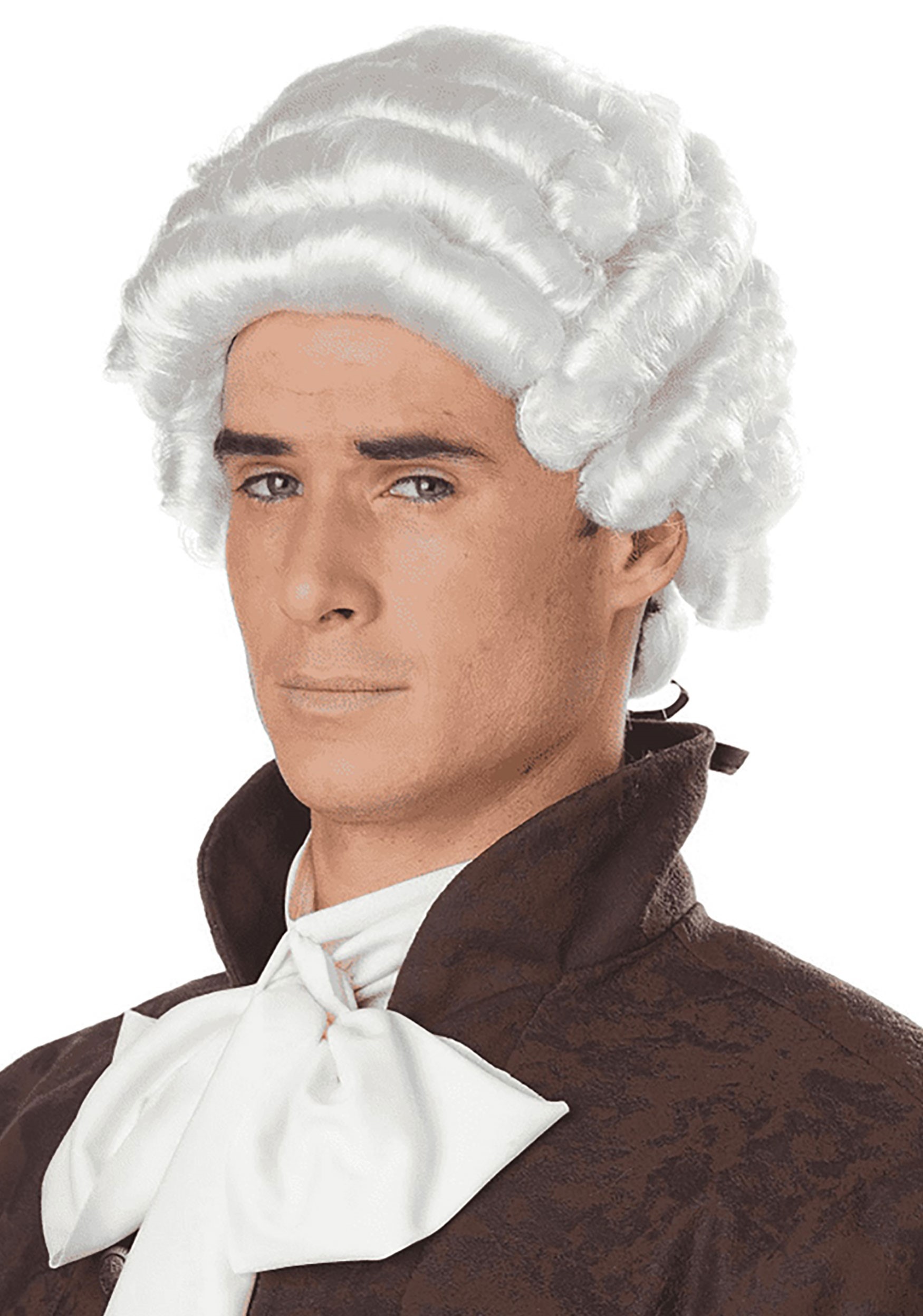
- The Side Curls (Rings): Typically three horizontal curls worn neatly above the ears. The number and tightness of these curls were precision-engineered.
The most famous example today might be the "George Washington" wig, which is technically a queued wig with well-defined side curls, representing the height of American refinement at the time.
Choosing the Right Colonial Wig for Costumes
If you are stepping into the 18th century, the quality and style of your wig can make or break your look. Modern colonial wigs are usually made from synthetic fibers, offering durability and ease of maintenance over natural hair. When choosing, consider the role you are portraying:
| Wig Style | Key Characteristics | Ideal Portrayal |
|---|---|---|
| Campaign Wig | Shorter, less elaborate, often powdered. Practical queue or simple knot at the nape. | Military officer, working professional, or traveler. |
| Tye-Wig (Pig Tail) | Simple, usually braided pigtail tied with a ribbon (black). Standard side curls. | General gentleman, merchant, or middle-class official. |
| Full-Bottomed Wig | Large, flowing, cascading shoulder-length curls. Very impractical. | Judge, barrister, or very high-status aristocrat (earlier 18th century). |
When shopping, prioritize comfort. Modern synthetic wigs can be heavy, especially the elaborate ones. Look for adjustable caps and breathable netting, particularly if you plan on wearing it for an extended period, like a full day at Colonial Williamsburg.
For those interested in the authentic legal context of wig wearing that continues today, you can explore parliamentary traditions: UK Parliament Official Site.
Care and Maintenance Tips for Your Colonial Wig
Unlike the original perukes which were rarely washed (leading to those famous hygiene problems), modern synthetic wigs need periodic cleaning and careful storage to maintain their shape and integrity.
Storage is Key: Always store your wig on a wig stand or a head form. This prevents the delicate curls and the toupee height from collapsing. Never just stuff it back into the bag!
Brushing: Use a wide-tooth comb or specialized wire brush designed for synthetic fibers. Start from the bottom and work your way up gently. Excessive pulling will destroy the set curls.
Washing (Sparingly): Only wash synthetic wigs when necessary. Use a cool water bath with a dollop of wig shampoo (or mild dish soap). Gently swirl, but do not scrub or wring out the wig. Pat it dry with a towel and allow it to air dry completely on the stand before storing or wearing again.
These simple steps ensure your costume piece remains pristine and ready for your next grand entry into the 18th century. [Baca Juga: Caring for Synthetic Wigs]
Conclusion: The Lasting Legacy of the Colonial Wig
The colonial wig remains a powerful symbol of the Age of Enlightenment, representing status, formality, and a dedication to intricate fashion standards—even if those standards meant uncomfortable, lice-ridden hairpieces for two centuries. From the courts of Europe to the bustling streets of Philadelphia, the powdered peruke dictated social interaction and signaled authority.
Today, whether you are a history enthusiast, a performer, or simply looking for the ultimate costume centerpiece, choosing the right style means understanding the fascinating story tucked beneath the powder. Embrace the curls, adjust your queue, and step confidently into your role!
Frequently Asked Questions About Colonial Wigs (FAQ)
Q: Were colonial wigs made of real human hair?
A: The highest quality, most expensive perukes were indeed made from human hair. However, due to cost, many lower-end or mid-range wigs were made from cheaper alternatives, most commonly horsehair, goat hair, or even vegetable fibers. Modern costume wigs are almost exclusively synthetic.
Q: Why did they stop wearing wigs?
A: The trend began to fade primarily due to the rise of simpler, more democratic styles in the late 18th and early 19th centuries. Figures like George Washington eventually abandoned the wig in favor of powdered natural hair, often tied in a queue. The French Revolution also cemented the shift toward less ostentatious, powdered styles, as large wigs became associated with the overthrown aristocracy.
Q: Did women wear the powdered colonial wigs too?
A: Yes, particularly in the later 18th century. While men wore the structured, side-curled perukes, wealthy women often wore massive, elaborate hairstyles that incorporated false hairpieces, pads, and towering structures (sometimes called "poufs"). These were also heavily powdered.
Q: Are modern barrister wigs the same as colonial wigs?
A: They are descendants. Modern barrister wigs (used in legal professions in the UK, Australia, etc.) are much smaller, shorter, and less ornate than the historical full-bottomed perukes. They retain the powdered white appearance and the tight curls as a nod to tradition and formality.
Colonial Wigs
Colonial Wigs Wallpapers
Collection of colonial wigs wallpapers for your desktop and mobile devices.

Mesmerizing Colonial Wigs View Digital Art
Explore this high-quality colonial wigs image, perfect for enhancing your desktop or mobile wallpaper.

Mesmerizing Colonial Wigs Capture Illustration
Transform your screen with this vivid colonial wigs artwork, a true masterpiece of digital design.

Gorgeous Colonial Wigs Wallpaper for Mobile
This gorgeous colonial wigs photo offers a breathtaking view, making it a perfect choice for your next wallpaper.

Detailed Colonial Wigs Photo Collection
Explore this high-quality colonial wigs image, perfect for enhancing your desktop or mobile wallpaper.
Vivid Colonial Wigs Picture Nature
Discover an amazing colonial wigs background image, ideal for personalizing your devices with vibrant colors and intricate designs.
Crisp Colonial Wigs Design Illustration
Immerse yourself in the stunning details of this beautiful colonial wigs wallpaper, designed for a captivating visual experience.

Beautiful Colonial Wigs Scene in 4K
Discover an amazing colonial wigs background image, ideal for personalizing your devices with vibrant colors and intricate designs.

Vivid Colonial Wigs Landscape Art
Experience the crisp clarity of this stunning colonial wigs image, available in high resolution for all your screens.

Vibrant Colonial Wigs Capture in HD
Experience the crisp clarity of this stunning colonial wigs image, available in high resolution for all your screens.

Lush Colonial Wigs Scene in 4K
A captivating colonial wigs scene that brings tranquility and beauty to any device.
Vibrant Colonial Wigs Abstract Art
Explore this high-quality colonial wigs image, perfect for enhancing your desktop or mobile wallpaper.

Captivating Colonial Wigs Image Concept
Immerse yourself in the stunning details of this beautiful colonial wigs wallpaper, designed for a captivating visual experience.

Exquisite Colonial Wigs Picture Nature
Immerse yourself in the stunning details of this beautiful colonial wigs wallpaper, designed for a captivating visual experience.

Mesmerizing Colonial Wigs Design for Desktop
Experience the crisp clarity of this stunning colonial wigs image, available in high resolution for all your screens.

Serene Colonial Wigs Image Photography
Discover an amazing colonial wigs background image, ideal for personalizing your devices with vibrant colors and intricate designs.

Serene Colonial Wigs Scene for Your Screen
Experience the crisp clarity of this stunning colonial wigs image, available in high resolution for all your screens.
Vibrant Colonial Wigs Image for Desktop
Experience the crisp clarity of this stunning colonial wigs image, available in high resolution for all your screens.

Spectacular Colonial Wigs Artwork in 4K
Find inspiration with this unique colonial wigs illustration, crafted to provide a fresh look for your background.

Dynamic Colonial Wigs Capture Nature
This gorgeous colonial wigs photo offers a breathtaking view, making it a perfect choice for your next wallpaper.
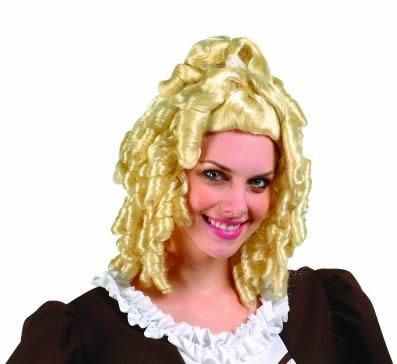
Gorgeous Colonial Wigs Landscape in HD
Find inspiration with this unique colonial wigs illustration, crafted to provide a fresh look for your background.
Download these colonial wigs wallpapers for free and use them on your desktop or mobile devices.
0 Response to "Colonial Wigs"
Post a Comment