Daylight saving time 2026: When to 'spring forward'
Daylight Saving Time 2026: When to 'Spring Forward'
The annual ritual of "springing forward" is fast approaching, and if you're already dreading that lost hour of sleep, you're not alone. As we hurtle towards 2026, the question on many minds isn't just *if* Daylight Saving Time (DST) will happen, but *when* precisely we'll be adjusting our clocks and our sleep schedules. Get ready to embrace longer evenings, but prepare for a potentially groggy morning or two.
I still remember the year I completely forgot about the time change. I had an early morning flight, a critical one, and woke up feeling surprisingly refreshed, only to realize my phone had automatically adjusted, but my old alarm clock hadn't. That moment of panic, seeing the "real" time and realizing I had an hour less than I thought, is something many of us can relate to. Whether it's missing an important meeting, arriving late for brunch, or simply feeling out of sync, the spring forward transition often catches us off guard. So, let's cut through the confusion and mark our calendars definitively for 2026.
Marking Your Calendars: The Official 'Spring Forward' Date for 2026
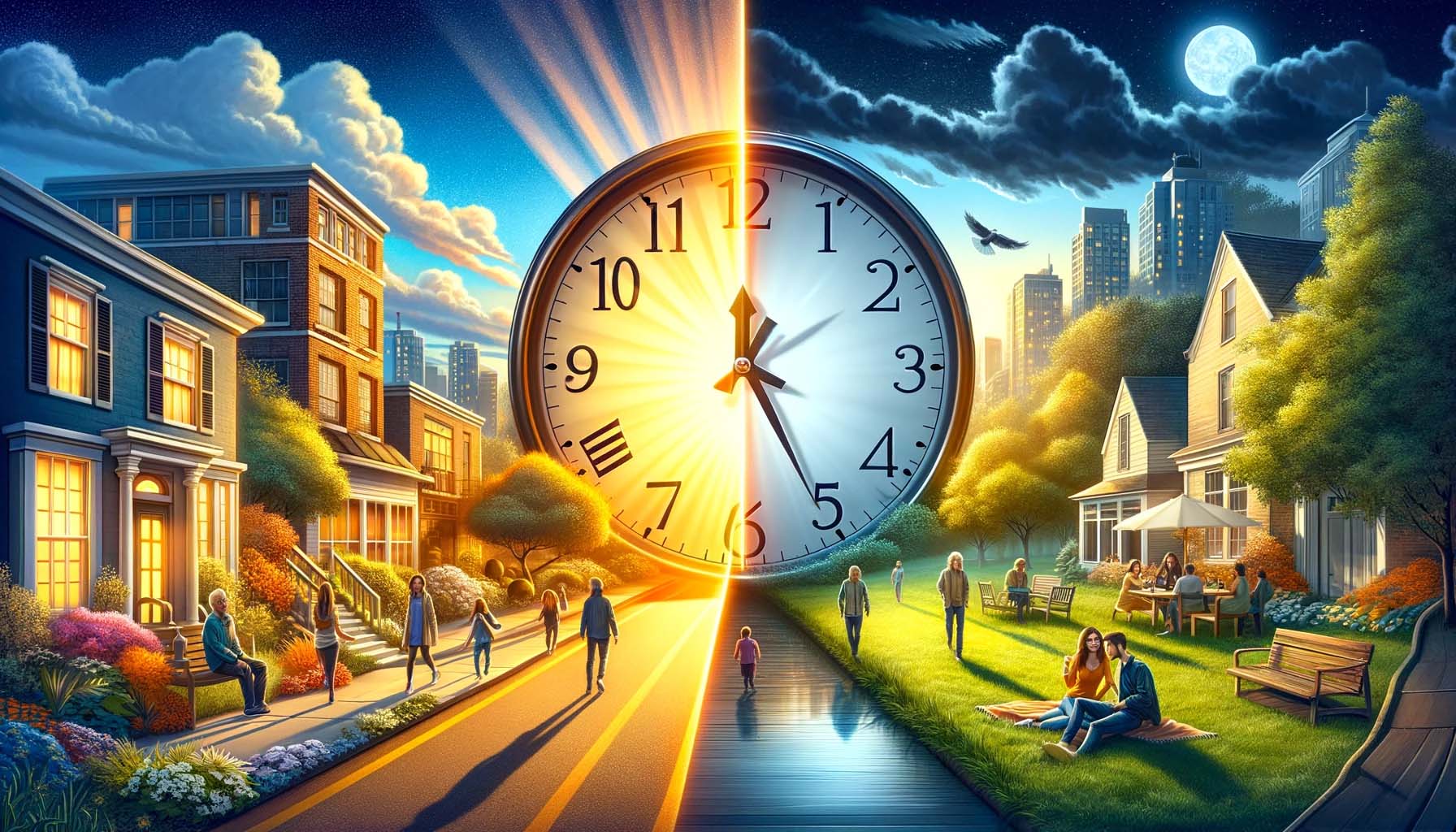
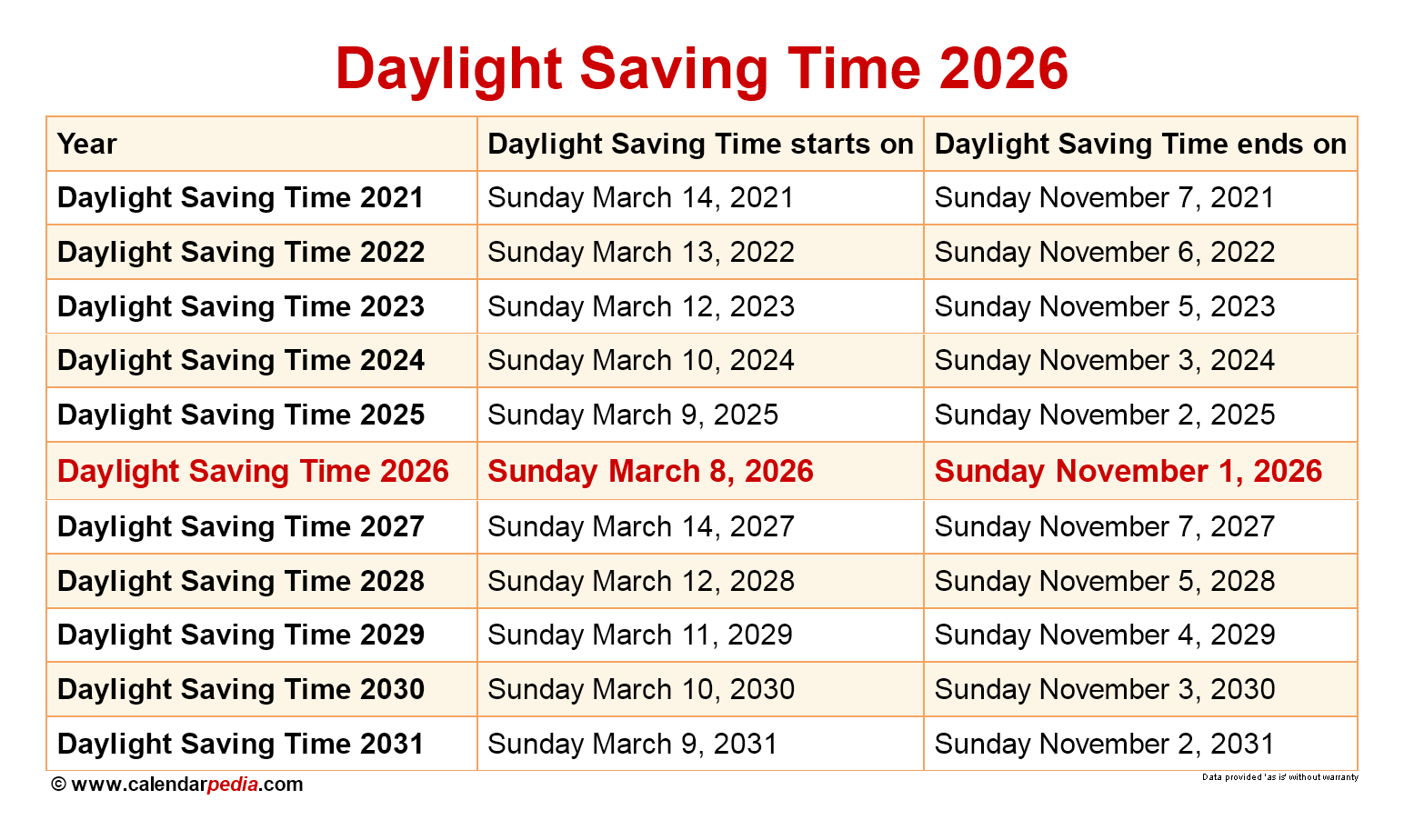
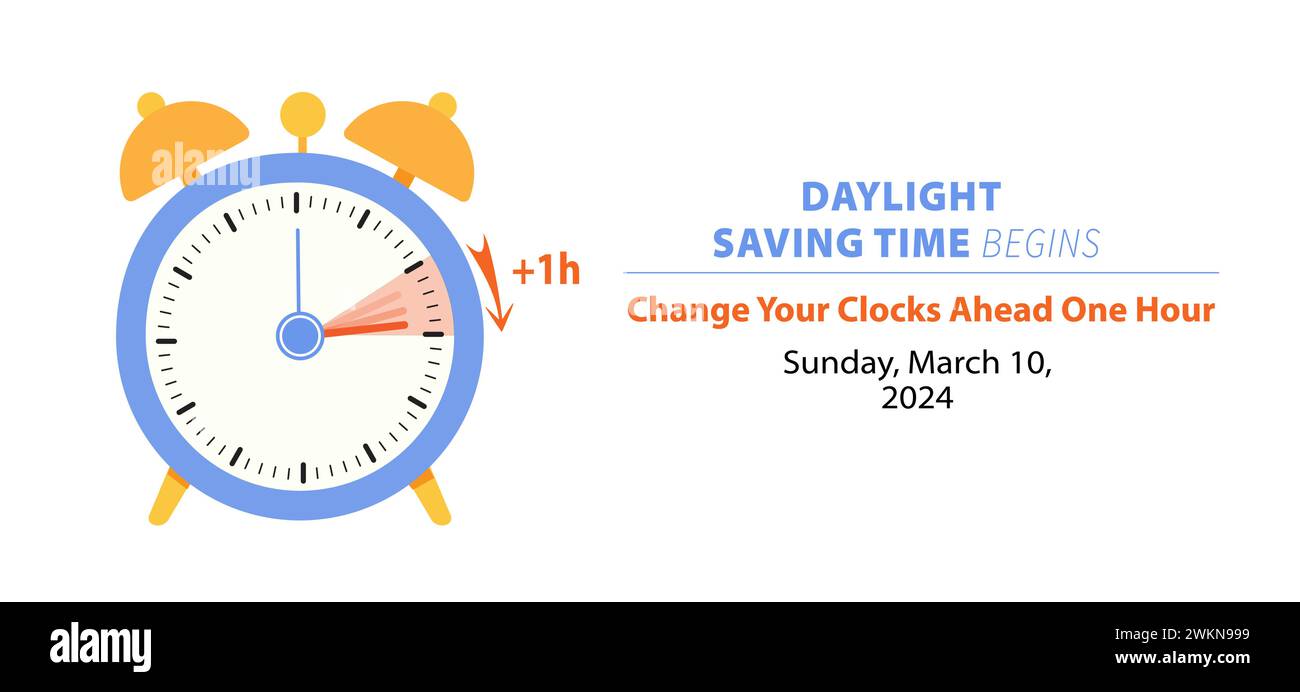
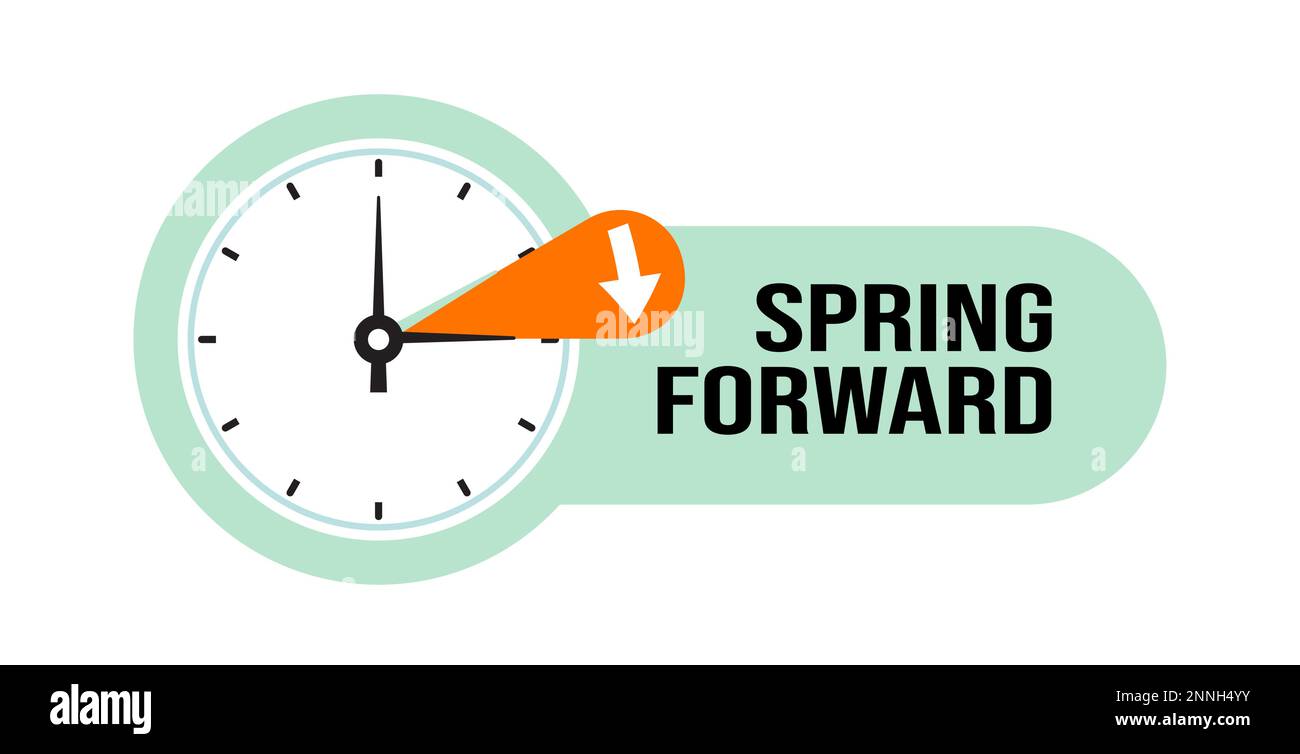
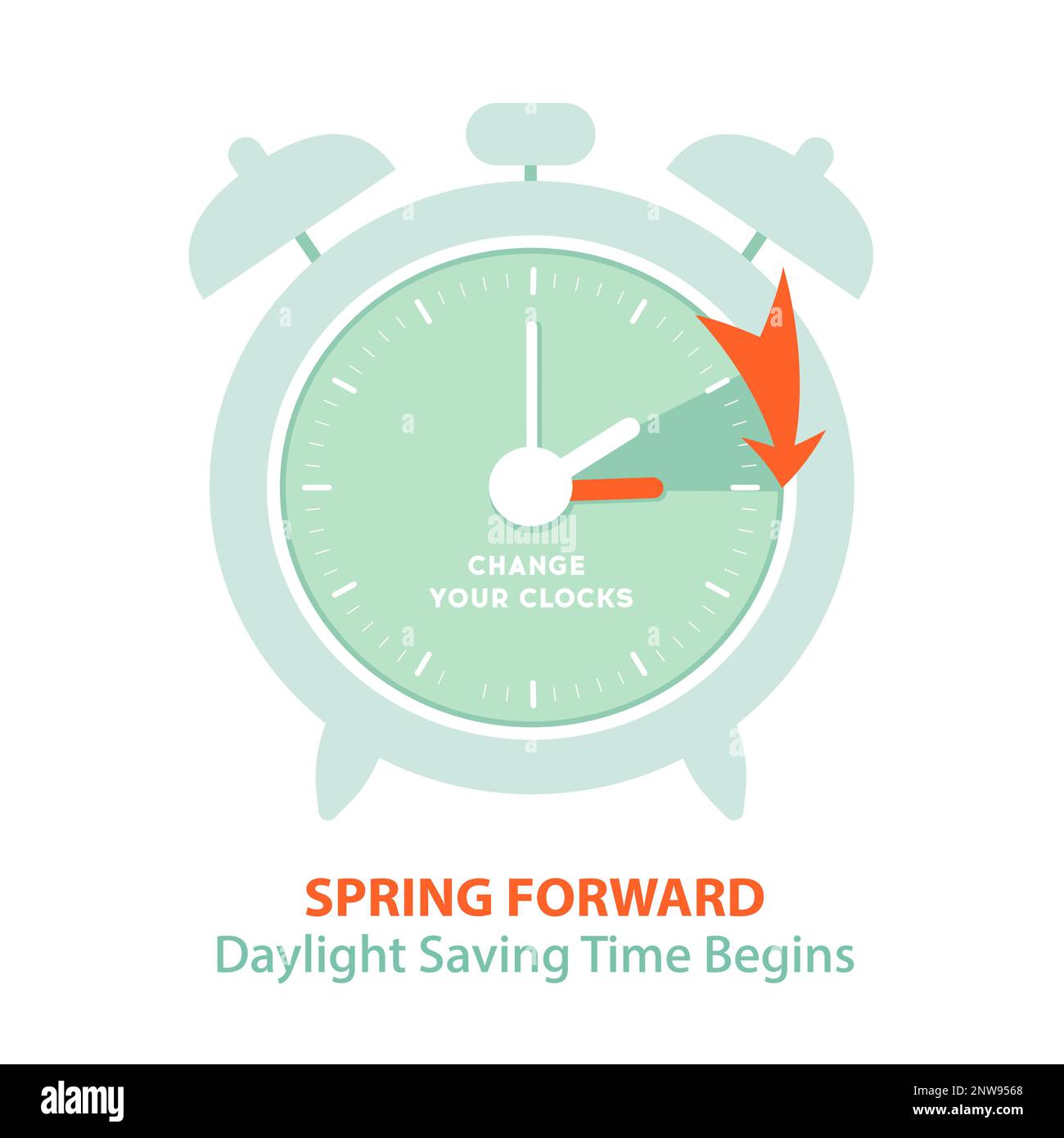
Circle it, highlight it, set a dozen reminders: Daylight Saving Time for 2026 will commence on **Sunday, March 8, 2026, at 2:00 AM local time**. This is when clocks across most of the United States and other participating regions will "spring forward" by one hour, effectively jumping from 2:00 AM directly to 3:00 AM.
This annual shift means we officially lose an hour of sleep in the early hours of March 8th, but in return, we gain an extra hour of precious daylight in the evening. For many, this marks the unofficial start of spring, bringing with it the promise of warmer weather, longer outdoor activities, and a general lift in spirits as the sun sets later. While most modern devices like smartphones, computers, and smartwatches will adjust automatically, don't forget to manually reset any analog clocks, car clocks, or traditional wall clocks around your home before you go to bed on Saturday, March 7th.
A Century of Time Twists: Why Do We Even Have Daylight Saving Time?
The concept of tweaking our clocks isn't a modern fad; its roots stretch back centuries, albeit in different forms. Benjamin Franklin famously pondered the idea in 1784, suggesting Parisians could save on candles by waking earlier to natural light. However, the modern iteration of Daylight Saving Time, as we know it, really took hold in the early 20th century.
Germany was the first country to implement DST in 1916 during World War I, aiming to conserve coal and energy for the war effort. The idea quickly spread, with other nations, including the United States, following suit. The primary rationale then, and arguably still debated now, was energy conservation. By shifting an hour of daylight from the morning to the evening, the belief was that people would use less artificial lighting, thus saving electricity.
In the United States, the Uniform Time Act of 1966 standardized the start and end dates for DST across the country, though states retain the option to opt out. Currently, Arizona (with the exception of the Navajo Nation) and Hawaii do not observe Daylight Saving Time, maintaining Standard Time year-round. This historical context highlights that DST was born out of necessity and efficiency, but its continued relevance is a subject of passionate debate.
The Great Debate: Pros, Cons, and the Future of DST
Daylight Saving Time is far from universally loved. While some champion its benefits, others fervently call for its abolition. The arguments for and against are numerous and often deeply personal.
On the "pro" side, advocates point to potential economic benefits. Longer daylight hours in the evening are often linked to increased retail sales and more opportunities for outdoor recreation, which can boost local economies and tourism. Additionally, some argue that more daylight in the evening can lead to reduced crime rates, as there are fewer hours of darkness for illicit activities. Many people also report a mood boost from the extended daylight, especially after the dreary winter months, linking it to improved mental well-being and reduced instances of Seasonal Affective Disorder (SAD).
However, the "con" list is extensive and often backed by scientific research. Perhaps the most significant concern is the impact on public health. Studies have shown a measurable increase in heart attacks, strokes, and traffic accidents in the days immediately following the "spring forward" transition, attributed to the disruption of our circadian rhythm and sleep deprivation. The loss of an hour's sleep can have cascading effects on productivity, concentration, and overall well-being. Furthermore, the supposed energy savings have been widely contested by modern research, with some studies suggesting DST actually increases energy consumption due due to increased use of air conditioning in the warmer, lighter evenings. The need for children to commute to school in the dark mornings, a potential safety hazard, is another frequently cited concern.
The debate over whether to abolish DST, or perhaps make it permanent, continues to rage on both a national and international level. In the US, the "Sunshine Protection Act," which would make Daylight Saving Time permanent nationwide, has seen repeated attempts to pass through Congress. While it has passed the Senate previously, it has stalled in the House. States like Florida and California have expressed interest in making DST permanent, but federal law currently prevents states from observing DST year-round without a change in federal legislation. There's also a strong contingent advocating for permanent Standard Time, arguing it aligns better with our natural body clocks. This ongoing legislative push highlights the deep division and the real stakes involved in how we manage our clocks.
Navigating the Shift: Tips for a Smoother Transition
Even with all the debate, the reality is that "springing forward" is still on the calendar for 2026. While you might lose an hour of sleep, you don't have to lose your mind. Here are some practical tips to help you and your household adjust to the time change with minimal disruption:
* **Adjust Gradually:** Don't wait until the last minute. In the days leading up to March 8th, try going to bed 15-20 minutes earlier each night. This can help ease your body into the new schedule.
* **Prioritize Sleep Hygiene:** Ensure your bedroom is dark, quiet, and cool. Avoid screens (phones, tablets, TVs) for at least an hour before bedtime. Limit caffeine and alcohol intake, especially in the evening.
* **Stick to a Routine:** Maintain your regular meal times and exercise schedule. Consistency helps reinforce your body's internal clock.
* **Embrace the Morning Light:** As soon as you wake up on March 8th, expose yourself to natural light. Open the curtains, step outside. This signals to your body that it's time to be awake.
* **Stay Hydrated and Eat Well:** A balanced diet and plenty of water can help combat fatigue and support overall well-being during the transition.
* **Don't Forget Manual Clocks:** While smartphones and computers update automatically, remember those analog clocks, oven clocks, and car clocks. Change them before bed on Saturday night, March 7th, to avoid confusion.
By taking a few proactive steps, you can mitigate the sleep disruption and enjoy the benefits of those longer, brighter evenings without feeling completely out of sync.
Beyond 2026: What Lies Ahead for Our Clocks?
The conversation around Daylight Saving Time is dynamic and constantly evolving. As we look beyond 2026, it's clear that the debate about our annual clock changes will continue to intensify. Will the Sunshine Protection Act finally pass, making "spring forward" a permanent fixture, eliminating the "fall back" altogether? Or will the arguments for permanent Standard Time gain more traction, aligning us more closely with solar noon?
Various countries and regions around the world are continuously reviewing their DST policies, with some opting out entirely and others exploring different models. The European Union, for example, has debated abolishing the clock changes but has yet to reach a definitive consensus among member states. What this means for the average person is continued uncertainty, but also the possibility of significant change in the coming years. Staying informed about legislative developments, both federally and at your state level, will be key to understanding how future time changes, or the lack thereof, might impact your daily life.
As Daylight Saving Time 2026 approaches, the ritual of "springing forward" remains a topic of both excitement for longer evenings and apprehension for sleep disruption. While the future of this century-old practice is still up for debate, for now, mark your calendars for **Sunday, March 8, 2026**. Prepare to adjust your clocks, embrace the extended daylight, and perhaps, with a few proactive steps, conquer that lost hour of sleep.
Daylight saving time 2026: When to 'spring forward'
Daylight saving time 2026: When to 'spring forward' Wallpapers
Collection of daylight saving time 2026: when to 'spring forward' wallpapers for your desktop and mobile devices.
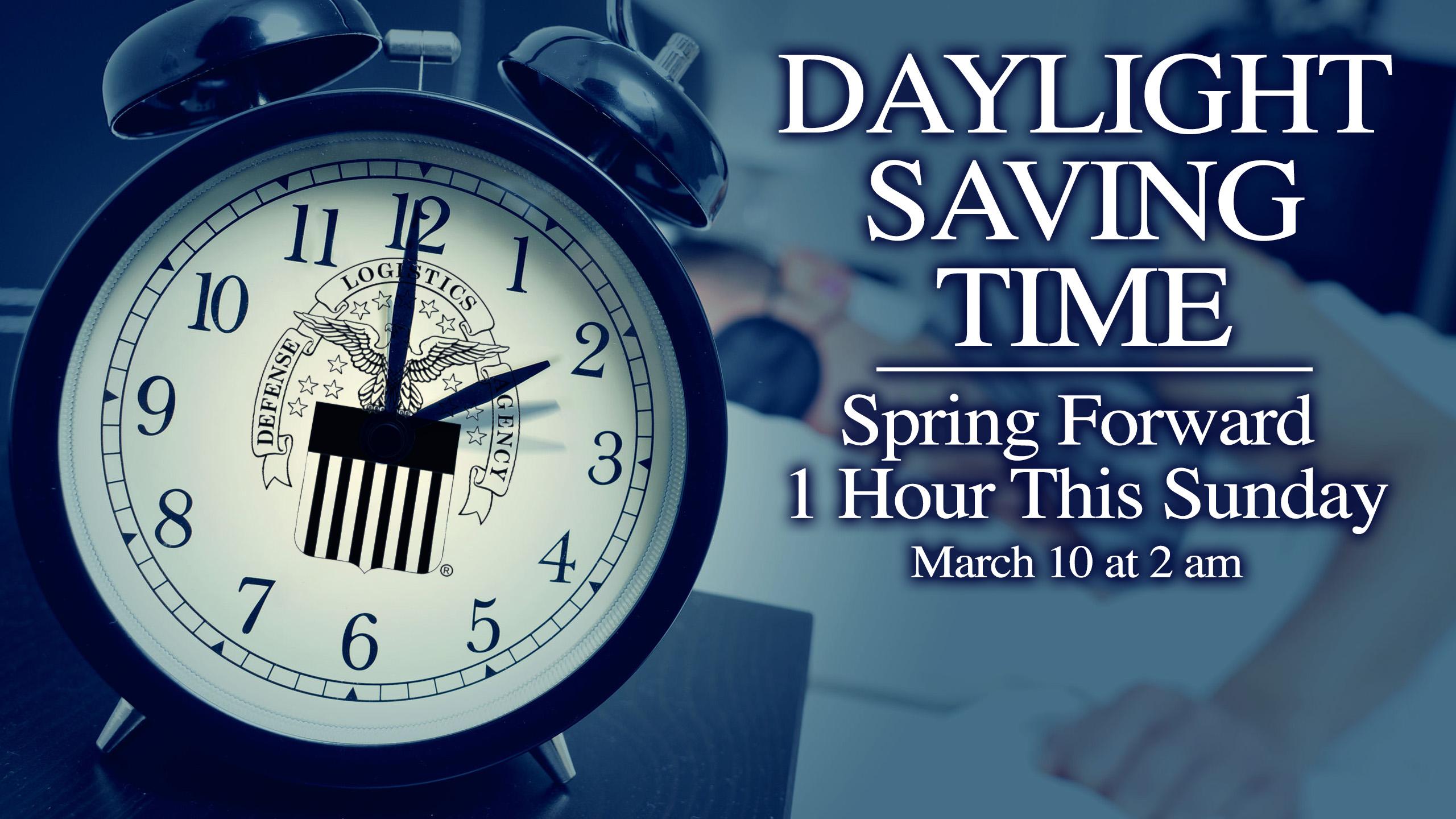
Exquisite Daylight Saving Time 2026: When To 'spring Forward' Design for Mobile
Immerse yourself in the stunning details of this beautiful daylight saving time 2026: when to 'spring forward' wallpaper, designed for a captivating visual experience.

Breathtaking Daylight Saving Time 2026: When To 'spring Forward' Abstract Photography
Transform your screen with this vivid daylight saving time 2026: when to 'spring forward' artwork, a true masterpiece of digital design.

Beautiful Daylight Saving Time 2026: When To 'spring Forward' Scene Nature
Experience the crisp clarity of this stunning daylight saving time 2026: when to 'spring forward' image, available in high resolution for all your screens.
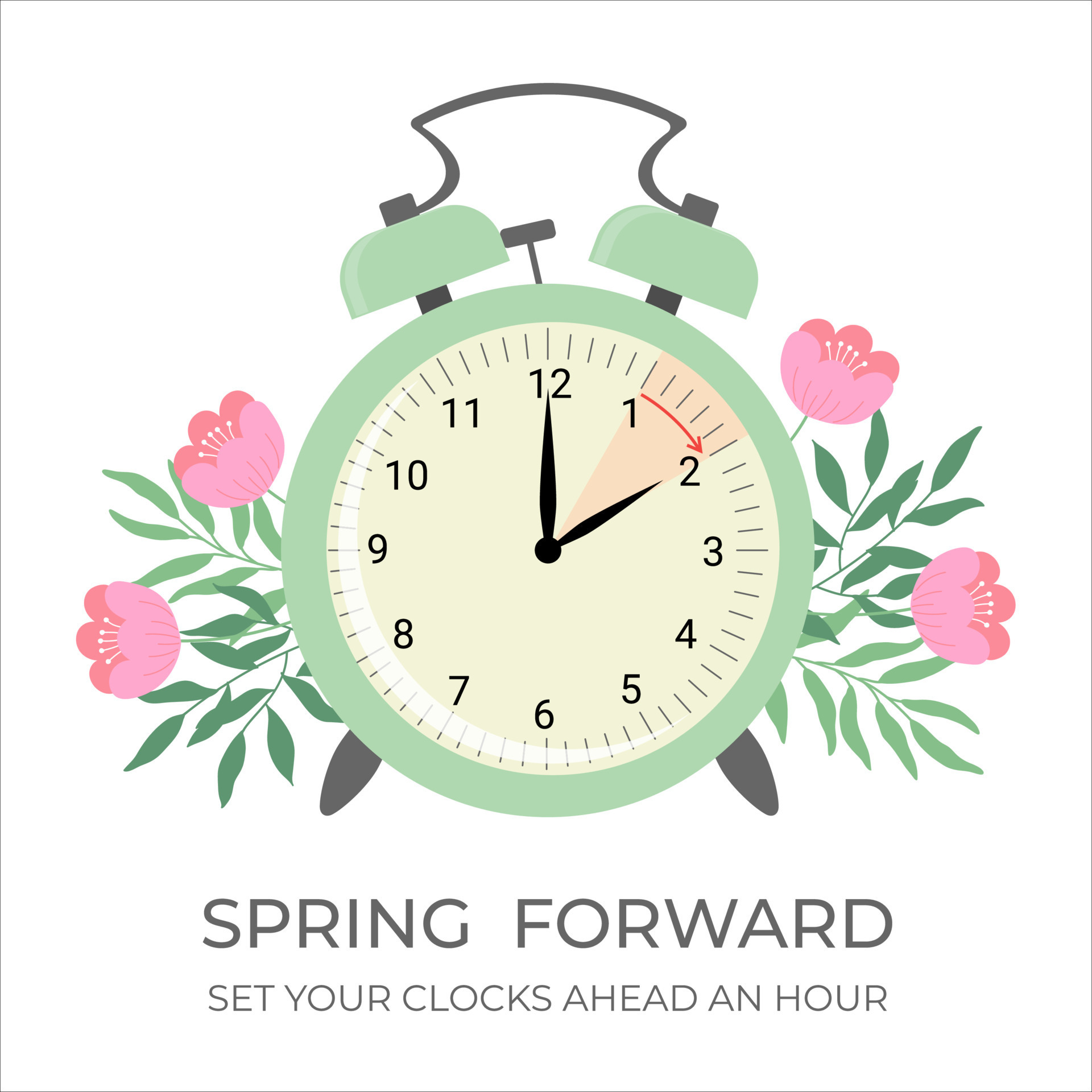
Breathtaking Daylight Saving Time 2026: When To 'spring Forward' View Photography
Explore this high-quality daylight saving time 2026: when to 'spring forward' image, perfect for enhancing your desktop or mobile wallpaper.
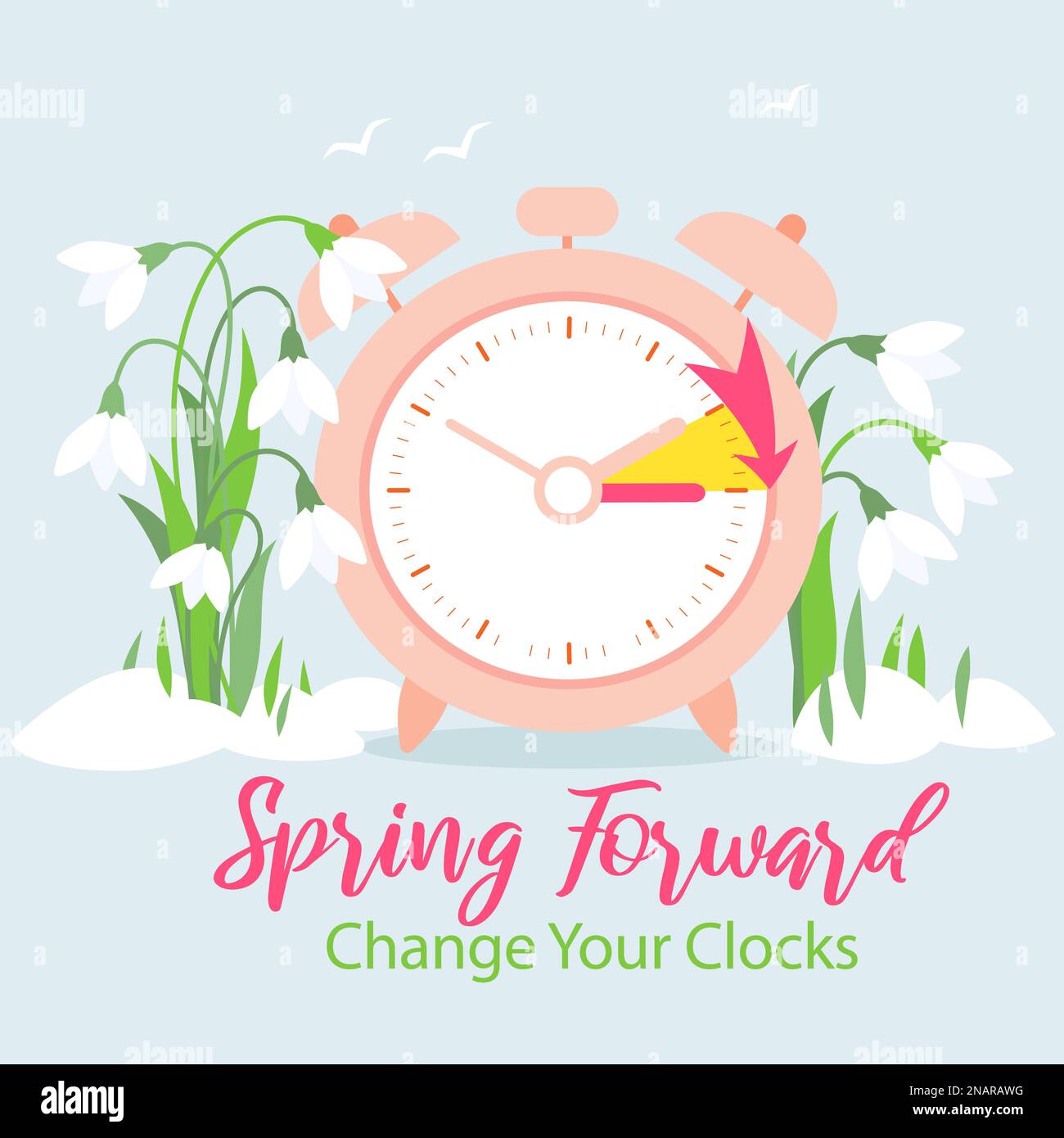
Gorgeous Daylight Saving Time 2026: When To 'spring Forward' Artwork Art
Immerse yourself in the stunning details of this beautiful daylight saving time 2026: when to 'spring forward' wallpaper, designed for a captivating visual experience.

Dynamic Daylight Saving Time 2026: When To 'spring Forward' Moment for Desktop
A captivating daylight saving time 2026: when to 'spring forward' scene that brings tranquility and beauty to any device.
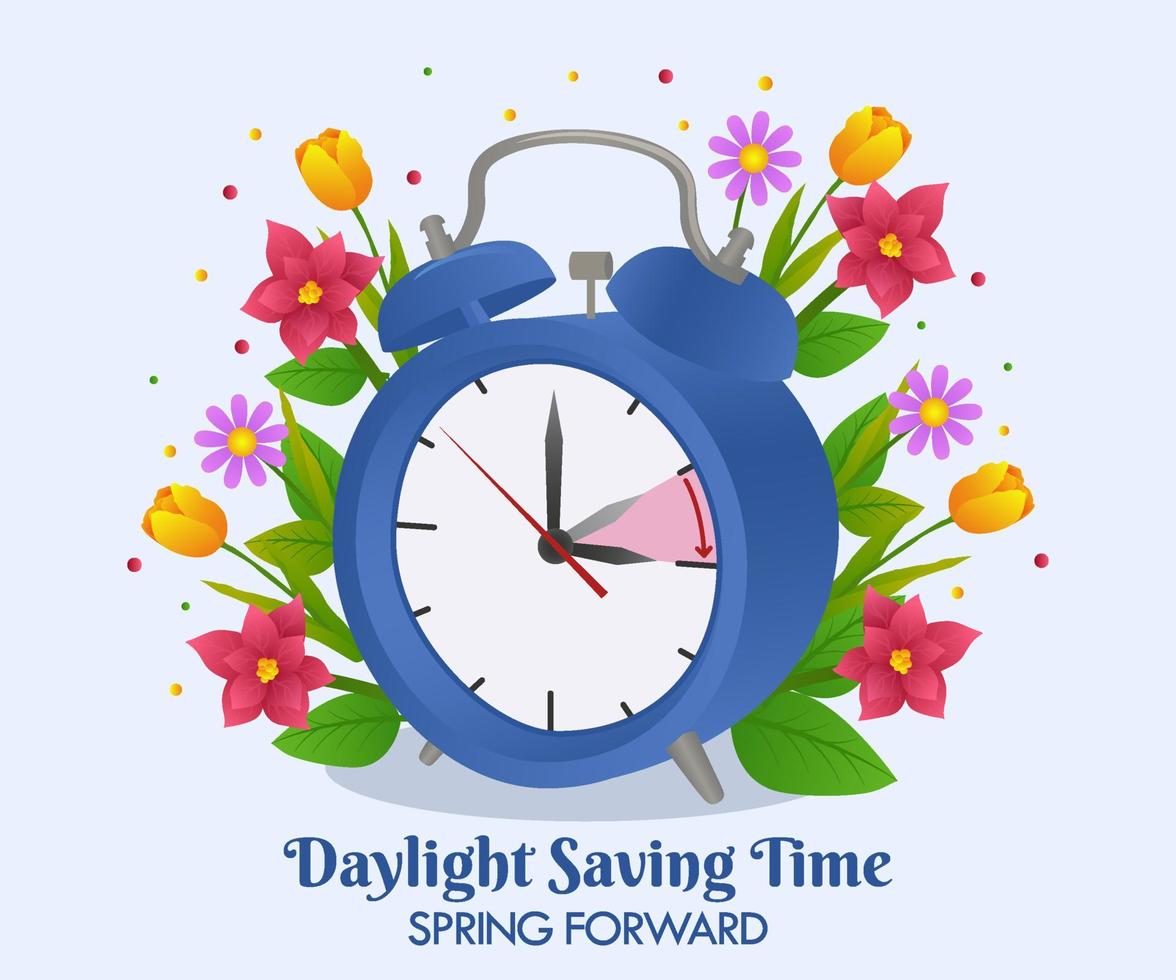
Mesmerizing Daylight Saving Time 2026: When To 'spring Forward' Abstract Collection
Explore this high-quality daylight saving time 2026: when to 'spring forward' image, perfect for enhancing your desktop or mobile wallpaper.
Breathtaking Daylight Saving Time 2026: When To 'spring Forward' Image in HD
Experience the crisp clarity of this stunning daylight saving time 2026: when to 'spring forward' image, available in high resolution for all your screens.
Spectacular Daylight Saving Time 2026: When To 'spring Forward' Photo Digital Art
Find inspiration with this unique daylight saving time 2026: when to 'spring forward' illustration, crafted to provide a fresh look for your background.

Exquisite Daylight Saving Time 2026: When To 'spring Forward' Design Concept
A captivating daylight saving time 2026: when to 'spring forward' scene that brings tranquility and beauty to any device.
Serene Daylight Saving Time 2026: When To 'spring Forward' Picture Art
Explore this high-quality daylight saving time 2026: when to 'spring forward' image, perfect for enhancing your desktop or mobile wallpaper.
Spectacular Daylight Saving Time 2026: When To 'spring Forward' Picture in 4K
This gorgeous daylight saving time 2026: when to 'spring forward' photo offers a breathtaking view, making it a perfect choice for your next wallpaper.
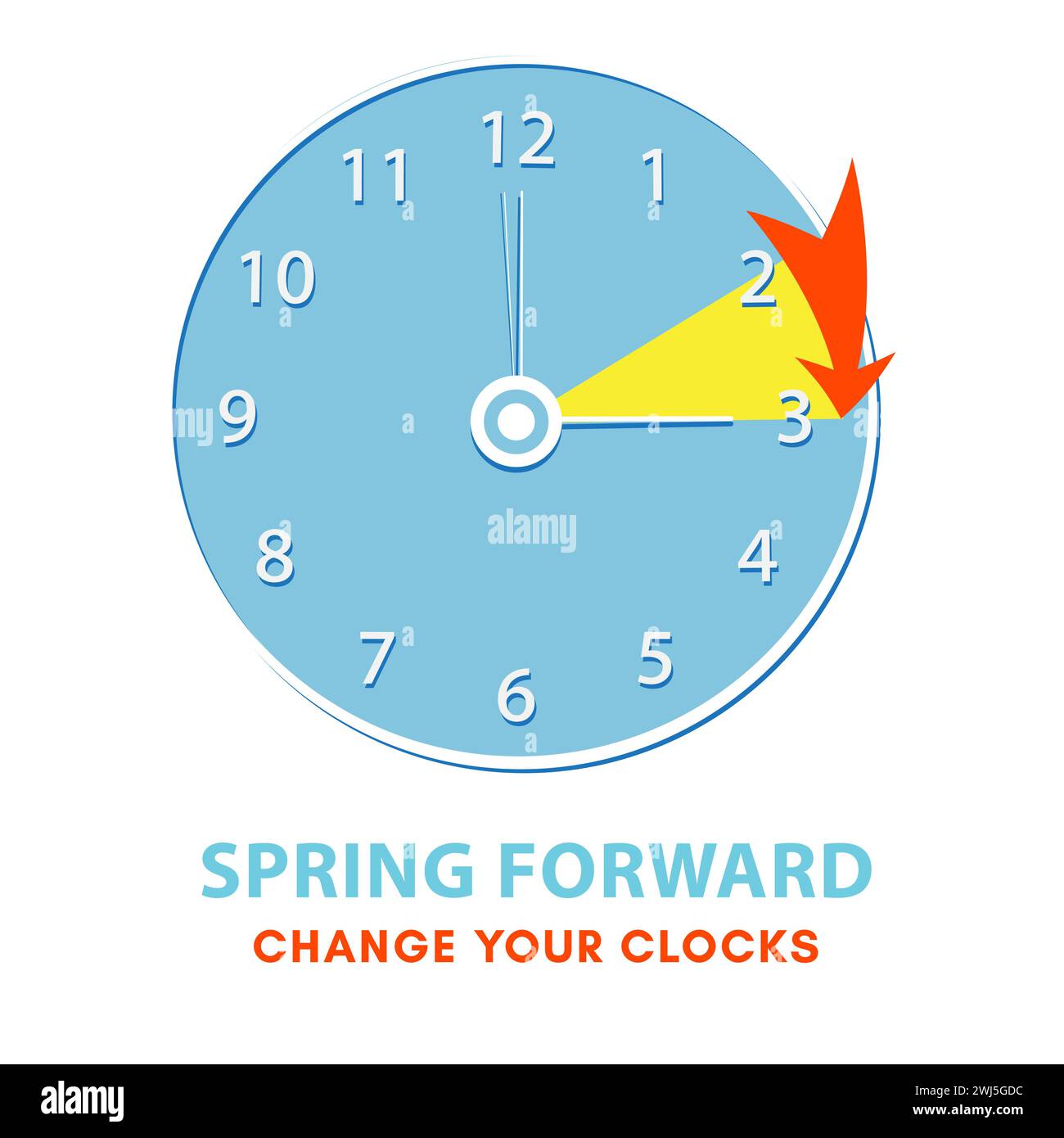
Amazing Daylight Saving Time 2026: When To 'spring Forward' Moment for Desktop
Discover an amazing daylight saving time 2026: when to 'spring forward' background image, ideal for personalizing your devices with vibrant colors and intricate designs.

Exquisite Daylight Saving Time 2026: When To 'spring Forward' Landscape Collection
Find inspiration with this unique daylight saving time 2026: when to 'spring forward' illustration, crafted to provide a fresh look for your background.

Exquisite Daylight Saving Time 2026: When To 'spring Forward' Picture for Mobile
Find inspiration with this unique daylight saving time 2026: when to 'spring forward' illustration, crafted to provide a fresh look for your background.
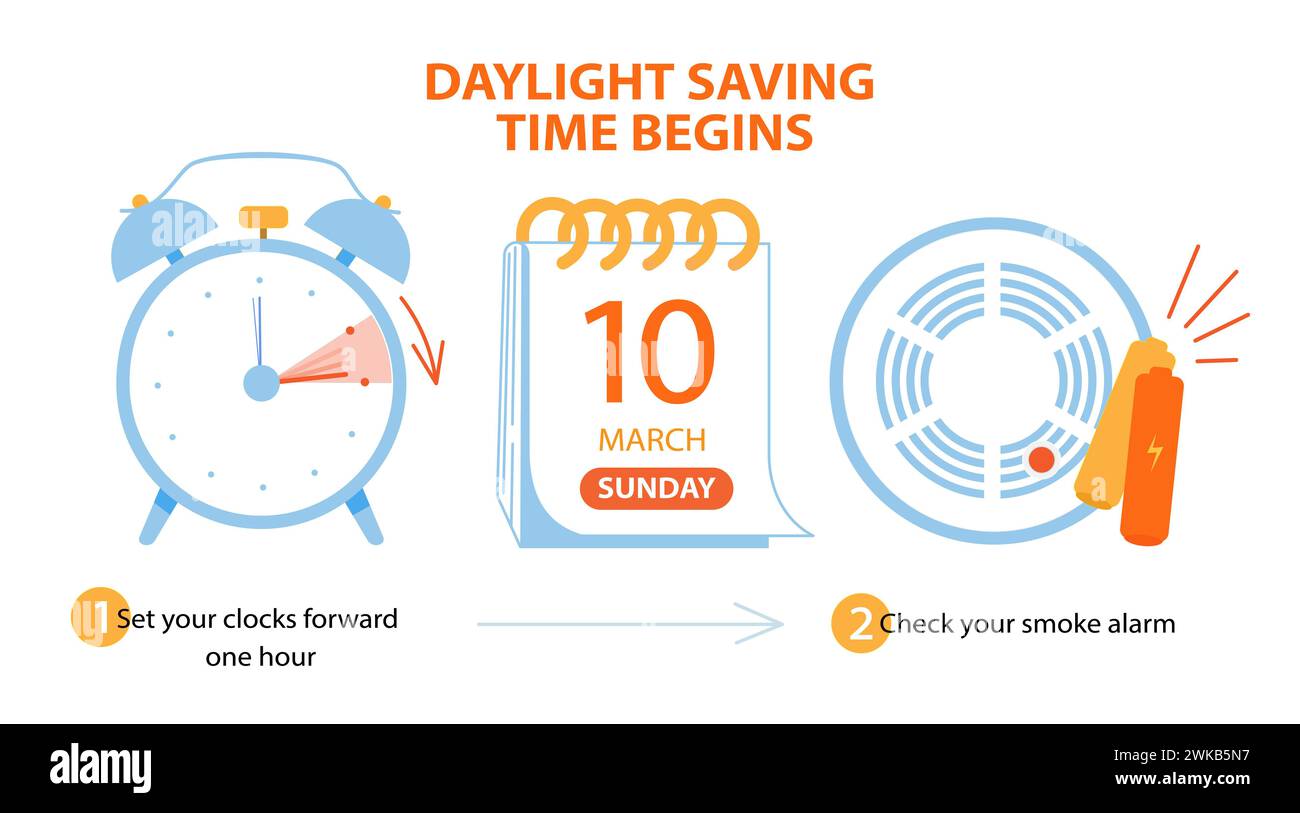
Mesmerizing Daylight Saving Time 2026: When To 'spring Forward' Capture Concept
Discover an amazing daylight saving time 2026: when to 'spring forward' background image, ideal for personalizing your devices with vibrant colors and intricate designs.
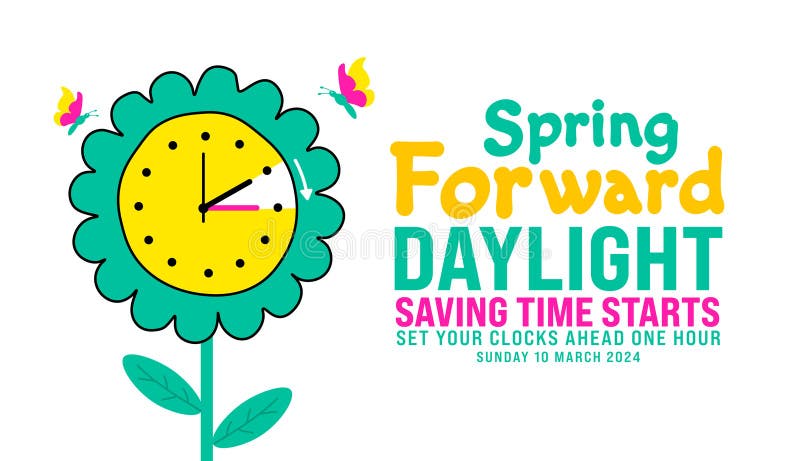
Breathtaking Daylight Saving Time 2026: When To 'spring Forward' Artwork for Desktop
Experience the crisp clarity of this stunning daylight saving time 2026: when to 'spring forward' image, available in high resolution for all your screens.
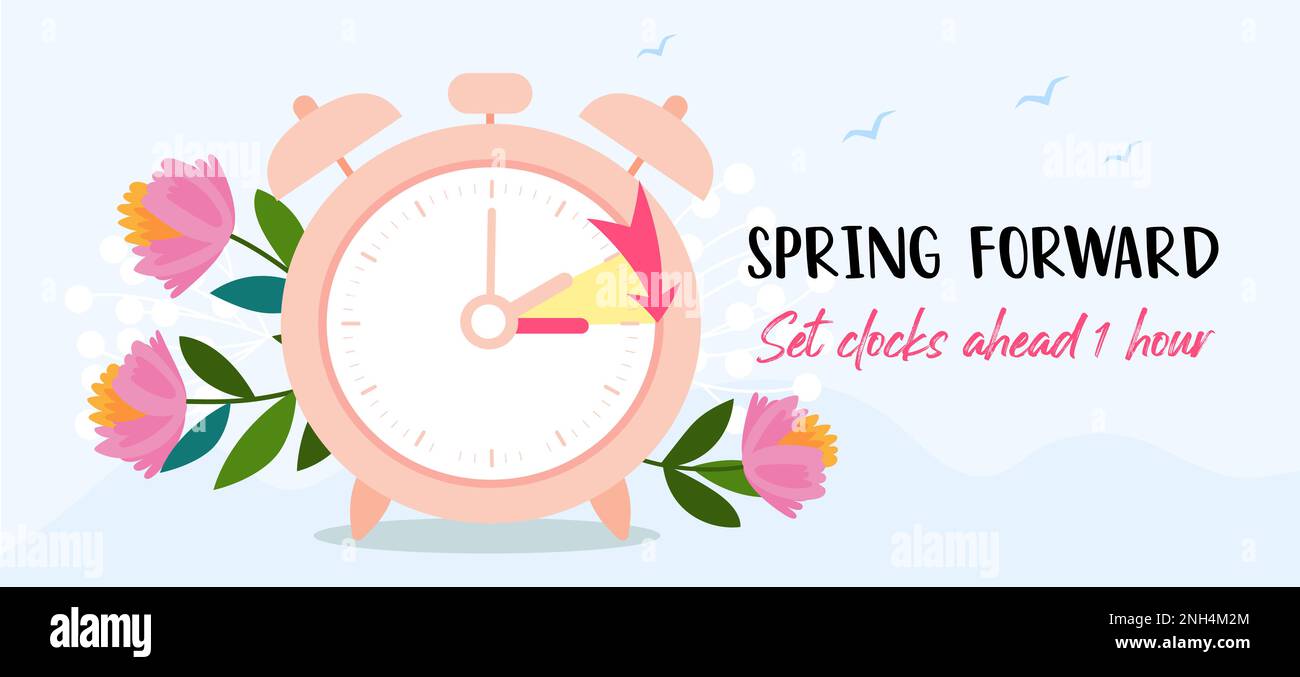
Lush Daylight Saving Time 2026: When To 'spring Forward' Abstract Nature
Find inspiration with this unique daylight saving time 2026: when to 'spring forward' illustration, crafted to provide a fresh look for your background.
Lush Daylight Saving Time 2026: When To 'spring Forward' Image Art
Immerse yourself in the stunning details of this beautiful daylight saving time 2026: when to 'spring forward' wallpaper, designed for a captivating visual experience.

Exquisite Daylight Saving Time 2026: When To 'spring Forward' View for Your Screen
Find inspiration with this unique daylight saving time 2026: when to 'spring forward' illustration, crafted to provide a fresh look for your background.
Download these daylight saving time 2026: when to 'spring forward' wallpapers for free and use them on your desktop or mobile devices.
0 Response to "Daylight saving time 2026: When to 'spring forward'"
Post a Comment