Ombre Bob
Tired of Flat Hair? How the Ombre Bob Became the Ultimate Low-Maintenance Style
Let's face it: we all want that high-impact, salon-fresh look without the tedious daily styling commitment. If you've been scrolling through social media, you've likely noticed one specific hairstyle dominating the feeds: the Ombre Bob.
This cut isn't just a trend; it's a strategic fusion of two classic styles—the versatility of the bob and the dimensional depth of the ombre coloring technique. But why has this specific combination become the go-to choice for millions? And how can you ensure your Ombre Bob looks perfectly blended, fresh, and flattering?
In this comprehensive guide, we'll dive deep into the world of the Ombre Bob, covering everything from the perfect length and blending techniques to expert maintenance tips that preserve that coveted color transition.
Understanding the Ombre Bob Phenomenon
The term 'ombre' literally means shading or graduating in color. When applied to a bob—a short to medium-length cut typically ending between the jawline and the collarbone—the result is pure magic. It's a dynamic, eye-catching look that adds texture and volume instantly.
Unlike traditional highlights that begin near the root, the ombre effect is characterized by a gradual transition from a darker base color (often your natural shade) to lighter ends. This creates a soft, sun-kissed appearance that requires less frequent touch-ups than root-to-tip coloring.
Why Ombre Works So Well on a Bob
The success of the Ombre Bob lies in its structure. A bob is a defined, structured cut. When you introduce color dimension into that structure, it enhances the shape significantly. The lighter ends draw the eye down, emphasizing the sleek lines of an A-line bob or the playful movement of a layered bob.
Furthermore, because the length is shorter, the weight of the hair is reduced. This allows the color blend to appear softer and more natural, avoiding the sometimes harsh lines that can occur on very long, flat hair. For a technical analysis of color graduation, you can refer to established color theory principles: The Science Behind Hair Coloring.
This technique is a perfect low-maintenance solution for those who want a dramatic change without the constant commitment. The grow-out phase is incredibly forgiving.
Choosing Your Perfect Ombre Bob Style
Not all bobs are created equal, and the type of cut you choose will heavily influence how your ombre color sits. The best style complements your face shape and lifestyle.
Key Bob Variations for Ombre Color
1. The A-Line Bob: This features a slight angle, being longer in the front and shorter in the back. The ombre is fantastic here because the lighter color at the tips accentuates the sharp angle, giving it a high-fashion, dramatic feel.
2. The Layered Bob: Ideal for fine hair, layers add volume and movement. When applying the ombre, the colorist can use the layers to create multiple ribbons of light and shadow, resulting in a three-dimensional effect that is full of life.
3. The Stacked or Inverted Bob: This bob has heavily layered hair at the back to create volume and a rounded shape. The color should transition quickly, with the lightest pieces focused on the front sections and the tips of the back layers for maximum contrast.
Choosing the right style requires weighing up the commitment versus the desired outcome. Here is a quick guide to help you decide:
| Style | Best for Hair Type | Maintenance Level | Key Feature |
|---|---|---|---|
| Classic Ombre Bob (Chin-Length) | Straight to Wavy, Medium Density | Low | Uniform, Sleek Finish |
| Layered Ombre Bob | Fine or Thick Hair | Medium | Added Volume and Texture |
| Curly Ombre Bob | Curly or Coiled Hair | High | Highlighting Curl Definition |
If you're unsure which cut suits your facial structure, consult your stylist. A professional consultation is the first step toward a successful Ombre Bob transformation.
The Art of the Blend: Ombre vs. Balayage Techniques
When discussing dimensional color, the terms ombre and balayage often get confused, especially when applied to a bob. While both offer a gradual, low-maintenance look, the technique and resulting finish are distinct.
Ombre: The Bold Transition
Traditional Ombre involves horizontally sectioning the hair and applying the lightener across the entire width of the section, typically starting midway down the strand. The goal is a noticeable—but soft—color change from dark to light, usually occurring only over the bottom half of the bob. It's a structured shift.
Balayage: The Hand-Painted Sweep
Balayage (meaning "to sweep" in French) involves hand-painting the lightener onto the hair in a vertical motion. This technique creates very natural, soft highlights that blend seamlessly throughout the entire length, often starting closer to the root in subtle sweeps.
When combining these on a bob, you often get a technique called "Sombre" (Soft Ombre) or "Foilayage" which uses the precision of foils with the blending of balayage to ensure maximum lift while maintaining a flawless transition line.
A successful Ombre Bob relies heavily on the quality of the blend line. A great colorist will feather the color upward, erasing any harsh lines and ensuring the transition is undetectable. For further reading on the technical differences in application, check out this guide: L'Oréal Professionnel: Ombre vs. Balayage.
Achieving the perfect blend often requires toning treatments to neutralize unwanted warm tones (like brassiness) that can appear after lightening dark hair. Baca Juga: Panduan Lengkap Toning Rambut.
Maintenance and Longevity: Keeping Your Ombre Bob Fresh
The biggest appeal of the Ombre Bob is its low maintenance, but "low" doesn't mean "no." You need a simple regimen to protect the color and keep the short cut sharp.
1. Color Protection is Key
Since the ends of your bob are chemically lightened, they are porous and prone to fading or turning brassy. Invest in high-quality, sulfate-free shampoos and conditioners specifically designed for color-treated hair. Use a purple or blue toning shampoo once every two weeks to counteract yellow/orange tones in the lighter sections.
2. Trim Regularly
A bob loses its shape quickly if the ends aren't maintained. To keep the structured silhouette crisp, schedule a trim every 6 to 8 weeks. This removes split ends, which are more common in bleached sections, and preserves the clean lines of the cut.
3. Heat and UV Protection
Heat styling is the enemy of color longevity. Always apply a heat protectant spray before using flat irons or curling wands. Furthermore, sun exposure can drastically fade your ombre. During extended periods outdoors, consider using UV protection sprays designed for hair or wearing a hat. Protecting your hair from the elements is crucial for health: AAD: Protecting Your Hair from Sun Damage.
By following these steps, you can often extend your color appointments to 4–6 months, focusing only on refreshing the tone or the overall cut.
Baca Juga: Top 5 Shampo Ungu untuk Mempertahankan Warna Ombre
Conclusion: Why the Ombre Bob Stands the Test of Time
The Ombre Bob is more than just a passing style; it's a statement of effortless chic. It expertly marries the sophistication and structure of the bob haircut with the dynamic, forgiving dimension of ombre coloring. Whether you opt for a sleek A-line or a textured, curly cut, the subtle graduation of color ensures depth, movement, and maximum impact with minimal upkeep.
If you're seeking a refreshed look that is versatile for professional and casual settings, requires infrequent salon visits, and truly enhances your hair's natural texture, the Ombre Bob remains an unbeatable choice. Consult a color expert today to craft the blend that perfectly suits you.
Frequently Asked Questions (FAQ) about the Ombre Bob
Q: Does the Ombre Bob work on very thin hair?
A: Yes, absolutely. The Ombre technique actually helps thin hair look thicker. By concentrating the lighter color on the ends, it gives the illusion of fullness and depth, especially when combined with subtle layering (a layered bob).
Q: How long does the coloring process take?
A: Because an Ombre Bob requires lifting the color (lightening) and then often toning for the blend, the process typically takes between 2.5 to 4 hours, depending on your hair's starting color and the desired lightness level.
Q: Should I cut my bob before or after the ombre color is applied?
A: It is highly recommended to cut the hair first. The colorist needs to know the exact final shape and length of the bob (e.g., A-line or blunt) to ensure the color placement and blend line fall in the correct spot. Coloring should be tailored to the cut.
Q: What is the ideal darkness difference between the root and the tip?
A: For a natural-looking ombre, aim for a difference of no more than 3–4 levels. For example, if your natural root is level 4 (medium brown), the lightest tip should ideally be around level 7 or 8 (light brown/dark blonde) to maintain a soft transition. Bolder, more dramatic looks can go higher, but require more diligent maintenance.
Ombre Bob
Ombre Bob Wallpapers
Collection of ombre bob wallpapers for your desktop and mobile devices.

Dynamic Ombre Bob Design Concept
Immerse yourself in the stunning details of this beautiful ombre bob wallpaper, designed for a captivating visual experience.

Detailed Ombre Bob Scene Photography
Experience the crisp clarity of this stunning ombre bob image, available in high resolution for all your screens.

Mesmerizing Ombre Bob Artwork Photography
Experience the crisp clarity of this stunning ombre bob image, available in high resolution for all your screens.

Vibrant Ombre Bob Design Concept
Transform your screen with this vivid ombre bob artwork, a true masterpiece of digital design.
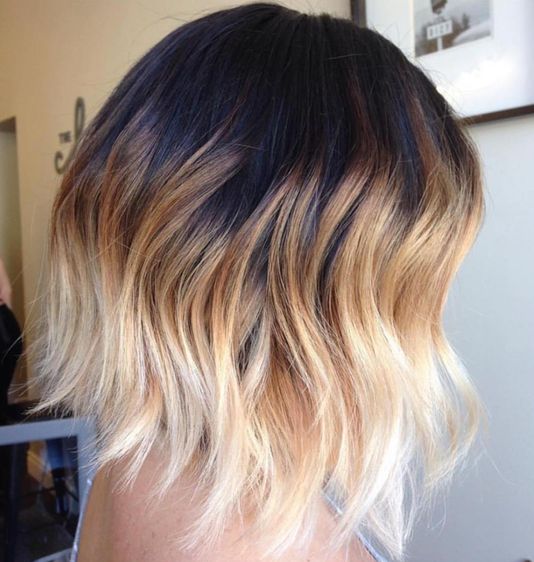
Crisp Ombre Bob Wallpaper Nature
This gorgeous ombre bob photo offers a breathtaking view, making it a perfect choice for your next wallpaper.
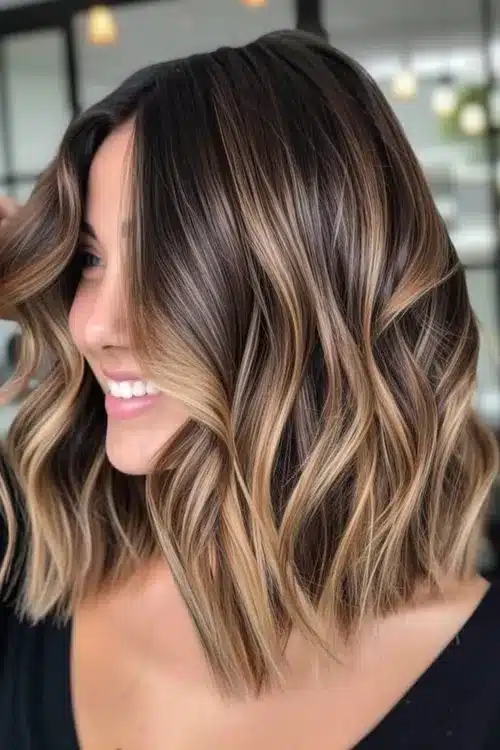
Stunning Ombre Bob Design Concept
Find inspiration with this unique ombre bob illustration, crafted to provide a fresh look for your background.

Artistic Ombre Bob Photo in 4K
Immerse yourself in the stunning details of this beautiful ombre bob wallpaper, designed for a captivating visual experience.
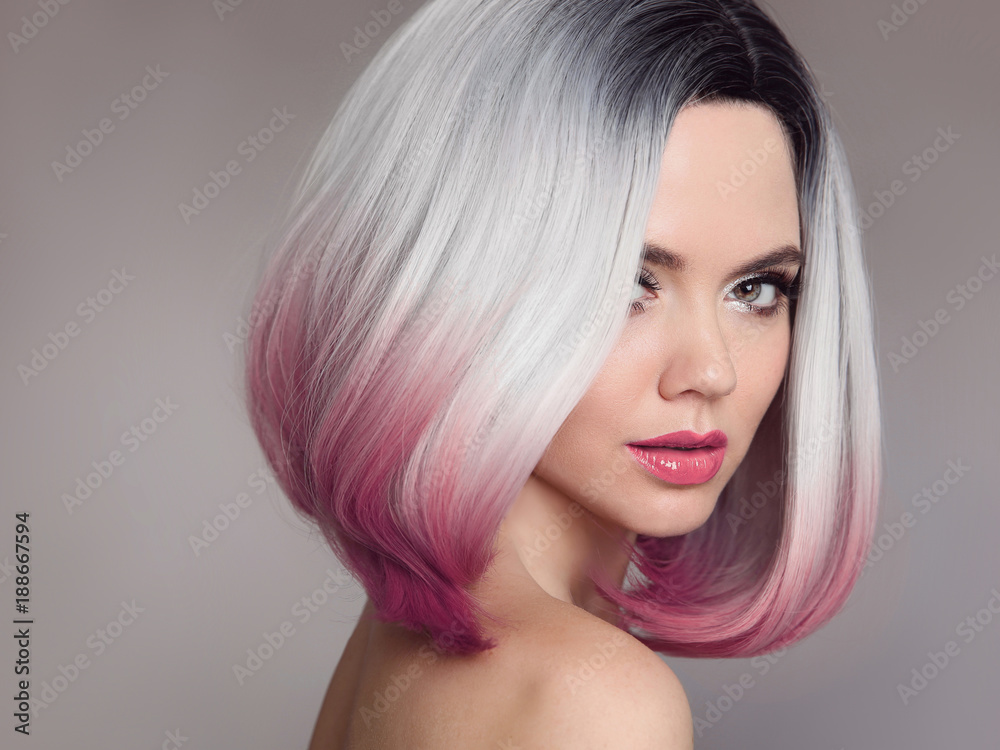
Lush Ombre Bob Capture Digital Art
A captivating ombre bob scene that brings tranquility and beauty to any device.
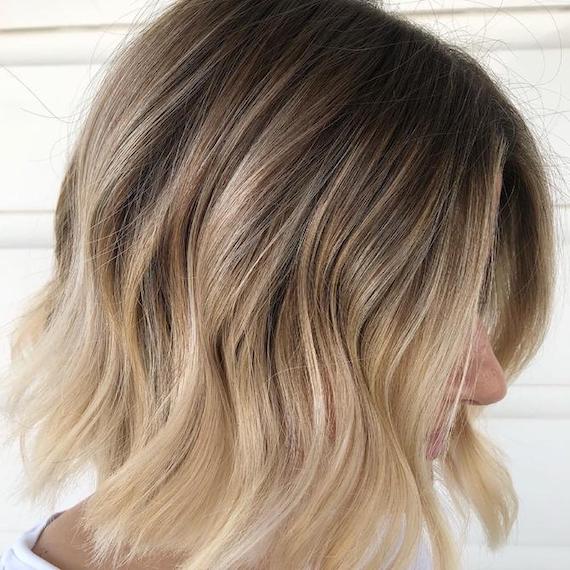
Lush Ombre Bob Image Collection
Immerse yourself in the stunning details of this beautiful ombre bob wallpaper, designed for a captivating visual experience.
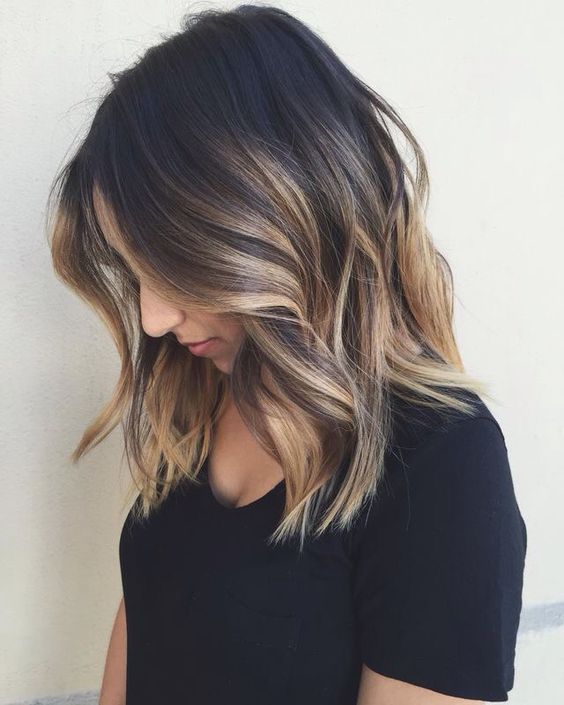
Spectacular Ombre Bob Background for Mobile
Find inspiration with this unique ombre bob illustration, crafted to provide a fresh look for your background.
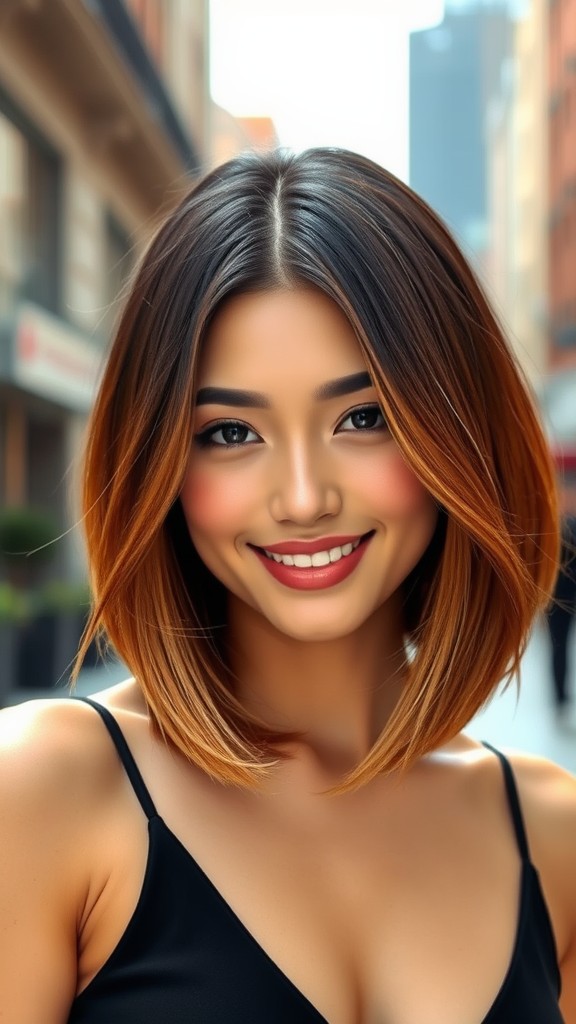
Mesmerizing Ombre Bob Landscape in HD
Discover an amazing ombre bob background image, ideal for personalizing your devices with vibrant colors and intricate designs.
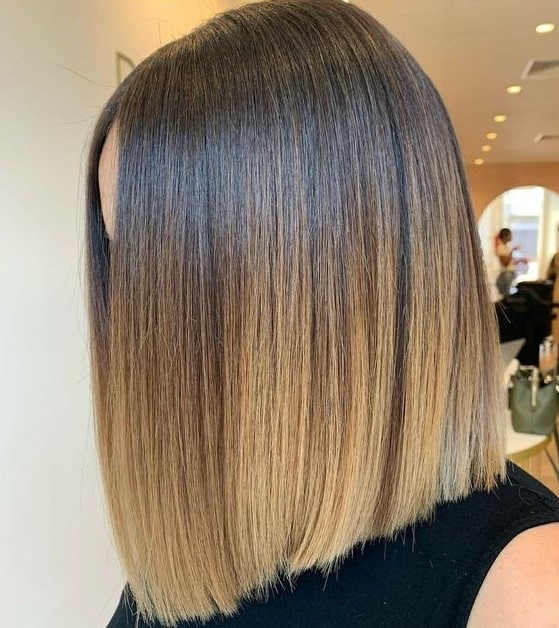
Amazing Ombre Bob Abstract for Your Screen
Experience the crisp clarity of this stunning ombre bob image, available in high resolution for all your screens.
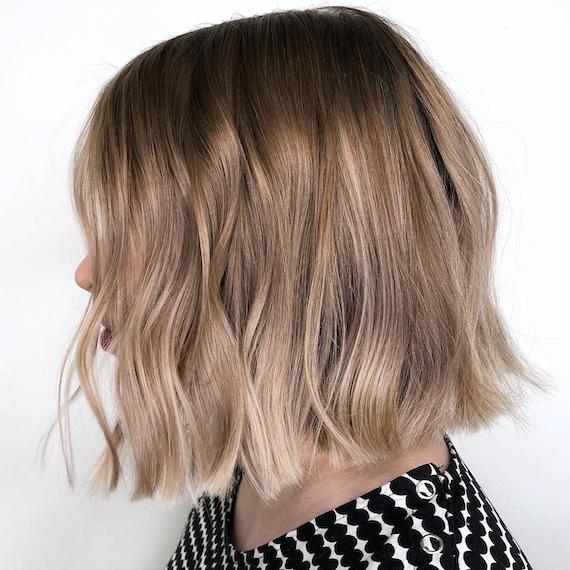
Mesmerizing Ombre Bob Photo Nature
Transform your screen with this vivid ombre bob artwork, a true masterpiece of digital design.
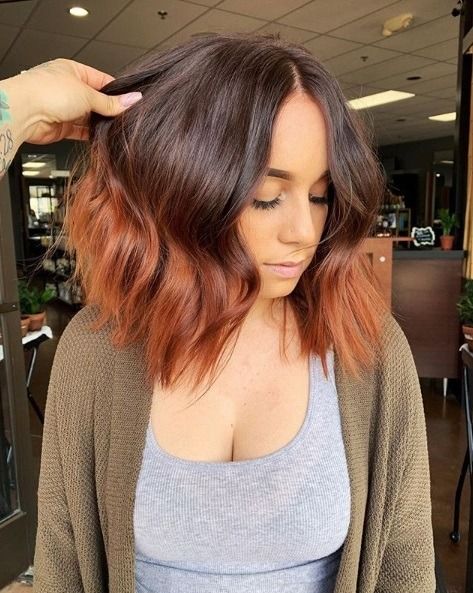
Artistic Ombre Bob Capture for Your Screen
Find inspiration with this unique ombre bob illustration, crafted to provide a fresh look for your background.
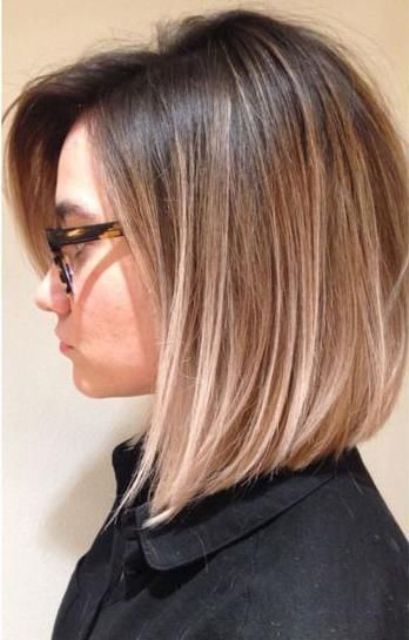
Detailed Ombre Bob Picture Photography
Discover an amazing ombre bob background image, ideal for personalizing your devices with vibrant colors and intricate designs.
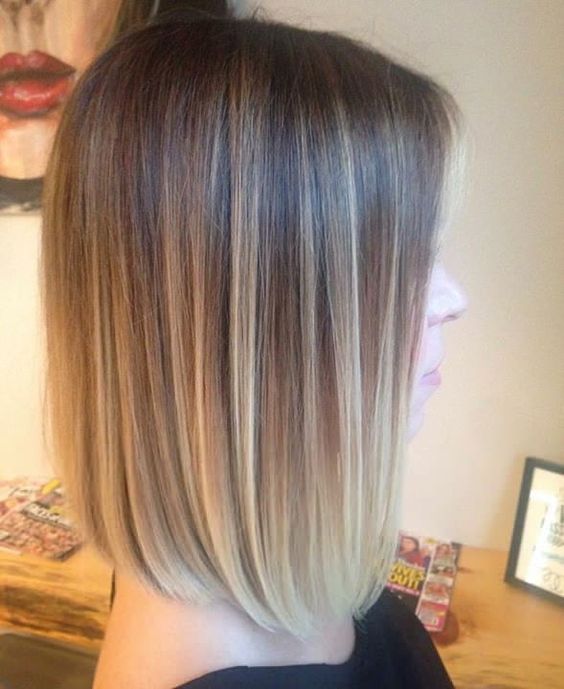
Captivating Ombre Bob Picture for Desktop
Immerse yourself in the stunning details of this beautiful ombre bob wallpaper, designed for a captivating visual experience.

Serene Ombre Bob Moment Art
Explore this high-quality ombre bob image, perfect for enhancing your desktop or mobile wallpaper.

Dynamic Ombre Bob Artwork Concept
A captivating ombre bob scene that brings tranquility and beauty to any device.
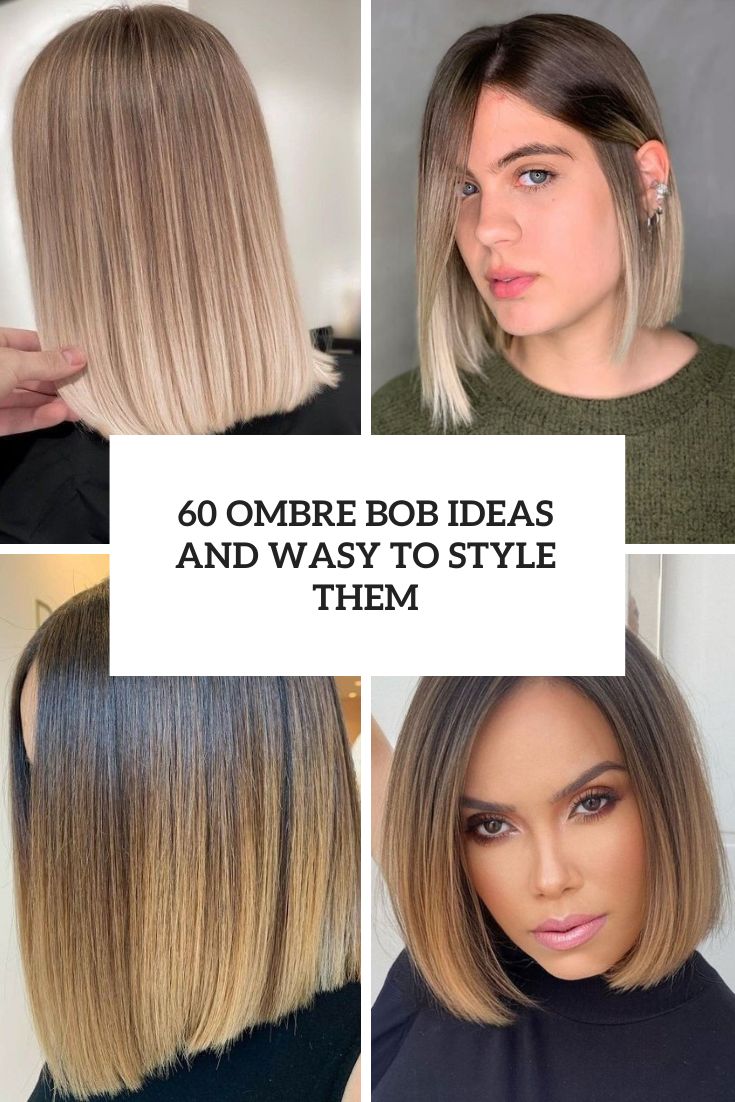
Lush Ombre Bob Artwork Nature
A captivating ombre bob scene that brings tranquility and beauty to any device.
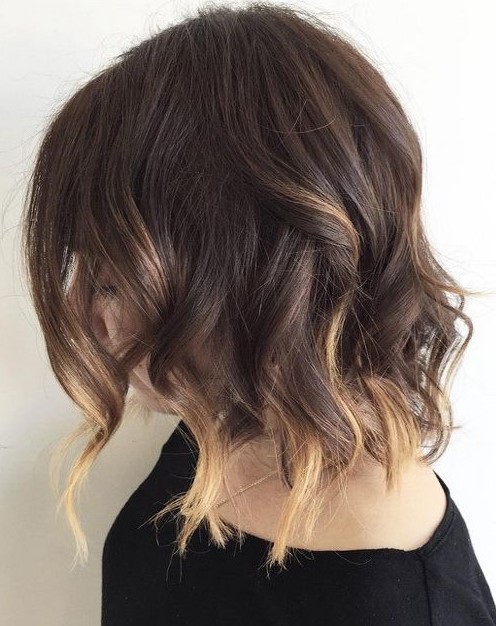
Artistic Ombre Bob View Concept
This gorgeous ombre bob photo offers a breathtaking view, making it a perfect choice for your next wallpaper.
Download these ombre bob wallpapers for free and use them on your desktop or mobile devices.
0 Response to "Ombre Bob"
Post a Comment