Partial Wigs
The Confidence Secret: How Partial Wigs Fix Thinning Hair and Add Instant Volume
Let's be honest: discovering hair loss or thinning patches can be stressful and deeply impact self-confidence. Traditional full wigs might feel overwhelming, hot, or simply unnecessary if your issue is localized to one area, like the crown or hairline. If this sounds like you, you've landed in the right place.
The solution? **Partial Wigs**. These specialized hairpieces, often called toppers or wiglets, are game-changers. They offer targeted coverage, superior comfort, and a remarkably natural look. This comprehensive guide will walk you through everything you need to know about partial wigs, ensuring you find the perfect piece to seamlessly blend with your natural hair and restore your confidence.
What Exactly Are Partial Wigs? Targeting Your Thinning Areas
Unlike a traditional full wig, which covers the entire scalp, a partial wig is specifically designed to cover only a section of the head. Think of them as concentrated solutions for common problem areas. They are highly effective for people experiencing pattern baldness, thinning along the part line, or hair loss due to medical conditions like Alopecia Areata, which often affects specific patches.
The core advantage of using partial wigs is integration. Because they clip securely into your existing hair, the result is incredibly natural, allowing your biological hair to blend with the hairpiece for an undetectable finish. This makes daily wear much easier and more comfortable, especially in warmer climates.
For those interested in the science behind hair loss, understanding the different types of alopecia can help you choose the right partial piece. You can read more about common hair loss patterns on Wikipedia.
The Different Types of Partial Wigs: Finding Your Coverage Level
The term "partial wig" is an umbrella term encompassing several products. The size and shape you choose depend entirely on the size and location of the area you need to cover.
Hair Toppers (The Most Popular Choice)
Hair toppers are the most recognized form of partial wigs. They typically range from small 3x5 inch bases to larger 8x8 inch bases. They are perfect for addressing thinning along the part line and adding volume to the crown.
- **Purpose:** Density and coverage at the top of the head.
- **Attachment:** Usually secured with pressure-sensitive clips that snap into your existing hair.
Wiglets and Crown Pieces
Wiglets are generally smaller than toppers and focus primarily on adding volume rather than extensive coverage. Crown pieces target the very top, or vertex, of the head.
- **Purpose:** Boosting volume or hiding small, localized patches.
- **Benefit:** They are lightweight and virtually undetectable, ideal for short-term fixes or light density issues.
Frontal Hairpieces and Bangs
These pieces specifically address the hairline and forehead area. They are fantastic for people who have thinning around the temples or want to add fringe without committing to cutting their own hair. Frontal pieces can provide the illusion of a full, healthy hairline.
[Baca Juga: Styling Tips for Wig Bangs and Frontals]
Choosing Your Perfect Partial Wig: Materials and Bases (E-E-A-T Focus)
When investing in a partial wig, the material and base construction are crucial factors affecting the look, feel, and maintenance requirements. This is where quality matters most for a truly natural blend.
Human Hair vs. Synthetic
This is the classic dilemma, and the right answer depends on your lifestyle and budget.
| Feature | Human Hair Partial Wigs | Synthetic Partial Wigs |
|---|---|---|
| **Appearance & Feel** | Most natural movement; can be styled with heat. | Holds style perfectly (wash-and-wear); can look overly shiny if low quality. |
| **Durability** | 1-3 years with proper care. | 4-6 months (less durable than human hair). |
| **Maintenance** | Requires washing, conditioning, and daily styling (like bio hair). | Minimal styling effort; sensitive to friction and high heat. |
| **Cost** | Higher initial investment. | Significantly lower. |
Base Construction: Monofilament vs. Lace
The base is the material the hair is tied to, and it determines how realistic your part line looks and how comfortable the piece feels.
Monofilament Base
This construction features individual hairs hand-tied to a sheer mesh material. It's often considered the gold standard for natural appearance because the base mimics the color of your scalp. Crucially, monofilament allows you to change your part line, giving you maximum styling versatility.
Lace Base
Lace bases (often French or Swiss lace) are thin and virtually transparent, offering an excellent hairline blend. They are breathable and very comfortable, making them a popular choice for larger partial wigs or frontals.
Partial Wig Maintenance: Care for Longevity
The lifespan of your partial wig directly correlates with the care you provide. Since these pieces are often smaller and denser than full wigs, they can be prone to tangling or drying out faster, especially at the ends where they meet your bio hair.
Key Care Tips:
- **Gentle Washing:** Always use products specifically formulated for wigs (sulfate-free shampoo and deep conditioner). Wash human hair pieces every 10–15 wears, and synthetic pieces less frequently.
- **Storage Matters:** When not wearing your partial wig, store it flat or on a small wig stand to maintain its shape. Never hang it, as this can stretch the delicate base.
- **Avoid Friction:** The clips are designed to secure the piece, but constantly moving or adjusting the topper can cause friction leading to tangles and shedding, especially at the clip sites.
- **Deep Conditioning (Human Hair):** Treat human hair partial wigs with a deep conditioning mask once a month to replenish moisture and maintain silkiness.
For professional guidance on managing hairpieces in medical situations, reliable sources like the American Academy of Dermatology (AAD) often provide excellent advice on care during treatment.
[Baca Juga: The 5 Best Shampoos for Human Hair Wigs]
Conclusion: The Smart Solution for Targeted Coverage
Partial wigs, or hair toppers, are a sophisticated and comfortable solution for targeted hair loss. They bridge the gap between simple hair styling products and full-coverage wigs, offering realistic results without the commitment of wearing a full cap. By understanding the types (toppers, wiglets) and materials (human vs. synthetic hair, mono vs. lace bases), you are empowered to make a choice that perfectly aligns with your needs, budget, and desired level of styling freedom. Invest wisely, care for it properly, and enjoy the instant confidence boost these amazing hairpieces provide!
Frequently Asked Questions About Partial Wigs
Q: Are partial wigs secure enough for active use?
A: Yes, absolutely! Modern partial wigs use strong, pressure-sensitive clips that anchor securely into your existing hair. Once clipped in correctly, they are reliable for daily wear, light exercise, and even windy conditions. For high-impact activities like swimming, custom adhesives might be needed.
Q: How do I match the color of my partial wig to my own hair?
A: Matching is crucial for a seamless look. It's best to match the color to the hair near the crown or the roots, as this is where the topper will sit. Many manufacturers offer extensive color charts, and a professional wig retailer can often help you color-match perfectly.
Q: Will wearing a partial wig damage my existing hair?
A: Generally, no, provided you use pressure-sensitive clips correctly and don't wear the piece too tight. If you suffer from severe fragility or active hair loss, rotating the clip placement or using lighter density pieces can minimize stress on the hair follicles.
Q: Can I sleep in my partial wig?
A: It is strongly recommended that you remove partial wigs before sleeping. Sleeping while wearing any hairpiece causes unnecessary friction, which significantly reduces the lifespan of the wig, causes tangling, and can be uncomfortable.
Partial Wigs
Partial Wigs Wallpapers
Collection of partial wigs wallpapers for your desktop and mobile devices.

Vivid Partial Wigs Image Collection
Discover an amazing partial wigs background image, ideal for personalizing your devices with vibrant colors and intricate designs.

Vivid Partial Wigs Design Nature
Transform your screen with this vivid partial wigs artwork, a true masterpiece of digital design.
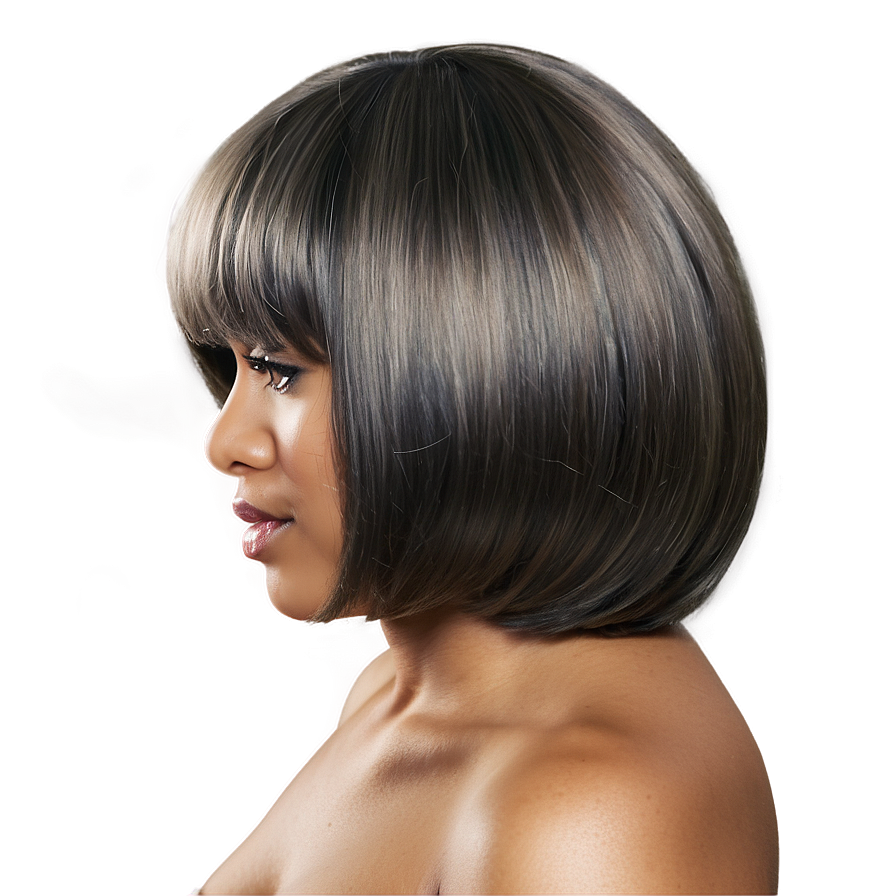
Amazing Partial Wigs Abstract for Mobile
Experience the crisp clarity of this stunning partial wigs image, available in high resolution for all your screens.

Exquisite Partial Wigs View for Mobile
Find inspiration with this unique partial wigs illustration, crafted to provide a fresh look for your background.

Spectacular Partial Wigs Image Concept
A captivating partial wigs scene that brings tranquility and beauty to any device.

Gorgeous Partial Wigs Picture Illustration
This gorgeous partial wigs photo offers a breathtaking view, making it a perfect choice for your next wallpaper.
Detailed Partial Wigs Photo in 4K
Transform your screen with this vivid partial wigs artwork, a true masterpiece of digital design.

Beautiful Partial Wigs Wallpaper in HD
Experience the crisp clarity of this stunning partial wigs image, available in high resolution for all your screens.

Vibrant Partial Wigs Landscape Photography
Transform your screen with this vivid partial wigs artwork, a true masterpiece of digital design.

Serene Partial Wigs View Digital Art
Explore this high-quality partial wigs image, perfect for enhancing your desktop or mobile wallpaper.

Stunning Partial Wigs View for Desktop
A captivating partial wigs scene that brings tranquility and beauty to any device.

Crisp Partial Wigs Picture Concept
Immerse yourself in the stunning details of this beautiful partial wigs wallpaper, designed for a captivating visual experience.

High-Quality Partial Wigs Artwork for Desktop
Experience the crisp clarity of this stunning partial wigs image, available in high resolution for all your screens.
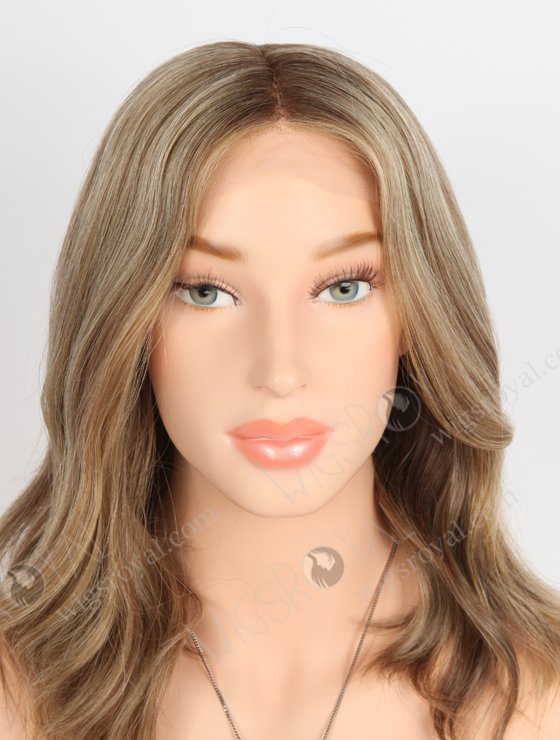
Spectacular Partial Wigs Capture in HD
A captivating partial wigs scene that brings tranquility and beauty to any device.

Serene Partial Wigs Abstract for Desktop
Explore this high-quality partial wigs image, perfect for enhancing your desktop or mobile wallpaper.

Beautiful Partial Wigs Design Art
Explore this high-quality partial wigs image, perfect for enhancing your desktop or mobile wallpaper.

Breathtaking Partial Wigs Photo Nature
Discover an amazing partial wigs background image, ideal for personalizing your devices with vibrant colors and intricate designs.

Vivid Partial Wigs Moment Digital Art
Transform your screen with this vivid partial wigs artwork, a true masterpiece of digital design.
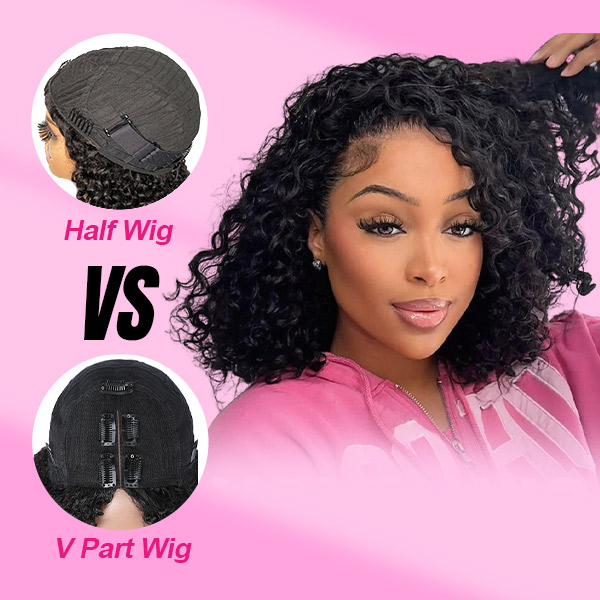
Exquisite Partial Wigs Capture for Mobile
A captivating partial wigs scene that brings tranquility and beauty to any device.
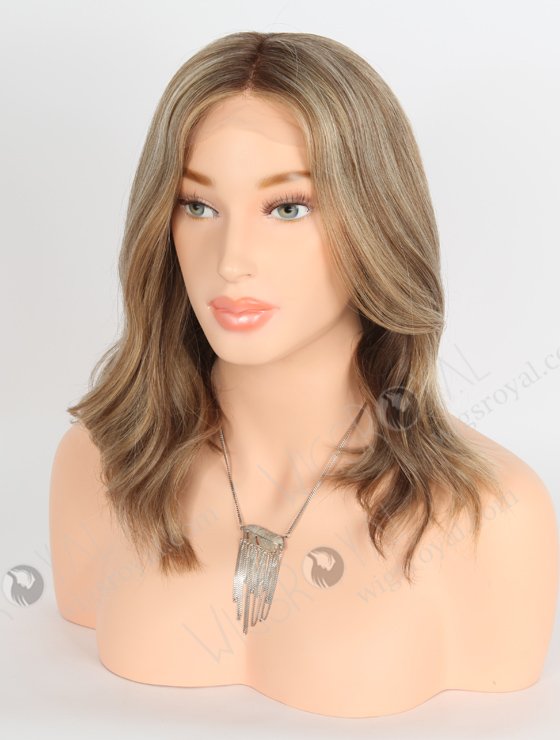
Lush Partial Wigs Artwork Art
This gorgeous partial wigs photo offers a breathtaking view, making it a perfect choice for your next wallpaper.
Download these partial wigs wallpapers for free and use them on your desktop or mobile devices.
0 Response to "Partial Wigs"
Post a Comment