“The dark underbelly”: The album Don Henley wanted to tear down the American dream
"The dark underbelly": The album Don Henley wanted to tear down the American dream
In the late 1980s, while the rest of the world was distracted by the neon lights of MTV and the rising tide of synth-pop, Don Henley was sharpening a lyrical blade. Having already conquered the world with the Eagles, Henley didn't just want to create more radio hits; he wanted to perform a cultural autopsy. His target? The shimmering, often deceptive façade of the American Dream.
The result was "The End of the Innocence," an album that served as a scathing critique of a nation in transition. It wasn't just a collection of songs; it was a manifesto against the "dark underbelly" of a society obsessed with excess, fame, and political posturing. For Henley, the 1980s represented a period where the ideals of the 1960s had been commodified and sold back to the public in a shiny, hollow package.
From Eagle to Outspoken Critic: The Genesis of a New Sound
To understand why Don Henley felt the need to "tear down" the American dream, one must look at his trajectory. During the 1970s, as the co-leader of the Eagles, Henley became the voice of California rock. Songs like "Hotel California" had already hinted at his skepticism, portraying the West Coast as a "lovely place" that was also a prison of one's own making. However, it was his solo career—and specifically his 1989 masterpiece—where he truly took the gloves off.
By the time Henley began writing for "The End of the Innocence," the cultural landscape had shifted. The Reagan era was in full swing, characterized by "trickle-down" economics and a renewed sense of American exceptionalism. Yet, Henley saw a different reality. He saw the erosion of the middle class, the destruction of the environment, and a media landscape that prioritized spectacle over substance. He wasn't just a rockstar anymore; he was a disillusioned observer with a microphone.
The recording process itself reflected this tension. Henley, known for his meticulous and often demanding nature in the studio, collaborated with Bruce Hornsby to create the title track. The haunting piano melody provided the perfect backdrop for Henley's gravelly, weary vocals. It was a sound that didn't aim to celebrate; it aimed to reflect. It was the sound of a man watching a dream turn into a feverish reality.
- The Shift in Tone: Moving from the communal harmonies of the Eagles to a more cynical, solitary perspective.
- LSI Keyword Integration: Social commentary, cultural critique, Reagan era, Reaganomics, musical activism.
- The Goal: To expose the cracks in the suburban "white picket fence" narrative.
The Lyrical Warfare of 'The End of the Innocence'
The title track, "The End of the Innocence," is perhaps the most direct assault on the American psyche ever recorded by a mainstream artist. With lyrics like "O' beautiful, for spacious skies, now full of coming storms," Henley wasn't just quoting patriotic anthems—he was subverting them. He spoke of a "tired old man" (a clear reference to Ronald Reagan) and the loss of a simpler, more honest version of the country.
But the critique didn't stop at politics. Henley turned his gaze toward the personal costs of the American dream. In "The Heart of the Matter," he explored the difficulty of finding forgiveness in a world that encourages resentment. In "The Last Worthless Evening," he dissected the shallowness of modern romance. Each song acted as a chapter in a larger story about how the pursuit of "more" had left everyone with "less" in terms of spiritual and emotional depth.
Consider the storytelling within "New York Minute." It's a track that captures the frantic, high-stakes nature of urban life where "everything can change." It wasn't just a song about a city; it was a metaphor for the volatility of the modern era. Henley was telling his audience that the stability they were promised was an illusion, a house of cards ready to blow over in the slightest breeze.
Henley often spoke in interviews about the "dark underbelly" of the American success story. He was fascinated and repulsed by the way the US marketed itself as a land of opportunity while neglecting the people who fell through the cracks. This wasn't "protest music" in the traditional folk sense; it was sophisticated, polished pop-rock used as a Trojan horse to deliver uncomfortable truths to the masses.
Social Decay and the "Death of the Small Town"
One of the most poignant themes Henley explored was the disappearance of the American small town and the values it represented. As urban sprawl and corporate interests took over, the "Main Street" identity was being replaced by strip malls and soulless franchises. This wasn't just a loss of geography for Henley; it was a loss of soul.
In songs like "I Will Not Go Quietly," Henley channeled a raw, almost desperate energy. He was railing against the complacency of the public. He saw a generation that had traded their activism for consumerism, their passion for comfort. The "dark underbelly" he frequently mentioned was this specific type of apathy—the willingness to look away from injustice as long as the cable TV stayed on and the fridge was full.
The album's production also played a role in this narrative. By using modern synthesizers and clean, crisp percussion, Henley grounded his traditionalist message in the sound of the future. It was a deliberate irony: using the tools of the modern age to mourn the things the modern age had destroyed. This juxtaposition made the album's message even more biting.
- Environmentalism: Henley's burgeoning interest in preserving the Walden Woods began to bleed into his lyrics.
- Media Satire: Exposing how the news became entertainment, a theme he would later perfect in "Gimme Some Truth" covers and original works like "The Garden of Allah."
- The LSI Connection: Consumerism, urban sprawl, cultural erosion, 1980s social issues.
The Mechanics of the "Dark Underbelly"
Why did Henley use the phrase "dark underbelly"? In many ways, it was his way of describing the "Last Resort"—the place where the American westward expansion finally hit the ocean and had nowhere left to go but inward. When there is no more land to conquer, the rot starts to set in from within. This is the central thesis of his most impactful work.
The "dark underbelly" refers to the hidden costs of our collective lifestyle. It's the pollution in the rivers, the corruption in the boardrooms, and the loneliness in the suburbs. Henley wanted his listeners to stop looking at the billboard and start looking at the trash piling up beneath it. He was asking the question: "At what cost does this dream come?"
This approach wasn't always popular. Critics occasionally labeled him as "preachy" or "pessimistic." But for Henley, being a "glass-half-empty" guy was a necessary role. If everyone is busy celebrating a party that's burning the house down, someone needs to be the one to point out the smoke. His commitment to this "unpleasant" truth is what has given his music such incredible longevity.
Why Henley's Vision Still Haunts Modern America
Decades later, "The End of the Innocence" feels less like a time capsule and more like a prophecy. Many of the issues Henley touched upon—political polarization, the dominance of media spectacle, and the fragility of the American Dream—have only intensified. The "dark underbelly" hasn't gone away; it has simply become more visible in the digital age.
When we listen to these tracks today, we don't just hear the 80s; we hear the echoes of our current reality. The "tired old men" are still in power, the "spacious skies" are still under threat, and the "heart of the matter" is still elusive. Henley's attempt to "tear down" the dream wasn't an act of hate, but an act of tough love. He believed that the only way to save the dream was to first acknowledge how broken it had become.
Don Henley's legacy as a solo artist is defined by this bravery. He took the platform he earned with one of the biggest bands in history and used it to challenge the very people who bought his records. He forced a mirror in front of America, and even if we didn't always like what we saw, we couldn't deny the clarity of the reflection.
In the end, "The End of the Innocence" stands as a testament to the power of music to act as a social conscience. It reminds us that behind every shiny surface, there is a story that needs to be told—a story of what was lost, what was traded, and what remains to be found. Henley's "dark underbelly" is a permanent part of the American landscape, and his music remains the essential guidebook for navigating it.
- Enduring Relevance: How the album's themes apply to the 21st-century digital landscape.
- Artistic Integrity: Henley's refusal to "shut up and sing."
- Final Thought: The American dream isn't dead, but it is, as Henley suggested, in desperate need of a reality check.
"The dark underbelly": The album Don Henley wanted to tear down the American dream
"The dark underbelly": The album Don Henley wanted to tear down the American dream Wallpapers
Collection of "the dark underbelly": the album don henley wanted to tear down the american dream wallpapers for your desktop and mobile devices.
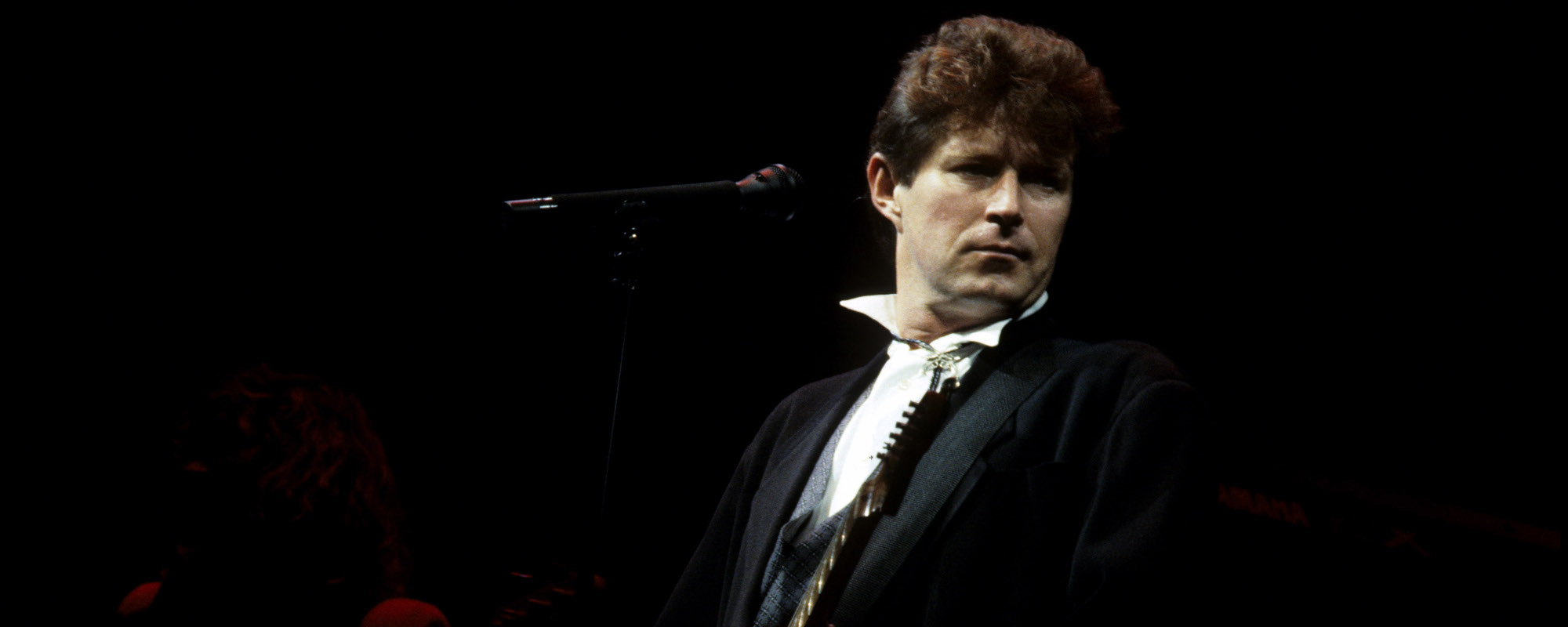
Dynamic "the Dark Underbelly": The Album Don Henley Wanted To Tear Down The American Dream Artwork for Desktop
A captivating "the dark underbelly": the album don henley wanted to tear down the american dream scene that brings tranquility and beauty to any device.

Amazing "the Dark Underbelly": The Album Don Henley Wanted To Tear Down The American Dream Photo in HD
Discover an amazing "the dark underbelly": the album don henley wanted to tear down the american dream background image, ideal for personalizing your devices with vibrant colors and intricate designs.

Beautiful "the Dark Underbelly": The Album Don Henley Wanted To Tear Down The American Dream Scene for Mobile
Transform your screen with this vivid "the dark underbelly": the album don henley wanted to tear down the american dream artwork, a true masterpiece of digital design.

High-Quality "the Dark Underbelly": The Album Don Henley Wanted To Tear Down The American Dream Landscape for Mobile
Transform your screen with this vivid "the dark underbelly": the album don henley wanted to tear down the american dream artwork, a true masterpiece of digital design.

Captivating "the Dark Underbelly": The Album Don Henley Wanted To Tear Down The American Dream Design Photography
This gorgeous "the dark underbelly": the album don henley wanted to tear down the american dream photo offers a breathtaking view, making it a perfect choice for your next wallpaper.

Gorgeous "the Dark Underbelly": The Album Don Henley Wanted To Tear Down The American Dream Picture in HD
This gorgeous "the dark underbelly": the album don henley wanted to tear down the american dream photo offers a breathtaking view, making it a perfect choice for your next wallpaper.

Exquisite "the Dark Underbelly": The Album Don Henley Wanted To Tear Down The American Dream Picture Photography
Immerse yourself in the stunning details of this beautiful "the dark underbelly": the album don henley wanted to tear down the american dream wallpaper, designed for a captivating visual experience.
Spectacular "the Dark Underbelly": The Album Don Henley Wanted To Tear Down The American Dream Design for Mobile
Immerse yourself in the stunning details of this beautiful "the dark underbelly": the album don henley wanted to tear down the american dream wallpaper, designed for a captivating visual experience.

Mesmerizing "the Dark Underbelly": The Album Don Henley Wanted To Tear Down The American Dream Picture for Your Screen
Explore this high-quality "the dark underbelly": the album don henley wanted to tear down the american dream image, perfect for enhancing your desktop or mobile wallpaper.
Amazing "the Dark Underbelly": The Album Don Henley Wanted To Tear Down The American Dream Moment Art
Transform your screen with this vivid "the dark underbelly": the album don henley wanted to tear down the american dream artwork, a true masterpiece of digital design.
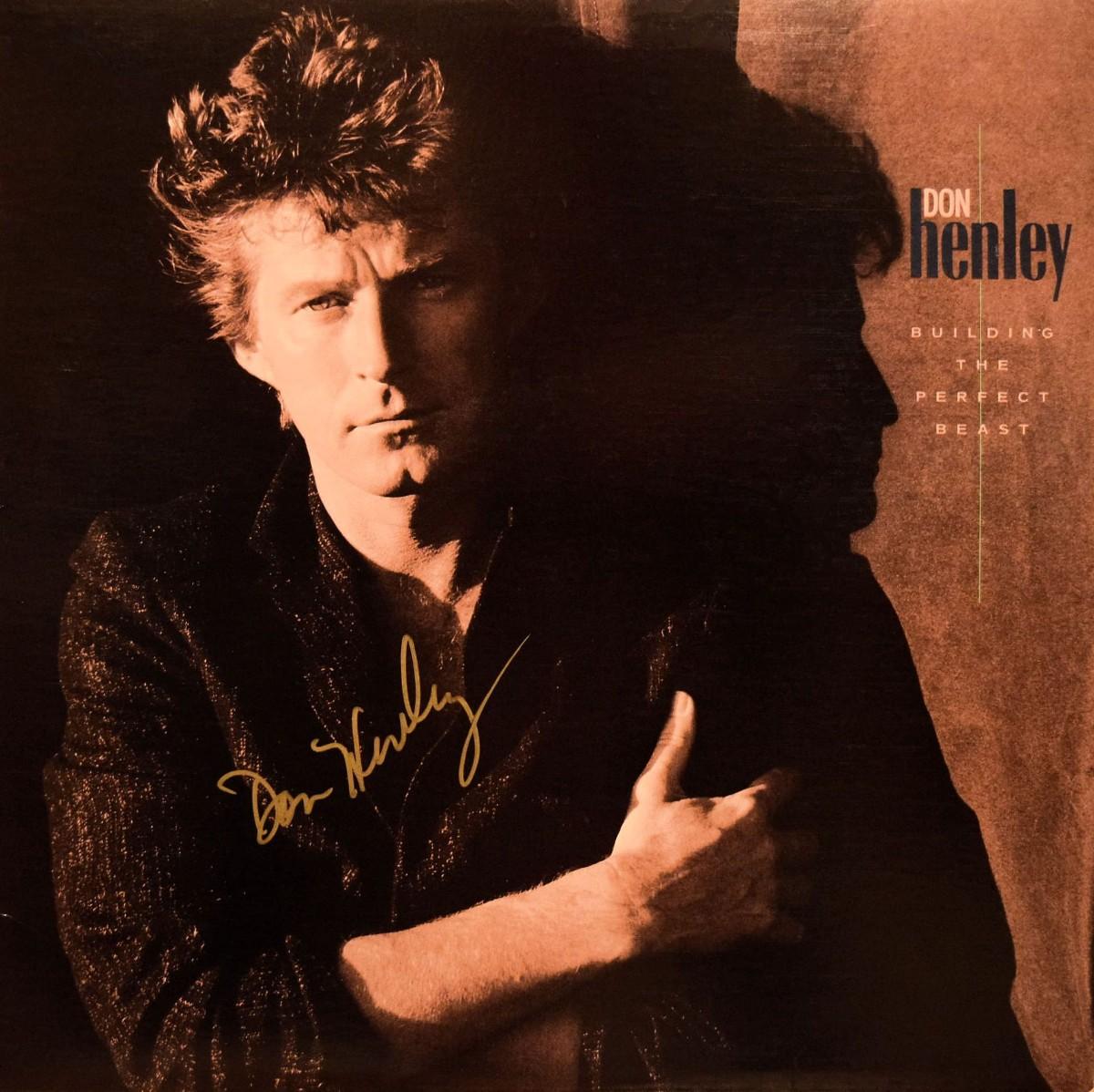
Exquisite "the Dark Underbelly": The Album Don Henley Wanted To Tear Down The American Dream Landscape for Mobile
Find inspiration with this unique "the dark underbelly": the album don henley wanted to tear down the american dream illustration, crafted to provide a fresh look for your background.
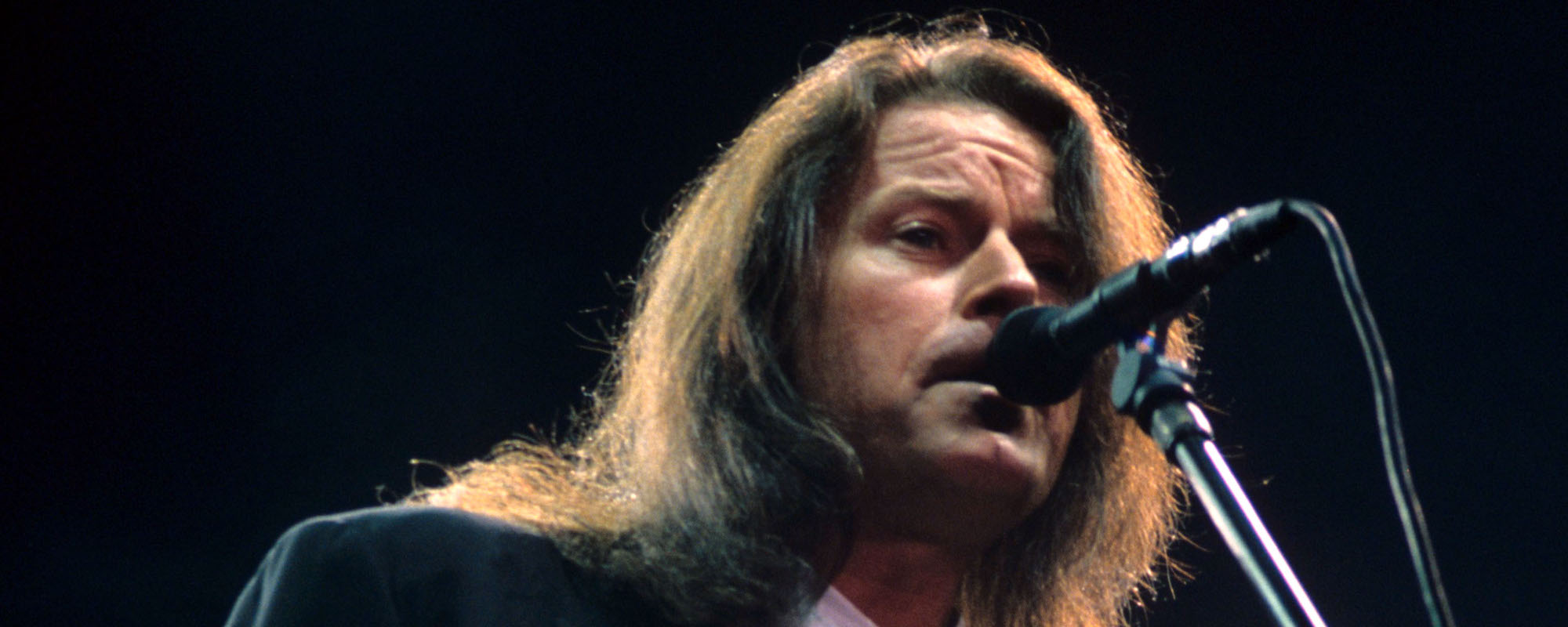
Crisp "the Dark Underbelly": The Album Don Henley Wanted To Tear Down The American Dream Photo for Your Screen
Immerse yourself in the stunning details of this beautiful "the dark underbelly": the album don henley wanted to tear down the american dream wallpaper, designed for a captivating visual experience.

Detailed "the Dark Underbelly": The Album Don Henley Wanted To Tear Down The American Dream Image Illustration
Discover an amazing "the dark underbelly": the album don henley wanted to tear down the american dream background image, ideal for personalizing your devices with vibrant colors and intricate designs.
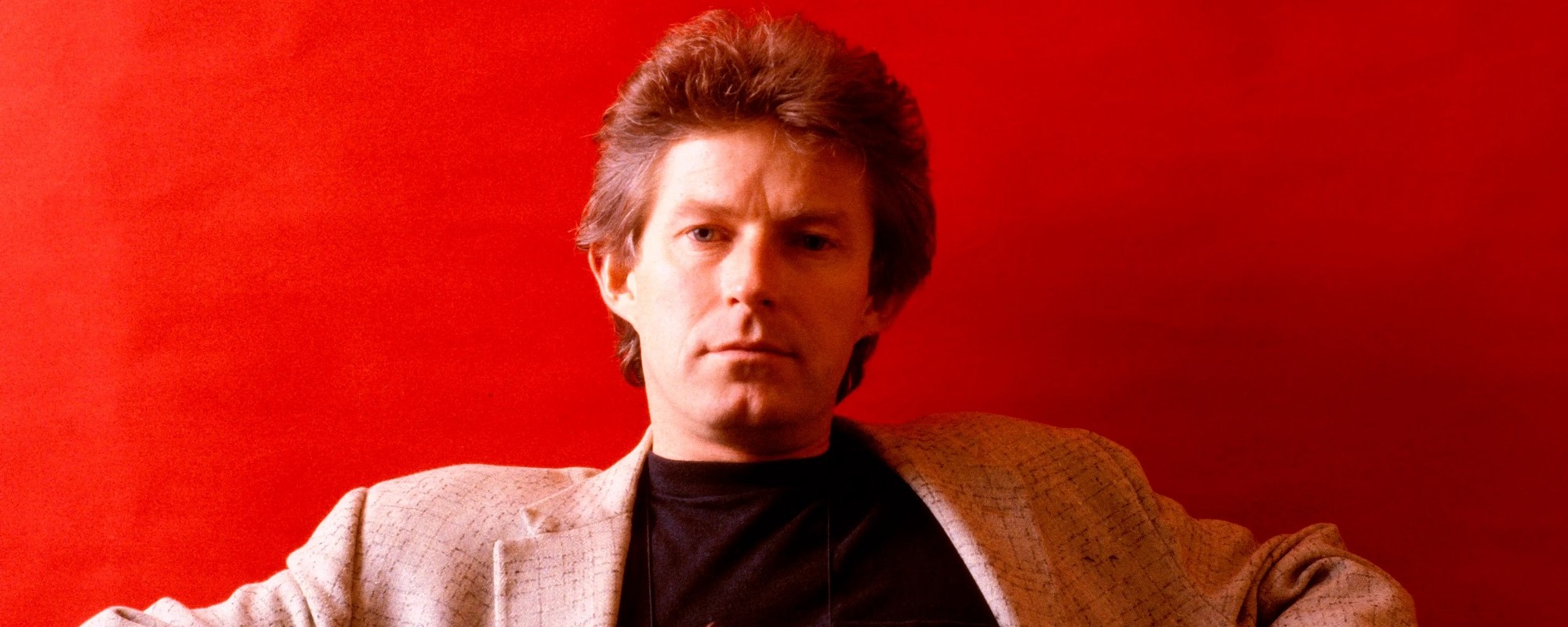
Beautiful "the Dark Underbelly": The Album Don Henley Wanted To Tear Down The American Dream Capture Illustration
Explore this high-quality "the dark underbelly": the album don henley wanted to tear down the american dream image, perfect for enhancing your desktop or mobile wallpaper.

Amazing "the Dark Underbelly": The Album Don Henley Wanted To Tear Down The American Dream Artwork Digital Art
Transform your screen with this vivid "the dark underbelly": the album don henley wanted to tear down the american dream artwork, a true masterpiece of digital design.

Breathtaking "the Dark Underbelly": The Album Don Henley Wanted To Tear Down The American Dream Capture Digital Art
Transform your screen with this vivid "the dark underbelly": the album don henley wanted to tear down the american dream artwork, a true masterpiece of digital design.

Spectacular "the Dark Underbelly": The Album Don Henley Wanted To Tear Down The American Dream Image Collection
This gorgeous "the dark underbelly": the album don henley wanted to tear down the american dream photo offers a breathtaking view, making it a perfect choice for your next wallpaper.

Mesmerizing "the Dark Underbelly": The Album Don Henley Wanted To Tear Down The American Dream Wallpaper for Your Screen
Transform your screen with this vivid "the dark underbelly": the album don henley wanted to tear down the american dream artwork, a true masterpiece of digital design.

Beautiful "the Dark Underbelly": The Album Don Henley Wanted To Tear Down The American Dream Capture in 4K
Discover an amazing "the dark underbelly": the album don henley wanted to tear down the american dream background image, ideal for personalizing your devices with vibrant colors and intricate designs.

Beautiful "the Dark Underbelly": The Album Don Henley Wanted To Tear Down The American Dream Image Nature
Experience the crisp clarity of this stunning "the dark underbelly": the album don henley wanted to tear down the american dream image, available in high resolution for all your screens.
Download these "the dark underbelly": the album don henley wanted to tear down the american dream wallpapers for free and use them on your desktop or mobile devices.
0 Response to "“The dark underbelly”: The album Don Henley wanted to tear down the American dream"
Post a Comment