Why the Iran War Is Reviving US Stagflation Fears
Why the Iran War Is Reviving US Stagflation Fears
The global economy is currently balancing on a razor's edge. As geopolitical tensions in the Middle East escalate into a direct confrontation between Iran and its regional adversaries, the tremors are being felt far beyond the desert sands. For the United States, the specter of a full-scale "Iran War" isn't just a foreign policy nightmare—it is a direct threat to domestic economic stability. Specifically, it has revived a term that hasn't haunted Wall Street this intensely since the 1970s: Stagflation.
Stagflation is the "toxic cocktail" of the economic world. It occurs when economic growth stalls (stagnation) while prices continue to climb (inflation), often accompanied by high unemployment. For the past two years, the Federal Reserve has fought a grueling battle to bring inflation down to its 2% target. Just as a "soft landing" seemed possible, the drums of war began to beat, threatening to undo months of monetary progress. In this deep dive, we explore why the conflict involving Iran is the ultimate catalyst for a potential US stagflationary cycle.
The Ghost of 1973: Why History Is Making Investors Nervous
To understand why economists are sweating today, we have to look back at October 1973. Imagine a world where the US economy was already fragile. Suddenly, the OAPEC (Organization of Arab Petroleum Exporting Countries) proclaimed an oil embargo in response to US support for Israel during the Yom Kippur War. Overnight, the price of oil quadrupled. Long lines at gas stations became the norm, and the US plummeted into a decade of economic misery known as the Great Inflation.
The parallels to the current situation with Iran are striking. Iran is a pivotal player in the global energy market, not just as a producer but as a gatekeeper. If a localized conflict turns into a regional war involving the US, the supply side of the global economy could take a massive hit. Unlike "demand-pull" inflation—where people are spending too much money—this would be "cost-push" inflation. This type of inflation is much harder for the Federal Reserve to control because you cannot "interest rate" your way out of a shortage of physical oil.
- Energy Dependency: Despite the US being a net exporter of oil today, global prices are still dictated by Middle Eastern supply.
- Supply Shocks: War disrupts production facilities and shipping routes, leading to immediate price spikes.
- Psychological Impact: High energy prices lower consumer confidence, leading to reduced spending on non-essential goods.
The Strait of Hormuz: The World's Economic Windpipe
Why is Iran so critical? Look no further than the Strait of Hormuz. This narrow waterway, which Iran has repeatedly threatened to close in the event of a full-scale war, is the most important oil transit chokepoint in the world. Approximately 20% of the world's liquid petroleum passes through this strait every single day. If this "economic windpipe" is squeezed, the shockwaves would be instantaneous.
Market analysts predict that a total closure of the Strait of Hormuz could send Brent Crude prices soaring past $120 or even $150 per barrel. For the average American family, this translates to $5.00 or $6.00 per gallon at the pump. When energy costs rise, everything else follows. The cost of transporting groceries, manufacturing plastic goods, and heating homes spikes. This is the "inflation" part of the stagflation equation—stubborn, high prices driven by scarcity rather than prosperity.
Moreover, the conflict isn't just about oil. Iran's influence over the Houthi rebels in the Red Sea has already forced major shipping companies like Maersk and Hapag-Lloyd to divert ships around the Cape of Good Hope. This adds weeks to delivery times and millions of dollars in fuel costs, further straining global supply chains that were only just recovering from the COVID-19 pandemic.
The Federal Reserve's Impossible Dilemma
The Federal Reserve is currently caught between a rock and a hard place. Usually, when the economy slows down, the Fed lowers interest rates to stimulate growth. Conversely, when inflation is high, the Fed raises rates to cool things down. But what do they do when both happen at once?
If the Iran War drives oil prices higher, the Consumer Price Index (CPI) will remain elevated. This prevents the Fed from cutting interest rates as they had planned for late 2024. However, the uncertainty of war and high energy costs also act as a "tax" on consumers, slowing down GDP growth. If the Fed keeps rates high to fight war-induced inflation, they risk pushing a cooling economy into a deep recession. This is the definition of the stagflation trap.
- Sticky Inflation: Conflict-driven price hikes are notoriously "sticky" and hard to reverse.
- Negative Growth: High interest rates combined with high energy costs crush business investment.
- Unemployment Risks: As profit margins shrink due to energy costs, companies may begin large-scale layoffs.
The Story of "Small Business Sarah": A Microcosm of the Crisis
To see how this plays out in real life, consider the story of Sarah, a fictional owner of a small logistics company in the Midwest. For two years, Sarah has struggled with rising wages and high truck prices. In early 2024, she finally saw a glimmer of hope as inflation started to cool. She planned to take out a loan to expand her fleet, anticipating that interest rates would drop soon.
Suddenly, news of an escalation in the Iran conflict breaks. Within 48 hours, the price of diesel jumps by 15%. Sarah's expansion plans are instantly shelved because the loan she needed is still too expensive (high interest rates), and her operating costs have just skyrocketed (high energy prices). She is now forced to choose between raising her prices—which might lose her clients—or cutting her staff's hours. Sarah is experiencing stagflation in real-time: stagnant business growth coupled with rising costs. Millions of businesses across the US face this exact same narrative as geopolitical tensions rise.
Global Supply Chains and the Return of Scarcity
The modern economy relies on "Just-in-Time" delivery. An Iran war doesn't just affect oil; it affects the entire "Global Factory." Iran sits at a crossroads of trade between Europe, Asia, and Africa. Any escalation that involves cyber warfare or attacks on regional infrastructure could disrupt the flow of semiconductors, chemicals, and fertilizers.
When fertilizers become more expensive due to natural gas shortages (a byproduct of Middle East tension), food prices at US grocery stores rise. We saw this with the Ukraine-Russia war, and an Iran conflict would likely amplify these effects. The result is a persistent "supply-side shock" that keeps the cost of living high even as the economy slows down. This combination is the ultimate recipe for reviving stagflation fears among policymakers in Washington.
The Impact on the US Dollar and Safe Haven Assets
In times of war, investors often flock to "safe-haven" assets. Traditionally, this means the US Dollar, Gold, and Treasury bonds. While a strong dollar might seem like a good thing, it actually complicates the stagflation problem. A surging dollar makes US exports more expensive for the rest of the world, further slowing down American manufacturing and GDP growth.
At the same time, the massive government spending required for potential military involvement or aid packages adds to the national debt. As the US Treasury issues more bonds to fund these expenditures, the interest payments on that debt grow, putting further pressure on the economy. Investors are watching the "misery index"—the sum of the unemployment rate and the inflation rate—very closely. If the Iran conflict persists, this index is expected to climb, signaling a decline in the standard of living for the average American.
Conclusion: Navigating an Uncertain Economic Horizon
The "Iran War" isn't just a headline about missiles and diplomacy; it is a fundamental shift in the economic landscape. The threat of stagflation is real because the conflict strikes at the two things the US economy is most sensitive to: the price of energy and the stability of global trade routes.
As we move further into 2024, the path of the US economy will likely be determined by events in the Middle East as much as by decisions made in the Federal Reserve's boardroom. For investors and consumers alike, the message is clear: the era of "easy growth" is facing its toughest challenge yet. Staying informed and prepared for a period of high costs and slow growth is no longer just a pessimistic forecast—it is a necessary strategy for navigating the new geopolitical reality.
- Key Takeaway: Watch oil prices as a leading indicator of stagflation.
- Market Sentiment: Volatility is expected to remain high as long as the conflict is unresolved.
- Consumer Impact: Expect "higher for longer" prices at the pump and the grocery store.
Why the Iran War Is Reviving US Stagflation Fears
Why the Iran War Is Reviving US Stagflation Fears Wallpapers
Collection of why the iran war is reviving us stagflation fears wallpapers for your desktop and mobile devices.
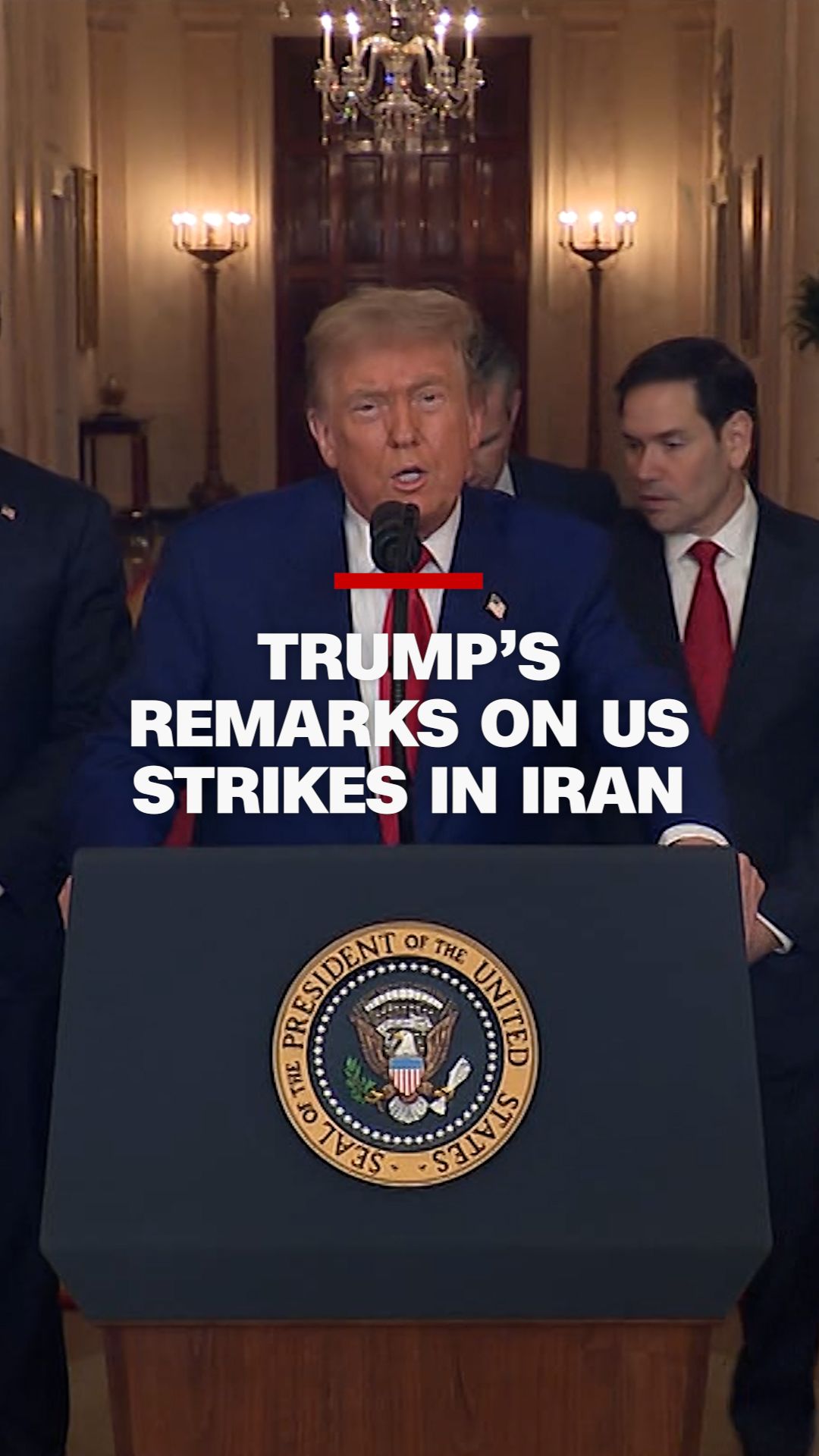
Spectacular Why The Iran War Is Reviving Us Stagflation Fears Picture Art
A captivating why the iran war is reviving us stagflation fears scene that brings tranquility and beauty to any device.

Amazing Why The Iran War Is Reviving Us Stagflation Fears Abstract for Desktop
Discover an amazing why the iran war is reviving us stagflation fears background image, ideal for personalizing your devices with vibrant colors and intricate designs.
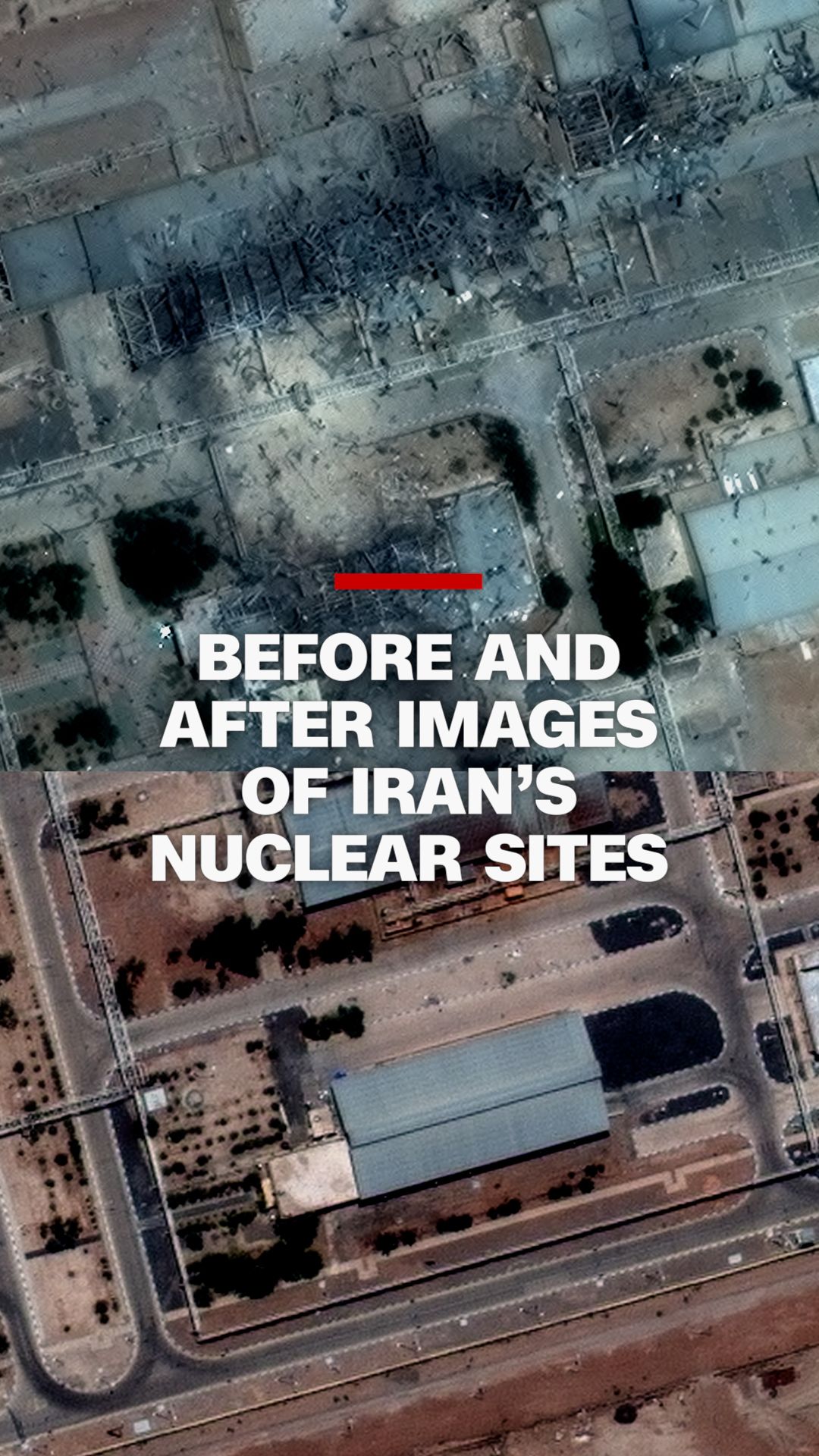
Lush Why The Iran War Is Reviving Us Stagflation Fears Photo for Desktop
Immerse yourself in the stunning details of this beautiful why the iran war is reviving us stagflation fears wallpaper, designed for a captivating visual experience.
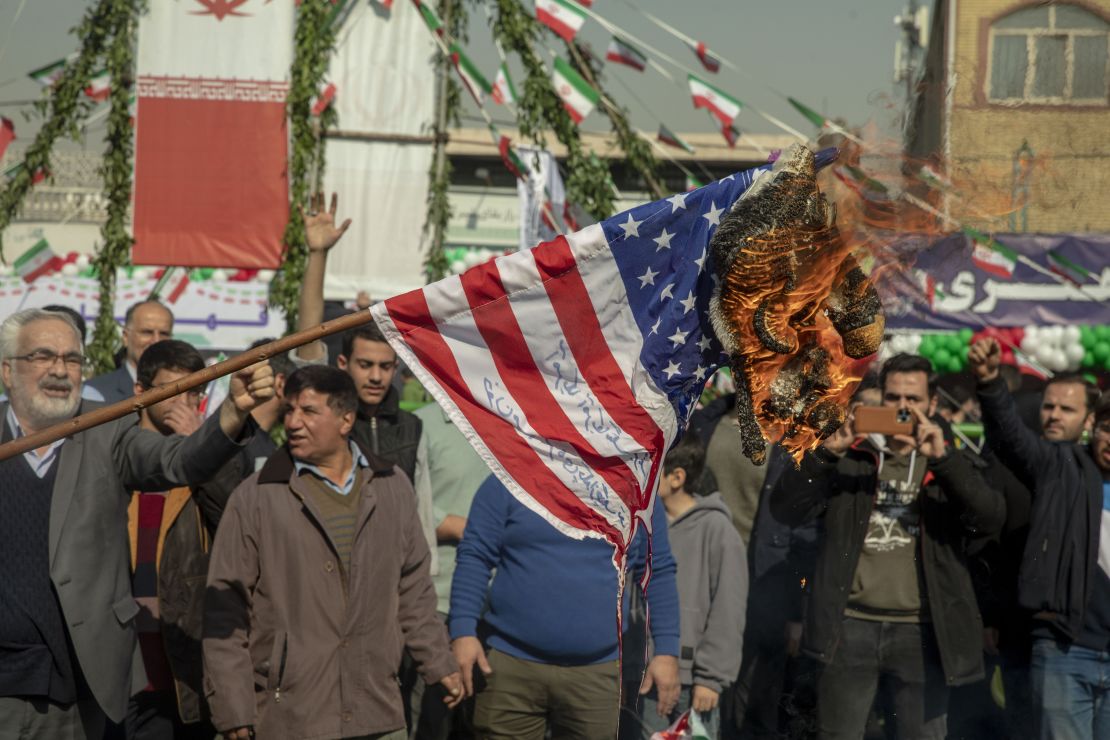
Gorgeous Why The Iran War Is Reviving Us Stagflation Fears Wallpaper Art
This gorgeous why the iran war is reviving us stagflation fears photo offers a breathtaking view, making it a perfect choice for your next wallpaper.
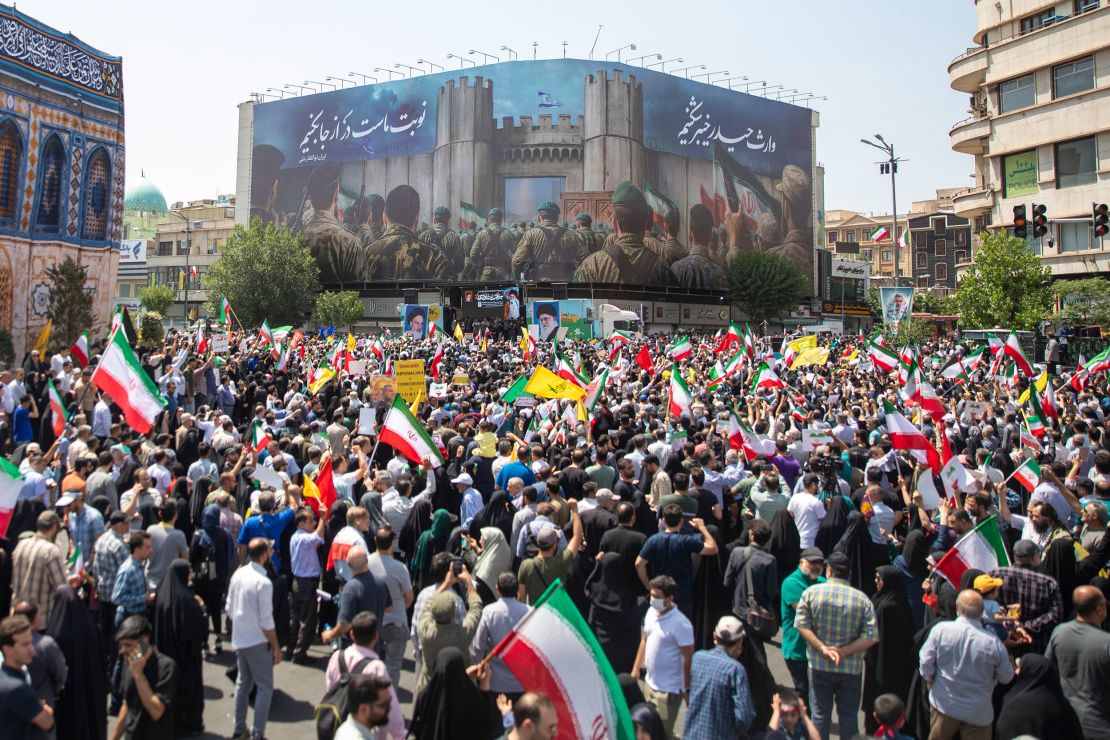
Serene Why The Iran War Is Reviving Us Stagflation Fears View Illustration
Discover an amazing why the iran war is reviving us stagflation fears background image, ideal for personalizing your devices with vibrant colors and intricate designs.
Captivating Why The Iran War Is Reviving Us Stagflation Fears Photo Concept
Immerse yourself in the stunning details of this beautiful why the iran war is reviving us stagflation fears wallpaper, designed for a captivating visual experience.

Serene Why The Iran War Is Reviving Us Stagflation Fears Artwork Collection
Explore this high-quality why the iran war is reviving us stagflation fears image, perfect for enhancing your desktop or mobile wallpaper.
Vivid Why The Iran War Is Reviving Us Stagflation Fears Abstract Illustration
Experience the crisp clarity of this stunning why the iran war is reviving us stagflation fears image, available in high resolution for all your screens.
Amazing Why The Iran War Is Reviving Us Stagflation Fears View Collection
Explore this high-quality why the iran war is reviving us stagflation fears image, perfect for enhancing your desktop or mobile wallpaper.

Dynamic Why The Iran War Is Reviving Us Stagflation Fears Abstract Art
A captivating why the iran war is reviving us stagflation fears scene that brings tranquility and beauty to any device.

Crisp Why The Iran War Is Reviving Us Stagflation Fears Design Digital Art
A captivating why the iran war is reviving us stagflation fears scene that brings tranquility and beauty to any device.
Dynamic Why The Iran War Is Reviving Us Stagflation Fears View for Mobile
Immerse yourself in the stunning details of this beautiful why the iran war is reviving us stagflation fears wallpaper, designed for a captivating visual experience.

Amazing Why The Iran War Is Reviving Us Stagflation Fears Landscape in HD
Explore this high-quality why the iran war is reviving us stagflation fears image, perfect for enhancing your desktop or mobile wallpaper.

Dynamic Why The Iran War Is Reviving Us Stagflation Fears Moment Art
A captivating why the iran war is reviving us stagflation fears scene that brings tranquility and beauty to any device.

Breathtaking Why The Iran War Is Reviving Us Stagflation Fears Image Collection
Discover an amazing why the iran war is reviving us stagflation fears background image, ideal for personalizing your devices with vibrant colors and intricate designs.
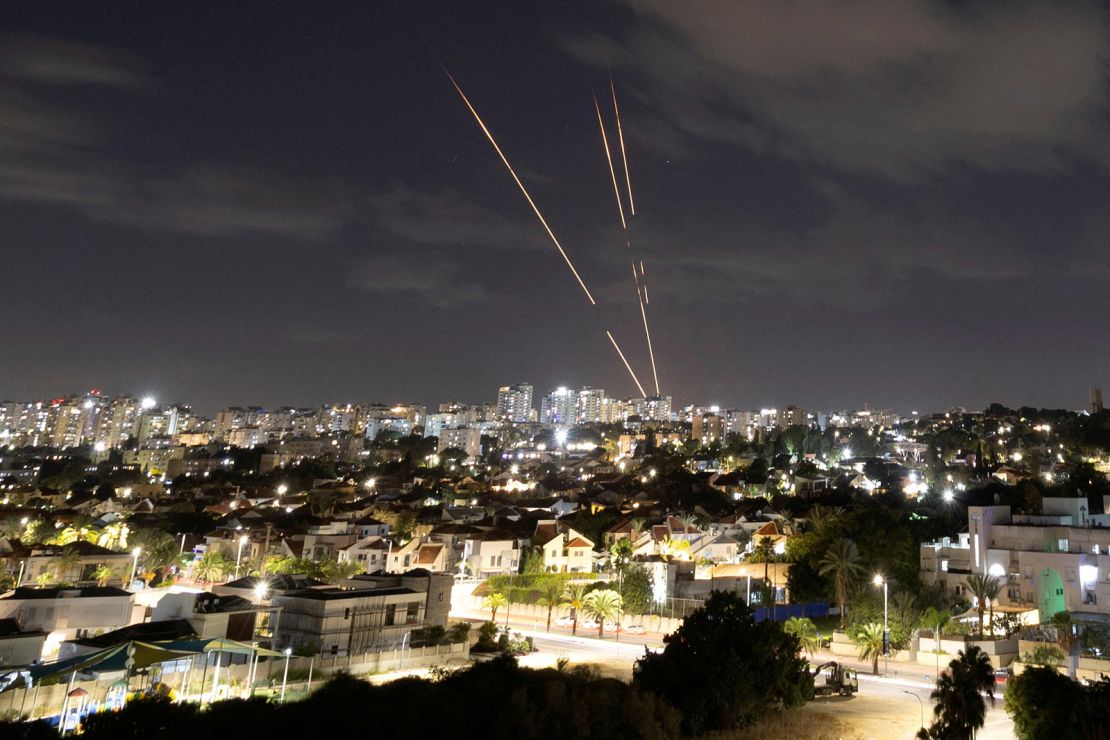
Exquisite Why The Iran War Is Reviving Us Stagflation Fears Moment Concept
This gorgeous why the iran war is reviving us stagflation fears photo offers a breathtaking view, making it a perfect choice for your next wallpaper.
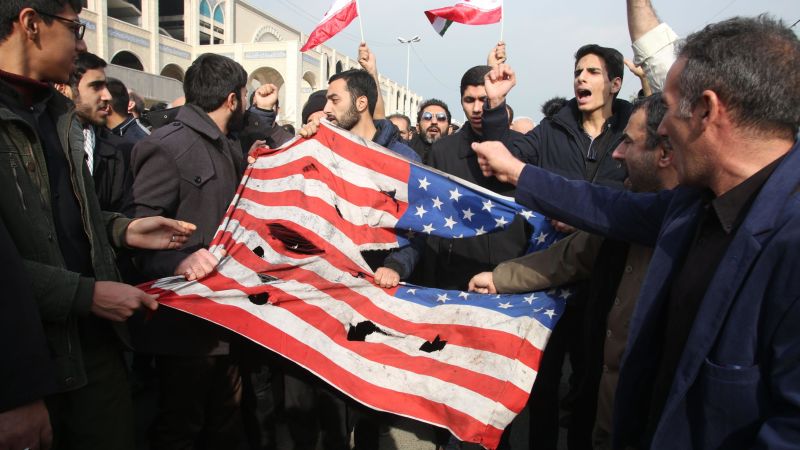
Vivid Why The Iran War Is Reviving Us Stagflation Fears Moment in HD
Experience the crisp clarity of this stunning why the iran war is reviving us stagflation fears image, available in high resolution for all your screens.
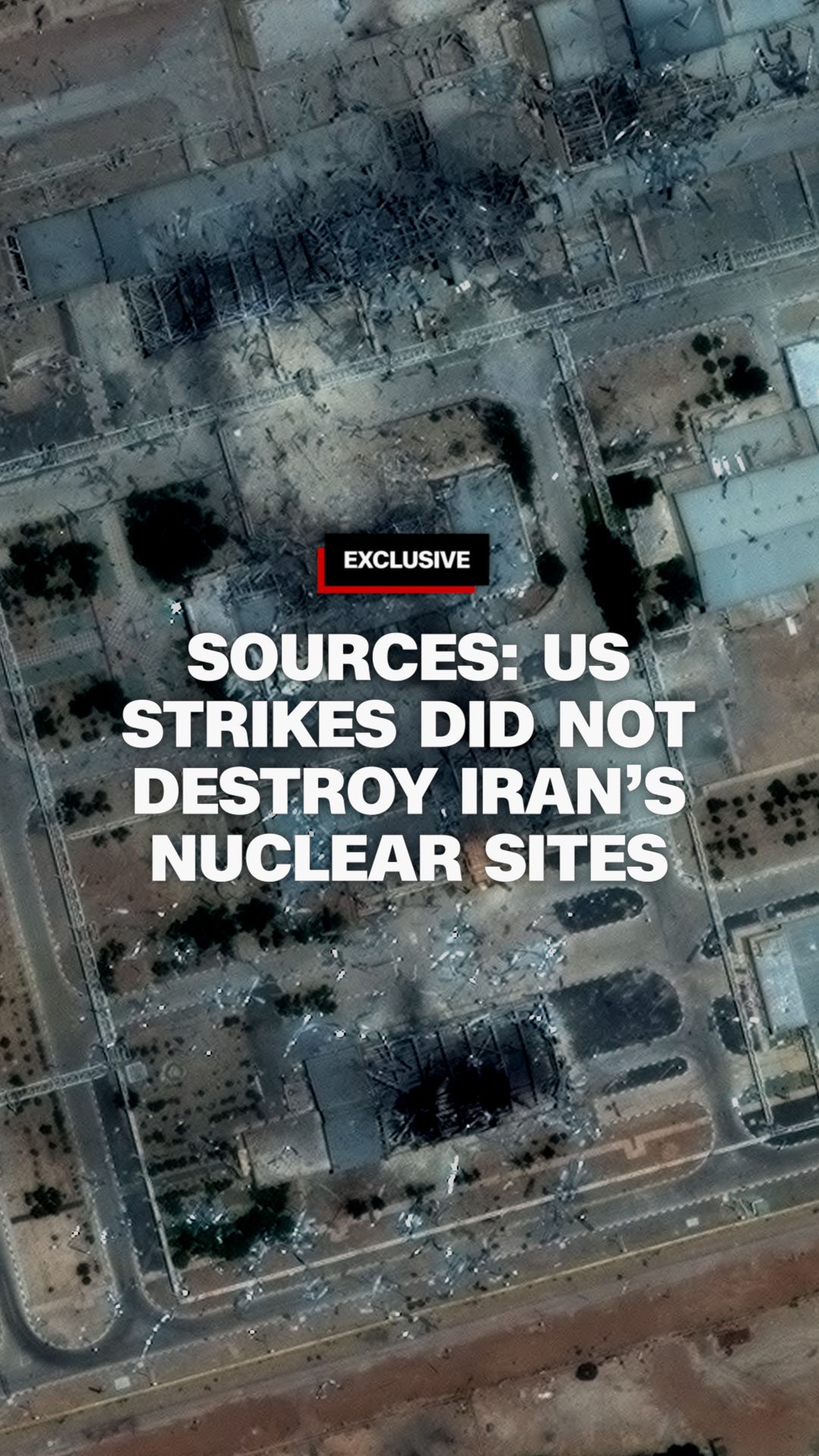
Amazing Why The Iran War Is Reviving Us Stagflation Fears Photo Art
Discover an amazing why the iran war is reviving us stagflation fears background image, ideal for personalizing your devices with vibrant colors and intricate designs.

Serene Why The Iran War Is Reviving Us Stagflation Fears View for Mobile
Experience the crisp clarity of this stunning why the iran war is reviving us stagflation fears image, available in high resolution for all your screens.

High-Quality Why The Iran War Is Reviving Us Stagflation Fears View Concept
Transform your screen with this vivid why the iran war is reviving us stagflation fears artwork, a true masterpiece of digital design.
Download these why the iran war is reviving us stagflation fears wallpapers for free and use them on your desktop or mobile devices.
0 Response to "Why the Iran War Is Reviving US Stagflation Fears"
Post a Comment