Wig Toppers With Bangs
Stop Hiding: The Effortless Volume & Confidence of Wig Toppers With Bangs
If you've ever felt that twinge of anxiety looking in the mirror—noticing your part widening, or wishing for that 'oomph' of volume you used to have—you are absolutely not alone. Hair thinning is incredibly common, but the solutions often feel drastic. Full wigs are a commitment, and extensions can pull on fragile hair.
Enter the hero of modern hair solutions: the wig topper. Specifically, the focused charm and styling versatility of Wig Toppers With Bangs. These aren't your grandmother's hairpieces; they are lightweight, breathable, and designed to blend seamlessly, offering targeted coverage and instant style without the need for a full wig.
In this comprehensive guide, we'll dive deep into why the 'with bangs' variant has become a game-changer, how to choose the right one for your needs, and all the tips required for a natural, confident look.
Understanding the Magic of the Wig Topper
A wig topper, sometimes called a hair system, integration piece, or hair addition, is designed to cover specific areas of hair loss, usually at the crown, part, or hairline. They attach using pressure-sensitive clips that gently secure the piece to your existing hair.
The primary function is volume and coverage. Unlike a full wig, toppers allow you to keep your natural hairline and the hair at the back and sides, making the blend incredibly natural. They are often far cooler and more comfortable to wear daily than a full cap.
Toppers are typically categorized by the size of the base. If your thinning is mild, you might only need a 3x5 inch base, while those with more advanced loss might need a larger 7x8 inch base to ensure complete coverage.
The Problem Solved: Why Bangs Are a Game Changer
While standard toppers restore volume at the crown, they often leave the wearer anxious about the front hairline blending. This is where Wig Toppers With Bangs shine.
The inclusion of bangs (or fringe) serves two critical purposes:
- Instant Concealment: Bangs immediately cover and camouflage the front hairline, which can be the most challenging part of any topper or wig to make look realistic.
- Face Framing: They instantly soften the face, adding a youthful, intentional style that screams "fashion choice," not "hair loss solution."
If your hair loss is concentrated near the temples or the front part line, a topper with a pre-cut fringe is often the easiest and most effective way to gain confidence immediately.
Choosing Your Perfect Match: Fiber, Base, and Density
Choosing the right topper is not just about length and color; it's about understanding the technical specifications. The perfect piece should feel like an extension of your own scalp.
Fiber Type: Human Hair vs. Synthetic
The first big decision is the fiber. Each has distinct pros and cons regarding maintenance, cost, and longevity. E-E-A-T demands we look beyond the surface level.
While human hair offers unparalleled styling versatility and feel, modern heat-friendly synthetic fibers have significantly closed the gap in realism. It truly depends on your budget and how much time you want to spend styling daily.
| Feature | Human Hair | Synthetic Fiber |
|---|---|---|
| Cost | High | Low to Moderate |
| Lifespan | 1+ Years (with care) | 3-6 Months (daily wear) |
| Styling | Can be cut, colored, and heat-styled just like bio hair. | Style is permanently set; heat-styling often restricted. |
| Realism/Feel | Highest level of realism and natural movement. | Can look shinier or slightly less mobile than human hair. |
Base Construction: Monofilament vs. Silk Top
The base is the mesh material the hair is tied to. This affects where you can part the hair and how realistic the scalp looks.
When selecting a topper, pay close attention to the construction of the part line, especially for a topper with bangs, as you want the volume at the crown to look completely natural.
Monofilament (Mono): This base allows you to part the hair anywhere within the mono area. It mimics the appearance of hair growing directly from the scalp, offering excellent ventilation.
Silk Top: Considered the most realistic option. Hair is tied underneath a layer of silk material, then pulled back through, knotting the base completely. The result is a hyper-realistic, opaque scalp appearance.
Styling and Blending Your Wig Topper With Bangs
The biggest fear new topper wearers have is that the piece will be detectable. The key to seamless wear lies in matching your bio (biological) hair color and texture, and perfecting the blend.
H3: The Art of the Blend
Since the back and sides of your hair are exposed, you must ensure the topper's color and texture match yours exactly. If your hair is naturally wavy, you should curl the bottom edges of the topper and your own hair together to unify the look. Even a slight mismatch in texture can give away the secret.
For those with very fine hair, applying a small amount of root volume powder or light teasing to your own hair where the clips attach can provide more grip and prevent slippage. This is crucial for security throughout the day. If you need deeper understanding of different hair loss patterns, external resources like WebMD's guide on female hair loss patterns can be helpful in identifying your needs.
Customizing the Bangs
While the topper comes with bangs, they are almost always long enough to allow for professional customization. Do not try to cut the bangs yourself the first time!
Take the piece to a stylist who is experienced in cutting wigs and toppers. They can thin the bangs or trim them to perfectly frame your face—whether you prefer a heavy, blunt fringe or soft, wispy curtain bangs. Remember, the bangs are the star feature of these hair additions, so customize them to match your personal style.
Maintenance and Longevity (E-E-A-T Focus)
Proper maintenance is what separates a topper that lasts 3 months from one that lasts a year. Since toppers are not constantly replenished with natural oils from the scalp (unlike your bio hair), they require specific care.
Washing: Wash as infrequently as possible—every 15–20 wears is typical for human hair. Use sulfate-free shampoo and conditioner specifically designed for wigs. Always air-dry the piece on a wig stand to maintain its shape and base integrity.
Storage: Never throw your topper into a drawer. Store it neatly on a soft mannequin head or hang it to prevent tangling and damage to the bangs. Tangling is one of the quickest ways to ruin a fiber piece. For detailed care instructions for human hair pieces, academic sources like a guide to processing natural hair for extensions can offer insight into fiber treatment and durability (NCBI Article on Hair Processing).
Heat Protection: If you chose a human hair topper, always use a heat protectant spray before using curling irons or straighteners. Synthetic fibers, even heat-friendly ones, should be kept away from high heat sources (like opening oven doors or grills) as the fiber can melt instantly.
Conclusion: The Ultimate Confidence Booster
Choosing Wig Toppers With Bangs is more than just selecting a piece of hair; it's choosing targeted confidence and convenience. They solve the most common challenges of thinning hair—volume loss at the crown and insecurity about the hairline—with a stylish, ready-to-wear solution.
By understanding the nuances of base construction, fiber type, and proper blending techniques, you can ensure your topper is undetectable, comfortable, and an absolute joy to wear. Go ahead—enjoy that effortless volume!
Frequently Asked Questions (FAQ) About Toppers With Bangs
- Q: Can I wear a wig topper if I have zero hair at the crown?
A: Yes, absolutely. If you have complete loss in a specific area, the clips can still be secured to the existing perimeter hair around the bald spot. If the entire crown is bald, you might need specialized adhesives or tapes in addition to clips. (Note: For medical hair loss conditions like Alopecia, consult a specialist. More information on different Alopecia types can be found on Wikipedia.)
- Q: How do I choose the correct color online?
A: Color matching is tricky. Always try to match the color of the hair you will be clipping the topper to (usually the roots/mid-lengths of your bio hair). Look for vendors who offer color rings or sample swatches. When in doubt, go one shade lighter, as it's often easier to darken than to lighten hair pieces.
- Q: Are toppers with bangs heavy or hot?
A: No. Toppers are far less material than full wigs, making them significantly cooler and lighter. Since they only cover a small area of the scalp, most people find them perfectly comfortable for all-day wear, even in warm weather.
- Q: How long should the bangs be on the topper?
A: Most pre-cut bangs are made slightly longer to accommodate customization. A great length for initial wear is just below the eyebrow line, which allows you to sweep them to the side or wear them straight across, depending on your preferred style.
Wig Toppers With Bangs
Wig Toppers With Bangs Wallpapers
Collection of wig toppers with bangs wallpapers for your desktop and mobile devices.
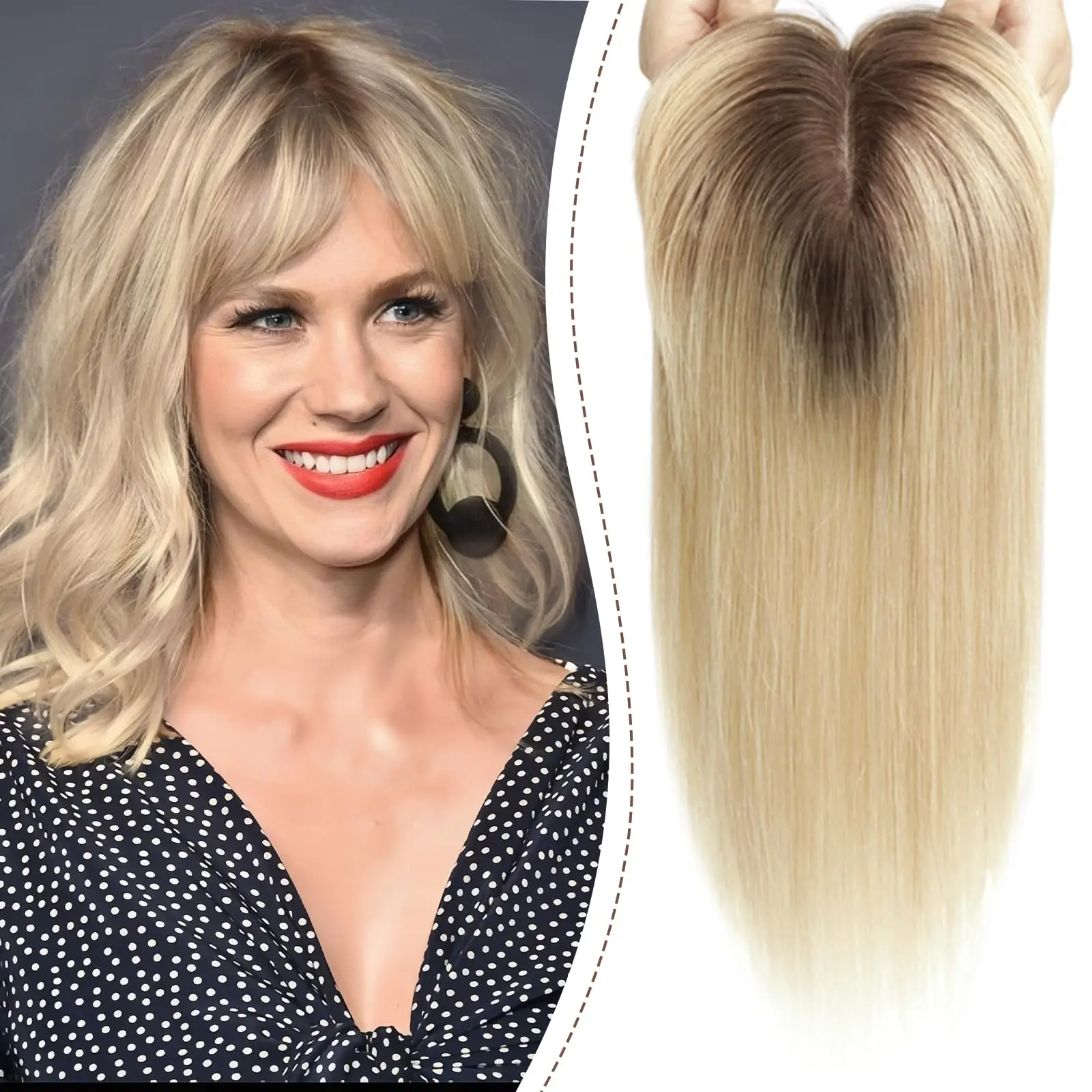
Detailed Wig Toppers With Bangs Abstract for Your Screen
Experience the crisp clarity of this stunning wig toppers with bangs image, available in high resolution for all your screens.
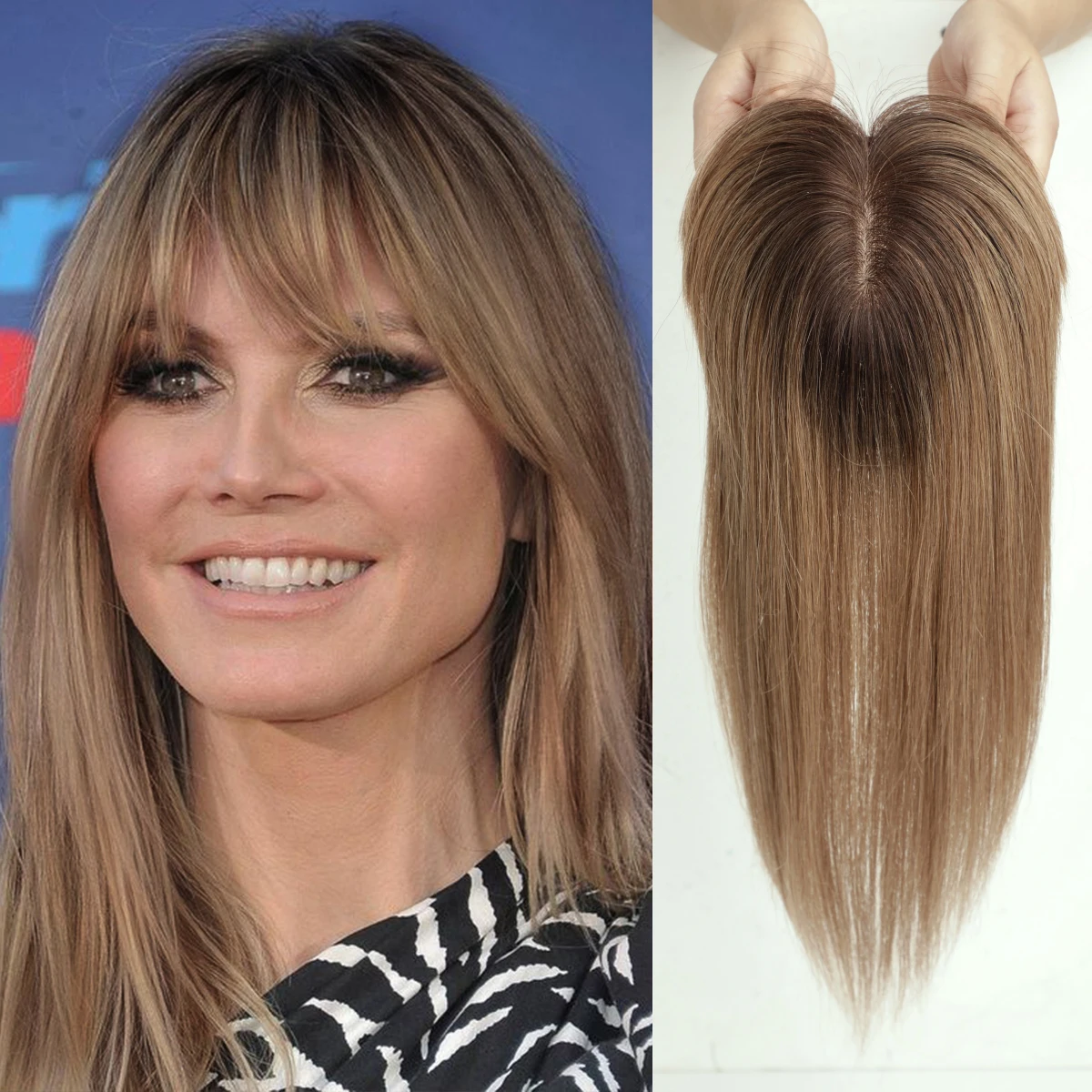
Dynamic Wig Toppers With Bangs Moment for Mobile
This gorgeous wig toppers with bangs photo offers a breathtaking view, making it a perfect choice for your next wallpaper.

Lush Wig Toppers With Bangs Picture in HD
Immerse yourself in the stunning details of this beautiful wig toppers with bangs wallpaper, designed for a captivating visual experience.

High-Quality Wig Toppers With Bangs Wallpaper for Desktop
Transform your screen with this vivid wig toppers with bangs artwork, a true masterpiece of digital design.

Serene Wig Toppers With Bangs Abstract Art
Explore this high-quality wig toppers with bangs image, perfect for enhancing your desktop or mobile wallpaper.
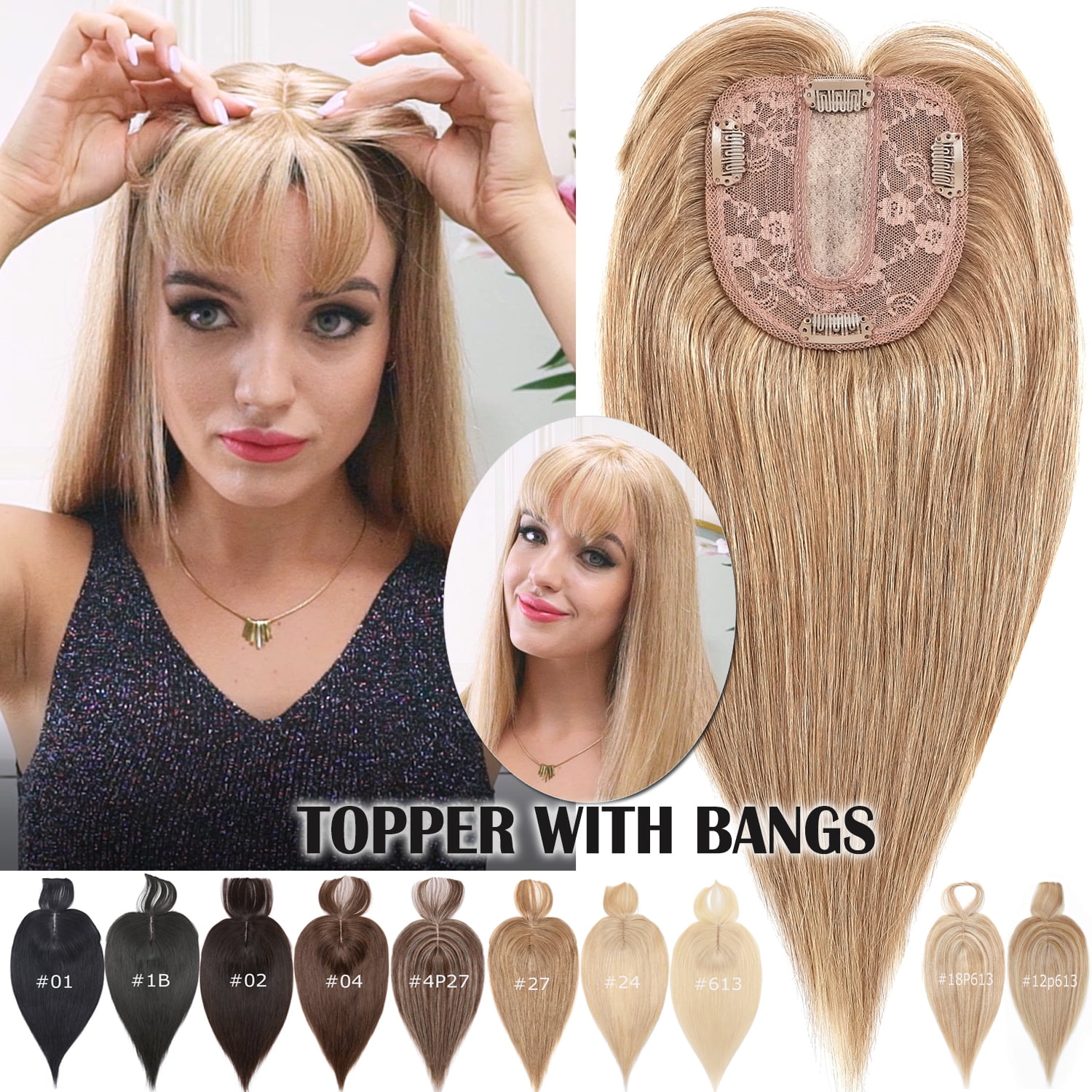
Crisp Wig Toppers With Bangs Scene in HD
A captivating wig toppers with bangs scene that brings tranquility and beauty to any device.
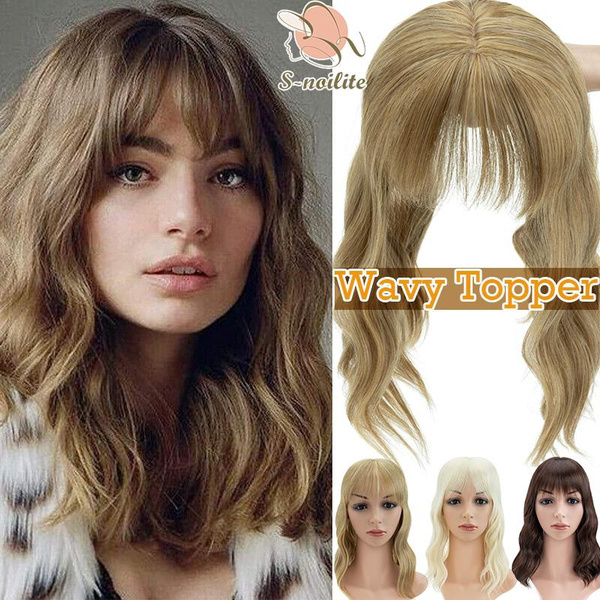
Serene Wig Toppers With Bangs Wallpaper Nature
Experience the crisp clarity of this stunning wig toppers with bangs image, available in high resolution for all your screens.

Serene Wig Toppers With Bangs Photo Photography
Experience the crisp clarity of this stunning wig toppers with bangs image, available in high resolution for all your screens.
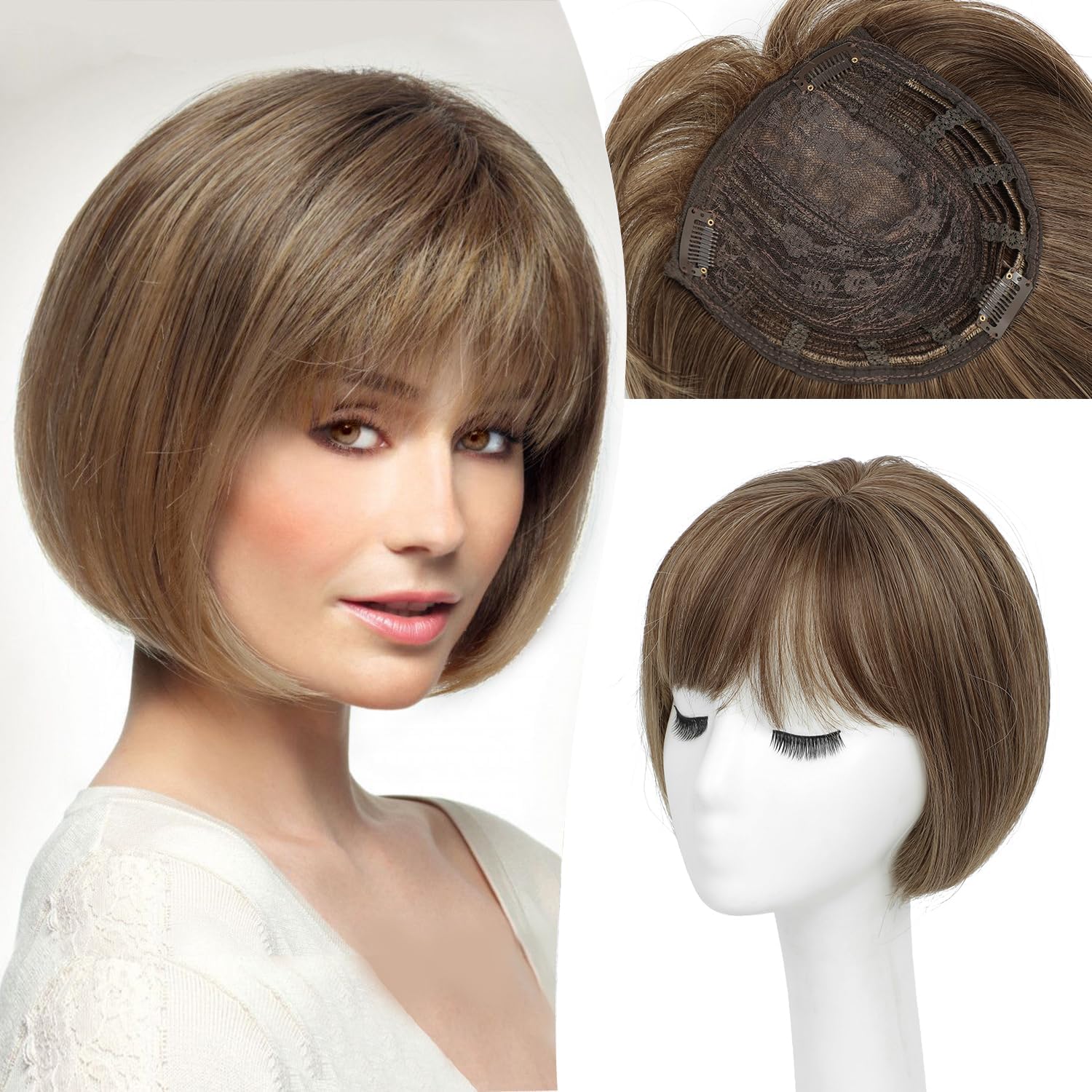
Spectacular Wig Toppers With Bangs Design Concept
This gorgeous wig toppers with bangs photo offers a breathtaking view, making it a perfect choice for your next wallpaper.

Vibrant Wig Toppers With Bangs Abstract Collection
Experience the crisp clarity of this stunning wig toppers with bangs image, available in high resolution for all your screens.

Artistic Wig Toppers With Bangs Image Illustration
Immerse yourself in the stunning details of this beautiful wig toppers with bangs wallpaper, designed for a captivating visual experience.

High-Quality Wig Toppers With Bangs Design Concept
Explore this high-quality wig toppers with bangs image, perfect for enhancing your desktop or mobile wallpaper.

Detailed Wig Toppers With Bangs Capture in 4K
Explore this high-quality wig toppers with bangs image, perfect for enhancing your desktop or mobile wallpaper.
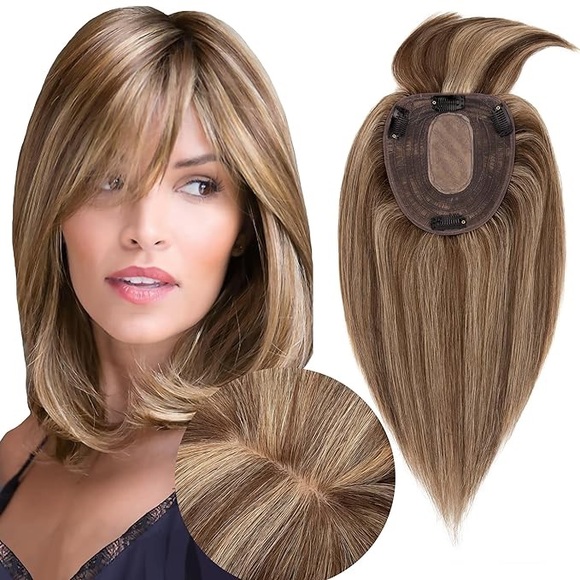
Vibrant Wig Toppers With Bangs Abstract for Desktop
Explore this high-quality wig toppers with bangs image, perfect for enhancing your desktop or mobile wallpaper.
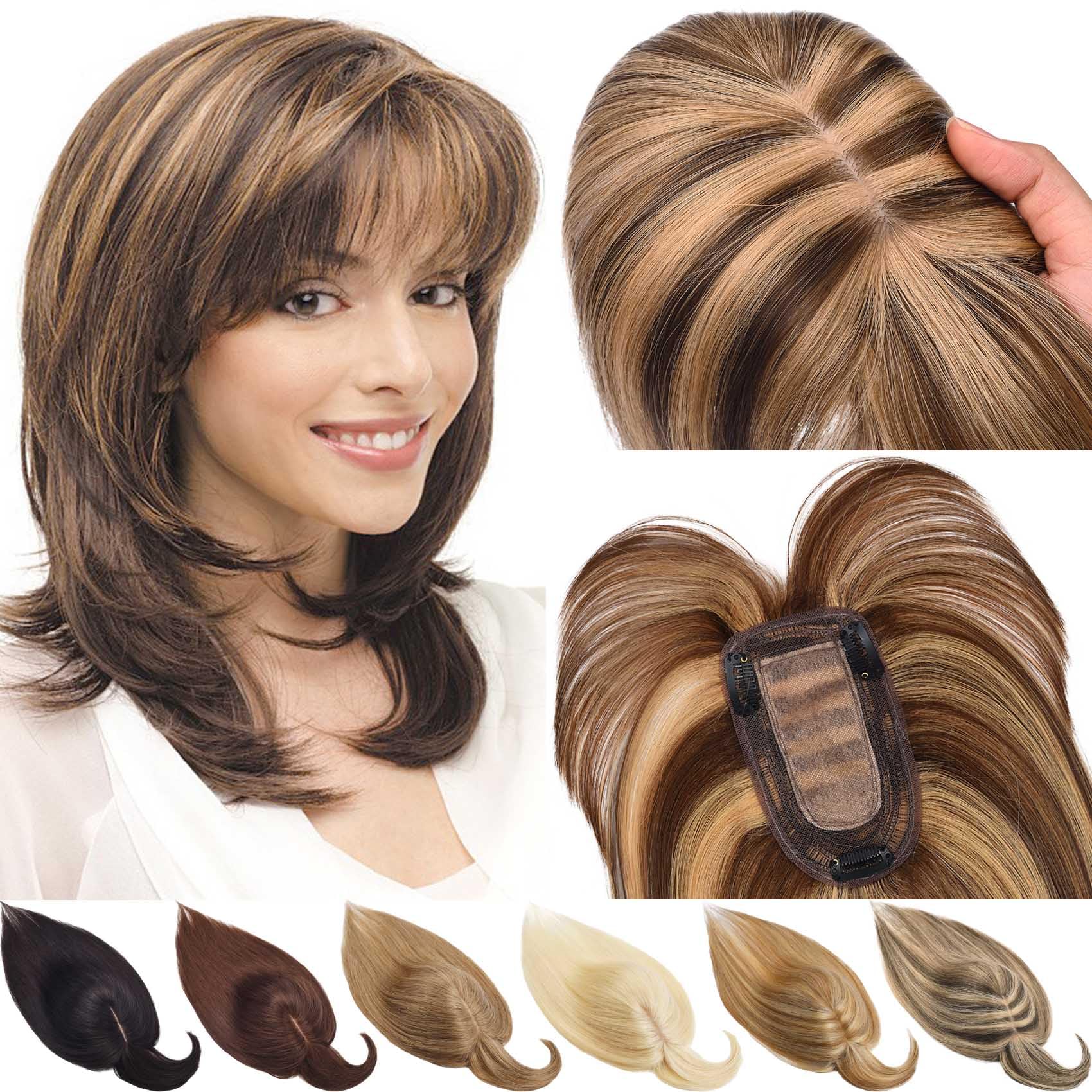
Amazing Wig Toppers With Bangs Abstract Photography
Discover an amazing wig toppers with bangs background image, ideal for personalizing your devices with vibrant colors and intricate designs.

Gorgeous Wig Toppers With Bangs Capture Photography
A captivating wig toppers with bangs scene that brings tranquility and beauty to any device.

Amazing Wig Toppers With Bangs Background Digital Art
Transform your screen with this vivid wig toppers with bangs artwork, a true masterpiece of digital design.

Stunning Wig Toppers With Bangs Photo Photography
Find inspiration with this unique wig toppers with bangs illustration, crafted to provide a fresh look for your background.

Amazing Wig Toppers With Bangs Capture Concept
Transform your screen with this vivid wig toppers with bangs artwork, a true masterpiece of digital design.

High-Quality Wig Toppers With Bangs Moment in HD
Experience the crisp clarity of this stunning wig toppers with bangs image, available in high resolution for all your screens.
Download these wig toppers with bangs wallpapers for free and use them on your desktop or mobile devices.
0 Response to "Wig Toppers With Bangs"
Post a Comment