Apollo 11
Apollo 11: The Historic Moon Landing That Continues to Shape Humanity's Future
On July 20, 1969, the world stood still. Approximately 600 million people—a record-breaking audience at the time—clustered around flickering black-and-white television sets to witness something previously reserved for the pages of science fiction. The Apollo 11 mission wasn't just a win for NASA; it was a pivot point for the human species. Today, as we stand on the precipice of the Artemis era and the colonization of Mars, the legacy of Apollo 11 is trending once again, proving that our fascination with the lunar surface is far from over.
The significance of Apollo 11 transcends historical dates. It represents the pinnacle of human ingenuity, the ultimate "Moonshot" that proved that with enough political will, scientific rigor, and raw courage, the impossible becomes inevitable. As modern space agencies like SpaceX and Blue Origin dominate today's headlines, they all stand on the shoulders of the three men who journeyed into the void: Neil Armstrong, Buzz Aldrin, and Michael Collins.
The Epic Journey: Reliving the Eight-Day Mission that Defined the Space Race
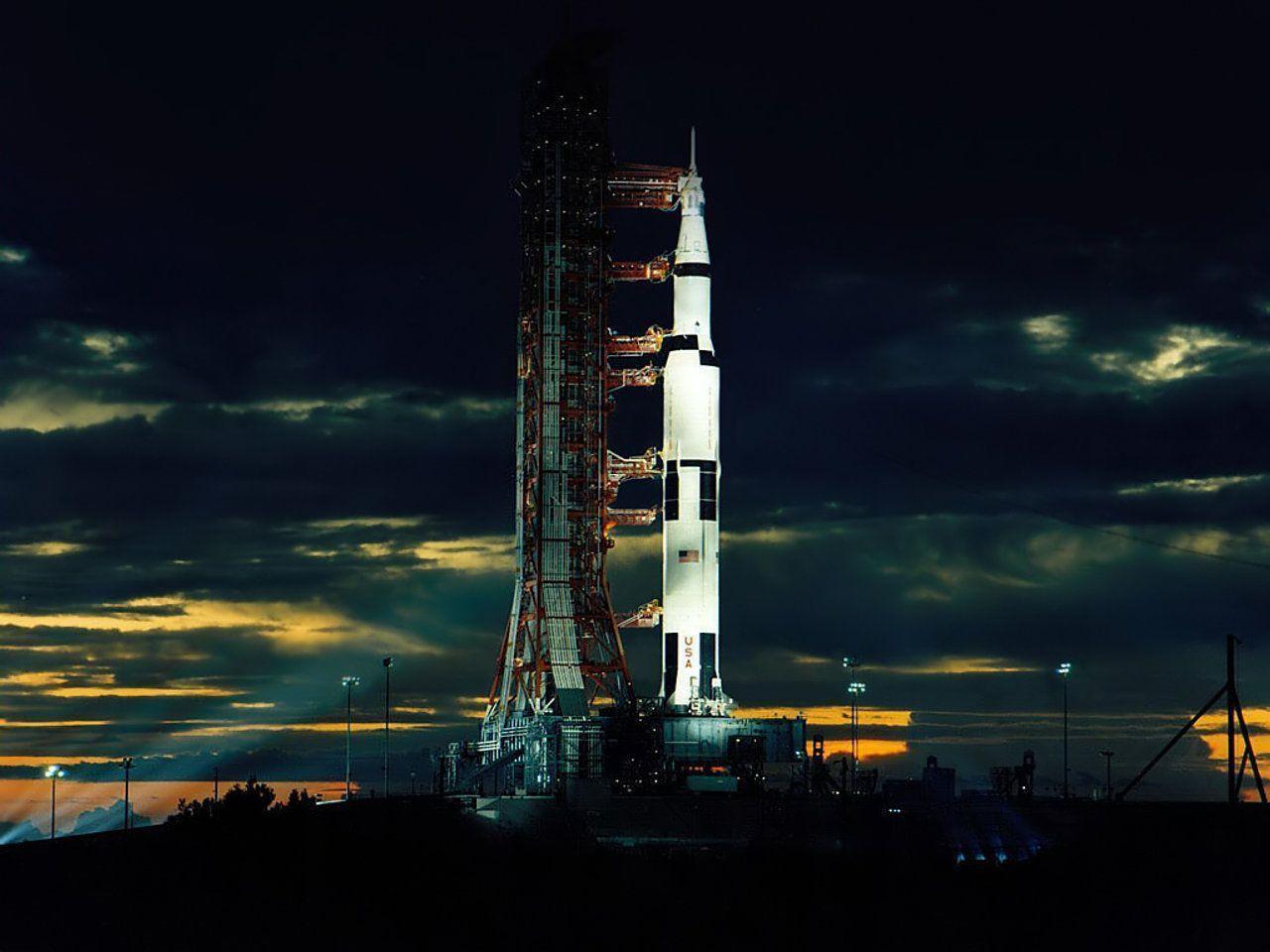
The story of Apollo 11 begins at the height of the Cold War. The Space Race was more than a technological competition; it was a battle of ideologies. Following President John F. Kennedy's 1961 challenge to land a man on the Moon and return him safely to Earth before the decade was out, NASA worked at a feverish pace. The result was the Saturn V rocket, a 363-foot tall behemoth that remains the most powerful rocket ever successfully flown.
On the morning of July 16, 1969, from Launch Pad 39A at Kennedy Space Center, the Saturn V ignited. The sheer force of the launch was felt miles away, rattling windows and hearts alike. Inside the Command Module Columbia, Armstrong, Aldrin, and Collins were propelled toward a destination 238,000 miles away. For three days, they traveled through the silent vacuum of space, a tiny speck of life in an infinite darkness.
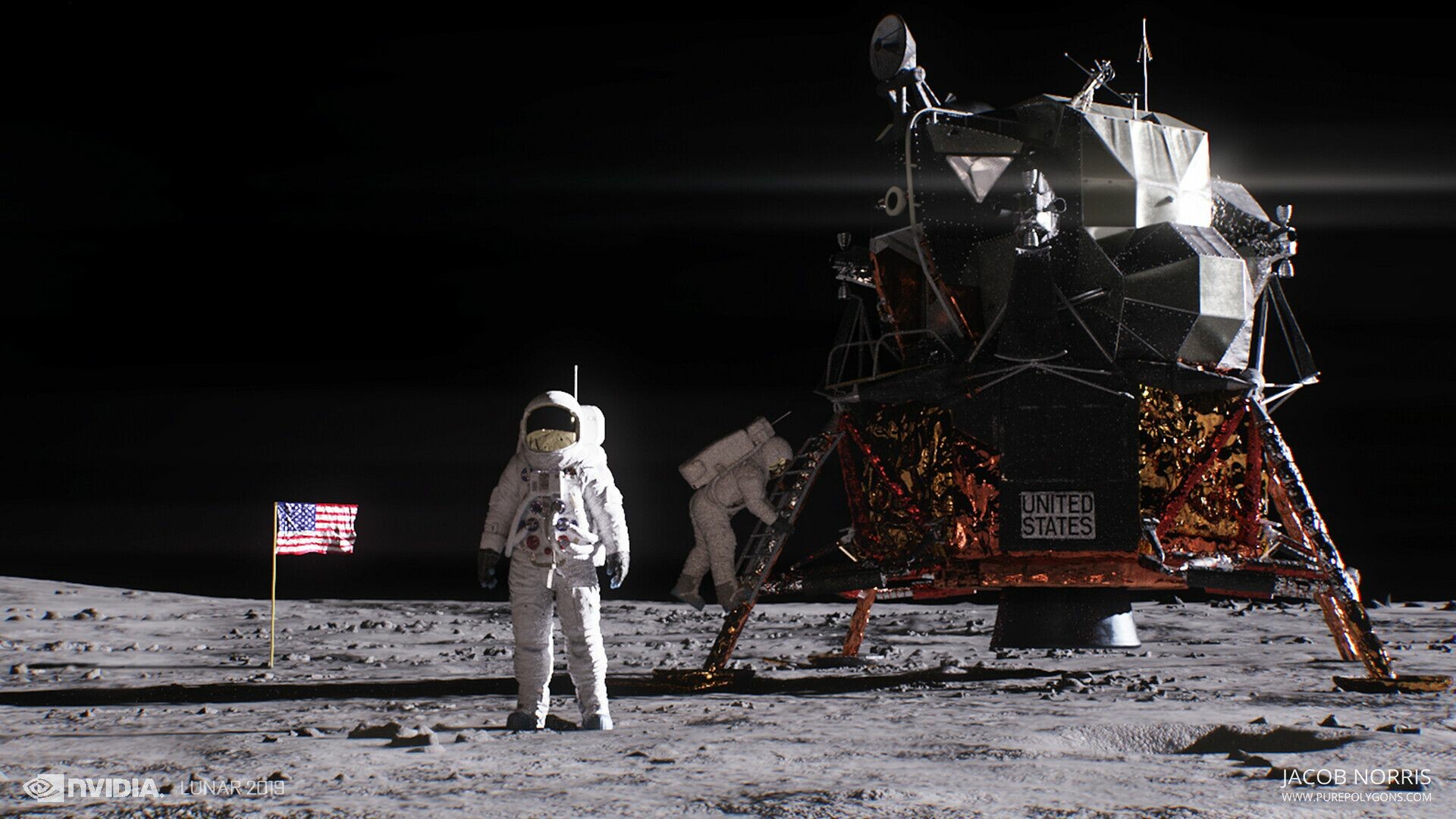
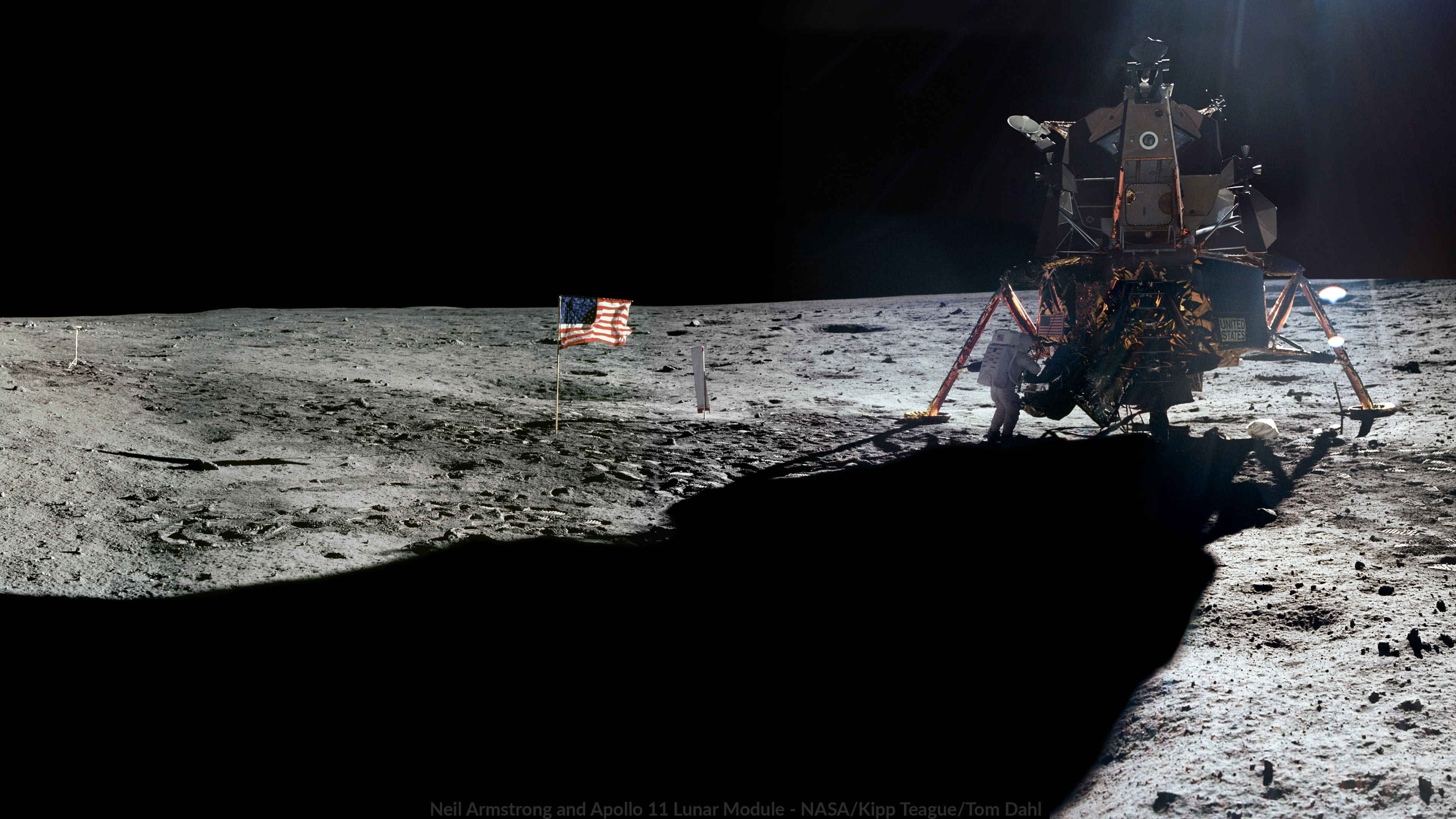
The mission reached its most critical phase on July 20. While Michael Collins remained in lunar orbit aboard the Command Module, Armstrong and Aldrin entered the Lunar Module, Eagle. As they descended toward the Sea of Tranquility, the mission nearly ended in disaster. The onboard computer began flashing "1202" and "1201" program alarms—indicating it was overloaded. Furthermore, the automated landing system was steering them toward a boulder-strewn crater.
- Neil Armstrong's Coolness: With fuel running dangerously low, Armstrong took manual control, hovering the Eagle just feet above the surface until he found a clear patch of lunar dust.
- The Final Seconds: When the Eagle finally touched down, they had less than 30 seconds of landing fuel remaining.
- The Famous Words: "Houston, Tranquility Base here. The Eagle has landed."
This moment of storytelling—the tension of the fuel gauge, the cryptic computer alarms, and the calm voice of Armstrong—is what makes Apollo 11 a timeless narrative. It wasn't just a machine landing; it was a human being outthinking a machine to achieve the miraculous.
"One Small Step": The Cultural and Scientific Impact of the First Lunar Steps
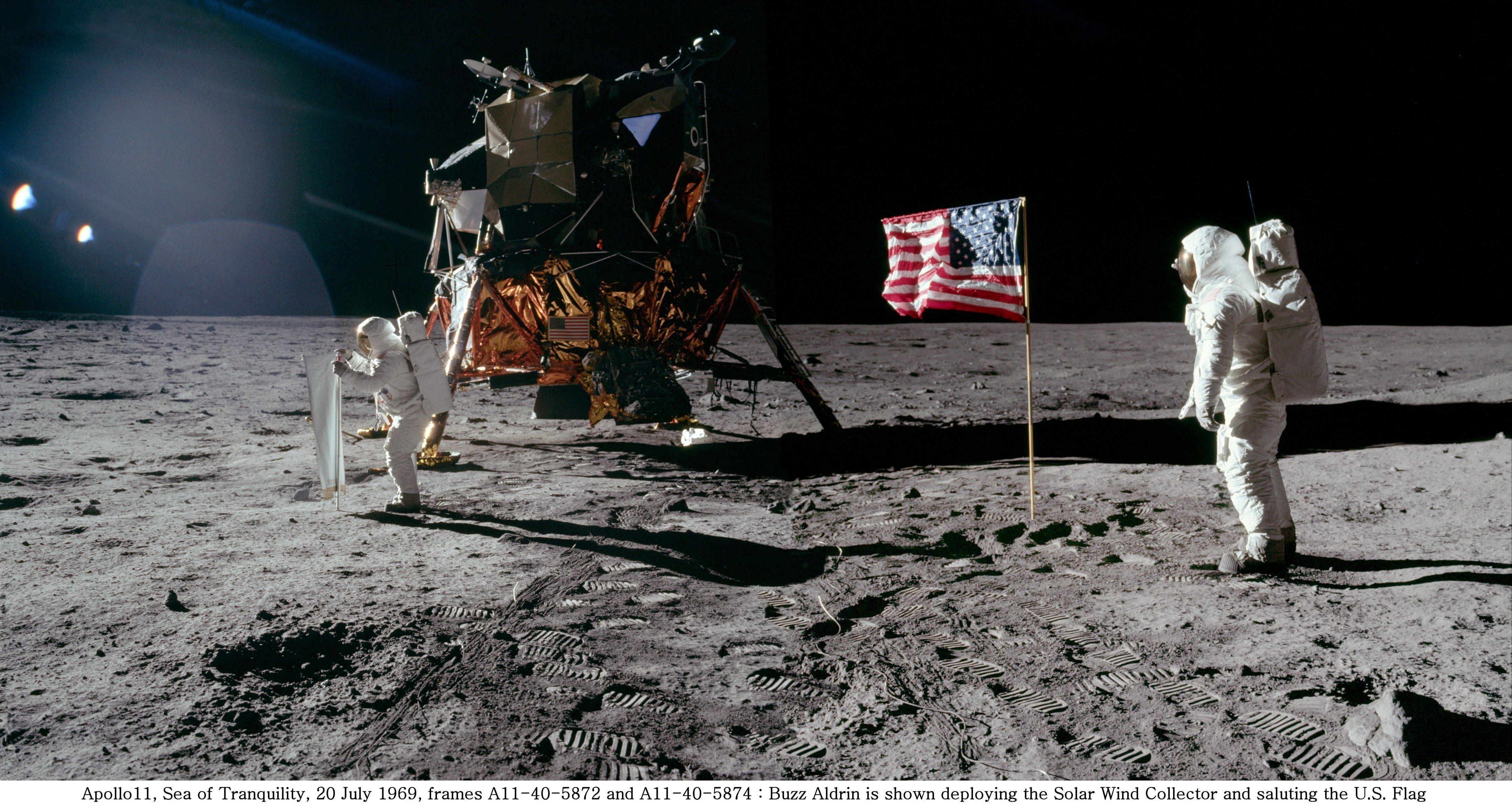
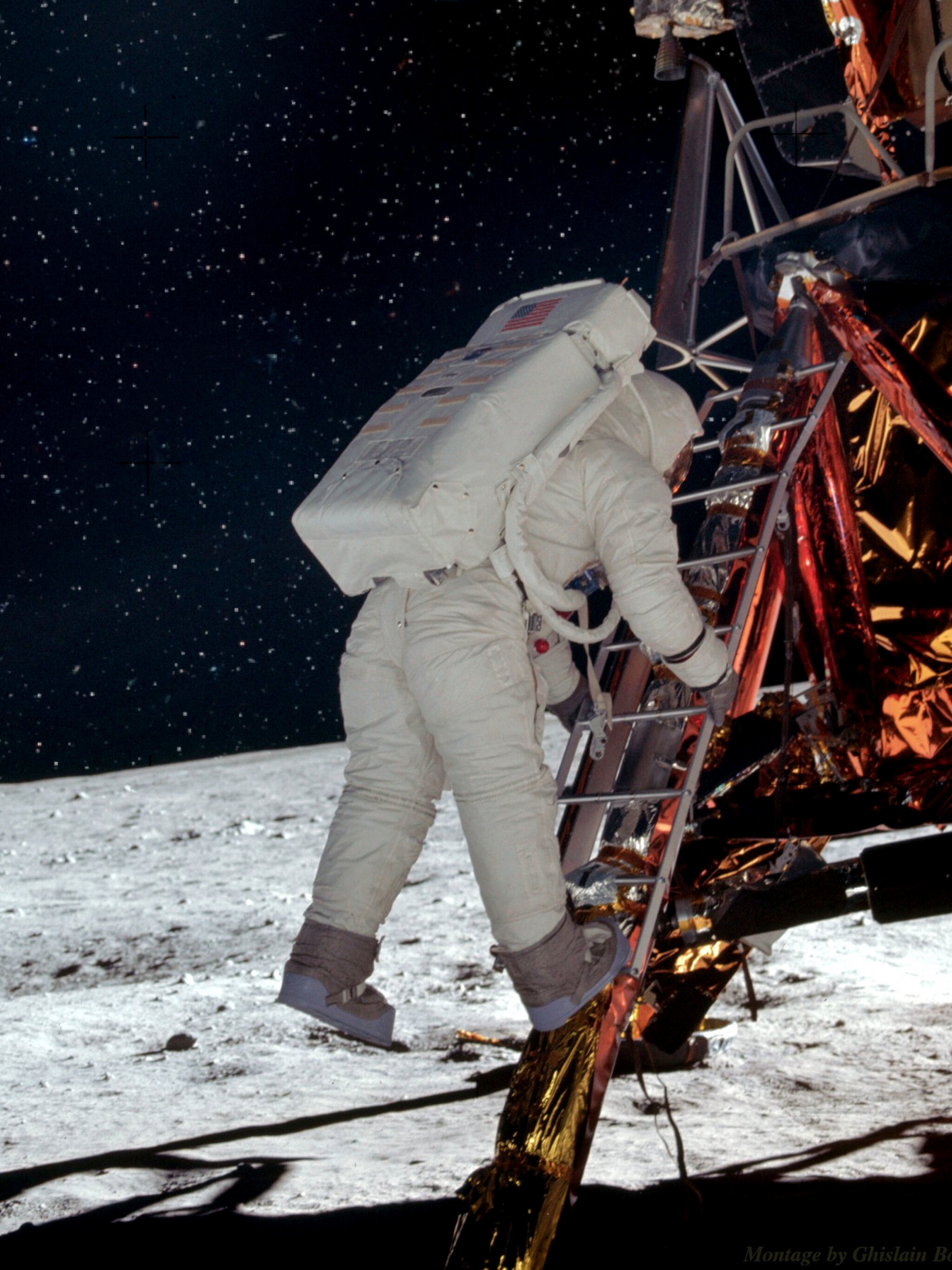
Six hours after landing, Neil Armstrong descended the ladder of the Eagle. As his boot pressed into the fine, powdery lunar regolith, he uttered the words that would be etched into history: "That's one small step for [a] man, one giant leap for mankind." Buzz Aldrin joined him shortly after, describing the lunar landscape as "magnificent desolation."
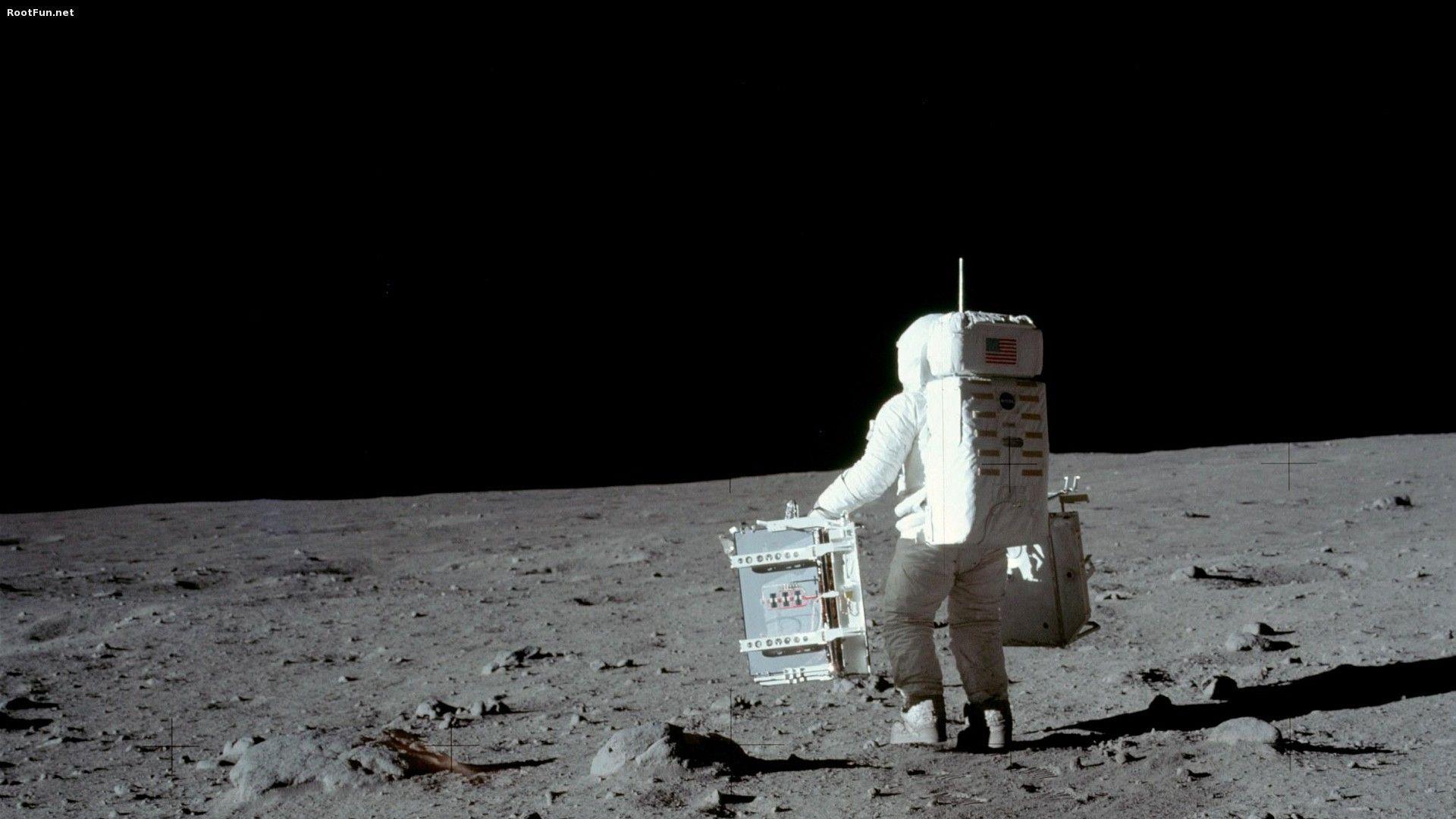
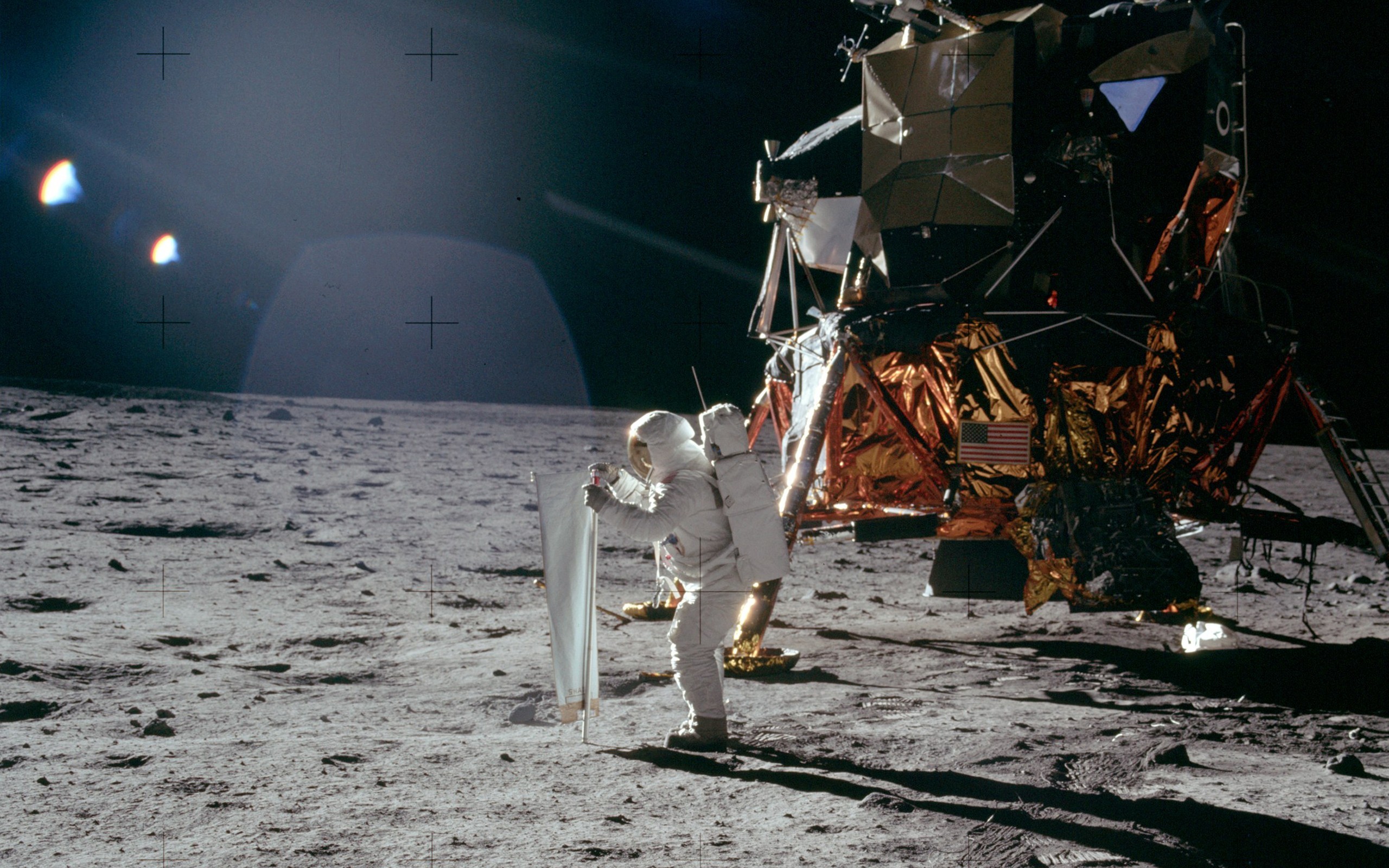
During their two-and-a-half-hour moonwalk, the duo performed several tasks that still provide scientific value today. They deployed the Early Apollo Scientific Experiments Package (EASEP), which included a seismic detector to study "moonquakes" and a laser ranging retroreflector. The latter is still used by scientists today to measure the exact distance between the Earth and the Moon by bouncing laser beams off it.
However, the most tangible treasures they brought back were the lunar samples. Collecting 47.5 pounds of rocks and soil, the astronauts provided geologists with the first direct evidence of the Moon's history. These samples revealed that the Moon was once a molten mass and likely formed from a colossal impact between Earth and a Mars-sized body billions of years ago. To this day, NASA continues to release pristine, sealed samples from the Apollo missions to new generations of scientists using technology that didn't exist in 1969.
The cultural impact was equally seismic. For a brief moment, the divisions of Earth—wars, politics, and borders—seemed to vanish. The world wasn't watching "Americans" on the Moon; they were watching "humans" on the Moon. This "Overview Effect," the cognitive shift experienced by astronauts seeing Earth from space, began to permeate the global consciousness, fostering an early sense of environmentalism and planetary unity.
The New Era of Lunar Exploration: From Apollo to Artemis
Why is Apollo 11 trending today? Because we are finally going back. For decades, the Moon was a place we had "been there, done that." But the modern space industry has realized that the Moon is not a destination—it is a gateway. NASA's Artemis Program aims to establish a sustainable human presence on the Moon, serving as a stepping stone for the first crewed mission to Mars.
The differences between Apollo and Artemis highlight how far we have come. While Apollo was about "flags and footprints," Artemis is about infrastructure. NASA plans to build the Lunar Gateway, a small space station in orbit around the Moon, and the Artemis Base Camp at the lunar south pole, where water ice is believed to exist in permanently shadowed craters. This ice can be converted into oxygen for breathing and hydrogen for rocket fuel.
The "trending" nature of Apollo 11 also stems from the democratization of space. In 1969, only two superpowers could dream of such a feat. Today, private companies like SpaceX are developing the Starship, which NASA has selected as the lunar lander for the Artemis III mission. The spirit of Apollo 11 lives on in these stainless-steel rockets and the ambitious timelines of entrepreneurs like Elon Musk and Jeff Bezos.
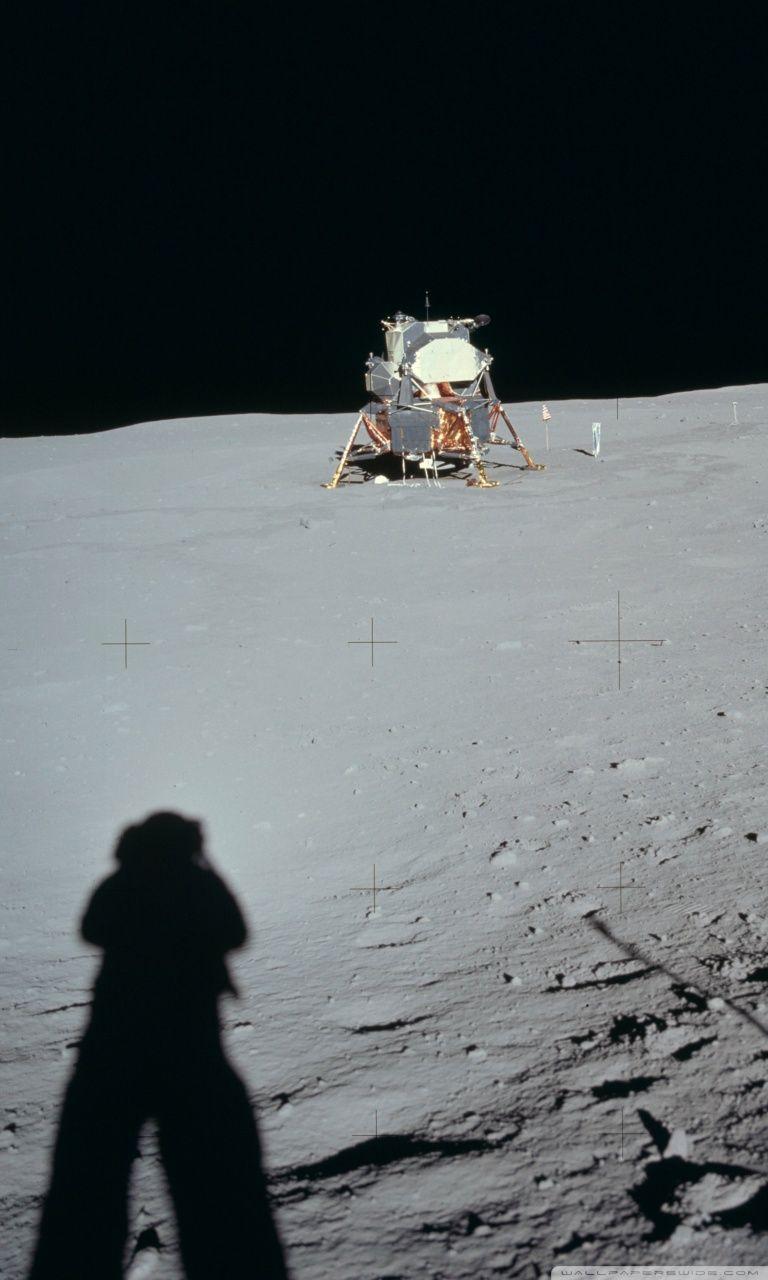
Moreover, the modern conversation around Apollo 11 often touches on the "Moon landing conspiracy" myths. In an era of deepfakes and misinformation, the evidence of Apollo 11 remains an important touchstone for objective truth. The Lunar Reconnaissance Orbiter (LRO) has even captured high-resolution images of the Apollo 11 landing site, showing the descent stage of the Eagle and the astronauts' tracks still visible in the dust, where there is no wind to blow them away.
The Enduring Legacy: How Apollo 11 Technology Changed Your Life
It is a common misconception that the billions spent on the Apollo program were "wasted" in space. In reality, the technological spin-offs from Apollo 11 have integrated themselves into our daily lives in ways we often overlook. The push to miniaturize computers for the Apollo Guidance Computer paved the way for the microchips found in every smartphone today.
- Water Purification: The silver-ion technology used to purify water for Apollo astronauts is now used to kill bacteria in community water systems and swimming pools.
- Cordless Tools: NASA worked with Black & Decker to develop lightweight, battery-operated drills for collecting lunar samples, leading to the explosion of cordless household appliances.
- Fire-Resistant Fabrics: After the tragic Apollo 1 fire, NASA developed PBI (Polybenzimidazole), a fabric that doesn't burn or melt, now standard in firefighter gear and military uniforms.
- Freeze-Drying: To keep food light and shelf-stable, NASA perfected freeze-drying technology, a staple in the modern food industry.
Beyond the hardware, Apollo 11 taught us about project management and risk assessment on a grand scale. It proved that a dedicated workforce of 400,000 people—scientists, engineers, seamstresses (who sewed the spacesuits), and janitors—could achieve a singular, transcendent goal. This "Apollo-style" approach is now the template for how humanity tackles global challenges like climate change or vaccine development.
Conclusion: The Eternal Flame of Discovery
Apollo 11 was more than a mission; it was a testament to the human spirit. Neil Armstrong, Buzz Aldrin, and Michael Collins took the risks, but they carried the hopes of an entire planet with them. As we look up at the Moon tonight, we don't just see a cold, dead rock. We see a place where humans have walked, where an American flag stands (likely bleached white by solar radiation), and where our future awaits.
The trending updates on space exploration today are merely chapters in a book that Apollo 11 started. Whether it is the upcoming Artemis II mission carrying the first woman and first person of color toward the Moon, or the eventual footprints in the red dust of Mars, the journey began in the Sea of Tranquility. Apollo 11 remains the ultimate reminder that our reach should always exceed our grasp, and that the stars are not as far away as they seem.
As we continue to innovate and explore, the lessons of July 1969 remain clear: curiosity is our greatest asset, and when we work together, the sky is no longer the limit—it's just the beginning.
Apollo 11
Apollo 11 Wallpapers
Collection of apollo 11 wallpapers for your desktop and mobile devices.
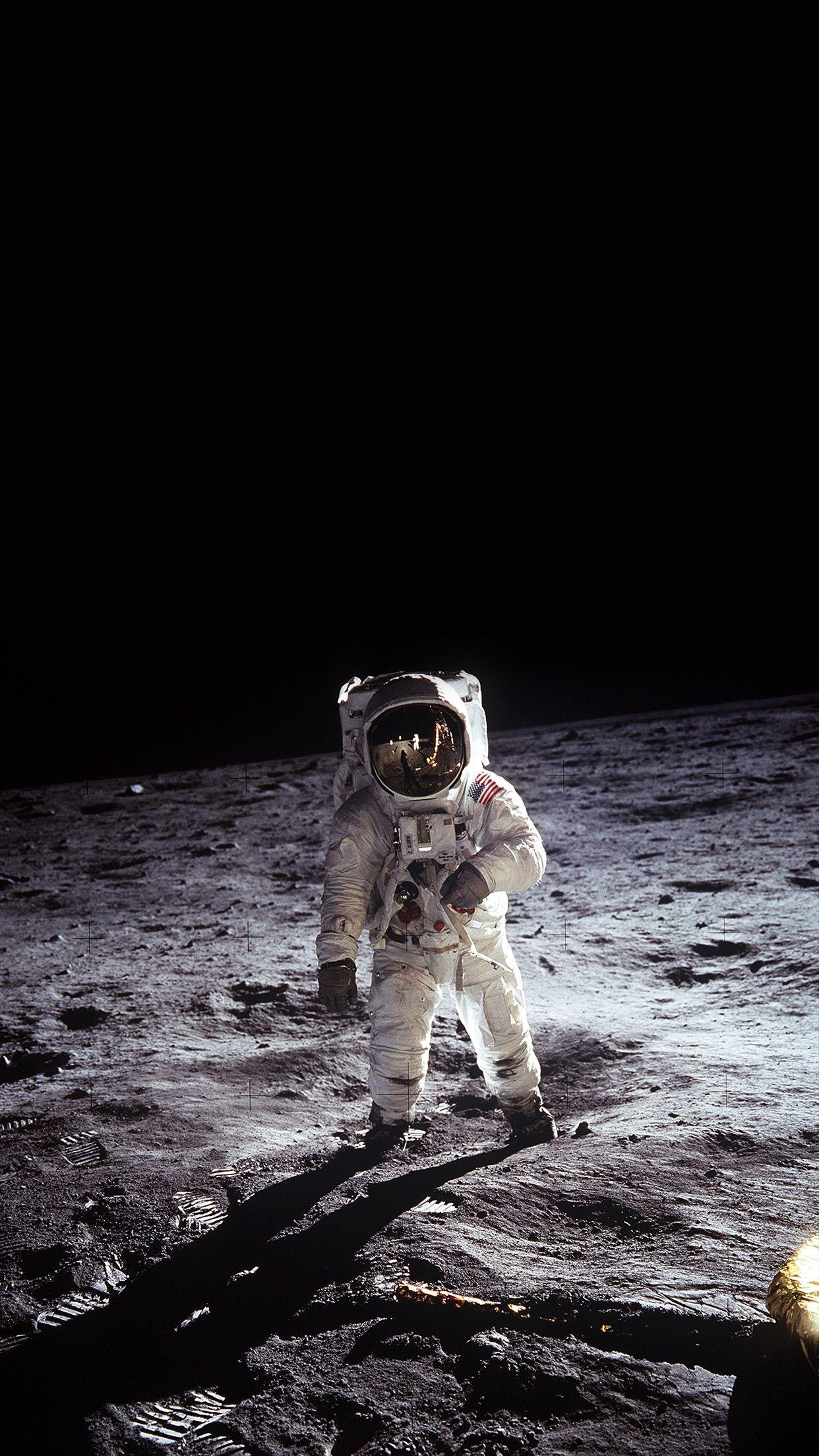
Lush Apollo 11 Moment in 4K
Immerse yourself in the stunning details of this beautiful apollo 11 wallpaper, designed for a captivating visual experience.
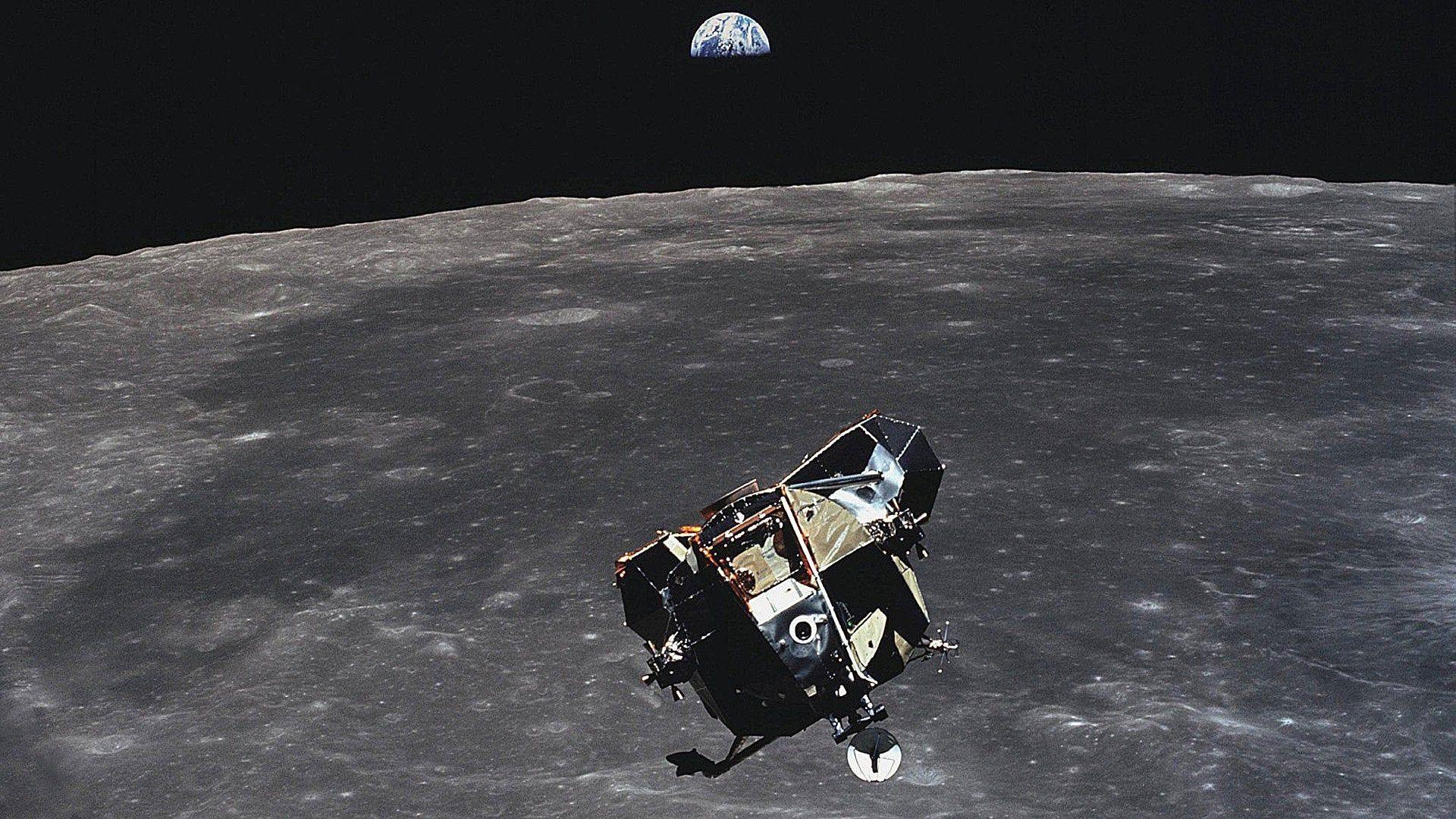
Detailed Apollo 11 Moment for Desktop
Transform your screen with this vivid apollo 11 artwork, a true masterpiece of digital design.
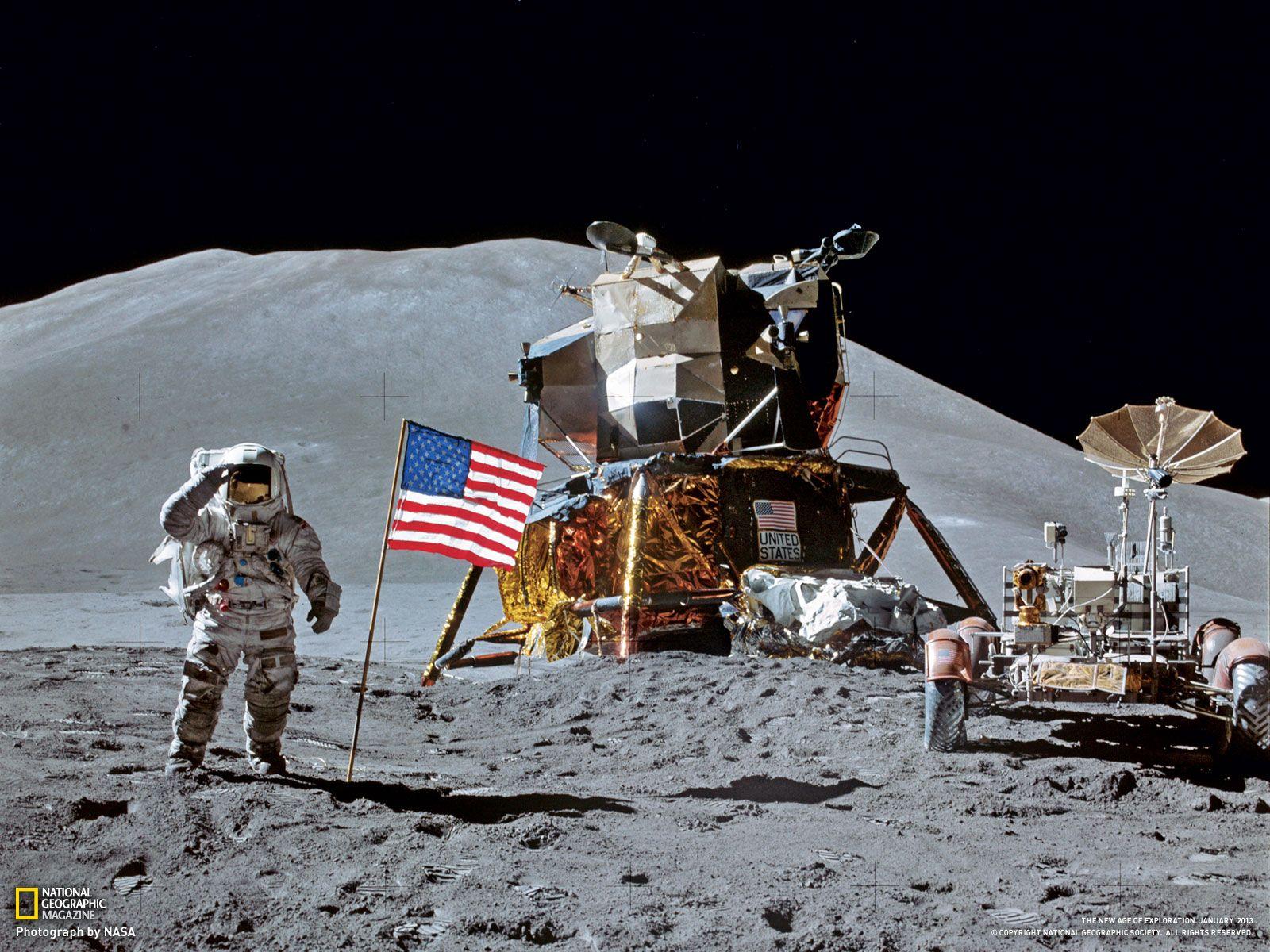
Lush Apollo 11 Image Concept
Find inspiration with this unique apollo 11 illustration, crafted to provide a fresh look for your background.
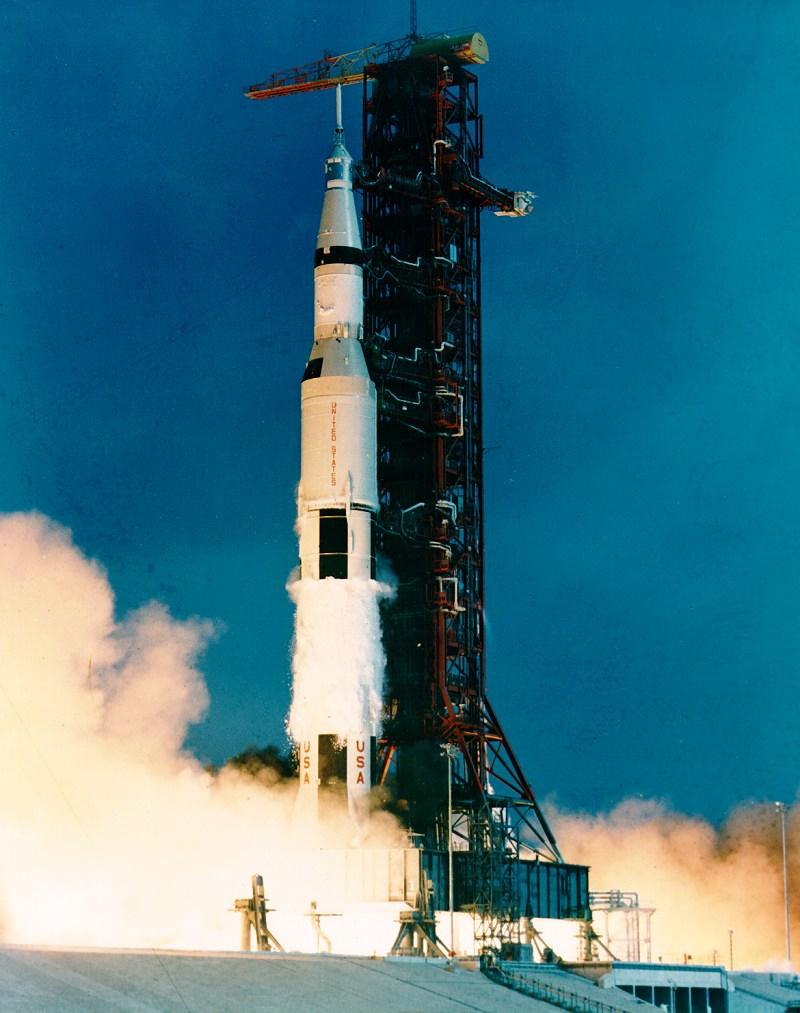
Stunning Apollo 11 Capture Illustration
Find inspiration with this unique apollo 11 illustration, crafted to provide a fresh look for your background.

Gorgeous Apollo 11 Picture Photography
A captivating apollo 11 scene that brings tranquility and beauty to any device.
Exquisite Apollo 11 Background for Desktop
A captivating apollo 11 scene that brings tranquility and beauty to any device.
Artistic Apollo 11 Picture for Desktop
This gorgeous apollo 11 photo offers a breathtaking view, making it a perfect choice for your next wallpaper.
Serene Apollo 11 Scene in HD
Explore this high-quality apollo 11 image, perfect for enhancing your desktop or mobile wallpaper.
Artistic Apollo 11 Background Art
A captivating apollo 11 scene that brings tranquility and beauty to any device.
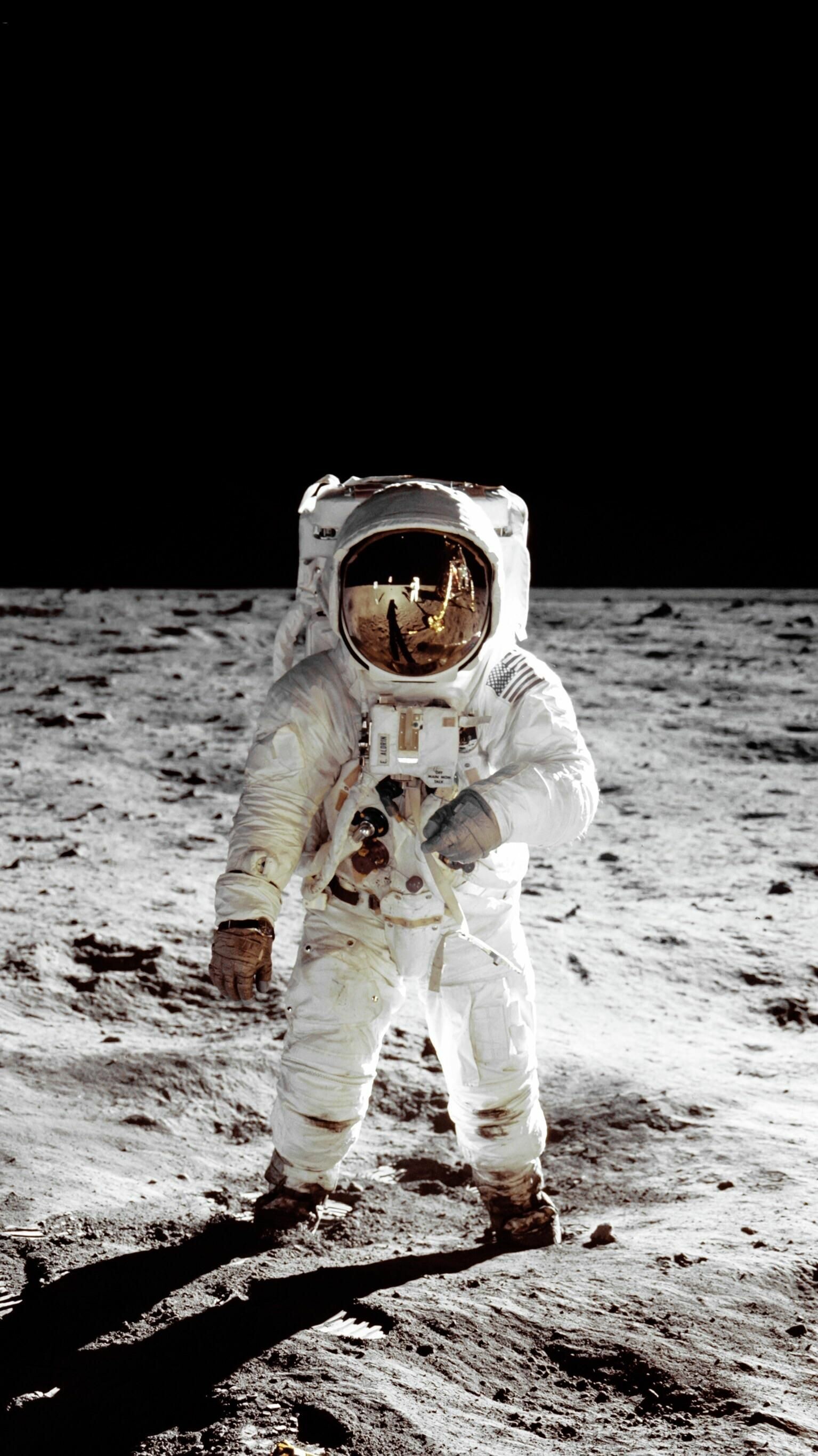
Lush Apollo 11 View in 4K
Find inspiration with this unique apollo 11 illustration, crafted to provide a fresh look for your background.
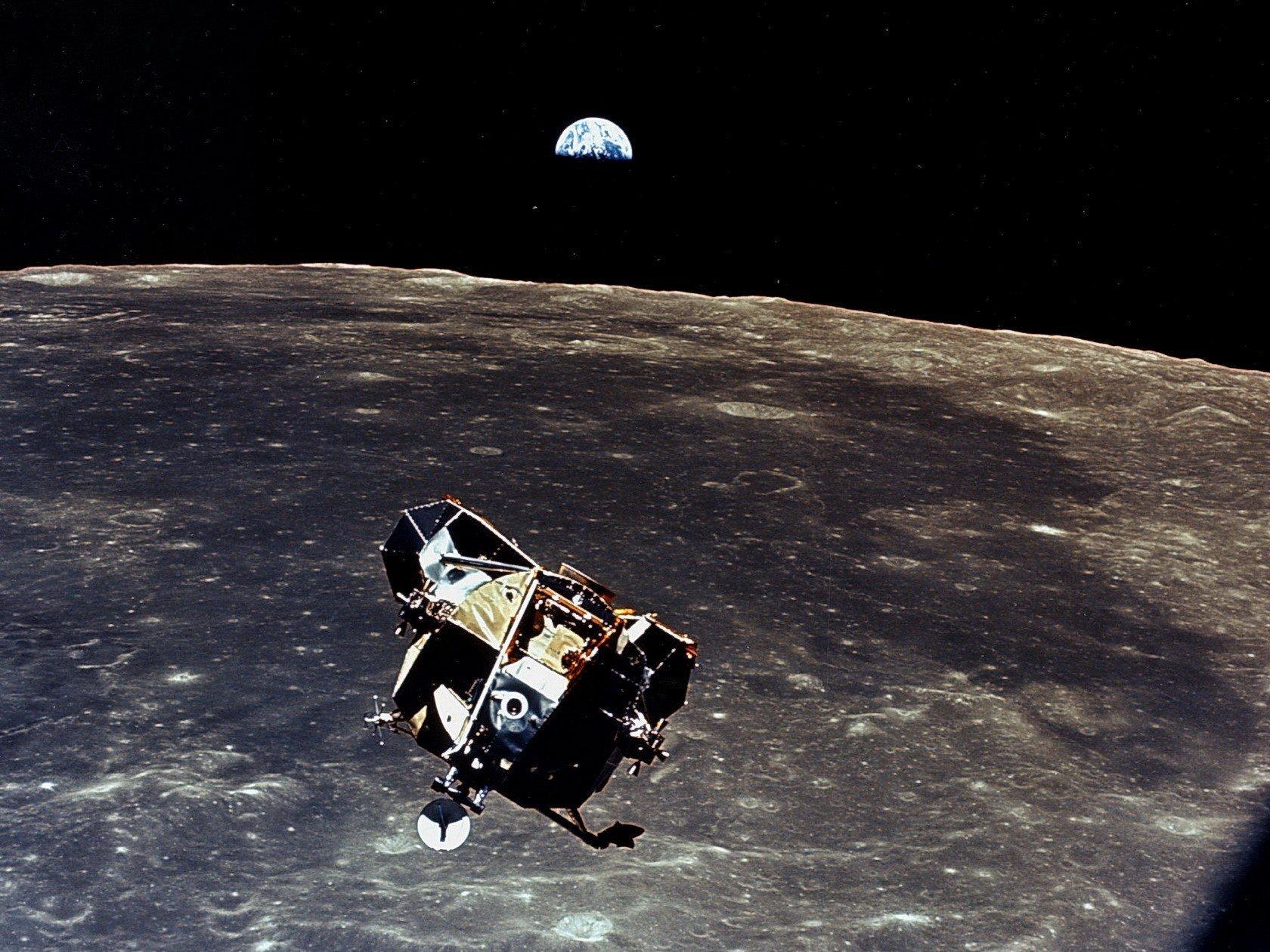
Beautiful Apollo 11 Moment for Desktop
Explore this high-quality apollo 11 image, perfect for enhancing your desktop or mobile wallpaper.
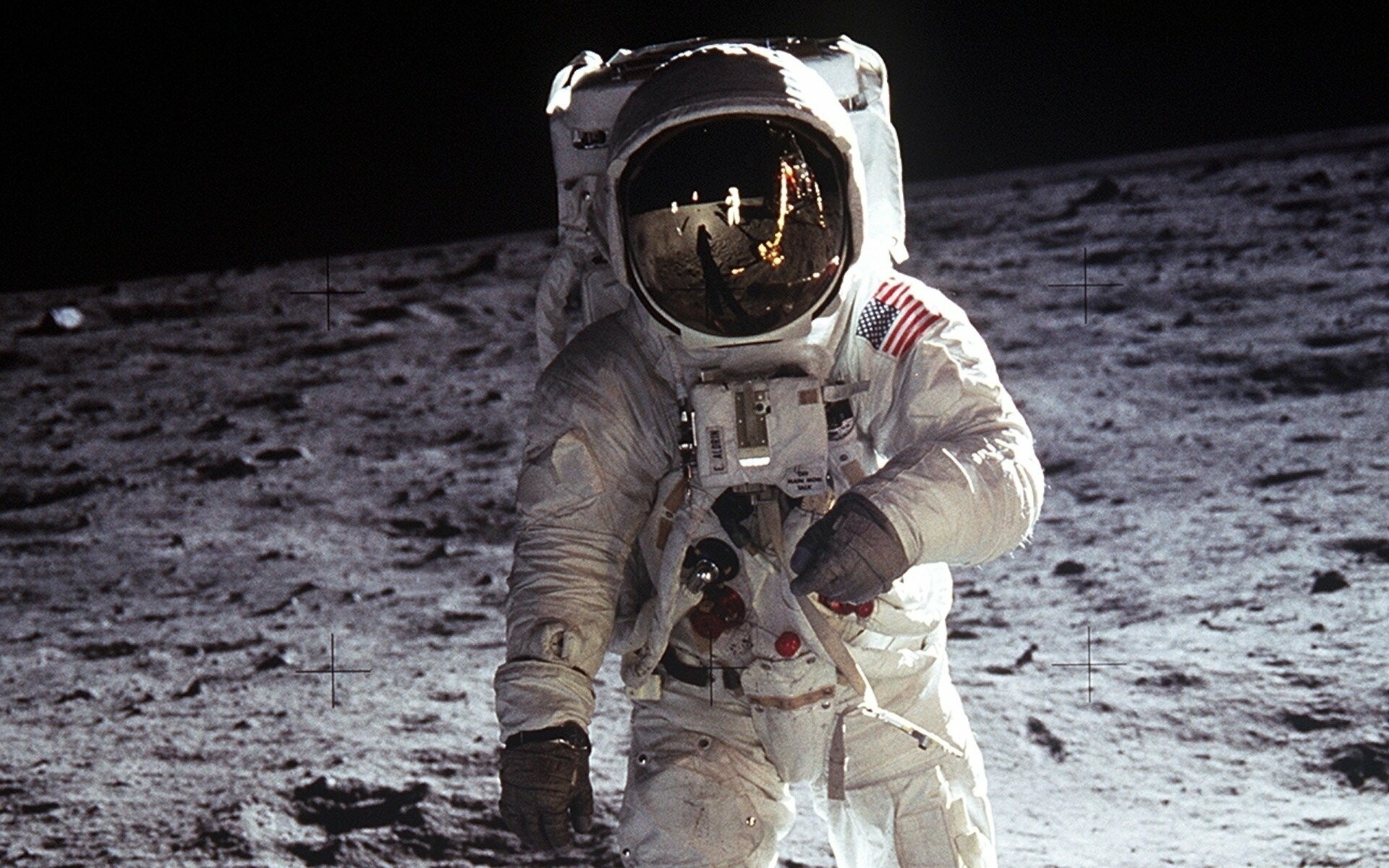
Gorgeous Apollo 11 Scene Collection
Immerse yourself in the stunning details of this beautiful apollo 11 wallpaper, designed for a captivating visual experience.
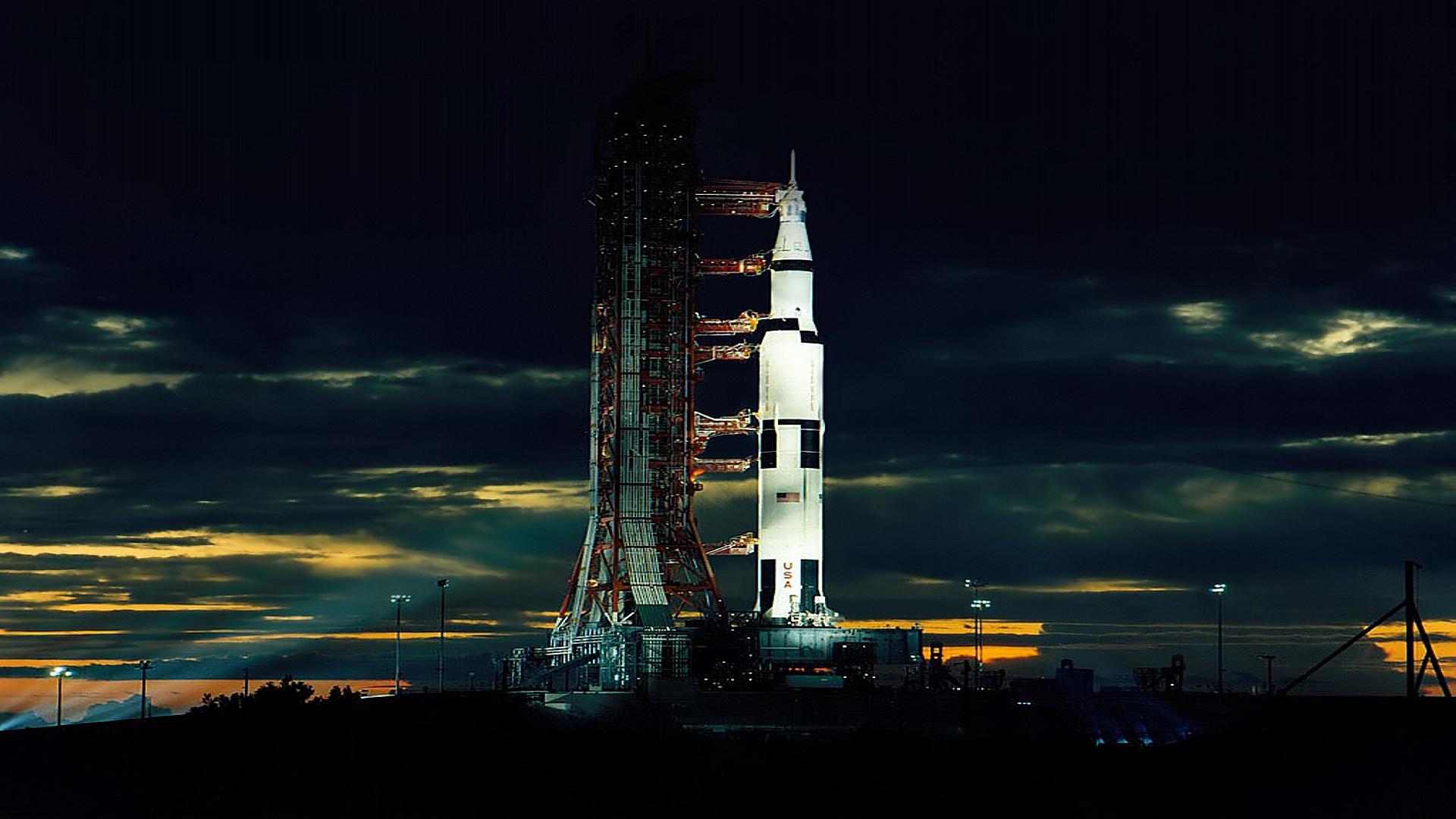
Spectacular Apollo 11 Capture Digital Art
Immerse yourself in the stunning details of this beautiful apollo 11 wallpaper, designed for a captivating visual experience.
Vivid Apollo 11 Artwork Collection
Discover an amazing apollo 11 background image, ideal for personalizing your devices with vibrant colors and intricate designs.
Crisp Apollo 11 Wallpaper in 4K
This gorgeous apollo 11 photo offers a breathtaking view, making it a perfect choice for your next wallpaper.
Serene Apollo 11 Moment Collection
Transform your screen with this vivid apollo 11 artwork, a true masterpiece of digital design.
Serene Apollo 11 Moment for Desktop
Transform your screen with this vivid apollo 11 artwork, a true masterpiece of digital design.
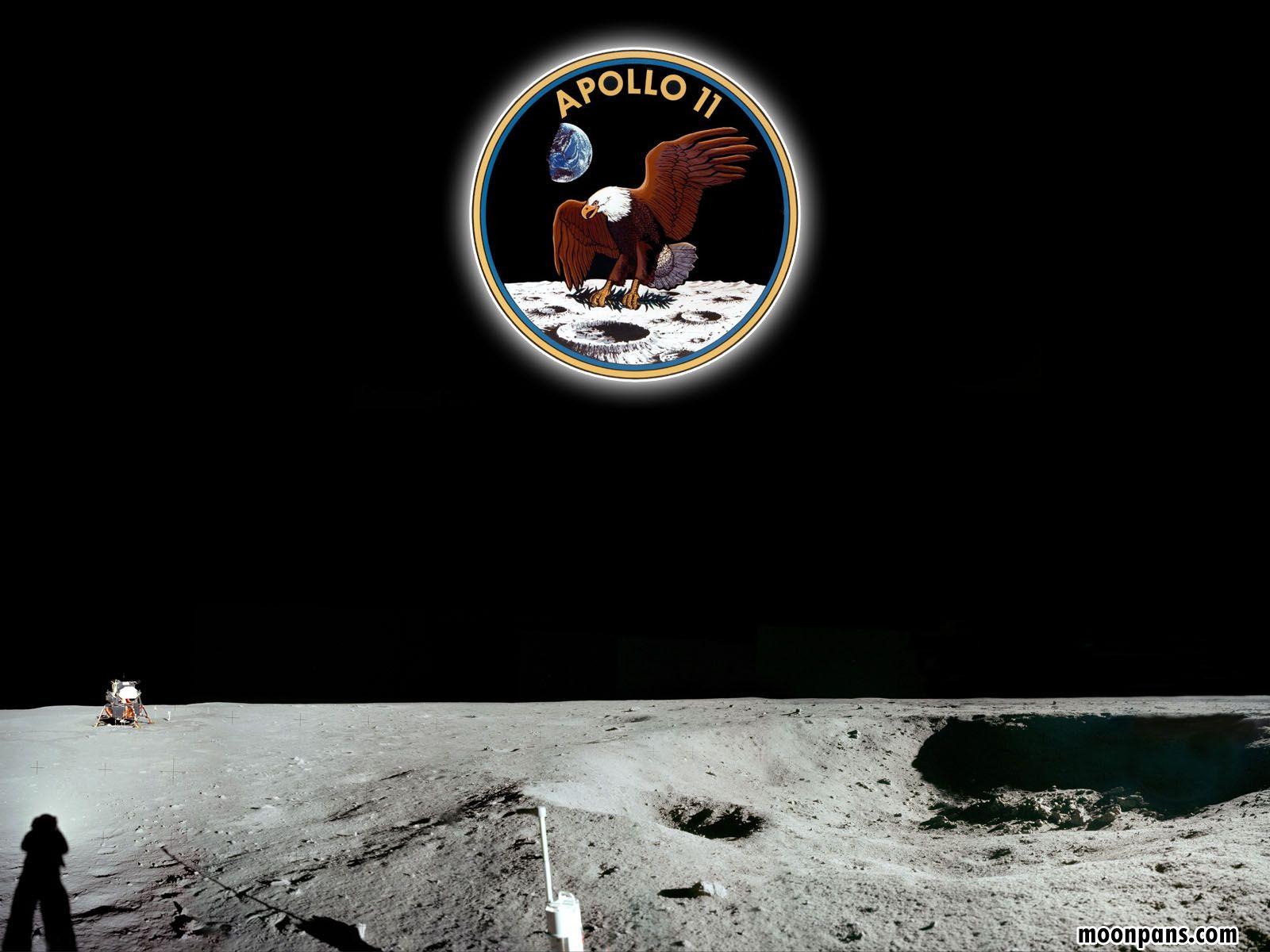
Beautiful Apollo 11 Image for Desktop
Explore this high-quality apollo 11 image, perfect for enhancing your desktop or mobile wallpaper.
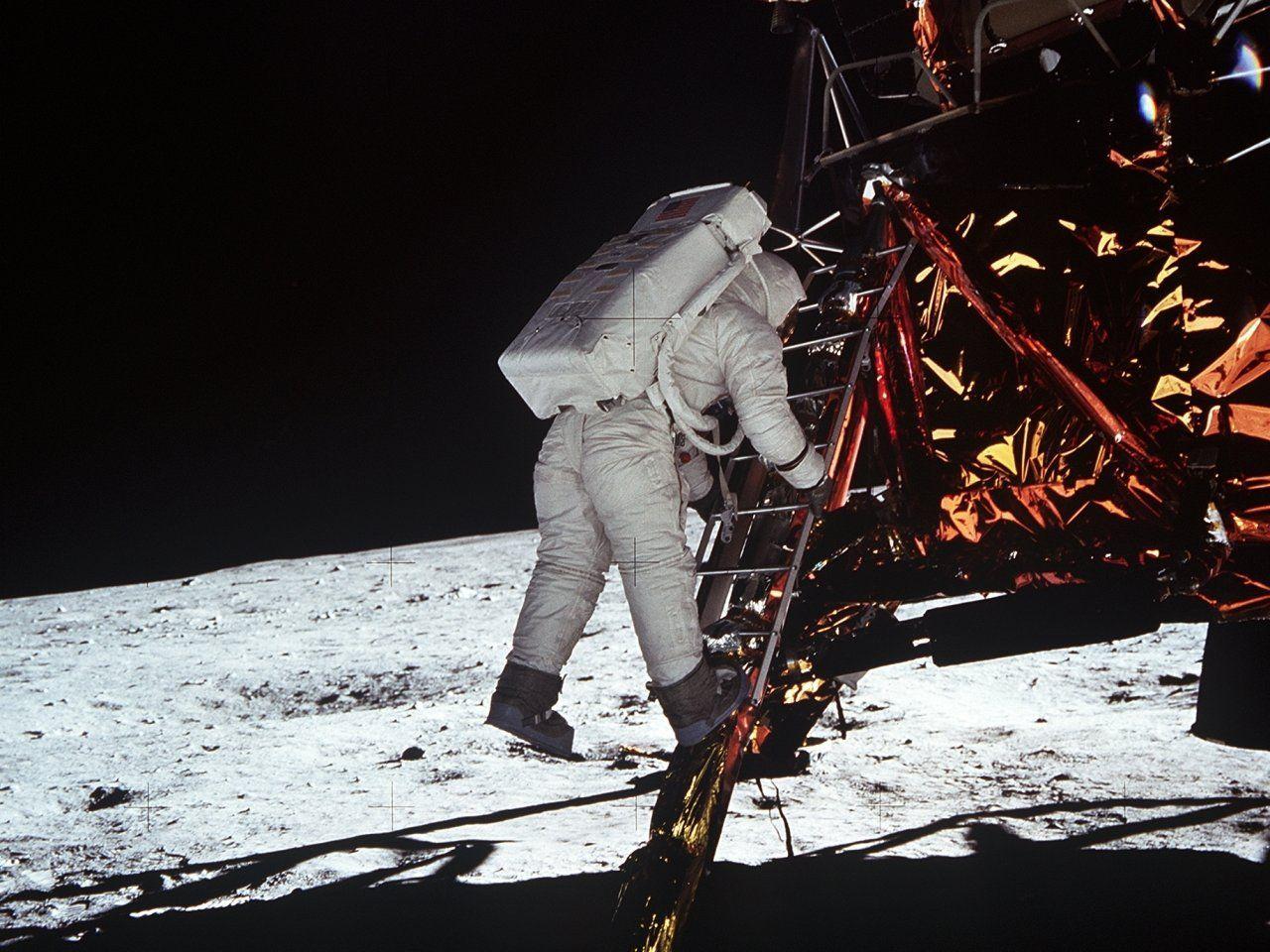
Serene Apollo 11 Wallpaper Concept
Discover an amazing apollo 11 background image, ideal for personalizing your devices with vibrant colors and intricate designs.
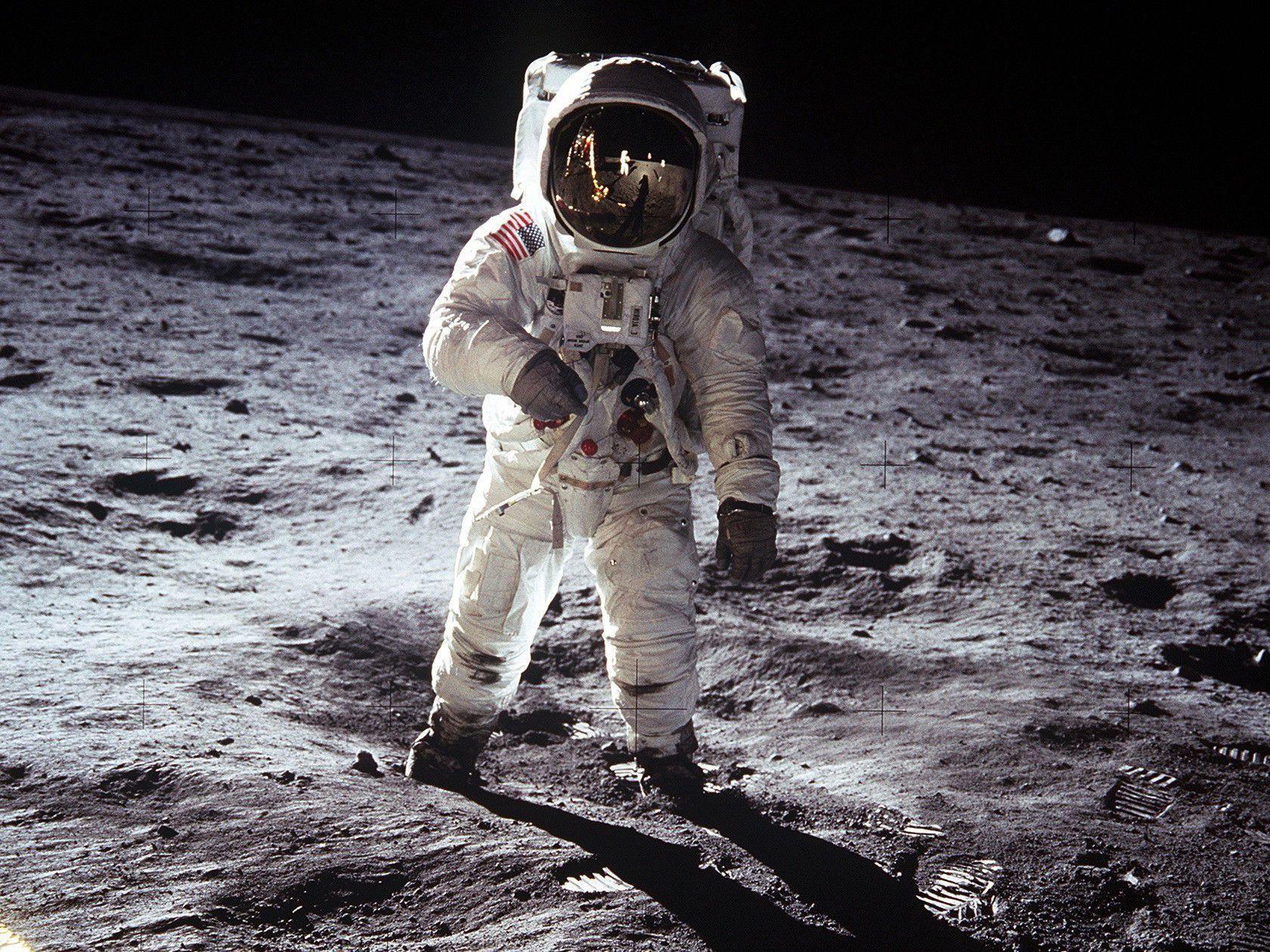
Detailed Apollo 11 Abstract in 4K
Transform your screen with this vivid apollo 11 artwork, a true masterpiece of digital design.
Download these apollo 11 wallpapers for free and use them on your desktop or mobile devices.
0 Response to "Apollo 11"
Post a Comment