Natural Blonde
Why Is Natural Blonde Hair So Rare? Unlocking the Genetics and Care Secrets
There is something inherently captivating about a head of naturally golden, shimmering hair. From beach waves to sophisticated updos, the allure of the Natural Blonde is timeless. However, despite its widespread portrayal in media, genuine natural blonde hair is one of nature's less common occurrences, often misunderstood and highly coveted.
If you have been blessed with this distinct hue, or if you simply wonder about the science behind it, you're in the right place. We're diving deep beyond the surface level, exploring the astonishing genetics, global distribution, and the specialized care required to maintain this delicate color.
The Astonishing Rarity of Natural Blonde Hair
When we talk about hair color, dark shades—specifically black and dark brown—dominate the global population. Only an estimated 2 to 3 percent of the world's population is considered naturally blonde into adulthood. This rarity is a key reason why blonde hair often stands out so vividly in a crowd.
The perception of blonde hair being common often stems from its high concentration in specific Northern European regions and, perhaps more significantly, the global popularity of hair bleaching and coloring. In reality, being a natural blonde past childhood is an exclusive club.
This exclusivity raises crucial questions: What evolutionary factors led to this hair type? And what exactly causes some individuals to retain that golden shade while others deepen over time?
The Science Behind the Gold: How Natural Blonde Hair Forms (Deep Dive)
Hair color, like eye and skin color, is dictated by melanin production. The intensity and type of melanin deposited into the hair shaft determine your shade. True natural blonde hair is essentially the result of low pigment concentration.
The Role of Melanin (Eumelanin vs. Pheomelanin)
There are two primary types of melanin at play:
- Eumelanin: Controls black and brown pigments. High Eumelanin means dark hair.
- Pheomelanin: Controls red and yellow pigments.
Natural blonde hair occurs when there is a very low level of Eumelanin present, allowing the yellow undertones of Pheomelanin to dominate. If Eumelanin is almost nonexistent, the hair can appear platinum or very light ash. Read more about the biochemical processes of Melanin on Wikipedia.
The MC1R Gene and Its Controversial History
While the MC1R gene is most commonly associated with red hair, a variation of this gene, along with others (like KITLG), plays a crucial role in controlling the low Eumelanin production that results in blonde hair. It's not a single "blonde gene," but a complex combination of multiple genetic loci working together.
The fading of hair from a light blonde in childhood to a darker shade later on is attributed to hormonal changes during puberty and maturity, which signal the melanocytes (pigment cells) to increase Eumelanin production. If you manage to retain your natural blonde shade into adulthood, your specific genetic makeup is exceptionally skilled at keeping that Eumelanin output low.
For those interested in the deeper scientific literature, the specific genetic pathways are fascinating and still being researched. A study published by the NIH discusses the polygenic basis of light hair color.
Global Distribution: Where Does Natural Blonde Thrive?
The geographical distribution of natural blonde hair is uneven, primarily concentrated around Northern Europe and its diaspora. This unique concentration is often linked to factors like low sunlight exposure in high latitudes, which may have made lighter skin and hair advantageous for Vitamin D absorption over the millennia.
Interestingly, some isolated populations outside of Europe, such as the indigenous people of the Solomon Islands (Melanesians), also exhibit a high frequency of blonde hair, attributed to a completely different, unrelated gene (TYRP1 mutation), proving that evolution found multiple paths to lightness.
Here is a simplified look at the relative prevalence:
| Region | Estimated Adult Natural Blonde Percentage | Key Examples |
|---|---|---|
| Northern Europe (Nordic/Baltic) | 15% - 25% | Finland, Sweden, Norway |
| Central/Western Europe | 5% - 10% | Germany, UK, Netherlands |
| Global Average | 2% - 3% | Worldwide Population |
| Oceania (Melanesia) | 5% - 10% (Unique Gene) | Solomon Islands |
Debunking the Myths and Misconceptions
Blonde hair comes loaded with cultural baggage and stereotypes. Let's clear up a few common misconceptions:
- Myth: All babies born blonde will stay blonde. Reality: As mentioned, hormonal changes often trigger increased Eumelanin production during puberty, causing the hair to darken. This is why "towhead" toddlers are far more common than blonde adults.
- Myth: Blonde hair is stronger/weaker than dark hair. Reality: Natural blonde hair shafts are generally thinner than dark hair shafts. While a person with blonde hair may have more strands in total, the individual strands themselves lack the density of darker hair, making them more susceptible to breakage and heat damage.
Understanding the unique structure of your strands is the first step toward better maintenance. [Baca Juga: How to Perform a Hair Porosity Test at Home]
The Natural Blonde Care Toolkit: Maintenance Essentials
Since natural blonde hair has less protective pigment than darker hair, it is inherently more susceptible to environmental damage, oxidation, and fading. Maintaining that natural sparkle requires a proactive approach.
Protecting Against Brassiness and Fading
The biggest enemy of light hair is brassiness—that unwanted orange or yellow tint. This often occurs when UV exposure, hard water minerals, or chemical residues oxidize the remaining yellow Pheomelanin pigments.
The solution? Incorporate color theory into your routine. Purple shampoos are essential for neutralizing brassy yellow tones, while blue shampoos combat unwanted orange hues. Use these clarifying products sparingly (once every 1-2 weeks) to avoid dullness.
Deep Conditioning for Delicate Strands
As natural blonde hair tends to have a finer structure, moisture retention is paramount. Focus on lightweight, deep conditioning treatments that won't weigh down the hair but will provide structural support against breakage.
Always use a heat protectant spray before using styling tools, and consider wearing a hat during prolonged sun exposure to physically shield the delicate pigments. [Baca Juga: Our Picks for the Best Sulfate-Free Shampoos]
For further advice on minimizing sun damage to light hair, consult professional guidelines. The American Academy of Dermatology provides excellent tips for sun protection for hair.
Conclusion
The journey into understanding natural blonde hair is truly a lesson in genetic rarity and complexity. It's more than just a color; it's a specific, beautiful genetic expression found only in a tiny fraction of the global population.
If you are one of the fortunate few who possess this unique trait, treat it with the scientific respect it deserves. With proper protection against environmental stressors and a dedicated care routine, you can ensure your natural golden glow remains vibrant and healthy for years to come.
Frequently Asked Questions (FAQ) About Natural Blonde Hair
- What percentage of the world is naturally blonde?
Only about 2% to 3% of the global adult population retains natural blonde hair. The vast majority of people worldwide have dark brown or black hair.
- Can natural blonde hair get darker over time?
Yes, this is very common. Pigment cells (melanocytes) often increase Eumelanin production starting in childhood or puberty due to hormonal changes, causing light hair to gradually darken into brown or auburn shades.
- Does being natural blonde mean you have thin hair?
Generally, yes. The individual hair shaft of natural blondes contains less pigment, which often correlates with a finer, smaller diameter strand. While blondes may have more total strands on their head, the individual strands are typically finer than those with dark hair.
- Do natural blondes need purple shampoo?
Absolutely. Natural blonde hair is prone to oxidation and brassiness just like dyed blonde hair. Purple or blue toning shampoos help counteract yellow and orange tones caused by environmental exposure and minerals.
- Is natural blonde hair a recessive or dominant trait?
Hair color genetics are polygenic (controlled by multiple genes), but in simple terms, dark hair is generally considered a dominant trait over light hair. This is why the trait for natural blonde hair is easily 'masked' by the presence of genes for higher pigment production.
Natural Blonde
Natural Blonde Wallpapers
Collection of natural blonde wallpapers for your desktop and mobile devices.
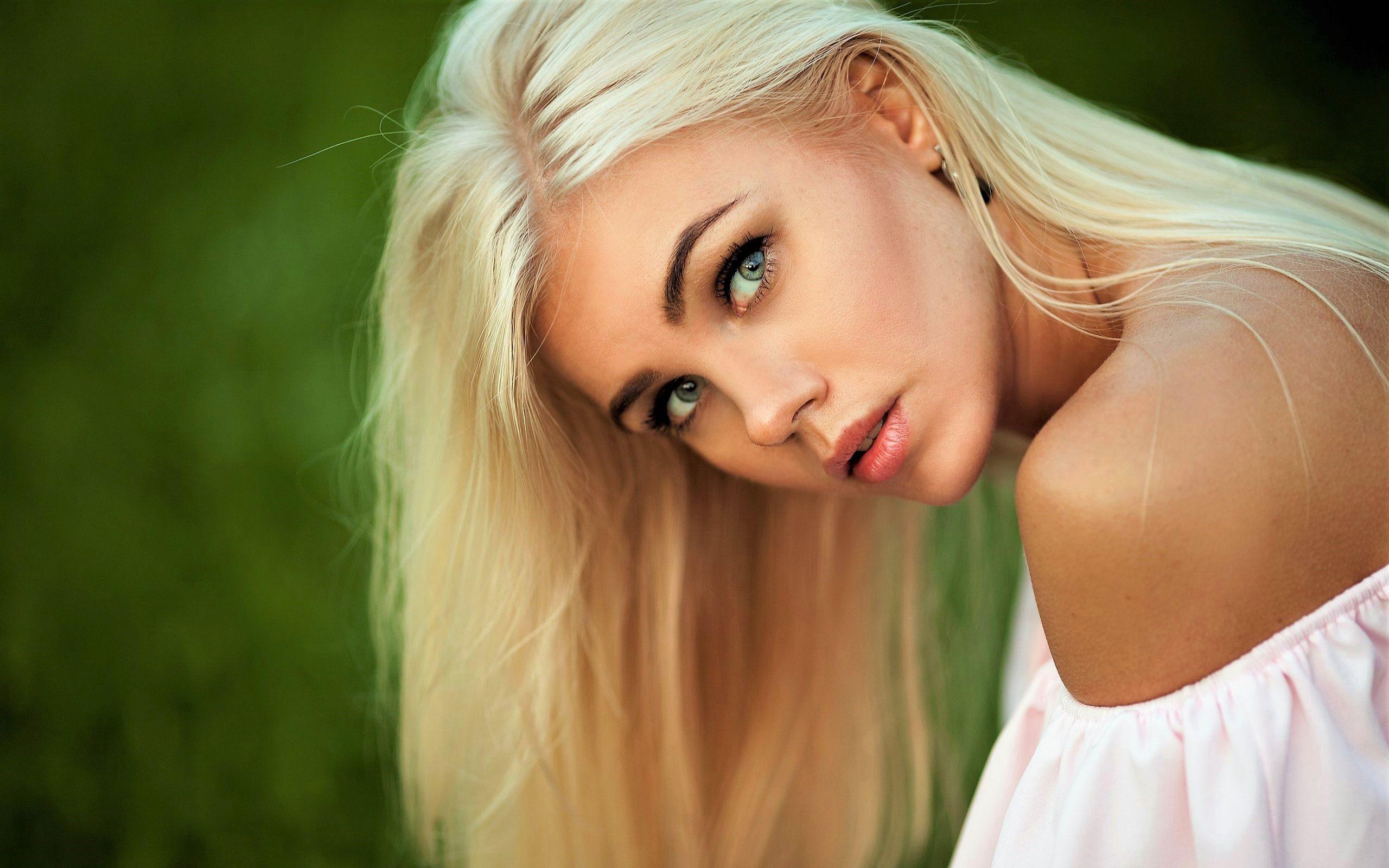
Serene Natural Blonde Artwork in HD
Discover an amazing natural blonde background image, ideal for personalizing your devices with vibrant colors and intricate designs.
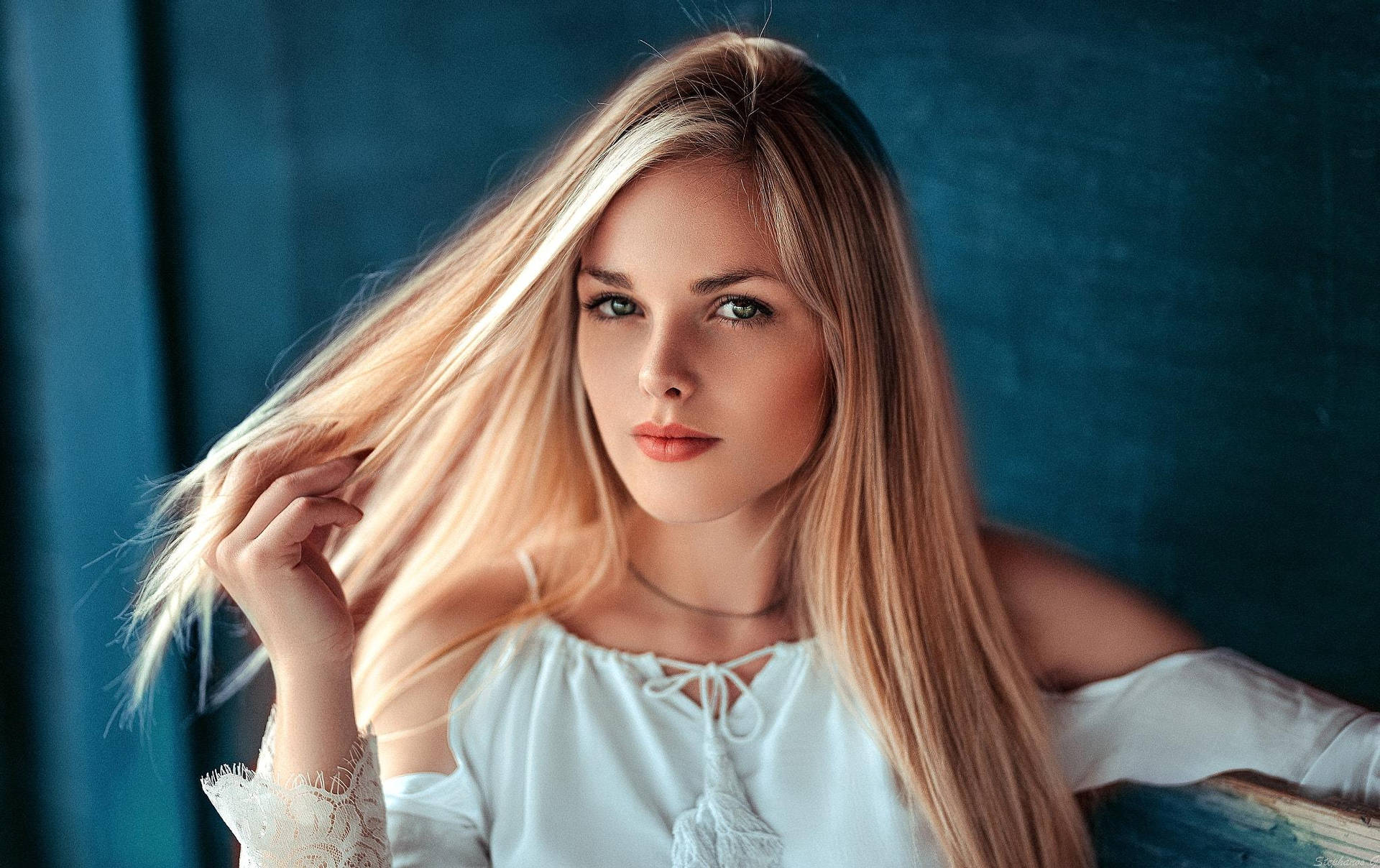
Breathtaking Natural Blonde Moment Illustration
Transform your screen with this vivid natural blonde artwork, a true masterpiece of digital design.
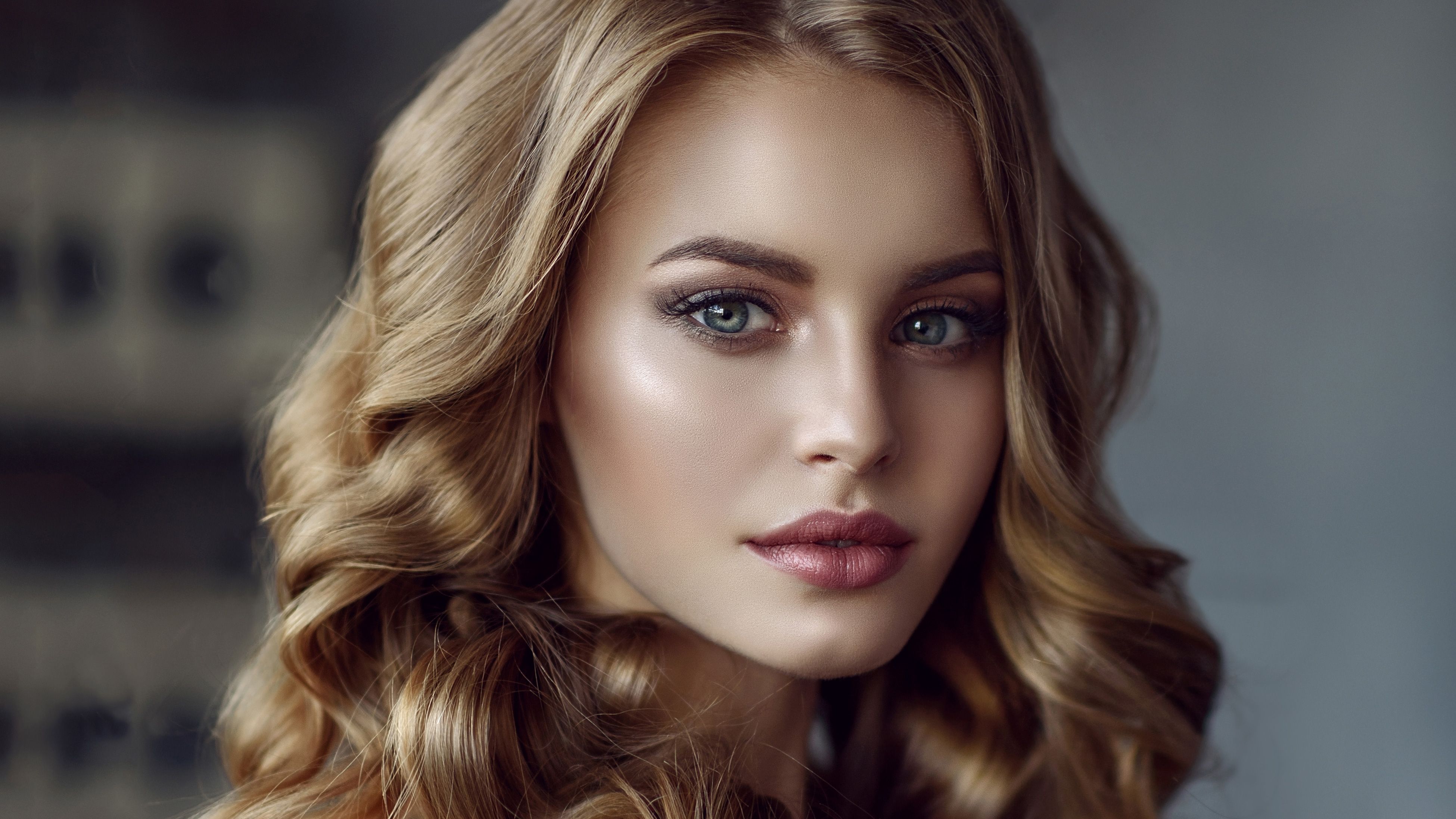
Artistic Natural Blonde Scene Digital Art
Immerse yourself in the stunning details of this beautiful natural blonde wallpaper, designed for a captivating visual experience.
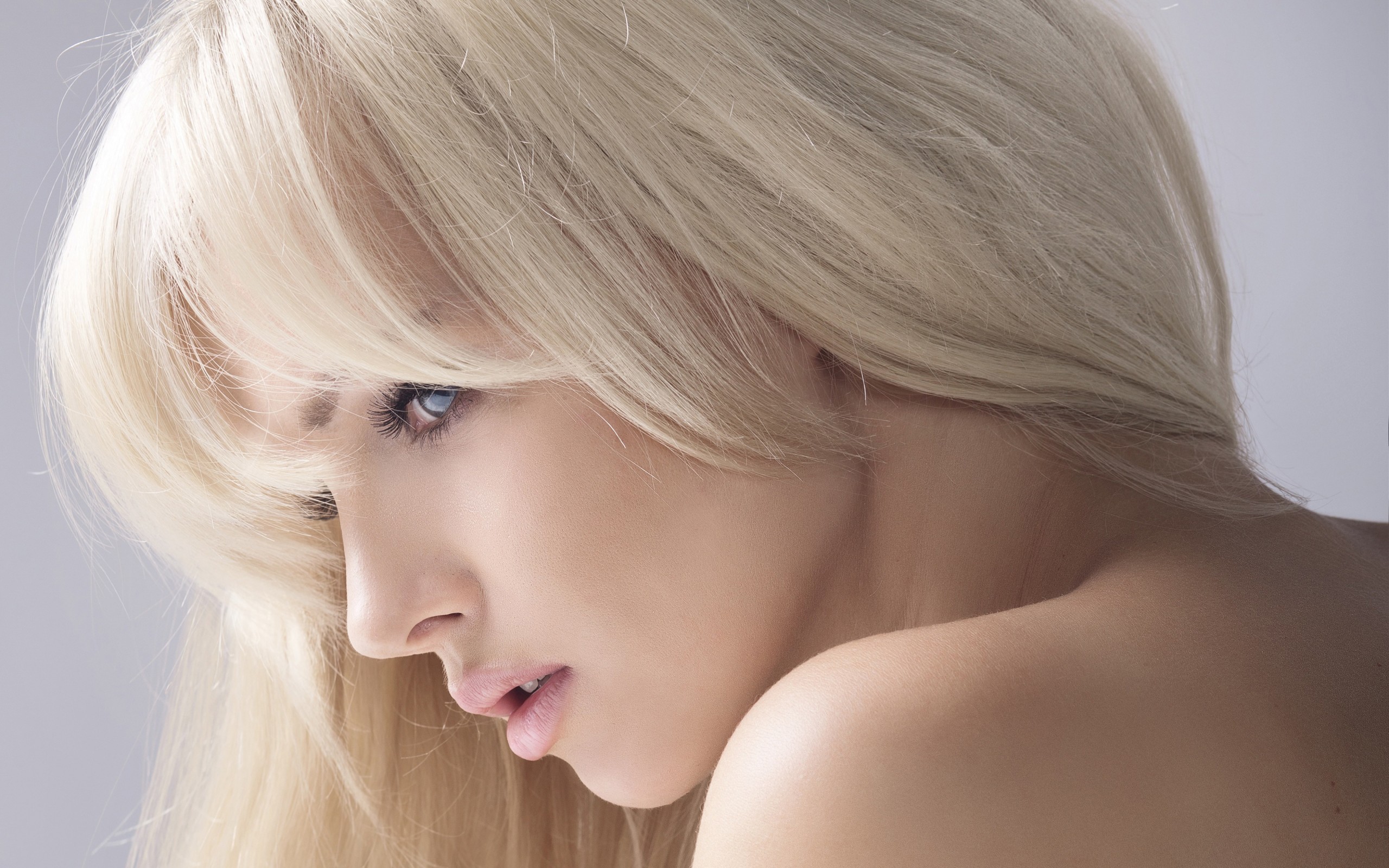
Artistic Natural Blonde Scene Illustration
A captivating natural blonde scene that brings tranquility and beauty to any device.
Vibrant Natural Blonde Capture Illustration
Discover an amazing natural blonde background image, ideal for personalizing your devices with vibrant colors and intricate designs.
Serene Natural Blonde Background Collection
Experience the crisp clarity of this stunning natural blonde image, available in high resolution for all your screens.
Vivid Natural Blonde Design for Mobile
Experience the crisp clarity of this stunning natural blonde image, available in high resolution for all your screens.
Exquisite Natural Blonde Photo Photography
Find inspiration with this unique natural blonde illustration, crafted to provide a fresh look for your background.
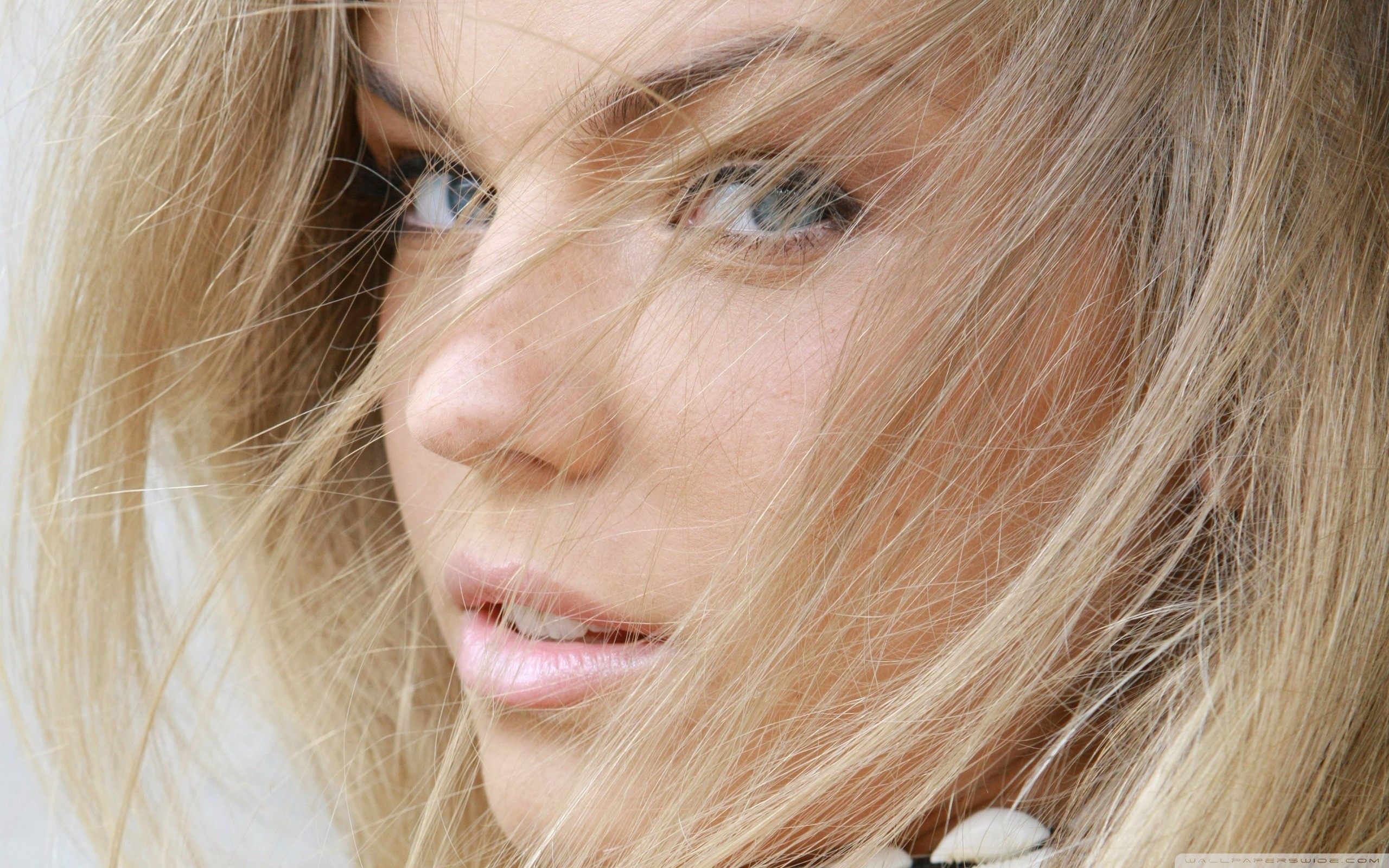
Serene Natural Blonde View Illustration
Discover an amazing natural blonde background image, ideal for personalizing your devices with vibrant colors and intricate designs.
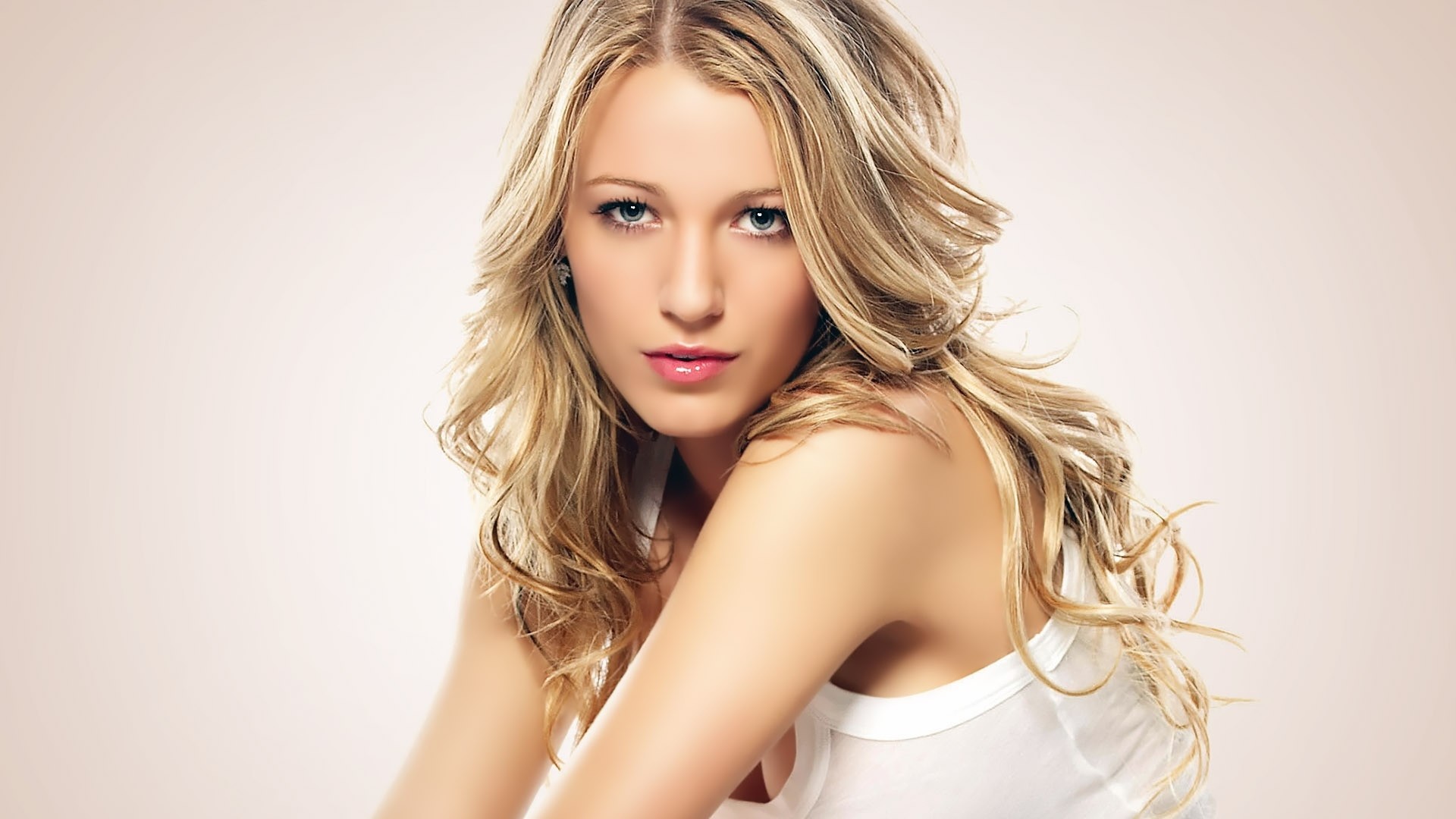
Crisp Natural Blonde View Photography
Find inspiration with this unique natural blonde illustration, crafted to provide a fresh look for your background.
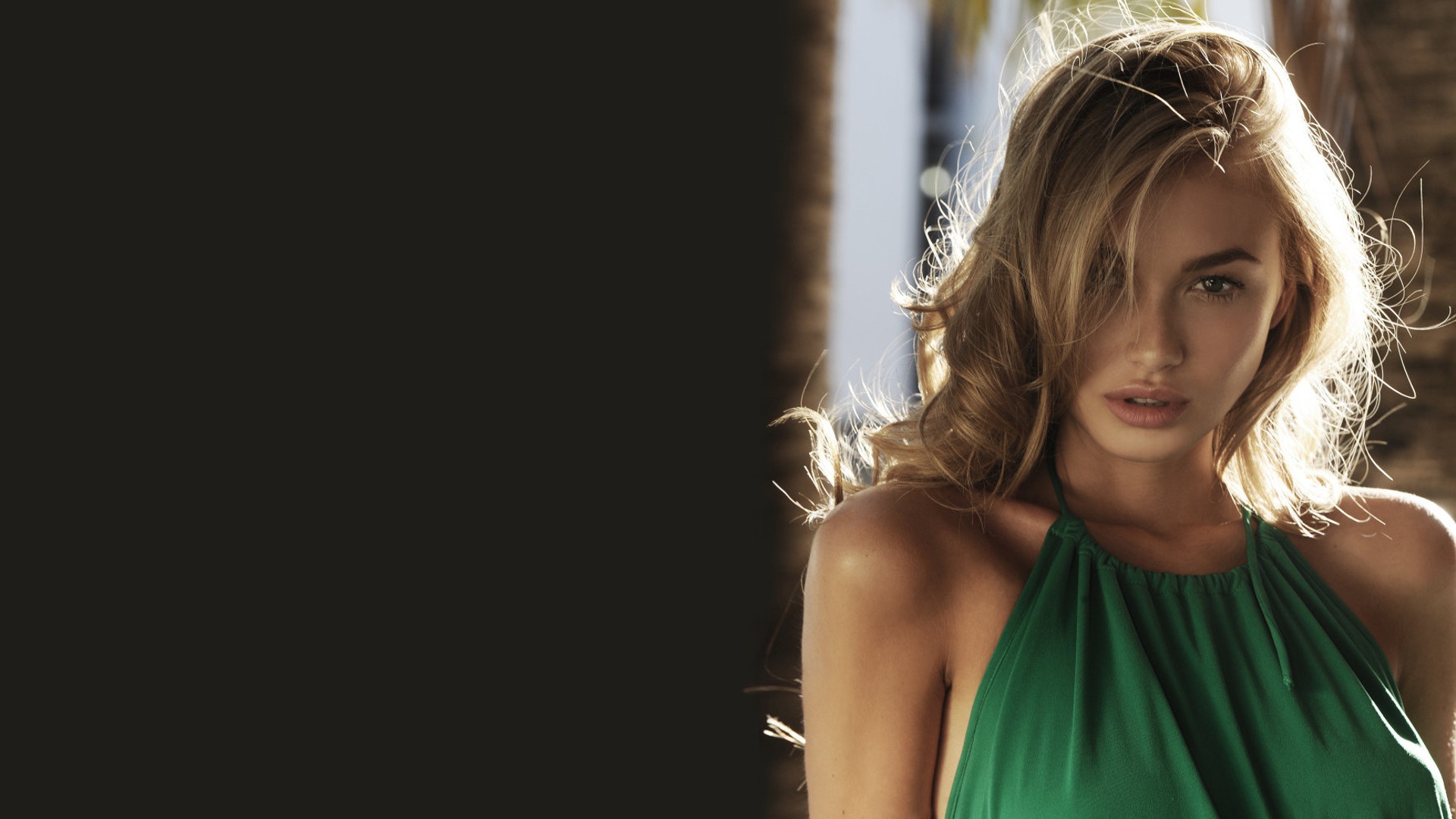
Captivating Natural Blonde Wallpaper in 4K
Find inspiration with this unique natural blonde illustration, crafted to provide a fresh look for your background.
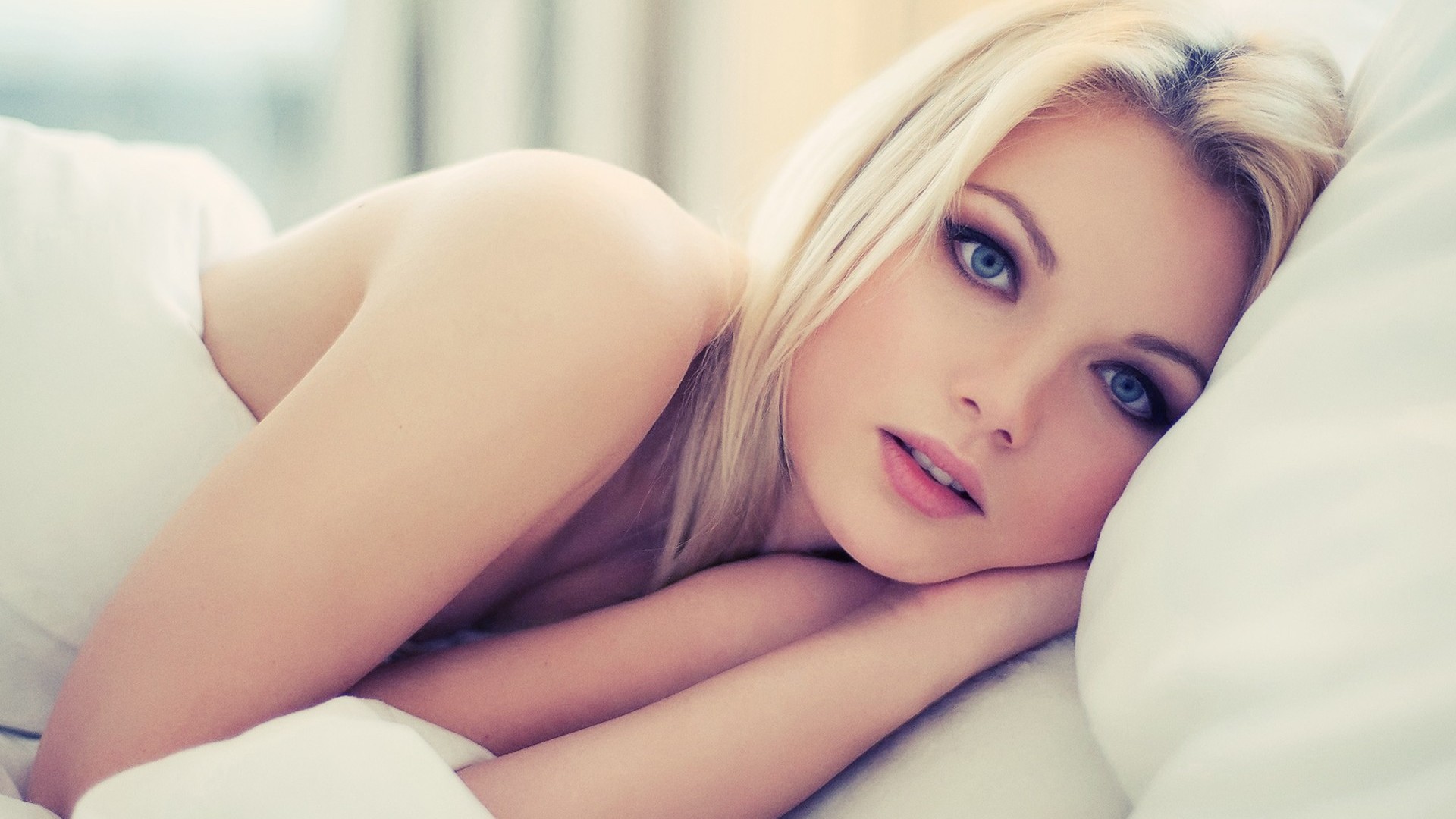
Mesmerizing Natural Blonde Photo Nature
Transform your screen with this vivid natural blonde artwork, a true masterpiece of digital design.

Dynamic Natural Blonde Abstract in 4K
This gorgeous natural blonde photo offers a breathtaking view, making it a perfect choice for your next wallpaper.
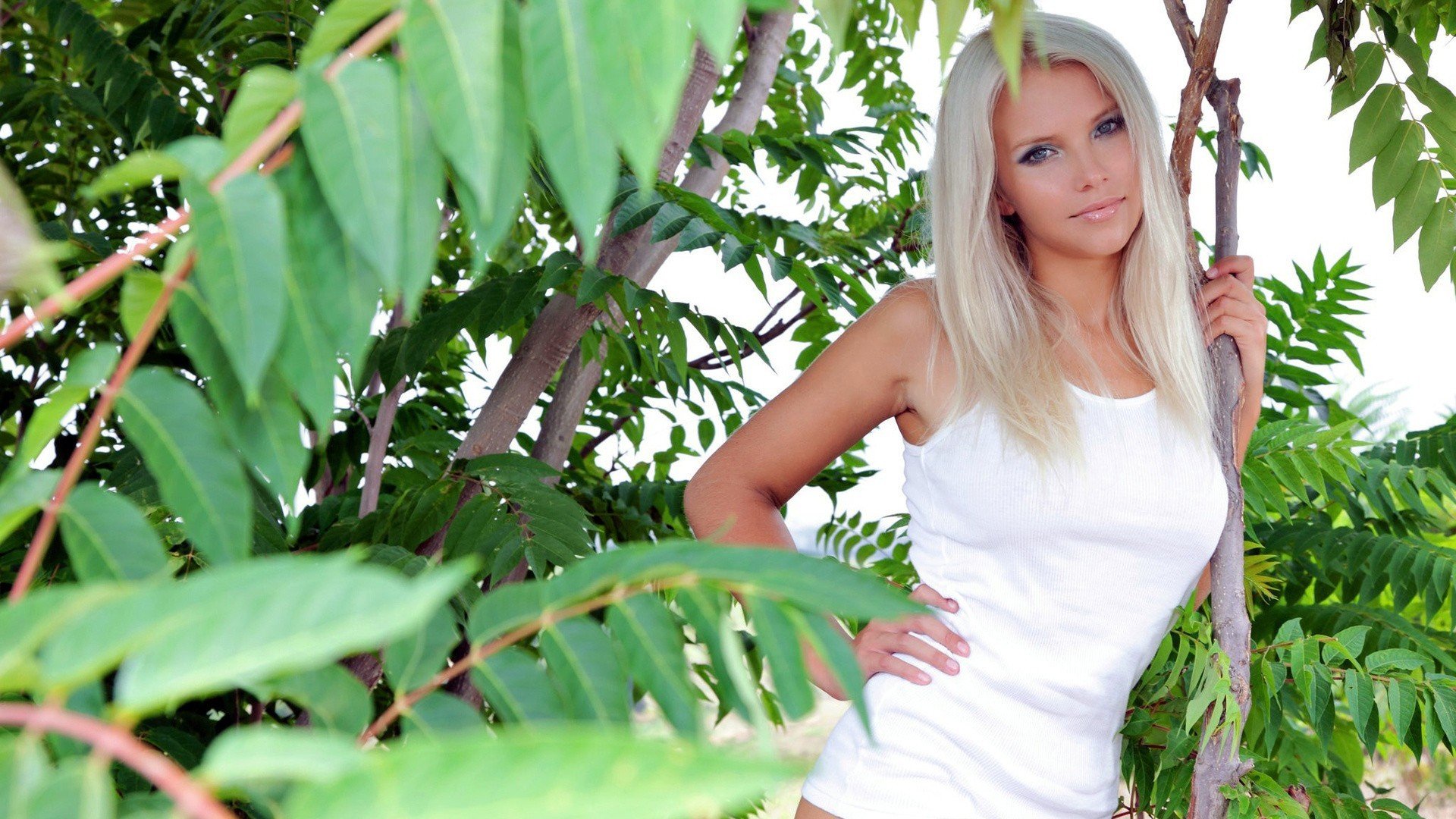
Breathtaking Natural Blonde View Concept
Discover an amazing natural blonde background image, ideal for personalizing your devices with vibrant colors and intricate designs.

Artistic Natural Blonde Photo Illustration
A captivating natural blonde scene that brings tranquility and beauty to any device.
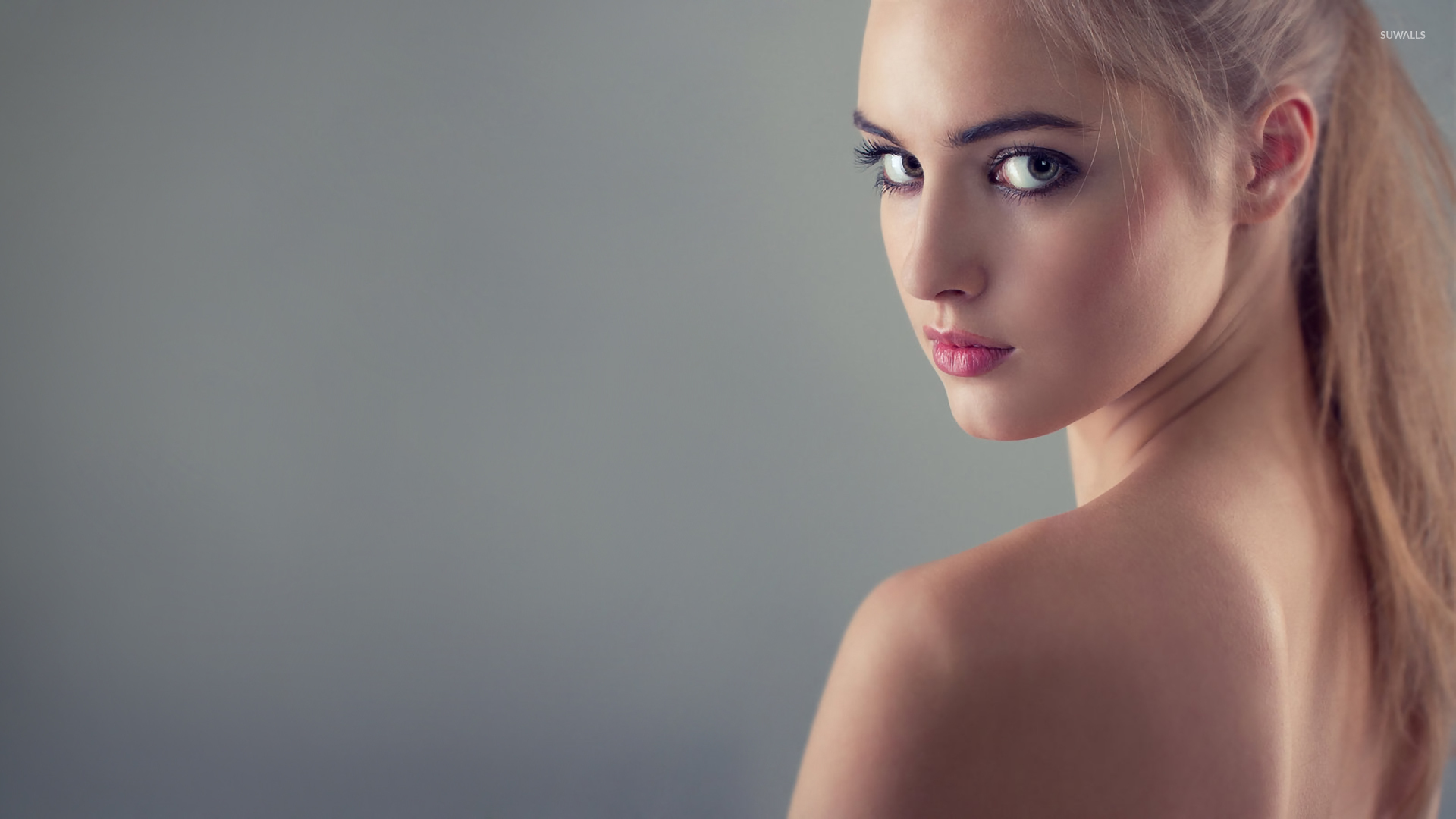
Beautiful Natural Blonde Landscape in HD
Experience the crisp clarity of this stunning natural blonde image, available in high resolution for all your screens.
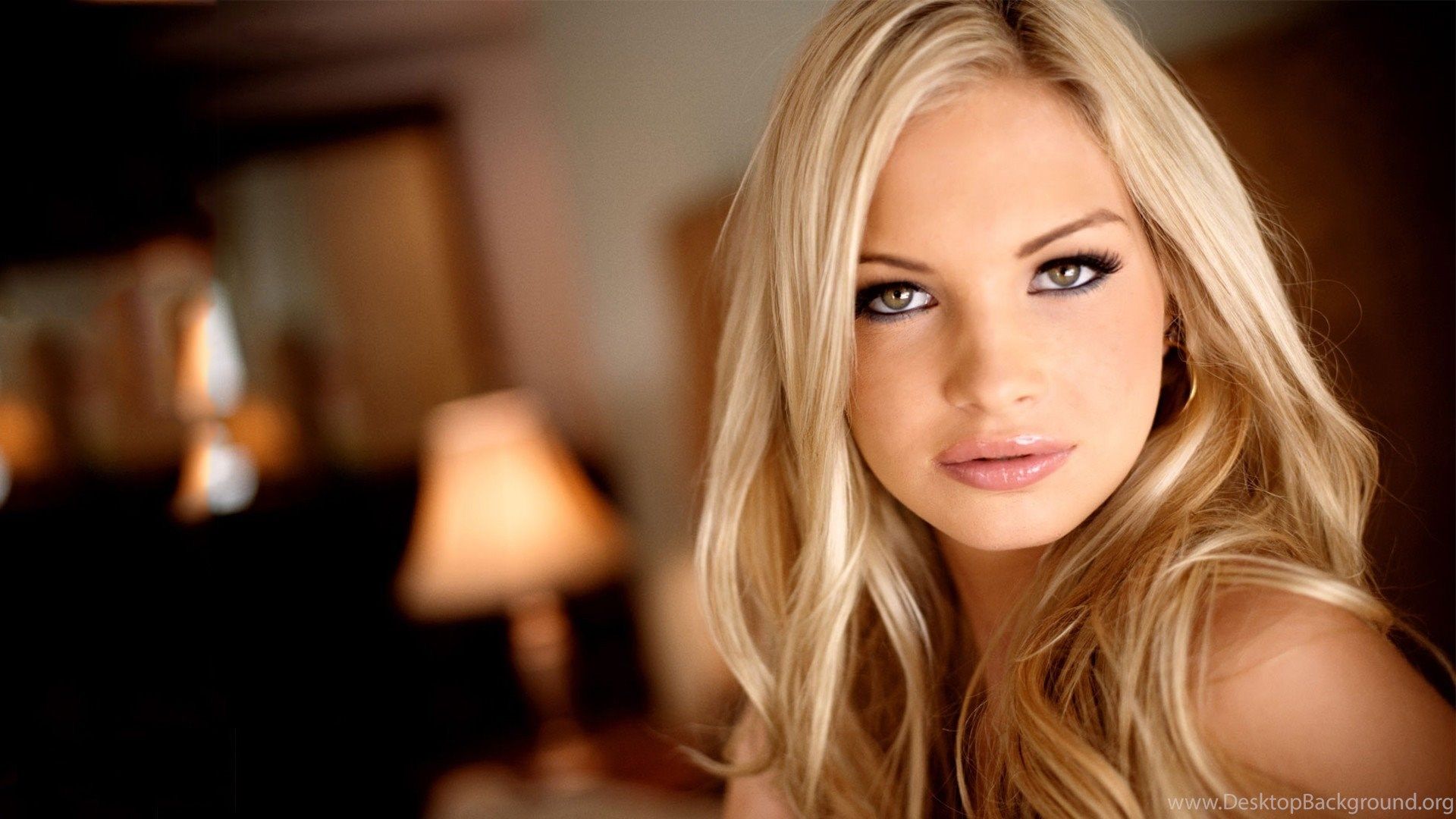
Gorgeous Natural Blonde Abstract Concept
Find inspiration with this unique natural blonde illustration, crafted to provide a fresh look for your background.
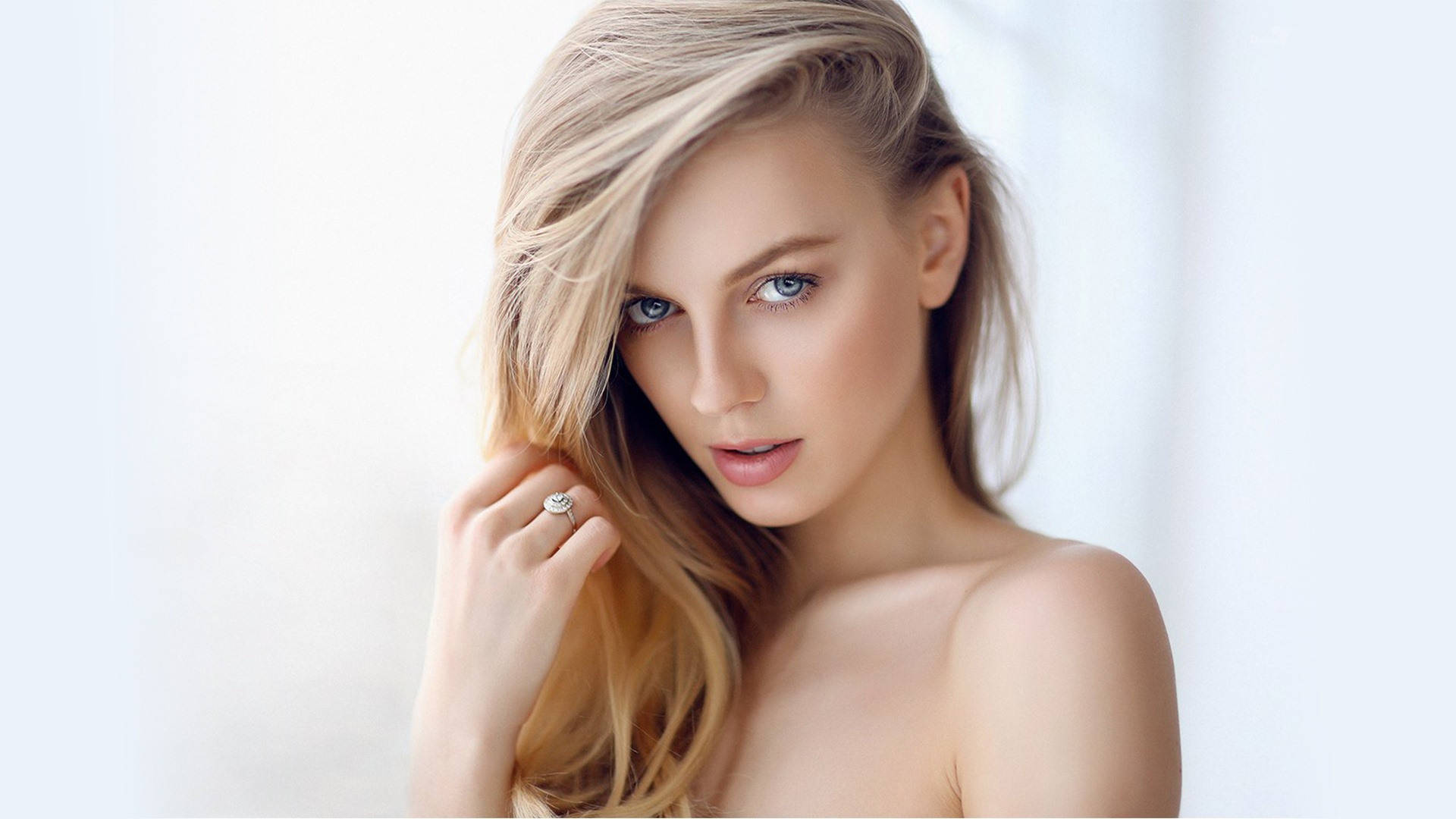
Stunning Natural Blonde Capture Art
A captivating natural blonde scene that brings tranquility and beauty to any device.
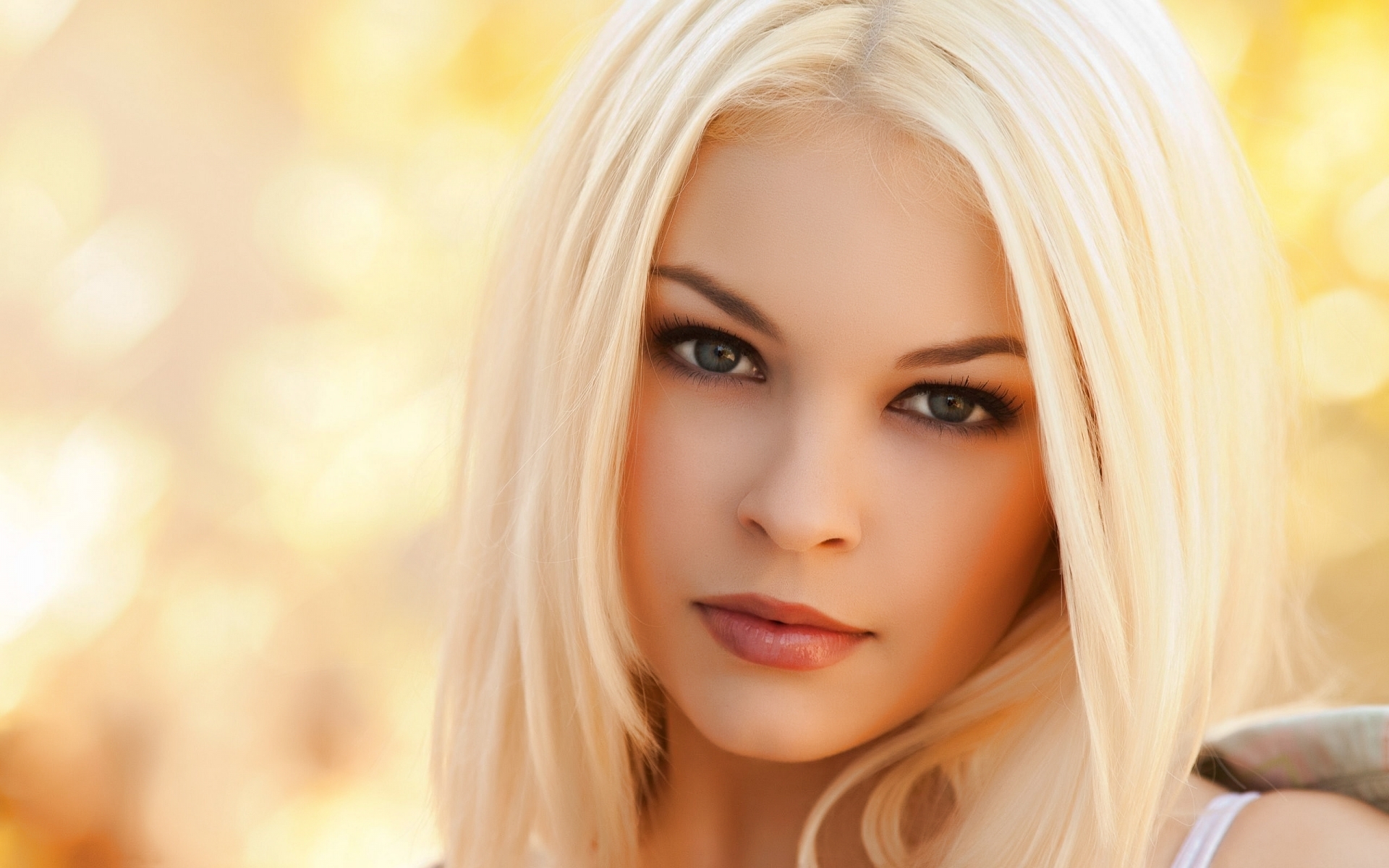
Vivid Natural Blonde Artwork Illustration
Transform your screen with this vivid natural blonde artwork, a true masterpiece of digital design.
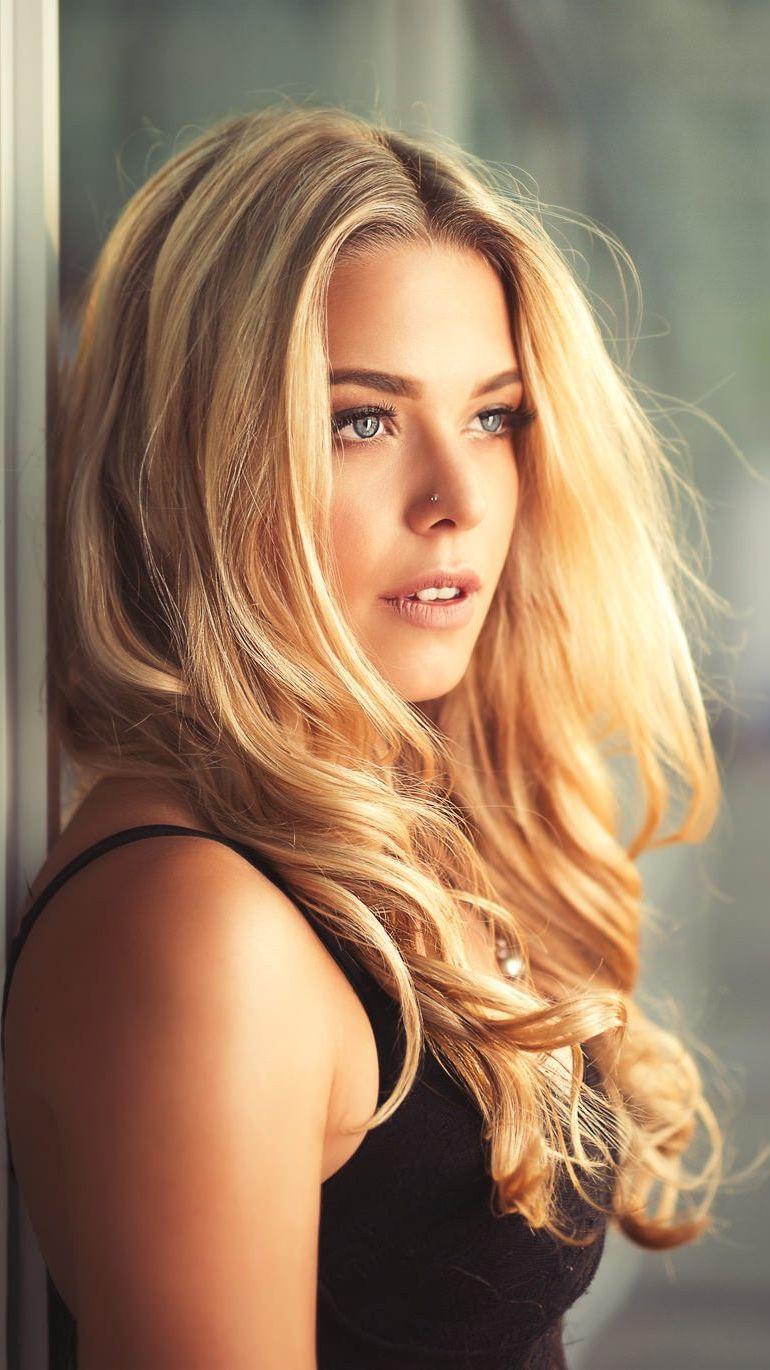
Stunning Natural Blonde Artwork Nature
This gorgeous natural blonde photo offers a breathtaking view, making it a perfect choice for your next wallpaper.
Download these natural blonde wallpapers for free and use them on your desktop or mobile devices.
0 Response to "Natural Blonde"
Post a Comment