Scientists identify bat coronavirus capable of entering human cells
Breaking News: Scientists Identify Bat Coronavirus Capable of Entering Human Cells
In a world still reeling from the global impact of the COVID-19 pandemic, the scientific community remains on high alert for the next potential zoonotic threat. Recently, a team of international researchers has made a sobering discovery: a bat coronavirus, previously thought to be harmless to humans, possesses the unique ability to bind to human receptors and enter our cells. This finding, centered around a virus known as Khosta-2, highlights the persistent risk posed by the vast reservoir of viruses circulating in wildlife and underscores the urgent need for a universal vaccine that can protect against a broad spectrum of sarbecoviruses.
The Discovery of Khosta-2: A New Sarbecovirus Threat
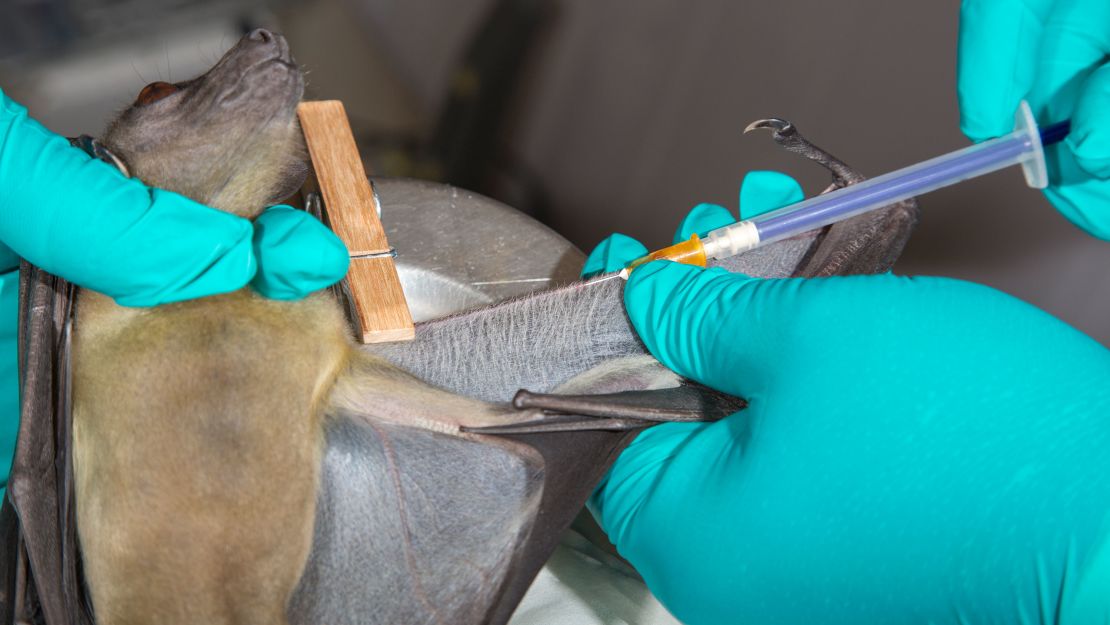
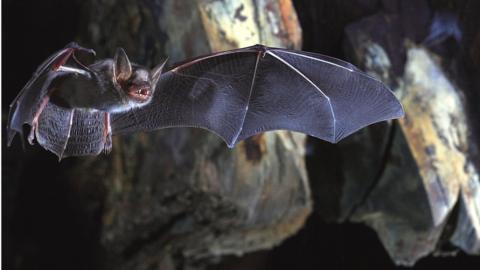
The virus in question, Khosta-2, was originally discovered in bats living in the Sochi National Park in Russia several years ago. At the time of its initial discovery, researchers categorized it alongside another virus, Khosta-1, as a sarbecovirus—the same subgenus of coronaviruses that includes SARS-CoV-1 and SARS-CoV-2. However, early assessments suggested that these viruses did not pose a significant threat to human health because they appeared to lack the genetic machinery required to infect human cells.
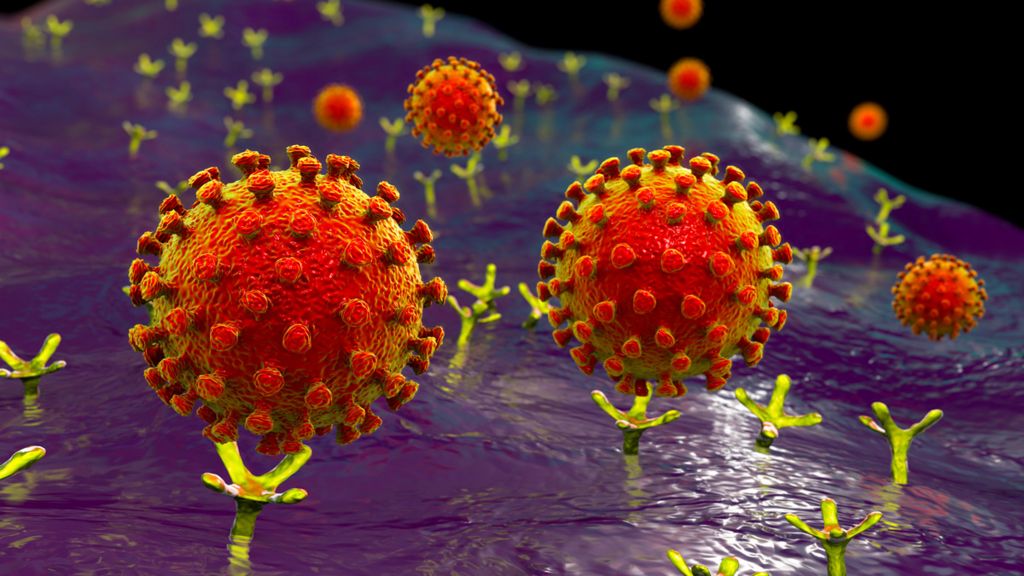
That perception changed when a team led by researchers at the Washington State University’s Paul G. Allen School for Global Health conducted a more rigorous molecular analysis. Their study, published in the journal PLOS Pathogens, revealed that while Khosta-1 was indeed low-risk, Khosta-2 displayed a frighteningly familiar capability: its spike protein could bind to the angiotensin-converting enzyme 2 (ACE2) receptor, the same gateway that SARS-CoV-2 uses to hijack human respiratory cells.
This discovery is particularly alarming because it confirms that the ability to cross the species barrier is not unique to the lineage of viruses that produced the current pandemic. Instead, the "keys" to our cellular locks are being forged in the wild across diverse geographic regions, often in viruses that scientists are only beginning to document.
How Khosta-2 Bypasses the Human Immune System
The most significant concern regarding Khosta-2 is not just its ability to enter human cells, but its apparent resistance to existing countermeasures. When researchers tested the virus against the blood of individuals who had been fully vaccinated with current mRNA vaccines (such as Pfizer and Moderna), they found that the antibodies generated by the vaccines were unable to neutralize Khosta-2. Furthermore, blood from patients who had recovered from the Omicron variant of COVID-19 also failed to stop the virus from infecting cells in a laboratory setting.
This resistance occurs because the spike protein of Khosta-2 is structurally distinct enough from SARS-CoV-2 that the immune system's "memory" does not recognize it as a threat. While SARS-CoV-2 has evolved many mutations since its emergence, Khosta-2 represents a different evolutionary branch. This means that if Khosta-2 were to jump into the human population, our current global immunity—built up through years of infections and vaccinations—might offer little to no protection.
The research utilizes "pseudoviruses," which are safe, modified versions of viruses used to study infection mechanisms without the risk of creating a live outbreak. These experiments showed that Khosta-2 is fully functional in its ability to infect human cells, raising the stakes for wildlife surveillance and viral research.
The Risk of Viral Recombination: A Nightmare Scenario
While Khosta-2 lacks some of the genetic features that make SARS-CoV-2 highly transmissible or deadly in humans—such as the furin cleavage site—scientists warn of a "nightmare scenario" known as recombination. Coronaviruses are notorious for swapping genetic material when two different viruses infect the same host simultaneously.
If a person or an animal were to be co-infected with both SARS-CoV-2 and Khosta-2, the viruses could exchange genes. This could potentially result in a hybrid virus that combines the high transmissibility of SARS-CoV-2 with the vaccine-evasive spike protein of Khosta-2. Such an event could lead to a new surge or even a secondary pandemic that bypasses all current medical interventions.
This risk is not merely theoretical. We have already seen various variants of SARS-CoV-2 emerge through mutation and recombination. The presence of Khosta-2 in the wild serves as a reminder that the evolution of these viruses is an ongoing process that happens far away from human hospitals but with direct consequences for them.
| Feature/Aspect | Description |
|---|---|
| Virus Name | Khosta-2 (a Russian Sarbecovirus) |
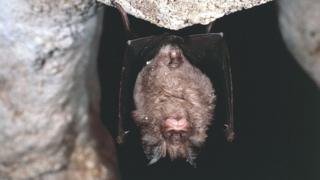
| Host Species | Rhinolophus hipposideros (Lesser Horseshoe Bats) |
| Entry Mechanism | Utilizes the human ACE2 receptor for cell entry. |
| Vaccine Efficacy | Resistant to current COVID-19 vaccines and monoclonal antibodies. |
| Geographic Origin | Sochi National Park, Russia. |
| Global Risk Level | High potential for zoonotic spillover and recombination. |
Global Implications and the Need for a Universal Vaccine
The discovery of Khosta-2 reinforces a critical lesson: focusing solely on the current variants of SARS-CoV-2 is a reactive strategy that leaves us vulnerable. To truly protect humanity from future pandemics, scientists are calling for a shift toward "pan-sarbecovirus" vaccines. These vaccines would target conserved regions of the virus—parts of the spike protein that are shared across all coronaviruses in the subgenus, rather than just the parts that vary between strains.
Current research efforts are already underway to develop such universal vaccines. By targeting the "base" of the spike protein or other internal structures that do not change significantly when the virus mutates, researchers hope to create a shield that works against SARS-CoV-1, SARS-CoV-2, Khosta-2, and any future "Virus X" that has yet to emerge from the forest.
Furthermore, this discovery highlights the importance of the "One Health" approach, which recognizes that human health is intrinsically linked to the health of animals and the environment. As human activity continues to encroach upon wildlife habitats, the frequency of contact between humans and virus-carrying animals increases, making spillovers more likely.
The Role of Wildlife Surveillance
Before 2003, coronaviruses were largely seen as causes of the common cold. The emergence of SARS and later MERS changed that perspective, but it was the COVID-19 pandemic that proved how devastating they could be. The identification of Khosta-2 was only possible because of dedicated wildlife surveillance programs. However, many experts argue that these programs are underfunded and insufficient.
Thousands of viruses exist in bats, rodents, and birds that have the potential to infect humans. By identifying these viruses in the wild before they make the jump to humans, scientists can begin developing diagnostic tests, treatments, and vaccines in advance. Khosta-2 is a "shot across the bow"—a warning that the next pandemic might already be circulating in a cave or forest thousands of miles away.
Public Health Readiness and Policy
From a policy perspective, the Khosta-2 discovery suggests that international cooperation in virology is more important than ever. Viral threats do not respect national borders. The fact that a virus found in Russia could theoretically bypass vaccines developed in the United States or Europe illustrates the need for global data sharing and collaborative research.
Governments must also invest in the infrastructure needed to pivot quickly when new threats are identified. This includes maintaining genomic sequencing capabilities, stockpiling broad-spectrum antivirals, and streamlining the regulatory pathways for new vaccine platforms. The speed with which mRNA vaccines were developed was a triumph, but Khosta-2 shows us that the virus is already working on its next move.
Conclusion: Staying Ahead of the Viral Curve
The identification of the Khosta-2 bat coronavirus is a stark reminder that the era of coronavirus threats is far from over. While the virus has not yet caused a human outbreak, its ability to enter human cells and evade our current immune defenses makes it a significant pathogen of concern. This discovery should serve as a catalyst for renewed investment in universal vaccine technology and global wildlife surveillance.
Science has given us the tools to identify these threats before they become catastrophes. The question now is whether the world has the collective will to act on this information. By shifting from a reactive to a proactive stance, we can ensure that the lessons learned from COVID-19 are not forgotten and that we are better prepared for whatever the natural world may hold in store.
Frequently Asked Questions (FAQ)
1. Is Khosta-2 currently spreading among humans?
No, there are currently no reported cases of Khosta-2 infecting humans in the wild. The study was conducted in a laboratory setting using molecular models and pseudoviruses to determine its potential to infect human cells.
2. Can I get Khosta-2 from a COVID-19 vaccine?
Absolutely not. COVID-19 vaccines do not contain live viruses. Khosta-2 is a completely different virus found in bats, and the research regarding it is focused on understanding how it functions, not on its presence in vaccines.
3. Will my current COVID-19 booster protect me against Khosta-2?
According to the current study, existing vaccines designed for SARS-CoV-2 do not provide effective neutralization against Khosta-2. This is why scientists are emphasizing the need for new, universal vaccines that cover all sarbecoviruses.
4. Should we be worried about another pandemic immediately?
While the discovery is concerning, it does not mean a pandemic is imminent. Khosta-2 currently lacks some of the features that make viruses spread easily between people. However, it is a reminder to remain vigilant and continue scientific research into viral prevention.
Disclaimer: This article is based on recent scientific findings regarding Khosta-2 and sarbecoviruses. For official health guidance, please consult the World Health Organization (WHO) or your local health department.
Scientists identify bat coronavirus capable of entering human cells
Scientists identify bat coronavirus capable of entering human cells Wallpapers
Collection of scientists identify bat coronavirus capable of entering human cells wallpapers for your desktop and mobile devices.
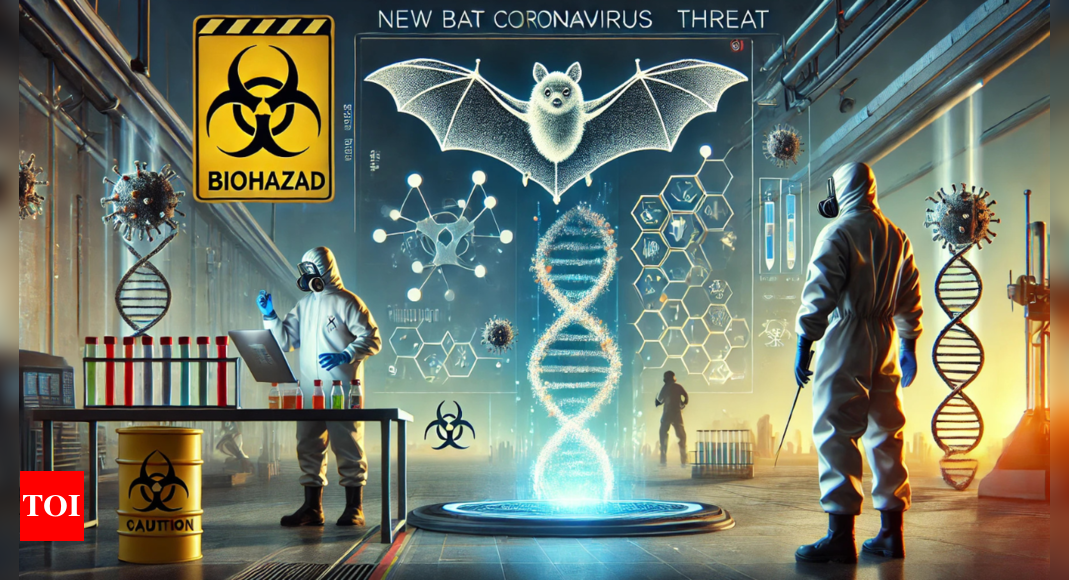
Spectacular Scientists Identify Bat Coronavirus Capable Of Entering Human Cells Scene in 4K
Find inspiration with this unique scientists identify bat coronavirus capable of entering human cells illustration, crafted to provide a fresh look for your background.
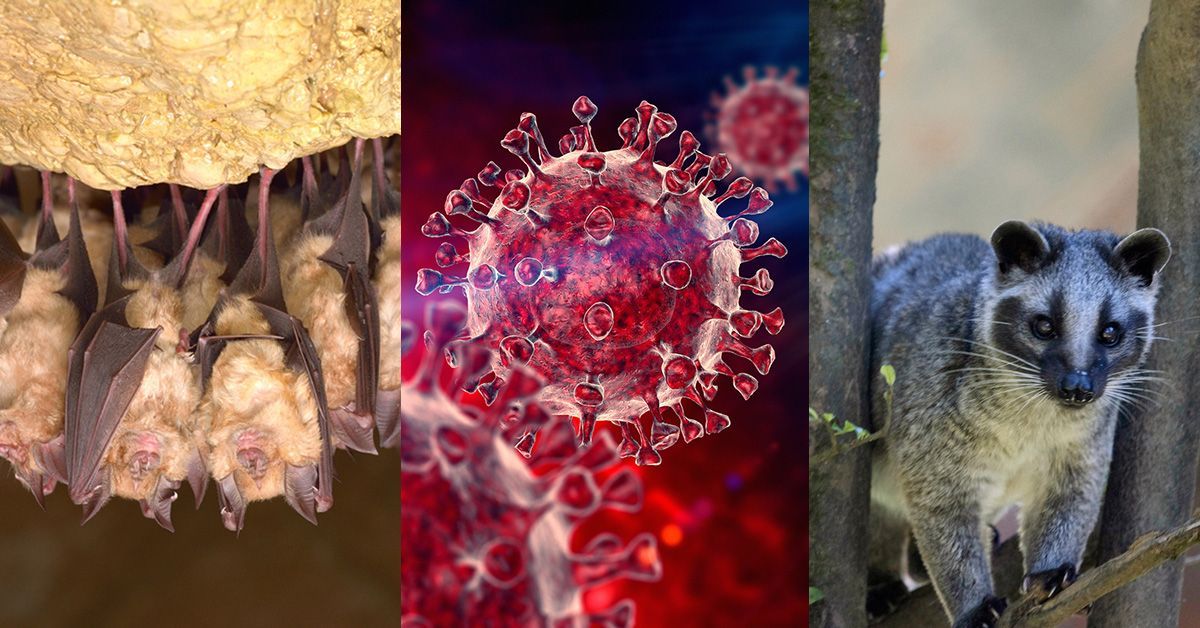
Spectacular Scientists Identify Bat Coronavirus Capable Of Entering Human Cells Artwork Concept
This gorgeous scientists identify bat coronavirus capable of entering human cells photo offers a breathtaking view, making it a perfect choice for your next wallpaper.
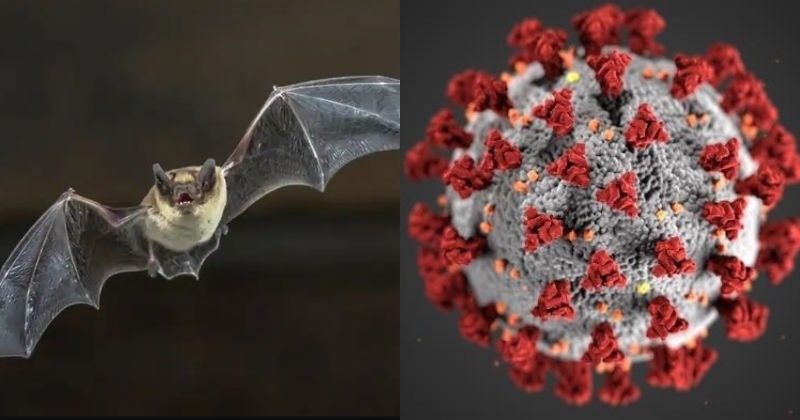
Breathtaking Scientists Identify Bat Coronavirus Capable Of Entering Human Cells Design for Desktop
Experience the crisp clarity of this stunning scientists identify bat coronavirus capable of entering human cells image, available in high resolution for all your screens.
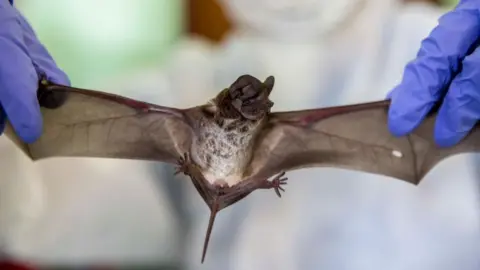
Amazing Scientists Identify Bat Coronavirus Capable Of Entering Human Cells View Collection
Explore this high-quality scientists identify bat coronavirus capable of entering human cells image, perfect for enhancing your desktop or mobile wallpaper.

Artistic Scientists Identify Bat Coronavirus Capable Of Entering Human Cells Capture Art
A captivating scientists identify bat coronavirus capable of entering human cells scene that brings tranquility and beauty to any device.

Gorgeous Scientists Identify Bat Coronavirus Capable Of Entering Human Cells Design Photography
A captivating scientists identify bat coronavirus capable of entering human cells scene that brings tranquility and beauty to any device.
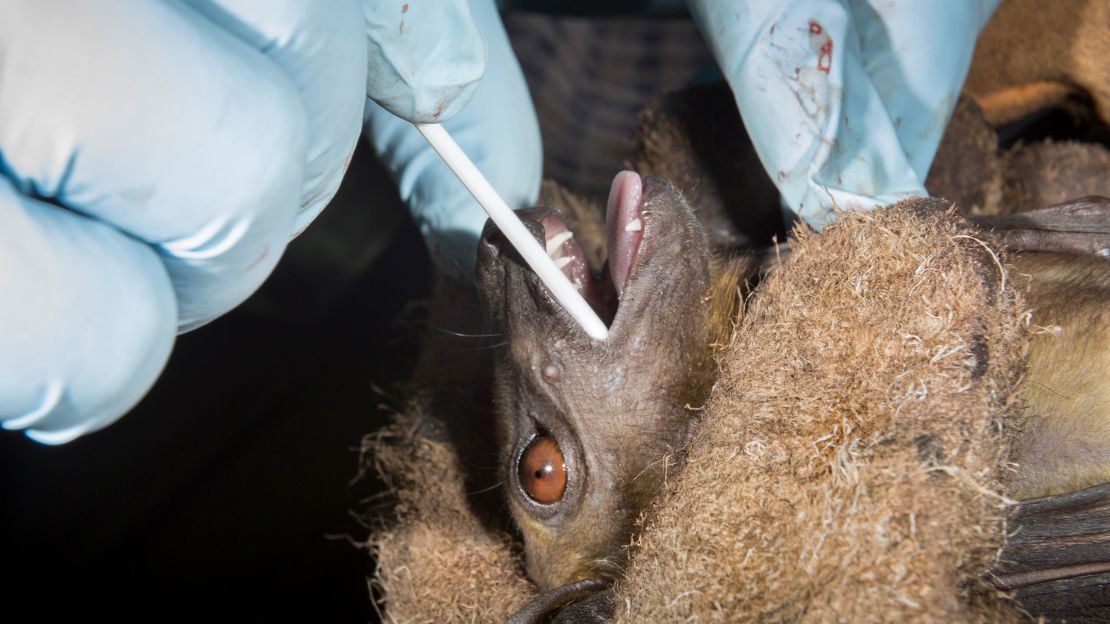
Mesmerizing Scientists Identify Bat Coronavirus Capable Of Entering Human Cells Background in 4K
Discover an amazing scientists identify bat coronavirus capable of entering human cells background image, ideal for personalizing your devices with vibrant colors and intricate designs.

Stunning Scientists Identify Bat Coronavirus Capable Of Entering Human Cells Abstract for Your Screen
This gorgeous scientists identify bat coronavirus capable of entering human cells photo offers a breathtaking view, making it a perfect choice for your next wallpaper.
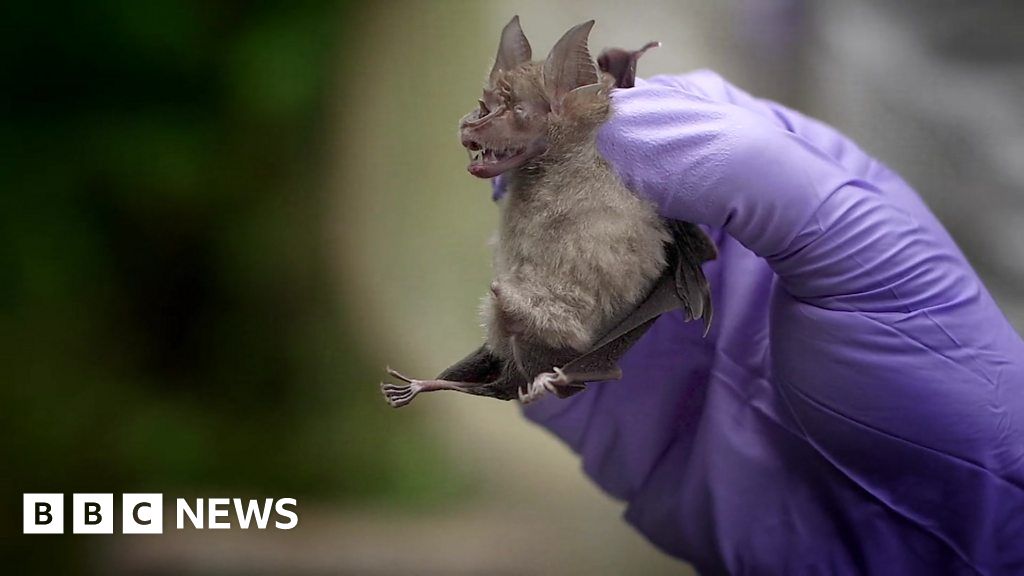
Vibrant Scientists Identify Bat Coronavirus Capable Of Entering Human Cells Background Collection
Discover an amazing scientists identify bat coronavirus capable of entering human cells background image, ideal for personalizing your devices with vibrant colors and intricate designs.

Vivid Scientists Identify Bat Coronavirus Capable Of Entering Human Cells Design in 4K
Discover an amazing scientists identify bat coronavirus capable of entering human cells background image, ideal for personalizing your devices with vibrant colors and intricate designs.
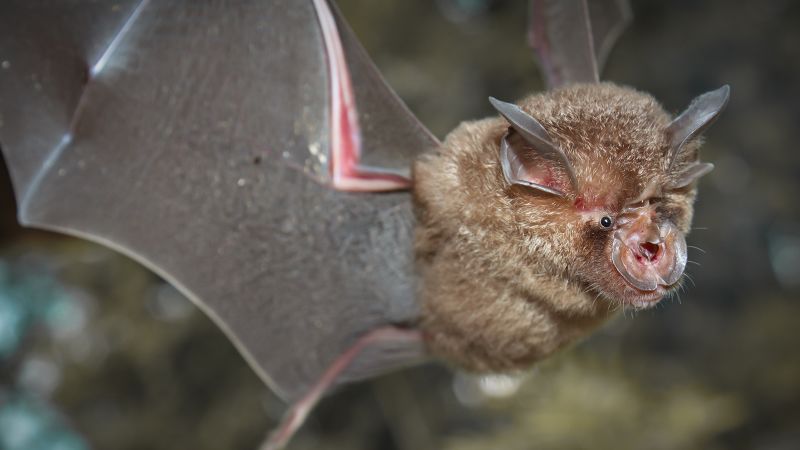
Artistic Scientists Identify Bat Coronavirus Capable Of Entering Human Cells Picture Photography
A captivating scientists identify bat coronavirus capable of entering human cells scene that brings tranquility and beauty to any device.

Beautiful Scientists Identify Bat Coronavirus Capable Of Entering Human Cells Capture Digital Art
Discover an amazing scientists identify bat coronavirus capable of entering human cells background image, ideal for personalizing your devices with vibrant colors and intricate designs.

Vibrant Scientists Identify Bat Coronavirus Capable Of Entering Human Cells Background for Mobile
Transform your screen with this vivid scientists identify bat coronavirus capable of entering human cells artwork, a true masterpiece of digital design.
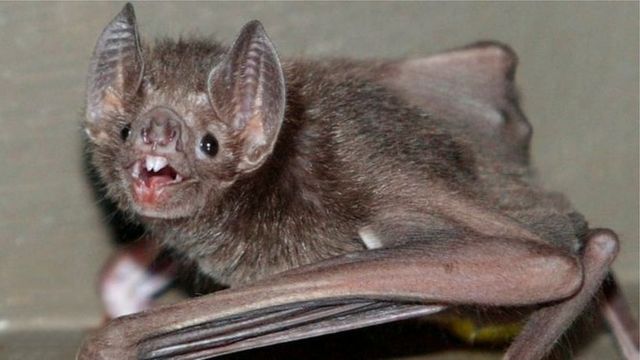
High-Quality Scientists Identify Bat Coronavirus Capable Of Entering Human Cells Scene Concept
Experience the crisp clarity of this stunning scientists identify bat coronavirus capable of entering human cells image, available in high resolution for all your screens.
Gorgeous Scientists Identify Bat Coronavirus Capable Of Entering Human Cells Moment for Desktop
Immerse yourself in the stunning details of this beautiful scientists identify bat coronavirus capable of entering human cells wallpaper, designed for a captivating visual experience.
Vivid Scientists Identify Bat Coronavirus Capable Of Entering Human Cells Photo in HD
Experience the crisp clarity of this stunning scientists identify bat coronavirus capable of entering human cells image, available in high resolution for all your screens.

Stunning Scientists Identify Bat Coronavirus Capable Of Entering Human Cells Picture Digital Art
This gorgeous scientists identify bat coronavirus capable of entering human cells photo offers a breathtaking view, making it a perfect choice for your next wallpaper.
Crisp Scientists Identify Bat Coronavirus Capable Of Entering Human Cells Landscape Collection
A captivating scientists identify bat coronavirus capable of entering human cells scene that brings tranquility and beauty to any device.
Beautiful Scientists Identify Bat Coronavirus Capable Of Entering Human Cells Artwork Illustration
Transform your screen with this vivid scientists identify bat coronavirus capable of entering human cells artwork, a true masterpiece of digital design.
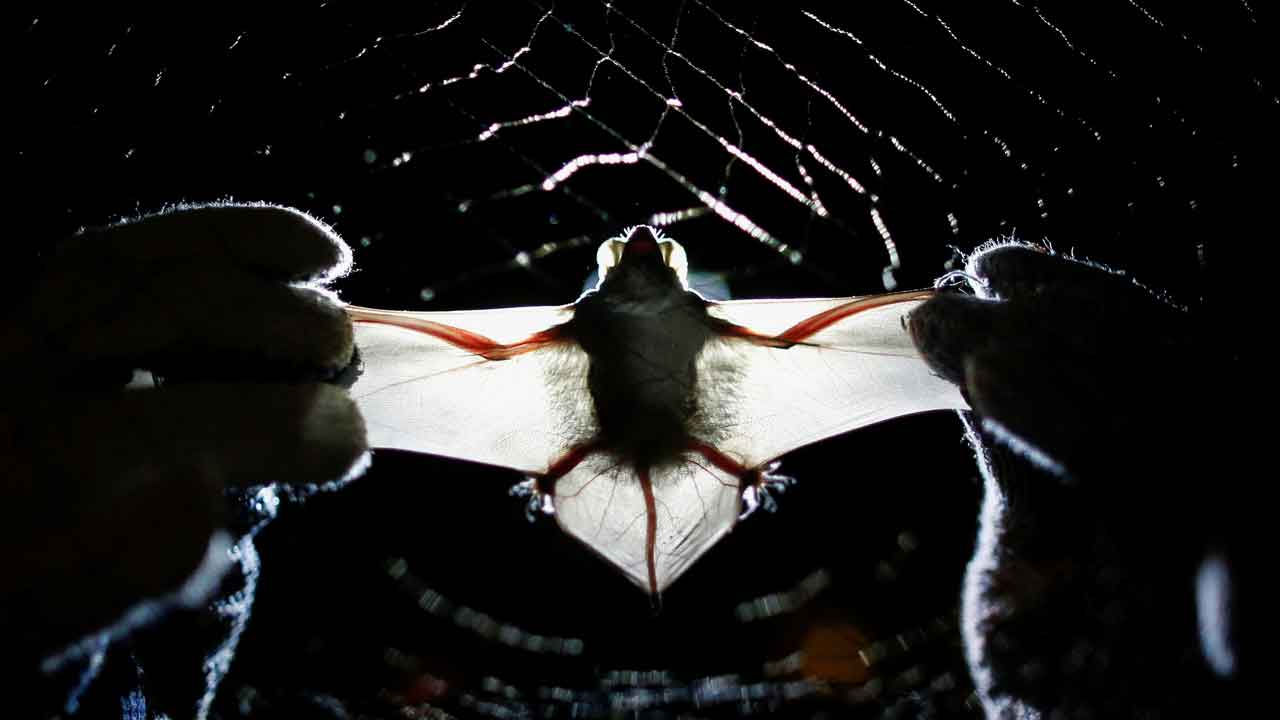
Dynamic Scientists Identify Bat Coronavirus Capable Of Entering Human Cells Scene Nature
A captivating scientists identify bat coronavirus capable of entering human cells scene that brings tranquility and beauty to any device.
Download these scientists identify bat coronavirus capable of entering human cells wallpapers for free and use them on your desktop or mobile devices.
0 Response to "Scientists identify bat coronavirus capable of entering human cells"
Post a Comment