Two ships from Iranian ports passed Hormuz Strait despite US blockade — tracker
Two Ships from Iranian Ports Passed Hormuz Strait Despite US Blockade: Maritime Tracker Updates
In a significant development that underscores the persistent tensions in the Middle East and the challenges of enforcing international sanctions, maritime tracking data has confirmed that two large vessels originating from Iranian ports have successfully transited the Strait of Hormuz. This movement comes at a time when the United States has intensified its "maximum pressure" campaign, often described by regional analysts as a de facto blockade, aimed at crippling Iran's oil export capabilities. The successful passage of these vessels represents not just a logistical feat for Tehran, but a symbolic challenge to Washington’s maritime hegemony in one of the world's most critical energy corridors.
The Strategic Significance of the Strait of Hormuz
To understand the gravity of two ships passing through this narrow waterway, one must first understand the geography of global energy. The Strait of Hormuz is a slender strip of water separating the Persian Gulf from the Gulf of Oman and the Arabian Sea. At its narrowest point, the shipping lanes are only two miles wide in either direction.
Approximately 20% to 30% of the world's total consumption of liquid petroleum passes through this strait daily. It is the primary artery for oil flowing from the producers of the Middle East—including Saudi Arabia, Iraq, the UAE, and Kuwait—to the markets of Asia, Europe, and North America. For Iran, the strait is both a vital gateway for its own exports and a strategic lever it can use to influence global politics. Any disruption here sends shockwaves through the global economy, causing oil prices to spike and insurance premiums for maritime shipping to skyrocket.
The recent passage of the two vessels, identified by independent tracking agencies using satellite imagery and AIS (Automatic Identification System) data, suggests that despite the presence of the US Fifth Fleet and various international maritime coalitions, Iranian cargo continues to find its way to the global market. This highlights the complexity of modern maritime enforcement where "dark fleets" and sophisticated evasion tactics are becoming the norm.
Detailed Breakdown of the Maritime Tracking Report
According to the latest reports from maritime monitoring services, the two vessels—reportedly Very Large Crude Carriers (VLCCs)—departed from terminal facilities near Kharg Island and Assaluyeh. For several days, these ships appeared to operate with their transponders turned off, a tactic commonly known as "going dark." This is a frequent practice for vessels attempting to avoid detection by Western intelligence and naval patrols.
The tracker data revealed that the ships re-emerged on satellite monitoring after clearing the most heavily patrolled sections of the strait. Analysts suggest that the ships may have utilized "spoofing" technology, which provides false GPS coordinates to mask their actual location, or they may have simply hugged the territorial waters of sympathetic or neutral nations to avoid interception in international zones.
| Fitur/Aspek | Deskripsi |
|---|---|
| Vessel Type | Very Large Crude Carriers (VLCC) / Suezmax Class |
| Origin Point | Kharg Island and Bandar Abbas regions, Iran |
| Detection Method | Satellite Imagery and AIS (Automatic Identification System) |
| Status of Sanctions | Active US Department of Treasury Sanctions (OFAC) |
| Security Context | High alert due to regional geopolitical tensions |
| Estimated Cargo | Combined total of approximately 2-4 million barrels of crude oil |
The US Blockade and Sanctions Framework
The term "blockade" is often used colloquially to describe the intense set of sanctions and maritime surveillance operations led by the United States. Officially, the US maintains that it is enforcing international law and domestic sanctions designed to prevent the Iranian government from funding destabilizing activities in the region. These sanctions target the Iranian National Oil Company (NIOC) and any third-party entities—including shipping companies, insurers, and banks—that facilitate the sale of Iranian petroleum.
The enforcement mechanism relies heavily on the "International Maritime Security Construct" (IMSC) and "Operation Sentinel," which aim to provide surveillance and protection for merchant shipping in the region. However, the legal reality of a "blockade" is complex. Under international law, a formal blockade is an act of war. The US instead uses a "maritime interception" strategy, where they pressure flag states to de-register Iranian-linked vessels and use financial leverage to prevent ships from entering ports in friendly nations.
The successful transit of these two ships indicates a gap in this "digital and physical fence." It suggests that either the vessels have found new ways to mask their identity (such as ship-to-ship transfers or "flag hopping") or that there is a diminishing appetite among some regional actors to strictly enforce US-led initiatives that they perceive as heightening the risk of direct military conflict.
Evasion Tactics: How Ships Bypass High-Tech Surveillance
In the high-stakes game of maritime cat-and-mouse, Iranian-linked vessels have become masters of evasion. The "tracker" report highlights that the two ships utilized several layers of obfuscation to pass through the Hormuz Strait:
1. AIS Spoofing and Dark Transits
The Automatic Identification System (AIS) is mandatory for all large vessels to prevent collisions. However, ships can turn these transponders off or program them to broadcast incorrect data. "Spoofing" involves sending coordinates that make it look like the ship is in the middle of the Indian Ocean when it is actually loading oil at an Iranian terminal. By the time the two ships reached the Strait of Hormuz, they likely re-enabled their AIS with a "clean" history or under a different name.
2. Ship-to-Ship (STS) Transfers
Often, oil is moved from an Iranian vessel to a non-sanctioned vessel in the middle of the ocean. This "blending" of oil makes it difficult to trace the origin of the product. While the tracker noted these ships came directly from Iranian ports, they might be heading toward a designated STS zone where the oil will be transferred to several smaller tankers to further obscure its source.
3. Use of the "Ghost Fleet"
There is a growing "ghost fleet" of aging tankers owned by shell companies in jurisdictions with lax oversight. These ships operate outside the traditional maritime insurance and regulatory frameworks. Because these vessels are often slated for scrap, their owners are willing to take the high risk of US sanctions for a high-profit margin per barrel delivered.
Geopolitical Implications: A Test of Resolve
The timing of this transit is particularly sensitive. With global oil prices fluctuating due to conflicts in Eastern Europe and the Middle East, the arrival of Iranian crude on the market—even through backchannels—acts as a pressure valve for certain buyers, particularly in East Asia. For China, which remains the primary destination for "teapot" refineries (independent refineries) processing Iranian oil, these shipments are a vital component of energy security.
For the United States, the passage of these ships is a diplomatic and military challenge. It raises questions about the effectiveness of current maritime patrols. If the US Navy intercepts these vessels, it risks a military escalation with Iran that could close the strait entirely. If they do nothing, the "blockade" appears porous and ineffective, encouraging further defiance from Tehran.
Furthermore, this event highlights the shifting alliances in the region. Some Gulf nations, once staunchly aligned with US maritime policy, have recently sought to de-escalate tensions with Iran. This diplomatic "thaw" may result in less rigorous reporting of suspicious movements within their territorial waters, allowing Iranian vessels a safer corridor of passage.
The Impact on Global Energy Markets
While two ships might seem like a small number in the context of global trade, their successful voyage has immediate psychological impacts on the oil market. Traders watch these "tracker" reports closely. The knowledge that Iran can still move millions of barrels of oil despite the blockade suggests that the global supply is more resilient than previously thought.
However, the risks involved in these "dark" shipments add a significant "risk premium" to the oil. The oil is often sold at a steep discount to compensate for the legal and physical risks taken by the buyers. This creates a two-tiered market: the "transparent" market governed by international norms, and a "shadow" market that operates in the grey zones of international law. The persistence of this shadow market stabilizes Iranian domestic finances to some degree, allowing the regime to withstand the economic pressure of sanctions longer than Washington might have anticipated.
Conclusion
The report of two Iranian-linked ships successfully navigating the Strait of Hormuz is a stark reminder of the limitations of naval power and economic sanctions in the face of determined national interest. As long as there is a global demand for energy and a willing buyer, "black gold" will find its way through even the most heavily guarded chokepoints. The Strait of Hormuz remains the ultimate chessboard of global geopolitics, where every ship that passes is a move in a much larger game for regional and global influence.
Frequently Asked Questions (FAQ)
It is the world's most important oil transit chokepoint. About one-fifth of the world's total petroleum liquids consumption passes through the strait every day, making it vital for global energy security and price stability.
Not a formal military blockade in the traditional sense, as that would be considered an act of war. Instead, the US and its allies use a combination of economic sanctions, maritime surveillance, and naval patrols to intercept or discourage the transport of Iranian oil.
Trackers use a combination of high-resolution satellite imagery, synthetic aperture radar (SAR) that can see through clouds, and "radio frequency" (RF) monitoring to detect ships even when their AIS transponders are turned off.
Often, the oil is taken to international waters for ship-to-ship transfers, or it is delivered to countries that do not strictly adhere to US sanctions, where it is refined or re-exported as a product of a different origin.
Final Thoughts
The maritime world is currently witnessing a paradigm shift. The era of undisputed Western control over international shipping lanes is being challenged by technological "cloaking" and the rise of a shadow economy. The passage of these two ships from Iranian ports is more than just a news update; it is a signal that the geopolitical landscape of the 21st century will be defined by the ability to navigate through—and around—the world's most sensitive chokepoints. As monitoring technology improves, so too will the methods of those seeking to evade it, ensuring that the Strait of Hormuz remains a focal point of international tension for years to come.
Two ships from Iranian ports passed Hormuz Strait despite US blockade — tracker
Two ships from Iranian ports passed Hormuz Strait despite US blockade — tracker Wallpapers
Collection of two ships from iranian ports passed hormuz strait despite us blockade — tracker wallpapers for your desktop and mobile devices.
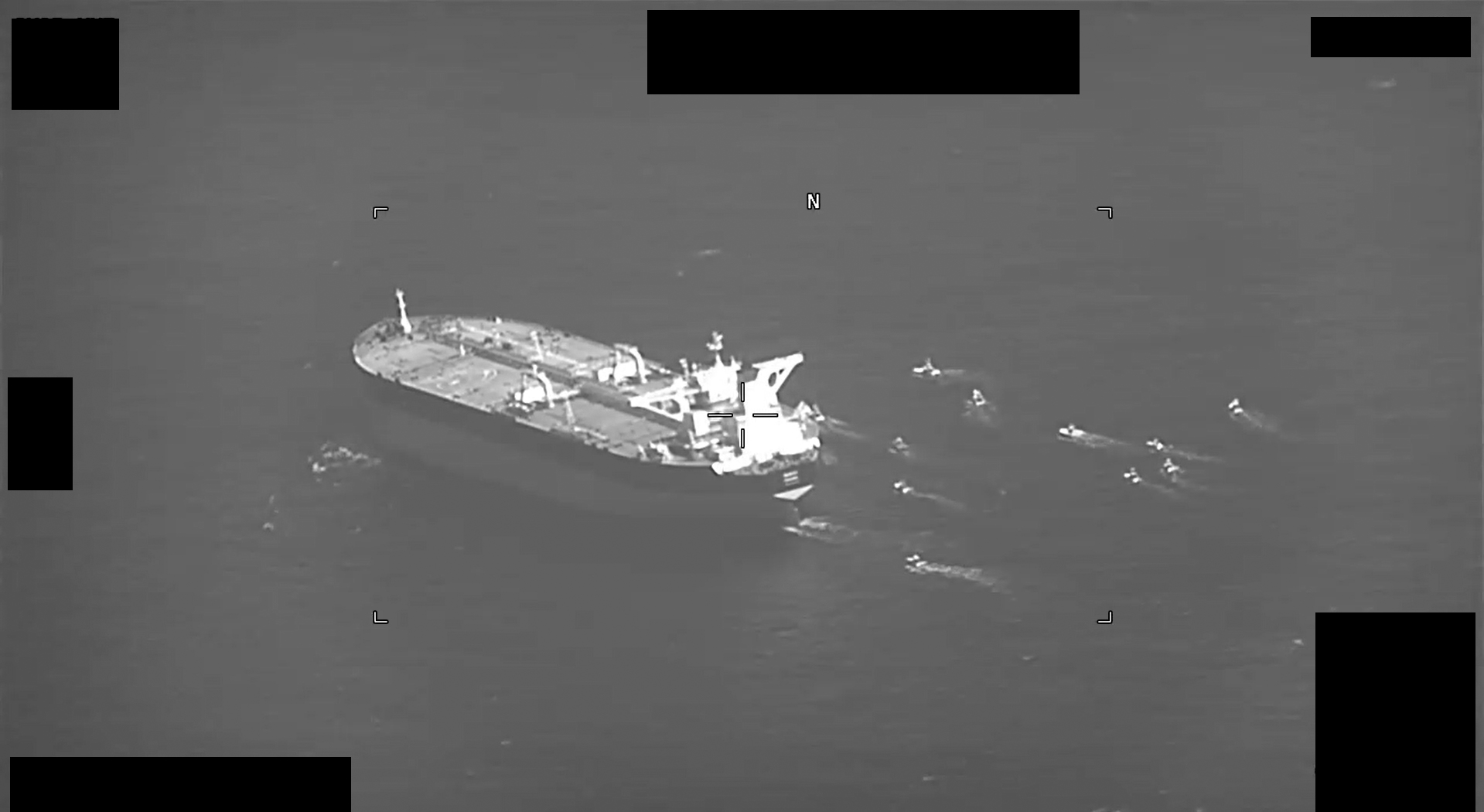
Serene Two Ships From Iranian Ports Passed Hormuz Strait Despite Us Blockade — Tracker View in 4K
Transform your screen with this vivid two ships from iranian ports passed hormuz strait despite us blockade — tracker artwork, a true masterpiece of digital design.
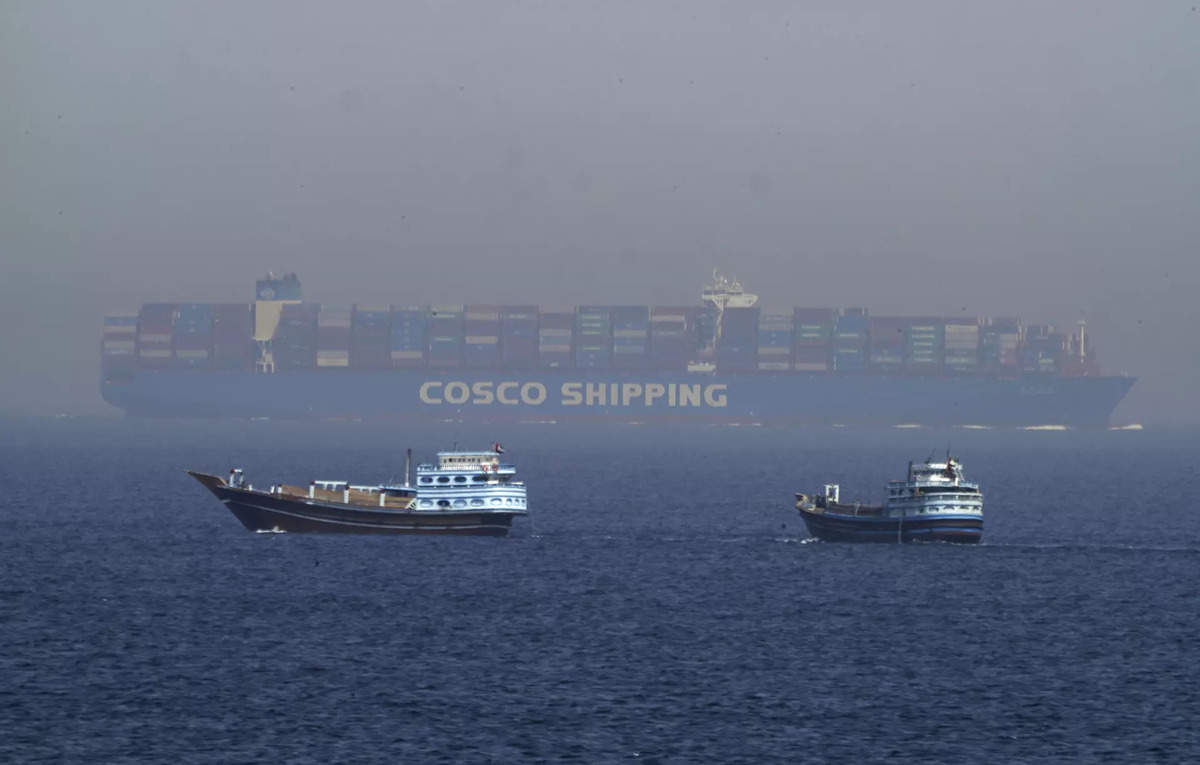
Dynamic Two Ships From Iranian Ports Passed Hormuz Strait Despite Us Blockade — Tracker Scene Concept
Find inspiration with this unique two ships from iranian ports passed hormuz strait despite us blockade — tracker illustration, crafted to provide a fresh look for your background.
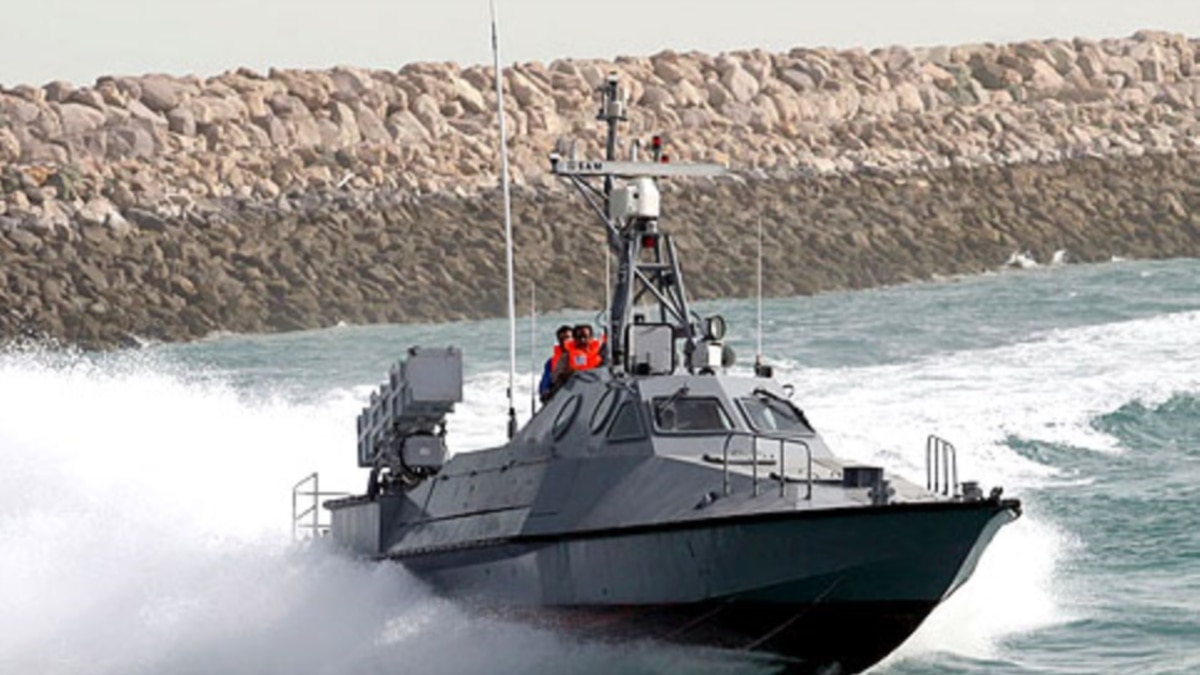
Artistic Two Ships From Iranian Ports Passed Hormuz Strait Despite Us Blockade — Tracker Background Collection
Find inspiration with this unique two ships from iranian ports passed hormuz strait despite us blockade — tracker illustration, crafted to provide a fresh look for your background.
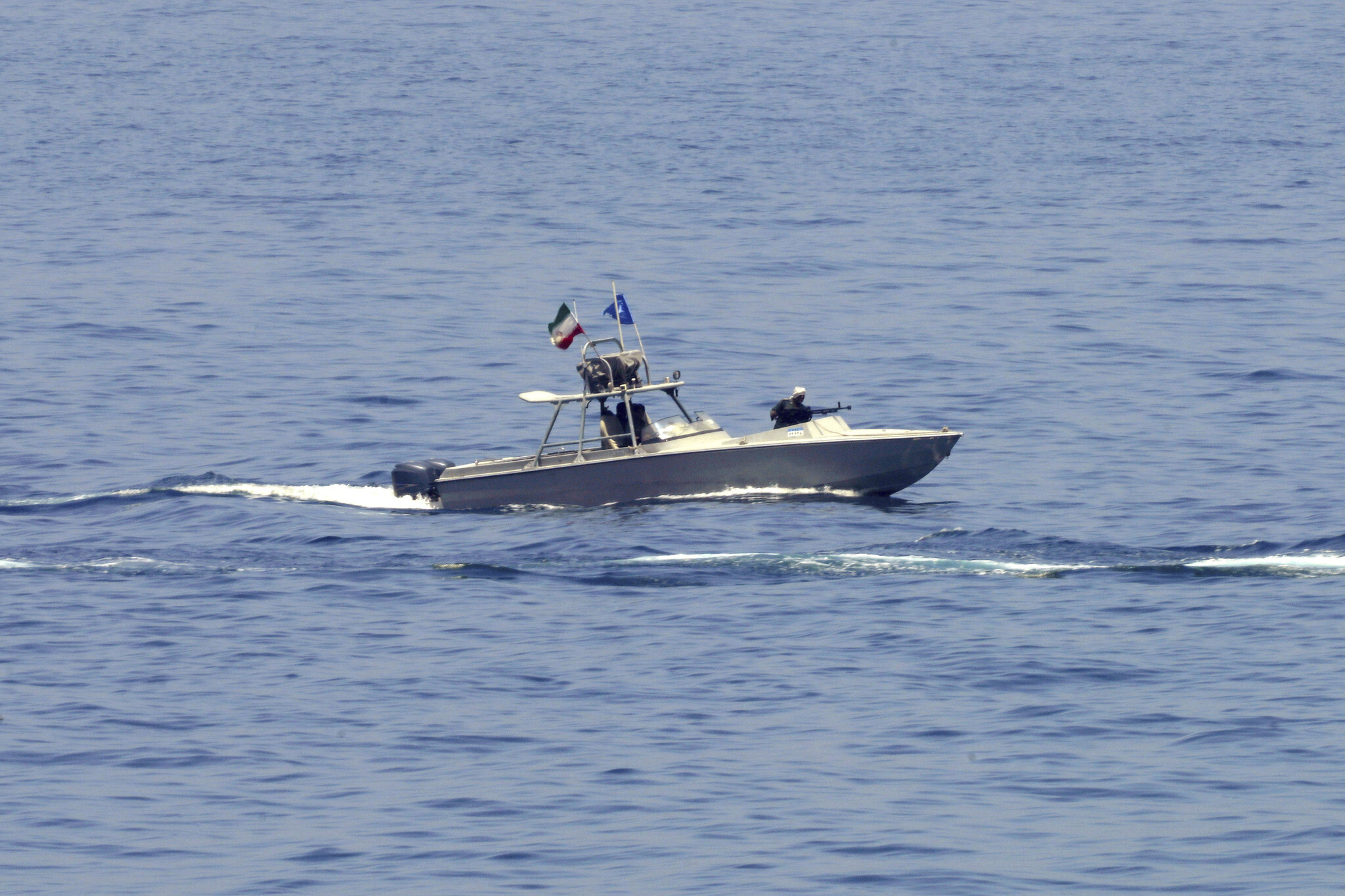
Amazing Two Ships From Iranian Ports Passed Hormuz Strait Despite Us Blockade — Tracker Design Collection
Transform your screen with this vivid two ships from iranian ports passed hormuz strait despite us blockade — tracker artwork, a true masterpiece of digital design.
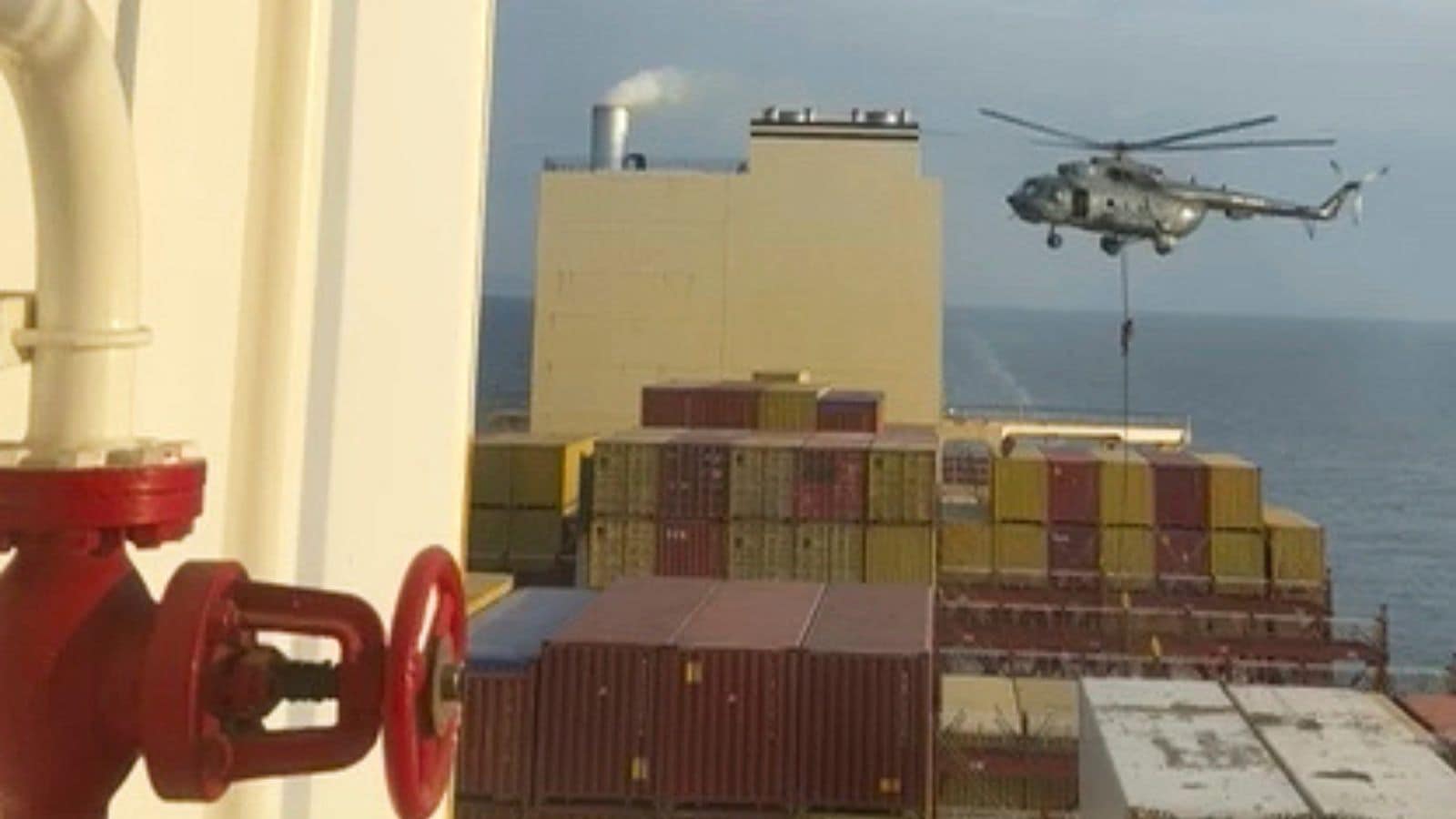
High-Quality Two Ships From Iranian Ports Passed Hormuz Strait Despite Us Blockade — Tracker Landscape in HD
Explore this high-quality two ships from iranian ports passed hormuz strait despite us blockade — tracker image, perfect for enhancing your desktop or mobile wallpaper.
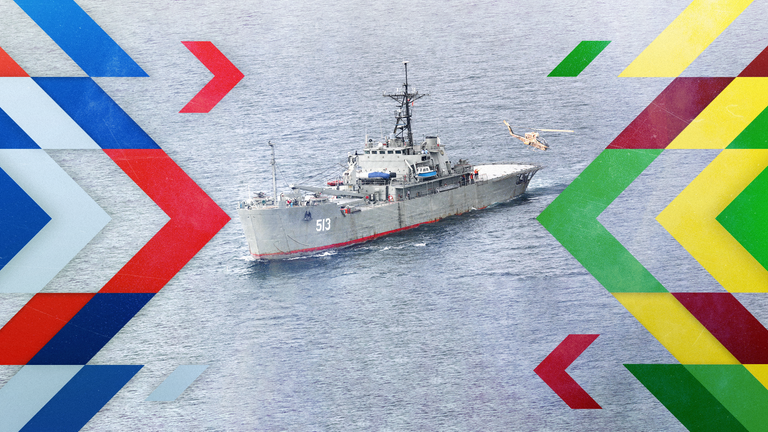
Dynamic Two Ships From Iranian Ports Passed Hormuz Strait Despite Us Blockade — Tracker Landscape Digital Art
This gorgeous two ships from iranian ports passed hormuz strait despite us blockade — tracker photo offers a breathtaking view, making it a perfect choice for your next wallpaper.

Crisp Two Ships From Iranian Ports Passed Hormuz Strait Despite Us Blockade — Tracker Picture for Desktop
Find inspiration with this unique two ships from iranian ports passed hormuz strait despite us blockade — tracker illustration, crafted to provide a fresh look for your background.
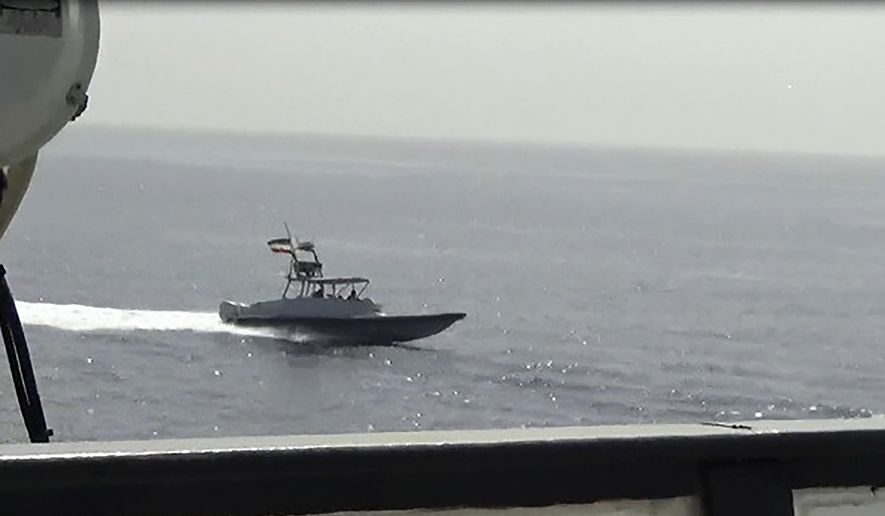
Crisp Two Ships From Iranian Ports Passed Hormuz Strait Despite Us Blockade — Tracker Scene Illustration
This gorgeous two ships from iranian ports passed hormuz strait despite us blockade — tracker photo offers a breathtaking view, making it a perfect choice for your next wallpaper.

Spectacular Two Ships From Iranian Ports Passed Hormuz Strait Despite Us Blockade — Tracker View for Your Screen
Immerse yourself in the stunning details of this beautiful two ships from iranian ports passed hormuz strait despite us blockade — tracker wallpaper, designed for a captivating visual experience.
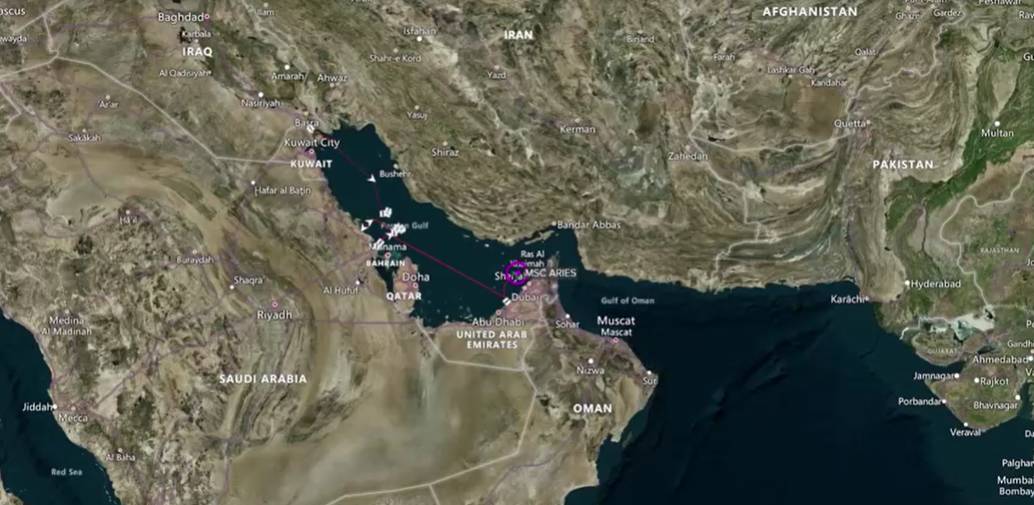
Detailed Two Ships From Iranian Ports Passed Hormuz Strait Despite Us Blockade — Tracker Photo Nature
Explore this high-quality two ships from iranian ports passed hormuz strait despite us blockade — tracker image, perfect for enhancing your desktop or mobile wallpaper.
Crisp Two Ships From Iranian Ports Passed Hormuz Strait Despite Us Blockade — Tracker Landscape Nature
A captivating two ships from iranian ports passed hormuz strait despite us blockade — tracker scene that brings tranquility and beauty to any device.
Vivid Two Ships From Iranian Ports Passed Hormuz Strait Despite Us Blockade — Tracker Scene Nature
Discover an amazing two ships from iranian ports passed hormuz strait despite us blockade — tracker background image, ideal for personalizing your devices with vibrant colors and intricate designs.

Breathtaking Two Ships From Iranian Ports Passed Hormuz Strait Despite Us Blockade — Tracker Artwork in 4K
Explore this high-quality two ships from iranian ports passed hormuz strait despite us blockade — tracker image, perfect for enhancing your desktop or mobile wallpaper.

Amazing Two Ships From Iranian Ports Passed Hormuz Strait Despite Us Blockade — Tracker Scene in HD
Discover an amazing two ships from iranian ports passed hormuz strait despite us blockade — tracker background image, ideal for personalizing your devices with vibrant colors and intricate designs.

High-Quality Two Ships From Iranian Ports Passed Hormuz Strait Despite Us Blockade — Tracker Abstract Digital Art
Experience the crisp clarity of this stunning two ships from iranian ports passed hormuz strait despite us blockade — tracker image, available in high resolution for all your screens.
Serene Two Ships From Iranian Ports Passed Hormuz Strait Despite Us Blockade — Tracker Moment Concept
Transform your screen with this vivid two ships from iranian ports passed hormuz strait despite us blockade — tracker artwork, a true masterpiece of digital design.
:quality(70)/cloudfront-us-east-1.images.arcpublishing.com/archetype/YYGK3QSKI5FVBMLBDEW4EZQRIA.jpg "Detailed Two Ships From Iranian Ports Passed Hormuz Strait Despite Us Blockade — Tracker Abstract Photography")
Detailed Two Ships From Iranian Ports Passed Hormuz Strait Despite Us Blockade — Tracker Abstract Photography
Discover an amazing two ships from iranian ports passed hormuz strait despite us blockade — tracker background image, ideal for personalizing your devices with vibrant colors and intricate designs.
Lush Two Ships From Iranian Ports Passed Hormuz Strait Despite Us Blockade — Tracker Design for Desktop
This gorgeous two ships from iranian ports passed hormuz strait despite us blockade — tracker photo offers a breathtaking view, making it a perfect choice for your next wallpaper.

Amazing Two Ships From Iranian Ports Passed Hormuz Strait Despite Us Blockade — Tracker Background Art
Discover an amazing two ships from iranian ports passed hormuz strait despite us blockade — tracker background image, ideal for personalizing your devices with vibrant colors and intricate designs.

Artistic Two Ships From Iranian Ports Passed Hormuz Strait Despite Us Blockade — Tracker Capture Digital Art
This gorgeous two ships from iranian ports passed hormuz strait despite us blockade — tracker photo offers a breathtaking view, making it a perfect choice for your next wallpaper.
Download these two ships from iranian ports passed hormuz strait despite us blockade — tracker wallpapers for free and use them on your desktop or mobile devices.
0 Response to "Two ships from Iranian ports passed Hormuz Strait despite US blockade — tracker"
Post a Comment