Why do Earth's colors appear muted in new photos from Artemis II?
Why Do Earth's Colors Appear Muted in New Photos from Artemis II?
As humanity prepares to return to the lunar vicinity, the anticipation for visual confirmation of our progress is at an all-time high. The Artemis II mission, NASA’s first crewed foray toward the Moon in over half a century, has recently shared preliminary imaging data and sensor tests that have sparked a fascinating debate among enthusiasts and scientists alike. One question stands out: Why do Earth's colors appear muted in new photos from Artemis II? While we are accustomed to the vibrant, high-contrast, "marble-like" images of Earth from low-Earth orbit (LEO) or the saturated colors of the Apollo era, the new views from the Orion spacecraft offer a more subdued, almost ethereal palette. This phenomenon is not a technical failure, but rather a result of complex physics, advanced sensor technology, and the harsh reality of deep space optics.
The Science of Atmospheric Scattering and Albedo
To understand why the Earth looks different from the perspective of Artemis II, we must first look at the atmosphere. When we see photos from the International Space Station (ISS), the camera is only about 250 miles above the surface. At this proximity, the camera captures intense, direct reflections of sunlight off the oceans and clouds with minimal atmospheric interference between the lens and the target.
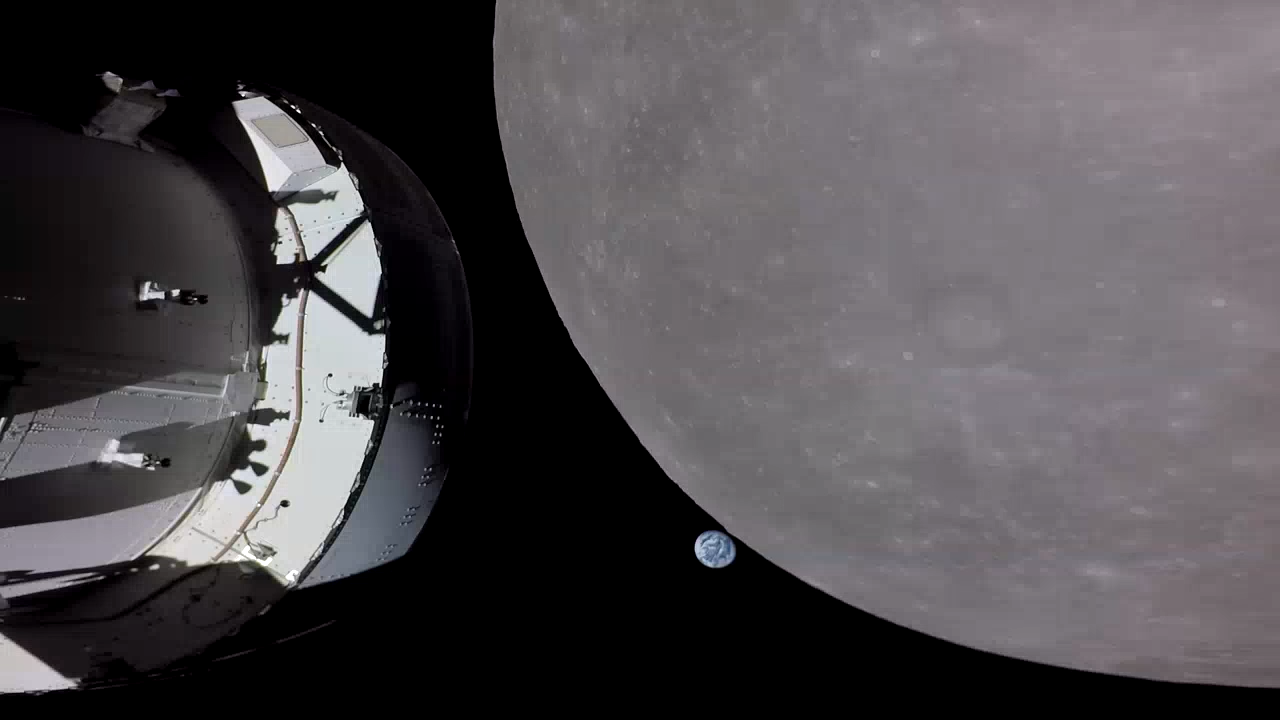
However, Artemis II travels much further, eventually reaching a point tens of thousands of miles away during its lunar flyby. From this distance, the light reflecting off Earth must travel through a significantly larger "column" of space before reaching Orion's sensors. More importantly, the Earth’s albedo—the measure of how much solar radiation is reflected back into space—is incredibly high. Because Earth is so bright compared to the pitch-black vacuum of space, cameras must reduce their exposure settings. This reduction in exposure to prevent "blowing out" the whites of the clouds often results in colors that look less saturated or "muted" to the human eye, which is used to the artificially enhanced colors of smartphone photography.
Rayleigh Scattering and the "Blue Haze"
Another factor is Rayleigh scattering. This is the same phenomenon that makes the sky blue. As sunlight hits the Earth's atmosphere, shorter wavelengths (blue) are scattered in all directions. When viewed from a distance, this scattering creates a slight "blue veil" over the entire planet. In the high-resolution digital sensors used on Artemis II, this scattering can soften the contrast between the deep blue of the oceans and the greens of the continents, leading to a more pastel-like appearance compared to the deep, "ink-heavy" colors we see in edited NASA posters.
Digital Precision vs. Analog Nostalgia
Many people compare the Artemis II photos to the iconic "Blue Marble" shot from Apollo 17. There is a fundamental technological reason for the difference: Film vs. Digital Sensors.
The Apollo astronauts used Hasselblad cameras with custom Ektachrome film. Film has a chemical "response curve" that naturally tends to saturate certain colors and provide a high-contrast look that feels "warm" and "vibrant." In contrast, the Orion spacecraft is equipped with state-of-the-art CMOS digital sensors. These sensors are designed for scientific fidelity, not aesthetic beauty. They are built to capture the widest possible dynamic range in "Raw" format. Raw images often look flat or muted because they are preserving all the data in the shadows and highlights, allowing scientists to analyze the Earth's atmospheric composition without the interference of "beautifying" filters found in consumer electronics.
| Fitur/Aspek | Deskripsi |
|---|---|
| Sensor Technology | High-dynamic-range CMOS sensors designed for scientific data over aesthetic saturation. |
| Distance Factor | The massive distance (thousands of miles) increases the impact of atmospheric haze. |
| Exposure Settings | Short exposure times are required to avoid overexposing the bright Earth against dark space. |
| Color Grading | New images are often released in "Natural Color" rather than "Enhanced Color" formats. |
| Optical Intermediaries | Light must pass through Orion's multi-layered, reinforced thermal windows. |
The Role of Orion’s Windows
It is also important to consider the physical medium through which these photos are taken. The Orion capsule is a marvel of engineering, built to withstand the intense heat of re-entry. Consequently, its windows are not simple panes of glass. They are composed of multiple layers of high-strength polycarbonate and silica glass, often with metallic coatings to reflect harmful UV radiation and manage heat.
These layers can act as a subtle filter. Just as wearing polarized sunglasses changes the way you perceive the color of a lake, the protective layers of Orion's windows can slightly shift the color spectrum or reduce the vibrance of the light passing through. This "filtering effect" contributes to the perceived muting of Earth’s greens and blues as the spacecraft moves further into the deep space environment.
The Impact of "Natural Color" Processing
In the modern era of space exploration, NASA has moved toward "True Color" or "Natural Color" representation. In the past, many space images were processed to be "False Color" to highlight specific features like vegetation (using infrared) or mineral deposits. Because Artemis II is a mission focused on human safety and navigation, the preliminary images are often processed to show exactly what a human eye would see from the cabin.
Interestingly, the human eye is not as sensitive to saturation as a high-end OLED television might suggest. If you were standing on the Moon looking at Earth, the planet would look incredibly bright—about four times brighter than a full moon looks to us on Earth—but the colors would not necessarily look "neon." They would look delicate and brilliant, much like the "muted" tones currently being debated in the Artemis II previews.
The Psychology of Expectation
We must also acknowledge the "CGI Effect." For the last two decades, Hollywood movies and high-budget documentaries have used computer-generated imagery (CGI) to depict Earth. These renderings often exaggerate colors to make the planet look more "alive" or dramatic. When real, raw data from a spacecraft like Orion comes back, it lacks the post-production "pop" we have been conditioned to expect. The muted colors of Artemis II are, in many ways, a return to reality.
The Technical Challenges of Deep Space Photography
Photography in space is a battle against the extremes. In deep space, there is no atmosphere to diffuse light. You have the absolute brilliance of the Sun on one side and the absolute darkness of the void on the other. This creates a "harsh" lighting environment.
For the Artemis II cameras to capture both the details of the Orion spacecraft hull and the Earth in the same frame, the camera must make a compromise. This compromise usually involves "flattening" the image. If the camera were set to make the Earth's oceans a deep, vibrant blue, the spacecraft itself would likely disappear into a black silhouette. By muting the tones, NASA engineers ensure that all parts of the image provide useful data for mission controllers.
FAQ: Understanding Artemis II Imagery
1. Are the Artemis II photos fake because the colors look different?
No. The colors look different because of the transition from analog film (Apollo era) to high-fidelity digital sensors (Artemis era), combined with the physics of light scattering over long distances. These images are more scientifically accurate than the saturated photos we often see on social media.
2. Why does the Earth look so small and pale in some shots?
As Artemis II moves toward the Moon, it enters a "High Earth Orbit" and eventually a "Trans-Lunar Injection." The further away the spacecraft gets, the more the Earth's light is filtered through the atmosphere, and the smaller it appears. The "pale" look is due to the high albedo of the Earth's clouds reflecting intense sunlight.
3. Will we ever see "vibrant" photos from Artemis II?
Yes. Once the raw data is fully downloaded and processed by NASA’s imaging specialists, they will likely release "Enhanced Color" versions. These versions are adjusted to make details easier for the public to see, similar to how the James Webb Space Telescope images are colorized to reveal hidden details.
Conclusion: A New Perspective on Our Home
The "muted" colors in the new photos from Artemis II are not a flaw; they are a testament to the honesty of modern space exploration. They represent the Earth as it truly appears from the lonely, high-radiation environment of deep space—a fragile, bright, and delicately colored oasis. As the mission continues and we receive more data, these images will serve as a baseline for understanding our planet's place in the cosmos.
By embracing the realistic, subdued palette of these new images, we can move away from the "Hollywood" version of space and appreciate the raw, technical beauty of the Artemis mission. The Earth is not just a bright blue marble; it is a complex, shining beacon whose true colors are revealed not through filters, but through the precise lenses of the most advanced spacecraft ever built by human hands.
Why do Earth's colors appear muted in new photos from Artemis II?
Why do Earth's colors appear muted in new photos from Artemis II? Wallpapers
Collection of why do earth's colors appear muted in new photos from artemis ii? wallpapers for your desktop and mobile devices.

Exquisite Why Do Earth's Colors Appear Muted In New Photos From Artemis Ii? Background in 4K
This gorgeous why do earth's colors appear muted in new photos from artemis ii? photo offers a breathtaking view, making it a perfect choice for your next wallpaper.

Spectacular Why Do Earth's Colors Appear Muted In New Photos From Artemis Ii? Image Concept
This gorgeous why do earth's colors appear muted in new photos from artemis ii? photo offers a breathtaking view, making it a perfect choice for your next wallpaper.

Exquisite Why Do Earth's Colors Appear Muted In New Photos From Artemis Ii? View for Mobile
Find inspiration with this unique why do earth's colors appear muted in new photos from artemis ii? illustration, crafted to provide a fresh look for your background.

Stunning Why Do Earth's Colors Appear Muted In New Photos From Artemis Ii? Capture Photography
Immerse yourself in the stunning details of this beautiful why do earth's colors appear muted in new photos from artemis ii? wallpaper, designed for a captivating visual experience.
Beautiful Why Do Earth's Colors Appear Muted In New Photos From Artemis Ii? Background for Desktop
Experience the crisp clarity of this stunning why do earth's colors appear muted in new photos from artemis ii? image, available in high resolution for all your screens.

Crisp Why Do Earth's Colors Appear Muted In New Photos From Artemis Ii? View Digital Art
This gorgeous why do earth's colors appear muted in new photos from artemis ii? photo offers a breathtaking view, making it a perfect choice for your next wallpaper.

Stunning Why Do Earth's Colors Appear Muted In New Photos From Artemis Ii? Moment Nature
This gorgeous why do earth's colors appear muted in new photos from artemis ii? photo offers a breathtaking view, making it a perfect choice for your next wallpaper.
Artistic Why Do Earth's Colors Appear Muted In New Photos From Artemis Ii? Image Nature
Find inspiration with this unique why do earth's colors appear muted in new photos from artemis ii? illustration, crafted to provide a fresh look for your background.

Artistic Why Do Earth's Colors Appear Muted In New Photos From Artemis Ii? Capture Collection
This gorgeous why do earth's colors appear muted in new photos from artemis ii? photo offers a breathtaking view, making it a perfect choice for your next wallpaper.
Crisp Why Do Earth's Colors Appear Muted In New Photos From Artemis Ii? Abstract for Mobile
This gorgeous why do earth's colors appear muted in new photos from artemis ii? photo offers a breathtaking view, making it a perfect choice for your next wallpaper.

Spectacular Why Do Earth's Colors Appear Muted In New Photos From Artemis Ii? Background Digital Art
Find inspiration with this unique why do earth's colors appear muted in new photos from artemis ii? illustration, crafted to provide a fresh look for your background.

Beautiful Why Do Earth's Colors Appear Muted In New Photos From Artemis Ii? Artwork for Mobile
Explore this high-quality why do earth's colors appear muted in new photos from artemis ii? image, perfect for enhancing your desktop or mobile wallpaper.
Lush Why Do Earth's Colors Appear Muted In New Photos From Artemis Ii? View Digital Art
Find inspiration with this unique why do earth's colors appear muted in new photos from artemis ii? illustration, crafted to provide a fresh look for your background.
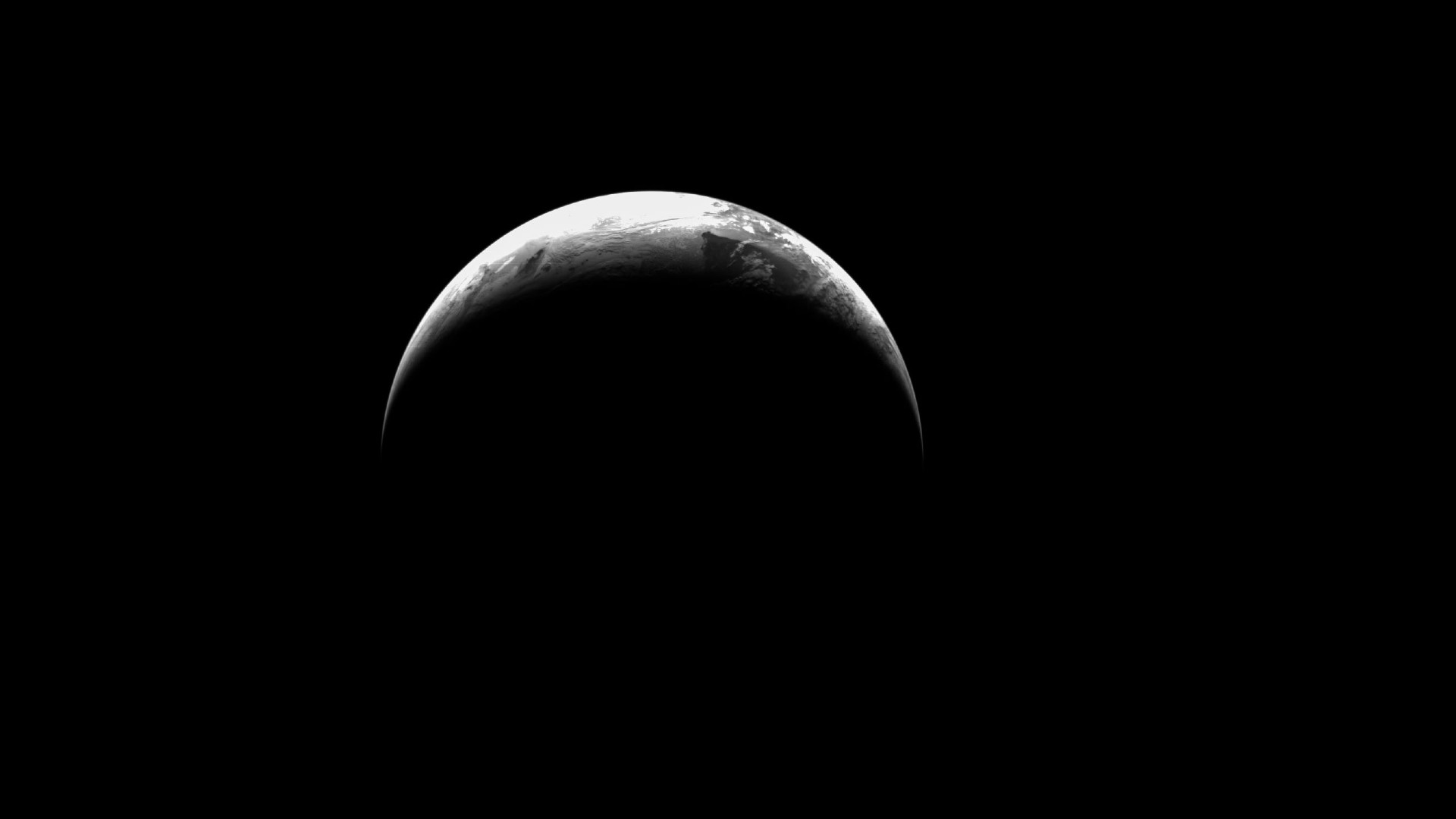
Stunning Why Do Earth's Colors Appear Muted In New Photos From Artemis Ii? Artwork Illustration
Find inspiration with this unique why do earth's colors appear muted in new photos from artemis ii? illustration, crafted to provide a fresh look for your background.

Mesmerizing Why Do Earth's Colors Appear Muted In New Photos From Artemis Ii? Picture for Mobile
Explore this high-quality why do earth's colors appear muted in new photos from artemis ii? image, perfect for enhancing your desktop or mobile wallpaper.

Beautiful Why Do Earth's Colors Appear Muted In New Photos From Artemis Ii? Abstract Digital Art
Discover an amazing why do earth's colors appear muted in new photos from artemis ii? background image, ideal for personalizing your devices with vibrant colors and intricate designs.

Beautiful Why Do Earth's Colors Appear Muted In New Photos From Artemis Ii? Background in HD
Experience the crisp clarity of this stunning why do earth's colors appear muted in new photos from artemis ii? image, available in high resolution for all your screens.

Mesmerizing Why Do Earth's Colors Appear Muted In New Photos From Artemis Ii? Capture for Mobile
Experience the crisp clarity of this stunning why do earth's colors appear muted in new photos from artemis ii? image, available in high resolution for all your screens.
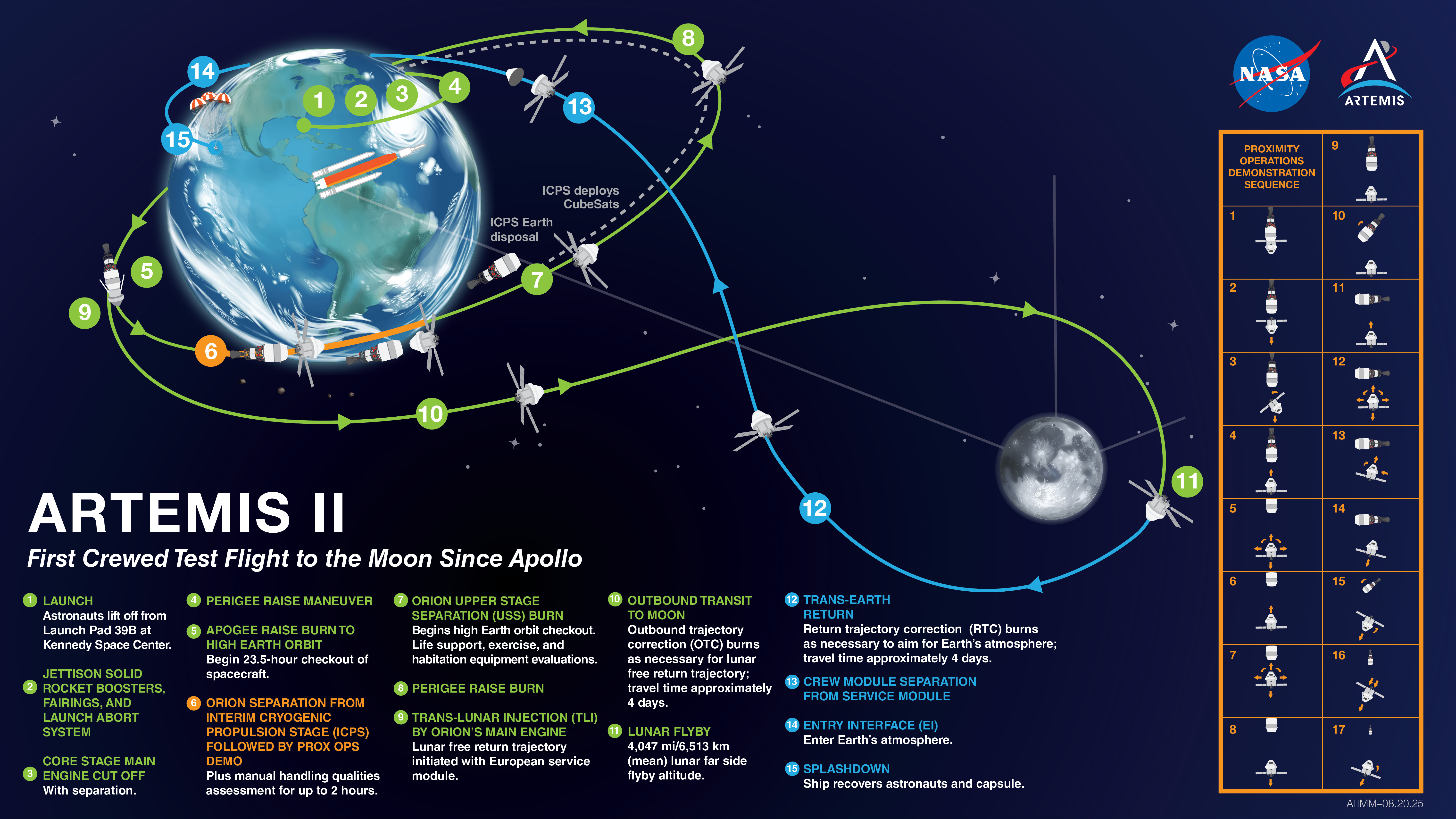
Amazing Why Do Earth's Colors Appear Muted In New Photos From Artemis Ii? Landscape Nature
Experience the crisp clarity of this stunning why do earth's colors appear muted in new photos from artemis ii? image, available in high resolution for all your screens.
Dynamic Why Do Earth's Colors Appear Muted In New Photos From Artemis Ii? Artwork Illustration
Immerse yourself in the stunning details of this beautiful why do earth's colors appear muted in new photos from artemis ii? wallpaper, designed for a captivating visual experience.
Download these why do earth's colors appear muted in new photos from artemis ii? wallpapers for free and use them on your desktop or mobile devices.
0 Response to "Why do Earth's colors appear muted in new photos from Artemis II?"
Post a Comment